


Unlocking Affordable Quality: Tijuana's Dental Implants
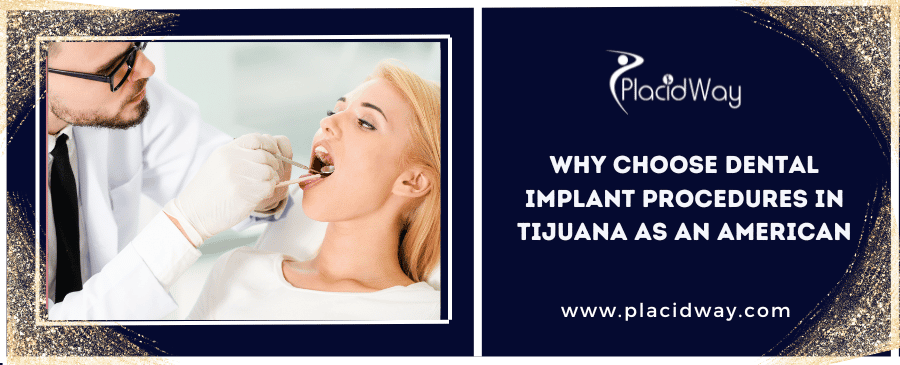
Americans choose dental implants in Tijuana to save up to seventy percent compared to US prices while receiving world-class care. Clinics offer FDA-approved materials, advanced technology, and skilled bilingual specialists just across the border.
Key Takeaways: Dental Excellence Across the Border
- Exceptional Affordability: Patients routinely save thousands of dollars on complex oral restorations.
- Premium Materials: Facilities utilize the exact same globally recognized titanium posts used in American practices.
- Advanced Technology: Surgical planning includes 3D imaging, digital impressions, and state-of-the-art sterilization.
- Convenient Location: Immediate proximity to San Diego makes travel logistics incredibly simple for US residents.
- Specialized Expertise: Board-certified oral surgeons focus specifically on complex full-mouth rehabilitations.
What is the average dental implant cost in Mexico for American patients?
The average financial investment for a single implant restoration ranges from eight hundred to one thousand five hundred dollars. This comprehensive estimate typically includes the surgical post, the connection abutment, and the final permanent crown.
Understanding the pricing structure is crucial when evaluating cross-border oral healthcare. In the United States, a single restored tooth can easily exceed four or five thousand dollars due to massive overhead costs, expensive malpractice insurance premiums, and high commercial real estate leases. Mexican practitioners face entirely different economic realities. Their overhead is remarkably lower, allowing them to pass substantial savings directly to the patient without ever compromising the quality of care.
Furthermore, higher education in Mexico is heavily subsidized by the government. Dentists graduate without the crushing burden of massive student loan debt that their American counterparts face. Because they do not need to inflate their treatment prices to aggressively pay off educational loans, they can focus entirely on providing competitive, fair pricing for complex surgical procedures.
Another major factor contributing to these affordable prices is the favorable exchange rate between the US dollar and the Mexican peso. Your purchasing power significantly increases the moment you cross the border. This economic advantage transforms what would be an out-of-reach luxury procedure in the United States into an accessible, necessary health investment when pursuing medical tourism in Mexico.
Many American patients find that the total cost of their flight, luxury hotel stay, and complete surgical treatment in Tijuana is still drastically lower than merely paying the copays and deductibles for the exact same treatment plan in their home state.
How do materials at a dental implant clinic in Mexico compare to US standards?
Top facilities exclusively utilize premium, internationally recognized brands and materials that strictly meet global regulatory standards. Patients receive the exact same high-grade titanium and zirconia components offered by upscale American practices.
Patients often worry that lower prices equate to inferior materials, but this is a massive misconception. Leading facilities serving international patients refuse to compromise on hardware. Here is a breakdown of the material quality you can expect:
- Biocompatible Titanium: Surgeons utilize medical-grade titanium posts that are highly biocompatible, ensuring seamless integration with your natural jawbone.
- Zirconia Crowns: For the visible tooth replacement, clinics craft crowns from solid block zirconia, renowned for its incredible durability and natural, translucent appearance.
- Global Brand Partnerships: Reputable centers order their supplies from the leading Swiss, German, and American dental manufacturing companies.
- In-House Custom Milling: Many premium locations feature on-site laboratories equipped with CAD CAM technology to perfectly sculpt your artificial teeth in real-time.
- Strict Expiration Tracking: Ethical practitioners follow rigorous inventory management protocols to ensure all surgical components and bone grafting materials are perfectly fresh and sterile.
What makes medical tourism in Mexico safe for complex dental surgery?
Safety is guaranteed through rigorous international accreditations, strict hygienic protocols, and highly regulated medical zones. Clinics catering to international patients maintain standards that often exceed basic North American requirements.
The landscape of cross-border healthcare has evolved dramatically over the last decade. Today, specific districts within border cities are entirely dedicated to international healthcare. These zones are heavily protected, exceptionally clean, and feature modern architectural buildings that house state-of-the-art surgical suites. The local government deeply values the economic boost from international patients and actively ensures these medical districts remain incredibly safe and welcoming for foreigners.
Inside the facilities, infection control is paramount. You will observe medical staff utilizing hospital-grade autoclaves, sealed sterile instrument pouches, and rigorous environmental cleaning schedules between every single patient. Many head surgeons pursue active memberships in prestigious international organizations, which requires them to pass continual audits regarding their safety practices, equipment maintenance, and emergency preparedness.
Furthermore, safety extends to the actual surgical planning. Rather than relying on outdated two-dimensional X-rays, premium providers use comprehensive volumetric imaging to map vital structures like nerves and sinus cavities. This meticulous preparation drastically minimizes surgical risks, prevents post-operative complications, and ensures that every patient receives a predictable, highly successful outcome for their dental implants in Mexico.
How long is the recovery for dental implants in Mexico?
Initial surgical recovery takes approximately three to seven days, during which mild swelling subsides. However, complete biological integration of the titanium post into the jawbone requires an underlying healing period of three to six months.
The journey to a fully restored smile requires patience, as the process relies on a biological phenomenon known as osseointegration. During the first week after your procedure at a dental implant clinic in Mexico, you will experience typical post-operative symptoms. This includes minor swelling, localized tenderness, and mild bruising around the surgical site. Dentists manage this initial phase effectively with prescribed anti-inflammatory medications and specialized antibacterial mouth rinses to promote rapid tissue healing.
Following the first week, the superficial gum tissue closes completely, and you will feel entirely normal. However, beneath the surface, your bone cells are actively growing and fusing directly to the micro-textures of the titanium post. This fusion phase is critical. Patients are instructed to maintain a soft-food diet during the early stages to avoid placing unnecessary bite force on the healing post, which could disrupt the delicate cellular attachment process.
Once the three to six-month waiting period concludes, you return to the clinic for the restorative phase. The dentist performs a final stability test using specialized instruments to ensure the post is rock-solid. Only after confirming absolute structural integrity will they attach the permanent, custom-shaded crown, completing your treatment and granting you full chewing capability.
| Treatment Phase | Estimated Timeline | Patient Action Required |
|---|---|---|
| Initial Surgery | Day 1 to Day 7 | Rest, soft diet, take prescribed medications. |
| Osseointegration | 3 to 6 Months | Maintain oral hygiene, avoid hard foods on surgical site. |
| Final Restoration | 1 to 2 Weeks post-healing | Return to clinic for impressions and crown placement. |
Are bone grafts included with dental implants in Tijuana?
Bone grafting is an entirely separate procedure with its own fee, necessary only if you lack sufficient bone density. Advanced diagnostics determine your specific bone volume to see if supplemental grafting is required before placement.
When a natural tooth is extracted or falls out, the jawbone in that specific area stops receiving stimulation from chewing. Without this stimulation, the body naturally begins to resorb or melt away the bone tissue. If a patient waits several years between losing a tooth and seeking replacement, they often present with a jawbone that is too thin or too short to securely anchor a titanium post. In these clinical scenarios, a bone augmentation procedure becomes medically necessary to ensure long-term stability.
Surgeons performing dental implants in Tijuana utilize advanced techniques like sinus lifts and ridge augmentations to rebuild this lost foundation. They carefully place specialized grafting granules into the deficient area and cover it with a protective collagen membrane. This matrix encourages your body to generate fresh, strong bone cells, creating a robust structural base for the future artificial root.
It is important to understand that requiring a graft will extend your overall treatment timeline. The newly augmented site typically needs an additional four to six months to mature before the actual post can be safely installed. During your initial virtual or in-person consultation, the specialist will analyze your volumetric scans to provide a transparent assessment detailing whether grafting is necessary and exactly how it will affect your overall dental implant cost in Mexico.
Can I get full mouth dental implants in Mexico in a single visit?
Yes, immediate load protocols like All on 4 allow specialists to extract failing teeth, place the titanium anchors, and attach a temporary functional acrylic arch all within a single surgical appointment.
The concept of leaving the clinic with a brand new set of teeth on the exact same day as surgery is highly appealing. This is achieved through immediate load protocols. By analyzing your jaw structure with specialized software, surgeons identify the regions with the absolute highest bone density. They strategically angle the titanium posts into these dense zones to achieve maximum initial torque and primary stability.
Because these angled posts are so incredibly secure right from the start, the dentist can immediately screw a temporary acrylic bridge onto the abutments. This means you will never have to wake up from surgery without teeth. This temporary arch looks entirely natural and restores basic aesthetic appeal, allowing you to smile confidently and speak clearly while your underlying jawbone heals over the next several months.
However, patients must understand that this single visit provides a temporary solution designed specifically for the healing phase. You are strictly restricted to a very soft diet to prevent microscopic movements of the posts. Once the six-month osseointegration period finishes, you must make a mandatory second trip. During this final visit, the dentist will replace the temporary acrylic bridge with your permanent, ultra-durable zirconia or porcelain arch, finalizing your complete oral rehabilitation.
How do bilingual dentists improve the experience for dental implants in Tijuana?
Clear communication is crucial for medical safety and patient comfort. Top specialists are highly fluent in English, ensuring patients fully comprehend their treatment plans, surgical risks, and detailed aftercare instructions.
Language barriers represent a major concern for individuals traveling abroad for healthcare. Recognizing this anxiety, premium facilities heavily prioritize hiring and training bilingual staff. From the moment you send an initial email inquiry to the day you sit in the surgical chair, you will communicate with patient coordinators and head doctors who speak English with exceptional clarity and medical precision.
This fluency is not merely a convenience; it is a fundamental requirement for informed medical consent. Your surgeon will thoroughly explain the anatomical aspects of your procedure, detail the exact breakdown of the dental implant cost in Mexico, and answer all your complex questions regarding anesthesia options. You will never feel confused or rushed into making a surgical decision because of a mistranslation.
Moreover, many of these elite specialists have completed significant portions of their clinical training or fellowship programs at prestigious universities within the United States. This cross-border education means they do not just speak the language perfectly; they deeply understand American cultural expectations regarding bedside manner, clinical cleanliness, and customer service, providing an experience that feels remarkably familiar and comforting.
What guarantee protects my investment in dental implants in Mexico?
Elite facilities offer comprehensive written warranties covering both the physical materials and the surgical labor. If a component fractures or an implant fails to integrate within the specified period, it is replaced at no additional cost.
Committing to major restorative oral surgery requires significant financial trust. Reputable centers providing medical tourism in Mexico honor this trust by offering robust, transparent warranty policies that often outshine those found in local American practices. These guarantees generally come in two distinct forms: material warranties provided by the global manufacturer, and clinical warranties provided by the surgical facility itself.
The global manufacturers of premium titanium posts offer long-term or even lifetime warranties against rare structural defects. Simultaneously, the clinic covers the biological success of the procedure. For example, if your body naturally rejects the post during the initial healing phase—a rare occurrence usually tied to unpredictable biological factors rather than surgical error—the clinic will carefully remove the post, allow the area to heal, and place a new one entirely free of surgical charges.
To keep these comprehensive warranties valid, patients must strictly adhere to detailed post-operative compliance rules. This includes attending regular professional cleanings at your local dentist back home, wearing a protective night guard if you suffer from bruxism, and entirely abstaining from tobacco use during the critical healing phases, as smoking drastically decreases vital blood flow to the surgical site and invites failure.
How do Americans finance their dental implants in Tijuana?
Patients comfortably manage payments using major international credit cards, personal healthcare loans, and dedicated third-party medical financing services designed specifically to fund cross-border healthcare journeys.
Despite the incredibly low dental implant cost in Mexico, comprehensive full-mouth reconstructions still require a notable financial commitment. Fortunately, modern facilities make the payment process incredibly seamless for international visitors. The most straightforward method involves using major American credit cards, which offer favorable international exchange rates and valuable reward points. Clinics operate sophisticated, secure point-of-sale systems identical to those found stateside.
For patients who prefer structured payment plans, numerous specialized third-party financial institutions cater exclusively to the medical tourism industry. These private lenders allow you to secure a personal loan based on your credit history before you ever travel. Once approved, you receive a lump sum in your bank account, enabling you to pay the surgical clinic in full upon arrival while you comfortably pay off the loan in monthly installments back home.
Additionally, because the treatment process is naturally broken into two separate trips spread several months apart, the financial burden is inherently split. Patients typically pay for the surgical post placement during the first visit, giving them ample time to save money before returning half a year later to pay for the final custom crowns or bridges, making cash flow management significantly easier.
Why choose PlacidWay for dental implants in Mexico?
PlacidWay acts as your ultimate safety net by exclusively connecting you with rigorously vetted clinics. We eliminate guesswork, ensure transparent cost estimates, and provide dedicated bilingual coordination for your entire clinical journey.
Navigating international healthcare options independently can feel overwhelming due to the sheer volume of choices and varying levels of clinical quality. PlacidWay simplifies this entire process, serving as a trusted intermediary dedicated entirely to patient safety and clinical excellence. Here are the distinct advantages of partnering with our platform:
- Rigorous Facility Vetting: We conduct exhaustive background checks on every partner clinic, verifying their medical licenses, facility accreditations, and the board certifications of their head specialists to guarantee premium care.
- Transparent Financial Quotes: We completely eliminate hidden fees by securing comprehensive, itemized estimates upfront, ensuring you know the exact final cost before committing to any procedure.
- Medical Record Coordination: Our specialized team facilitates the secure digital transfer of your local panoramic X-rays and medical history directly to the overseas specialist for accurate preliminary virtual consultations.
- Bilingual Patient Advocacy: You receive support from dedicated patient coordinators who speak perfect English, acting as your personal advocate to ensure your specific medical expectations are communicated clearly to the surgical team.
- Risk Mitigation: By carefully filtering out unverified or low-quality providers, we protect you from substandard care, dramatically increasing the long-term success and safety of your complex oral rehabilitation.
Frequently Asked Questions About Dental Care in Tijuana
Do I need a passport to cross the border for dental implants in Tijuana?
Yes, American citizens must present a valid United States passport or a passport card when returning from their appointment for dental implants in Tijuana. While border officials sometimes allow entry into Mexico without strict checks, the return trip into the United States strictly requires proper federal documentation. Securing these documents well in advance of your surgical appointment prevents any border delays and ensures a stress-free medical journey.
How many trips are required for traditional dental implants in Mexico?
Traditional restorative procedures usually require two distinct trips to your chosen dental implant clinic in Mexico. The first visit involves the surgical placement of the titanium post into your jawbone, which requires a healing period of three to six months for complete osseointegration. The second trip is scheduled once the bone has firmly healed around the post, allowing the dentist to attach the custom permanent crown and finalize your restored smile.
Is it safe to walk from the US border to a dental implant clinic in Tijuana?
Many premium clinics are located within walking distance or a very short cab ride from the San Ysidro port of entry, making it exceptionally safe and convenient. The immediate border zone is highly monitored and heavily caters to American medical tourists. Furthermore, reputable clinics often provide complimentary shuttle services directly from the border crossing to their facility, ensuring you never have to navigate the city streets on your own.
Will my US dental insurance cover dental implant cost in Mexico?
Many United States dental insurance PPO plans do offer out-of-network reimbursement for procedures performed in Mexico. You will typically need to pay the dental implant cost in Mexico upfront and submit an itemized superbill provided by your Tijuana clinic to your insurance provider. Because the total cost is significantly lower, you may find that your annual insurance maximum stretches much further, covering a larger percentage of your overall treatment plan.
What is the All on 4 technique for dental implants in Tijuana?
The All on 4 technique is a revolutionary full-arch restoration method where an entire row of teeth is supported by just four strategically placed titanium posts. This procedure is highly requested by Americans seeking dental implants in Tijuana because it often bypasses the need for extensive bone grafting. The specialized angling of the posterior implants maximizes existing bone density, allowing patients to leave the clinic with a fully functional temporary arch on the same day as their surgery.
Are medications prescribed in Mexico valid for American patients?
Yes, prescriptions provided by certified Mexican dentists for antibiotics and pain management are completely valid and can be filled at local Mexican pharmacies before you cross back into the United States. Border patrol agents allow you to bring personal-use amounts of non-narcotic prescription medications across the border, provided they are in their original packaging and clearly match the written prescription from your attending dental specialist.
Can I use my FSA or HSA for dental implants in Mexico?
Flexible Spending Accounts and Health Savings Accounts can absolutely be utilized to pay for eligible dental procedures abroad, including dental implants in Mexico. Because these are pre-tax funds dedicated to healthcare expenses, using a linked debit card or requesting reimbursement for international dental care is a completely legal and financially savvy way to further reduce your out-of-pocket expenses for major oral surgery.
How do Tijuana dentists handle complications after I return home?
Top-tier facilities prioritize comprehensive aftercare and maintain open lines of communication through dedicated patient coordinators. If a minor complication arises, your Mexican specialist can consult with your local United States dentist by sharing digital records and X-rays to coordinate care. For issues directly related to the surgical placement, reputable clinics offer solid warranties and will address the complication at no additional surgical cost upon your return to their facility.
Do Tijuana dental clinics use 3D CBCT scans for implant placement?
Modern facilities specializing in medical tourism in Mexico are equipped with state-of-the-art diagnostic technology, including 3D Cone Beam Computed Tomography scanners. These advanced imaging systems provide a three-dimensional view of your oral and maxillofacial structures, allowing the oral surgeon to precisely map out the exact angle, depth, and location for the implant. This technology prevents nerve damage and ensures the highest possible success rate for your procedure.
What is the success rate for dental implants in Mexico compared to the US?
The success rate for implant procedures in top-rated Mexican clinics is remarkably identical to that of premium clinics in the United States, consistently hovering around ninety-five to ninety-eight percent. This high level of success is directly attributed to the use of global brand-name materials, strict adherence to international sterilization protocols, and the fact that many Mexican specialists have completed advanced postgraduate implantology training in the United States or Europe.
Start Your Smile Transformation Journey Today
* Responses typically within 24 hours. Privacy guaranteed.




.png)









Share this listing