
Price Liposuction in Costa Rica
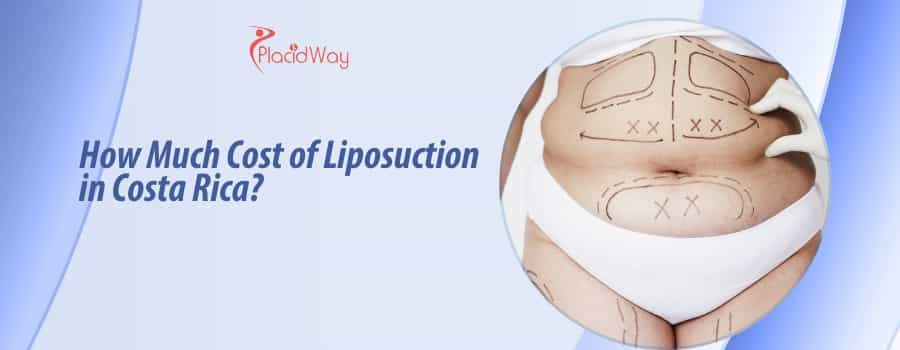
Many patients looking to reshape their bodies often explore options beyond their local healthcare systems. Exploring liposuction in Costa Rica has become a notable path for individuals seeking cosmetic body contouring in a well-established medical environment. With proximity to North America, modern medical facilities, and experienced providers, Costa Rica hosts thousands of international patients each year.
Understanding the overall financial commitment is usually the first step for those considering this route. While the initial liposuction cost in Costa Rica might appear substantially lower than quotes received at home, it is necessary to look at the complete picture. Traveling for surgery involves evaluating not just clinic fees, but also the logistics of travel, accommodation, and the critical importance of prioritizing safety over savings.
Key Takeaways
- Cost estimates typically fall between $2,500 and $4,500 per target area.
- Quotes usually include surgical fees but rarely cover airfare or extended hotel stays.
- Liposuction is designed for targeted fat removal and contouring, not weight loss.
- Patients should plan to stay in the country for 7 to 14 days post-surgery to monitor healing and prevent travel-related complications like blood clots.
- Proper evaluation of provider credentials and international accreditation is necessary before booking any procedure abroad.
What Factors Influence the Cost of Liposuction in Costa Rica?
When you contact a liposuction clinic in Costa Rica, the initial price provided is usually an estimate. The exact figure can only be determined after a provider reviews your medical history, anatomical needs, and physical goals. One of the primary cost drivers is the volume of fat to be removed and how many distinct body areas you wish to address. Treating a single area, such as the lower abdomen, requires less surgical time than a comprehensive approach targeting the abdomen, flanks, and thighs.
The type of facility also plays a role in the pricing structure. Surgery performed in a major accredited hospital usually incurs higher operating room fees than procedures done in a private, accredited ambulatory surgical center. Additionally, the type of anesthesia required—whether local with conscious sedation or general anesthesia—will alter the fees associated with the anesthesiologist and the monitoring equipment.
Finally, the surgeon’s level of experience, board certifications, and demand can influence their individual fees. Providers with specialized training in complex body contouring or revision surgeries often charge a premium for their expertise. It is wise to review exactly what variables are driving the cost when comparing different estimates.
What Is Typically Included in a Liposuction Package?
When participating in medical tourism in Costa Rica, clinics often bundle various services into a single package to make financial planning easier for international patients. A standard package usually takes care of the core medical necessities. This includes the facility fee for using the sterile operating room, the cost of medical supplies used during the procedure, and the fees for both the primary surgeon and the anesthesiologist.
In addition to the surgical day costs, many packages cover essential post-operative needs. This often includes your first specialized compression garment, which is critical for minimizing swelling and helping the skin conform to your new contours. Pre-operative medical consultations, routine lab tests conducted upon arrival, and standard follow-up visits before you fly home are also frequently included.
However, you must clearly distinguish between medical inclusions and travel inclusions. Most clinic packages do not cover your round-trip airfare, your stay at a hotel or recovery retreat, daily meals, or ground transportation unless specifically stated. Post-operative medications, such as antibiotics or pain relievers required after discharge, are also usually an out-of-pocket expense paid at a local pharmacy.
Important Consideration
Always request an itemized breakdown of any package quote. Knowing exactly what is excluded prevents unexpected financial stress during your recovery phase.
How Does Costa Rica Compare to the US for Liposuction Costs?
In the United States, the cost for liposuction can range broadly from $4,000 to over $8,000 per area, depending on the city, the facility, and the provider's reputation. These high domestic costs often prompt patients to look across borders. The lower pricing found in Costa Rica is largely a reflection of the local economic conditions, including a lower cost of living, reduced overhead costs for running a medical facility, and different malpractice insurance frameworks.
| Location | Estimated Cost (Per Area) | Typical Facility Type |
|---|---|---|
| United States | $4,000 - $8,000+ | Private Clinics / Hospitals |
| Costa Rica | $2,500 - $4,500 | Specialized Surgical Centers |
While the financial difference is notable, it is crucial to understand that lower prices do not automatically indicate inferior care. Many providers in Costa Rica have completed fellowships internationally and maintain high clinical standards. However, patients should never choose a medical destination based solely on the cheapest available price, as deep discounts can sometimes reflect compromises in facility standards or provider qualifications.
Am I a Good Candidate for Liposuction Abroad?
Suitability for surgery is based on clinical guidelines designed to maximize safety and aesthetic outcomes. Liposuction is an active body contouring technique, which means it is intended to sculpt areas like the abdomen, thighs, or arms where fat persists despite diet and exercise. It is not an obesity treatment or a reliable method for significant weight loss. Providers typically evaluate your Body Mass Index (BMI) and may decline to operate if it falls above a certain threshold due to increased anesthesia risks.
Your overall health profile must also support a safe recovery, especially when factoring in the physical stress of international travel. Conditions such as uncontrolled diabetes, heart disease, or a history of blood clotting disorders may disqualify you from elective surgery. A thorough review of your medical history with your local primary care doctor is a vital step before seeking treatment.
Skin elasticity is another major factor in determining candidacy. If you have significant loose skin from previous weight loss or natural aging, removing the underlying fat via liposuction may exacerbate the sagging appearance. In such cases, a provider might recommend a skin excision procedure, like a tummy tuck (abdominoplasty), either instead of or in addition to liposuction.
What Are the Different Liposuction Techniques Available?
Advancements in medical technology mean that patients have access to various techniques, depending on the clinic's equipment and the surgeon’s expertise. Tumescent liposuction remains the gold standard worldwide. This technique involves injecting a sterile solution containing saline, a local anesthetic, and epinephrine into the target area. The fluid causes the fat compartment to swell and firm up, making the fat easier to remove while the epinephrine constricts blood vessels to minimize bleeding and bruising.
Ultrasound-Assisted Liposuction (UAL) utilizes sound waves delivered through a specialized cannula to liquefy fat cells before they are suctioned out. This method is often favored for fibrous areas of the body, such as the male chest or the upper back, where fat can be denser and harder to extract using traditional methods.
Laser-Assisted Liposuction (LAL) uses targeted laser energy to melt the fat. The heat generated by the laser may also promote a mild skin-tightening effect by stimulating collagen production. The choice of technique should be determined by your surgeon based on your specific anatomy, the amount of fat to be removed, and the characteristics of your skin.
How Safe Is It to Travel to Costa Rica for Plastic Surgery?
Patient safety must always supersede the appeal of cost savings. When planning medical travel, the primary concern is the physical combination of major surgery and long-distance flying. Extended periods of immobility on an airplane, coupled with the trauma of surgery, elevate the risk of Deep Vein Thrombosis (DVT) and pulmonary embolism. Consequently, surgeons generally require patients to wait at least 7 to 14 days post-operatively before undertaking air travel.
To mitigate risks, it is necessary to thoroughly research your prospective medical team. Look for surgeons who are members of recognized professional organizations, such as the local Costa Rican medical boards or international bodies like the International Society of Aesthetic Plastic Surgery (ISAPS). Facility accreditation is equally critical; seek out clinics or hospitals that have been accredited by organizations such as the Joint Commission International (JCI) or equivalent national bodies.
Safety also involves having a realistic contingency plan. Complications such as surgical site infections, delayed wound healing, or unfavorable aesthetic results can occur regardless of the surgeon's skill. You must have a clear understanding of how the clinic handles complications and what your responsibilities are for securing follow-up care within your own local healthcare system once you return home.
What Should I Expect During Liposuction Recovery in Costa Rica?
The immediate days following surgery are typically characterized by soreness, bruising, and significant swelling. Most patients manage this discomfort with prescribed pain medication. During this initial phase, you will be required to wear a tight compression garment around the clock. This garment helps minimize fluid buildup (edema), reduces the risk of contour irregularities, and supports the newly shaped tissues.
While recovering in Costa Rica, many clinics recommend or arrange for lymphatic drainage massages. These gentle, specialized massages are designed to encourage the movement of lymph fluids out of the swollen tissues, potentially speeding up the reduction of swelling and improving comfort. You will also have follow-up visits with your surgeon to check your incisions, remove drains if they were used, and ensure there are no signs of infection.
Once you are cleared to travel home, the recovery process continues. While you may feel well enough to return to desk work within a week or two, strenuous physical activity and heavy lifting are usually restricted for four to six weeks. It is important to note that residual swelling can persist for several months, meaning the final aesthetic results of your procedure may not be fully visible until three to six months post-surgery.
Are There Hidden Costs When Planning Medical Tourism?
The term "hidden costs" usually refers to the logistical and travel-related expenses that patients forget to factor into their overall budget. Because you must remain close to the clinic for up to two weeks, the cost of lodging can add up quickly. Whether you choose a standard hotel, a short-term rental, or a specialized recovery retreat designed for post-surgical patients, this will be a significant line item in your budget.
Daily living expenses are another factor. You will need a budget for meals, bottled water, and reliable ground transportation (like taxis or private drivers) to get you between your accommodation and the clinic for follow-up appointments. If you are traveling with a companion—which is highly recommended—their flights, food, and activities must also be accounted for.
Medical contingencies should also be budgeted. This includes the cost of local prescription medications, extra compression garments so you can wash them, and the possibility of having to change your return flight if your surgeon determines you are not yet medically cleared to fly. Having an emergency fund specifically for your trip provides peace of mind during your recovery.
How Do I Prepare for a Successful Surgery and Trip?
Preparation begins weeks before you board a plane. Your medical provider will typically require a series of pre-operative tests, including blood work and an electrocardiogram (EKG), which you can often have done in your home country. You will also receive strict instructions regarding your current medications. It is standard practice to stop taking blood-thinning medications, NSAIDs (like ibuprofen), and certain herbal supplements to reduce the risk of excessive bleeding.
If you smoke or use nicotine products, you will be required to stop several weeks before and after the surgery. Nicotine constricts blood vessels, severely impeding the body's ability to heal and increasing the risk of tissue necrosis and severe scarring. Surgeons often perform nicotine testing and may cancel the operation if the results are positive.
Practical preparation involves packing appropriately. Bring loose, comfortable clothing that opens in the front, as pulling shirts over your head or wriggling into tight pants will be difficult and painful. Coordinate with your hotel or recovery house to ensure you have a comfortable setup with extra pillows for elevation, easy access to water, and close proximity to a bathroom.
Why Choose PlacidWay for Medical Tourism?
Navigating international healthcare options can be overwhelming. PlacidWay acts as an informational bridge, helping patients explore and compare options when looking into treatments abroad.
- Extensive Directory: PlacidWay provides access to a wide database of international medical centers, allowing patients to view various clinic profiles.
- Educational Resources: The platform offers articles, guides, and patient resources to help individuals understand medical tourism processes.
- Direct Connection: Patients can use the platform to send inquiries directly to international healthcare facilities to ask questions and request estimates.
- Comparative Tools: PlacidWay enables users to look at different destinations and procedures side-by-side for informational purposes.
- Global Reach: The network covers dozens of countries, providing a broad perspective on healthcare options across different regions.
Frequently Asked Questions
How many areas can be treated during one liposuction session?
The number of areas treated depends on your overall health, body mass index, and the surgeon's safety protocols. Most surgeons limit the total volume of fat removed in a single session to minimize the risk of fluid imbalance and complications.
Is it safe to fly immediately after liposuction in Costa Rica?
Flying immediately after surgery is generally not recommended due to the increased risk of deep vein thrombosis (blood clots). Most medical professionals advise waiting 7 to 14 days before taking a commercial flight, depending on the extent of your procedure.
How much weight can I lose with liposuction?
Liposuction is a body contouring procedure, not a weight-loss method. The amount of fat removed usually weighs only a few pounds. It is designed to target stubborn localized pockets of fat rather than significantly reducing your overall body weight.
Will I have loose skin after the fat is removed?
Skin retraction depends heavily on your natural skin elasticity, age, and genetics. If you have poor skin elasticity, removing volume may leave you with loose or sagging skin. Your surgeon can assess this during a consultation and may recommend complementary procedures.
Do Costa Rican clinics accept US health insurance for liposuction?
Because liposuction is typically considered an elective cosmetic procedure, standard US or Canadian health insurance plans do not cover it, regardless of whether it is performed domestically or abroad.
How long should I stay in Costa Rica after the surgery?
Patients are typically advised to stay in the country for at least 7 to 10 days post-surgery. This allows the surgical team to monitor your initial healing, manage drains if used, and clear you for air travel.
What happens if I experience complications after returning home?
Before traveling, you should establish a relationship with a local primary care doctor who is aware of your surgery. If complications arise after you return home, you will need to seek immediate care through your local medical system.
Do I need to bring a companion with me for the surgery?
Having a companion is highly recommended. You will need assistance moving around, preparing meals, and managing medications during the first few days of recovery when your mobility is limited.
What kind of anesthesia is used for liposuction?
Depending on the complexity and number of areas treated, surgeons may use local anesthesia with IV sedation or general anesthesia. This decision is made based on your medical history and the surgical plan.
Are the results of liposuction considered permanent?
The fat cells removed during liposuction do not grow back. However, if you gain weight after the procedure, the remaining fat cells in your body can still expand, potentially altering your new contours. Maintaining a stable weight through diet and exercise is necessary.
Explore Your Treatment Options
Gather more information about facilities, potential costs, and patient requirements to make an informed decision regarding your healthcare journey.
Request Treatment InformationReferences
- Liposuction Cost – American Society of Plastic Surgeons (ASPS)
- Medical Tourism Travel Information – Centers for Disease Control and Prevention (CDC)
- Liposuction Procedure Overview – International Society of Aesthetic Plastic Surgery (ISAPS)
- Complications and Safety in Liposuction – National Institutes of Health (NIH)
- Patient Safety and Surgical Guidelines – American College of Surgeons (ACS)
- Liposuction Details and Risks – Johns Hopkins Medicine



























Share this listing