
Price Body Lifting Surgery in Santo Domingo, Dominican Republic
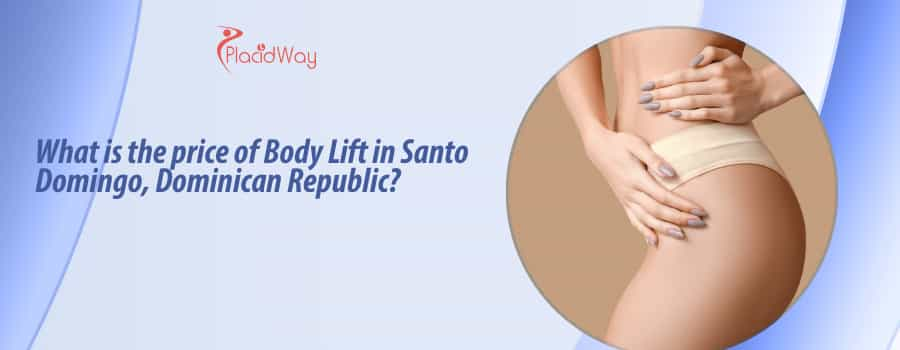
Many patients who have achieved significant weight loss find themselves dealing with large amounts of loose, excess skin. This can cause discomfort, chafing, and emotional distress. For those looking into surgical options abroad, researching a body lift in Santo Domingo, Dominican Republic is a common first step. The city has developed a robust healthcare infrastructure aimed at international patients seeking cosmetic and reconstructive procedures.
While the initial appeal is often the lower price compared to the United States, Canada, or the UK, undergoing major surgery in another country requires careful consideration. A body lift is not a minor cosmetic tweak; it is a highly invasive surgery with a lengthy recovery process. This guide explores the estimated costs, what to expect, and the critical safety and logistical factors you need to evaluate before booking a trip.
Key Takeaways
- Estimated prices range from $5,500 to $9,000, significantly less than typical North American costs.
- A body lift is a major surgery requiring a minimum stay of 10 to 14 days in the destination country before flying.
- Candidates must have maintained a stable weight for at least six to twelve months prior to surgery.
- Results and recovery experiences vary widely based on individual health, age, and adherence to aftercare.
- Patients should factor in the cost of flights, recovery houses, specialized garments, and potential follow-up care.
What is a body lift, and who is an ideal candidate?
When you lose a large amount of weight—often through bariatric surgery or significant lifestyle changes—your skin may not shrink back to fit your new, smaller body size. This lack of elasticity leads to hanging skin, which can cause severe rashes, limit mobility, and make finding properly fitting clothes difficult. A lower body lift (also known as a belt lipectomy) addresses this by removing a continuous band of skin and fat from the lower abdomen, outer thighs, and buttocks, lifting the remaining tissue for a smoother contour.
Surgeons typically advise that candidates should be at or near their goal weight and must have maintained that weight for at least six to twelve months. If you are still actively losing weight, having a body lift too soon can result in more sagging skin later. Conversely, if you gain a significant amount of weight after the surgery, it can stretch the skin again, compromising the results. Furthermore, candidates must be in good overall health, non-smokers, and possess realistic expectations about the extensive scarring that accompanies this procedure.
What factors influence the body lift cost in Santo Domingo, Dominican Republic?
While the estimated average cost is between $5,500 and $9,000, you will rarely find a single, flat fee for every patient. The human body varies greatly, and so does the amount of tissue that needs to be removed. A patient requiring a standard lower body lift will face a different price than someone who also needs an upper body lift (addressing the back, breasts, and arms) at the same time.
Several elements contribute to the final quote you will receive from a medical facility. These often include:
- Surgeon's fee: Highly experienced surgeons with international board certifications often charge more for their expertise.
- Anesthesia fees: Because this surgery can last anywhere from four to seven hours, the cost of general anesthesia and the anesthesiologist’s time is substantial.
- Operating room and hospital fees: Using a fully equipped, accredited surgical facility costs more than a standard outpatient clinic.
- Medical tests and garments: Pre-operative blood tests, cardiovascular evaluations, and post-operative compression garments may be billed separately.
What does a typical body lift package include?
Because catering to international patients is a major industry, clinics often try to simplify the process by creating packages. When you receive a price quote, it is vital to ask for a line-by-line breakdown to understand exactly what you are paying for. A comprehensive package might include the surgical procedure, all doctor consultations, anesthesia, the operating room, and the initial post-surgical compression garment.
What is almost never included in these medical packages is the cost of your airfare, travel insurance, or medical complications insurance. Patients must arrange their own travel and should seriously consider purchasing specialized insurance that covers complications arising from elective cosmetic surgery abroad, as standard travel insurance policies usually exclude this.
How is the surgery performed and what areas are treated?
The procedure is extensive. While under general anesthesia, the surgeon typically starts with the patient lying on their stomach or side. An incision is made across the lower back and above the buttocks. The surgeon removes excess skin and fat from this area and pulls the remaining skin upward, lifting the buttocks and the back of the thighs. The incisions are then sutured closed.
The patient is then carefully turned onto their back. The surgeon extends the incision around the front of the pelvis (similar to a tummy tuck incision, but usually longer). Excess skin and fat are removed from the abdomen, the abdominal muscles may be tightened if necessary, and the remaining skin is pulled down tightly. Because so much skin is removed, the belly button must usually be repositioned through a new opening in the stretched skin. The result is a more contoured lower body, albeit with a permanent scar that runs completely around the torso.
What should I expect during recovery in Santo Domingo?
Immediately after waking up from surgery, you will be wrapped in bandages and a tight compression garment to control swelling and support your new contours. You will have surgical drains placed under your skin to collect excess blood and fluid. During the first week, your mobility will be highly restricted. Standing up completely straight will likely be impossible and uncomfortable due to the tightened abdominal skin.
Many patients traveling for this procedure choose to stay in specialized "recovery houses" (casas de recuperación) during their time in the country. These facilities often provide around-the-clock non-medical assistance, help with meals, and assistance bathing. While recovering, you will need to take prescribed pain medications and antibiotics to reduce the risk of infection. Light, slow walking is encouraged to prevent blood clots, but any bending, lifting, or straining must be completely avoided.
What are the potential risks and complications of this surgery?
It is crucial not to view a body lift as a simple cosmetic adjustment. The massive amount of tissue removed and the length of the incision mean that your body undergoes severe trauma. Common complications include wound separation (dehiscence), where the tension on the skin causes the incision to open. This often requires extended wound care and can lead to wider, more noticeable scars.
More severe risks include deep vein thrombosis (DVT) and pulmonary embolism (PE). Because the surgery is long and recovery limits mobility, blood clots can form in the legs and potentially travel to the lungs. Traveling by air shortly after surgery drastically increases this risk. Other potential issues include changes in skin sensation, asymmetry, and infections that may require additional treatments or hospitalization. Discussing your full medical history with a qualified doctor is the only way to accurately assess your individual risk profile.
How long should I stay in the Dominican Republic before flying home?
Flying too soon after major surgery is highly dangerous due to the increased risk of blood clots caused by cabin pressure changes and prolonged sitting in cramped airplane seats. During your 10 to 14-day post-operative stay, your surgeon will monitor your healing progress, remove your surgical drains when appropriate, and check for any early signs of infection or wound breakdown.
Even after you are cleared to fly, the journey home will likely be uncomfortable. You will still be wearing compression garments and dealing with swelling. It is recommended to request wheelchair assistance at the airport, as walking long distances through terminals with luggage will strain your healing incisions. Once you return home, you will still need several more weeks of rest before returning to work or normal daily activities.
How do I choose a safe body lift clinic in Santo Domingo, Dominican Republic?
In the Dominican Republic, you should look for surgeons who are members of recognized national medical boards, such as the Dominican Society of Plastic, Reconstructive and Aesthetic Surgery (SODOCIPRE). Membership in international organizations like the International Society of Aesthetic Plastic Surgery (ISAPS) can also serve as an indicator of a surgeon's commitment to global medical standards and continuous education.
Do not base your decision solely on social media marketing or heavily edited before-and-after photos. Ask potential clinics direct questions about their emergency protocols, intensive care unit (ICU) access, and infection rates. A reputable clinic will require comprehensive pre-operative health screenings and will willingly discuss the risks and realistic outcomes of the surgery. If a clinic tries to rush you into booking or promises completely risk-free results, you should look elsewhere.
Is medical tourism in Santo Domingo, Dominican Republic safe for major surgery?
Santo Domingo has made significant strides in upgrading its private healthcare sector to cater to international patients. Many facilities feature modern technology and multilingual staff. However, the safety of your medical journey depends entirely on the specific professionals you choose and your adherence to medical advice. Navigating a foreign medical system requires patience and careful planning.
Furthermore, post-operative care doesn't end when you get on the plane. You must have a plan for follow-up care in your home country. Many local doctors may be hesitant to take over the care of a patient who had surgery abroad, especially if complications arise. Establishing a relationship with a local healthcare provider before you travel and ensuring you leave the Dominican Republic with all your medical records translated into your native language is a crucial step for your long-term safety.
Why Choose PlacidWay for Medical Tourism in the Dominican Republic?
Navigating the global healthcare landscape can be overwhelming. PlacidWay acts as an informational platform to help you research and compare different medical options worldwide. When looking into procedures in Santo Domingo, consider these points:
- Global Directory: PlacidWay provides access to a wide network of international clinics, hospitals, and healthcare providers in one central platform.
- Informational Resources: The platform offers educational materials about various procedures, destinations, and what to expect during the medical tourism process.
- Direct Communication: You can use the platform to contact clinics directly to ask specific questions about your medical needs and request initial quotes.
- Provider Profiles: PlacidWay lists information regarding clinic facilities, doctor credentials, and spoken languages, helping you gather data for your research.
- Comparison Tools: Patients can review different destinations and facilities to better understand the range of estimated costs and available services.
Frequently Asked Questions
Can I combine a body lift with a breast lift?
Yes, many patients who have experienced massive weight loss choose to combine a body lift with a breast lift. However, combining major surgeries increases the total operating time, which can elevate the risk of complications like deep vein thrombosis (DVT). Your surgeon will evaluate your overall health to determine if a combined procedure is safe for you or if it should be staged over multiple trips.
Will I need blood transfusions during the procedure?
A body lift is a highly invasive surgery that involves significant tissue removal, which can lead to blood loss. While not everyone requires a transfusion, it is a possibility. Clinics typically require extensive pre-operative blood work to check your hemoglobin levels, and you may be advised to take iron supplements weeks before your surgery to build up your reserves.
Are the results of a body lift permanent?
The excess skin removed during a body lift is gone permanently. However, your body will continue to age naturally, and the remaining skin may lose elasticity over time. Significant weight fluctuations after surgery can also stretch the skin again, potentially altering your surgical results.
How visible are the scars after surgery?
Because a body lift removes large amounts of skin, scarring is unavoidable. For a lower body lift, the scar typically runs completely around the torso, often hidden beneath underwear or a swimsuit. Scars usually appear red and raised at first, fading gradually over 12 to 18 months, though they never disappear entirely.
Does health insurance cover body contouring abroad?
Standard health insurance rarely covers cosmetic procedures abroad. In some domestic cases, insurance might cover a panniculectomy if the overhanging skin causes documented medical issues like chronic infections. However, traveling to the Dominican Republic for a full body lift is almost always considered an out-of-pocket cosmetic expense.
Will I need a drain tube after the procedure?
Yes, surgeons almost always place small, thin drainage tubes under the skin during a body lift. These help remove excess blood and fluid, reducing the risk of a seroma (fluid buildup). The drains are usually kept in place for one to two weeks, and you will be taught how to empty and measure the fluid while recovering.
How soon can I exercise after returning home?
Light walking is encouraged immediately to promote blood circulation, but strenuous exercise must be avoided for a significant period. Most surgeons advise waiting at least six to eight weeks before resuming heavy lifting, running, or intense core workouts. You should only return to normal physical activities once cleared by a healthcare professional.
What kind of anesthesia is used for a body lift?
A full body lift is a major operation that typically requires general anesthesia, meaning you will be completely asleep and pain-free during the surgery. Because the procedure can take anywhere from four to seven hours, an experienced anesthesiologist will monitor your vital signs throughout the operation.
Can I travel alone for this procedure?
It is highly advised not to travel alone for a body lift. The surgery severely limits your mobility in the first week, making it difficult to get out of bed, use the restroom, or prepare meals. Having a companion or staying in a dedicated recovery facility with 24-hour nursing support is crucial for your safety and comfort.
What happens if I experience complications after flying home?
If complications like infection, wound separation, or severe pain occur after you return home, you must seek immediate medical attention from a local healthcare provider or emergency room. It is vital to bring a copy of your surgical records from the Dominican Republic so your local doctors understand exactly what procedure was performed.
Compare Treatment Options and Clinics
Research your options, connect with medical facilities, and gather the information you need to make an informed decision about your medical journey.
Request Treatment InformationReferences
- Body Lift Guide – American Society of Plastic Surgeons (ASPS)
- Body Lift Information – International Society of Aesthetic Plastic Surgery (ISAPS)
- Travel Health Information: Dominican Republic – Centers for Disease Control and Prevention (CDC)
- Body Contouring Surgery – Mayo Clinic
- Panniculectomy vs. Body Lift – Cleveland Clinic
- Cosmetic Surgery Following Weight Loss – National Health Service (NHS)
- Patient Safety Guidelines – World Health Organization (WHO)




















Share this listing