


Explore the Cost of Facelift in Guadalajara, Mexico
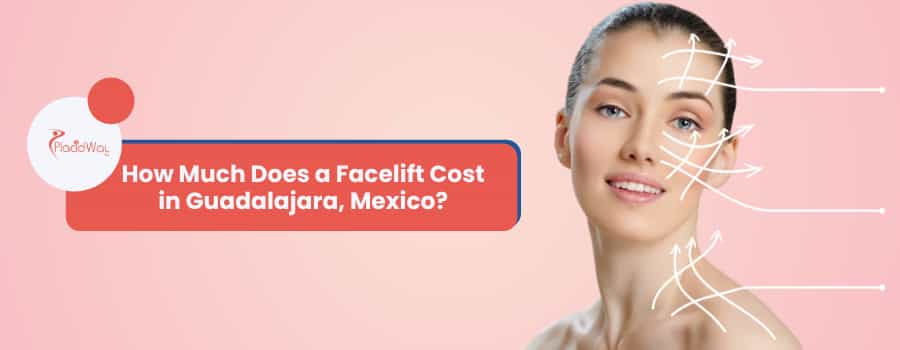
If you are considering rejuvenating your facial appearance, understanding the facelift cost in Guadalajara is often the first step in the planning process. Over the past decade, getting a facelift in Guadalajara has become an appealing option for individuals seeking experienced medical professionals and comprehensive care without the higher expenses typically found in the United States or Canada.
This detailed guide will explore what factors influence these costs, how to evaluate a facelift clinic in Guadalajara, and what you should know about patient safety, candidacy, and the broader landscape of medical tourism in Mexico. Deciding to undergo cosmetic surgery abroad requires careful research and a strong understanding of both the financial and medical commitments involved.
Key Takeaways
- The estimated cost for a facelift in Guadalajara generally falls between $3,500 and $6,000, though complex procedures may cost more.
- Pricing variables include the surgeon's expertise, the specific technique (such as mini vs. full facelift), and facility fees.
- While financial savings are common, prioritizing board-certified surgeons and accredited facilities is essential for patient safety.
- Patients must plan for an extended stay of 10 to 14 days in the city to ensure proper postoperative monitoring and recovery.
- Outcomes, risks, and recovery times vary significantly by individual, making a thorough medical consultation crucial.
What factors influence the facelift cost in Guadalajara?
Several distinct elements come together to form the final price quote you receive for facial rejuvenation. First and foremost is the surgeon's fee, which typically reflects their years of experience, specialized training, and board certification status. Highly sought-after plastic surgeons with a proven track record may charge higher fees, but their expertise is vital for minimizing risks and achieving natural-looking results.
The surgical facility itself also plays a major role in the cost. Procedures performed in fully accredited hospitals or state-of-the-art specialized surgical centers tend to be more expensive than those done in smaller, less-equipped clinics. These advanced facilities often provide a higher standard of safety, better emergency protocols, and specialized medical staff.
Finally, the type of anesthesia utilized and the duration of the surgery will impact the overall expense. A procedure requiring deep general anesthesia administered by a board-certified anesthesiologist will cost more than a less invasive technique performed under local anesthesia with sedation. The extent of the correction needed—whether addressing just the lower face or multiple areas—will dictate the operating room time required.
What is typically included in a facelift package?
When evaluating a quote from a clinic, it is essential to understand exactly what is covered to avoid unexpected out-of-pocket expenses later. Most comprehensive estimates include:
- Medical Fees: Compensation for the primary plastic surgeon, the anesthesiologist, and the surgical nursing team.
- Facility Costs: The use of the operating theater and any immediate postoperative recovery room time.
- Consultations: Pre-surgical evaluations and standard follow-up visits during your stay in Guadalajara to monitor healing and remove stitches.
- Basic Supplies: Surgical materials, standard dressings, and the anesthesia medications used during the procedure.
It is highly recommended to request a fully itemized breakdown from the clinic. This transparency allows you to compare different providers accurately and ensures you are fully aware of the financial commitment before traveling.
Are there hidden fees I should look out for?
While reputable clinics strive for transparent pricing, certain items are frequently excluded from the baseline surgical quote because they vary widely from patient to patient. Preoperative clearance is a prime example. You may be required to undergo blood tests, an electrocardiogram (EKG), or a chest X-ray to ensure you are healthy enough for surgery. These tests can sometimes be done in your home country, but if performed in Mexico, they will add to your expenses.
Post-surgery medications, such as antibiotics to prevent infection and analgesics for pain management, are typically purchased separately at a local pharmacy. Additionally, you will likely need specialized compression garments to help reduce swelling and support your facial contours as they heal.
How do the costs compare between a mini facelift and a full facelift?
The specific anatomical areas addressed during surgery directly influence the overall price. A "mini facelift" primarily targets mild to moderate sagging in the lower face and jawline. Because it involves shorter incisions, less tissue manipulation, and can sometimes be performed under local anesthesia with sedation, it requires less operating room time. Consequently, the costs are usually lower.
Conversely, a traditional or "full" facelift (which may involve SMAS or deep plane techniques) addresses more extensive signs of aging across the mid-face, lower face, and neck. This procedure is more complex, takes several hours to complete, and almost always requires general anesthesia. The increased demand on the surgeon's time and the surgical facility drives the cost higher.
Only a qualified plastic surgeon can determine which technique is appropriate for you. Choosing a procedure based solely on price can lead to underwhelming results if the chosen method does not adequately address your specific anatomical needs and aesthetic goals.
Why is medical tourism in Mexico popular for facial surgery?
The growth of medical tourism in Mexico is driven by several intersecting factors. Chief among them is the cost of living and localized economic conditions, which allow clinics to offer lower prices without necessarily compromising on the quality of medical equipment or materials used.
Furthermore, major cities like Guadalajara have developed robust healthcare infrastructures specifically designed to cater to international patients. Many surgeons practicing in these areas have completed portions of their medical training or fellowships internationally and maintain active memberships in recognized global medical societies.
Geographical proximity also plays a crucial role. For North American patients, traveling to Guadalajara involves shorter flight times compared to destinations in Asia or Europe, reducing travel fatigue and making the logistics of the trip more manageable.
Is it safe to get a facelift in Guadalajara?
No surgery is entirely risk-free, regardless of geographical location. However, safety can be maximized by exercising rigorous due diligence. When exploring options for a facelift clinic in Guadalajara, the most critical step is verifying the credentials of the operating surgeon. In Mexico, legitimate plastic surgeons should be certified by the Consejo Mexicano de Cirugía Plástica, Estética y Reconstructiva (CMCPER).
It is also important to assess the facility where the surgery will take place. Reputable clinics will operate within hospitals or specialized centers that adhere to strict hygiene, emergency response, and patient monitoring standards.
Patients must also take personal responsibility for their safety by providing a completely honest medical history during consultations. Undisclosed medical conditions, use of certain medications, or lifestyle habits like smoking can drastically increase the risk of severe complications such as poor wound healing, necrosis, or adverse reactions to anesthesia.
How long should I stay in Guadalajara for recovery?
Recovery from facial surgery is a gradual process that requires professional oversight during the initial stages. In the first few days following the procedure, you will likely experience significant swelling, bruising, and discomfort. During this time, you will need to rest with your head elevated and avoid any strenuous activity.
Your surgeon will schedule several follow-up appointments during your stay. These visits are critical for assessing the healing of incisions, removing surgical drains if they were used, and taking out stitches. Attempting to travel too soon can increase the risk of complications such as blood clots (deep vein thrombosis) or excessive swelling due to changes in cabin pressure during air travel.
You should only plan your return trip once your surgeon has conducted a final examination and explicitly cleared you for travel. Even after returning home, full recovery can take several weeks, and you must arrange for a local healthcare provider to assist if any delayed issues arise.
Am I a good candidate for this procedure?
Suitability for facial rejuvenation is determined on a case-by-case basis through a comprehensive medical evaluation. Generally, appropriate candidates are non-smokers (or those willing to quit weeks in advance) who do not have uncontrolled medical conditions that could impair healing, such as severe diabetes or cardiovascular disease.
Age is less of a deciding factor than skin quality and underlying bone structure. Individuals with some degree of skin flexibility and well-defined bone structure tend to achieve the most satisfactory aesthetic outcomes. The procedure addresses issues like deep creases below the lower eyelids, jowls in the jawline, and loose skin in the neck.
A crucial part of candidacy is having realistic expectations. A facelift can reposition tissues and remove excess skin to create a more rested appearance, but it cannot fundamentally change your core appearance or completely halt the aging process. A thorough discussion with a qualified professional is the only way to determine if the procedure aligns with your anatomical reality.
What are the common risks and complications of a facelift?
Like any major surgery, facial rejuvenation carries inherent medical risks that must be carefully weighed against the potential benefits. The most common complication is a hematoma, which is a collection of blood under the skin that causes swelling and pressure. If this occurs, it typically requires prompt surgical intervention to drain the blood and prevent further damage to the surrounding tissues.
Other general surgical risks include infection, poor wound healing, and prolonged bruising or swelling. While surgeons place incisions in discreet areas—such as within the hairline or around the natural contours of the ear—scarring is permanent, and in some individuals, scars can become widened or thickened.
A less common but more severe risk is injury to the nerves that control facial muscles. This can result in temporary or, very rarely, permanent facial asymmetry or weakness. Understanding these risks is vital, and you must discuss them openly with your provider before providing informed consent for the operation.
How can I verify the credentials of a facelift clinic in Mexico?
Thoroughly vetting your chosen medical provider is the most important step in planning your treatment abroad. Start by requesting the surgeon's full name and medical license number (Cédula Profesional). You can verify their specialization in plastic surgery through the website of the Consejo Mexicano de Cirugía Plástica, Estética y Reconstructiva (CMCPER), which is the authoritative body in Mexico.
Additionally, memberships in international organizations such as the International Society of Aesthetic Plastic Surgery (ISAPS) or the American Society of Plastic Surgeons (ASPS) International can serve as further indicators of the surgeon's commitment to maintaining global standards of continuing education and ethical practice.
Do not hesitate to ask the clinic about their facility standards. Inquire if the surgical center is accredited by the General Health Council (Consejo de Salubridad General) in Mexico or international bodies like the Joint Commission International (JCI). Requesting clear, verifiable information is a standard part of the process, and reputable providers will be transparent and accommodating.
Why Choose PlacidWay for Medical Tourism?
Navigating international healthcare options can be complex. PlacidWay acts as an informational platform to help patients explore healthcare choices globally. Here are factual points about using PlacidWay:
- Extensive Directory: PlacidWay provides access to a large directory of clinics and hospitals across multiple international destinations, including Mexico.
- Information Gathering: The platform allows users to request informational quotes and specific treatment details directly from medical facilities.
- Provider Profiles: Patients can review profiles that detail clinic facilities, available treatments, and surgeon credentials.
- Direct Communication: PlacidWay facilitates initial contact between the prospective patient and the international healthcare provider.
- Educational Resources: The site offers articles, patient guides, and cost-comparison tools to assist users in their research process.
Frequently Asked Questions
Do doctors in Guadalajara speak English?
Many board-certified plastic surgeons and medical staff in Guadalajara who frequently treat international patients are bilingual and speak English. Clinics often provide translation services if needed to ensure clear communication.
Will I need to pay for a consultation before my facelift in Guadalajara?
Some clinics offer free initial virtual consultations for international patients, while others may charge a fee that is sometimes deducted from the total surgery cost if you proceed with the treatment. It is best to clarify this before scheduling.
Can I combine a facelift with a neck lift in Guadalajara?
Yes, many patients choose to combine a facelift with a neck lift or eyelid surgery to achieve more comprehensive results. A surgeon will evaluate your health and determine if combining procedures is safe for your specific situation.
What currency is used to pay for a facelift in Guadalajara?
While the local currency is the Mexican Peso (MXN), most clinics that cater to international patients readily accept US Dollars (USD) and typically quote their medical tourism packages in USD.
Do Mexican clinics offer financing for foreign patients?
Direct in-house financing is rare for non-residents. However, many foreign patients utilize third-party medical financing companies from their home country or use credit cards to fund their procedure abroad.
What happens if I experience complications after returning home from Guadalajara?
If complications arise after returning home, you must seek immediate medical attention from a local healthcare provider. It is important to ask your surgeon in Guadalajara for a detailed medical report to share with your local doctor.
Are the surgical facilities in Guadalajara comparable to those in the US?
Many specialized surgical centers in Guadalajara are highly modern and hold national or international accreditations. However, standards can vary, making it crucial to research the specific facility's credentials and equipment before booking.
How soon after my facelift can I fly back home from Guadalajara?
Surgeons generally advise staying in the city for at least 10 to 14 days post-surgery. This allows time for initial healing, drain removal, suture removal, and a final medical clearance before it is safe to fly.
Will my medical insurance cover any part of the facelift cost in Guadalajara?
Because a facelift is typically considered an elective cosmetic procedure, standard health insurance policies rarely cover the cost, whether performed domestically or internationally.
How long do the results of a facelift typically last?
While a facelift does not stop the aging process, results often last between 7 and 15 years. Longevity depends on factors like the surgical technique used, skin quality, genetics, and lifestyle habits such as sun protection.
Compare Treatment Options
If you are researching facial rejuvenation procedures, gather all the information you need to make an informed decision about your healthcare journey.
Request Treatment InformationReferences
- Facelift Overview – American Society of Plastic Surgeons (ASPS)
- Facelift (Rhytidectomy) Information – International Society of Aesthetic Plastic Surgery (ISAPS)
- Surgeon Verification Directory – Consejo Mexicano de Cirugía Plástica, Estética y Reconstructiva (CMCPER)
- Medical Tourism Guidelines – Centers for Disease Control and Prevention (CDC)
- Facelift Surgery Medical Encyclopedia – MedlinePlus
- Face-lift: Risks and Recovery – Mayo Clinic





.png)

.png)
.png)


.png)
.png)
-(1).png)
.png)








Share this listing