
See the Average Price of Abdominoplasty in Nuevo Progreso Mexico
Many individuals exploring body contouring options look toward international options due to the high costs of cosmetic surgery in the United States and Canada. Located just across the Texas border, Nuevo Progreso has become a recognizable destination for medical and dental care. While known heavily for dentistry and pharmaceuticals, broader aesthetic procedures are also sought in border regions.
Understanding the tummy tuck cost in Nuevo Progreso, Mexico is often the first step, but a safe medical journey requires careful research into surgeon qualifications, facility standards, and the realities of post-operative recovery. This guide explores the details of abdominoplasty, pricing estimates, recovery timelines, and important considerations for patients considering this major surgical procedure abroad.
Key Takeaways
- Prices for abdominoplasty in border towns typically range from $3,500 to $5,500, varying by case complexity.
- A tummy tuck involves removing excess skin, fat, and often repairing weakened abdominal muscles.
- Patients must plan for a 7 to 10-day local stay before attempting to travel back across the border.
- Verifying a surgeon's board certification and the clinic's emergency infrastructure is crucial for patient safety.
- Arranging follow-up care with a local physician back home is necessary to handle long-term recovery and potential complications.
1. What factors affect the tummy tuck cost in Nuevo Progreso, Mexico?
While base estimates hover around $3,500 to $5,500, no two bodies are identical, and surgical plans must be tailored to the individual. A mini tummy tuck, which addresses only the area below the navel, is often less expensive than a full abdominoplasty that requires muscle repair and repositioning of the belly button. An extended tummy tuck, which addresses the flanks and lower back, involves more surgical time and higher costs.
In addition to the surgical fee, patients must consider other expenses that may or may not be bundled into a clinic's quote. Operating room fees, anesthesiologist fees, pre-operative laboratory tests, post-surgical compression garments, and prescription medications can alter the final price. When consulting with a tummy tuck clinic in Nuevo Progreso, Mexico, it is important to ask for an itemized estimate to avoid unexpected expenses.
Travel and accommodation costs also contribute to the overall financial picture. Because abdominoplasty is a major surgery, you will need to pay for local lodging near the clinic for a week or more to recover safely before traveling home.
2. What exactly does a tummy tuck procedure involve?
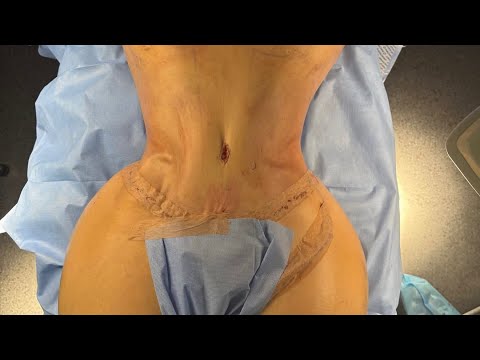
During a full tummy tuck, the surgeon typically makes a horizontal incision between the pubic hairline and the belly button. The shape and length of the incision are determined by the amount of excess skin to be removed. Once the skin is lifted, the underlying weakened abdominal muscles are repaired and sutured together. This step is particularly helpful for women experiencing diastasis recti after pregnancy.
A second incision is usually made around the navel to free it from surrounding tissue. The upper abdominal skin is pulled down like a window shade, the excess is trimmed away, and the remaining skin is sutured into place. A new opening is created for the belly button, which is then secured in its new position.
The surgery generally takes two to five hours, depending on its complexity. Temporary tubes (drains) may be placed under the skin to drain excess fluid and blood that can collect after surgery, helping to reduce the risk of seromas (fluid buildup).
3. How do I know if I am a suitable candidate for this surgery?
- Stable Weight: A tummy tuck is not a weight-loss surgery. Patients should be at or near their ideal body weight for at least six months prior to the procedure.
- Post-Pregnancy: Women who have had multiple pregnancies often seek this surgery to tighten stretched abdominal muscles. However, if you plan to have more children, surgeons typically advise waiting, as future pregnancies can reverse the muscle repair.
- Non-Smoker: Smoking significantly restricts blood flow, increases the risk of tissue necrosis (death of tissue), and delays healing. Patients are usually required to stop smoking several weeks before and after surgery.
- General Health: Conditions like poorly managed diabetes, heart disease, or bleeding disorders can increase surgical risks and may disqualify an individual from undergoing elective cosmetic surgery.
- Realistic Expectations: A consultation with a qualified medical professional is necessary to understand what the procedure can realistically achieve for your specific body type.
4. What are the main differences between a full and a mini tummy tuck?
A full abdominoplasty is appropriate for patients with significant skin laxity both above and below the belly button, as well as muscle separation. Because of the extensive tissue manipulation, the incision is longer, typically stretching from hip bone to hip bone, and the recovery time is more substantial.
Conversely, a mini abdominoplasty (partial abdominoplasty) is suited for individuals who are primarily concerned with a small "pooch" of fat or loose skin strictly below the navel. The incision is much shorter, the belly button is usually left in its original position, and muscle repair is generally limited or not required.
Because the mini tummy tuck is less invasive, it typically involves a shorter recovery period and may be performed on an outpatient basis. However, fewer patients are ideal candidates for the mini procedure, as it cannot correct loose skin in the upper abdomen.
5. Is it safe to undergo medical tourism in Nuevo Progreso, Mexico?
Medical tourism in Nuevo Progreso, Mexico, is highly active, with thousands of North Americans crossing the border annually. While many patients report positive experiences, particularly in dental care and minor procedures, major surgeries like a tummy tuck require a higher level of medical infrastructure. Not all border town clinics are equipped with intensive care units or the capability to handle severe surgical emergencies.
To prioritize safety, prospective patients should look for surgeons who are certified by recognized medical boards, such as the Mexican Council of Plastic, Aesthetic and Reconstructive Surgery (CMCPER). These credentials indicate that the surgeon has completed the necessary specialized training.
Furthermore, evaluating the medical facility itself is critical. Surgeries should be performed in accredited hospitals or surgical centers that maintain strict hygiene, sterilization, and emergency response protocols. Always check your home government's travel advisories (such as the US State Department) regarding safety and security in the specific region you plan to visit.
6. What should I expect during the recovery process in Mexico?
Immediately following the procedure, your abdomen will be swollen, bruised, and sore. You will likely wake up wearing an abdominal binder or compression garment to minimize swelling and support the repaired tissues. Your surgeon will prescribe pain medication to help manage discomfort during the initial days.
You may also have small, thin tubes placed temporarily under the skin to drain excess fluid. Your medical team will instruct you on how to empty and care for these drains, which are usually removed within a few days to a week. During this early recovery phase, you will be advised to rest but also to take short, gentle walks to promote blood circulation and reduce the risk of deep vein thrombosis (DVT).
Because you cannot stand fully upright for several days due to the tightness of the healing skin and muscles, sleeping in a reclined position with your knees elevated is often recommended. Patients traveling for surgery must arrange for a comfortable recovery environment (like a hotel room) near their clinic before attempting the journey home.
7. What are the potential risks and complications of abdominoplasty?
- Seroma and Hematoma: Fluid or blood can accumulate under the skin. While drains help prevent this, fluid may still build up and require needle aspiration in the clinic.
- Infection: Post-operative infections can occur at the incision site or internally. Proper wound care and prophylactic antibiotics usually mitigate this risk.
- Poor Wound Healing: Sometimes incisions heal poorly or begin to separate. This is significantly more common in patients who smoke or have certain medical conditions like diabetes.
- Blood Clots: Deep vein thrombosis (DVT) is a serious risk associated with prolonged immobility and surgery. Clots can travel to the lungs, causing a pulmonary embolism. Early mobilization is key to prevention.
- Changes in Sensation: Repositioning abdominal tissues can affect surface nerves, leading to temporary or occasionally permanent numbness in the abdominal area or thighs.
8. How do I verify a tummy tuck clinic in Nuevo Progreso, Mexico?
Do not rely solely on social media before-and-after photos or marketing materials. Begin by asking for the surgeon’s full name and checking their standing with recognized professional organizations in Mexico. You can cross-reference their credentials with international societies like the International Society of Aesthetic Plastic Surgery (ISAPS), which requires rigorous standards for membership.
During your virtual consultation, ask specific questions about the facility where the surgery will take place. Is it an outpatient clinic or a fully equipped hospital? Does the facility have an intensive care unit (ICU) and a blood bank in case of severe emergencies? Knowing the infrastructure available provides peace of mind.
Additionally, ask about the clinic's protocols for handling complications. A reputable provider will be transparent about potential risks and have a clear action plan in place should any medical issues arise during your stay or after you leave.
9. Will I need to arrange local follow-up care after returning home?
Once you return to the US or Canada, your body is still healing. While your surgeon in Mexico may offer telehealth follow-ups to monitor your progress, they cannot physically examine your incisions or intervene if a complication arises. If you develop a late-onset infection, persistent seroma, or delayed wound healing, you will need prompt medical attention close to home.
Some domestic physicians may hesitate to take over the care of a patient who had surgery abroad due to liability concerns or unfamiliarity with the surgical techniques used. Therefore, it is advisable to discuss your plans with your local general practitioner before you travel. Having a local doctor on board ensures continuity of care and provides a safety net if immediate in-person treatment becomes necessary.
Why Choose PlacidWay for Medical Tourism?
PlacidWay is a health and wellness resource that helps patients explore international medical options. Here is how the platform assists individuals researching procedures abroad:
Facilitates direct connections between patients and medical providers in various countries.
Provides access to clinic profiles, physician credentials, and transparent pricing estimates.
Offers detailed guides and articles to help patients understand different surgical procedures.
Allows users to compare treatment options, costs, and facility information across multiple international destinations.
Helps users request information and schedule initial virtual consultations with international clinics.
Frequently Asked Questions
How much cheaper is a tummy tuck in Nuevo Progreso compared to the US?
Patients often find that a tummy tuck in Mexico costs between 40% and 60% less than in the United States. While US prices can range from $8,000 to over $15,000 when facility and anesthesia fees are included, the estimated cost in border towns typically ranges from $3,500 to $5,500. However, prices vary based on individual needs and the complexity of the surgery.
Can I combine a tummy tuck with other procedures in Nuevo Progreso?
Yes, a tummy tuck is frequently combined with procedures like liposuction or breast surgery, often referred to as a mommy makeover. Combining surgeries may reduce overall anesthesia and facility fees, but it also increases surgical time and the risk of complications. Your surgeon will determine if multiple procedures are medically appropriate for your specific health profile.
How long do I need to stay in Nuevo Progreso after my tummy tuck?
For major surgeries like a tummy tuck, surgeons typically recommend staying in the local area or near the border for at least 7 to 10 days. This allows the medical team to monitor your initial recovery, manage your surgical drains, and address any immediate post-operative complications before you travel home.
Will my health insurance cover a tummy tuck in Mexico?
A tummy tuck is generally considered a cosmetic procedure and is rarely covered by standard health insurance, whether performed in the US or Mexico. In very rare cases where panniculectomy (removal of an overhanging apron of skin) is medically necessary for health reasons, specific US networks might cover it, but they typically do not extend this coverage to international providers.
Are the results of a tummy tuck permanent?
The removal of excess skin and fat during a tummy tuck is permanent, and the repaired abdominal muscles are generally long-lasting. However, significant weight fluctuations, future pregnancies, or natural aging can alter your results over time. Maintaining a stable weight and healthy lifestyle is important for preserving the surgical outcome.
What type of anesthesia is used for a tummy tuck?
A traditional tummy tuck is typically performed under general anesthesia, meaning you will be completely asleep during the operation. In some cases involving less extensive work, such as a mini tummy tuck, a surgeon might use local anesthesia combined with intravenous sedation. The anesthesiologist will discuss the safest option for your health profile.
How noticeable will the tummy tuck scars be?
A full tummy tuck requires a horizontal incision across the lower abdomen, usually placed low enough to be hidden by underwear or a bikini bottom. There may also be a scar around the belly button. While scars fade and flatten over several months to a year, they are permanent and will never completely disappear.
When can I return to work after having a tummy tuck?
Most patients can return to desk jobs or light, non-physical work within two to three weeks. However, if your job requires heavy lifting, prolonged standing, or strenuous physical activity, you may need to take four to six weeks off. Your surgeon will provide specific guidelines based on the physical demands of your occupation.
What should I do if I experience complications after going home?
If you experience severe pain, excessive bleeding, signs of infection, shortness of breath, or chest pain after returning home, you should seek immediate care at the nearest emergency room or contact your local primary care physician. It is vital to have a plan in place for local medical care before traveling abroad for surgery.
Can I cross the border back to the US immediately after surgery?
No, it is highly discouraged to cross the border and travel long distances immediately after a tummy tuck. You will be recovering from general anesthesia, likely have surgical drains in place, and be at an increased risk for blood clots from prolonged sitting. You should plan to rest locally according to your surgeon's timeline.
Compare Treatment Options
Gather information, review clinic profiles, and learn more about potential healthcare options in Mexico. Reach out to request treatment details today.
Request Treatment InformationReferences
- Tummy Tuck (Abdominoplasty) Information – American Society of Plastic Surgeons (ASPS)
- Tummy Tuck Overview, Risks, and Recovery – Mayo Clinic
- Medical Tourism Safety Guidelines and Advice – Centers for Disease Control and Prevention (CDC)
- Patient Resources: Abdominoplasty – International Society of Aesthetic Plastic Surgery (ISAPS)
- Abdominoplasty Procedure Details – Cleveland Clinic
- Your Health Abroad & Medical Tourism – U.S. Department of State























Share this listing