
Fraxel Laser Treatment Price in Bangkok, Thailand
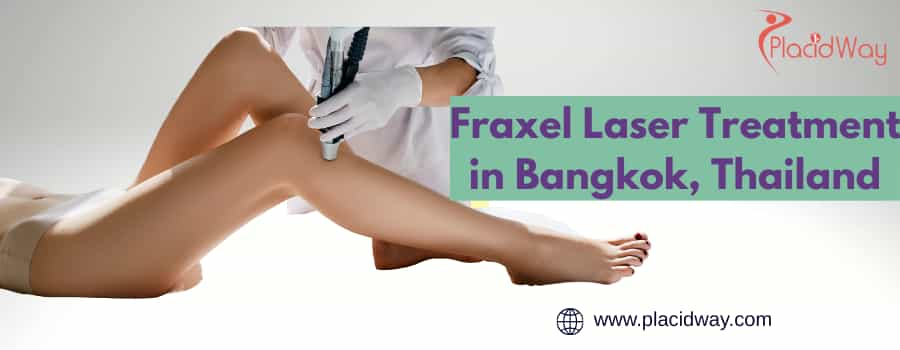
For individuals researching cosmetic dermatology options abroad, understanding the average cost of laser skin resurfacing in Bangkok, Thailand is often the first step. This procedure is sought after for addressing skin concerns such as fine lines, sun damage, uneven pigmentation, and acne scarring. By directing concentrated beams of light at irregular skin, lasers help stimulate new collagen growth and remove older layers of tissue.
Combining modern dermatological care with the appeal of a major travel destination, many international patients look into medical tourism in Thailand to access these treatments. However, comparing costs is only a fraction of the planning process. Careful consideration must be given to the type of laser technology, your specific skin type, expected recovery times, and the qualifications of the medical provider.
Key Takeaways
- Estimates for laser skin resurfacing in Bangkok, Thailand usually fall between $300 and $800 per session.
- Cost varies heavily based on whether you choose ablative (e.g., CO2) or non-ablative laser treatments.
- Darker skin types require specialized assessment to minimize risks of post-inflammatory hyperpigmentation.
- Patients must plan for adequate recovery time away from Bangkok’s intense tropical sun.
- Consulting with a qualified dermatologist is essential, as individual results and required sessions vary.
What factors influence the laser skin resurfacing cost in Bangkok?
When calculating the laser skin resurfacing cost in Bangkok, you will notice that prices are rarely uniform. The most significant variable is the technology itself. High-intensity ablative lasers, which remove the outer layers of the skin for deeper rejuvenation, often cost more per session than non-ablative lasers, which heat the underlying skin tissue without breaking the surface. Furthermore, newer fractional laser technologies may carry a premium compared to older systems.
The extent of the treatment area also plays a major role. Treating localized acne scars on the cheeks will naturally cost less than a full-face or face-and-neck resurfacing procedure. Some providers charge based on the number of "pulses" or the precise time spent using the device.
Additionally, the location and amenities of the facility impact pricing. A high-end facility located in a premium district of the city will likely have higher overhead costs than a smaller suburban practice, which is often reflected in their fee structures.
What types of laser skin resurfacing are available in Thailand?
Understanding the distinction between laser types is crucial for setting realistic expectations about both results and recovery. The main categories you will encounter include:
- Ablative Lasers: These include CO2 and Erbium lasers. They work by vaporizing the outermost layer of the skin (epidermis) while heating the underlying skin (dermis). This intensive approach is often recommended for deeper wrinkles, severe sun damage, and prominent scarring.
- Non-Ablative Lasers: These devices, including pulsed-dye and Nd:YAG lasers, bypass the outer layer of skin to stimulate collagen growth beneath the surface. They are generally less invasive, require less downtime, but may require multiple sessions to achieve noticeable results.
- Fractional Lasers: Fractional technology can be either ablative or non-ablative. It delivers the laser energy in a grid pattern, leaving microscopic areas of untreated skin between the treated spots. This method typically promotes faster healing compared to traditional solid-beam lasers.
Your dermatologist will recommend a specific device based on your skin condition, your tolerance for downtime, and your overall health profile.
Am I a suitable candidate for laser treatments in Bangkok?
While laser therapy can offer visible improvements for many people, it is not suitable for everyone. Skin type is a critical determining factor. Dermatologists use the Fitzpatrick scale to classify skin based on its reaction to UV light. Patients with darker skin tones (Fitzpatrick types IV, V, and VI) have a higher concentration of melanin, which increases the risk of post-inflammatory hyperpigmentation (darkening of the skin) or hypopigmentation (lightening of the skin) following thermal trauma.
Certain medical histories may also affect your eligibility. Individuals with a history of keloid scarring, active acne breakouts, deep wrinkles, or excessive sagging skin might not achieve their desired results with laser resurfacing alone and may need to explore alternative cosmetic procedures. Furthermore, patients with a history of oral herpes (cold sores) often require antiviral medication prior to treatment, as lasers can trigger a breakout.
How much can I save by having this procedure in Thailand?
For those researching medical tourism in Thailand, cost comparison is a major motivating factor. The lower cost of living and favorable exchange rates often result in lower overhead for medical facilities, savings which can be passed on to patients. However, these figures are strictly estimates, and you should always obtain a personalized quote.
| Location | Estimated Cost (Per Session) |
|---|---|
| United States | $1,200 - $3,000+ |
| United Kingdom | $1,000 - $2,500+ |
| Australia | $900 - $2,200+ |
| Bangkok, Thailand | $300 - $800 |
Keep in mind that while the procedure itself may be less expensive, the total cost of your trip must include flights, accommodation, local transportation, and potential post-treatment skincare products.
What should I look for in a laser skin resurfacing clinic in Bangkok?
Choosing the right laser skin resurfacing clinic in Bangkok requires diligent research. You should look beyond glossy marketing materials and focus on the medical credentials of the staff. Verify that the practitioners are licensed dermatologists or specially trained medical doctors, rather than cosmetologists working outside their scope of practice.
A high-quality provider will never rush you into a procedure. They should offer an initial consultation to review your medical history, examine your skin, explain the realistic outcomes, and detail all potential risks. Transparency in pricing—including what happens if additional sessions are needed—is another hallmark of a professional environment.
Is laser skin resurfacing safe for all skin types?
Safety is not absolute in any medical or cosmetic procedure. While technology has advanced, applying intense thermal energy to the skin always carries inherent risks. For patients of Asian, African, or Hispanic descent, the melanin in the skin can absorb the laser energy in unpredictable ways.
To mitigate these risks, dermatologists often use less aggressive non-ablative lasers or specific wavelengths (such as Nd:YAG) that bypass the epidermis. In some cases, providers may advise against laser treatments entirely, suggesting alternative therapies like microneedling or chemical peels. Never obscure your medical history or ethnic background from your provider, as this information is vital for selecting the safest device settings.
What does the recovery process look like after the procedure?
Immediately following the procedure, it is common to feel a sensation similar to a mild or severe sunburn. Swelling, redness, and a feeling of tightness are standard. If you undergo ablative resurfacing, the treated skin will eventually crust, ooze slightly, and peel away to reveal the new skin underneath.
During recovery in a tropical climate, you must take extra precautions. Bangkok is hot and sunny year-round. Exposing healing skin to UV rays can severely damage the tissue and cause permanent discoloration. You will likely be instructed to stay indoors, apply prescribed healing ointments (like petroleum jelly), avoid makeup, and eventually use strict sun protection when going outside. Activities that cause heavy sweating or expose you to environmental pollutants should be paused until your dermatologist clears you.
How many sessions will I need to see results?
The number of treatments depends heavily on the severity of your skin concerns and the intensity of the laser used. Because non-ablative lasers are gentler, the collagen remodeling happens gradually over time. Patients opting for this route often return for multiple visits spaced four to six weeks apart. Full results may not be visible until a few months after the final session.
Conversely, ablative fractional CO2 lasers can yield significant improvements in a single session. However, the trade-off is a much longer and more uncomfortable recovery period. When organizing a trip for treatment abroad, clarify with your provider exactly how many sessions are recommended so you can manage your travel timeline appropriately.
What are the potential risks and complications?
All aesthetic procedures carry risk, and laser skin resurfacing is no exception. While most patients experience standard side effects like temporary swelling and peeling, serious complications can occur. If the skin's barrier is compromised, bacterial infections (such as staph) or fungal infections can develop without proper hygiene and post-care.
Scarring is a rare but severe risk, particularly if the laser penetrates too deeply or if the patient picks at the healing crusts. Furthermore, some individuals may experience prolonged erythema (redness) that lasts for several months. If you develop increasing pain, severe blistering, or signs of fever after returning to your hotel or home country, you must seek medical attention immediately.
How should I prepare for my medical tourism trip to Thailand?
Organizing a medical trip involves more than just booking a flight and a hotel. Start by gathering your complete medical history and high-resolution, unedited photos of your face to share with prospective clinics during initial online consultations. Discuss your specific goals and ask for a detailed breakdown of the proposed treatment plan and estimated costs.
When booking your travel, factor in enough time to stay in the city after the procedure. Flying immediately after an ablative treatment is usually not advised due to the risk of infection, discomfort, and the dry air inside airplane cabins. Finally, understand that your itinerary cannot include heavy sightseeing, outdoor markets, or beach excursions following your procedure. Recovery means resting in a clean, cool, and sun-protected environment.
Why Choose PlacidWay for Medical Tourism?
Navigating international healthcare options can be overwhelming. PlacidWay serves as an informational platform to help individuals research their options for medical and cosmetic care abroad. Here are five facts about the platform:
Extensive Global Network
PlacidWay provides access to informational profiles for thousands of medical centers and providers across dozens of countries worldwide.
Focus on Education
The platform offers articles, guides, and provider profiles designed to help patients understand different procedures and destinations.
Comparison Tools
Users can review estimated costs, read about available technologies, and compare facilities side-by-side before making contact.
Direct Connection
Patients can use the portal to request information and communicate directly with international healthcare providers to ask specific questions.
Patient-Driven Research
PlacidWay empowers users to gather the necessary data to make their own informed decisions regarding their personal healthcare journey.
Frequently Asked Questions
How painful is laser skin resurfacing?
Comfort levels vary depending on the depth of the treatment. Non-ablative lasers usually cause mild discomfort, often described as a snapping sensation. For ablative lasers, providers typically use topical numbing creams or local anesthesia to manage pain during the procedure.
Can I travel around Thailand immediately after my treatment?
It is not recommended to engage in heavy sightseeing or beach activities immediately after treatment. Your skin will be highly sensitive to the sun, and Bangkok's tropical climate increases the risk of post-inflammatory hyperpigmentation. You should plan for indoor recovery time.
How long do the results of laser skin resurfacing last?
Results from ablative laser resurfacing can last for several years, depending on your skin care routine and sun protection habits. Non-ablative treatments often require maintenance sessions. Natural aging will continue regardless of the treatment.
Is it safe to fly after having laser skin resurfacing?
Generally, you can fly a few days after treatment, provided your provider clears you. However, the dry air in the airplane cabin can irritate healing skin, so you must keep the treated area heavily moisturized and hydrated during the flight.
Do I need to prepare my skin before traveling to Bangkok for treatment?
Your provider may recommend a pre-treatment skin care regimen, which sometimes includes applying retinoids or hydroquinone for a few weeks prior to your trip. You should avoid excessive sun exposure and tanning before your procedure.
Are there hidden costs when getting laser treatments abroad?
While base prices are often transparent, patients should budget for potential extra costs such as specialized post-care ointments, multiple treatment sessions, translation services, and extended accommodation if recovery takes longer than expected.
Can laser skin resurfacing treat deep acne scars?
Ablative fractional lasers, such as CO2 lasers, are frequently used to improve the appearance of deep acne scars by stimulating deep collagen remodeling. However, severe scarring may require multiple sessions or a combination of different dermatological treatments.
Will my insurance cover laser skin resurfacing in Thailand?
Because laser skin resurfacing is typically considered an elective cosmetic procedure, standard health insurance usually does not cover it, whether performed domestically or internationally. Always check your specific policy for details.
How do I communicate with my dermatologist if I don't speak Thai?
Many facilities catering to international patients in Bangkok employ dermatologists and staff who speak fluent English. Additionally, some centers offer dedicated translation services for other languages.
What happens if I experience a complication after returning home?
If a complication arises after you leave Thailand, you will need to seek follow-up care with a local dermatologist or medical provider in your home country. It is helpful to request a full copy of your treatment records before traveling back.
Compare Treatment Options
If you are researching international dermatology options, request more information to understand the costs, available facilities, and care options abroad.
Request Treatment InformationReferences
- Laser Skin Resurfacing Overview – American Academy of Dermatology Association
- Laser Skin Resurfacing Safety and Risks – American Society of Plastic Surgeons
- Laser Resurfacing: What You Can Expect – Mayo Clinic
- Complications of Lasers and Light Sources – National Institutes of Health (PMC)
- Medical Tourism Guidelines – Centers for Disease Control and Prevention (CDC)
- Lasers for Cosmetic Uses – U.S. Food and Drug Administration (FDA)























Share this listing