
The Cost of Nose Job in Mexicali, Mexico
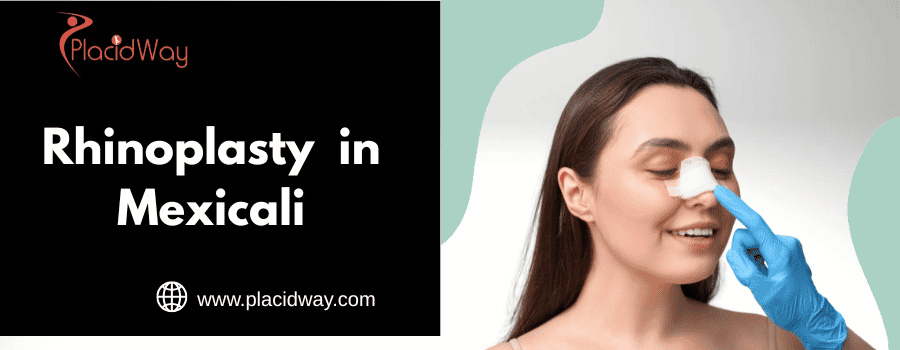
If you are exploring cosmetic or functional adjustments to your nose, you might be researching a nose job in Mexicali, Mexico. Rhinoplasty is a surgical procedure that modifies the shape, size, or proportions of the nose. While some patients pursue this surgery for aesthetic reasons, others require it to correct breathing difficulties or trauma-related deformities.
Key Takeaways
- The estimated cost typically ranges from $2,500 to $4,500, which is often lower than average prices in the United States or Canada.
- Rhinoplasty can be performed to address cosmetic preferences, functional breathing issues, or both.
- Mexicali is a frequent destination for medical tourists due to its geographical proximity to the US border.
- Recovery requires patience, as swelling can take several months to fully subside before final results are visible.
- Consultation with a qualified medical professional is essential to understand individual risks, benefits, and eligibility.
What Is Rhinoplasty Surgery?
During a rhinoplasty, a surgeon carefully reshapes the structural framework of the nose. The skin is then redraped over the new framework. Depending on your specific anatomical needs, the surgeon may remove bone or cartilage, or they may add tissue grafts to achieve the desired contour.
The procedure requires a highly individualized approach. A surgeon will evaluate your facial features, skin type, and nasal structures to determine what modifications are surgically possible and aesthetically balanced. Because every face is different, a technique that works well for one patient may not be suitable for another.
Why Do Patients Consider Medical Tourism in Mexicali?
Located just across the border from Calexico, California, Mexicali is geographically convenient for many North American patients. This proximity allows some individuals to drive to their consultations and procedures, minimizing the logistical challenges of international air travel.
In addition to location, the economic differences between countries allow clinics in Mexicali to offer medical services at different price points. However, traveling for surgery requires careful planning. Patients must account for the stress of travel, border crossings, and the necessity of staying near their clinic during the immediate post-operative period to ensure safe initial recovery.
What Influences the Nose Job Cost in Mexicali, Mexico?
While the estimated range is between $2,500 and $4,500, no two surgeries are exactly alike. A primary rhinoplasty (a first-time procedure) generally falls on the lower end of the cost spectrum. In contrast, a revision rhinoplasty—which corrects issues from a previous surgery—is often more complex, requires more time, and is subsequently more expensive.
| Commonly Included Costs | Usually Excluded Costs (Varies by Clinic) |
|---|---|
| Surgeon's professional fee | Pre-operative lab tests and imaging |
| Operating room and facility fees | Prescription medications for recovery |
| Anesthesiologist fees | Travel, lodging, and meals |
| Standard post-operative check-ups in the city | Follow-up care upon returning home |
*Note: Always ask for a detailed, itemized quote during your consultation so you understand exactly what is covered.
Who Is a Suitable Candidate for Rhinoplasty?
Before pursuing surgery, an individual assessment by a qualified healthcare professional is mandatory. A surgeon will review your medical history, current medications, and any pre-existing health conditions to determine if surgery is appropriate for you.
- Physical Health: Conditions like high blood pressure, diabetes, or bleeding disorders may increase surgical risks and could make you ineligible.
- Facial Maturity: Surgeons usually recommend waiting until the nasal bone has finished growing, which is typically around age 16 for females and slightly older for males.
- Lifestyle Factors: Smoking severely impairs blood flow and delays healing, increasing the risk of complications. Patients are typically required to stop smoking well in advance of the procedure.
Important Consideration
Emotional readiness is just as important as physical health. Rhinoplasty modifies your central facial feature, which can alter your self-image. Realistic expectations about what surgery can and cannot achieve are vital for postoperative satisfaction.
What Are the Potential Risks and Complications?
It is vital to have an open discussion with your medical provider regarding the risks involved. While many procedures proceed without serious issues, patients must be aware that complications can occur. Specific risks associated with nose surgery include difficulty breathing, numbness in and around the nose, asymmetry, or a persistent dull ache.
In some cases, the surgical outcome may not meet the patient's aesthetic goals, or structural shifts during healing could necessitate a secondary (revision) surgery. Understanding these possibilities helps patients make informed decisions before committing to the procedure.
What Can You Expect During the Recovery Process?
Immediately after surgery, you will likely wear a nasal splint to provide support and protection. Internal packing or splints may also be used to stabilize the septum. These are typically removed by the surgeon within the first week. During this early phase, resting with your head elevated and avoiding strenuous activities is critical to minimize bleeding and swelling.
You will need to follow your surgeon's aftercare instructions carefully. This often includes avoiding blowing your nose, preventing excessive facial movements, and protecting your nose from direct sunlight. While most people feel ready to return to non-strenuous work within a week or two, you must avoid high-impact activities or contact sports for several months.
How Can You Research a Nose Job Clinic in Mexicali, Mexico?
Because you are seeking treatment in a different healthcare system, thorough due diligence is required. Look for facilities that uphold recognized standards of hygiene, emergency preparedness, and patient care.
When evaluating providers, inquire about their specific training in facial plastic surgery or otolaryngology (ENT). Ask how often they perform rhinoplasties and request to see verifiable before-and-after photos of their actual patients. It is also important to discuss the protocol if an emergency occurs during surgery or if complications arise after the procedure.
Can Rhinoplasty Address Functional Breathing Issues?
Many patients experience chronic congestion, snoring, or difficulty breathing due to the internal architecture of their nasal passages. A deviated septum—where the wall between the nasal passages is displaced to one side—is a common culprit.
During a functional procedure, the surgeon focuses on opening the airways. If the patient also desires aesthetic changes, the surgeon can perform both modifications simultaneously. This combined approach requires precise skill, as altering the external structure can impact the internal airway dynamics.
What Travel Logistics Should You Consider?
When planning your trip, remember that you cannot drive yourself home after receiving general anesthesia. You will need a trusted friend or family member to accompany you, help manage your medications, and monitor your comfort during the first 24 to 48 hours.
Additionally, factor in the time needed to stay in the city for follow-up appointments. Most surgeons require you to remain nearby for at least five to seven days to remove splints and ensure there are no early signs of infection. Finally, establish a plan for receiving ongoing care or addressing potential issues with a local healthcare provider in your home country once you return.
Why Choose PlacidWay for Medical Information?
PlacidWay operates as a global medical tourism directory, connecting patients with international healthcare providers. When exploring options abroad, PlacidWay offers several informational resources:
- Extensive Directory: Access profiles for various international clinics, hospitals, and medical professionals.
- Procedure Information: Read educational resources regarding a wide array of cosmetic, dental, and medical treatments.
- Cost Comparisons: Review estimated pricing models from facilities across different regions to aid in financial planning.
- Direct Inquiries: Utilize platform tools to send questions directly to healthcare providers before traveling.
- Global Reach: Explore treatment options across dozens of countries to find a location that suits your preferences.
Frequently Asked Questions (FAQs)
How long does a typical nose job surgery take?
Rhinoplasty surgery typically takes between one and three hours to complete, depending on the complexity of the anatomical changes required and the specific techniques being used by the surgeon.
Is rhinoplasty performed under general anesthesia?
Yes, a nose job is most commonly performed under general anesthesia, though some less complex procedures may occasionally be done using local anesthesia with intravenous sedation. Your medical team will recommend the safest option for your specific case.
Can I travel back home immediately after my surgery?
Patients are generally advised against flying or engaging in long-distance travel immediately after surgery. Surgeons often recommend staying in the local area for several days to a week for initial recovery and the removal of splints or sutures.
Will insurance cover my nose job in Mexicali?
If the procedure is performed strictly for cosmetic reasons, health insurance typically will not cover the cost. If the surgery addresses functional breathing issues, coverage may be possible, but you must check with your insurance provider regarding international treatments.
Are there different techniques used in rhinoplasty?
Surgeons typically use either an open or closed technique. Open rhinoplasty involves a small incision across the columella (the tissue between the nostrils), while closed rhinoplasty involves incisions hidden entirely inside the nose.
How soon can I wear glasses after a nose job?
Patients are usually advised to avoid resting glasses directly on the bridge of the nose for four to six weeks following surgery, as the bones and cartilage need time to heal and stabilize.
What is the difference between open and closed rhinoplasty?
An open rhinoplasty provides the surgeon with more visibility and access to reshape the nasal structure through an external incision. A closed rhinoplasty has no external incisions but limits visibility, making it more suitable for less complex modifications.
Does rhinoplasty leave visible scars?
Closed rhinoplasty leaves no visible external scars. Open rhinoplasty leaves a small scar on the columella between the nostrils, but this typically fades significantly over time and becomes barely noticeable for most patients.
How long should I stay in Mexicali after my procedure?
Most surgeons recommend staying in Mexicali for 5 to 7 days post-surgery. This allows you to rest comfortably, attend necessary follow-up appointments, and have your packing or splints safely removed before you travel.
What happens if I experience a complication after returning home?
Before leaving Mexicali, you should discuss an aftercare plan with your surgeon. If complications arise once you are home, you should seek immediate care from a local healthcare professional and notify your operating surgeon of the situation.
Ready to Explore Your Options?
Connect with clinics, compare estimated costs, and gather the information you need to make an informed decision regarding your treatment.
Request Treatment InformationReferences
- Rhinoplasty Overview – American Society of Plastic Surgeons (ASPS)
- Rhinoplasty Details and Risks – Mayo Clinic
- Nose Surgery (Rhinoplasty) Facts – Cleveland Clinic
- Medical Encyclopedia: Rhinoplasty – MedlinePlus
- Medical Tourism Safety Guidelines – Centers for Disease Control and Prevention (CDC)
- Surgical Patient Education – American College of Surgeons

























Share this listing