
Cost of Rhinoplasty in Dominican Republic
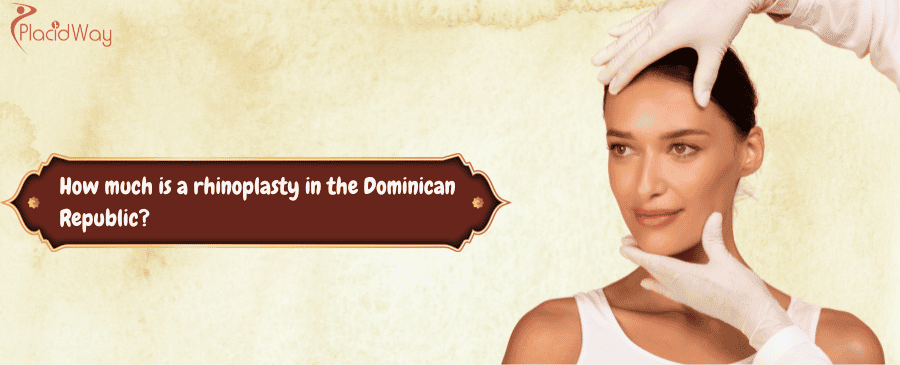
For patients exploring options for facial plastic surgery abroad, understanding the details of getting a rhinoplasty in the Dominican Republic requires more than just looking at the price tag. While this Caribbean destination is highly popular for various cosmetic procedures, making an informed decision means carefully evaluating clinic standards, surgeon qualifications, safety protocols, and the logistical realities of recovering far from home.
Key Takeaways
- Estimated prices range from $3,500 to $5,500, offering potential savings compared to healthcare costs in North America or Europe.
- Cost estimates generally cover the surgeon's fee, anesthesia, and operating room charges, but patients must request itemized quotes to avoid surprises.
- Patient safety heavily depends on choosing board-certified plastic surgeons and accredited medical facilities.
- Proper recovery requires staying in the country for at least 7 to 10 days before flying to minimize the risk of complications.
- Thorough research, medical consultations, and an understanding of travel-related health risks are essential before committing to surgery abroad.
1. What factors influence the rhinoplasty cost in the Dominican Republic?
When looking at price ranges, it is crucial to understand that not all procedures require the same amount of time or skill. A primary rhinoplasty (a patient’s first nose surgery) is typically less expensive than a revision rhinoplasty, which involves correcting issues from a previous surgery and often requires complex cartilage grafting.
Additionally, the facility itself plays a major role in the cost. Accredited hospitals with advanced emergency protocols and specialized medical staff generally charge higher facility fees than smaller, independent surgical centers. The type of anesthesia used—general anesthesia administered by a board-certified anesthesiologist versus local anesthesia with sedation—will also impact your final bill.
Finally, geographic location within the country matters. Clinics located in prime medical tourism hubs like Santo Domingo or Punta Cana may have slightly higher operational costs than those in other regions.
2. What is typically included in a surgical quote?
To accurately compare different providers, you must request an itemized breakdown of costs. A standard package often includes:
- The primary surgeon’s professional fee.
- Anesthesiologist fees and the cost of the anesthetic drugs.
- Operating room and surgical facility fees.
- Basic medical supplies used during the procedure.
- Follow-up visits while you remain in the country.
Keep in mind that certain expenses are frequently left out of base quotes. You may need to pay separately for pre-operative medical clearances (like blood work and EKGs), prescription medications (antibiotics and pain relief), specialized recovery accommodations (often called recovery houses), and airfare. Always confirm exactly what you are paying for in writing before traveling.
3. Is it safe to undergo nasal surgery abroad?
Any surgical procedure, regardless of the country in which it is performed, carries inherent medical risks. For rhinoplasty, these risks can include infection, adverse reactions to anesthesia, excessive bleeding, septal perforation, or unsatisfactory aesthetic results leading to breathing difficulties.
When incorporating international travel, additional risk factors emerge. Long flights shortly before or after surgery can significantly increase the risk of developing deep vein thrombosis (DVT) or pulmonary embolism. The Centers for Disease Control and Prevention (CDC) strongly advises patients to understand these travel-related health risks and follow strict pre- and post-flight medical guidelines.
To minimize risks, you should provide your complete medical history to your chosen surgeon, follow all pre-operative instructions (such as stopping smoking and certain medications), and never rush your recovery timeline just to catch a flight home.
4. How do I verify the credentials of a rhinoplasty clinic in the Dominican Republic?
Thoroughly vetting your doctor and a rhinoplasty clinic in the Dominican Republic is your most important task as a medical tourist. Look for surgeons who are active members of the Dominican Society of Plastic, Reconstructive and Aesthetic Surgery (SODOCIPRE). Membership in this organization indicates that the surgeon has completed the necessary formal training in plastic surgery.
Many top providers also hold international memberships, such as with the International Society of Aesthetic Plastic Surgery (ISAPS) or the American Society of Plastic Surgeons (ASPS) as international members.
Beyond the surgeon, investigate the facility. Ask if the clinic or hospital is accredited by the Dominican Ministry of Public Health. Some exceptional facilities may also carry international accreditations from organizations like the Joint Commission International (JCI) or the American Association for Accreditation of Ambulatory Surgery Facilities (AAAASF).
5. Who is a suitable candidate for this procedure?
Not everyone who desires a change in their nasal appearance is medically cleared for surgery. Good candidates must be in strong physical health, free from conditions that severely impair healing, such as uncontrolled diabetes or severe cardiovascular disease.
Age is also a critical factor. Surgeons typically require patients to wait until their facial bones have finished growing. This usually occurs around age 16 for females and slightly older for males, though this varies individually.
Furthermore, psychological readiness is just as vital as physical health. A responsible surgeon will assess your motivations and ensure you have realistic expectations. Surgery can enhance your natural features and potentially improve breathing (in the case of a deviated septum), but it will not deliver absolute perfection or change your fundamental identity.
6. What are the different types of nose surgeries available?
During your consultation, your surgeon will recommend an approach based on what needs to be altered:
- Open Rhinoplasty: Involves a small external incision between the nostrils. It provides the surgeon with a clear, unobstructed view of the nasal structure, making it ideal for complex reshaping.
- Closed Rhinoplasty: All incisions are made inside the nasal passages. This results in no visible external scarring and generally offers a slightly faster initial recovery, though it is usually reserved for less complex adjustments.
- Septoplasty: A functional procedure aimed at straightening a deviated septum to improve breathing. This is often combined with cosmetic changes (septorhinoplasty).
- Revision Rhinoplasty: A secondary surgery to correct dissatisfaction or functional issues resulting from a previous procedure. This is highly complex and usually more expensive.
7. How long should I stay in the Dominican Republic for recovery?
Recovery from nasal surgery takes patience. In the immediate days following the procedure, you will likely experience significant swelling, bruising around the eyes, and nasal congestion. You will usually have an external splint on your nose and possibly internal splints or packing to support the new structure.
Around one week after the surgery, you will have a follow-up appointment where the surgeon will remove the splints and assess your initial healing. You must be cleared by your doctor before you are allowed to fly home. Cabin pressure changes can cause severe discomfort and risk bleeding if you fly too soon.
Many patients choose to stay in specialized "recovery houses." If you choose this route, verify that the facility is clean, professionally staffed with licensed nurses, and legally registered, as the quality of these accommodations can vary widely.
8. How do I prepare for medical tourism in the Dominican Republic?
Planning for medical tourism in the Dominican Republic requires extensive logistical and medical coordination. Weeks before your trip, you will need to undergo medical tests as dictated by your surgeon. You will also be instructed to stop taking medications and supplements that can increase bleeding, such as aspirin, ibuprofen, and certain herbal remedies.
It is highly recommended that you do not travel alone. Having a trusted friend or family member with you can provide essential emotional support, help you navigate language barriers, and assist with basic tasks during the first few days when you are groggy from anesthesia and pain medication.
Finally, ensure your passport is up to date and that you understand the entry requirements for your destination. Organize your finances, keeping in mind that you may need access to emergency funds in case your stay needs to be extended due to medical necessity.
9. What happens if I experience complications after returning home?
One of the most significant challenges of medical tourism is the lack of immediate access to your original surgeon once you return home. While many international clinics offer virtual follow-ups via video calls, a physical examination is required if you develop an infection, persistent bleeding, or breathing difficulties weeks or months later.
Before traveling, try to identify a local primary care physician or an ear, nose, and throat (ENT) specialist willing to see you upon your return. Be honest with them about your plans to have surgery abroad.
Additionally, understand that if revision surgery is required due to unsatisfactory aesthetic results or functional problems, the financial burden usually falls on the patient. Even if your original surgeon offers a free or discounted revision, you will still be responsible for the costs of travel, accommodations, and potentially local facility fees.
Why Choose PlacidWay for Medical Tourism?
Navigating international healthcare options can be overwhelming. PlacidWay serves as an educational resource to help you gather the information you need before making a medical decision.
Global Provider Directory
PlacidWay connects patients with a wide network of international hospitals and clinics, allowing you to view detailed facility profiles in one place.
Access to Credentials
The platform provides information regarding the professional backgrounds, certifications, and accreditations of various medical centers and doctors.
Price Comparison Tools
Patients can review estimated costs for different procedures across multiple destinations to better understand regional pricing trends.
Educational Resources
PlacidWay offers articles, guides, and patient resources to help you prepare for the realities of receiving healthcare in a foreign country.
Facilitated Communication
The platform helps streamline the initial inquiry process, allowing you to easily request information or set up a consultation with chosen providers.
Frequently Asked Questions
Do Dominican plastic surgeons speak English?
Many board-certified plastic surgeons in the Dominican Republic speak English, especially those who frequently treat international patients. However, nursing and support staff may only speak Spanish. It is often helpful to ask your clinic if translation services are provided during your stay.
Can I combine rhinoplasty with a beach vacation?
No. While the Dominican Republic is a popular tourist destination, recovering from surgery requires strict rest. Sun exposure, swimming in the ocean, and strenuous activities can increase the risk of infection, severe swelling, and poor healing. Your time should be dedicated entirely to recovery.
Will my health insurance cover surgery in the DR?
Cosmetic rhinoplasty is almost never covered by standard health insurance, regardless of where it is performed. If your surgery includes a functional component, such as a septoplasty for breathing issues, your domestic insurance might offer partial reimbursement, but coverage for international out-of-network care is rare. Always verify with your provider beforehand.
Do I need a visa to travel to the Dominican Republic for medical care?
Citizens of many countries, including the United States, Canada, and most European nations, do not need a traditional visa for short visits. Instead, travelers typically need a valid passport and must fill out an electronic entry and exit form (e-Ticket). Always check the latest entry requirements from your local embassy.
How soon after rhinoplasty can I safely fly?
Surgeons typically advise waiting at least 7 to 10 days before flying after a rhinoplasty. Flying too soon can increase the risk of bleeding, swelling due to cabin pressure changes, and deep vein thrombosis (DVT). You must receive medical clearance from your treating surgeon before boarding a flight.
What type of anesthesia is used for a nose job?
Rhinoplasty is most commonly performed under general anesthesia, meaning you will be completely asleep during the procedure. In some less complex cases, local anesthesia combined with intravenous (IV) sedation may be used. The choice depends on the surgical plan and the anesthesiologist's assessment of your health.
Are financing options available for international patients?
Some specialized third-party medical financing companies offer loans for medical tourism. However, traditional domestic healthcare credit cards may not be accepted by international clinics. You will need to check with individual providers to see what payment methods and financing partnerships they accept.
How long does the swelling last after a nose surgery?
The most significant swelling and bruising usually subside within the first two to four weeks. However, subtle residual swelling, particularly around the nasal tip, can fluctuate and may take up to a full year, or sometimes longer, to resolve completely before the final result is visible.
What are the standard pre-operative tests required in the DR?
Before undergoing general anesthesia, you will typically need comprehensive blood tests, a cardiovascular evaluation (EKG), and sometimes a chest X-ray. Many surgeons require these to be done either immediately upon arrival in the Dominican Republic or shortly before your departure from home.
Is an open or closed rhinoplasty more common in the Dominican Republic?
Both open and closed rhinoplasty techniques are routinely performed. An open rhinoplasty involves a small incision on the columella (the tissue between the nostrils) and is often used for complex reshaping. A closed rhinoplasty keeps all incisions inside the nose. Your surgeon will recommend the best approach based on your anatomy.
Compare Treatment Options
Researching clinics and understanding procedure costs is the first step toward making an informed medical decision. Request detailed, factual information about your options today.
Request Treatment InformationReferences
- Rhinoplasty Safety and Risks – American Society of Plastic Surgeons (ASPS)
- Travel Health Notices: Dominican Republic – Centers for Disease Control and Prevention (CDC)
- Patient Safety in Aesthetic Surgery – International Society of Aesthetic Plastic Surgery (ISAPS)
- Rhinoplasty Overview, Risks, and Results – Mayo Clinic
- Medical Tourism: Travel for Medical Care – Centers for Disease Control and Prevention (CDC)
- Cosmetic Rhinoplasty Guide – American Board of Cosmetic Surgery
- Dominican Republic Travel Advisory – U.S. Department of State


























Share this listing