


Thriving with Spinal Stenosis: Lifestyle Tips in Puerto Vallarta
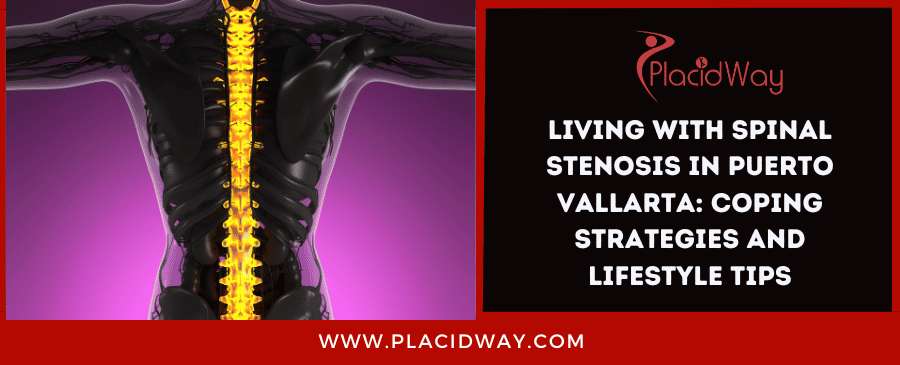
Managing spinal stenosis in Puerto Vallarta combines expert medical care with a warm, healing climate. Spinal stenosis treatment in Mexico offers advanced therapies, from physical rehabilitation to minimally invasive surgery, at highly affordable rates.
Key Takeaways: Healing and Thriving Locally
- Cost Efficiency: Patients save significantly on advanced spine care compared to North American healthcare systems.
- Therapeutic Climate: The consistent warmth reduces joint stiffness, muscle spasms, and nerve-related discomfort.
- World-Class Expertise: Access to board-certified neurosurgeons specializing in minimally invasive techniques.
- Holistic Lifestyle: Abundant opportunities for low-impact aquatic therapy and anti-inflammatory fresh diets.
- Comprehensive Care: Modern facilities offering seamless integration of surgery, pain management, and physiotherapy.
What makes Spinal Stenosis Treatment in Mexico highly recommended for international patients?
International patients flock to this region because it combines internationally accredited medical infrastructure with highly trained, bilingual spine specialists who utilize the latest minimally invasive technologies.
The standard of orthopedic and neurosurgical care available today is exceptional. Medical facilities catering to international visitors maintain rigorous global accreditation standards, ensuring patient safety protocols mirror those found in the United States and Canada. The diagnostic equipment, including high-resolution MRI machines and 3D intraoperative imaging, represents the forefront of modern medical technology.
Furthermore, the physicians performing these complex procedures often undergo extensive fellowship training abroad. They are deeply familiar with progressive techniques like microscopic decompression and artificial disc replacement. This global perspective means patients receive evidence-based care tailored precisely to their unique anatomical challenges, without facing the agonizing wait times typical of public healthcare systems.
Beyond the operating room, the entire patient experience is optimized for foreigners. Bilingual medical coordinators guide patients through every step of their journey, from translating pre-operative instructions to coordinating post-operative rehabilitation. This seamless integration of high-tech medicine and compassionate, culturally aware support is the cornerstone of successful international spine care.
Many cutting-edge spinal implants and minimally invasive tools receive approval in Latin America before they pass lengthy bureaucratic hurdles elsewhere, giving international patients earlier access to revolutionary pain relief solutions.
How much does the Spinal Stenosis Treatment cost in Mexico compared to the US or Canada?
Patients typically save between fifty and seventy percent on overall expenses. The Spinal Stenosis Treatment cost in Mexico for a laminectomy often ranges from $8,000 to $12,000, compared to upwards of $40,000 stateside.
The dramatic difference in pricing does not reflect a compromise in quality. Instead, it is the result of differing economic structures, lower administrative overhead, and capped medical malpractice insurance rates. Hospitals operate with streamlined billing departments, avoiding the inflated pricing models driven by complex domestic insurance networks. This allows clinics to offer transparent, all-inclusive package pricing directly to the consumer.
When evaluating expenses, it is crucial to understand what these packages generally entail. A standard quote often covers the surgeon fees, anesthesiologist fees, operating room time, specialized implants, and initial hospital stay. Unlike northern neighbors where every individual gauze pad generates a separate line item on a bill, international medical centers prioritize predictable financial planning for their patients.
Even when factoring in the required duration of stay for recovery and physical therapy, the total financial outlay remains drastically lower. This immense financial relief allows patients to redirect their funds toward comprehensive rehabilitation, extended wellness therapies, and enjoying a stress-free recuperation in a beautiful coastal environment.
| Procedure Type | Estimated US Cost | Estimated Cost in Mexico |
|---|---|---|
| Epidural Steroid Injections | $1,500 - $3,000 | $400 - $800 |
| Lumbar Laminectomy (Decompression) | $35,000 - $50,000 | $7,000 - $11,000 |
| Spinal Fusion (Single Level) | $80,000 - $110,000 | $14,000 - $18,000 |
What coping strategies aid daily life after visiting a Spinal Stenosis Treatment clinic in Mexico?
Successful daily management involves pacing physical activities, prioritizing ergonomic posture, and integrating local wellness resources like therapeutic massages to complement clinical outcomes.
- Activity Pacing: Break up long walks along the boardwalk into shorter segments. Rest on benches before neurogenic claudication sets in, allowing nerve roots to decompress.
- Ergonomic Adaptation: Ensure your local living space has supportive seating. Avoid deep, soft couches that force the lumbar spine into excessive flexion.
- Therapeutic Support: Utilize the abundance of affordable local massage therapists to release tight hamstrings and gluteal muscles that often overcompensate for spine instability.
- Assistive Devices: Do not hesitate to use a walking cane or trekking poles when exploring cobblestone streets, as they provide stability and shift weight off the lower back.
- Mindful Movement: Practice gentle spinal flexion exercises recommended by your physical therapist every morning to open the spinal canal before starting your day.
How does medical tourism in Mexico facilitate access to minimally invasive spine procedures?
This growing sector bypasses long domestic waitlists, granting immediate access to advanced techniques like endoscopic decompression, which minimize tissue damage and drastically accelerate healing times.
The global healthcare landscape often forces patients suffering from debilitating nerve pain to endure months or even years of waiting for specialized surgical consultations. Medical tourism in Mexico disrupts this frustrating paradigm by offering expedited scheduling. Patients can often transition from initial remote imaging review to an active surgical intervention within a matter of weeks, halting the progression of neurological deficits.
Once arrived, patients benefit from state-of-the-art operative techniques. Traditional open back surgery requires large incisions and significant muscle stripping, leading to intense post-operative pain. Conversely, modern facilities excel in ultra-minimally invasive approaches. Using specialized tubular retractors and microscopic cameras, surgeons can remove bone spurs and thickened ligaments through incisions smaller than a postage stamp.
This commitment to tissue preservation translates directly to superior patient outcomes. Reduced blood loss, lower infection rates, and minimized scar tissue formation mean patients experience less post-operative reliance on heavy narcotics. Consequently, individuals can begin their physical rehabilitation protocols much sooner, taking full advantage of the healing environment.
What gentle lifestyle exercises are recommended for spinal stenosis patients living in Puerto Vallarta?
Living in a coastal paradise provides perfect opportunities for low-impact movement. Aquatic therapy in warm pools, stationary cycling, and supervised beachfront Tai Chi offer exceptional core strengthening without spine compression.
- Aquatic Walking: The buoyancy of water reduces spinal load by up to eighty percent. Walking waist-deep in a warm pool builds leg strength while completely protecting the lumbar vertebrae.
- Stationary Cycling: Riding a recumbent bike naturally places the spine in a slightly flexed position, which opens the neural foramina and allows for prolonged aerobic exercise without leg pain.
- Tai Chi and Qigong: These slow, deliberate movements improve balance and proprioception. Better balance reduces the risk of falls, a critical concern for those with lower extremity numbness.
- Core Stabilization: Engaging in gentle Pilates focused on pelvic tilts helps build the abdominal wall, creating a natural corset that stabilizes the lower back during daily tasks.
- Supported Stretching: Regular stretching of the hip flexors and calves prevents altered walking mechanics, which can otherwise place undue stress on a compromised spinal column.
How does the tropical climate of Puerto Vallarta impact spinal stenosis recovery and pain management?
The consistent, warm tropical climate acts as a natural vasodilator, improving blood circulation to damaged nerve roots and preventing the severe muscle spasms often triggered by cold weather.
Cold, damp environments are notoriously difficult for individuals suffering from chronic joint and spine conditions. Low temperatures cause soft tissues, tendons, and muscles to contract and stiffen. In a compromised spine, this tension exerts additional pressure on already narrowed nerve passageways, amplifying pain signals. Escaping to a warm, sun-drenched environment provides immediate, passive therapeutic benefits.
Heat naturally expands blood vessels. This increased circulation ensures that oxygen and essential healing nutrients are efficiently delivered to the spinal discs and irritated nerve roots. It also facilitates the swift removal of cellular waste and inflammatory byproducts from the surgical site. Many patients report that simply existing in this balmy climate reduces their baseline pain scores by several points.
Furthermore, the abundant sunshine boosts natural Vitamin D synthesis. Vitamin D is essential for maintaining bone density, a critical factor for patients who have undergone spinal fusion or suffer from concurrent osteoporosis. The psychological boost of waking up to bright skies also actively combats the depression and mental fatigue frequently associated with chronic pain syndromes.
Physical therapists often note that patients rehabilitating in warm climates achieve their range-of-motion milestones significantly faster. Warm muscles are more pliable, making physical therapy exercises less painful and highly effective.
What dietary changes can enhance your Spinal Stenosis Treatment in Mexico?
Adopting a localized, anti-inflammatory diet is crucial. Integrating fresh local seafood, rich healthy fats from avocados, and vibrant produce helps reduce internal swelling around the spinal cord.
- Embrace Omega-3s: The local Pacific coast offers abundant fresh fish like mahi-mahi and tuna. These are packed with fatty acids that naturally inhibit inflammatory pathways in the nervous system.
- Capitalize on Antioxidants: Tropical fruits such as papaya and mango are rich in vitamins and enzymes like papain, which has documented pain-relieving and swelling-reduction properties.
- Utilize Healthy Fats: Authentic Mexican cuisine relies heavily on fresh avocados and olive oil. These monounsaturated fats support joint lubrication and cardiovascular health.
- Hydration Focus: Drinking plenty of purified water infused with local citrus ensures spinal discs remain hydrated, maintaining their shock-absorbing capabilities.
- Avoid Processed Sugars: Minimize intake of refined carbohydrates and sugary baked goods, as high blood sugar directly spikes pro-inflammatory cytokines that aggravate nerve pain.
Are non-surgical treatments widely available at a Spinal Stenosis Treatment clinic in Mexico?
Absolutely. Comprehensive clinics prioritize conservative management first, offering advanced pain blocks, physical therapy, pharmacological management, and specialized chiropractic adjustments to delay or prevent surgery.
Surgery is rarely the initial approach for managing narrowed spinal canals unless there is a severe neurological deficit. Premier spine centers excel in multidisciplinary conservative care. A patient's journey often begins with a thorough biomechanical assessment by a physiatrist or rehabilitation specialist who designs a customized, non-invasive protocol.
Interventional pain management is a highly utilized service. Specialists utilize real-time fluoroscopic imaging to precisely deliver corticosteroid injections directly into the epidural space or facet joints. This targeted approach rapidly extinguishes localized inflammation, providing profound relief that allows patients to participate actively in necessary physical therapy programs without excruciating pain.
Additionally, clinics offer access to cutting-edge regenerative medicine. Therapies such as Platelet-Rich Plasma (PRP) injections are becoming increasingly popular. By harnessing the body's own healing growth factors and injecting them into degenerated spinal tissues, these clinics provide innovative alternatives that focus on cellular repair rather than simply masking symptoms with oral medication.
Why Choose PlacidWay to book your Spinal Stenosis Treatment in Mexico?
PlacidWay ensures exceptional patient safety by connecting you strictly with thoroughly vetted, globally accredited medical institutions and board-certified spine specialists, removing the guesswork from your healthcare journey.
Navigating international healthcare options independently can be overwhelming. PlacidWay acts as your dedicated medical advocate, streamlining the complex process of finding reliable, high-quality care. Here is why patients trust PlacidWay for their spine health:
- Rigorous Hospital Vetting: We partner exclusively with medical centers that hold recognized international accreditations, ensuring they adhere strictly to the highest global protocols for sterilization, surgical safety, and intensive care capabilities.
- Transparent Financial Planning: We secure all-inclusive, upfront price quotes directly from the hospitals. This prevents hidden fees and ensures you understand exactly what your treatment entails financially before making any commitments.
- Surgeon Credential Verification: Our network only includes spine specialists with verified medical licenses, specialized fellowships, and proven track records in complex neurological and orthopedic procedures. We completely eliminate the risk of uncertified practitioners.
- Seamless Medical Coordination: We facilitate the secure transfer of your MRI scans, X-rays, and medical history directly to the surgical team for remote evaluation, ensuring you receive a customized treatment plan prior to your arrival.
- Dedicated Patient Advocacy: You receive support from a dedicated team member who assists with navigating clinic communications, overcoming language barriers, and ensuring your medical questions are answered promptly by the specialists.
Frequently Asked Questions About Spine Care and Recovery
Is medical tourism in Mexico safe for elderly spinal stenosis patients?
Yes, seeking care internationally is highly safe for seniors when utilizing accredited hospitals. Facilities catering to international patients maintain strict protocols, specialized geriatric spine care, and bilingual staff to ensure safety and clear communication throughout the recovery process.
What is the typical recovery timeline for spinal decompression surgery in Puerto Vallarta?
Recovery depends on the surgical approach. Minimally invasive procedures often allow patients to walk within hours and resume light activities within two to four weeks. Traditional open surgery may require a longer rehabilitation period of up to three months before returning to a completely normal routine.
Do clinics in Puerto Vallarta accept US health insurance for spine therapies?
Most Mexican medical facilities do not directly bill US domestic insurance plans. However, many accept international PPO plans or medical tourism insurance. Patients typically pay out of pocket at significantly lower rates and request an itemized superbill to submit for reimbursement back home.
How soon can I resume walking after minimally invasive spine surgery in Mexico?
Surgeons typically encourage patients to stand and take short walks within a few hours to a day after minimally invasive surgery. Early mobility is a core component of post-operative care, helping to prevent blood clots and stimulate the healing of nerve pathways.
Are the spine specialists operating in Puerto Vallarta internationally certified?
Top-tier neurosurgeons and orthopedic spine specialists practicing in popular coastal destinations often hold memberships in international medical boards. Many have completed fellowships in the United States or Europe, bringing globally recognized standards to their local practices.
Can I access specialized physical therapy for spinal stenosis in Puerto Vallarta?
Absolutely. The region boasts numerous modern rehabilitation centers equipped with advanced modalities like ultrasound therapy, electrical stimulation, and targeted mobility exercises. Many therapists are bilingual and trained in specific protocols for lumbar and cervical stenosis recovery.
How do barometric pressure changes in Puerto Vallarta affect spine and nerve pain?
Consistent barometric pressure and warm tropical temperatures generally reduce joint expansion and nerve compression. Many patients report significant decreases in chronic radicular pain and stiffness compared to living in colder, more volatile climates found in northern countries.
Are epidural steroid injections for spinal stenosis easily accessible in Mexico?
Yes, outpatient pain management procedures, including fluoroscopically guided epidural steroid injections, are widely available. These minimally invasive treatments offer rapid relief for nerve inflammation and are performed by certified pain management specialists in modern clinical settings.
How long should a patient remain in Puerto Vallarta after a major spinal stenosis procedure?
For surgical interventions like laminectomy or fusion, surgeons generally recommend staying locally for ten to fourteen days. This window allows for adequate monitoring, staple or stitch removal, initial physical therapy, and clearance to safely handle the rigors of a return flight.
What anti-inflammatory local foods help manage spinal stenosis symptoms while living in Mexico?
The local diet is rich in anti-inflammatory superfoods. Fresh Pacific seafood provides high levels of omega-3 fatty acids, while locally grown avocados, papayas, and traditional spices like turmeric and cumin actively combat systemic inflammation that exacerbates nerve compression pain.
Regain Your Mobility and Live Pain-Free
* Responses typically within 24 hours. Privacy guaranteed.




.png)

.png)









Share this listing