

If back or neck pain has made work, sleep, or travel difficult, a lower spine-surgery quote in Mexico can look appealing but the number matters only when the diagnosis, surgical levels, implants, hospital services, and aftercare are comparable.
Before you travel for spine surgery in Mexico, check the surgeon’s professional licence, specialty certification, and the hospital’s current COFEPRIS authorization.
Quick Summary: Spine Surgery in Mexico
- Estimated cost: starting prices for selected spine procedures in 2026 range from approximately $8,000 to $10,200, although final costs vary by procedure, provider, and patient-specific needs.
- Safety review: verify the hospital’s current COFEPRIS sanitary licence, emergency capability, ICU access, infection-control process, and implant traceability.
- Surgeon check: confirm the professional licence through Mexico’s Registro Nacional de Profesionistas and specialty certification through the relevant orthopedic or neurosurgical board.
- Candidate profile: surgery should follow a confirmed diagnosis, appropriate imaging, clinical examination, and discussion of nonsurgical alternatives.
- Recovery: decompression may have a shorter early recovery than fusion, but return to work, driving, exercise, and flying depends on the operation and your medical status.
- Main reason patients consider Mexico: private self-pay access and price comparison; the important caution is that travel can complicate follow-up and treatment of complications.
What Should You Know About Back Surgery in Mexico?
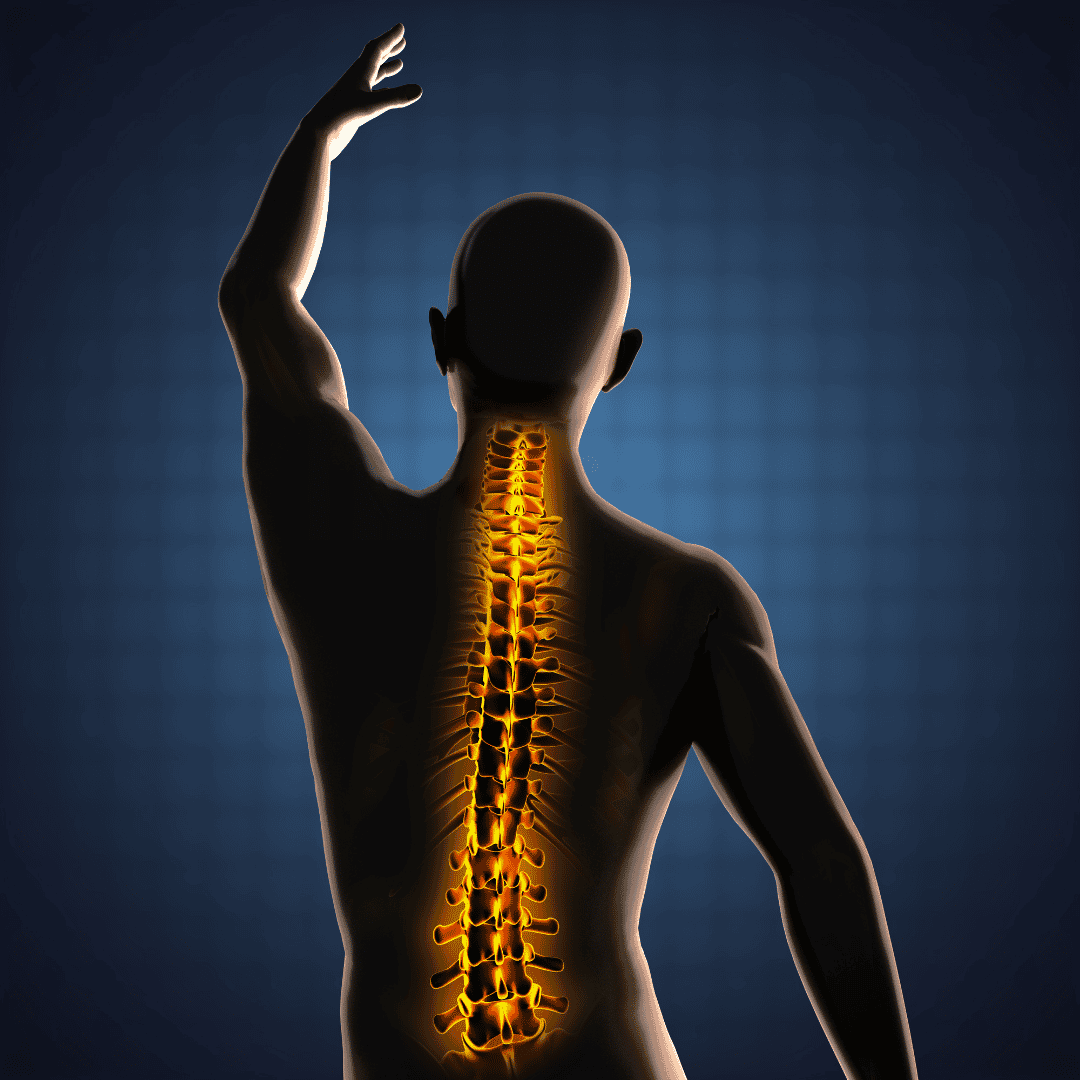
Back surgery is not one procedure. A microdiscectomy removes part of a herniated disc pressing on a nerve; a laminectomy removes bone or ligament to create more room; and spinal fusion joins vertebrae with bone graft and hardware. The correct operation depends on the source of pain, neurological findings, imaging, stability, general health, and response to nonsurgical care.
Compare the same procedure and levels. Ask whether the quote includes professional fees, anesthesia, operating room, hospital nights, imaging, implants, medicines, rehabilitation, transfers and unexpected extra nights. A quote that omits hardware or aftercare cannot be compared fairly.
Why International Patients Consider Spine Treatment in Mexico
U.S. and Canadian patients may compare private self-pay routes, deductibles, second opinions, timing and family responsibilities. Interest in Mexico does not establish provider suitability; compare clinical need, total cost, travel burden and home follow-up.
- U.S. patients may compare a Mexican private quote with insurance authorization, network status, deductibles, coinsurance, and the domestic out-of-pocket maximum.
- Canadian patients may compare travel and access with publicly insured medically necessary hospital and physician services, while checking provincial reimbursement rules before departure.
- Patients from nearby border regions may have shorter ground-travel distances, but they still need a postoperative plan and transport that avoids lifting.
- Patients with persistent nerve symptoms may seek another opinion, but progressive weakness, bowel or bladder changes, or saddle numbness require urgent local assessment.
- Some patients want a private consultation pathway; others are primarily comparing the cost of implants, hospital nights, and rehabilitation.
Selected 2026 Mexico spine-procedure listing figures
This line graph uses selected starting figures displayed on PlacidWay pages accessed September 2, 2026. It is not a national trend, outcome measure, or quality comparison.
Spine Surgery Procedures Commonly Considered in Mexico
“Spine surgery” is an umbrella term. The written diagnosis and proposed procedure should match the MRI or CT findings and the examination. Common procedures include microdiscectomy or discectomy for selected nerve compression, laminectomy or laminoplasty for decompression, foraminotomy to enlarge a nerve passage, anterior cervical discectomy and fusion, lumbar fusion, artificial-disc replacement and corrective surgery for deformity.
Each procedure has a different goal. Decompression removes or reshapes tissue to relieve pressure on a nerve or the spinal cord. Fusion stabilizes a segment and requires bone healing. Disc replacement aims to preserve motion in selected patients. None should be selected only because it appears in a package title.
Ask the surgeon to state the levels, side, approach, implants, bone graft or biologic product, expected hospital stay and alternatives. Seek a second opinion when the proposed surgery is extensive, when symptoms and imaging do not match, or when the recommendation changes after a remote consultation.
| Procedure | Purpose | Question |
|---|---|---|
| Discectomy | Selected nerve compression | Which scan finding matches symptoms? |
| Decompression | More space for a nerve or cord | Could bone removal affect stability? |
| Fusion | Stabilize a segment | What hardware and imaging are planned? |
Mexico Spine Surgery Prices: How to Read Online Listings
Online listings are useful for forming questions, not for establishing a patient-specific quote. Available listings include a spine surgery package in Mexico City starting at $9,000, a Puerto Vallarta spinal-fusion package starting at $8,000, and a Tijuana spinal-fusion listing from $9,500. These are listing figures on a medical-tourism platform, not a national Mexican average, a guaranteed final price, or an outcome measure.
Illustrative Mexico Spine Surgery Starting Prices in USD
Source and date: PlacidWay Mexico listing pages accessed September 2, 2026. The bars show listed starting figures only; they are not adjusted for procedure scope.
Histogram of selected Mexico spine listing prices
Five selected starting-price examples grouped into $1,000 bands. This shows the small sample’s distribution, not a market average.
Comparing Mexico Spine Surgery With U.S. and Canadian Care
U.S. private cash prices vary by state, hospital, inpatient or outpatient setting, implant, anesthesia, and negotiated rates. Insurance deductibles, coinsurance, and out-of-pocket limits can change the patient’s actual responsibility. Ask the hospital and insurer for a patient-specific estimate before comparing it with a Mexican quote.
For a U.S. comparison, request a written estimate from the hospital and surgeon, confirm whether the facility is in-network, and ask for the anesthesia and implant estimates. Hospital price files are not a substitute for a patient-specific estimate. A foreign quote should be compared with the U.S. patient’s expected out-of-pocket amount, not automatically with the gross charge.
Canada is a different comparison. Eligible residents generally receive medically necessary hospital and physician services through provincial or territorial health plans. The patient may compare access time, clinical indications, travel and continuity rather than a private surgical package price. Coverage rules, eligibility and waiting times vary by province and urgency.
| Question | Mexico | United States | Canada |
|---|---|---|---|
| Payment pathway | Usually private self-pay | Insurance, self-pay or both | Public plan for eligible insured care |
| Price certainty | Depends on itemized quote | Depends on network and benefits | Core insured service is not a private package |
| Main continuity issue | Transfer to home clinicians | Network and billing coordination | Provincial referral and access pathway |
Quality Checks for Spine Surgery Hospitals in Mexico
Quality is not established by a website adjective, testimonial or package price. Check the surgeon’s licence and specialty certification, the hospital’s authorization and staffing, intensive care, blood access, imaging, infection control, emergency surgery and implant traceability.
Mexico’s federal health regulator, COFEPRIS, is the place to start for regulatory information. Ask the facility for the current sanitary licence or authorization applicable to its surgical services and verify the legal name and address. Also ask whether the facility has a current certification through Mexico’s Consejo de Salubridad General; certification is facility-specific and should be verified for the named hospital, not inferred from a group brand.
For the surgeon, identify the professional discipline first. A spine specialist may be an orthopedic surgeon or a neurosurgeon. Ask for the Mexican professional licence number, specialty certificate, recertification status where applicable, hospital privileges and the number of comparable operations performed in the last year. A fellowship or association membership can add context, but it is not a substitute for current licensure and specialty certification.
- Hospital: current COFEPRIS licence or authorization for the named surgical facility.
- Surgeon: professional licence, specialty certification and hospital privileges.
- Capability: ICU, imaging, blood access, infection control and emergency transfer.
- Accreditation: verify scope and date; it does not replace national authorization.
Mexico Hospital Capability and Infection Prevention for Spine Surgery
Ask whether the hospital has a 24-hour emergency department, intensive-care beds, an operating room available for urgent complications, blood-bank access, imaging after surgery and a transfer agreement if a higher level of care is needed. Confirm whether the surgeon’s team—not only the hotel coordinator—can be reached outside office hours.
Request the hospital’s patient-safety information in writing. Useful questions include how surgical-site infection is monitored, how antibiotics are selected, how sterile implants are stored, how handoffs are documented and how adverse events are reported. A certificate or accreditation may indicate that an external review occurred, but it does not remove the need to confirm current status and procedure-specific capability.
Ask for translated consent materials and complete records. If the facility will not identify the hospital, surgeon or implant before payment, meaningful comparison is not possible.
Who May Be Considered for Spine Surgery in Mexico?
Back or neck pain alone is not an indication for an operation. A surgical opinion usually considers symptoms, examination, imaging, duration, neurological findings, response to nonsurgical treatment and the expected balance of benefit and risk. Conditions sometimes treated surgically include selected disc herniation with nerve compression, spinal stenosis, instability, fracture, deformity, tumor, infection and degenerative disease.
Travel adds a second screen. The patient needs stable medical conditions, a realistic ability to remain near the hospital, accessible lodging, a companion when appropriate and a clinician at home who is willing to receive the records. Active infection, uncontrolled diabetes, severe anemia, untreated sleep apnea, significant heart or lung disease, or progressive neurological symptoms may require local medical review before any travel decision.
New severe weakness, saddle numbness or loss of bladder or bowel control requires urgent medical assessment. A travel plan should not delay emergency care.
| Clinical review | Travel review |
|---|---|
| Diagnosis, imaging and examination | Stable condition and nearby lodging |
| Alternatives and expected benefit | Accessible transport, companion and home clinician |
- Send imaging, reports, medication list, allergies and relevant medical history for clinical review.
- Ask for a written diagnosis and a second opinion when the operation is extensive or uncertain.
- Receive a named surgeon and hospital, itemized quote, schedule, consent materials and contract.
- Complete medical clearance and clarify which tests must be repeated on arrival.
- Plan airport transfers, accessible lodging, a companion and a local stay long enough for review.
- Before discharge, obtain the operative report, discharge summary, prescriptions, imaging, implant records and follow-up contact.
- Give the records to the home clinician and agree how wound checks, imaging and physiotherapy will be managed.
Recovery After Spine Surgery in Mexico: Decompression Versus Fusion
Recovery depends on the operation, age, baseline function, neurological status, bone health, smoking, diabetes, complications and rehabilitation. After some decompression or discectomy procedures, walking begins early and desk work may resume within days to weeks. Fusion and complex reconstruction generally require more protection, more follow-up and a longer return to full activity. Bone healing after fusion continues beyond the first few postoperative weeks.
Ask for written restrictions on lifting, bending, driving, bathing, wound care, work, exercise and air travel. Ask when imaging is needed and which symptoms require a same-day call. A hotel is not a substitute for clinical observation or accessible physiotherapy. Arrange transportation that allows the patient to avoid lifting luggage and prolonged standing.
Recovery goals should be specific. Pain may improve without disappearing, numbness can take time to resolve, and long-standing nerve damage may not reverse. A surgeon should explain the expected benefit and the possibility of persistent or new symptoms.
| Timeframe | Clinical process | Patient sensation | Activity level | Action required |
|---|---|---|---|---|
| First 1–3 days | Wound observation and early mobilisation | Incisional pain, fatigue, possible nerve symptoms | Short assisted walks if cleared | Follow discharge instructions and watch warning signs |
| First 1–2 weeks | Soft tissues continue healing | Pain and stiffness may fluctuate | Walking with restrictions; no lifting unless cleared | Complete wound review and arrange home care |
| Weeks 3–12 | Function and, after fusion, bone healing continue | Symptoms may improve gradually | Progressive activity guided by the surgeon | Attend follow-up and physiotherapy as directed |
| Beyond 3 months | Recovery varies; fusion maturation can continue | Persistent or new symptoms require review | Return to work, driving, and exercise depends on clearance | Complete imaging and long-term plan |
Flying Home After Spine Surgery in Mexico
Surgery and prolonged sitting during travel can both increase the risk of venous thromboembolism. The appropriate return date depends on the operation, mobility, wound, pain control, neurological examination, medical conditions, flight duration and the surgeon’s assessment. Hospital discharge is not automatically flight clearance.
Ask whether compression, walking, hydration or medication is appropriate for you; do not start an anticoagulant without medical direction. Plan an aisle seat or assistance if the treating team advises it, avoid lifting baggage and know where urgent care is available on arrival. New calf swelling or pain, chest pain, shortness of breath, coughing blood or fainting requires urgent assessment.
Spine Surgery Complications and Follow-Up After Returning Home
Possible spine-surgery complications include infection, bleeding, blood clots, nerve injury, dural tear or cerebrospinal-fluid leak, recurrent symptoms, implant or hardware problems, nonunion after fusion, adjacent-segment disease, readmission and revision. The individual risk depends on the diagnosis and procedure. Ask the surgeon for rates from the named team and the same operation, with a clear denominator and follow-up period.
Agree in advance who will handle a wound problem, infection, neurological change, medication reaction, nonunion or implant concern. Clarify whether the Mexican surgeon will review new imaging remotely, whether a local surgeon is available, and who pays for emergency treatment or a revision. Obtain direct clinical contact details rather than relying only on a sales or scheduling contact.
| Warning sign | Clarify before travel |
|---|---|
| Fever, drainage or worsening wound pain | Who examines the wound |
| New weakness, numbness or bladder or bowel change | Which emergency department is available |
| Calf swelling, chest pain or breathlessness | How emergency payment is handled |
Healing Expectations After Minimally Invasive Spine Surgery in Mexico
“Minimally invasive” describes an approach, not a promise of faster healing for every patient. Smaller incisions may be appropriate for selected procedures, but recovery still depends on the diagnosis, levels treated, nerve condition, blood loss, bone quality, medical history and rehabilitation. A minimally invasive label does not remove the ordinary risks of infection, nerve injury, recurrent symptoms, blood clots or the need for revision.
Ask the surgeon to compare the approach with alternatives, including goals, hospital stay, restrictions, evidence and circumstances that would change the plan. Request realistic milestones. For fusion, ask how bone healing will be assessed and what may delay union.
Healing also includes function, not only wound closure. A patient may have a healed incision while still needing a walking aid, pain management, physiotherapy or work restrictions. Build the travel plan around the longer recovery pathway, and do not shorten the local stay simply because the incision looks acceptable.
Why PlacidWay for Spine Surgery Information in Mexico?
PlacidWay can help you compare Mexico providers, understand how treatment costs are presented, prepare questions for a consultation, review available treatment options, and request information from clinics. You should still verify the named surgeon, hospital authorization, written quote, and follow-up arrangements independently.
Frequently Asked Questions About Spine Surgery in Mexico
How much does spine surgery cost in Mexico for international patients?
Selected 2026 PlacidWay listings show starting figures of about $8,000 to $10,200 for different spine procedures. These figures are not a national average or a final quote. Your total may change with the diagnosis, number of levels, implant, hospital nights, anesthesia, rehabilitation, taxes, travel, and complication coverage.
Is spine surgery in Mexico cheaper than spine surgery in the United States?
A Mexican private quote may be lower than some U.S. self-pay marketplace figures, but the two amounts may not include the same services. Compare identical procedures, levels, implants, hospital settings, anesthesia, rehabilitation, insurance responsibility, and exclusions before drawing a price conclusion.
What certificates should I check before choosing a Mexican spine hospital?
Ask for the hospital’s legal name, address, and current sanitary licence or authorization applicable to surgical services from COFEPRIS. You may also ask about current certification through Mexico’s Consejo de Salubridad General. Confirm the facility’s ICU, imaging, blood-bank, infection-control, and emergency-transfer arrangements.
How can I verify a spine surgeon’s credentials in Mexico?
Request the surgeon’s full legal name, professional licence number, specialty, certification, recertification status where applicable, and hospital privileges. Use Mexico’s professional registry to check the licence and ask which recognized specialty board covers the doctor’s orthopedic or neurosurgical qualification.
What should a Mexico spine surgery package include?
A written package should identify the diagnosis, procedure, surgical levels, approach, surgeon, assistant, anesthesia, facility, hospital nights, implants, graft, tests, medicines, early rehabilitation, taxes, exclusions, extra-night rate, cancellation terms, and the plan for complications or a revision.
How long does recovery take after spine surgery in Mexico?
Recovery varies by procedure and patient. Some decompression or discectomy patients begin walking early and return to desk work within days or weeks, while fusion and complex reconstruction usually require longer restrictions. Follow-up imaging, physiotherapy, bone healing, and functional recovery may continue for months.
When can I fly home after spine surgery in Mexico?
There is no universal flight date. Your treating surgeon should consider the operation, wound, mobility, neurological status, pain control, clot risk, medical conditions, and flight length. Obtain written clearance, arrange mobility assistance when appropriate, and do not lift luggage during the early recovery period.
What are the risks of traveling to Mexico for spine surgery?
You face the ordinary risks of spine surgery plus possible infection exposure, blood clots related to surgery and prolonged sitting, language or records barriers, delayed recognition of complications, and fragmented follow-up. Ask who will manage an urgent problem and who pays for emergency treatment after you return.
Will my U.S. or Canadian insurance pay for spine surgery in Mexico?
Do not assume reimbursement. U.S. plans may require authorization, network status, a second opinion, or specific documentation. Canadian coverage is administered by provinces and territories, and planned care abroad may follow different rules. Ask the insurer or provincial plan in writing before paying a deposit.
Can spine surgery in Mexico guarantee faster healing or a specific result?
No surgical result or recovery period can be guaranteed. A minimally invasive approach may suit selected patients, but recovery depends on the diagnosis, levels, medical history, nerve condition, bone healing, rehabilitation, and complications. Ask for realistic milestones and the possibility of persistent or new symptoms.
Request Information About Spine Surgery in Mexico
If you are comparing Mexico providers, send the diagnosis, imaging summary and the exact procedure you are considering. Ask for the named surgeon, hospital, itemized quote and follow-up plan before deciding.
Request information

























Share this listing