


Transform Your Life: Unveil Your Success Story with Weight Loss Surgery in Turkey
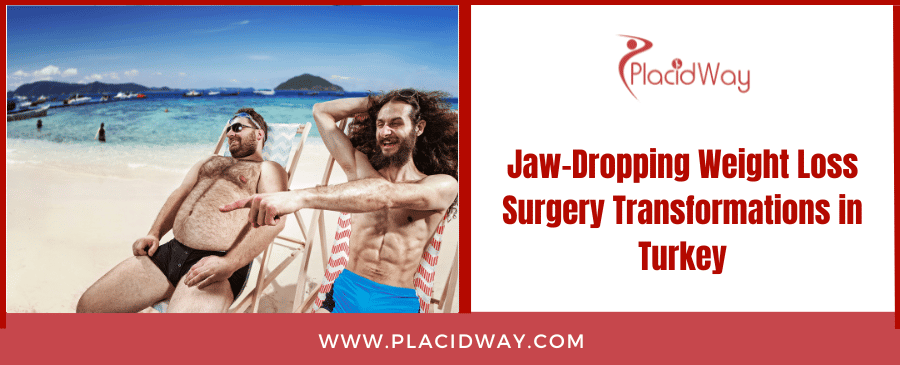
Weight loss surgery in Turkey costs between $3,000 and $6,000 on average. This includes high-quality procedures like gastric sleeve and bypass performed at accredited facilities, helping international patients save up to seventy percent while achieving life-changing, permanent results.
Key Takeaways: Transforming Your Health Abroad
- Massive Financial Savings: Patients typically save thousands of dollars compared to domestic healthcare systems without sacrificing medical quality.
- Minimally Invasive Techniques: Advanced laparoscopic methods ensure smaller incisions, less pain, and significantly faster recovery times.
- All-Inclusive Care: Comprehensive packages generally cover hospital stays, medical tests, prescribed medications, and nutritional guidance.
- Global Accreditations: Procedures are performed in modern hospitals that adhere to strict international safety and hygiene protocols.
- Multidisciplinary Support: Treatment includes evaluations from cardiologists, endocrinologists, and specialized bariatric dietitians.
The global epidemic of obesity has led millions to seek effective, long-lasting medical interventions. For many, local healthcare systems present insurmountable barriers, from exorbitant out-of-pocket expenses to multi-year waiting lists. This reality has fueled a massive surge in patients crossing borders to reclaim their health. The combination of elite surgical expertise and highly compassionate care makes this specific Mediterranean destination a premier choice for those seeking a profound physical transformation.
Why is weight loss surgery in Turkey becoming so popular globally?
International patients flock to this region because of the exceptional combination of affordable healthcare, stringent medical standards, and highly experienced surgical teams performing thousands of successful procedures annually.
Over the past two decades, monumental investments have been made into the regional healthcare infrastructure. The government and private medical sectors collaborated to build state-of-the-art hospitals designed specifically to cater to international health travelers. These facilities boast cutting-edge diagnostic technology and intensive care units that rival the most prestigious hospitals in North America and Western Europe.
Furthermore, surgical specialists here gain unparalleled experience due to the sheer volume of cases they handle. While a surgeon in a local Western clinic might perform a few dozen bariatric procedures a year, experts in this region often complete hundreds. This high frequency translates to refined surgical precision, lower complication rates, and optimized patient outcomes that consistently exceed global benchmarks.
Finally, the popularity is heavily driven by word-of-mouth success stories. As patients return home showcasing jaw-dropping physical transformations and reporting improvements in chronic conditions like diabetes and hypertension, their communities take notice. The transparency of the process, coupled with the warmth of the local medical staff, creates a highly trusting environment for individuals taking this brave step toward a healthier life.
Bariatric procedures do not just shrink your stomach; they fundamentally alter your gut hormones. By removing the portion of the stomach that produces ghrelin, the hunger hormone, patients experience a dramatic reduction in physical cravings immediately after waking up from the operation.
What is the average weight loss surgery cost in Turkey compared to other countries?
The weight loss surgery cost in Turkey typically ranges from $3,000 to $6,000, offering massive financial savings without compromising on the quality of medical technology, sterilization standards, or overall safety.
Understanding the financial aspect is crucial for anyone planning their medical journey. The immense price difference is not an indicator of reduced quality. Rather, it reflects the lower cost of living, favorable currency exchange rates, and lower administrative overhead compared to the highly inflated Western medical markets. When you pay for treatment here, you are paying purely for medical expertise and facility use, devoid of excessive insurance markups.
Most international medical packages are beautifully structured to be entirely transparent. The quoted price generally encompasses the preoperative diagnostic screening, the surgical operation itself, general anesthesia, all required hospital nights, and a specialized post-operative medication kit. There are rarely hidden fees, allowing patients to budget with complete peace of mind.
To truly grasp the value proposition, one must look at the global pricing landscape. In the United States, an uninsured patient might face crippling debt for a life-saving bariatric intervention. Below is a detailed comparison demonstrating why crossing borders is a financially sound decision for health optimization.
| Country | Gastric Sleeve Average Cost | Gastric Bypass Average Cost |
|---|---|---|
| United States | $15,000 - $20,000 | $20,000 - $25,000 |
| United Kingdom | $10,000 - $13,000 | $12,000 - $15,000 |
| Australia | $14,000 - $18,000 | $16,000 - $22,000 |
| Turkey | $3,000 - $4,500 | $4,000 - $6,000 |
Which types of procedures are performed at a weight loss surgery clinic in Turkey?
A top-tier weight loss surgery clinic in Turkey offers highly customized treatments including gastric sleeve, gastric bypass, and complex revision operations tailored to a patients specific metabolic requirements.
Choosing the correct medical pathway is a collaborative decision between you and your multidisciplinary surgical team. There is no universally perfect operation; instead, interventions are selected based on your eating habits, body mass index, and existing medical conditions. The most frequently performed and highly successful interventions include:
- Laparoscopic Sleeve Gastrectomy: This involves removing approximately eighty percent of the stomach volume, leaving a narrow tube. It is highly favored for its excellent safety profile and minimal interference with nutrient absorption.
- Roux-en-Y Gastric Bypass: Known historically as the premier standard for metabolic correction, this technique creates a small stomach pouch and reroutes the digestive tract. It is exceptionally effective for patients battling severe acid reflux or uncontrolled type 2 diabetes.
- Mini Gastric Bypass: A simplified iteration of the traditional bypass, this technique requires fewer intestinal connections, resulting in shorter operating times while still delivering potent restrictive and malabsorptive weight shedding benefits.
- Endoscopic Gastric Balloon: For those who do not qualify for invasive surgery or prefer a temporary measure, a silicone balloon is placed in the stomach via the throat to create early fullness and teach portion control over six to twelve months.
- Bariatric Revision: Specialized interventions designed for patients who previously underwent operations but experienced inadequate results, dangerous complications, or anatomical stretching over several years.
How do internationally accredited facilities ensure patient safety during bariatric procedures?
Hospitals maintain rigorous safety protocols by utilizing advanced laparoscopic technology, enforcing multidisciplinary board reviews prior to clearance, and holding strict international healthcare certifications.
Patient safety begins long before you enter the operating room. Upon arrival at the medical facility, you will undergo an exhaustive battery of diagnostic tests. This comprehensive screening typically includes an electrocardiogram, detailed abdominal ultrasounds, comprehensive blood chemistry panels, pulmonary function tests, and an endoscopy. These diagnostics ensure your internal organs are perfectly suited for general anesthesia and surgical intervention.
During the operation itself, surgical teams utilize minimally invasive laparoscopic techniques. By operating through tiny keyhole incisions utilizing high-definition internal cameras, surgeons drastically reduce blood loss, minimize tissue trauma, and practically eliminate large surgical scars. To ensure absolute structural integrity, surgeons perform rigorous leak tests on the stomach using specialized dye before completing the operation, verifying that all staple lines are completely sealed.
Furthermore, the environment in which these operations take place is highly controlled. Premium medical centers maintain fully equipped intensive care units on standby for absolute worst-case scenarios, ensuring rapid response capabilities. The nursing staff assigned to bariatric wards are specifically trained in postoperative airway management and early mobilization techniques, actively preventing complications such as deep vein thrombosis.
What should patients expect during their recovery timeline before flying home?
Most patients stay in the hospital under direct medical supervision for three to four days, followed by a brief hotel recovery period, allowing them to fly home safely within seven to eight days total.
The immediate postoperative phase is carefully structured to ensure a rapid and smooth recovery. On day one, just hours after waking from anesthesia, nurses will assist you in standing up and taking short walks around the ward. This early mobilization is the most critical step in preventing blood clots and alleviating the trapped gas pain common with laparoscopic techniques. During this time, you will be hydrated entirely through an intravenous line.
By day two and three, your medical team will introduce clear liquids, carefully monitoring your new stomachs tolerance. You will undergo a final medical assessment, checking vital signs and blood work, before being discharged from the hospital. The remainder of your stay will be spent resting comfortably in a partnered hotel, where you will continue to sip fluids and perform light walking exercises to build stamina.
Before boarding your flight home, you will have a final consultation with your head surgeon. They will check your incision sites, change your dressings, and issue a fit-to-fly medical certificate. Patients are thoroughly briefed on deep vein thrombosis prevention for the flight, which includes wearing compression stockings, staying aggressively hydrated, and pacing the airplane aisles regularly during the journey.
How does medical tourism in Turkey support bariatric patients beyond the operating room?
The ecosystem of medical tourism in Turkey provides seamless patient coordination, including dedicated multilingual interpreters, comprehensive dietary counseling, and VIP logistics from the airport to the clinic.
Traveling abroad for a major medical intervention can seem daunting, which is why the infrastructure here is designed to eliminate all logistical stress. From the moment you land, dedicated support teams take over. A VIP transfer vehicle will collect you from the airport and handle all transportation between your hotel and the hospital. This allows you to focus entirely on your mental and physical preparation rather than navigating foreign streets.
Language barriers are a common concern, but they are completely negated in premium medical centers. You are typically assigned a personal patient coordinator who speaks fluent English. This advocate stays by your side during every doctor consultation, diagnostic test, and discharge briefing, ensuring you understand every medical instruction clearly and that your voice is always heard by the surgical staff.
Beyond logistics, the holistic support extends to lifestyle modification. Hospitals integrate clinical dietitians and psychologists into your care package. These professionals conduct detailed sessions with you before you fly home, providing customized meal plans, vitamin schedules, and emotional coping strategies to ensure your transition into your new lifestyle is smooth and sustainable.
Are there specific dietary requirements before undergoing bariatric treatments abroad?
Patients must follow a strict liver reduction diet for two to three weeks before their procedure to shrink the liver naturally and ensure a safer, smoother laparoscopic operation with optimal internal visibility.
Preparation begins long before your flight departs. Patients battling severe obesity often have an enlarged, fatty liver. Because the liver sits directly on top of the stomach, an enlarged state makes it extremely difficult for the surgeon to access the surgical site safely. To mitigate this risk, your assigned clinical dietitian will prescribe a rigorous preoperative protocol known as the liver shrinking diet.
This specialized diet is highly restrictive, focusing heavily on lean proteins while almost entirely eliminating carbohydrates, sugars, and unhealthy fats. By starving the body of carbohydrates, it is forced to deplete its glycogen stores, which are heavily concentrated in the liver. As the glycogen and associated water weight are burned off, the liver physically shrinks in size and becomes softer and easier to retract during the operation.
While this liquid or semi-liquid diet can be mentally challenging to sustain, absolute compliance is non-negotiable for your safety. Consuming cheat meals during this phase can instantly replenish liver glycogen, plumping the organ back up and potentially causing the surgical team to cancel or postpone the operation upon internal inspection.
What long-term aftercare support is available for international patients?
Reputable facilities provide robust remote aftercare programs through telehealth, ensuring patients receive continuous nutritional guidance and comprehensive medical monitoring for at least twelve to twenty-four months.
The operation is only the first step in a lifelong journey of health management. High-quality international medical providers understand that true success depends on diligent aftercare. Once you return home, you will have scheduled video consultations with your bariatric dietitian at critical milestones: two weeks, one month, three months, six months, and one year post-operation.
During these remote check-ins, the medical team will evaluate your physical healing, review your current dietary progression from liquids to purees to solid foods, and troubleshoot any difficulties you are facing, such as food intolerances or plateaus in mass reduction. You will also be required to take localized blood tests in your home country and securely email the results back to your surgical team to monitor for potential vitamin and mineral deficiencies.
Furthermore, many premium providers offer access to digital community support groups. Engaging with peers who are navigating the exact same physical and emotional changes provides incredible motivation. This continuous loop of professional guidance and peer support ensures that geographical distance never compromises the quality of your post-operative care.
How can patients verify the credentials of their chosen surgical team?
Prospective patients should look for international healthcare accreditations, board certifications in bariatric disciplines, and verified patient testimonials from independent platforms to ensure absolute safety.
Due diligence is paramount when selecting a medical provider abroad. The first indicator of a secure facility is international accreditation, such as the Joint Commission International seal. This rigorous certification process proves that the hospital meets or exceeds the most stringent global standards for patient safety, infection control, and facility management.
Next, closely examine the primary surgeon leading your care. Excellent practitioners will proudly display their educational background and professional affiliations. Look for active memberships in prestigious global organizations, such as the International Federation for the Surgery of Obesity and Metabolic Disorders. A surgeon affiliated with these boards is committed to continuous education and adheres to strict ethical surgical practices.
Finally, utilize independent research methods. Do not rely solely on curated social media feeds. Seek out independent medical tourism forums, request to speak with past patients who reside in your home country, and demand transparency regarding the clinics complication rates. A reputable medical center will always provide data-driven answers to these critical inquiries without hesitation.
Why Choose PlacidWay for your weight loss journey?
PlacidWay ensures a secure, transparent, and high-quality medical experience by connecting you with rigorously vetted, globally recognized healthcare providers tailored entirely to your specific physical needs.
Navigating international healthcare markets alone can feel overwhelming, especially when trying to differentiate between exceptional medical centers and aggressive marketing campaigns. PlacidWay acts as your dedicated medical advocate, streamlining the complex process of finding safe, affordable, and highly effective treatment. Here is how our comprehensive approach protects and empowers you:
- Strict Medical Vetting Process: We conduct rigorous background checks on every facility in our network, ensuring they hold active Ministry of Health licenses and pristine safety records before presenting them to you.
- Verification of Surgical Excellence: We mandate that all partner surgeons hold proper board certifications and demonstrate a high-volume track record specifically in complex metabolic and bariatric disciplines.
- Absolute Price Transparency: Our team secures comprehensive quotes that clearly delineate every medical cost, ensuring you are protected against unexpected hospital bills or hidden pharmaceutical charges.
- Seamless Medical Record Integration: We securely facilitate the transfer of your local medical history, blood panels, and physician notes directly to the international surgical board for a highly accurate preoperative assessment.
- Unwavering Patient Advocacy: From your initial inquiry through your postoperative recovery phase, our dedicated support team prioritizes your clinical safety, ethical treatment, and overall peace of mind above all else.
Frequently Asked Questions About Bariatric Care Abroad
Is it safe to undergo weight loss surgery in Istanbul or Antalya?
Yes, undergoing these medical procedures in major Turkish cities is highly safe when selecting properly accredited facilities. These metropolitan hubs are home to internationally certified hospitals that adhere strictly to global healthcare standards. The surgical teams utilize the exact same advanced laparoscopic equipment and FDA-approved stapling devices found in top-tier Western hospitals, ensuring optimal safety protocols are maintained throughout your stay.
What body mass index is required to qualify for bariatric procedures in this region?
The standard qualification criteria align with international medical guidelines. Generally, patients must have a body mass index of 35 or higher, or a body mass index of 30 or higher if accompanied by severe obesity-related comorbidities such as type 2 diabetes, sleep apnea, or severe hypertension. During your preliminary online consultation, the medical board will evaluate your specific measurements and health history to determine your eligibility.
Do Turkish hospitals use approved surgical materials for bariatric operations?
Absolutely. Reputable healthcare providers exclusively utilize premium, globally recognized surgical brands for their operations. This includes high-grade titanium staples and advanced sealing devices imported from leading medical manufacturers in the United States and Germany. These facilities prioritize your internal healing and structural integrity, completely avoiding unverified or substandard surgical materials.
Can I undergo a gastric sleeve operation if I currently have type 2 diabetes?
Yes, many patients with type 2 diabetes successfully undergo bariatric procedures. In fact, these metabolic surgeries are often highly recommended for diabetic patients because the structural changes to the stomach can lead to rapid improvements in blood sugar regulation. A multidisciplinary team including an endocrinologist will carefully manage your glucose levels before, during, and after the operation to ensure complete stability.
How soon can I return to my normal employment after returning home?
The timeline for returning to employment largely depends on the physical demands of your profession. For desk jobs or remote work, most patients feel capable of returning within two to three weeks post-operation. However, if your job requires heavy lifting, prolonged standing, or intense physical exertion, your medical team will typically advise a recovery period of four to six weeks to prevent any strain on your internal healing incisions.
What happens if I experience a medical complication after flying back to my home country?
Top-tier facilities provide extensive remote aftercare and provide detailed medical reports in English upon your discharge. If a complication arises, your surgical team is available via telehealth to assess the situation immediately. Furthermore, they will coordinate with your local primary care physician or local emergency services by sharing your operative notes and guiding your local doctors on the appropriate specialized interventions required.
Are companion accommodations typically included in standard medical packages?
Yes, the vast majority of all-inclusive medical packages are designed to accommodate the patient and one travel companion. Hospitals usually provide a comfortable sleeper sofa or secondary bed within your private recovery suite. Additionally, the hotel portion of your stay will include a double occupancy room, ensuring your support person can remain comfortably by your side throughout the entire recovery timeline.
How much overall body mass can I expect to lose in the first six months?
While individual results vary based on starting weight and adherence to postoperative dietary guidelines, most patients experience rapid shedding of excess weight during the first six months. It is common to lose between fifty and seventy percent of your excess body mass in this initial window. This rapid phase is driven by strict portion control and profound metabolic changes, which stabilize as you introduce solid foods.
Will my skin sag significantly after the procedure, and can I treat it locally later?
Massive shedding of excess fat often results in loose or sagging skin, particularly around the abdomen, arms, and thighs. The elasticity of your skin depends on your age, genetics, and how much volume was lost. Many international patients choose to return to the same destination twelve to eighteen months later for body contouring procedures, as the region also hosts world-renowned plastic surgeons specializing in post-bariatric skin removal.
Why is the financial investment so much lower in this region compared to Western countries?
The exceptional affordability is primarily driven by lower domestic operational costs, favorable currency exchange rates, and significant government support for the local healthcare infrastructure. Medical institutions do not compromise on technology or surgical expertise; instead, the economic environment allows them to offer premium medical services at a fraction of the cost found in North America or Western Europe, transferring those savings directly to international patients.
Start Your Transformation Journey Today
* Secure medical evaluations typically provided within 24 hours. Privacy guaranteed.








.png)










Share this listing