
Save on Knee Surgery: See Costs in Puerto Vallarta
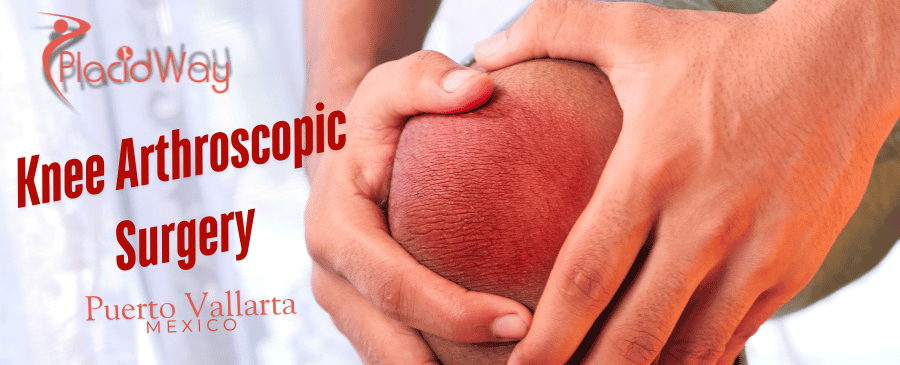
When knee pain begins to limit your daily activities and conservative treatments no longer provide relief, your doctor may suggest surgical intervention. For many North American patients, looking across the border for treatment options has become a viable consideration due to out-of-pocket expenses at home. The knee arthroscopic surgery cost in Mexico is often a primary reason individuals begin researching treatment abroad.
Puerto Vallarta is frequently considered by individuals seeking orthopedic care due to its established infrastructure for international patients. However, traveling for medical care requires careful planning, a clear understanding of the risks, and realistic expectations regarding outcomes and costs.
Key Takeaways
- Estimated procedure costs generally range from $2,500 to $4,500 USD.
- Prices vary based on surgical complexity, anesthesia type, and facility fees.
- Knee arthroscopy is minimally invasive, but it is still surgery and carries risks like infection and blood clots.
- Patients typically need to remain in the area for 7 to 10 days post-surgery before flying home.
- Local post-operative care and physical therapy are crucial for a successful recovery once you return home.
What factors influence the final price of knee arthroscopy in Puerto Vallarta?
Because arthroscopy can be used for both simple diagnostics and complex joint reconstruction, no two surgeries are priced exactly the same. If your surgeon only needs to wash out the joint or trim a small piece of torn cartilage (debridement), the cost will likely fall on the lower end of the spectrum.
Conversely, if the procedure involves repairing a severe meniscus tear, reconstructing ligaments, or using specialized anchors and sutures, the price will increase. The materials used inside the knee, as well as the length of time you spend in the operating room, directly impact your final bill.
Additionally, facility fees play a role. A procedure performed in a standalone outpatient surgical center may be priced differently than one performed inside a larger, multi-specialty hospital. When evaluating your options for knee arthroscopic surgery in Mexico, always ask for an itemized estimate to understand exactly what you are paying for.
What is typically included in a surgery package?
When clinics provide you with a cost estimate, it is important to clarify the specifics. Standard inclusions generally comprise:
- The orthopedic surgeon's professional fees.
- The anesthesiologist's fees and the anesthesia medications.
- Use of the operating room and standard arthroscopic equipment.
- Routine post-operative recovery room time.
- Basic medical supplies used during the operation.
Am I a suitable candidate for this procedure?
Not all knee pain can be resolved with arthroscopy. You may be evaluated for this surgery if you have suffered an acute injury that damaged the internal structures of your knee. Doctors often consider this procedure for repairing or trimming a torn meniscus, removing loose fragments of bone or cartilage, or diagnosing an unexplained joint issue.
However, medical guidelines generally advise against arthroscopy if your primary issue is advanced osteoarthritis. The procedure cannot rebuild worn-away cartilage or cure chronic degenerative joint disease. Furthermore, your overall health plays a critical role. Conditions such as severe heart disease, uncontrolled diabetes, or a history of blood clots may affect your eligibility for surgery, particularly when it involves flying internationally.
How does a knee arthroscopy actually work?
Knee arthroscopy is categorized as a minimally invasive procedure because it does not require a large incision to open the knee joint completely. Instead, the surgeon creates two or three small incisions, often called portals, around the knee.
Sterile fluid is pumped into the joint to expand it, providing a clear viewing area. The surgeon then inserts an arthroscope—a thin tube equipped with a bright light and a high-definition camera. This camera transmits real-time video to a monitor in the operating room. If a repair is needed, specialized, tiny surgical tools are inserted through the other portals to trim, stitch, or smooth the damaged tissues.
What are the common medical risks and complications?
While minimally invasive, knee arthroscopy is a real surgery and carries inherent medical risks. It is important to discuss these thoroughly with a qualified healthcare professional before making travel plans.
Potential complications include:
- Infection: Can occur at the incision sites or deep within the joint.
- Blood Clots: Deep vein thrombosis (DVT) is a risk after any lower-limb surgery, and flying too soon after surgery can significantly increase this risk.
- Nerve or Blood Vessel Damage: Though rare, the instruments can damage surrounding tissues.
- Ongoing Pain: Surgery does not guarantee a pain-free outcome, and some patients may experience ongoing discomfort or stiffness.
How long should I expect to stay in Puerto Vallarta for recovery?
Recovery begins the moment you leave the operating room, but the initial post-operative phase is crucial. You will typically be discharged the same day as your procedure, but you cannot safely fly home immediately.
Surgeons usually require patients to stay in the local area for about a week. This allows the medical team to monitor your incision sites, remove stitches if necessary, and ensure no immediate complications arise. Furthermore, the combination of restricted mobility and changes in cabin pressure during air travel increases the risk of dangerous blood clots. You must be medically cleared by your surgeon before boarding a flight.
What will my rehabilitation look like after I fly home?
Returning home is only the beginning of the recovery process. The success of a knee arthroscopy depends heavily on strict adherence to a rehabilitation protocol. You will likely need to coordinate with a local physical therapist in your home city.
Initially, your routine may involve gentle exercises to reduce swelling and improve your range of motion. Depending on whether you had a meniscus repair or a simple debridement, you might need to use crutches for several weeks. Gradually, therapy will shift toward strengthening the quadriceps and hamstrings to support the joint. Keep in mind that individual healing timelines vary greatly.
How do I prepare for orthopedic surgery abroad?
Proper preparation is vital when participating in medical tourism in Mexico. You should begin by visiting your local physician to discuss whether traveling for surgery is safe for your specific health profile.
You will need to provide the surgical team in Puerto Vallarta with comprehensive medical records, including any recent MRI scans or X-rays of your knee. Blood tests and a general health clearance may also be required before you travel. Finally, ensure your passport is valid and establish a communication plan between your foreign surgeon and your local doctor to facilitate a smooth handover of your post-operative care.
What are the advantages of choosing a knee arthroscopy clinic in Mexico?
The primary driver for seeking care in Puerto Vallarta is cost. In the United States, patients facing high deductibles or lack of insurance may find the out-of-pocket expenses for knee surgery prohibitive. The pricing in Mexico is often more accessible due to lower administrative and operational costs in the region.
Additionally, many clinics catering to international patients feature modern medical equipment and staff who speak fluent English. While cost is a significant factor, it is essential to prioritize medical safety, facility accreditation, and the experience of the surgical team over pricing alone.
Why Choose PlacidWay for Medical Tourism in Puerto Vallarta?
Researching medical procedures in another country requires access to clear, organized information. PlacidWay serves as a global medical tourism platform to help individuals explore their healthcare options.
- Global Network: Provides information on healthcare facilities and clinics in Puerto Vallarta and around the world.
- Transparent Information: Offers baseline cost estimates and detailed facility profiles to help you compare options.
- Educational Resources: Features articles and resources regarding various orthopedic procedures.
- Direct Connection: Allows patients to request information and connect directly with medical providers.
- No Obligation: Users can gather information and request quotes without any pressure or commitment to book a treatment.
Frequently Asked Questions
Is knee arthroscopy always done under general anesthesia?
Not always. Depending on the complexity of the procedure and your medical history, your surgeon and anesthesiologist may recommend regional anesthesia, such as a spinal block, or local anesthesia combined with sedation instead of general anesthesia.
Will I need physical therapy after the surgery?
Yes, physical therapy is typically recommended following knee arthroscopy. A structured rehabilitation program helps restore your range of motion, strengthens the muscles supporting your knee, and often plays a significant role in your overall recovery.
Can I walk immediately after knee arthroscopy?
Your ability to bear weight depends on what was done during the surgery. If you only had damaged tissue removed, you might be able to walk with crutches right away. If you had cartilage repaired, you may need to avoid putting weight on the leg for several weeks.
Do I need a companion to travel with me?
While not strictly required by all facilities, traveling with a companion is highly recommended. You will likely need help navigating the airport, managing your luggage, and moving around your accommodation during the initial days after surgery.
How soon can I fly after knee surgery?
Most surgeons advise waiting at least 7 to 10 days before flying. Flying too soon after orthopedic surgery can increase the risk of deep vein thrombosis (DVT). Your doctor will clear you for travel based on your specific recovery progress.
Are hidden fees common with orthopedic procedures in Mexico?
Reputable clinics provide transparent, itemized estimates. However, unexpected costs can arise if you require additional imaging, extended hospital stays, or treatment for unforeseen complications. Always ask what is specifically excluded from your initial estimate.
Will my local insurance cover surgery in Puerto Vallarta?
Most standard health insurance policies in the United States or Canada do not cover elective medical procedures performed in Mexico. You should contact your insurance provider directly to understand your specific benefits and out-of-network coverage.
What happens if I experience a complication after returning home?
If you experience complications like infection, severe pain, or swelling after returning home, you must seek immediate care from a local healthcare professional. It is essential to have a plan in place for post-operative care in your home country.
How long do the results of a knee arthroscopy last?
The longevity of the results depends on the underlying condition being treated. While a torn meniscus repair can provide long-lasting relief, arthroscopy cannot reverse chronic conditions like severe osteoarthritis, and symptoms may eventually return.
Can arthroscopy cure severe knee osteoarthritis?
No. Major medical organizations generally do not recommend arthroscopic surgery as a treatment for severe knee osteoarthritis. It does not cure the disease or rebuild lost cartilage, though it may be used in specific cases to remove loose bodies causing locking.
Compare Treatment Options
Explore detailed information and request estimates for knee procedures in Puerto Vallarta to help you make an informed decision.
Request Treatment InformationReferences
- Knee Arthroscopy - American Academy of Orthopaedic Surgeons (AAOS)
- Knee Arthroscopy - Mayo Clinic
- Knee Arthroscopy Details & Recovery - Cleveland Clinic
- Medical Tourism Guidelines - Centers for Disease Control and Prevention (CDC)
- Travel and Health: Medical Tourism - World Health Organization (WHO)
- Arthroscopy Devices and Safety - U.S. Food and Drug Administration (FDA)


























Share this listing