


Traveling to Mexico for Orthopedic Surgery: What You Need to Know
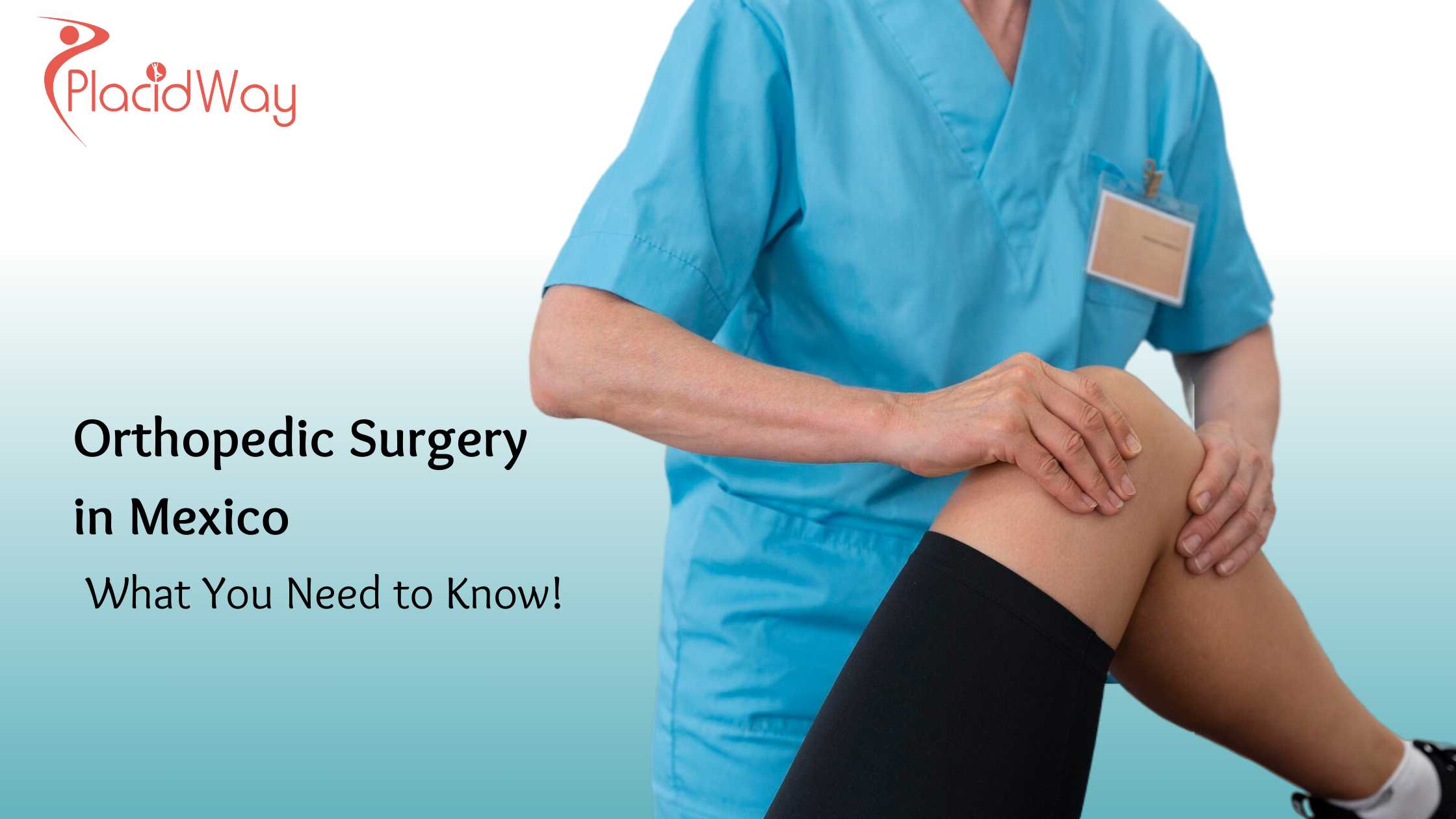
Traveling for orthopedic surgery in Mexico saves patients 50-70% on joint replacements. Essential travel tips include bringing MRI records, booking accessible hotels in cities like Cancun or Tijuana, and planning for a 7 to 14-day recovery stay.
Key Takeaways: Orthopedic Travel Tips
- Significant Cost Savings: Procedures cost a fraction of North American prices without compromising on medical implant quality.
- Ideal Destinations: Border cities and resort towns offer customized infrastructure for recovering medical tourists.
- Accessibility Matters: Pre-booking wheelchair assistance and ground-floor hotel rooms is critical for joint replacement patients.
- Extended Stay Required: Planning a ten-day trip allows for proper wound healing and mitigates flight-related blood clot risks.
- Comprehensive Care: Premium packages integrate surgery, hospital stays, and initial physical therapy into one seamless experience.
What is the average orthopedic surgery cost in Mexico compared to the US?
The orthopedic surgery cost in Mexico is remarkably affordable, typically ranging from $6,000 to $14,000 for major joint replacements. This represents a massive savings of 50 to 80 percent when compared to standard healthcare prices in the United States or Canada.
Understanding the dramatic price difference requires looking at the broader economic landscape of healthcare. South of the border, the cost of living, administrative hospital overhead, and medical malpractice insurance premiums are substantially lower. These reduced operational expenses allow world-class specialists to offer their expertise at a fraction of the cost, passing the financial relief directly to the self-paying patient.
For example, a total knee replacement that might easily exceed forty thousand dollars in an American hospital can often be completed for less than ten thousand dollars at a top-tier Mexican facility. Similarly, complex spinal fusions or total hip arthroplasties see parallel price reductions. Importantly, this reduced financial burden covers the entire scope of the procedure, including anesthesiology, the operating room, hospital nights, and the surgical team fees.
Many prospective patients initially worry that lower prices equate to inferior materials. However, internationally accredited hospitals utilize the exact same premium, FDA-approved implants manufactured by global medical leaders. You are paying for the exact same high-grade titanium and cross-linked polyethylene components, simply delivered within a more cost-effective healthcare economy.
| Orthopedic Procedure | Average US Cost | Average Mexico Cost |
|---|---|---|
| Total Knee Replacement | $35,000 - $45,000 | $6,500 - $8,500 |
| Total Hip Replacement | $40,000 - $50,000 | $7,000 - $9,500 |
| Spinal Fusion (1 Level) | $80,000 - $110,000 | $12,000 - $16,000 |
| Rotator Cuff Repair | $15,000 - $25,000 | $4,500 - $6,500 |
How do I select a safe orthopedic surgery clinic in Mexico?
Choosing a reliable orthopedic surgery clinic in Mexico requires verifying hospital accreditations and surgeon credentials. Patients should look for facilities with JCI accreditation and doctors who are board-certified in orthopedic specialties.
- Verify International Accreditations: Ensure the facility holds certifications from the Joint Commission International or the Consejo de Salubridad General. These accreditations guarantee that the hospital adheres to the strictest global safety and hygiene protocols.
- Check Surgeon Board Certifications: The operating specialist should be a member of the Mexican Council of Orthopedics and Traumatology. Many top surgeons also hold memberships in the American Academy of Orthopaedic Surgeons, reflecting ongoing international education.
- Assess Hospital Infrastructure: Major joint and spine procedures require modern operating theaters and fully equipped intensive care units. Confirm that the clinic is housed within a full-scale hospital rather than a small outpatient surgical center.
- Review Patient Testimonials: Seek out detailed accounts from previous international travelers who underwent similar procedures. Real patient stories provide invaluable insight into the bedside manner, pain management strategies, and overall facility cleanliness.
- Ensure Transparent Pricing Practices: A trustworthy clinic will provide a comprehensive, all-inclusive quote prior to your arrival. This document should clearly outline the costs for the implant, surgical fees, anesthesiology, and hospital stay, protecting you from unexpected hidden charges.
What are the best cities for medical tourism in Mexico when getting joint replacements?
The premier destinations for medical tourism in Mexico include Tijuana, Cancun, Puerto Vallarta, and Mexico City. Each location offers a unique blend of top-tier medical facilities and accessible environments for recovering patients.
Tijuana stands out as the ultimate convenience hub for North American patients. Located just across the border from San Diego, California, it allows individuals to fly domestically within the US and take a short, specialized medical shuttle directly to their hospital. This geographical advantage eliminates the stress of international air travel, which is highly beneficial for patients experiencing severe mobility issues prior to their knee or hip procedures.
For those who wish to combine top-tier healthcare with a tranquil recovery environment, resort cities like Cancun and Puerto Vallarta are exceptional choices. These destinations boast expansive international airports with direct flights from most major global hubs. More importantly, the local infrastructure is highly optimized for tourists, meaning hotels have excellent accessibility features, ground-level amenities, and English-speaking staff accustomed to assisting recovering patients.
Mexico City represents the pinnacle of specialized metropolitan healthcare. As one of the largest cities in the world, it hosts expansive university hospitals and hyper-specialized clinics dealing with complex spinal surgeries and multi-joint revisions. While navigating a massive metropolis requires slightly more logistical planning, the sheer density of globally recognized orthopedic talent makes it a primary destination for the most complex surgical cases.
Many border cities have implemented a Medical Fast Lane system. If you are driven back to the US after your surgery in Tijuana or Mexicali, your clinic can provide a special pass that allows your medical transport vehicle to bypass the regular border traffic, reducing a potentially hours-long wait to just a few minutes.
How long should I stay in Mexico after a major orthopedic procedure?
Patients undergoing major orthopedic procedures should plan to stay in Mexico for seven to fourteen days post-surgery. This duration allows for proper hospital monitoring, initial physical therapy, and clearance to travel safely.
The first phase of your stay occurs entirely within the hospital walls. Following a joint replacement or spinal fusion, patients generally remain admitted for two to four days. During this critical window, nurses administer intravenous pain management, monitor vital signs for any early signs of infection, and ensure the surgical drains are functioning correctly. Physical therapists will also visit your suite to help you take your first assisted steps.
Once discharged from the hospital, the second phase involves recovering in a local hotel or specialized recovery boutique. It is highly advised not to rush to the airport immediately upon discharge. Spending an additional five to eight days in the destination city allows you to attend crucial follow-up appointments where your surgeon will inspect the incision site, change the dressings, and possibly remove the initial sutures.
Perhaps the most vital reason for this extended stay is managing the physiological risks associated with air travel. Flying at high altitudes shortly after major bone surgery increases the risk of deep vein thrombosis. Remaining grounded for at least a week allows your body to stabilize, swelling to subside, and the prescribed blood-thinning medications to reach their full protective effect before you board an airplane.
Orthopedic surgeons stress that the cabin pressure in airplanes can exacerbate joint swelling. When booking your flight home, always reserve an aisle seat with extra legroom. You must be able to extend your leg fully and perform simple ankle pump exercises every thirty minutes to ensure optimal blood circulation during the journey.
What essential medical documents must I bring for my orthopedic consultation?
Traveling for orthopedic surgery in Mexico requires bringing recent diagnostic imaging, complete medical histories, and current medication lists. Having physical and digital copies ensures your Mexican surgical team has all necessary clinical data.
- Recent Diagnostic Imaging: Procure physical copies of your most recent X-rays, MRIs, or CT scans on a CD or flash drive. Additionally, request a secure digital cloud link from your local radiologist to email to your surgeon well before your arrival.
- Comprehensive Medical History: Ask your primary care physician to print a detailed summary of your health history. This must outline any chronic conditions, past surgeries, known allergies, and familial medical concerns.
- Updated Medication List: Compile a meticulously detailed list of every prescription medication, over-the-counter drug, vitamin, and herbal supplement you take daily. Certain supplements can thin the blood and must be ceased weeks prior to an operation.
- Specialist Clearance Letters: If you have a history of cardiovascular disease, respiratory issues, or severe diabetes, you must obtain a formal surgical clearance letter from your cardiologist or respective specialist verifying you are healthy enough for general anesthesia.
- Previous Operative Reports: If you are traveling for a joint revision surgery to correct a previously failed implant, it is absolutely critical to bring the original surgical notes. The new surgeon must know the exact brand and model of the hardware currently inside your body.
How do I navigate airport and ground transportation with limited mobility?
Navigating travel requires booking wheelchair assistance with your airline well in advance and reserving medically equipped ground transport. Many top clinics provide dedicated VIP shuttle services designed specifically for patients with limited mobility.
Air travel with degenerating joints is inherently challenging. To mitigate this, immediately contact your airline after purchasing your ticket to request wheelchair assistance at both your departure and arrival airports. Programs like TSA Cares in the United States can also provide a dedicated agent to help you navigate security checkpoints without requiring you to stand in long lines or remove orthotic footwear unnecessarily.
Upon arriving in the destination country, standard compact taxis are entirely unsuitable for a patient with stiff, painful joints. Climbing into a low sedan can be excruciating. Instead, coordinate with your chosen hospital to utilize their medical concierge transport. These specialized teams use spacious SUVs or modified vans that allow you to slide in and out with minimal bending, and the drivers are trained to assist physically fragile passengers.
If you are utilizing land borders, particularly returning from cities like Tijuana or Nuevo Progreso, ensure your transport utilizes the designated medical lanes. Sitting in a vehicle for hours during standard border traffic can cause immense stiffness and pain in a newly operated knee or hip. The specialized medical passes dramatically expedite this process, ensuring your comfort is prioritized.
What type of accommodation is best for orthopedic recovery in Mexico?
Recovering orthopedic patients should book hotels that feature ground-floor access, elevators, walk-in showers, and in-room dining services. Accessible accommodations prevent unnecessary strain on healing joints and significantly reduce fall risks.
The layout of your hotel room will play a massive role in your post-operative comfort. When making a reservation, you must explicitly request an ADA-compliant or fully accessible room. The most crucial feature is the bathroom; you absolutely must avoid traditional bathtubs that require you to step over a high ledge. A flat, walk-in shower equipped with safety grab bars and a stable shower chair is mandatory for safe bathing while protecting your healing incision.
Furthermore, evaluate the broader hotel property. Ensure there are spacious elevators near your room so you do not have to traverse endless hallways on crutches. The property should offer comprehensive room service or have an easily accessible ground-floor restaurant. You want to avoid properties with steep hills, excessive decorative staircases, or sprawling resort layouts that demand long walks simply to grab a bottle of water.
Finally, proximity to the hospital is a highly practical consideration. You will likely need to travel back to the clinic at least twice for physical therapy evaluations and final wound checks before flying home. Booking a comfortable, business-class hotel located within a ten-minute drive of your surgeon ensures these mandatory transit trips are swift and painless.
Several top-tier medical tourism hubs now feature dedicated Recovery Retreats. These are specialized boutique hotels designed exclusively for post-surgical patients. They feature hospital-grade adjustable beds, 24-hour nursing staff on the premises, and menus curated to promote tissue healing and reduce internal inflammation.
Are physical therapy and post-operative care included in Mexican orthopedic packages?
Comprehensive surgical packages often include initial in-hospital physical therapy sessions and detailed post-operative care plans. Some premium facilities even arrange for physical therapists to visit your hotel room during the recovery phase.
Physical therapy begins almost immediately after you wake up from anesthesia. Within the first forty-eight hours, hospital-based physiotherapists will arrive in your room to guide you through initial mobilization. For knee and hip replacements, this involves gently bending the joint, standing with a walker, and learning how to safely transition from a bed to a chair. These initial sessions are standard components bundled into the overall surgical package.
During your hotel recovery phase, the level of included therapy varies. Many premium hospitals will dispatch a therapist to your hotel room to continue guiding your daily exercises, ensuring your range of motion progresses correctly without pushing the joint too hard. They will teach you specific stretches and strengthening movements that are crucial for preventing scar tissue buildup during the critical early healing window.
Before you depart for home, your surgical team will provide a highly detailed, phased physical therapy protocol document written in English. This is arguably the most vital piece of post-operative care. You must hand this document to your local physical therapist back home, as it dictates exactly when to advance to weight-bearing exercises, resistance training, and eventually, full unassisted walking.
Why Choose PlacidWay for orthopedic surgery in Mexico?
PlacidWay serves as a highly trusted medical platform that connects patients with elite orthopedic surgeons and internationally accredited hospitals. Our network ensures you receive unparalleled medical expertise alongside exceptional patient advocacy.
- Rigorous Medical Vetting: We exclusively partner with fully accredited hospitals and board-certified orthopedic specialists. Our strict selection process guarantees that you are treated in facilities adhering to the highest global standards of patient safety and surgical hygiene.
- Transparent Pricing Structures: Our platform is dedicated to financial clarity. We provide clear, all-inclusive medical quotes upfront, ensuring that patients never encounter hidden surgical fees, surprise implant costs, or unexpected facility charges.
- Dedicated Patient Advocacy: We supply a robust, ongoing support system designed to help patients confidently navigate their medical evaluations. Our team acts as your personal health advocate, seamlessly connecting you with the most appropriate surgical teams for your specific condition.
- Direct Surgeon Communication: We facilitate initial remote video consultations and file sharing. This empowers you to discuss your clinical needs, review X-rays, and understand the treatment plan directly with the specialist prior to making any medical commitments.
- Quality Assurance Monitoring: Our commitment to excellence does not end after the introduction. We continuously monitor patient feedback, clinical outcomes, and hospital performance metrics to ensure our network maintains the absolute highest standards of orthopedic excellence.
Frequently Asked Questions About Orthopedic Surgery in Mexico
Do Mexican orthopedic surgeons speak English fluently?
Yes, the vast majority of orthopedic specialists catering to international patients are highly fluent in English. Many of these surgeons have completed fellowships or extended training programs in the United States or the United Kingdom, ensuring seamless communication regarding your diagnosis, procedure, and recovery protocols.
Is it safe to fly after knee replacement surgery in Mexico?
Flying is safe provided you wait the recommended recovery period, which is typically ten to fourteen days post-surgery. Your surgeon will require you to wear compression stockings, take prescribed blood thinners, and perform seated leg exercises to prevent deep vein thrombosis during your flight home.
Can I use my US health insurance for orthopedic procedures in Mexico?
Standard domestic US health insurance plans typically do not cover elective surgeries performed abroad. However, patients often find that the out-of-pocket cash price in Mexico is significantly lower than their insurance deductible and co-pay requirements in the United States.
What type of implants are used for joint replacements in Mexico?
Top-tier Mexican hospitals utilize the exact same globally recognized, FDA-approved implant brands used in American hospitals. Premium titanium and highly cross-linked polyethylene materials from leading medical manufacturers are standard practice for hip and knee replacements.
Do I need a passport or visa to cross the border for surgery?
Yes, citizens of the United States and Canada must present a valid passport to enter Mexico and to return home. A standard tourist entry permit is sufficient for the short duration required for orthopedic procedures and the subsequent hotel recovery period.
How soon can I walk after hip replacement surgery in Mexico?
Modern orthopedic protocols encourage very early mobilization. In most successful hip replacement cases, physical therapists will assist you in standing and taking a few assisted steps within twenty-four hours of waking up from surgery to promote blood flow and joint function.
Are prescription painkillers easily accessible in Mexican pharmacies?
Yes, but they must be strictly regulated. Your hospital will typically discharge you with the necessary pain management medications directly from their in-house pharmacy. For any refills, you must have a valid written prescription from your attending Mexican physician.
Can a companion stay with me in the hospital during recovery?
Most private hospitals catering to international patients offer spacious private suites that include a comfortable sofa bed or recliner specifically designed for a family member or travel companion to stay with you overnight at no additional facility charge.
What happens if there is a complication after returning home?
Reputable clinics provide detailed operative reports and digital imaging files for you to share with a local orthopedic doctor. They also offer continuous remote follow-up via video calls to monitor your healing progress and guide your local physical therapy team if any concerns arise.
Are Mexican hospitals equipped with intensive care units for orthopedic patients?
Yes, internationally accredited facilities feature fully equipped intensive care units and advanced cardiac life support systems. While rarely needed for elective joint replacements, this infrastructure guarantees the highest level of emergency preparedness and patient safety.
Start Your Pain-Free Journey Today
* Responses typically within 24 hours. Privacy guaranteed.









.png)










Share this listing