


A Guide to Smile Makeover Cost in Colombia
A smile makeover in Colombia typically ranges from $3,000 to $8,000, depending on treatments like veneers, implants, or whitening. This estimate can vary based on materials, case complexity, and the specific dental facility chosen.

Key Takeaways
- Average financial estimates range from $3,000 to $8,000 based on individual clinical needs.
- Treatment plans often integrate a mix of veneers, crowns, implants, and professional whitening.
- Proper verification of dental credentials via official Colombian registries is a crucial safety step.
- Patients must carefully plan for sufficient initial recovery time and long-term local follow-up care.
- Comprehensive treatment solutions attract international patients seeking structural and aesthetic restorations.
What Procedures Make Up a Comprehensive Smile Makeover in Colombia?
A comprehensive smile restoration typically involves a combination of cosmetic and restorative treatments. These procedures are tailored to address functional issues and aesthetic goals for each patient.
A full mouth restoration or cosmetic enhancement is rarely a single procedure. It is a customized treatment plan designed by a dental professional to address multiple oral health and aesthetic concerns simultaneously. For many patients, this involves correcting discoloration, repairing chipped enamel, or replacing missing teeth.
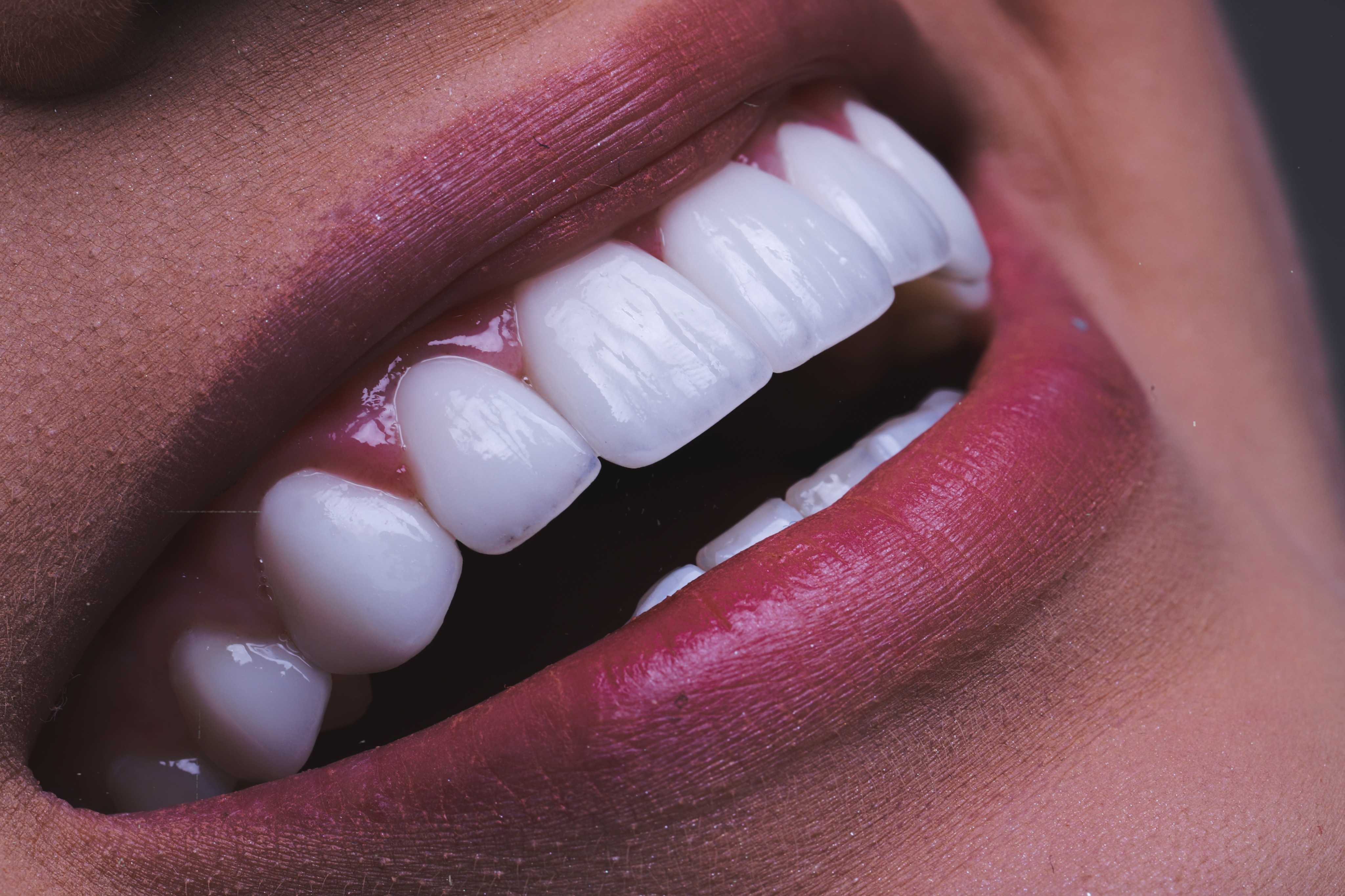
Veneers and dental crowns are frequently utilized to alter the shape, size, and color of visible teeth. Dentists may use materials like porcelain or zirconia, which are known for mimicking the natural translucency of organic tooth enamel. If teeth are missing, dental implants may be incorporated into the plan to restore bite function and prevent underlying bone loss.
Additionally, preparatory or finishing treatments may be required. This can include professional teeth whitening to achieve a uniform shade before placing restorations, or gum contouring to address an uneven gum line. Every treatment plan is highly individualized based on the initial clinical evaluation.
What Factors Influence the Smile Makeover Cost in Colombia?
Several variables impact the final financial estimate for your dental treatments. Key factors include the types of procedures required, material quality, and the geographic location of the facility.
When evaluating the smile makeover cost in Colombia, it is important to understand that no two treatment plans are identical. The primary driver of the total expense is the specific combination of procedures. A plan consisting only of composite veneers will be significantly less expensive than a complex case requiring multiple titanium implants and bone grafting.
Material selection also plays a major role in the overall pricing. Internationally recognized, premium implant brands and high-grade zirconia crowns command a higher price than standard alternatives. Patients should always ask their provider for a detailed breakdown distinguishing the cost of the materials from the clinical fees.
Furthermore, the location of the clinic can affect pricing. Facilities located in major urban centers like Bogota or Medellin might have different fee structures based on local overhead costs. Case complexity, including the need for sedation or specialized surgical interventions, will also be factored into the final estimate.
| Treatment Component | Estimated Price Range (USD) | Variables Impacting Price |
|---|---|---|
| Porcelain Veneers (per tooth) | $350 - $600 | Material grade, custom shading requirements |
| Dental Implant (Post only) | $700 - $1,200 | Implant brand, need for extractions |
| Zirconia Crown | $400 - $750 | Manufacturing technology (CAD/CAM) |
| Professional Whitening | $150 - $300 | In-office laser vs take-home kits |
*Disclaimer: These are general estimates. Actual prices vary by clinic, specific clinical requirements, and currency exchange rates.
How to Select a Reliable Smile Makeover Clinic in Colombia?
Choosing a trustworthy facility requires diligent research and credential verification. Patients should prioritize transparent communication, strict hygiene protocols, and verifiable specialist qualifications.
When researching a smile makeover clinic in Colombia, verifying the credentials of the dental professionals is paramount. Prospective patients should look for documentation proving the dentist is registered with the Colombian Ministry of Health, often verified through the Rethus registry system. Specialized procedures like implant placement should be performed by providers with documented training in oral surgery or prosthodontics.
Transparency is a strong indicator of a reliable clinic. A reputable facility will provide a clear, detailed treatment plan that outlines all expected costs, potential risks, and the specific brands of materials being used. Avoid clinics that rush the consultation process or pressure you into making immediate financial commitments without adequate clinical evaluations.
Always prioritize clinics that transparently provide treatment plans and verifiable credential information over those offering the absolute lowest price. Quality materials and proper safety protocols require investment.
Finally, consider the clinic environment and infection control protocols. Facilities catering to international patients should adhere to stringent sterilization standards, often aligning with international health guidelines to minimize the risk of cross-contamination.
Why is Medical Tourism in Colombia Popular for Dental Work?
International patients often seek dental care in this region due to the availability of highly trained specialists. The combination of advanced clinical technology and competitive pricing makes it an appealing option.
The growth of medical tourism in Colombia is heavily driven by the quality of medical and dental education in the country. Many Colombian dental specialists undergo rigorous training, and a significant number participate in international fellowships or continuing education programs abroad, ensuring they are familiar with global clinical standards.
Another contributing factor is the adoption of modern dental technology. Many established clinics utilize 3D CBCT scanners, intraoral digital cameras, and CAD/CAM milling machines. This technology allows for precise diagnostics, better surgical planning, and the efficient fabrication of custom restorations.
Furthermore, the economic differences between countries allow patients from North America or Europe to access these high-quality services at a lower financial threshold. Even when factoring in the costs of flights and accommodations, the total expenditure often remains significantly lower than domestic treatment plans.
What Are the Risks and Complications of a Smile Makeover?
Every medical and dental intervention carries inherent risks that patients must carefully consider. Potential complications may include infection, adverse reactions to anesthesia, or restoration failure over time.
It is vital to understand that dental procedures are not devoid of risks. Surgical interventions like extractions, bone grafts, or implant placements carry the potential for post-operative infection, prolonged bleeding, or nerve injury. While severe complications are uncommon in suitable patients treated by qualified professionals, they remain a possibility.
Cosmetic procedures also present specific risks. Patients may experience increased tooth sensitivity after heavy enamel reduction for crowns or after aggressive whitening treatments. There is also the risk of aesthetic dissatisfaction if the shape or shade of the restorations does not meet the patient expectations.
Traveling for healthcare introduces additional variables. Flying shortly after oral surgery can increase discomfort due to cabin pressure changes. Furthermore, managing complications that arise after returning home requires establishing a relationship with a local dentist who is willing to treat and maintain work performed abroad.
How Long Does a Smile Makeover Procedure Take to Complete?
The treatment timeline varies significantly depending on the specific procedures involved in your plan. Some treatments take just a few days, while others require multiple visits over several months.
Patients seeking minimally invasive cosmetic changes, such as composite veneers or teeth whitening, might complete their treatment in a single short trip. In facilities equipped with in-house laboratories, even porcelain veneers or crowns can sometimes be designed, milled, and placed within a timeframe of five to ten days.
Conversely, structural restorations involving dental implants operate on a much longer timeline. The initial surgical phase involves placing the titanium post into the jawbone. After this, a healing period of three to six months is typically required for osseointegration, meaning the bone must fuse to the implant before it can support a permanent crown.
Patients must plan their travel accordingly. A complex case will necessitate at least two separate trips. It is also crucial to build in buffer days before flying home to allow the treating dentist to perform necessary adjustments and confirm that healing is progressing normally.
What Should I Expect During Recovery and Aftercare?
The recovery process depends on the invasiveness of the dental work performed. Patients may experience temporary swelling, sensitivity, or dietary restrictions during the initial healing phase.
Immediate post-operative care usually focuses on managing discomfort and protecting the new restorations or surgical sites. Your provider may prescribe anti-inflammatory medications or antibiotics depending on the procedure. Patients are typically advised to consume soft foods and avoid extreme temperatures for several days.
During the mid-term healing phase, patients must maintain meticulous oral hygiene while being gentle around treated areas. For implant patients, avoiding heavy chewing forces on temporary restorations is vital to prevent disruption of the bone integration process.
Did You Know?
Proper aftercare extends long after your flight home. Establishing routine check-ups with a local dental professional is necessary to monitor the health of your gums and the integrity of your restorations over the years.
How Long Will the Results of My Smile Makeover Last?
Dental restorations are designed to be durable but they are rarely considered permanent without proper maintenance. The lifespan depends heavily on your daily oral hygiene and lifestyle habits.
The longevity of your dental work varies by material. High-quality porcelain veneers and zirconia crowns can typically last 10 to 15 years, or sometimes longer, with excellent care. Composite materials generally have a shorter lifespan and may require polishing or replacement sooner. Dental implants are designed to be long-lasting structural replacements, but their success relies heavily on healthy surrounding bone and gums.
Negative habits can severely compromise your investment. Teeth grinding (bruxism) can chip or fracture porcelain, often requiring patients to wear a protective nightguard. Smoking increases the risk of implant failure and gum disease, while frequently consuming hard foods or using teeth as tools can damage restorations.
Ultimately, maintaining a beautiful smile requires a lifelong commitment to oral health, including brushing, flossing, and professional cleanings, regardless of where the initial procedures were performed.
Why Choose PlacidWay for Your Dental Journey?
Navigating international healthcare options can be complex without a centralized resource. Our platform assists patients in exploring and comparing various dental providers globally.
PlacidWay serves as a comprehensive informational platform designed to empower patients researching medical tourism. By utilizing our resources, patients can systematically approach their healthcare decisions abroad.
- Extensive Global Directory: Access information on a wide variety of dental clinics and healthcare providers across numerous international destinations.
- Transparent Clinic Profiles: Review detailed information regarding facility offerings, standard procedures, and clinical focus areas to compare your options.
- Provider Qualifications: Explore data regarding the educational backgrounds, specialties, and professional certifications of international dentists.
- Educational Resources: Utilize our guides and articles to better understand different dental procedures, potential risks, and the general landscape of medical tourism.
- Direct Communication Tools: Streamline your research phase by using our platform to request information and communicate directly with healthcare facilities for initial evaluations.
Frequently Asked Questions
Are smile makeovers in Colombia painful?
Dental procedures involve some level of discomfort, but clinics typically use local anesthesia and sometimes sedation to manage pain during the treatment. Post-operative discomfort is usually manageable with prescribed medications and typically subsides within a few days to a week.
Can I get a smile makeover in Colombia if I have gum disease?
Active gum disease must be treated before starting any cosmetic or restorative dental work. Placing restorations on unhealthy gums can lead to infections, implant failure, or structural issues. A thorough periodontal evaluation is always the first step.
Do I need to stay in Colombia for the entire healing process?
For single-stage procedures like veneers, you only need to stay for the duration of the treatment and initial follow-up. For multi-stage procedures like implants, you will likely return home during the osseointegration healing phase and travel back months later for the final crowns.
What materials are used for veneers during a smile makeover in Colombia?
Facilities typically offer internationally recognized materials such as porcelain, zirconia, and composite resin. Porcelain and zirconia are often preferred for their durability and natural light-reflecting properties, while composite is a more budget-friendly alternative.
How do I maintain my dental implants after returning home from Colombia?
Maintenance requires rigorous daily oral hygiene, including brushing twice daily and flossing. You must also establish care with a local dentist in your home country for routine cleanings, x-rays, and monitoring of your dental restorations.
Is a passport required for medical tourism in Colombia?
Yes, international travelers require a valid passport to enter the country. Depending on your citizenship, you may also need to check specific visa requirements and ensure your passport is valid for at least six months beyond your planned date of departure.
Can I combine my smile makeover in Colombia with a vacation?
While many patients enjoy the local culture, dental recovery should be the priority. Depending on your procedure, you may face dietary restrictions, swelling, or the need to rest, which can limit intense tourist activities or travel immediately after surgery.
What happens if I need a revision after returning home from Colombia?
If a complication arises, you may need to seek immediate care from a local dentist. Some patients choose to travel back to their original provider for revisions, which is why it is crucial to understand the clinic policies regarding follow-up care and potential additional travel costs.
Do Colombian dental clinics speak English for international patients?
Many facilities catering to international patients employ bilingual staff and dentists. However, proficiency levels vary, and patients should confirm communication protocols or inquire about translation services before committing to a treatment plan.
Are there age limits for receiving a smile makeover in Colombia?
There is generally no upper age limit as long as the patient is in good overall health and possesses sufficient bone density for implants. However, comprehensive cosmetic procedures are typically not recommended for individuals whose jaws are still developing.
Ready to Explore Your Dental Options?
Take the next step in your healthcare journey. Compare comprehensive treatment options, review clinic profiles, and request detailed information to make an informed decision about your care.
Request Treatment InformationReferences
- Oral Health Topics: Dental Implants – American Dental Association
- Travelers' Health: Medical Tourism – Centers for Disease Control and Prevention
- Oral Health Fact Sheet – World Health Organization
- ReTHUS: National Registry of Human Talent in Health – Colombian Ministry of Health and Social Protection
- Dental Caries (Tooth Decay) Information – National Institute of Dental and Craniofacial Research
- Patient Safety in Dentistry – FDI World Dental Federation
- Guidelines for Travel Medicine – International Society of Travel Medicine
.png)




.png)







.jpg)












Share this listing