
What treatment


20+ Key FAQs on Dentistry in Colombia
Questions About Dentistry in Colombia? Start Here
Trusted Medical Tourism Platform Since 2007
A Smile Makeover in Colombia Exploring the World of Cosmetic Dentistry
A smile makeover in Colombia involves a customized combination of cosmetic dental procedures—like veneers, crowns, implants, or whitening—designed to improve the appearance and function of your teeth. Treatment plans are tailored to your unique clinical needs and aesthetic goals. Key Takeaways Treatments often combine porcelain veneers, dental implants, crowns, and professional whitening into a single cohesive plan. While cosmetic procedures can enhance aesthetics, underlying oral health issues like gum disease must be treated first. Patients typically need to plan a trip of 5 to 14 days, and extensive implant work often requires multiple visits spaced months apart. Researching provider credentials, facility hygiene standards, and understanding potential travel risks is essential before committing. Long-term success depends heavily on rigorous daily oral hygiene and establishing follow-up care with a local dentist back home. Many people dream of achieving a bright, aligned, and confident smile. As dental technology advances, correcting discoloration, chips, gaps, and missing teeth has become more accessible. For individuals seeking these cosmetic enhancements, traveling abroad has become an increasingly considered option. A smile makeover in Colombia draws international attention due to the presence of experienced dental professionals and modern clinical infrastructure. However, planning major dental work in another country requires careful preparation, realistic expectations, and a thorough understanding of your own dental health. Exploring the world of cosmetic dentistry means balancing aesthetic desires with medical safety. Below, we address the most common questions patients have when considering this path. 1. What exactly is a smile makeover, and how does it work? A smile makeover is not a single procedure but a personalized, comprehensive treatment plan combining multiple dental techniques to enhance both dental aesthetics and bite function. The process typically begins with a thorough evaluation of your oral health, including physical examinations, X-rays, and often 3D digital imaging. Dentists evaluate factors such as your tooth color, alignment, width, length, and the visible display of your gums. They also assess your facial structure, skin tone, and lips to design enhancements that look natural and harmonious with your features. Because every patient presents unique dental anatomy and aesthetic goals, no two treatment plans look exactly alike. One person might achieve their goals with a combination of professional whitening and a few composite resin adjustments, while another might require full-mouth rehabilitation involving multiple implants and porcelain crowns. 2. How much does a smile makeover cost in Colombia? The smile makeover cost in Colombia varies widely based on individual clinical needs, but patients often find the estimates lower than comparable treatments in North America or Western Europe. Because a smile makeover is a combination of procedures, providing a flat rate is impossible. The total expense depends on several factors, including the number of teeth being treated, the complexity of the procedures, the types of materials chosen (such as composite resin versus high-grade zirconia), and the specific city and facility you choose. While the baseline fees for dental work often present a financial contrast to local prices, patients must budget for the full scope of the trip. The overall financial commitment includes airfare, accommodations, ground transportation, meals, and potential travel insurance. Furthermore, if complications arise or extensive restorative work requires multiple visits—such as the healing phases necessary for dental implants—travel costs will multiply. 3. Why is medical tourism in Colombia popular for dental care? The country attracts international patients by offering access to modern dental technology, specialized professionals, and a lower overall cost of living that affects treatment pricing. In recent years, the infrastructure supporting medical tourism in Colombia has expanded significantly. Major urban centers like Bogota, Medellin, Cartagena, and Cali have seen an increase in dental centers specifically structured to accommodate international visitors. These facilities often invest in digital dentistry tools, such as CAD/CAM technology, intraoral scanners, and on-site milling machines that expedite the fabrication of crowns and veneers. Geographic proximity also plays a role. For patients traveling from North America, flight times are relatively short, often requiring only a few hours of travel without massive time zone changes. This convenience reduces travel fatigue and makes coordinating communication between home and the destination simpler. 4. What procedures are typically included in this treatment? Treatment plans frequently integrate porcelain veneers, dental crowns, professional teeth whitening, orthodontics, and dental implants to address various aesthetic and functional concerns. Depending on a dentist's evaluation, your tailored plan may include: Porcelain Veneers: Thin, custom-made ceramic shells bonded to the front of teeth to correct discoloration, minor chipping, or uneven spacing. Dental Crowns: Full caps placed over damaged or severely decayed teeth to restore their shape, size, strength, and appearance. Dental Implants: Titanium posts surgically placed into the jawbone to serve as artificial roots, supporting crowns or bridges to replace missing teeth. Gum Contouring: A procedure that reshapes the gum line using soft tissue lasers to correct a "gummy smile" or uneven gum margins. Teeth Whitening: Professional-grade bleaching treatments designed to lift deep stains and brighten the natural enamel. Important Consideration: Aesthetic treatments can only be performed on a healthy foundation. Any active cavities, root canal infections, or periodontal (gum) disease must be fully resolved before cosmetic work begins. 5. How long does it take to complete cosmetic dentistry in Colombia? While minor treatments can finish in a few days, comprehensive work may require a stay of one to two weeks, and implant procedures often mandate multiple trips spanning several months. Timeframes vary drastically based on the scope of the clinical work. If your makeover consists solely of teeth whitening and direct composite bonding, the process might be completed in one or two visits over a long weekend. For indirect restorations like custom porcelain veneers or crowns, the facility will need time to take impressions, send data to a laboratory, and allow ceramists to fabricate the pieces. This often requires a stay of 7 to 14 days, accommodating initial preparations, laboratory time, and final adjustments. Dental implants require a different timeline entirely. The surgical placement of the titanium post is just the first step. The jawbone then needs several months to fuse with the implant (osseointegration) before the permanent crown can be attached safely. Patients requiring implants should expect to make at least two separate trips, spaced three to six months apart. 6. Am I a suitable candidate for a smile makeover in Colombia? Ideal candidates have a foundation of healthy gums and adequate underlying bone structure, but wish to correct aesthetic or functional issues like discoloration, chipping, or misalignment. Before considering international travel for dental care, you should undergo a comprehensive evaluation by a local dentist in your home country. This preliminary checkup can identify hidden issues, such as decay beneath old fillings, root infections, or bone loss, which might contraindicate immediate cosmetic work. Taking recent X-rays with you or sending them ahead of time helps overseas providers give a more accurate preliminary assessment. Suitability also depends on your overall medical health. Conditions such as uncontrolled diabetes, autoimmune disorders, or a history of severe teeth grinding (bruxism) can affect healing times or damage new ceramic restorations. Candidacy must be determined through individualized assessment by a qualified healthcare professional. 7. How do I find a reliable smile makeover clinic in Colombia? Finding a reliable facility requires diligent research into the dentists' educational backgrounds, specialized training, facility hygiene standards, and communication transparency. Because standards and regulations can differ internationally, the responsibility falls heavily on the patient to perform due diligence. When researching a smile makeover clinic in Colombia, look for providers who hold specialized qualifications relevant to the work you need. Prosthodontists, for example, undergo additional years of training specifically focused on restoring and replacing teeth. Review the facility's infection control protocols, asking how they align with international sterilization standards. Clear, unpressured communication is another critical indicator. Reliable professionals will readily explain the limits of what cosmetic dentistry can achieve, outline potential alternatives, and clearly communicate the risks involved rather than promising flawless, guaranteed outcomes. 8. What are the potential risks and complications of dental treatments abroad? Potential risks include post-operative infection, allergic reactions, implant failure, dissatisfaction with aesthetic results, and the logistical challenges of managing complications once you return home. All medical and dental procedures carry inherent risks, regardless of where they are performed. In cosmetic dentistry, complications can range from prolonged tooth sensitivity and altered bite alignment to severe issues like nerve damage or localized infections. If crowns or veneers are placed incorrectly, they can alter the bite, leading to jaw pain or making the restorations prone to cracking. Receiving treatment abroad introduces additional logistical risks. If a complication arises days or weeks after returning home, you cannot simply drive back to the treating dentist. Addressing a failed restoration or a post-surgical infection often requires finding a local dentist willing to intervene, which may result in unexpected, out-of-pocket expenses that offset any initial cost savings. 9. What should I expect during the recovery and aftercare process? Recovery varies by the specific procedures performed; while simple whitening involves no downtime, surgical implants or extensive crown preparations can cause temporary swelling, sensitivity, and dietary restrictions. Immediately following procedures that involve enamel removal or surgical intervention, patients often experience thermal sensitivity (reactions to hot and cold), mild inflammation, or localized tenderness. Dentists typically advise a soft diet during the initial healing phase and provide specific instructions on managing discomfort. Long-term aftercare is vital for maintaining the results of a smile makeover. Porcelain veneers and crowns, while resistant to decay themselves, are still attached to natural tooth structures that are vulnerable to cavities and gum disease. Rigorous daily brushing and flossing, routine professional cleanings, and avoiding habits like chewing on ice or using your teeth as tools are necessary steps. If you have a history of grinding your teeth, your dentist may prescribe a custom nightguard to protect the ceramic work from fracturing. 10. How do I plan my trip for dental work in Colombia? Thorough preparation involves gathering your local dental records, arranging adequate time in your destination for treatment and recovery, and planning a relaxed itinerary. Start by requesting copies of your recent dental charts and high-resolution panoramic X-rays from your local dentist. Having these evaluated remotely can help foreign providers offer a more realistic treatment scope and timeline before you book flights. Ensure your passport is current and review any travel advisories or health guidelines issued by your government. When booking your trip, build flexibility into your schedule. Dental work can occasionally take longer than anticipated due to lab delays, required adjustments, or slower-than-expected initial healing. Rushing the process to catch a flight can compromise the final outcome. Plan to stay in a comfortable, quiet environment where you can rest between appointments, and avoid strenuous activities or heavy sightseeing immediately after surgical or extensive restorative procedures. Why Choose PlacidWay for Medical Tourism in Colombia? Navigating international healthcare options can be complex. PlacidWay serves as a resource for patients researching treatments abroad. Global Connectivity: PlacidWay connects patients with healthcare facilities and dental professionals in numerous international destinations, including Colombia. Informational Resources: The platform provides extensive educational materials, articles, and guides to help patients understand different medical tourism destinations. Facility Comparisons: Patients can use the platform to explore and compare various dental centers based on their specialties and available technology. Direct Communication: The service allows individuals to request information and treatment estimates directly from international healthcare providers. Broad Range of Specialties: Beyond cosmetic dentistry, PlacidWay offers information on a wide array of medical and wellness treatments worldwide. Frequently Asked Questions Do I need a passport or visa to visit Colombia for dentistry? Yes, you need a valid passport to travel to Colombia. Citizens of many countries, including the United States, Canada, and the European Union, do not currently require a visa for short tourist or medical visits up to 90 days, though entry requirements can change. Always verify current travel regulations with your local consulate before booking your trip. Can a smile makeover fix a severe overbite? A standard cosmetic smile makeover using veneers or crowns cannot correct a severe overbite or significant skeletal misalignment. While restorations can camouflage minor crowding, moderate to severe orthodontic issues typically require braces, clear aligners, or orthognathic surgery before cosmetic enhancements can be safely applied. Are porcelain veneers permanent? Porcelain veneers are long-lasting but not strictly permanent. They typically last 10 to 15 years with proper care. However, the procedure itself is irreversible because a thin layer of natural tooth enamel must usually be removed to accommodate the veneer, meaning the tooth will always require a covering. Is it safe to fly immediately after dental implant surgery? Flying immediately after dental implant surgery or bone grafting is generally discouraged. Changes in cabin pressure can cause discomfort, throbbing, or increased bleeding in the surgical sites, especially if sinus lifting was involved. Most dentists recommend waiting several days to a week before flying, depending on the complexity of the procedure. Do Colombian dentists speak English? Many dental professionals who cater to international patients in major Colombian cities speak English, or they employ bilingual staff and patient coordinators. However, fluency varies by facility. It is advisable to confirm communication capabilities or arrange for a medical translator before committing to treatment. What happens if I need an adjustment after returning home? If you experience complications or need bite adjustments after returning home, you will likely need to visit a local dentist. Since not all local dentists are comfortable adjusting or repairing work done abroad, you should establish a relationship with a local provider who is willing to provide follow-up care before you travel. Can I combine my dental appointments with sightseeing? While many patients enjoy the cultural and scenic attractions of their destination, your medical needs should take priority. Depending on the procedure, you may experience swelling, sensitivity, or fatigue that could limit your physical activities. Sightseeing is usually best planned before your procedures or kept very light during recovery. How long do dental crowns typically last? Depending on the material used, your oral hygiene habits, and factors like teeth grinding, dental crowns typically last between 5 and 15 years. Regular check-ups, diligent brushing, flossing, and wearing a nightguard if prescribed can help extend their lifespan. Is sedation available for cosmetic dental procedures in Colombia? Yes, many modern dental facilities in Colombia offer various forms of sedation, ranging from local anesthesia and oral sedatives to intravenous (IV) sedation. The availability depends on the facility's credentials and the presence of a qualified anesthesiologist. Discuss your anxiety and pain management preferences during your initial consultation. What materials are used for dental veneers in Colombia? Facilities catering to international patients typically use the same industry-standard materials found globally. This includes composite resin for direct bonding, and high-strength ceramics such as lithium disilicate (E.max) or zirconia for indirect porcelain veneers, known for their durability and natural light-reflecting properties. Compare Treatment Options Take the next step in researching your dental care journey. Request information and connect with international providers. Request Treatment Information References Medical Tourism - Centers for Disease Control and Prevention (CDC) Dental Implants - American Dental Association (ADA) Veneers - American College of Prosthodontists Smile Makeover: Procedures, Benefits & Recovery - Cleveland Clinic Dental Implant Surgery - Mayo Clinic Patient Safety in Dentistry - FDI World Dental Federation Medical Disclaimer: The information provided in this article is for educational and informational purposes only and does not constitute professional medical or dental advice. Individual suitability for cosmetic dentistry, risks, and recovery times vary greatly. Always seek the advice of a qualified healthcare provider or dentist with any questions you may have regarding a medical condition or before undertaking any dental treatment, procedure, or travel for healthcare purposes....
Read more details

From Pain to Confidence Arnos Journey to a Perfect Smile
Dental implants in Mexico provide a restorative option for tooth loss. Like Arno’s journey to a renewed smile, many patients explore this for affordability, though results, safety, and recovery timelines vary based on individual clinical needs. For years, Arno lived with persistent dental pain and a deteriorating smile. Simple joys, like biting into an apple or smiling for a family photo, had become sources of anxiety. After consulting local specialists, the financial reality of full-mouth restoration seemed entirely out of reach. This is a common turning point for many patients who begin exploring alternatives across borders. Arno's pursuit of a perfect smile led him to research international care, carefully weighing the potential benefits against the inherent risks of seeking complex dental procedures abroad. This guide is designed to help you understand the realities of seeking restorative dental work outside your home country. By exploring topics from treatment timelines to safety protocols, you can make a more informed decision about whether traveling for dental care aligns with your health needs and personal comfort level. Key Takeaways Dental restoration abroad can offer financial alternatives, but total costs depend heavily on individual clinical complexity. Thoroughly vetting the credentials, hygiene standards, and communication practices of an international clinic is essential. The implant process usually requires multiple trips spaced months apart to allow for proper bone healing. Patients must plan for comprehensive aftercare and establish a relationship with a local dentist upon returning home. Not everyone is a suitable candidate for implants; underlying health conditions and bone density play crucial roles in eligibility. What is the typical dental implants cost in Mexico? The dental implants cost in Mexico is often lower than estimates found in the US or Canada, but final expenses vary widely based on the materials used, necessary bone grafting, and the number of implants required. When patients like Arno begin comparing treatment options, the financial aspect is often the primary motivator. The cost of living, lower overhead for clinics, and different regulatory fee structures contribute to the differing price tags across borders. However, it is vital to understand that dental implant surgery is not a single, flat-rate procedure. The total investment encompasses diagnostic imaging, the surgical placement of the titanium post, the abutment, and the final custom-milled crown. If your jawbone has deteriorated due to prolonged missing teeth—a common issue Arno faced—you may require bone grafting or sinus lifts before an implant can be safely anchored. These preparatory surgeries will increase the overall cost and extend the treatment timeline. When requesting estimates from an international clinic, always ask for an itemized breakdown that includes all phases of the treatment to avoid unexpected expenses during your trip. Below is an illustrative comparison to help you understand why patients explore cross-border care. Note: These are generalized estimates, and actual prices will vary significantly by provider and patient condition. Procedure Type Estimated US Cost Estimated Cost Abroad Single Implant (Post + Crown) $3,000 - $5,000+ $1,000 - $1,800+ Bone Grafting (Per site) $400 - $1,200+ $200 - $500+ Full Arch (All-on-4) $20,000 - $35,000+ $8,000 - $14,000+ Is it safe to get restorative dental work abroad? While many patients safely receive care internationally, safety heavily depends on the provider's qualifications, clinical hygiene standards, and your individual health status prior to surgery. Safety is understandably the greatest concern for anyone considering medical travel. Like any invasive surgery, implant placement carries inherent risks, regardless of geographic location. Ensuring a safe experience means dedicating time to rigorous research. You should look for clinics that adhere to recognized international sterilization protocols, such as those recommended by global dental associations. Your personal medical history is equally important. Conditions such as uncontrolled diabetes, autoimmune disorders, or a history of heavy smoking can impair healing and significantly increase the risk of implant failure. A responsible dentist will require a full medical background check and may consult with your primary care physician before clearing you for surgery. Furthermore, safety extends beyond the operating chair. Traveling shortly after surgery can be uncomfortable and occasionally poses risks related to swelling or altitude changes in an airplane. Following your chosen dentist's travel advice and allowing adequate time to rest locally before heading home is a crucial part of a safe treatment plan. Important Consideration: Osseointegration A critical phase of safety and success is osseointegration—the biological process where your jawbone grows around and fuses to the titanium implant. This natural healing cannot be rushed and typically takes three to six months. Trying to accelerate this process can lead to implant failure. What is the typical timeline for getting dental implants? Implant placement usually requires at least two separate visits spaced several months apart. This gap allows the titanium post to securely fuse with your jawbone before the final permanent crown is attached. Arno quickly learned that achieving his perfect smile was a marathon, not a sprint. Patients traveling for care must account for multiple trips. The initial trip usually involves diagnostic imaging, potential extractions, and the surgical placement of the implant post into the jaw. If bone grafting is required, this trip may be dedicated solely to grafting, delaying the implant placement to a subsequent visit. After the posts are placed, you will return home to heal. During this time, your mouth undergoes osseointegration. Most patients are fitted with a temporary denture or crown so they do not have to live without teeth during the healing phase. It is essential to treat these temporary prosthetics gently and adhere to a softer diet to avoid disturbing the surgical site. The final trip occurs once the bone has fully healed around the implant. Your dentist will take precise impressions of your healed gums to fabricate the permanent crowns or bridges. Once manufactured, these final restorations are secured to the implants, completing the functional and aesthetic restoration of your smile. Who is a good candidate for this type of smile restoration? Ideal candidates have healthy gums, adequate jawbone density to support the posts, and no severe underlying medical conditions that could impair the body's natural healing abilities. Adequate Bone Density: You must have enough bone in your jaw to anchor the implant securely. If bone has deteriorated from missing teeth, grafting may be necessary to rebuild the foundation. Healthy Gums: Active periodontal (gum) disease must be treated and resolved before implants can be placed, as infections can quickly spread to the implant site. Commitment to Oral Hygiene: Implants require diligent daily care. Patients must be willing to brush, floss, and attend regular professional cleanings. General Health: Conditions that affect immune response or blood flow, such as poorly managed diabetes or cardiovascular issues, can complicate surgery and recovery. Non-Smokers Preferred: Smoking restricts blood flow to the gums, severely slowing down the healing process and notably increasing the chance of implant failure. Many dentists require patients to quit smoking well before and after surgery. What are the potential risks and complications of dental implants? Like any surgical procedure, dental implants carry risks such as infection, nerve damage, sinus complications, and the potential for the implant to fail to fuse with the bone. Even under the best clinical conditions, surgery comes with uncertainties. A primary concern is peri-implantitis, an infectious disease that causes inflammation of the gum and bone structure surrounding a dental implant. If left untreated, this can lead to bone loss and the eventual failure and removal of the implant itself. Good oral hygiene is your first line of defense against this condition. Other localized risks include nerve damage, which can cause pain, numbness, or tingling in your natural teeth, gums, lips, or chin. When placing implants in the upper jaw, there is also a risk that the implant could protrude into the sinus cavities, requiring specialized intervention. Detailed 3D imaging (CBCT scans) prior to surgery is crucial for a dentist to map out nerve pathways and sinus locations to mitigate these risks. For international patients, a unique complication arises if issues develop after returning home. You must have a plan in place. This usually involves establishing a relationship with a local dentist who is willing to monitor your international dental work. Always ask your treating clinic abroad for your complete medical records, including the specific brand and size of the implants used, so local providers can assist you if necessary. How do I choose a reliable dental implants clinic in Mexico? Selecting a dental implants clinic in Mexico involves thoroughly researching provider credentials, seeking out specialized surgeons, and verifying that the facility follows rigorous, internationally recognized hygiene protocols. Arno’s breakthrough in his journey came when he stopped focusing purely on the lowest price and began prioritizing the qualifications of the specialists. Dental implantology requires specific skill sets. It is often advisable to look for clinics that employ specialists such as oral and maxillofacial surgeons for the placement, and prosthodontists for designing the final crowns. During your research, schedule virtual consultations with prospective clinics. Use this time to ask direct questions about their infection control procedures, the specific brands of materials they use, and their protocols for post-operative care. A reputable clinic will be transparent, willing to share before-and-after photos of previous cases, and provide clear communication in a language you fully understand. Additionally, look for reviews from other international patients, but approach them with a critical eye. Seek out independent patient forums or verified review platforms rather than relying solely on testimonials hosted on the clinic's own website. The right clinic will make you feel informed and comfortable, rather than pressured to book immediately. Expert Insight: Brand Transparency Always verify the brand of the dental implant being used. Globally recognized brands (such as Straumann, Nobel Biocare, or Zimmer) have components available worldwide. If you receive a localized or obscure brand, a dentist in your home country may not have the right tools to tighten or adjust the implant in the future. What does the recovery process look like after implant surgery? Initial recovery involves mild to moderate swelling and discomfort for several days. Long-term success requires adherence to a soft-food diet, strict oral hygiene, and regular check-ups with a dentist upon returning home. Immediately following the surgery, it is normal to experience localized swelling, bruising around your gums or face, minor bleeding, and discomfort at the implant site. Your dentist will likely prescribe pain medication and possibly antibiotics to prevent infection. It is highly recommended to rest for a few days before undertaking long travel back home. Dietary modifications are critical during the first few weeks of recovery. You will need to stick to a soft-food diet—think soups, smoothies, and mashed vegetables—to avoid putting pressure on the newly placed implants. Biting down on hard or crunchy foods too soon can disrupt the delicate healing process taking place in the jawbone. Once you have fully healed and your permanent crowns are placed, your new teeth can be cared for much like natural ones. However, brushing twice daily and using water flossers or special interdental brushes to clean around the implant base is mandatory to prevent gum disease. Returning to a local dentist for professional cleanings every six months is a key part of maintaining your restorative work over the long term. What materials are typically used for implants and crowns? Reputable clinics use globally recognized materials, typically high-grade titanium for the implant posts, and durable aesthetic materials like porcelain or zirconia for the visible crowns. Titanium Posts: The standard for dental implants for decades, titanium is highly biocompatible, meaning the body rarely rejects it. It has a proven track record for successful osseointegration. Zirconia Posts: Offered as a metal-free alternative for patients with specific metal allergies or aesthetic preferences, though they lack the extensive decades-long data that titanium possesses. Zirconia Crowns: Known for incredible strength and durability, zirconia crowns are highly resistant to chipping and fracturing, making them excellent for molars or full-arch restorations. Porcelain-Fused-to-Metal (PFM): A traditional crown option providing good strength and aesthetics, though over time, the metal base can sometimes show as a dark line at the gum margin. E-max (Lithium Disilicate): Highly translucent and natural-looking, E-max crowns are frequently chosen for restoring front teeth where aesthetic blending is paramount. How does medical tourism in Mexico work for dental patients? Medical tourism in Mexico involves traveling across the border to receive care. Patients must actively manage travel logistics, budget for multiple required visits, and ensure cross-border medical communication. Navigating healthcare in a foreign country requires careful logistical planning. For North American patients, border towns and popular resort cities have built extensive infrastructures around international patient care. Arno's journey involved coordinating flights, booking local accommodations near the clinic, and budgeting for transportation during each of his required visits. Communication is a cornerstone of a successful trip. While many clinics catering to international patients employ bilingual staff, it is vital to ensure you fully understand all consent forms, treatment plans, and post-operative instructions. Do not hesitate to ask for documents to be translated or for extra time to review the details before agreeing to a procedure. Lastly, the concept of a "dental vacation" should be approached with caution. While recovering in a pleasant environment is beneficial, the primary focus of the trip is medical. Activities like swimming in public pools, heavy exertion, or indulging in local rigid foods and alcohol must often be postponed until your dentist clears you, to prevent infection and promote proper healing. Why Choose PlacidWay for Medical Tourism Exploration? Navigating international healthcare options requires reliable information and clear communication. PlacidWay assists patients in researching cross-border medical treatments by offering several educational and connective resources: Offers access to a comprehensive global directory of healthcare providers and clinics. Provides informational resources that help patients compare international medical facilities. Allows users to request treatment estimates directly from clinics without upfront platform fees. Focuses on patient education regarding cross-border healthcare options and procedures. Facilitates direct communication lines between patients and international medical centers for informed decision-making. Frequently Asked Questions Can I get all my teeth replaced at once in Mexico? Full-mouth restorations, such as All-on-4 or All-on-6, are frequently performed in Mexico. However, not everyone is a suitable candidate, and bone grafting or extractions may delay immediate placement. A thorough evaluation by a qualified professional is required. Does US or Canadian dental insurance cover treatments in Mexico? Some cross-border or specific PPO dental insurance plans may offer partial reimbursement for treatments received in Mexico. You must check with your specific insurance provider prior to traveling to understand your out-of-network international coverage. Do dentists in Mexican border towns speak English? Many dentists and clinical staff working in popular medical tourism destinations in Mexico speak English fluently to accommodate international patients, though proficiency can vary from clinic to clinic. What happens if a dental implant fails after I return home? If an implant fails or a complication arises once you return home, you will need to see a local dentist or oral surgeon immediately. It is important to request all your treatment records from your international clinic so your local provider knows exactly what materials were used. Are bone grafts always necessary for dental implants? No, bone grafts are only necessary if your jawbone lacks the density or volume required to securely hold the titanium implant. Your dentist will determine this by reviewing 3D imaging or X-rays prior to surgery. Can I fly immediately after dental implant surgery? Flying immediately after oral surgery is generally discouraged due to potential swelling, bleeding, and changes in cabin pressure that can cause discomfort. Most dentists recommend waiting a few days before taking a flight. How long do dental implants typically last? With meticulous oral hygiene and regular professional check-ups, the titanium implant post can last many years, often decades. The visible crown attached to it may experience wear and tear and could need replacement after 10 to 15 years. Is it painful to get dental implants? The procedure is typically performed under local anesthesia, and sometimes sedation, so you should not feel sharp pain during the surgery. Mild to moderate soreness and swelling are common during the recovery phase and are usually managed with prescribed or over-the-counter medication. What is the difference between All-on-4 and traditional implants? Traditional implants usually replace single teeth with one post per tooth. The All-on-4 technique uses just four strategically placed implants to support an entire fixed arch of replacement teeth, often requiring less bone density. Do I need a passport to travel to Mexico for dental care? Yes, if you are traveling from the US or Canada, a valid passport is required to re-enter your home country, whether you are driving across the border or flying to a destination deeper within Mexico. Take the Next Step in Your Research Compare international treatment options, gather estimates, and request detailed clinic information to help you make an informed choice for your dental care. Request Treatment Information Medical Disclaimer: The information provided in this article is for educational purposes only and does not constitute medical advice, diagnosis, or treatment planning. Arno is an illustrative persona used to describe the typical patient experience. Dental implant success, recovery, and suitability vary heavily by individual. Always consult with a qualified healthcare professional or specialist before undergoing any surgical procedures or traveling abroad for medical care. References American Dental Association (ADA) - Dental Implants Centers for Disease Control and Prevention (CDC) - Medical Tourism Safety U.S. Food and Drug Administration (FDA) - Dental Implants: What You Should Know Mayo Clinic - Dental Implant Surgery Overview and Risks International Society of Travel Medicine (ISTM) - Cross-Border Care Guidelines Journal of Oral Implantology - Clinical Studies on Osseointegration and Success Rates...
Read more details
Rediscovering Your Smile The Ultimate Guide to Getting Dentures in Colombia
Getting dentures in Colombia involves custom-fitted removable or implant-supported prosthetics designed to replace missing teeth. The treatment typically takes one to three weeks and offers cost-effective options compared to North America. Replacing missing teeth can significantly improve your ability to chew, speak clearly, and feel confident in your daily life. For many international patients looking for affordable, high-quality dental care, getting dentures in Colombia has become a popular choice. The country has developed a strong reputation for dental tourism, offering access to skilled prosthodontists and modern dental laboratories in major cities like Bogotá, Medellín, Cartagena, and Cali. Navigating dental care abroad requires careful planning, a clear understanding of the process, and realistic expectations regarding timelines and aftercare. Whether you are considering full upper and lower plates or a partial removable appliance, understanding the materials, estimated costs, and required clinic visits will help you plan your trip effectively. Key Takeaways Treatment options include traditional removable dentures, partials, and implant-supported overdentures. The fitting process usually requires multiple clinic visits over a span of one to three weeks. Costs vary widely based on materials (acrylic vs. porcelain) and the complexity of the fabrication. It is essential to have a local dentist back home for ongoing adjustments, relines, and oral health check-ups. Patients should factor in travel, lodging, and potential extended stays when calculating their total budget. What types of dentures are available to international patients? Patients can choose from conventional full dentures, partial dentures for localized missing teeth, or implant-supported dentures that offer increased stability. When you visit a dental professional in Colombia, they will assess your oral health to determine which prosthetic best suits your needs. Conventional full dentures are used when a patient has lost all their teeth in either the upper or lower arch. These rest directly on the gums and rely on suction or dental adhesive to stay in place. Partial dentures are utilized when some healthy natural teeth remain. These appliances often include a metal or acrylic framework that clasps onto your existing teeth, helping to fill the gaps and prevent your natural teeth from shifting. For those seeking a more permanent feeling, implant-supported dentures (often referred to as overdentures or "All-on-4") attach directly to dental implants surgically placed in the jawbone. While this option provides superior chewing strength and prevents bone loss, it requires a much longer treatment timeline and a higher budget. How much do dentures cost in Colombia? Estimated dentures cost in Colombia typically ranges from $400 to $1,500 for traditional removable sets, while implant-supported options can range from $3,000 to $8,000 or more per arch. Pricing for dental prosthetics varies significantly based on the materials used, the complexity of your specific case, and the city where you receive treatment. A basic set of acrylic removable dentures will sit at the lower end of the cost spectrum, whereas high-end porcelain teeth set in a custom-characterized base will cost more. It is helpful to break down the potential costs associated with the procedure: Consultation and Imaging: Initial exams, panoramic X-rays, or 3D scans. Preparatory Work: Tooth extractions, bone grafting, or treating gum disease before fitting the denture. The Prosthetic: The physical cost of the denture itself (acrylic vs. metal framework vs. porcelain). Implant Placement: If choosing an overdenture, the surgical placement of titanium posts adds significantly to the estimate. When comparing prices, remember to calculate your travel expenses, accommodation, and the length of your stay, as these are necessary components of your overall budget. Am I a suitable candidate for this type of dental restoration? Ideal candidates are individuals missing most or all of their teeth who have healthy gum tissue and sufficient jawbone density to support the appliance. Determining your eligibility requires a thorough professional evaluation. A dentist will look at the health of your oral tissues and the structure of your jaw. Because traditional dentures rest on the gums, patients need relatively healthy soft tissue. If you suffer from active periodontal (gum) disease, that condition will need to be treated and managed before you can be fitted for prosthetics. If you are considering an implant-supported option, jawbone density becomes a primary factor. When teeth are missing for a long time, the bone naturally begins to resorb or shrink. Patients with significant bone loss might require bone grafting procedures before implants can be successfully placed, which extends the overall treatment timeline by several months. What is the step-by-step process for getting fitted? The process involves an initial consultation, taking precise dental impressions, creating a wax mockup for a "try-in" phase, and the final adjustment and fitting. Getting customized dentures is an interactive process that requires open communication with your prosthodontist. It typically involves the following steps: Impressions and Measurements: The dentist takes a series of molds and measures your jaw to determine how your upper and lower jaws relate to each other. Wax Try-In: The dental lab creates a mockup of the denture using wax. You will try this on so you and your dentist can assess the fit, the bite alignment, and the aesthetic appearance of the teeth. Final Fabrication: Once you approve the wax model, the final acrylic or porcelain appliance is crafted in the lab. Delivery and Adjustments: The final denture is placed in your mouth. The dentist will check for sore spots and make necessary micro-adjustments to ensure the bite is even and comfortable. How long do I need to stay in the country for this treatment? Patients should plan to stay in Colombia for one to three weeks for traditional removable dentures, allowing time for lab fabrication and multiple fitting appointments. Unlike simple procedures like fillings or cleanings, crafting a well-fitting denture cannot be rushed. The timeline depends heavily on the turnaround time of the clinic's dental laboratory. Clinics with in-house labs might complete the process in a week, while those using external labs may require two or three weeks. If your treatment plan involves tooth extractions, you will need time to heal. Often, an "immediate denture" is provided on the same day as extractions to protect the tissues during healing. However, as your gums shrink during the healing phase, this immediate denture will require a hard reline or replacement a few months later. Patients choosing implant-supported dentures usually have to make two separate trips: one for the surgery, and another three to six months later to attach the final prosthetics. What materials are commonly used by dental professionals here? Colombian clinics typically use high-grade acrylic resins for the gum bases, while the teeth themselves are usually crafted from durable acrylic, composite resin, or porcelain. The materials chosen for your dentures heavily influence their appearance, durability, and cost. Acrylic Resin: This is the most common material. It is lightweight, relatively inexpensive, and easy for dental labs to adjust or repair. However, acrylic teeth can wear down faster than natural teeth or porcelain. Porcelain: Porcelain teeth offer a highly natural look and are very resistant to wear and staining. The downside is that they are heavier, can be brittle, and can wear down natural teeth if they bite against them (in the case of partial dentures). Cobalt-Chromium: Often used for the framework in partial dentures. It is strong, lightweight, and allows for a less bulky appliance in the mouth. What does the recovery and adjustment period look like? It is normal to experience increased saliva flow, minor irritation, and a feeling of fullness in your mouth during the first few weeks as your oral muscles adapt to the new appliance. Getting used to new teeth takes time and patience. Even perfectly fitted dentures will feel foreign initially. You may notice that your speech sounds slightly different, or you might develop small sore spots on your gums. Your cheeks and tongue have to learn how to keep the appliance in place while chewing and speaking. Important Consideration: Start by eating soft foods like yogurt, scrambled eggs, or mashed vegetables. Chew slowly and evenly on both sides of your mouth to prevent the denture from tipping or dislodging. If you experience persistent pain or severe sore spots that do not improve after a few days, you should contact a dentist. It is common to need one or two minor adjustments shortly after receiving your new prosthetics. What are the potential risks and complications to be aware of? Risks include gum irritation, difficulty eating or speaking, allergic reactions to materials, and the gradual loss of jawbone volume over time with traditional removable dentures. While generally safe, wearing a removable dental appliance does carry certain risks. The most common complication is poor fit over time. Because the jawbone shrinks when natural teeth are absent, a denture that fits perfectly today will eventually become loose. Loose dentures can cause painful friction ulcers on the gums and make eating difficult. Another risk relates to oral hygiene. If you do not clean your appliance and your gums properly, you are at risk for fungal infections like oral thrush (candidiasis) or inflammation of the tissues under the denture (denture stomatitis). Patients participating in medical tourism in Colombia must arrange for follow-up care with a local dentist in their home country to monitor their oral health and perform necessary relines every few years. How do I select a reputable dentures clinic in Colombia? Look for facilities with board-certified prosthodontists, transparent pricing, verifiable patient reviews, and clear communication regarding treatment timelines and materials used. Choosing the right dentures clinic in Colombia requires thorough research. Prioritize clinics where dentists specialize in prosthodontics—the branch of dentistry focused on designing and fitting artificial teeth. Look for professionals who are members of recognized national or international dental associations. During your initial virtual consultation, ask detailed questions about the lab they use, the types of materials available, and how they handle patients traveling from abroad. A reputable clinic will be upfront about the time you need to spend in the city and will not pressure you into a rushed treatment schedule. They should also provide a comprehensive breakdown of estimated costs prior to your arrival. Why Choose PlacidWay for Medical Tourism in Colombia? Organizing dental care in another country can feel overwhelming. PlacidWay helps international patients navigate their options by providing educational resources and access to healthcare information. Considerations when using PlacidWay include: Access to Information: PlacidWay connects patients with profiles of dental facilities across various Colombian cities. Comparing Options: The platform allows you to review different clinics, their stated specialties, and provided estimates side-by-side. Multilingual Resources: Patients can access resources and initial communication channels to help bridge language gaps. Educational Content: The site offers destination guides and articles about medical tourism in Colombia to help you prepare for your trip. Facilitated Communication: PlacidWay offers forms and contact methods to request information directly from healthcare providers abroad. Frequently Asked Questions Can I sleep with my dentures in? Dentists generally recommend removing your dentures at night to give your gum tissues a chance to rest and to prevent bacterial buildup. Storing them in water or a mild denture-soaking solution helps maintain their shape. Will getting dentures affect how I speak? You may experience slight changes in your speech or a minor lisp when you first start wearing dentures. This is temporary, and as your tongue and cheek muscles adapt to the new appliance, your speech should return to normal. How long do removable dentures usually last? With proper care, a set of high-quality removable dentures can last anywhere from five to ten years. However, you will likely need periodic relining or rebasing as the shape of your gums and jawbone changes over time. Is the denture fitting process painful? The fitting process itself—taking impressions and trying on wax models—is generally painless. You might experience some tenderness or sore spots in your gums during the first few weeks of wearing the final prosthetics as your mouth adjusts. Can I eat normally with my new dentures? Eating requires some practice at first. It is best to start with soft foods cut into small pieces and chew slowly using both sides of your mouth. Over time, you can gradually reintroduce harder or chewier foods as you gain confidence. Do I need to return to Colombia for denture adjustments? Minor adjustments are often necessary during the first few weeks. While you can have these done before leaving Colombia if you stay long enough, you can also have a local dentist at home perform routine adjustments and relines. Are implant-supported dentures better than removable ones? Implant-supported dentures offer greater stability, prevent slipping, and help preserve jawbone density compared to traditional removable options. However, they require minor surgery, a longer timeline, and are more expensive, so suitability varies by patient. How do I clean my dentures while traveling? You should pack a soft-bristled denture brush and a non-abrasive denture cleanser. Rinse your dentures after meals, brush them gently at least once a day, and soak them overnight in a travel-safe container. Can I combine my dental trip with a vacation in Colombia? Yes, many patients enjoy exploring cities like Bogotá, Medellín, or Cartagena between their dental appointments. The denture process typically involves a few short clinic visits spread over several days, leaving free time for light sightseeing. What happens if my denture breaks after I go home? If your denture cracks or breaks, do not attempt to fix it yourself with household glues. You should visit a local dentist or prosthodontist immediately; most dental labs worldwide can repair standard acrylic or porcelain dentures. Compare Treatment Options Today Gather information on dental facilities, estimated costs, and available procedures to help you make an informed decision about your oral health. Request Treatment Information References Dentures - American Dental Association (ADA) Tooth Loss - National Institute of Dental and Craniofacial Research (NIDCR) Dental Exams and Routine Care - Mayo Clinic Oral Health Conditions - Centers for Disease Control and Prevention (CDC) Oral Health Fact Sheet - World Health Organization (WHO) Global Oral Health - FDI World Dental Federation Medical Tourism Travel Information - CDC Travelers' Health Medical Disclaimer: The information provided in this article is for educational and informational purposes only and does not constitute medical or dental advice. Individual suitability for dental prosthetics varies based on oral health, jawbone density, and medical history. Treatment outcomes, recovery times, and potential risks can differ from patient to patient. Always consult with a qualified, licensed dental professional for a comprehensive evaluation before making any medical decisions or traveling for healthcare services....
Read more detailsDiscover your treatment options with a free, no-obligation quote!
Get your quote now!
How to Find the Best Dentist in Colombia
When considering dental care abroad, knowing how to find the right dentist in Colombia is an important first step. With many options available across cities like Bogotá, Medellín, and Cartagena, patients often wonder how to verify credentials, evaluate safety standards, and choose a provider who matches their specific clinical needs. Finding a reliable professional requires careful research into qualifications, patient reviews, and clinic communication. Because dental procedures involve permanent changes to your oral health, taking the time to thoroughly investigate your options is essential for a safe experience. To find a qualified dentist in Colombia, verify their university degree, check their registration with the Colombian Dental Federation, review patient cases, and schedule a consultation to ensure clear communication and transparent treatment planning. Key Takeaways Verify that the dentist holds an active license and relevant specialist qualifications for your specific procedure. Research the clinic's hygiene protocols and experience treating international patients. Ask for a detailed treatment plan, including potential risks, alternatives, and an itemized estimate. Plan for adequate recovery time in the city before flying home. Arrange local follow-up care with your home dentist before you travel. What credentials should I look for when choosing a dentist in Colombia? Look for a dentist who holds a degree from a recognized university and maintains active registration with national professional bodies, such as the Colombian Dental Federation (Federación Odontológica Colombiana). In Colombia, a general dentist completes a comprehensive university program to earn their Odontology degree. However, if you require complex work such as dental implants, root canals, or full-mouth restorations, you should look for a specialist. Specialists in fields like prosthodontics, periodontics, and oral surgery undergo an additional two to three years of focused residency training at accredited universities. Beyond local university credentials, many professionals who cater to international patients seek memberships in global organizations. While not legally required to practice in Colombia, affiliations with groups like the International Congress of Oral Implantologists (ICOI) or international memberships with the American Dental Association (ADA) can indicate a commitment to continuous education and global standards of care. How can I verify a Colombian dental clinic’s qualifications and experience? You can verify qualifications by asking the clinic for the provider's professional registration number, checking online medical directories, and requesting documented case studies similar to your needed procedure. A reputable dental clinic in Colombia will be transparent about its staff's qualifications. You have the right to ask for proof of education, and many clinics prominently display their specialists' diplomas and certifications. When evaluating a facility, look beyond their marketing materials by searching for independent patient reviews on trusted platforms and healthcare forums. Reviewing standardized before-and-after photos is another way to assess a provider's experience. Ask to see cases that closely match your own clinical situation. Pay attention to how the clinic handles inquiries—prompt, clear, and medically informative communication is usually a good indicator of their professionalism and experience in managing international patients. What should I expect during a consultation with a dentist in Colombia? A thorough consultation should include a review of your medical history, an evaluation of your dental x-rays or 3D scans, a discussion of your goals, and a clear explanation of treatment options, including risks and alternatives. Many clinics offer initial virtual consultations for international patients. During this call, the dentist will usually review panoramic x-rays or CT scans sent from your home country to provide a preliminary assessment. They should ask detailed questions about your overall health, including any medications you take, allergies, and underlying conditions like diabetes or heart disease, as these can significantly impact healing and eligibility for oral surgery. Once you arrive at the clinic, a comprehensive in-person examination is mandatory before finalizing any treatment plan. The dentist will physically assess your bone density, gum health, and bite alignment. A responsible provider will clearly explain why a particular treatment is recommended, what the alternatives are, and what potential complications could arise, ensuring you can make an informed decision without feeling pressured. How do I compare dentist cost in Colombia with prices back home? When comparing costs, request an itemized estimate that includes all phases of treatment, materials, consultation fees, and imaging, then weigh these against the total expenses of traveling and staying abroad. Evaluating the dentist cost in Colombia requires looking at the big picture rather than just the price of a single implant or crown. While the clinical fees are often lower due to differences in the local cost of living and operational overhead, you must factor in the cost of flights, accommodation, local transportation, and travel insurance. Additionally, clarify exactly what is included in the quote provided by the clinic. Ask if the estimate covers temporary crowns, bone grafting if needed, post-operative medications, and follow-up visits. For procedures that require multiple stages separated by healing months—such as dental implants—you must budget for two or more round trips, which can significantly alter the overall cost comparison against local care. What questions should I ask before committing to dental treatment abroad? Ask about the specific materials they use, their infection control protocols, how many similar procedures they perform annually, and their policy on handling complications if they arise after you return home. Asking the right questions helps you gauge the provider's transparency and medical standards. Consider asking the following during your consultation: What are the potential risks, complications, and realistic success rates for this specific procedure in patients with my medical history? How long do I need to stay in the city for safe recovery and post-operative evaluations before flying? Are the dental implants or crown materials from internationally recognized brands (such as Straumann, Nobel Biocare, or similar)? What happens if an implant fails to integrate or a restoration chips after I have returned to my home country? Will my treatment be performed by the lead specialist I am speaking with, or by an associate dentist? Are there specific risks associated with dental medical tourism in Colombia? Yes, traveling for dental care carries risks such as post-operative infections, flight-related complications, communication barriers, and the difficulty of managing long-term follow-up care from another country. Participating in medical tourism in Colombia means you must carefully manage the physical demands of travel alongside your recovery. Flying too soon after oral surgery, particularly procedures involving sinus lifts or extensive extractions, can cause pain or complications due to changes in cabin pressure. Stress and travel fatigue can also temporarily affect your immune system, potentially increasing the risk of post-operative infection. Another significant risk involves continuity of care. If a complication arises weeks or months after you return home, resolving it requires intervention from a local dentist. Some local practitioners may be hesitant to adjust or repair extensive restorative work performed overseas, especially if they are unfamiliar with the specific implant systems or techniques used. Patients must weigh these risks carefully and never rush complex treatments to fit a vacation timeline. How do Colombian dental clinics maintain safety and hygiene standards? Reputable clinics adhere to strict sterilization protocols regulated by the regional Health Secretariat, which include using medical-grade autoclaves for instruments, single-use barriers, and comprehensive bio-security measures. In Colombia, healthcare facilities, including dental clinics, are overseen by local health authorities (Secretaría de Salud). Clinics that meet the required hygiene, facility, and safety standards are issued certifications that they must display. These regulations mandate the proper handling and disposal of biohazardous waste, regular spore testing of sterilization equipment, and strict surface disinfection protocols between patients. When you visit a clinic, you can observe their daily practices. Providers should wear appropriate personal protective equipment (PPE), such as fresh gloves, masks, and eye protection. Instruments should be unsealed from sterile pouches in front of you. If a facility appears unkempt or if staff seem to bypass basic hygiene steps, you should seek care elsewhere, regardless of the quoted price. What happens if I need follow-up care or experience complications after returning home? You will need to seek immediate care from a local dentist in your home country; therefore, it is vital to secure copies of your complete medical records, x-rays, and treatment notes before leaving Colombia. Even with the best clinical care, complications like infections, delayed healing, or minor adjustments to a bite can occur after you leave Colombia. Because your treating dentist is thousands of miles away, you must establish a relationship with a local provider who can manage your ongoing oral health. It is highly recommended to inform your home dentist of your travel plans before you go, ensuring they are willing to assist with long-term maintenance. Before your final departure, request physical and digital copies of all your records. This includes pre- and post-operative x-rays, details of the materials used (including exact implant brand and sizing), and a summary of the procedures performed. Having this documentation is crucial for any local dentist to accurately assess your mouth and safely provide follow-up care or manage emergencies, for which you will be responsible financially. How long should I plan to stay in Colombia for my dental procedure? Your required length of stay depends entirely on the procedure; while a simple crown might take a few days, complex oral surgery or implants often require a stay of 10 to 14 days, or multiple trips spaced months apart. Treatment timelines vary significantly based on your individual needs. Routine procedures like fillings, cleanings, or a single crown can often be completed within a few days, especially if the clinic utilizes in-house CAD/CAM technology to mill crowns on the same day. However, extensive cosmetic work, such as a full set of veneers, may require a week to allow for proper laboratory fabrication and try-in adjustments. Surgical procedures require much longer timelines. If you are receiving dental implants, the initial trip for extraction, bone grafting, or implant placement usually requires you to stay in the city for 7 to 14 days to monitor initial healing and remove sutures. You will then typically return home for three to six months while the bone integrates with the implant, before traveling back to Colombia for a second trip to attach the final permanent crowns. Why Choose PlacidWay for Medical Tourism in Colombia PlacidWay provides resources to help patients navigate international healthcare options. When researching dental treatments, the platform offers several useful features: PlacidWay hosts a directory of healthcare providers and dental clinics located across various cities in Colombia. The platform allows patients to browse facility profiles, review available dental services, and read about provider qualifications in one place. Patients can use the portal to request information and receive initial treatment estimates directly from the clinics. The website offers educational articles and resources explaining different dental procedures and what patients can generally expect. PlacidWay facilitates direct communication between the patient and the chosen medical facility without charging hidden booking fees. Frequently Asked Questions Do dentists in Colombia speak English? Many dentists who cater to international patients speak English, but language proficiency varies by clinic. It is best to confirm communication capabilities during your initial virtual consultation before making travel plans. Is it safe to get dental work done in Colombia? Dental care can be safe when performed by qualified professionals in accredited facilities. However, every medical or dental procedure carries inherent risks, such as infection or implant failure, and patients must thoroughly vet their chosen provider. Can I combine a vacation with my dental treatment in Colombia? While some downtime is possible, your primary focus should be on recovery. Strenuous activities, swimming, or extensive travel may be restricted following oral surgery, so you should follow your dentist's specific aftercare instructions. Will my home dental insurance cover treatments in Colombia? Most standard domestic dental insurance plans do not cover international care. You will need to check with your specific insurance provider regarding out-of-network or cross-border coverage, as most patients pay out-of-pocket. What materials do Colombian dentists use for crowns and implants? Established clinics use internationally recognized brands and materials, such as titanium for implants and zirconia or porcelain for crowns. Always ask your provider for the specific brand names and material specifications before starting treatment. Do I need a visa to travel to Colombia for dental care? Citizens of many countries, including the US, Canada, and the EU, typically do not need a visa for short medical or tourist visits. You should always verify current entry requirements with your local consulate before booking flights. Can a Colombian dentist guarantee the results of my procedure? No ethical medical professional can guarantee a 100% success rate. Outcomes depend heavily on individual healing, adherence to aftercare, bone density, and underlying health conditions. How do I pay for dental services in Colombia? Most major clinics accept credit cards, debit cards, and sometimes cash in local currency or US dollars. You should inform your bank of your travel plans to avoid unexpected card blocks during your trip. What should I do if my dental implant fails after I return home? You should immediately contact a local dentist or oral surgeon for evaluation and inform your Colombian dentist. Treating the failure or managing an infection will likely require immediate, out-of-pocket care in your home country. Are dental specialists in Colombia board-certified? Colombia has its own rigorous system of credentialing and specialization through recognized university programs and the Colombian Dental Federation, which serves a similar function to board certification in other countries. Explore Dental Treatment Options in Colombia Compare clinics, review provider credentials, and request detailed information to help you make an informed decision about your oral health. Request Treatment Information References Medical Tourism – Centers for Disease Control and Prevention (CDC) Dental Tourism – American Dental Association (ADA) Federación Odontológica Colombiana (FOC) Ministry of Health and Social Protection (MinSalud Colombia) Patient Safety – World Health Organization (WHO) Risks and Complications of Dental Tourism – Journal of Travel Medicine Medical Disclaimer: The information provided in this article is for educational and informational purposes only and does not constitute professional medical or dental advice, diagnosis, or treatment. Always seek the advice of a qualified healthcare provider or dentist with any questions you may have regarding a medical condition or treatment plan. Outcomes, risks, and recovery times vary significantly by individual patient. Never disregard professional medical advice or delay in seeking it because of something you have read in this guide....
Read more details
How much do full mouth implants cost in Colombia
The estimated full mouth implants cost in Colombia ranges from $6,500 to $14,000 per arch. This typically includes the implants, abutments, and fixed prosthetics. Prices vary based on the patient's specific needs and the chosen clinic. Key Takeaways Replacing all teeth in both the upper and lower jaw (both arches) typically estimates between $13,000 and $28,000 total. The process normally requires two separate visits spaced three to six months apart. Common techniques utilize four to six titanium posts per jaw to secure a full set of teeth. Individual health factors like bone density dictate the final treatment plan and overall expenses. Success relies on choosing highly qualified specialists rather than simply looking for the lowest price. What exactly are full mouth implants and how do they work? Full mouth implants are comprehensive dental restorations that use several strategically placed titanium posts in the jawbone to permanently support an entire bridge of artificial teeth. Unlike traditional removable dentures that rest on the gums and rely on suction or adhesives, this procedure offers a fixed solution. A specialist surgically inserts small titanium screws directly into the jawbone. Over a few months, a natural biological process called osseointegration occurs, where your natural bone grows around and bonds with the titanium, creating a sturdy anchor. Once the foundation is secure, a custom-crafted bridge or overdenture is firmly attached to these posts. Because they are anchored into the bone, they function very much like natural roots. This allows you to speak clearly and chew food without the fear of your teeth shifting or falling out. Why is medical tourism in Colombia popular for dental implants? Patients often travel to this destination because they can access specialized dental care and high-quality materials at a significantly lower cost compared to North America or Europe. The rise of medical tourism in Colombia is largely driven by economics. The cost of living, clinical overhead, administrative expenses, and malpractice insurance are generally lower in South America. These lower operational costs allow specialists to offer procedures at a fraction of the price found in the US or UK, without necessarily sacrificing the quality of materials. Beyond the financial benefits, many Colombian dental specialists undergo extensive training, sometimes completing residencies or fellowships internationally. They frequently utilize globally recognized implant brands and modern diagnostic technologies, such as 3D CBCT scanners. This combination of affordability and professional expertise makes the country an attractive option for extensive dental rehabilitations. What factors affect the total full mouth implants cost in Colombia? The final price you pay depends heavily on the brand of implants used, the material chosen for the final teeth, the need for preparatory surgeries, and the expertise of the dental team. When evaluating the full mouth implants cost in Colombia, you should realize that initial estimates rarely cover every potential variable. Several elements can alter your final bill: Material of the Final Bridge: High-end materials like solid Zirconia or porcelain cost noticeably more than standard acrylic over titanium bars. Implant Brands: Premium, internationally recognized brands typically carry higher costs than generic or local alternatives. Preparatory Procedures: If you need multiple tooth extractions, sinus lifts, or bone grafting to create a solid foundation, these add to the overall expense. Anesthesia: IV sedation administered by a licensed anesthesiologist will increase costs compared to standard local anesthesia. Travel Logistics: Flights, accommodations, and local transportation across two separate trips must be factored into your personal budget. Who is a good candidate for this procedure? Ideal candidates are adults who are missing most or all of their teeth, possess adequate jawbone density, and do not have underlying medical conditions that impair healing. Getting full mouth implants in Colombia requires a thorough physiological evaluation. First and foremost, you need sufficient bone volume in your jaw. Because teeth loss often leads to bone deterioration over time, patients who have been missing teeth for years might require bone grafting before they can safely receive implants. Systemic health plays an equally crucial role. Uncontrolled diabetes, autoimmune disorders, or diseases that compromise the immune system can interfere with the bone's ability to fuse with the implant. Additionally, smoking significantly increases the risk of implant failure and infection. Dentists heavily advise quitting smoking well in advance of the surgery to improve your chances of a successful outcome. Important Consideration Before booking flights, you should have a local dentist or oral surgeon perform a 3D CBCT scan. Sharing this scan with your international clinic allows them to evaluate your bone health remotely and provide a much more accurate treatment plan and cost estimate. What is the typical treatment timeline for international patients? The entire process usually requires two separate trips abroad. The first trip is for the surgical placement, followed by a healing period of several months at home, and a second trip for the final restoration. Your first trip typically spans about 7 to 10 days. During this visit, any remaining failing teeth are extracted, and the titanium posts are surgically embedded into your jaw. In many cases, the clinic will attach a temporary, lightweight acrylic denture so you do not leave without teeth. After this, you return home to allow the implants to fuse with your bone. The healing phase, known as osseointegration, generally takes three to six months. Once your jaw has fully healed and the foundation is solid, you will travel back for your second trip, which usually lasts another 7 to 10 days. The dentist will take precise impressions and custom-fabricate your permanent, high-strength bridge, securing it firmly into place. What are the main differences between All-on-4 and All-on-6? The primary difference lies in the number of titanium posts used per arch. All-on-4 uses four implants strategically angled, while All-on-6 uses six implants for enhanced stability and bite distribution. The All-on-4 technique is highly popular because the two back implants are often placed at a 45-degree angle. This clever angling allows the specialist to utilize areas of the jaw with naturally higher bone density, often avoiding the need for complex bone grafting or sinus lifts. It is generally a faster and slightly more affordable option. Conversely, the All-on-6 method provides two additional anchor points. This spreads the biting force more evenly across the jaw, which can be highly beneficial for individuals with a heavy bite or larger jaw structures. However, it requires a greater volume of healthy bone to support the extra posts. Your specialist will review your 3D scans to recommend which technique is medically appropriate for your anatomy. What risks and complications should I consider before traveling? Like any invasive surgery, this procedure carries risks such as infection, nerve damage, sinus problems, or the body failing to integrate the implant. Traveling soon after surgery also adds physical stress. It is vital to understand that no medical procedure is entirely risk-free, regardless of where it is performed. Surgical complications can include excessive bleeding, swelling, or accidental damage to surrounding structures like the inferior alveolar nerve, which can cause temporary or prolonged numbness in the lower lip or chin. Additionally, medical travel introduces its own set of challenges. Flying shortly after oral surgery can cause discomfort due to cabin pressure changes and increase the risk of minor swelling or bleeding. Furthermore, if a complication arises weeks or months after you return home, you must seek care from a local professional, which can result in unforeseen out-of-pocket expenses if they need to intervene. How do I choose a safe and reliable full mouth implants clinic in Colombia? You should meticulously research the specific credentials of the treating dentist, verify their facility's sterilization protocols, and prioritize clear, direct communication over glossy marketing. When evaluating a full mouth implants clinic in Colombia, look beyond the price tag. Your primary concern must be the qualifications of the specialist. Look for professionals who are trained specifically in implantology, prosthodontics, or oral and maxillofacial surgery. You want to ensure they hold relevant certifications and regularly perform complex full-arch rehabilitations. Do not hesitate to ask questions during your initial remote consultation. Inquire about the specific brands of materials they use, request to see before-and-after photos of previous cases, and ask about their protocols for managing postoperative complications. A trustworthy medical provider will always be transparent about their methods and willing to address your concerns comprehensively. What kind of aftercare is required once I return home? Successful healing demands strict adherence to a soft food diet, rigorous daily oral hygiene, and scheduling regular check-ups with a local dentist to monitor the health of your gums and implants. During the first three to six months while you are wearing the temporary prosthetics, you must not chew hard, crunchy, or sticky foods. Doing so can disturb the implants before they are fully integrated into the bone, dramatically increasing the risk of failure. Sticking to a soft-food diet is non-negotiable during this critical healing window. Even though artificial teeth cannot get cavities, the gums around the implants are still susceptible to periodontal disease (peri-implantitis). You will need to use specialized tools like a water flosser, interdental brushes, and super floss to clean under the bridge daily. Establishing a relationship with a local dentist in your home country for bi-annual cleanings and monitoring is vital for the long-term survival of your new smile. Why Consider PlacidWay for Your Dental Journey? Navigating international healthcare options can feel overwhelming. PlacidWay exists to help patients access medical information globally. Here is how they assist in the process: Provider Connections: PlacidWay links patients directly with a wide network of international dental clinics and medical facilities. Transparent Cost Estimates: They help you gather initial price quotes from various providers so you can compare options effectively. Facility Profiles: You can access educational resources and facility details to research a clinic's focus and specializations. Consultation Facilitation: The platform aids in setting up preliminary communication between you and international medical teams. Informed Decision-Making: They provide tools and guides aimed at helping patients ask the right questions before committing to care abroad. Frequently Asked Questions Do I need a passport or visa for dental work in Colombia? Yes, you will need a valid passport to enter Colombia. Citizens from the US, Canada, the UK, and most EU countries typically do not need a visa for short tourist or medical visits, but you should verify current entry requirements with your local embassy before traveling. Can I get my teeth extracted and implants placed on the same day? In many suitable patients, dentists can perform extractions and place the implants during the same surgical appointment. However, this depends entirely on your existing bone health and the presence of active infections, which your specialist will evaluate. Is the procedure painful? Dental implant surgery is performed under local anesthesia, and sometimes IV sedation, meaning you should not feel pain during the procedure. Afterward, most patients experience moderate swelling and discomfort, which is typically managed with prescribed pain medication. How long do full mouth implants typically last? The titanium implants themselves can last for decades or even a lifetime with excellent oral hygiene and regular dental visits. The prosthetic bridge attached to them experiences wear and tear and may need replacement or repair after 10 to 15 years. Will bone grafting increase the overall cost? Yes, if you lack sufficient jawbone density to support the implants, you may require bone grafting. This is a separate, additional procedure that adds to both the overall cost and the total treatment timeline. Can I finance my dental treatment abroad? While most local clinics in South America require direct payment via credit card, cash, or wire transfer, some international medical travel agencies partner with third-party financing companies that allow you to pay off your medical expenses in installments. Are the materials used in Colombia the same as in the US or UK? Many reputable dental centers in South America use the exact same globally recognized implant brands (such as Straumann or Nobel Biocare) and materials (like Zirconia or PMMA) as clinics in North America or Europe. What happens if an implant fails after I leave Colombia? If an implant fails or you experience a complication after returning home, you will need to seek care from a local dentist. You should discuss post-operative complication protocols with your international clinic before undergoing treatment. Which Colombian cities are most popular for dental tourism? Medellín, Bogotá, and Cartagena are the most frequent destinations for international patients seeking dental care, as they host numerous specialists accustomed to treating foreign visitors and offer robust infrastructure. Can I eat normally with full mouth implants? Once the implants are fully integrated and your permanent hybrid bridge is attached, you can eat most foods normally. However, during the initial months of healing with temporary dentures, you must strictly follow a soft-food diet to avoid disrupting the implants. Explore Your Dental Treatment Options Gather necessary information, compare facility profiles, and request estimated treatment costs to make an informed choice regarding your dental care. Request Treatment Information References Implants – American Dental Association (ADA) Medical Tourism: Travel for Medical Care – Centers for Disease Control and Prevention (CDC) Dental Implant Surgery: Risks and What You Can Expect – Mayo Clinic What Are Dental Implants? – American Academy of Implant Dentistry (AAID) Complications and Treatment Errors in Dental Implantology – National Institutes of Health (NCBI) Dental Implant Procedures – American Academy of Periodontology Medical Disclaimer: The information provided in this article is for educational and informational purposes only and does not constitute medical advice, diagnosis, or treatment recommendations. The costs and timelines mentioned are estimates and will vary based on individual anatomical needs and chosen medical facilities. Dental implant procedures carry inherent risks, including infection and implant failure. Always seek the advice of a qualified healthcare provider or dentist in your home country before making any decisions regarding medical tourism or complex dental surgeries....
Read more details.jpg)
How much does a Zirconia crown cost in Colombia
The average Zirconia crown cost in Colombia typically ranges from $350 to $600 USD per tooth. This estimate generally includes the initial consultation, tooth preparation, and the final crown, though prices vary based on the clinic's technology and location. When tooth decay, trauma, or a root canal leaves a tooth too weak to function properly, a dental crown is often necessary to restore its strength and appearance. In recent years, medical tourism in Colombia has grown as patients seek alternative options for their dental care. Exploring a Zirconia crown in Colombia is increasingly common among those looking for durable, tooth-colored restorations outside their home country. Zirconia is highly valued in dentistry for its biocompatibility and resistance to chipping. However, traveling abroad for medical or dental procedures involves careful planning. Understanding the estimated costs, what the procedure entails, and the practicalities of seeking care at a Zirconia crown clinic in Colombia is essential before making any health-related travel decisions. Key Takeaways The estimated price of a zirconia crown in Colombia is usually between $350 and $600 USD. Zirconia is a highly durable, metal-free material that closely mimics the look of natural teeth. The treatment typically requires a stay of 3 to 7 days, depending on whether the clinic uses in-house milling (CAD/CAM) or an external lab. While costs are generally lower, patients must factor in travel expenses, accommodation, and the potential need for follow-up care at home. Always consult with your local dentist to determine if a zirconia crown is medically appropriate for your specific dental condition before planning a trip. What factors affect the cost of a zirconia crown in Colombia? The cost of a zirconia crown in Colombia varies depending on the clinic's location, the technology used to fabricate the crown, the dentist's level of expertise, and any additional necessary treatments. While the baseline price for the crown itself is relatively stable, the final bill can fluctuate. Clinics located in major metropolitan areas, such as Bogota, Medellin, or Cartagena, often have slightly varying price structures based on local overhead costs. Furthermore, specialized prosthodontists—dentists with advanced training in restoring and replacing teeth—may charge higher fees than general dentists. Technology also plays a significant role in pricing. Clinics equipped with in-house CAD/CAM (Computer-Aided Design and Computer-Aided Manufacturing) technology can mill crowns on-site, sometimes in a single day. This convenience may carry a slight premium compared to clinics that send physical impressions to an external dental laboratory. Finally, your individual clinical needs can influence the total cost. If the affected tooth requires a root canal, core buildup, or gum contouring prior to placing the crown, these procedures will be billed separately and add to your overall expenses. Are zirconia crowns cheaper in Colombia compared to the US and Canada? Yes, patients often find that zirconia crowns in Colombia cost roughly 50% to 70% less than the estimated prices in the United States and Canada, primarily due to differences in the cost of living and local operational overhead. In the United States and Canada, a single zirconia crown can range anywhere from $1,200 to $2,500 or more, not including preparatory work like root canals. The lower price point in Colombia is reflective of broader economic factors, including lower costs for commercial real estate, lower administrative wages, and different liability insurance structures, rather than a lack of material quality. Country Estimated Zirconia Crown Cost (USD) United States $1,200 - $2,500+ Canada $1,000 - $2,200+ Colombia $350 - $600 While the dental fees are lower, prospective patients must calculate the total cost of their journey. Flights, accommodation, meals, and local transportation must be added to the dental bill. For a single crown, the travel costs might outweigh the dental savings. Consequently, medical tourists often travel when they need multiple crowns, veneers, or implants to make the trip financially viable. What exactly is a zirconia crown and why is it recommended? A zirconia crown is a dental restoration made from zirconium dioxide, a very strong, biocompatible ceramic. It is frequently recommended because it offers exceptional durability while closely mimicking the natural translucency of human teeth. Dental crowns act as caps that completely cover a damaged tooth to restore its shape, size, strength, and appearance. Historically, crowns were made of gold or porcelain-fused-to-metal (PFM). While PFM crowns are durable, they often display a dark metal line at the gums over time. Zirconia, a white crystalline oxide made from the metal zirconium, is 100% metal-free in appearance. It is highly biocompatible, meaning the body is very unlikely to reject it or experience an allergic reaction. Dentists often recommend zirconia for back teeth (molars) due to its incredible bite strength, and newer, more translucent variations of zirconia are increasingly used for front teeth due to their aesthetic appeal. Did You Know? There are different types of zirconia. Monolithic zirconia is carved from a single block and is exceptionally strong, ideal for heavy chewers. Layered zirconia involves a zirconia core covered in traditional porcelain, offering a highly aesthetic result typically used for front teeth. What does the zirconia crown procedure involve in Colombia? The procedure involves an initial examination, reshaping the affected tooth, taking digital or physical impressions, and finally cementing the custom-made zirconia crown into place. The process of receiving a crown in Colombia generally mirrors the standard of care in North America. The key steps include: Consultation and Imaging: The dentist will examine the tooth, take X-rays or 3D scans, and confirm that a crown is the appropriate treatment. They will also verify that the underlying root and bone structure are healthy. Tooth Preparation: Under local anesthesia, the dentist files down the chewing surface and sides of the tooth to make room for the crown. If a large area of the tooth is missing due to decay, a filling material may be used to build it up. Impressions: Instead of traditional putty, many modern clinics use intraoral scanners to take highly accurate 3D digital impressions of your teeth. Temporary Crown: If the final crown is being made in a lab, a temporary acrylic crown is placed to protect your shaped tooth. Final Placement: Once the final zirconia crown is ready, the dentist checks the fit, color, and your bite before permanently cementing it in place. How long do I need to stay in Colombia for a dental crown? Patients should typically plan to stay in Colombia for 3 to 7 days for a zirconia crown procedure. The timeframe depends heavily on the clinic's laboratory capabilities. If you choose a clinic that utilizes CAD/CAM technology (like CEREC), the dentist can design and mill your zirconia crown on-site while you wait. In these instances, the physical procedure can be completed in a single day. However, even with "same-day" crowns, patients are generally advised to stay in the city for at least 2 to 3 additional days. This cushion of time is critical. It allows you to return to the clinic for a follow-up visit to ensure your bite is comfortable once the local anesthesia has completely worn off. Minor occlusal adjustments (filing down high spots on the crown) are very common. If the clinic sends the impressions to an external laboratory, manufacturing the crown usually takes a few days. In this scenario, you will have an initial appointment for preparation and impressions, wait a few days with a temporary crown, and then return for the final fitting. A 5 to 7-day trip is usually sufficient for this traditional workflow. Are there any risks or disadvantages to getting zirconia crowns? While zirconia is extremely durable, potential risks include sensitivity, nerve irritation, or the crown causing wear on opposing natural teeth if not adjusted properly. Any dental procedure carries inherent risks, and it is important to have a realistic understanding of potential complications. Zirconia is known for being extremely hard. While this makes it durable, it can also cause wear on the opposing natural teeth when you chew or grind your teeth, especially if the crown is not polished perfectly smooth. Other risks associated with crowns in general include: Tooth Sensitivity: The tooth may be sensitive to hot and cold for a few weeks after the procedure. Nerve Damage: Preparing a tooth for a crown can sometimes traumatize the nerve, potentially necessitating a root canal later. Cement Failure: If the dental cement washes out from under the crown, bacteria can enter, causing decay under the restoration. Important Consideration for Medical Tourists If you experience severe complications, pain, or the crown becomes loose weeks after returning home, flying back to Colombia may not be feasible. You must be prepared to seek and pay for follow-up care with a local dentist in your home country. How do I maintain my new zirconia crown after returning home? Maintaining a zirconia crown requires good daily oral hygiene, including brushing twice a day with non-abrasive toothpaste, flossing daily, and wearing a nightguard if you grind your teeth. While a zirconia crown itself cannot decay, the natural tooth structure underneath it is still vulnerable to plaque and cavities, particularly at the gum line where the crown meets the tooth. Therefore, brushing at least twice daily and flossing around the crowned tooth is essential to prevent periodontal disease and decay. It is advisable to use a non-abrasive toothpaste, as highly abrasive formulas (like some heavy whitening pastes) can scratch the polished surface of the crown over time. Though zirconia is tough, patients should avoid chewing on hard objects like ice, pens, or hard candies, which can potentially chip the restoration or damage opposing teeth. If you suffer from bruxism (teeth grinding or clenching), tell your dentist. They will likely recommend a custom night guard to protect both your new crown and your natural teeth from excessive force while you sleep. What should I look for in a zirconia crown clinic in Colombia? When researching a clinic, prioritize verifiable credentials, adherence to strict infection control protocols, the use of modern dental technology, and clear communication capabilities. Selecting the right healthcare provider is the most critical step in medical tourism. You should look for dentists who are transparent about their education, ongoing training, and professional affiliations. Many reputable dentists in Colombia have completed specialized post-graduate training in prosthodontics or restorative dentistry. Patient safety should always be the priority. Inquire about the clinic's sterilization procedures; they should use modern autoclaves and adhere to international cross-infection control standards. Clinics that frequently treat international patients often highlight their safety protocols on their websites. Communication is also paramount. Ensure that the clinic has English-speaking staff or dedicated patient coordinators so that you can clearly discuss your medical history, understand your treatment plan, and provide informed consent without language barriers. Will my dental insurance cover treatment abroad? Most standard dental insurance policies do not automatically cover elective treatment outside your home country, though some PPO plans may offer out-of-network reimbursement if proper documentation is provided. Insurance coverage for international dental care varies widely depending on your specific policy and provider. Generally, HMO dental plans require you to see an in-network provider locally and will not cover care received abroad. However, if you have a PPO plan with out-of-network benefits, you may be eligible for partial reimbursement. To attempt a claim, you must pay out-of-pocket upfront at the clinic in Colombia. You will need to request a highly detailed, itemized receipt (often called a superbill) translated into English, complete with the appropriate international dental treatment codes. It is highly recommended to contact your insurance provider prior to your trip to understand their specific policies regarding cross-border care and necessary paperwork. Why Choose PlacidWay for Medical Tourism in Colombia? Planning medical or dental care abroad can be complex. PlacidWay is a medical tourism platform designed to help patients gather information and connect with international providers. Here are a few factual ways PlacidWay functions: Global Connections: PlacidWay provides a directory of clinics and hospitals across multiple countries, including Colombia, allowing patients to review various international options. Informational Resources: The platform offers articles, guides, and patient resources regarding different medical and dental procedures to aid in personal research. Direct Inquiries: Patients can use the platform to send direct inquiries to clinics to request specific pricing estimates and treatment plans based on their dental records. Comparative Tools: The website allows users to view profiles of multiple facilities side-by-side to compare available technologies, listed services, and facility backgrounds. Educational Focus: PlacidWay focuses on providing information to help users understand the landscape of global healthcare so they can make their own informed decisions alongside their local healthcare providers. Frequently Asked Questions Do dentists in Colombia speak English? Many dentists who frequently treat international patients speak English, or their clinics employ translators to help facilitate clear communication during your treatment. Is the material quality in Colombia the same as in the US? Clinics that cater to international patients typically use globally recognized dental brands and materials, including high-grade zirconium dioxide, similar to those used in North America. Can I get a root canal and a zirconia crown in the same trip? Yes, many patients undergo a root canal followed by crown placement during the same trip. However, this may extend your required stay by several days to allow for proper treatment and temporary crown placement. Does it hurt to get a zirconia crown? The tooth preparation process is typically performed under local anesthesia, so you should not feel sharp pain. Some sensitivity or mild discomfort after the numbness wears off is normal and usually temporary. How long does a zirconia crown typically last? With excellent oral hygiene and regular dental checkups, a zirconia crown can last 10 to 15 years, and sometimes longer. Longevity depends on factors like diet, teeth grinding, and overall oral health. What happens if my crown cracks after I return home? If a complication arises after returning home, you will likely need to see a local dentist for repair or replacement. This is a recognized risk of receiving dental care abroad, as traveling back to the original clinic may not be practical. Are zirconia crowns better than porcelain-fused-to-metal (PFM)? Zirconia generally offers superior aesthetics because it does not have a dark metal base that can show at the gum line. It is also highly durable, making it a frequent alternative to PFM crowns, though suitability varies by patient. Can I use a credit card to pay for dental work in Colombia? Most established dental clinics accept major international credit cards. It is important to inform your bank of your travel plans beforehand and ask the clinic if they apply any additional processing fees for card payments. Will a temporary crown be placed while the zirconia one is made? If your crown is being fabricated in an off-site laboratory, the dentist will typically place a temporary acrylic or composite crown to protect your prepared tooth until the final zirconia crown is ready. Do I need a passport or visa to travel to Colombia for dental care? Citizens of the US, Canada, and the EU generally need a valid passport to enter Colombia but do not require a tourist visa for stays up to 90 days. Always check current entry requirements before traveling. Compare Treatment Options Gather more information about international providers, facility details, and customized treatment estimates to help you make an informed decision regarding your dental care. Request Treatment Information References Dental Materials – American Dental Association (ADA) Zirconia in Dentistry: A Review – National Institutes of Health (NIH) Traveler's Health: Colombia – Centers for Disease Control and Prevention (CDC) Colombia International Travel Information – U.S. Department of State Dental Crowns Information – American College of Prosthodontists Dental Infection Control Guidelines – Organization for Safety, Asepsis and Prevention (OSAP) Medical Disclaimer: The information provided in this article is for educational and informational purposes only and does not constitute professional medical or dental advice, diagnosis, or treatment. Always seek the advice of a qualified dentist or healthcare provider with any questions you may have regarding a medical condition or treatment plan. Outcomes, risks, suitability, and recovery processes vary significantly by individual patient. We do not endorse any specific clinic, dentist, or guaranteed outcome. Always conduct independent research before engaging in medical tourism....
Read more details
Is Colombia a Good Place for Dental Tourism?
Yes, Colombia is generally considered a good destination for dental tourism. Patients often travel there to access modern dental technology, experienced specialists, and treatment costs that can be 40% to 70% lower than in North America. In recent years, the search for affordable, high-quality oral healthcare has led thousands of international patients to explore dental tourism in Colombia. As the cost of restorative and cosmetic procedures continues to rise in the United States, Canada, and parts of Europe, traveling abroad for care has transitioned from a niche concept to a mainstream alternative. Colombia has emerged as a prominent destination in South America for medical travel. Major cities like Bogota, Medellin, Cali, and Cartagena host modern facilities catering to international visitors. However, while the financial savings can be significant, deciding to undergo medical procedures in another country requires careful consideration of logistics, safety, provider qualifications, and aftercare. This comprehensive guide explores what you can expect when considering dental care in Colombia. Key Takeaways Cost savings for major procedures in Colombia typically range from 40% to 70% compared to North American averages. Popular treatments include dental implants, veneers, crowns, and full-mouth restorations. Complex procedures often require multiple trips; planning for adequate recovery time is essential. Thoroughly vetting the credentials of any provider is crucial for your safety and treatment success. Patients must plan for local follow-up care in their home country to manage long-term maintenance or potential complications. Why are patients choosing dental tourism in Colombia? Patients primarily choose Colombia for dental care because it offers substantial cost savings without a proportionate drop in clinical quality, combined with the opportunity to recover in a culturally rich destination. The primary driver for seeking care abroad is financial. In North America, extensive treatments such as multiple implants or full-mouth rehabilitations can cost tens of thousands of dollars, placing them out of reach for many individuals, especially those without comprehensive dental insurance. Colombia’s lower cost of living, reduced administrative overhead, and different healthcare economic structures allow specialists to offer services at a fraction of the cost. Beyond economics, Colombia has heavily invested in its medical infrastructure. Many leading specialists complete post-graduate training or continuing education in the United States, Europe, or Brazil (a global leader in dentistry). This international exposure means that modern techniques and globally recognized materials are commonly utilized. Additionally, the country's geographic proximity to North America makes it relatively accessible. Direct flights from major hubs like Miami, New York, Atlanta, and Toronto to Bogota or Medellin take only a few hours, making travel logistics simpler compared to flying to destinations in Asia or Eastern Europe. What types of dental procedures are popular in Colombia? Dental tourists typically travel to Colombia for high-value, complex treatments such as dental implants, porcelain veneers, crowns, All-on-4 restorations, and smile makeovers. While routine care like cleanings and basic fillings are available, international patients rarely travel solely for these services because the travel expenses would negate the savings. Instead, patients look for a dental clinic in Colombia when they require extensive or expensive work. Dental Implants: This is one of the most sought-after procedures. Single implants, implant-supported bridges, and bone grafting are commonly performed using international brands of titanium or zirconia posts. All-on-4 / All-on-6 Systems: For patients missing most or all of their teeth, these full-arch restorations provide a fixed alternative to traditional dentures. Cosmetic Dentistry: Smile makeovers utilizing porcelain or composite veneers, teeth whitening, and contouring are highly popular, particularly in cities like Medellin and Cali. Crowns and Bridges: Restoring damaged teeth using materials like E-max or Zirconia is routine, often completed quickly using CAD/CAM (digital milling) technology available in modern clinics. How much does dental work cost in Colombia compared to the US? The average dental work cost in Colombia is significantly lower than in the US, with patients typically saving between 40% and 70% on major procedures like implants and crowns. It is important to understand that prices vary widely depending on the specific city, the expertise of the specialist, the materials chosen, and the complexity of the patient's oral health. The figures provided below are broad estimates for comparison purposes and should not be considered guaranteed quotes. Procedure Estimated US/Canada Cost Estimated Cost in Colombia Single Dental Implant (with crown) $3,500 - $5,000 $900 - $1,500 Porcelain Veneer (per tooth) $1,000 - $2,500 $350 - $600 Porcelain/Zirconia Crown $1,200 - $2,000 $350 - $600 All-on-4 System (per arch) $15,000 - $25,000+ $6,000 - $10,000 Root Canal Treatment $800 - $1,500 $200 - $400 When calculating potential savings, you must factor in the costs of flights, accommodations, food, and local transportation. For a single crown, the travel costs may offset the medical savings. However, for multiple implants or complex rehabilitations, the net savings often remain substantial even after travel expenses. What should I know about the quality of a dental clinic in Colombia? Quality varies by provider, but facilities catering to international patients often maintain high standards, utilize modern imaging technology, and adhere to strict sterilization protocols comparable to those in North America. Colombia’s Ministry of Health and Social Protection regulates healthcare facilities, and legitimate clinics must display their operational licenses. However, a basic license does not necessarily indicate a high standard of specialized care. Patients should look for clinics that actively treat international visitors, as these facilities are more likely to invest in modern technologies such as 3D CBCT scanners, intraoral digital scanners, and in-house milling machines. To assess quality, you can: Check the dentist's educational background, looking for specialized training in fields like prosthodontics or oral surgery. Look for memberships in recognized professional organizations, such as the American Dental Association (ADA) affiliate programs or international implantology congresses. Ask directly about the sterilization protocols (e.g., use of autoclaves and single-use items). Request information on the exact brands of materials they use to ensure they are internationally recognized. Are there risks associated with traveling to Colombia for dental care? Yes, all medical treatments carry inherent risks, and seeking care abroad introduces additional variables such as travel stress, potential communication barriers, and difficulties in managing post-operative complications from a distance. No medical procedure is entirely free of risk, regardless of where it is performed. Risks associated with dental surgery can include infection, nerve damage, implant failure, sinus problems, and adverse reactions to anesthesia. When undergoing treatment abroad, these standard risks are compounded by distance. If an implant fails or a serious infection develops a month after you return home, traveling back to your original dentist may be financially or medically impractical. Furthermore, long flights shortly after oral surgery can exacerbate swelling, cause discomfort, and slightly increase the risk of blood clots. Regarding general travel safety, Colombia has vastly improved its security situation over the past two decades. Major tourist areas in Bogota, Medellin, and Cartagena are generally considered safe for visitors who exercise standard precautions. However, petty theft and street crime can occur, so travelers should remain vigilant, use reputable transportation apps, and avoid isolated areas at night. How long do I need to stay in Colombia for major dental procedures? The length of your stay depends entirely on the procedure. Simple veneers may take a week, while traditional dental implants usually require two separate trips spaced several months apart for proper healing. A common misconception in medical travel is that complex dentistry can always be completed in a few days. While some clinics offer "teeth in a day" (immediate load implants) for suitable candidates, many patients require a more traditional approach. Veneers and Crowns: Typically require a stay of 5 to 10 days. This allows time for the initial preparation, the laboratory to craft the prosthetics, fitting, and a follow-up adjustment. Traditional Dental Implants (Trip 1): Extracting teeth, placing the titanium posts, and potentially performing bone grafts usually requires a stay of 5 to 7 days. Afterward, a healing period of 3 to 6 months is necessary for the bone to fuse with the implant (osseointegration). Traditional Dental Implants (Trip 2): Returning to have the abutments and permanent crowns placed requires another stay of 7 to 14 days. Rushing treatment to fit a vacation schedule can compromise the final outcome. It is vital to discuss a realistic timeline with your chosen provider before booking flights. Will dentists in Colombia speak English? Many dentists and specialists who cater to international patients speak fluent or highly proficient English, though support staff at the clinic may have varying levels of fluency. Clear communication is critical when discussing medical history, treatment options, and post-operative care. In major medical hubs like Medellin and Bogota, clinics that actively promote themselves to foreign patients ensure that their lead dentists speak English. Many of these professionals have attended conferences or completed parts of their training in the United States or the UK. To ensure you feel comfortable, it is highly recommended to schedule a video consultation before committing to a trip. This allows you to evaluate the dentist's communication skills and ensure you can clearly understand the proposed treatment plan, the associated risks, and the pricing structure. If there is a language barrier, some larger clinics provide dedicated patient coordinators or translators. What happens if I experience complications after returning home? If you develop complications after returning home, you will need to seek evaluation and treatment from a local dentist. Finding a local provider willing to manage foreign dental work beforehand is strongly recommended. Aftercare is one of the most complex aspects of receiving healthcare abroad. While many treatments are successful, complications such as infections, loose crowns, or implant rejection can occur weeks or months later. It is important to know that some local dentists in the US or Canada may hesitate to take over a complex case that they did not initiate, due to liability concerns or unfamiliarity with the specific implant system used. Before traveling, try to identify a local dentist who is open to providing maintenance, cleanings, and emergency care upon your return. Ask your Colombian dentist to provide detailed treatment records, x-rays, and the exact specifications of any hardware placed in your mouth (such as the brand and size of implants). How can I safely plan my medical tourism in Colombia? Safe planning requires thorough independent research, obtaining multiple treatment plans, verifying dentist credentials, and understanding exactly what is included in the estimated costs before booking travel. Organizing medical tourism in Colombia involves more than just finding a cheap flight. To optimize your safety and the quality of your care, approach the process systematically: Consult Your Local Dentist: Get a comprehensive exam and x-rays at home to understand exactly what you need. You can share these records with overseas clinics for more accurate estimates. Compare Options: Do not just choose the first clinic you find online. Request consultations from several providers to compare their treatment approaches and communication styles. Disclose Medical History: Be entirely honest about your health, medications, and any chronic conditions (like diabetes or heart disease), as these can significantly impact your eligibility for surgery and your healing process. Plan for Downtime: Do not pack your itinerary with strenuous tourist activities immediately after surgery. Rest is vital for proper healing. Why Choose PlacidWay for Medical Tourism in Colombia? Navigating healthcare options in a foreign country can be overwhelming. PlacidWay is a medical tourism platform designed to help patients research and connect with healthcare providers worldwide. Extensive Provider Network: PlacidWay connects patients with a wide variety of internationally accredited and locally certified dental clinics across major Colombian cities. Detailed Clinic Profiles: The platform provides access to provider credentials, facility details, and available treatments to support your independent research. Direct Communication: Patients can use the platform to facilitate initial contact and virtual consultations with clinics prior to making any commitments. Transparent Estimates: PlacidWay helps patients obtain initial pricing estimates, allowing for better financial planning and cost comparison. Educational Resources: The site offers articles, patient guides, and resources to help individuals make informed decisions about pursuing healthcare abroad. Frequently Asked Questions Do I need a visa to travel to Colombia for dental treatment? Citizens of the United States, Canada, the UK, and the EU typically do not need a visa for short-term tourism or medical visits to Colombia lasting up to 90 days. You will need a passport valid for at least six months beyond your travel dates. Can I use my domestic dental insurance in Colombia? Most US and Canadian dental insurance plans do not directly cover treatments performed outside their network or abroad. Some providers may reimburse a portion of out-of-network care if you submit translated itemized receipts, but you should verify this with your provider before traveling. What currency is accepted at Colombian dental clinics? The official currency is the Colombian Peso (COP). While some major clinics catering to international patients may accept US Dollars or major credit cards, it is generally recommended to pay with a credit card that has no foreign transaction fees for the best exchange rate. Are the dental materials used in Colombia the same as in North America? Many modern clinics in Colombia import their dental materials—such as titanium implants, porcelain, and zirconia—from the same global manufacturers used in the US and Europe. You can always ask your dentist for the specific brand names of the materials they plan to use. Can I get a full mouth restoration in a single trip to Colombia? Typically, full mouth restorations involving traditional implants require at least two trips. The first trip is for extraction and implant placement, followed by a 3 to 6-month healing period. The second trip is to place the permanent crowns. Is tap water in Colombia safe for dental hygiene after surgery? While tap water in major cities like Bogota and Medellin is generally treated and considered safe for locals, international travelers are often advised to use bottled water for drinking and brushing their teeth to avoid mild gastrointestinal upset, especially after oral surgery. What happens if an implant fails after I return home? If complications arise at home, you will need to seek care from a local dentist. Traveling back to Colombia for a revision may not be medically advisable immediately. It is important to establish a relationship with a local dentist who is willing to treat complications from foreign dental work. Are dental records from Colombia provided in English? Clinics that frequently treat international patients often provide records, x-rays, and treatment summaries in English upon request. It is best to confirm this before your treatment begins so you have appropriate documentation for your local dentist. How soon can I fly after major oral surgery in Colombia? For minor procedures, you can typically fly within a day or two. For major surgeries like bone grafts or multiple implants, dentists often recommend waiting 3 to 7 days before flying due to the risks associated with cabin pressure changes and post-operative swelling. Do Colombian clinics offer warranties on dental work? Some clinics offer limited guarantees on their work or the materials used. However, these warranties usually require you to return to the specific clinic in Colombia for the corrective work, which means you would be responsible for additional travel costs. Explore Your Dental Treatment Options Research clinics, compare estimated costs, and learn more about pursuing dental care in Colombia. Connect with providers to gather the information you need. Request Treatment Information Medical Disclaimer: The information provided in this article is for educational and informational purposes only and does not constitute medical advice, diagnosis, or treatment recommendations. Dental outcomes, costs, and recovery times vary significantly by individual patient, medical history, and procedural complexity. Always seek the advice of a qualified healthcare provider regarding a medical condition or treatment plan before making any healthcare or travel decisions. References Travelers' Health: Colombia – Centers for Disease Control and Prevention (CDC) Medical Tourism – American Dental Association (ADA) Colombia Country Security Report – Overseas Security Advisory Council (OSAC) Patient Safety – World Health Organization (WHO) International Standards in Healthcare – International Society for Quality in Health Care (ISQua) Journal of Travel Medicine – Oxford Academic Global Oral Health Information – FDI World Dental Federation...
Read more detailsDiscover your treatment options with a free, no-obligation quote!
Get your quote now!
The Journey to a Perfect Smile What to Expect When Getting Dental Work in Colombia?
Getting dental work in Colombia typically involves high-quality care at a fraction of US prices. Patients can expect comprehensive consultations, modern technology, and treatments ranging from veneers to implants, often requiring a 5 to 14-day stay. Traveling abroad for healthcare has become an increasingly popular choice for patients facing high medical expenses at home. For many North Americans, dental work in Colombia presents an appealing combination of skilled professionals, modern clinical facilities, and favorable exchange rates. Cities like Bogotá, Medellín, and Cartagena have developed strong healthcare infrastructures tailored to international patients seeking everything from routine restorative care to complex full-mouth rehabilitations. Before packing your bags, it is crucial to understand that combining international travel with medical procedures requires careful planning. While the financial benefits can be significant, patients must weigh the estimated costs against travel logistics, recovery timelines, and the need for localized aftercare upon returning home. This guide explores the realistic expectations, preparation steps, and important considerations for anyone contemplating a dental journey to South America. Key Takeaways Cost savings can range from 40% to 70% compared to typical North American dental fees. Top urban centers like Bogotá and Medellín are the primary hubs for advanced restorative procedures. Treatment timelines vary widely, requiring a few days for veneers or multiple trips for implants. Patients should obtain local dental x-rays and consultations before booking travel. Establishing a relationship with a local dentist at home is essential for routine follow-ups and managing potential complications. What types of dental treatments are popular for international patients? International patients frequently travel to Colombia for complex restorative and cosmetic procedures, including dental implants, porcelain veneers, crowns, and full-mouth rehabilitations. The majority of patients traveling across borders do so for treatments that are prohibitively expensive in their home countries. Cosmetic smile makeovers involving porcelain or composite veneers are highly sought after due to the meticulous aesthetic skills of Colombian specialists. These procedures typically require a shorter stay and offer dramatic visual improvements. Restorative procedures make up the other major category. Single titanium dental implants, All-on-4 implant-supported dentures, and extensive bridge work are common. These structural treatments often involve specialists such as prosthodontists and oral and maxillofacial surgeons. Because these procedures rely heavily on advanced laboratory fabrication and precise surgical placement, patients often find that Colombian clinics equipped with in-house labs offer favorable turnaround times. While routine procedures like fillings, root canals, and teeth whitening are widely available, they are rarely the sole reason a patient travels. However, many individuals opt to bundle these general dentistry needs alongside their primary cosmetic or restorative work to maximize the value of their trip. How much does dental work cost in Colombia? Patients typically save between 40% and 70% on major procedures in Colombia compared to the US or Canada, though exact prices vary by clinical complexity, materials used, and the specific geographic location. The primary driver for cross-border dental care is affordability. The lower cost of living, reduced overhead expenses for clinics, and favorable currency exchange rates contribute to the significant price differences. However, it is vital to remember that all provided numbers are estimates; every patient requires a customized treatment plan based on their unique anatomical needs. Below is an estimated comparison table to illustrate potential differences in pricing. Keep in mind that flight, accommodation, and food expenses must be added to your total budget. Procedure Estimated US Cost Estimated Colombia Cost Single Dental Implant (with crown) $3,000 - $5,000 $900 - $1,500 Porcelain Veneer (per tooth) $1,000 - $2,500 $350 - $600 All-on-4 Implant System (per arch) $20,000 - $30,000 $6,000 - $10,000 Zirconia Crown $1,200 - $2,000 $400 - $600 When budgeting, patients must account for potential additional clinical costs, such as bone grafting, sinus lifts, tooth extractions, and temporary prosthetics. Requesting a detailed, itemized quote prior to travel helps prevent unexpected financial surprises. How do I find a reputable dental work clinic in Colombia? Finding a trustworthy clinic requires verifying the dentist credentials, evaluating their diagnostic technology, and ensuring the facility adheres to strict international sterilization and biosecurity protocols. Patient safety and successful clinical outcomes depend entirely on selecting a qualified provider. Because regulations can vary internationally, the responsibility often falls on the patient to perform due diligence before committing to a treatment plan. Verify Specialization: Ensure the dentist performing the work is specifically trained for it. Implant placement should ideally be handled by a prosthodontist, periodontist, or oral surgeon, rather than a general practitioner. Check Diagnostic Technology: High-quality clinics invest in modern equipment such as 3D CBCT scanners, intraoral cameras, and CAD/CAM milling machines, which are critical for precise implant planning and crown fitting. Review Sterilization Protocols: Ask the clinic about their infection control measures. Facilities catering to international patients should prominently feature autoclaves and follow standards set by health authorities. Ask About Materials: Reputable clinics are transparent about the brands they use. They should provide verifiable tracking codes for implants and restorative materials. Request Before and After Photos: Evaluating a portfolio of past patient cases, specifically those similar to your needs, can give you insight into the aesthetic approach of the dental team. How long should I plan to stay in Colombia for treatment? The required stay usually ranges from five days for simple cosmetic work to two weeks or multiple trips for complex implant surgeries that necessitate a biological healing phase. A common misconception in medical travel is that all dental work can be completed in a single short vacation. While some clinics offer immediate-load implants or same-day crowns, biological realities often dictate a longer timeline. Rushing a procedure can increase the risk of implant failure, infection, or ill-fitting restorations. For cosmetic procedures like veneers or a few crowns, patients typically stay between five and eight days. This allows time for the initial preparation, laboratory fabrication of the prosthetics, the final fitting, and a follow-up adjustment appointment. Dental implants almost always require a more extended commitment. A standard implant protocol involves two phases. Phase one involves the surgical placement of the titanium post, requiring a stay of seven to ten days. The patient then returns home for three to six months while the bone fuses to the implant (osseointegration). Phase two involves returning to Colombia for another week to place the permanent abutments and crowns. What is the quality of dental materials used in Colombia? Top-tier Colombian dental clinics utilize the same FDA-approved or CE-marked global brands for implants, crowns, and veneers that are standard in North America and Europe. The materials used in your mouth directly impact the longevity, aesthetics, and safety of your treatment. High-end clinics in South America do not manufacture their own implants; they import them from major global dental manufacturers based in the US, Switzerland, Germany, and South Korea. When discussing implants, patients should hear names of globally recognized systems. Using renowned brands ensures that if an abutment screw loosens or a crown chips years later, your local dentist at home will be able to identify the system and order the appropriate tools to fix it. If an obscure or obsolete implant system is used, a local provider may be unable to assist you. For restorations, materials like medical-grade zirconia, E.max lithium disilicate, and high-quality porcelain are the standard for durability and a natural appearance. Always request an implant passport or material certificate upon completion of your work, which details the exact lot numbers and sizes of the materials placed in your mouth. Is it safe to participate in medical tourism in Colombia? Medical tourism in Colombia is generally safe when patients choose established clinics in major cities, follow standard travel precautions, and communicate clearly with their healthcare team. Safety encompasses both your clinical wellbeing and your physical security while traveling. Clinically, the Colombian Ministry of Health enforces health and safety standards, and many private clinics voluntarily pursue international accreditations to demonstrate their commitment to biosecurity and patient care. However, no medical procedure is free from risk. Complications such as infections, adverse reactions to anesthesia, excessive bleeding, or implant rejection can occur regardless of where the surgery takes place. Traveling long distances shortly after surgery can also present minor risks, such as localized swelling due to cabin pressure changes during flights. From a travel perspective, cities like Medellín and Bogotá have modernized significantly and welcome thousands of international patients annually. While tourist areas are generally secure, visitors must exercise common sense. This includes using official transportation apps, avoiding isolated areas at night, and keeping valuables secure. Opting for accommodations in safe, central neighborhoods close to your chosen clinic can greatly reduce travel-related stress. Will language barriers affect my dental treatment? Many clinics catering to international patients employ bilingual dentists and patient coordinators who speak fluent English, significantly minimizing potential communication barriers. Clear communication is a critical component of medical care. You must be able to articulate your medical history, understand the proposed treatment plan, discuss potential risks, and comprehend the required aftercare instructions. A language barrier can lead to misunderstandings regarding consent or financial obligations. While Spanish is the national language of Colombia, the medical tourism sector relies heavily on English proficiency. Many top-tier dentists have completed fellowships or continuing education courses in the United States or Europe. Furthermore, clinics dedicated to foreign patients typically provide English-speaking concierges who guide patients through every step of the process. During your initial virtual consultations, you can evaluate the clinic's communication skills. If you find it difficult to get clear, understandable answers via email or video call, it may be a sign to continue your search. What happens if I experience complications after returning home? If complications arise after leaving Colombia, you will likely need to consult a local dentist for immediate care, which highlights the importance of having a local follow-up plan established beforehand. Post-operative care is the most vulnerable aspect of medical tourism. When a patient receives treatment in their hometown, they can easily return to the clinic if a crown feels high, a temporary falls out, or an infection develops. When an ocean separates the patient from the provider, managing complications becomes more complex. Before undergoing extensive dental work abroad, it is highly recommended to speak with a local dentist who is willing to provide maintenance and emergency care. Some local practitioners may hesitate to adjust complex work initiated elsewhere, so securing this relationship early is beneficial. In the event of a severe complication, such as a failed implant or severe infection, you may incur unexpected out-of-pocket costs at home to correct the issue. While some international clinics offer policies to replace failed implants at no clinical cost, the patient is usually responsible for the travel and accommodation expenses required to return to the facility. How should I prepare for dental surgery before flying? Proper preparation involves obtaining local dental imaging, consulting with your primary care physician regarding underlying health issues, and budgeting for both clinical estimates and unexpected travel contingencies. Successful cross-border treatment requires proactive preparation. You cannot simply arrive at a clinic and expect complex surgery the same day without preliminary planning. The first step usually involves visiting a local dental imaging center to obtain a recent panoramic x-ray or a 3D CBCT scan. Sending these digital files to the clinic in Colombia allows the surgical team to evaluate your bone density and provide a realistic, individualized treatment plan. Additionally, you must assess your general health. Conditions such as uncontrolled diabetes, autoimmune disorders, or a history of radiation therapy can negatively impact healing and implant integration. Patients taking blood thinners or specific osteoporosis medications need clearance from their primary care physician before undergoing oral surgery. Finally, ensure your passport is valid for at least six months beyond your planned date of entry. Build buffer days into your travel itinerary; dental lab work can sometimes require an extra day for final aesthetic adjustments, and having a flexible return flight reduces unnecessary stress. Why Choose PlacidWay for Medical Tourism in Colombia? PlacidWay is a comprehensive medical tourism platform designed to help patients navigate their international healthcare options with confidence. Global Network Access Connects patients with an extensive directory of recognized dental centers and specialists throughout major Colombian cities. Transparent Information Provides access to detailed clinic profiles, enabling patients to review cost estimates and available treatments prior to making decisions. Provider Comparisons Offers a centralized platform allowing users to compare multiple healthcare providers based on their professional credentials and facility capabilities. Educational Resources Supplies informative guides and articles to help patients understand the realities, logistics, and expectations of seeking healthcare abroad. Direct Communication Facilitates initial contact and direct communication lines between international patients and the clinical teams handling their prospective care. Frequently Asked Questions Can I get a full set of veneers in one trip to Colombia? Yes, many patients complete veneer treatments in a single trip lasting between five and eight days, allowing sufficient time for consultations, laboratory fabrication, and final placement. Are dental implants placed in Colombia recognized by US dentists? Colombian dentists typically use major international implant brands that are easily recognized and maintained by dentists in the US, provided you carry your treatment records and material specifications. Do Colombian dentists offer sedation dentistry for anxious patients? Many clinics catering to international patients offer various forms of sedation, including oral sedatives and intravenous sedation, which must be administered and monitored by a qualified anesthesiologist. Can I drink tap water in Colombia after oral surgery? While tap water is generally safe in major cities like Bogota and Medellin, patients recovering from oral surgery are often advised to use bottled water for drinking and rinsing to minimize any risk of infection. Do I need a visa to travel to Colombia for dental treatment? Citizens from the US, Canada, and the EU generally do not need a visa for short tourist or medical visits to Colombia lasting less than ninety days, though passport validity requirements apply. Can I use my US dental insurance in Colombia? Most US dental insurance plans do not directly cover treatments received abroad. However, some providers may offer partial reimbursement for out-of-network international care if you submit detailed receipts and translated treatment codes. What currency do dental clinics in Colombia accept? While the official currency is the Colombian Peso, many clinics focused on international patients accept major credit cards and sometimes allow payments in US dollars, though exchange rates may vary. Is bone grafting available in Colombia if I lack jawbone density? Yes, specialists in Colombia frequently perform bone grafting and sinus lifts for patients who need additional bone volume before receiving dental implants, which usually extends the overall treatment timeline. How soon can I fly after having dental implants placed in Colombia? Patients are usually advised to wait two to three days after implant surgery or a sinus lift before flying, as cabin pressure changes can cause discomfort or affect the healing surgical sites. Are there age limits for getting major dental work in Colombia? There is no strict upper age limit for dental procedures, but elderly patients must undergo thorough health evaluations to ensure they are fit for surgery and have adequate bone density and healing capacity. Compare Treatment Options Take the next step in your dental health journey. Explore clinic profiles, verify credentials, and request educational information about treatments abroad. Request Treatment Information References Traveler's Health: Colombia – Centers for Disease Control and Prevention (CDC) Medical Tourism and Dental Care – American Dental Association (ADA) Oral Health Fact Sheet – World Health Organization (WHO) Survival Rates of Dental Implants – National Center for Biotechnology Information (NCBI) Getting Medical Care Abroad – Centers for Disease Control and Prevention (CDC) Oral Health Guidelines and Standards – Ministry of Health and Social Protection of Colombia (MinSalud) Medical Disclaimer: The information provided in this article is intended for general educational purposes only and should not be interpreted as professional medical advice, diagnosis, or treatment planning. Dental outcomes, recovery timelines, and eligibility vary significantly from patient to patient. Prices are estimates and subject to change. Always consult directly with a qualified, licensed healthcare provider to determine if undergoing medical procedures abroad is appropriate for your specific physical and dental condition....
Read more details
How to Get Dental Implants in Colombia?
To get dental implants in Colombia, start by researching verified clinics and booking a remote consultation to check your eligibility. You will generally need to plan one trip for the implant placement and a second visit months later for the crowns. Deciding to travel abroad for dental restoration requires careful planning, medical evaluation, and logistical preparation. If you are considering dental implants in Colombia, understanding the clinical process, necessary timelines, and medical considerations is essential for making an informed decision about your oral health. The prospect of combining dental treatment with travel appeals to many, but it is important to approach the decision with a clear view of what the procedure entails. From initial remote consultations to post-operative care once you return home, navigating the medical tourism landscape requires diligence. Key Takeaways Thorough research and virtual consultations are the vital first steps to planning treatment abroad safely. The full treatment process typically requires two separate trips spaced several months apart to allow the jawbone to heal. Candidacy depends heavily on adequate bone density, healthy gums, and a medical history free of severe healing contraindications. Patients must plan for appropriate aftercare and establish a relationship with a local dentist for maintenance back home. Colombia is recognized for its trained dental specialists and modern clinical facilities, particularly in major urban centers. What are the steps to plan the procedure? The planning process begins with a virtual consultation and involves an initial trip for surgery, a healing period at home, and a final trip for crown placement. Organizing dental treatment internationally follows a structured pathway to ensure clinical safety and logistical efficiency. While individual experiences may vary based on dental needs, the standard steps generally include: Remote Evaluation: Submitting current 3D scans (CBCT) or panoramic X-rays to a specialist in Colombia for a preliminary medical review. Medical History Review: Discussing your existing health conditions, medications, and suitability for surgery with the dental team. First Trip (Surgical Phase): Traveling for the surgical insertion of the titanium posts into the jawbone. If bone grafting or extractions are needed, they often occur during this phase. Healing Phase (At Home): Returning home for three to six months to allow the implants to fuse with the bone (osseointegration). Second Trip (Restorative Phase): Returning to the clinic to have the custom abutments and permanent crowns attached. Am I a good candidate for this surgery? Suitable candidates generally have healthy gums, adequate bone density, and no underlying medical conditions that severely impair healing. Not everyone is immediately eligible for implant surgery. A successful outcome relies heavily on the quality and volume of the jawbone, as the titanium post requires a sturdy foundation. Patients with significant bone loss due to prolonged missing teeth or periodontal disease may require bone grafting before they can receive implants. Systemic health also plays a critical role. Conditions that affect the immune system or blood sugar regulation, such as uncontrolled diabetes, can complicate the healing process and increase the risk of implant failure. Additionally, smoking heavily restricts blood flow to the gums, significantly lowering the long-term success rate of the procedure. Dentists often require patients to quit smoking several weeks before and after surgery. An independent evaluation with your local healthcare provider is recommended before committing to surgery abroad. Important Consideration: Honest disclosure of all medications, including over-the-counter supplements and blood thinners, is crucial during your virtual consultation to prevent unexpected bleeding complications during surgery. How long do I need to stay in the country? You will typically need to stay for 7 to 14 days during your first visit for the surgical placement, and roughly 5 to 10 days for the second trip. The required time in the country depends on the complexity of your case. For the initial surgical phase, a stay of one to two weeks is common. This allows the dental team enough time to perform an in-person physical examination, take new diagnostic images, complete the surgery, and monitor the initial days of recovery. Dentists usually schedule a follow-up appointment a few days post-surgery to check the incision sites, manage any swelling, and remove sutures before you are cleared to fly home. The second visit, which occurs months later, is focused on prosthetics. This trip generally requires 5 to 10 days. The time is needed for the dental laboratory to fabricate your custom crowns and for the dentist to make necessary fit and bite adjustments. Rushing the timeline is strongly discouraged, as meticulous adjustments ensure the new teeth function correctly without damaging your natural bite. Treatment Phase Typical Duration Primary Activities Trip 1: Surgical Placement 7 - 14 Days In-person exams, extraction/grafting (if needed), implant placement, initial recovery monitoring. Home Recovery 3 - 6 Months Osseointegration (bone healing), adhering to soft diets, maintaining hygiene. Trip 2: Restoration 5 - 10 Days Impressions, fabrication of crowns by a lab, fitting, and final bite adjustments. How is the estimated dental implants cost in Colombia determined? While final prices depend on case complexity and chosen materials, treatments generally present lower estimated costs compared to North American or European averages. Understanding the financial aspects of care abroad requires looking at multiple variables. The estimated dental implants cost in Colombia varies widely based on individual patient needs. A single implant placement will differ significantly in price from a full-arch restoration (such as All-on-4). Additionally, if preparatory work like sinus lifts, bone grafting, or multiple tooth extractions is necessary, the overall cost will increase. The differences in estimated pricing between regions are largely due to varying costs of living, lower clinic overhead, and differences in localized labor markets, rather than a reduction in material quality. Most specialized clinics use recognized global brands for the titanium posts and ceramic crowns. When budgeting, patients must also factor in the cost of flights, accommodations, local transportation, and meals for two separate trips to determine if traveling makes financial sense for their situation. How should I choose a dental clinic in Colombia? Selecting a reputable facility involves verifying the dentist's credentials, checking for international accreditations, and asking detailed questions during your consultation. Finding an appropriate dental clinic in Colombia requires careful vetting. Since regulations and standards can differ by country, patients must take an active role in researching the facility and the specialists. Look for professionals who have specialized training in implantology, prosthodontics, or oral and maxillofacial surgery, rather than general dentistry. During your research, inquire about the clinic's sterilization protocols and the specific brands of implants they use. Clear communication is essential in healthcare; ensure that the dental team speaks a language you are fluent in, or that reliable translation services are integrated into your care. A reputable clinic will be transparent about the limitations of the procedure, potential risks, and their protocols for managing unforeseen complications. What risks and complications are associated with this surgery? Like any surgical intervention, placing implants carries risks such as infection, nerve damage, sinus issues, or the failure of the implant to fuse with the bone. All surgical procedures involve inherent risks, and outcomes vary by patient. Short-term risks include pain, localized swelling, bruising, and minor bleeding at the surgical site. There is also a risk of infection, which is why strict adherence to post-operative hygiene and prescribed antibiotics is necessary. In some cases, placement in the upper jaw can protrude into the sinus cavities, requiring specialized treatment. A longer-term complication is peri-implantitis, an inflammatory condition that affects the gum and bone surrounding the implant, which can eventually lead to implant loss if untreated. Nerve damage, though uncommon when utilizing modern 3D imaging, can cause tingling or numbness in the lips, chin, or gums. Implants may also fail to achieve osseointegration, meaning the titanium post does not bond with the bone, necessitating removal and potential replacement at a later date. How does the recovery process work? Initial healing takes a few weeks, while the bone integration process (osseointegration) requires three to six months before the final crown can be attached. Recovery happens in distinct phases. The initial acute healing phase lasts one to two weeks. During this time, patients typically manage discomfort with prescribed or over-the-counter pain relievers and apply ice to minimize facial swelling. A soft-food diet is strictly recommended to avoid applying pressure to the surgical sites, which could disrupt the early stages of healing. The microscopic healing phase, osseointegration, continues for months out of sight. The jawbone slowly grows around the threads of the implant, securing it firmly in place. During these months, patients may wear temporary dentures or bridges, which the dentist will adjust to ensure they do not put undue stress on the healing implants beneath the gums. Patience during this phase is critical for long-term stability. Did You Know? The concept of osseointegration was discovered in the 1950s when researchers found that titanium fused naturally with living bone, forming the basis of modern implant dentistry. What kind of aftercare is required once I return home? Proper aftercare involves maintaining strict oral hygiene, attending regular check-ups with your local dentist, and promptly addressing any issues that arise. Receiving dental care abroad means accepting the responsibility of managing your long-term maintenance at home. Implants require the same level of care as natural teeth, if not more. Brushing twice a day, flossing, and using antibacterial mouthwashes are necessary steps to prevent plaque buildup, which can lead to gum disease and compromise the restoration. It is highly advisable to establish a relationship with a local dentist before you travel. You will need a professional at home for routine cleanings, annual X-rays to check bone levels, and emergency support if a complication occurs. Keep in mind that some domestic dentists may hesitate to adjust or repair extensive work performed internationally, so confirming their willingness to provide ongoing maintenance is an important preparatory step. Why is medical tourism in Colombia a frequent choice for dentistry? Patients often choose this destination because it offers a combination of highly trained dental specialists, modern technology, and the opportunity to recover in a pleasant environment. The rise of medical tourism in Colombia is closely tied to the country's development of advanced healthcare infrastructure in urban centers like Bogotá, Medellín, Cali, and Cartagena. Many dental specialists practicing in these cities undergo rigorous training, and some complete supplementary education or fellowships internationally, bringing global best practices to their local clinics. Furthermore, clinics that cater to international visitors often invest in modern diagnostic equipment, such as in-house 3D CT scanners and CAD/CAM technology for digital crown design. While clinical quality is the primary driver, the ability to rest and recover in a location with varied climates and cultural landmarks also contributes to the country's visibility in the global medical travel sector. Why Choose PlacidWay for Medical Tourism in Colombia? Navigating international healthcare options requires access to organized, factual information. PlacidWay serves as a global medical tourism platform designed to help patients research their options. When evaluating providers for dental care abroad, PlacidWay assists users through various informational tools: Provider Profiles Access detailed informational profiles of international healthcare providers, detailing their specializations and facility features. Cost Estimates Allows patients to compare generalized estimated costs and available treatment options across different countries and clinics. Direct Inquiries Offers a centralized platform allowing users to request direct quotes and specific information from their chosen clinics. Facility Insights Helps users find facilities by providing data on staff credentials, spoken languages, and actual clinic photos where available. Patient Education Supports continuous patient education through published resources, articles, and guides focused on cross-border medical travel. Frequently Asked Questions Can I get full mouth dental implants during a single trip to Colombia? No, standard treatment typically requires multiple trips to allow for proper healing. While some specialized protocols offer immediate temporary teeth, the final permanent restorations usually require a second visit months later. Do Colombian dentists speak English? Many dental specialists who cater to international patients are bilingual or have English-speaking staff. However, you should always verify language accommodations with the facility before booking your trip. Is bone grafting available if I do not have enough jawbone? Yes, oral surgeons in major Colombian cities routinely perform bone grafts for patients who lack sufficient bone density. Keep in mind that a bone graft may extend your overall treatment timeline to allow the graft to heal before implants can be placed. What types of implant materials are used in Colombian clinics? Reputable clinics typically use internationally recognized brands and materials, such as biocompatible titanium posts and porcelain or zirconia crowns. Will my local insurance cover dental implants placed in Colombia? Most domestic dental insurance plans do not cover cross-border care. You should check directly with your insurance provider to see if they offer any out-of-network reimbursement for international treatments. Are the dental tools and sterilization standards in Colombia safe? Accredited dental facilities follow strict sterilization and hygiene protocols mandated by the Colombian Ministry of Health, which often align with international medical standards. How do I handle a dental emergency if I have already flown back home? If a complication arises after returning home, you should immediately contact a local dentist or oral surgeon for prompt care. It is highly recommended to establish a relationship with a local provider before traveling abroad. Can I fly immediately after having dental implants placed? Surgeons generally recommend waiting a few days after the procedure before flying. Changes in cabin pressure can sometimes cause discomfort, swelling, or sinus issues shortly after oral surgery. Are Zygomatic implants an option in Colombia? Yes, some specialized maxillofacial surgeons in Colombia offer Zygomatic implants for patients with severe upper jaw bone loss, though you will need a specific evaluation to determine if this complex procedure is appropriate for you. What happens during the virtual consultation? During a virtual consultation, the dentist will review your current dental X-rays or 3D scans, discuss your medical history, assess preliminary eligibility, and outline an estimated treatment plan and timeline. Compare Treatment Options Gather information, view clinic profiles, and learn more about dental procedures available internationally to make an informed healthcare decision. Request Treatment Information References Dental Implant Surgery – Mayo Clinic Implants – American Dental Association (MouthHealthy) Medical Tourism – Centers for Disease Control and Prevention (CDC) Osseointegration: An Update – National Center for Biotechnology Information (NCBI) Dental Implants: What You Should Know – U.S. Food and Drug Administration (FDA) Oral Health Guidelines – Colombian Ministry of Health and Social Protection (MinSalud) Medical Disclaimer: The information provided in this article is for educational and informational purposes only and does not constitute medical advice, diagnosis, or endorsement of any specific treatment or facility. Dental implant candidacy, procedural outcomes, recovery times, and risks vary significantly depending on individual health factors. Always consult with a qualified, independent healthcare professional or dental specialist regarding any medical condition and before proceeding with any medical treatment or travel abroad for healthcare....
Read more details
How Much is a Dental Bridge in Colombia?
The average dental bridge cost in Colombia ranges from $500 to $1,500, depending on the materials used, the type of bridge, and the complexity of your dental needs. This is an estimate, and prices vary by clinic and specific city. If you are missing one or more consecutive teeth, replacing them is often necessary to restore your ability to chew, speak clearly, and maintain the alignment of your surrounding teeth. Finding a dental bridge in Colombia has become an increasingly frequent choice for individuals seeking restorative dentistry outside their home country. While evaluating the dental bridge cost in Colombia is a primary focus for many travelers, it is equally necessary to understand the procedure, materials, and steps involved in planning your treatment abroad. Key Takeaways Costs for a dental bridge in Colombia typically fall between $500 and $1,500, varying based on material quality and case complexity. Common materials include porcelain-fused-to-metal (PFM), zirconia, and full ceramics. The process generally requires a stay of five to ten days to allow for laboratory fabrication. Candidates need strong neighboring teeth to support a traditional bridge structure. Continuing regular dental check-ups with a local provider after returning home is necessary for long-term success. What factors affect the price of a dental bridge in Colombia? The total price depends heavily on the materials chosen, the number of missing teeth being replaced, and any necessary preparatory dental work. When evaluating a dental bridge clinic in Colombia, you will notice that quotes can differ significantly from one patient to the next. The primary factor driving this variation is the material used for the bridge. Standard porcelain-fused-to-metal bridges generally cost less than high-end all-zirconia or advanced ceramic options. Additionally, the size of the bridge matters. A three-unit bridge, which replaces a single missing tooth using the two adjacent teeth as anchors, will cost less than a four- or five-unit bridge. If your supporting teeth require preliminary treatments, such as root canals, core build-ups, or gum disease treatment, these procedures will add to your total expenses. Finally, geographic location plays a role. Clinics situated in premium commercial districts of major cities like Bogota, Medellin, or Cartagena might have higher overhead costs, which can be reflected in their treatment pricing compared to smaller towns. What types of dental bridges are available? Dentists commonly offer traditional bridges, cantilever bridges, Maryland bridges, and implant-supported bridges to address different clinical needs. Traditional Bridges: This is the most common type. It involves placing dental crowns on the teeth adjacent to the gap, with a false tooth (pontic) suspended in between. Cantilever Bridges: Used when there is only one natural tooth adjacent to the gap. The bridge is anchored to a single tooth, though this is less common today as it places heavy stress on the supporting tooth. Maryland Bridges: Typically used for front teeth. Instead of full crowns, this bridge uses a metal or porcelain framework bonded to the backs of the adjacent teeth, requiring less removal of healthy enamel. Implant-Supported Bridges: Instead of relying on natural teeth for support, this bridge is anchored by dental implants surgically placed into the jawbone. This is often used for replacing multiple consecutive missing teeth. How do material choices impact my overall expenses? Materials like zirconia and advanced ceramics cost more than traditional metal or composite blends due to their enhanced durability and natural appearance. When participating in medical tourism in Colombia, you will usually be offered a choice of restorative materials. Porcelain-fused-to-metal (PFM) bridges have been a standard in dentistry for decades. They offer a strong metal core covered with a tooth-colored porcelain exterior. They tend to be more affordable but may show a dark line near the gumline over time. Zirconia has become highly preferred for both its strength and aesthetics. It is a highly durable crystal material that can withstand heavy chewing forces, making it suitable for back teeth. It can also be color-matched closely to natural teeth. E-max or all-ceramic bridges are often recommended for front teeth. They provide excellent light translucency, mimicking natural enamel very closely. However, they are typically less robust than zirconia and are usually priced at a premium. What is the typical process for international patients? The process generally spans five to ten days, involving an initial exam, tooth preparation, impression-taking, wearing a temporary bridge, and final placement. Because a custom restoration must be manufactured in a dental laboratory, getting a dental bridge is not a single-day event. During your first visit, the dentist will take X-rays, evaluate your oral health, and prepare the abutment teeth. This involves reshaping the teeth by removing a portion of enamel so the crowns can fit securely over them. After the teeth are prepared, the dentist takes physical or digital impressions of your mouth. These are sent to the lab to fabricate your custom bridge. In the meantime, you will be fitted with a temporary acrylic bridge to protect your exposed teeth and gums. A few days later, you will return to the clinic. The temporary bridge is removed, and the new, permanent bridge is checked for fit, bite alignment, and color match. If everything aligns properly, the dentist will cement the bridge into place. Important Consideration for Travelers Always buffer your travel itinerary. Dental lab work can sometimes require minor adjustments, and leaving the country the exact day your bridge is placed leaves no room for necessary bite corrections if you experience discomfort. Are there potential risks or complications? Risks include tooth sensitivity, decay under the abutment crowns, gum inflammation, and potential damage to the bridge if exposed to excessive bite forces. All dental restorations carry some level of risk. Preparing natural teeth for crowns removes healthy tooth structure, which can occasionally lead to nerve trauma requiring a root canal in the future. In the days following the placement of your bridge, mild sensitivity to hot and cold temperatures is typical, but severe pain should be evaluated by a professional. One of the most common long-term complications is secondary decay. If oral hygiene is neglected, bacteria can accumulate at the margin where the crown meets the tooth, leading to cavities beneath the bridge. This can eventually cause the bridge to fail. Furthermore, if the bite is not aligned perfectly during placement, excess stress can cause the porcelain to chip or fracture. This highlights the need for careful post-placement evaluation before you fly home. How long can I expect a dental bridge to last? With excellent oral hygiene and regular dental check-ups, a dental bridge typically lasts between five and fifteen years before requiring replacement. Dental bridges are highly durable but they are not considered permanent. Over time, normal wear and tear, changes in the underlying gum tissue, or decay in the supporting teeth can necessitate a replacement. The lifespan of your bridge heavily depends on how well you care for it. Patients who grind their teeth at night (bruxism) may wear down or fracture the bridge material faster than average. In these cases, a dentist might recommend wearing a custom night guard to protect the restoration. Diet also plays a role. Frequently chewing ice, hard candies, or using your teeth to open packaging can significantly shorten the functional life of any dental prosthetic. Who is considered a suitable candidate? Suitable candidates must have healthy, structurally sound teeth on either side of the gap and gums free of active periodontal disease. Strong Anchors: The abutment teeth must have enough healthy enamel and root support to handle the pressure of chewing for the missing tooth. Healthy Gums: Active gum disease can compromise the foundation of the abutment teeth, causing the bridge to fail. Good Oral Hygiene: Patients must be committed to specialized cleaning techniques, such as using floss threaders. Overall Health: Conditions that affect immune response or healing may impact treatment suitability and recovery. Should I consider an implant instead of a bridge? Implants replace the tooth root and prevent bone loss without altering neighboring teeth, but they require surgery and a longer overall treatment timeline than bridges. When deciding how to replace a tooth, a common dilemma is choosing between a bridge and a dental implant. A bridge is a faster procedure, often completed in a couple of weeks, and does not require invasive bone surgery. However, it requires filing down adjacent teeth, which is a disadvantage if those teeth are perfectly healthy. A dental implant is placed directly into the jawbone, acting as an artificial root. This helps preserve the bone structure, which normally deteriorates after a tooth is lost. The neighboring teeth are left untouched. Implants usually require multiple visits spread over several months to allow the bone to fuse to the titanium post. For dental tourists, this means making at least two separate trips abroad, which may influence your final decision. How should I handle dental aftercare back home? You must arrange for follow-up care with a local dentist to manage routine cleanings, address potential bite adjustments, and monitor the health of the supporting teeth. Traveling for dental care does not end once you return home. It is crucial to maintain a relationship with a dentist in your home country. They can take routine X-rays to ensure the bone and roots underneath your new bridge remain healthy and free of decay. If your bite feels slightly off a few weeks after the procedure, or if you experience persistent pain, you should see a local professional promptly. Do not wait for a future trip abroad to address functional problems, as uneven bite forces can permanently damage the restoration or your natural teeth. Maintaining your bridge requires specific hygiene habits. Plaque can easily accumulate under the pontic, so using specialized dental floss, interdental brushes, or a water irrigator is necessary to keep the area clean and prevent gum inflammation. Why Choose PlacidWay for Medical Tourism in Colombia? Navigating international healthcare options can involve researching numerous providers, comparing costs, and understanding varying facility standards. PlacidWay acts as an informational platform designed to help patients evaluate their options globally. Access to Information: PlacidWay provides a directory of clinics and medical facilities across multiple international destinations. Direct Communication: The platform facilitates initial contact between patients and healthcare providers to help gather treatment details. Comparative Resources: Patients can use the site to compare estimated pricing structures from different clinics. Credential Transparency: The platform lists the self-reported certifications and facility credentials of participating clinics. Educational Content: Offers guides and articles to help patients understand the logistics and considerations of seeking healthcare abroad. Frequently Asked Questions Is it safe to get a dental bridge in Colombia? Many patients travel to Colombia for dental procedures safely. However, safety depends on choosing a properly credentialed facility that follows strict infection control and sterilization guidelines. Always research the facility and consult with your local dentist before traveling. How many days should I stay in Colombia for a dental bridge? Patients typically need to stay between five to ten days. This timeframe allows for the initial consultation, tooth preparation, laboratory fabrication of the custom bridge, final placement, and a follow-up appointment to check the fit. Do dental clinics in Colombia use the same materials as in the US? Many modern clinics in Colombia utilize the same international brands and materials for dental bridges, such as high-grade zirconia and porcelain, that are standard in North America and Europe. Does it hurt to get a dental bridge? The tooth preparation process is typically performed under local anesthesia, so you should not feel pain during the procedure. Mild sensitivity and soreness in the gums are common for a few days after the temporary or final bridge is placed. Will my dental bridge look natural? When crafted from materials like porcelain or zirconia and properly color-matched by a skilled dental technician, a bridge can closely resemble the translucency and shade of your surrounding natural teeth. What happens if my dental bridge feels loose after I go home? If a bridge feels loose or shifts after returning home, you should contact a local dentist immediately for an evaluation. Delaying a check-up can lead to decay under the crowns or damage to the supporting teeth. Do I need a root canal before getting a dental bridge? A root canal is not always required. It is usually only necessary if the abutment teeth (the teeth anchoring the bridge) have deep decay, infection, or nerve damage that needs to be addressed before placing a crown over them. Can I eat normally with a new dental bridge? Once you have adjusted to the final bridge, you can generally eat most foods. However, dentists often recommend avoiding extremely hard, sticky, or chewy foods that could dislodge or damage the restoration. How do I maintain my dental bridge? Maintenance involves brushing twice daily, using special floss threaders or water flossers to clean underneath the false tooth, and visiting your local dentist for regular check-ups and professional cleanings. Which cities in Colombia are popular for dental care? Bogota, Medellin, Cali, and Cartagena are frequent destinations for dental tourists. These cities host numerous clinics that frequently treat international patients and have experience coordinating care. Compare Treatment Options Explore facility profiles, gather more information about your dental needs, and request estimates to make an informed decision about your care. Request Treatment Information References Dental Bridges - Cleveland Clinic Bridges - American Dental Association (MouthHealthy) Clinical success of zirconia-based crowns and bridges - National Center for Biotechnology Information Dental Implant Surgery (Comparisons with Bridges) - Mayo Clinic Medical Tourism - Centers for Disease Control and Prevention Infection Prevention & Control in Dental Settings - Centers for Disease Control and Prevention Oral Hygiene - National Institute of Dental and Craniofacial Research Medical Disclaimer: The information provided in this article is for educational purposes only and should not replace professional medical or dental advice, diagnosis, or treatment. Dental procedures, materials, and suitability vary by individual, and all medical interventions carry risks. Always seek the advice of a qualified dentist or physician regarding your medical condition, health history, and treatment options. Pricing information represents estimates, is subject to change, and does not constitute a guarantee of cost....
Read more details.jpg)
Is It Safe to Get Dental Implants in Colombia?
Getting dental implants in Colombia can be a safe option for many patients if you choose appropriately credentialed providers. Like any surgical procedure, safety depends on clinic standards, your health history, and proper aftercare planning. Many individuals seeking alternatives for their oral healthcare ask if it is safe to undergo complex procedures abroad. Searching for dental implants in Colombia has become increasingly common as patients look to balance clinical needs with varying healthcare costs. While Colombia is home to many skilled dental professionals and modernized facilities, navigating a medical procedure in a foreign country requires careful research, realistic expectations, and a clear understanding of the risks involved. Dental implant surgery is an invasive procedure that involves placing a titanium or zirconia post into the jawbone to act as an artificial root for a replacement tooth. Because this process involves bone, gum tissue, and a significant healing period known as osseointegration, assessing safety goes far beyond the clinic environment itself. It includes your own physical health, the materials used, and your plan for continuing care once you return home. Key Takeaways Safety relies heavily on thorough research and selecting a specialized provider with verified credentials. Implant surgery requires multiple phases and travel trips; it is rarely a single-visit procedure. Pre-existing health conditions can impact your eligibility and increase the risk of implant failure. Securing a local dentist willing to handle follow-up care is essential before you travel. Recognized international implant brands should be requested to ensure compatibility with tools in your home country. What are the main safety standards for dental work in Colombia? Colombian dental facilities are regulated by the Ministry of Health and Social Protection, which sets protocols for hygiene and patient safety. However, enforcement and day-to-day adherence can vary significantly between individual practices. To ensure a secure environment, larger facilities that cater to international patients often voluntarily seek out secondary certifications. This may include ISO standards for sterilization and infection control, or affiliations with international dental organizations. These additional credentials can serve as an indicator that a practice actively monitors its clinical standards. Sterilization is a critical component of surgical safety. You have the right to ask how a facility sterilizes its instruments, whether they use autoclaves, and if they follow single-use protocols for specific tools. A practice that prioritizes patient safety will answer these questions openly and transparently. How do I know if a dental implants clinic in Colombia is qualified? To evaluate a dental implants clinic in Colombia, you should verify the specific qualifications of the treating dentist. Look for formal specialization in periodontics, prosthodontics, or oral and maxillofacial surgery. A general dentist may be legally permitted to place implants, but specialists undergo several additional years of rigorous training specifically focused on surgical placements, bone grafts, and handling complex complications. When researching providers, consider taking the following steps: Request the dentist's curriculum vitae or professional profile to check their educational background. Ask about their professional memberships in recognized national or international implantology societies. Inquire about the diagnostic technology available on-site, such as 3D CBCT scanners, which are crucial for safe implant placement. Evaluate their communication style to ensure you fully understand the proposed treatment plan and potential risks. Important Consideration: Technology plays a major role in surgical safety. A 3D Cone Beam Computed Tomography scanner allows the surgeon to visualize nerves and sinus cavities, which helps lower the risk of accidental injury during the drilling process. What are the potential risks and complications of getting implants abroad? Implant surgery inherently carries risks such as infection, nerve injury, sinus perforation, and implant failure. Seeking treatment internationally introduces additional logistical challenges if these complications arise. Medical risks are not unique to any specific destination; they can occur anywhere in the world. An infection at the surgical site can lead to bone loss and the eventual rejection of the implant. Nerve damage, though rare, can cause tingling or numbness in the lips, chin, or gums. If placed in the upper jaw, an implant can sometimes protrude into the sinus cavity, requiring further surgical intervention. When traveling for care, you must consider what happens if a complication occurs shortly after you fly home. The distance limits your primary surgeon’s ability to examine you physically. Therefore, understanding the signs of complications—such as severe swelling, persistent pain, or fever—and knowing where to seek immediate local medical help is an essential part of a safe treatment plan. How much does a dental implants cost in Colombia compared to the US? An estimated dental implants cost in Colombia is generally lower than the prices found in North America. This difference reflects local economic factors, lower operational overhead, and reduced cost of living, rather than a necessary decrease in clinical quality. It is vital to understand that dental quotes are highly individualized. A base quote often covers only a single implant post. You must account for the entire structural requirement of the artificial tooth, which includes the post, the abutment, and the final crown. Furthermore, if a patient has suffered significant bone loss, they may require bone grafting or sinus lifts before an implant can be safely anchored. These preparatory procedures add to the overall financial cost and extend the healing timeline. When comparing estimates, ask for an itemized breakdown that includes diagnostics, materials, facility fees, and anticipated follow-up appointments. What materials are commonly used for implants in Colombian clinics? Quality practices in this region commonly utilize globally recognized implant materials such as medical-grade titanium and zirconia. Confirming the specific brand is crucial for long-term safety and maintenance. Titanium has been the industry standard for decades due to its excellent biocompatibility and high success rate in integrating with human bone. Zirconia is a ceramic alternative that is sometimes preferred by patients with metal sensitivities or specific aesthetic preferences. Both materials are widely accepted by the international dental community. Not all implant brands are available in every country. If a lesser-known regional brand is used, a dentist in your home country may not have the specific screwdrivers or tools required to adjust or repair the abutment in the future. To mitigate this risk, patients often request well-known multinational brands and secure formal documentation detailing the exact components used. Am I a suitable candidate for traveling to Colombia for dental implants? Candidacy for implant surgery requires adequate bone density, healthy gums, and stable overall health. Not everyone is an ideal candidate for traveling abroad for an invasive surgical procedure. Your medical history plays a dominant role in the success or failure of an implant. Conditions that impair healing, such as uncontrolled diabetes, autoimmune diseases, or osteoporosis, can significantly increase your risk of complications. Smoking is also a major contraindication; tobacco use severely restricts blood flow to the gums and drastically raises the likelihood of the implant failing to fuse with the bone. Before deciding to travel, it is highly recommended to undergo an evaluation with a local healthcare professional or dentist. They can review your current medications, assess your jawbone health through initial imaging, and help determine if the physical demands of surgery and international travel are appropriate for your specific health status. How long do I need to stay in Colombia for the entire implant procedure? Traditional implant placement typically requires at least two separate trips, spaced three to six months apart. Rushing the process can compromise the biological healing required for a stable implant. Treatment Phase Typical Process Estimated Travel Time Phase 1: Surgical Placement Diagnostics, extraction (if needed), and inserting the titanium post into the jawbone. Typically 5 to 10 days in-country to allow for initial observation and suture removal. Healing Period The patient returns home while osseointegration (bone fusing to the implant) occurs. Typically 3 to 6 months at home. Phase 2: Restoration Taking impressions, crafting the final crown, and attaching it to the abutment. Typically 7 to 14 days in-country, depending on the dental laboratory's speed. While some facilities advertise immediate-load implants, these are only suitable for specific clinical cases and carry different risk profiles. A thorough consultation is necessary to determine realistic travel timelines. What happens if I experience complications after returning home? If complications develop after you return home, you must seek prompt care from a local dentist or oral surgeon. Establishing continuity of care before you depart is a critical safety measure. Because dental implants require long-term monitoring, a lack of local aftercare can compromise the investment you have made in your oral health. Some dentists in your home country may decline to service an implant they did not place, citing liability concerns or unfamiliarity with the specific hardware used. To mitigate this, patients are advised to find a local provider willing to perform x-rays, cleanings, and monitor the gums around the new implants. Providing your home dentist with detailed operative notes and the aforementioned implant passport can facilitate a smoother transition of care. How does medical tourism in Colombia regulate patient safety? While agencies and organizations promote medical tourism in Colombia, the burden of verifying provider safety ultimately falls on the patient. Regulations exist, but proactive research remains necessary. Organizations in Colombia aim to support and structure the healthcare travel industry by highlighting accredited facilities. However, these promotional efforts do not replace the need for careful vetting by the patient. No governing body can guarantee an entirely risk-free medical experience. Patients exploring medical tourism should rely on objective data, direct consultations, and independent verification of a provider's medical license. Assessing the facility's emergency preparedness—such as proximity to a full-service hospital in case of a severe adverse event—is another vital step in managing your safety while abroad. Why Choose PlacidWay for Medical Tourism in Colombia? PlacidWay is an educational platform designed to help patients gather information about global healthcare options. Here is how the platform can assist in your research: 1. Provider Information Access directories of dental facilities and practitioners available internationally. 2. Cost Estimates Review general pricing ranges to help budget for potential treatments and materials. 3. Direct Communication Facilitate initial contact with international clinics to ask detailed medical questions. 4. Treatment Comparisons Compare available procedures, facility offerings, and locations side-by-side. 5. Educational Resources Read articles and guides outlining the basics of traveling for oral healthcare. Frequently Asked Questions Does the Colombian government regulate dental implant materials? The Colombian Ministry of Health and Social Protection sets general medical device regulations, but the specific brands used vary by facility. Patients should actively ask their chosen provider which international brands they use to ensure long-term compatibility. Can I fly immediately after having an implant placed in Colombia? Flying immediately after oral surgery can increase discomfort, bleeding, or sinus pressure. Most dental professionals recommend waiting at least a few days before taking a commercial flight to allow initial healing and monitor for immediate complications. What should I ask during a virtual consultation with a Colombian dentist? Ask about their specialty training, how they handle complications, the exact materials they use, estimated timelines, and whether they can provide an implant passport for your local dentist back home. Are language barriers a safety concern for dental care in Colombia? Clear communication is vital for medical consent and understanding post-operative instructions. If you do not speak Spanish fluently, you should seek providers who are proficient in English or utilize a qualified medical interpreter during your appointments. Do Colombian dentists use the same anesthesia protocols as US clinics? Many major providers in Colombia follow international protocols for local anesthesia and sedation. However, you should always discuss your medical history, allergies, and the type of anesthesia planned prior to agreeing to treatment. What is an implant passport and why do I need one from Colombia? An implant passport is a document detailing the exact brand, size, and model of your implant. This is essential because if you need maintenance or face a complication at home, your local dentist needs to know the correct tools and parts to use. Will my local dentist adjust an implant placed in Colombia? Some local dentists hesitate to work on implants placed abroad due to liability concerns or unfamiliarity with the hardware. It is highly recommended to secure a local dentist willing to provide follow-up care before you travel. How does bone grafting affect my travel schedule to Colombia? If you require a bone graft to support the implant, this adds an extra phase to your treatment. The graft often needs several months to heal before the implant post can be placed, meaning you may need an additional trip. What happens if an implant fails while I am still in Colombia? If an implant fails early during your trip, your provider may need to remove it, clean the area, and allow it to heal before attempting another placement. This will significantly alter your travel and treatment timeline. Do Colombian clinics offer warranties on dental implants? Some providers offer replacement guarantees for the physical implant components if they fail within a certain timeframe. However, read the terms carefully, as these often require you to return to Colombia at your own travel expense. Compare Treatment Options Take the next step in your research. Connect with facilities, request information, and explore potential options for your oral health needs. Request Treatment Information References Oral Health Fact Sheet – World Health Organization (WHO) Medical Tourism: Travel for Medical Care – Centers for Disease Control and Prevention (CDC) Dental Implants – American Dental Association (ADA) Dental Implants Overview – National Center for Biotechnology Information (NCBI) Guidelines and Healthcare Regulation – Ministry of Health and Social Protection (Colombia) Complications Associated with Dental Implants – The Journal of the American Dental Association Medical Disclaimer: The information provided in this article is for educational and informational purposes only and does not constitute medical advice. Treatment outcomes, recovery times, and candidacy vary based on individual health conditions. Never disregard professional medical advice or delay seeking it because of something you have read here. Always consult with a qualified, local healthcare professional or dentist before making decisions regarding surgery or medical travel....
Read more details
A Journey to a New Smile: Discovering All on 8 Dental Implants in Colombia
All on 8 dental implants in Colombia involve placing eight posts in the jaw to support a full arch of fixed teeth. This restorative option usually costs between $8,000 and $12,000 per arch, depending on materials and bone grafting needs. Experiencing significant tooth loss can affect how you speak, eat, and feel about your appearance. For many individuals looking to restore a full arch of teeth, traditional dentures may not offer the desired stability. Implant-supported bridges present a viable alternative, anchoring replacement teeth securely to the jawbone. As patients explore these extensive dental restorations, many are looking beyond their local borders to manage the associated expenses. Combining complex dental work with international travel has become an increasingly common choice. Patients seeking high-quality care often explore destinations in South America, where they can receive comprehensive restorative procedures while experiencing a new culture. This guide explores the details of full-arch restorations, focusing on what patients should know when considering this specific procedure abroad. Key Takeaways The procedure requires an adequate amount of dense jawbone to securely anchor eight separate titanium posts. Treatment is normally completed over two distinct trips spaced several months apart to allow the implants to fuse with the bone. Costs are generally lower than in North America, but patients must factor in travel, accommodation, and multiple visits. Proper aftercare and establishing a relationship with a local dentist back home are necessary for long-term maintenance. Choosing to travel for healthcare requires careful planning, medical evaluation, and realistic expectations regarding recovery. What exactly is the All on 8 dental implant procedure? The All on 8 procedure is a full-arch dental restoration technique that uses eight strategically placed titanium implants to anchor a permanent bridge of artificial teeth. It provides a high level of stability for individuals missing most or all of their teeth in a single arch. Unlike conventional dentures that rest on the gums and rely on suction or adhesives, an implant-supported bridge is fixed in place. The process begins with the surgical insertion of eight titanium screws into the jawbone. These posts act as artificial tooth roots. Over time, the bone heals around the titanium in a process called osseointegration, creating a strong foundation. By using eight implants instead of four or six, the biting forces are distributed more evenly across the jaw. This can reduce the stress placed on any single implant. However, because it requires eight anchor points, the procedure demands a substantial amount of healthy bone throughout the entire arch. A dental professional will carefully map out the placement to avoid nerves and sinus cavities while maximizing the use of available bone volume. Who is a suitable candidate for All on 8 implants? Good candidates are adults with significant tooth loss who have adequate jawbone density and healthy gums to support eight separate implants. A dentist must evaluate your medical history to verify that you can heal properly from the oral surgery. Not everyone who needs a full-arch restoration will qualify for an eight-implant system. Dentists assess several criteria to determine if a patient can safely undergo the surgery and achieve a favorable outcome. Key factors include: Bone Density and Volume: You must have enough bone in the jaw to hold all eight posts securely. If bone loss has occurred due to long-term missing teeth, grafting might be required. Overall Health: Systemic conditions like uncontrolled diabetes or autoimmune disorders can impair healing and increase the risk of implant failure. Oral Health: Active gum disease (periodontitis) must be treated and resolved before implants can be placed to prevent infection. Smoking Habits: Smoking restricts blood flow and severely hinders the healing process. Patients are typically required to stop smoking well in advance of the surgery. Commitment to Aftercare: The longevity of the implants relies heavily on rigorous daily oral hygiene and regular professional cleanings. How much do All on 8 dental implants cost in Colombia? All on 8 dental implants cost in Colombia generally ranges from $8,000 to $12,000 per arch. This estimated price varies based on the restorative materials chosen, bone grafting requirements, and the complexity of your individual case. Understanding the financial commitment is a major step in the planning process. While the procedure is a significant investment, many patients find that pricing in South America is considerably lower than estimates provided in the United States or Canada. The total price for the restoration usually encompasses several components. Typically, a quote will include the surgical placement of the eight implants, the abutments (connectors), a temporary denture worn during healing, and the final permanent bridge. Diagnostic imaging, such as 3D scans, and necessary tooth extractions may also be factored into the overall cost. It is important to request a detailed, itemized treatment plan from any provider to understand exactly what is covered and avoid unexpected fees. Important Consideration: Always factor in the cost of travel when budgeting. You will likely need to account for flights, hotels, ground transportation, and meals for at least two separate trips to complete the procedure. What happens during the initial consultation and planning phase? Your dentist will take 3D CBCT scans and digital impressions to assess your bone volume and map out the precise placement of each implant. This detailed planning stage is critical for avoiding nerves and ensuring long-term structural stability. The success of implant surgery relies on meticulous preparation. During the initial consultation, a dentist will review your complete medical and dental history to identify any potential contraindications. You will undergo comprehensive diagnostic testing, primarily a Cone Beam Computed Tomography (CBCT) scan. This provides a three-dimensional view of your teeth, jawbone, nerve pathways, and sinus cavities. Using these scans, the dentist utilizes specialized software to virtually plan the surgery. They determine the exact angle and depth for each of the eight implants. This virtual mock-up allows the dental team to evaluate whether your current bone structure is sufficient or if preparatory procedures, like bone grafting or sinus lifts, will be necessary before the implants can be safely inserted. Are bone grafts necessary for an All on 8 procedure? Because this procedure requires eight distinct anchor points across the arch, bone grafting is frequently necessary if your jawbone has thinned from missing teeth. The graft builds up the bone so it can securely hold the titanium posts. When teeth are missing for an extended period, the underlying jawbone begins to resorb, or shrink, because it no longer receives the stimulation from chewing forces. Since an All on 8 requires more implants than an All on 4, it inherently demands a greater volume of healthy bone. If the CBCT scan reveals inadequate density or height, a bone graft will be prescribed. Bone grafting involves adding material—which can be synthetic, animal-derived, or from another part of your own body—to the areas where the bone is deficient. In some cases, minor grafting can be performed at the same time as implant placement. However, if extensive rebuilding is needed, the graft may need to heal for several months before the implants can be surgically inserted, extending the overall timeline of your treatment. How long does the treatment and recovery process take? The complete process usually requires two separate trips abroad, spaced four to six months apart. The initial surgery is followed by a lengthy healing period where the jawbone fuses to the implants before the final, permanent teeth can be attached. Restoring a full arch of teeth is not a quick fix; it is a multi-step biological process. The first trip typically lasts about 7 to 10 days. During this visit, any remaining failing teeth are extracted, and the titanium implants are placed into the jaw. You will likely be fitted with a temporary, removable denture or a lightweight fixed bridge to wear while you heal. After returning home, the crucial phase of osseointegration occurs. It takes roughly four to six months for the bone cells to grow around and fuse with the titanium posts. You will need to adhere to a soft-food diet during the early stages of this period so as not to disturb the healing implants. Once your dentist confirms that the implants are fully integrated and secure, you will travel back for your second visit to have the custom-made, permanent bridge fitted and secured. What materials are commonly used for the final prosthetic teeth? Any reputable All on 8 dental implants clinic in Colombia will offer final restorations made from highly durable materials like zirconia or porcelain fused to metal (PFM). Zirconia is frequently chosen for its strength and natural appearance. The visual appeal and durability of your new smile depend heavily on the materials used for the final bridge. You and your dentist will discuss the best options based on your bite force, aesthetic goals, and budget. Common materials include: Material Characteristics Zirconia Exceptionally strong, resists chipping and staining, and offers a highly translucent, natural look. It is often considered the premium choice for full-arch restorations. Porcelain Fused to Metal (PFM) Features a strong metal substructure covered with tooth-colored porcelain. It is durable but can sometimes show a dark line near the gums over time. Acrylic with Titanium Bar Often used as an economical or temporary option. It feels softer when chewing but wears down faster and is more prone to staining than zirconia. What are the potential risks and complications? Like any oral surgery, risks include infection, nerve damage, sinus perforation, and implant failure. Following post-operative instructions carefully and disclosing your full medical history can help manage these potential complications. While dental implants have a high success rate in suitable candidates, no surgical procedure is entirely without risk. Complications can occur during the surgery or months later. Infection around the implant, known as peri-implantitis, is one of the most common causes of failure. If left untreated, it can lead to bone loss and the eventual loosening of the titanium post. Other risks include damage to surrounding teeth or blood vessels, and temporary or permanent nerve damage, which can cause numbness or tingling in the lips, chin, or gums. For upper jaw procedures, there is a risk of the implants protruding into the sinus cavities. Adhering to the dental implant recovery guidelines provided by your dentist, taking prescribed antibiotics, and avoiding hard foods during the healing phase are vital steps to minimize these risks. How should I care for my implants after returning home? You must brush and floss daily using special interdental brushes or water flossers designed to clean beneath implant bridges. Regular check-ups and professional cleanings with your local dentist are also required to maintain gum health. Protecting your investment requires a diligent daily hygiene routine. Although the prosthetic teeth will not decay, the gums and bone supporting the implants are still susceptible to disease. Plaque can accumulate around the base of the implants, leading to inflammation and infection. Patients must brush at least twice a day using a soft-bristled toothbrush and non-abrasive toothpaste to avoid scratching the bridge material. Flossing requires specialized tools. A water flosser is highly recommended to flush out food particles trapped between the gums and the bridge. Super floss or interdental brushes are also effective for cleaning tight spaces. Furthermore, you must arrange for regular dental exams and professional cleanings with a dentist in your home country. Your local dentist will monitor the health of the surrounding tissue and check the integrity of the bridge and implants. Why is medical tourism in Colombia popular for dental implants? Medical tourism in Colombia attracts patients due to the availability of modern dental technology and lower treatment costs compared to North America. Major cities offer well-equipped facilities focused heavily on international patient care. The rise of medical travel has made cross-border healthcare a practical option for many people facing extensive out-of-pocket expenses for dental work. South American destinations frequently host patients looking for major restorative procedures. The primary motivator is often the cost difference, which is largely driven by lower overhead costs and differences in the local economy, rather than a compromise in materials. Cities like Bogota, Medellin, Cali, and Cartagena have developed infrastructure that supports international patients. Facilities in these urban centers often utilize the same global brands of implants and digital imaging technology found in the US and Canada. Dentists catering to travelers usually speak English and have experience coordinating complex treatment plans across multiple visits. However, patients must weigh the financial savings against the logistics of international travel, the need for time off work, and the requirement for local follow-up care. Why Choose PlacidWay for Medical Tourism? PlacidWay is an established medical tourism platform that helps patients navigate healthcare options internationally. When researching treatments abroad, PlacidWay offers several resources: Connects patients with an extensive network of healthcare providers and dental professionals globally. Provides access to detailed facility profiles and doctor credentials to assist in your research. Offers a centralized platform to compare estimated costs, treatments, and destination information. Shares educational resources and articles regarding medical travel and healthcare destinations. Allows patients to request customized treatment estimates directly from facilities. Frequently Asked Questions (FAQs) How soon can I travel back home after getting implants in Colombia? Most dentists recommend staying in Colombia for 7 to 10 days after the initial implant surgery. This allows time for post-operative check-ups, removal of stitches, and monitoring for any early signs of infection before you fly. Will I need temporary teeth while the implants heal? Yes, patients are typically provided with a temporary denture to wear during the osseointegration phase. This temporary prosthetic helps you eat and speak while the bone heals around the implants. Do dentists in Colombia speak English? Many dentists who treat international patients speak English fluently, especially in major cities like Bogota, Medellin, and Cartagena. Bilingual staff are common in facilities that cater to medical tourists. What is the difference between All on 4 and All on 8? The primary difference is the number of implants used to support the dental bridge. An All on 4 uses four implants, often angled, while an All on 8 uses eight implants, which distributes bite force more evenly but requires more available jawbone. Can I get both arches restored at the same time? Yes, if you have sufficient bone density and are in good overall health, a dentist may place implants in both the upper and lower arches during the same surgical appointment. This depends heavily on a personalized medical evaluation. Does smoking affect my eligibility for All on 8 implants? Smoking restricts blood flow to the gums and significantly increases the risk of implant failure and infection. Dentists usually require patients to quit smoking several weeks before and after the procedure, and some may decline to perform the surgery on heavy smokers. How long do dental implants typically last? With proper oral hygiene, regular professional cleanings, and routine dental check-ups, the titanium implant posts can often last a lifetime. The prosthetic bridge attached to them may need replacement due to normal wear after 10 to 15 years. What happens if I experience a complication after returning home? If a complication arises, you should contact your local dentist immediately for assessment and care. It is highly recommended to establish a relationship with a local dentist who can provide maintenance and emergency care before you travel abroad. Are dental implant materials used in Colombia internationally recognized? Facilities catering to international patients generally use globally recognized brands for titanium implants and prosthetic materials. You can ask your provider for the specific brand and documentation of the materials used. Can I use dental insurance for medical tourism in Colombia? Most standard US and Canadian dental insurance plans do not cover treatments performed outside of their specific network or country. However, some patients use health savings accounts (HSAs) or flexible spending accounts (FSAs) if eligible, though you should verify this with your provider. Ready to Explore Your Dental Options? Connect with healthcare providers globally and request treatment information to help you make an informed decision about your oral care. Request Treatment Information References Tooth Loss and Implants – National Institute of Dental and Craniofacial Research (NIDCR) Dental Implants FAQ – American Academy of Implant Dentistry (AAID) Oral Health Topics: Dental Implants – American Dental Association (ADA) Medical Tourism – Centers for Disease Control and Prevention (CDC) Travelers' Health Facts and Figures on Missing Teeth – American College of Prosthodontists (ACP) Oral Health Conditions – Centers for Disease Control and Prevention (CDC) Medical Disclaimer: The content provided in this article is for informational and educational purposes only. It does not constitute medical or dental advice, diagnosis, or treatment. Always seek the advice of a qualified healthcare provider or dentist with any questions you may have regarding a medical condition or treatment plan. Outcomes, risks, and recovery times vary significantly by individual. Do not disregard professional medical advice or delay seeking it because of something you have read here....
Read more details
Best Dentistry Clinic for Veneers in Colombia: Top Specialist & Affordable Care
Getting veneers in Colombia typically combines specialized cosmetic dental care with lower estimated costs compared to the US. Patients can expect comprehensive consultations, modern materials like porcelain, and potential savings ranging from 50% to 70%. Many individuals seeking cosmetic dental improvements find themselves exploring international options due to high domestic care costs. Finding a reputable veneers clinic in Colombia has become increasingly common for those looking to address chipped, stained, or misaligned teeth. This guide provides an objective look at what to expect, how to prepare, and the medical considerations you should keep in mind before booking a consultation. Key Takeaways Colombia serves as a common destination for cosmetic dentistry, often offering access to experienced specialists and modern dental technology. The estimated cost of care in South America is generally significantly lower than in North America or Europe, though total expenses depend on treatment complexity. Treatment typically involves durable porcelain or more affordable composite resin, each with different lifespans and maintenance requirements. A standard trip requires planning for an initial consultation, tooth preparation, placement of temporary veneers, and final cementation over several days. Outcomes depend heavily on your individual oral health, diligent aftercare, and proper vetting of the dental professionals you choose. What are dental veneers and how do they function? Dental veneers are ultra-thin, custom-made shells designed to cover the front surface of teeth to improve their appearance. They are bonded to the natural enamel to change the color, shape, size, or length of the teeth. When teeth become discolored, worn down, chipped, or irregularly shaped, dentists often suggest veneers as a potential cosmetic solution. These thin coverings act somewhat like a facade on a building, hiding aesthetic imperfections while relying on the healthy, natural tooth structure underneath for support and strength. The process of placing them involves bonding the material directly to the tooth using a specialized dental cement. Because this bonding process requires a clean and slightly textured surface, a small amount of the tooth's protective outer layer (enamel) usually needs to be removed. As a result, getting traditional veneers is generally considered an irreversible procedure. How much do dental veneers cost in Colombia? The estimated veneers cost in Colombia typically ranges from $250 to $500 per tooth, depending on the material used and the clinic's location. This is noticeably lower than the $1,000 to $2,500 per tooth frequently seen in the US. It is helpful to understand why pricing differs. The lower estimates available in South America are largely due to the lower cost of living, reduced administrative overhead, and different malpractice insurance requirements, rather than a reduction in material quality. Many well-regarded clinics import the same dental materials (like e.max or zirconium) used by dentists in North America. However, patients must remember that the baseline price per tooth is only one part of the financial equation. When planning a budget, you must also account for travel expenses, accommodation, local transportation, preliminary X-rays, and potential follow-up visits. Pricing will also vary based on whether you choose composite resin (which tends to be cheaper) or high-quality porcelain. What types of materials are available at Colombian dental clinics? Clinics typically offer two main categories of materials: porcelain (including ceramic and zirconia variations) and composite resin. Your dentist will recommend an option based on your aesthetic goals, bite, and budget. Understanding the differences between these materials is essential for making an informed decision about your oral care: Porcelain Veneers: These are known for their durability and natural, light-reflecting properties. They resist stains better than other materials and can last 10 to 15 years with proper care. They require lab fabrication, meaning you will need multiple appointments over several days. Composite Resin Veneers: These are sculpted directly onto the teeth by the dentist, often in a single visit. They are more affordable and require less enamel removal. However, they are more prone to staining and typically need replacement every 5 to 7 years. Important Consideration: Not all materials suit every patient. Individuals who grind their teeth heavily (bruxism) may require stronger materials like zirconia, or they may be advised against veneers altogether in favor of full crowns. Am I a suitable candidate for this procedure? Good candidates typically have healthy gums, sufficient tooth enamel, and a relatively stable bite. A thorough evaluation by a qualified dental professional is required to determine if this treatment is appropriate for you. Before traveling for dental work, it is highly recommended to consult with a local dentist to assess your oral health. Veneers are a cosmetic enhancement, meaning the foundation beneath them must be solid. If a patient has active gum disease (periodontitis), untreated tooth decay, or root canal infections, these underlying medical issues must be resolved before any cosmetic work can begin. Additionally, the amount of natural enamel on your teeth matters. Because dentists must buff away a small layer of the tooth to accommodate the shell, patients who already have weak or severely worn enamel might not have enough structure left to bond the veneer securely. In such cases, alternative treatments may be recommended. What is the typical clinical process for getting veneers? The process generally involves an initial consultation with imaging, preparation of the natural teeth, placement of temporary coverings, and a final appointment to bond the permanent porcelain shells. If you choose a specialized dentistry clinic in Colombia, the workflow is similar to what you would experience at home, albeit often condensed into a shorter timeframe to accommodate your travel schedule. The process usually follows these steps: Evaluation and Design: The dentist examines your teeth, takes X-rays, and may use digital smile design software to help you visualize the expected outcome. Tooth Preparation: Under local anesthesia, the dentist removes about 0.5 millimeters of enamel from the tooth surface. Impressions (either physical or digital) are then taken and sent to the dental laboratory. Temporary Placement: Because your natural teeth will feel sensitive after enamel removal, the dentist may place temporary acrylic covers while the permanent ones are being crafted. Bonding: Once the lab finishes the custom pieces, the dentist checks their fit and color. After any necessary adjustments, your teeth are cleaned, polished, and etched to create a strong bonding surface before the veneers are cemented in place. How long do I need to stay in Colombia for my dental treatment? Patients should plan to stay in the country for 7 to 14 days, depending on the type of treatment, the number of teeth involved, and the laboratory's turnaround time. Time management is a vital component of medical tourism in Colombia. While composite resin can sometimes be completed in just one or two days, custom porcelain work requires time at a dental lab. Rushing the manufacturing process can lead to poorly fitting restorations or aesthetic dissatisfaction. A typical timeline includes the initial consultation on day one, preparation and impressions on day two, a wait of several days while the lab works, and final placement toward the end of the trip. It is wise to add a day or two after the final cementation to allow the dentist to check your bite and make minor adjustments once you have had a chance to eat and speak normally. Are dental clinics in Colombia safe and appropriately regulated? Healthcare facilities, including dental clinics, are regulated by Colombia's Ministry of Health and Social Protection. Many clinics catering to international patients maintain high hygiene standards and employ specialists with international training. Safety should always be the priority when seeking medical or dental care abroad. In Colombia, dental professionals must graduate from recognized universities and be registered to practice. Furthermore, clinics that frequently treat foreign patients often pursue voluntary international accreditations to demonstrate their commitment to rigorous cross-infection control and patient safety protocols. However, regulatory enforcement can vary. It is your responsibility to research potential providers thoroughly. Look for specialists who belong to recognized professional dental organizations, review their sterilization practices, and ask about the specific brands of dental materials they use. A reputable clinic will be transparent about their credentials and happy to answer safety-related questions. What are the potential risks and complications of this treatment? While often successful, getting veneers carries risks such as increased tooth sensitivity, potential damage to the underlying tooth pulp, gum irritation, and the possibility of the material chipping or falling off over time. No dental procedure is entirely free of risk. Because enamel removal is involved, some patients experience heightened sensitivity to hot and cold temperatures, which can be temporary or, in some cases, persistent. If a tooth is over-prepared, there is a risk of trauma to the nerve (pulp) inside the tooth, which could eventually require a root canal. Other potential complications include aesthetic issues, such as the color not matching surrounding teeth exactly, or physical issues, such as the edges of the restoration irritating the gum line and causing inflammation. If a complication arises after you have returned home, you will need to seek care from a local dentist, which can incur additional unexpected costs. How should I care for my teeth after returning home? Proper aftercare involves treating your veneers much like natural teeth: brushing twice a day with non-abrasive toothpaste, flossing daily, attending regular dental check-ups, and wearing a night guard if you grind your teeth. Maintaining the longevity of your cosmetic dental work requires diligent daily hygiene. Although porcelain itself does not decay, the natural tooth structure beneath and around the margins remains vulnerable to plaque and cavities. If decay develops under the veneer, the entire restoration may need to be removed and replaced. Dentists typically recommend avoiding abrasive whitening toothpastes, as these can scratch the surface of the porcelain and remove its protective glaze. Additionally, habits like chewing on pens, biting your nails, or using your teeth to open packaging can exert excessive force on the delicate edges of the material, leading to chips or fractures. Why Choose PlacidWay for Medical Tourism Research? When navigating international healthcare options, having access to organized information is helpful. PlacidWay acts as an educational resource for patients exploring medical tourism options. Provider Profiles: PlacidWay offers detailed directories of international clinics and hospitals, allowing you to review facility backgrounds and medical focus areas. Educational Resources: The platform provides informative articles and guides regarding various dental and medical procedures to help patients understand what treatments entail. Credential Visibility: Patients can view the professional backgrounds, certifications, and international accreditations held by listed healthcare providers. Initial Communication: The service facilitates the first steps of communication, allowing individuals to send inquiries directly to overseas clinics for more detailed consultations. Cost Estimates: PlacidWay transparently shares baseline cost estimates provided by the clinics, helping patients create realistic budgets for their potential healthcare journeys. Frequently Asked Questions (FAQs) Do dental veneers ruin your natural teeth? Getting traditional porcelain veneers requires a dentist to remove a thin layer of natural enamel to ensure a proper fit. Because enamel does not grow back, this process is generally considered irreversible. However, when performed correctly by a qualified professional, it should not "ruin" the tooth structure beneath. Is the process of getting veneers painful? Most patients experience minimal discomfort. Dentists typically use local anesthesia to numb the area during the enamel preparation phase. You may feel some mild sensitivity to hot and cold temperatures for a few days after the temporary or final veneers are placed. Can I get my entire mouth done at once? While it is technically possible to have multiple veneers placed on both the upper and lower arches during the same treatment timeline, the decision depends on your bite alignment, oral health, and the dentist's recommendations. Extensive work may require longer appointments or a longer stay. What happens if a veneer falls off while I am back home? If a veneer dislodges, keep it in a safe, clean container and contact a local dentist immediately. Often, an intact veneer can be re-bonded to your tooth. Do not attempt to glue it back on yourself with household adhesives. Can I eat normally with dental veneers? Yes, you can eat most regular foods, but you should exercise caution. To prevent chipping or breaking, dentists often recommend avoiding biting directly into hard items like apples, nuts, hard candies, or ice with your front veneered teeth. Do porcelain veneers stain like natural teeth? High-quality porcelain is highly resistant to stains from coffee, tea, and tobacco. However, the dental cement used at the edges of the veneer can sometimes attract stains over time, and composite veneers are more susceptible to discoloration than porcelain. How long do dental veneers typically last? With proper oral hygiene and regular dental check-ups, porcelain veneers can often last 10 to 15 years, and sometimes longer. Composite veneers generally have a shorter lifespan, typically needing replacement after 5 to 7 years. Will my dental insurance cover veneers in Colombia? Because veneers are almost always considered an elective cosmetic procedure, most dental insurance plans do not cover them, regardless of where the treatment is performed. It is best to check with your specific insurance provider for exact policy details. Can I combine my dental trip to Colombia with a vacation? Many patients choose to explore the country during their stay. However, you should schedule your activities around your clinic appointments and avoid strenuous travel immediately after long dental sessions to ensure you have time to rest and adjust. What language do dentists in Colombia speak? The primary language in Colombia is Spanish. However, many specialists who regularly treat international patients speak English or have bilingual coordinators on staff to help ensure clear communication regarding your medical history and treatment plan. Compare Treatment Options Explore international dental clinics, review patient information, and request estimated costs for care to help you make an informed decision regarding your oral health. Request Treatment Information Medical Disclaimer: The information provided in this article is for educational and informational purposes only and does not constitute medical advice. Dental outcomes, risks, and recovery times vary greatly by individual. Always consult with a qualified, licensed dental or healthcare professional regarding your specific condition, suitability for treatment, and any potential risks before making healthcare decisions or traveling abroad for medical care. References Veneers - American Dental Association (MouthHealthy) Oral Hygiene - National Institute of Dental and Craniofacial Research Dental Veneers: Benefits, Procedure, Costs, and Results - Cleveland Clinic Medical Tourism: Travel for Medical Care - Centers for Disease Control and Prevention (CDC) Ministry of Health and Social Protection - Government of Colombia Adult Health: Oral care - Mayo Clinic...
Read more details.jpg)
Am I a Good Candidate for Full Mouth Restoration in Colombia?
You may be a good candidate for full mouth restoration in Colombia if you have extensive tooth loss, severe decay, or bite issues, and possess good general health for surgery. A clinical evaluation is required to confirm your specific eligibility. If you are dealing with widespread dental issues, you might be considering your options abroad. Undergoing a full mouth restoration in Colombia has become an option for many international patients seeking comprehensive dental care. This treatment plan is not a single procedure, but rather a combination of advanced restorative, and sometimes cosmetic, techniques designed to rebuild the function and structure of your smile. But before booking a trip or making travel plans, the most important question is whether this complex series of treatments is clinically appropriate for your specific needs. Restoring an entire mouth requires careful planning, a solid foundation of oral health, and a commitment to post-operative care. Understanding the physical, medical, and lifestyle requirements can help you set realistic expectations for your dental journey. Key Takeaways Good general physical health is required to safely undergo extensive oral surgery and anesthesia. Sufficient jawbone density is crucial for any treatment phase involving dental implants. Active gum disease must be thoroughly treated before a permanent restoration can begin. Smoking and unmanaged medical conditions can significantly increase your risk of surgical complications. Complex restorations typically require multiple visits spaced months apart for proper healing. What dental conditions make me a suitable candidate for this treatment? Suitable candidates typically experience extensive tooth loss, severe decay, advanced wear from grinding, or significant bite misalignment requiring comprehensive intervention to restore normal function. A full mouth restoration—sometimes called full mouth reconstruction—is highly individualized. You might qualify if most of your teeth are missing or have sustained damage that cannot be corrected with a few simple fillings or single crowns. Patients who struggle to chew food properly due to missing teeth are primary candidates, as the treatment aims to restore full masticatory function. Additionally, those suffering from advanced acid erosion (often due to dietary habits or acid reflux) or severe enamel wear from chronic teeth grinding (bruxism) often require comprehensive work. The treatment plan usually involves a mix of dental implants, bridges, veneers, and crowns designed to work harmoniously together. Your candidacy hinges on the functional necessity of the work. If you only require minor cosmetic changes, such as teeth whitening or a few veneers, a full reconstruction is likely unnecessary. A specialist will assess your bite alignment, muscle function, and the structural integrity of your remaining teeth to determine the exact scope of work required. Are there medical conditions that could disqualify me? Uncontrolled diabetes, severe autoimmune disorders, and recent cardiovascular issues may increase surgical risks and could delay or contraindicate extensive dental work. Because replacing a mouthful of teeth often involves invasive surgery and anesthesia, your systemic health is just as important as your oral health. Conditions that impair your immune system or slow down wound healing can drastically reduce the success rate of procedures like bone grafting and implant placement. For instance, patients with uncontrolled diabetes face a higher risk of post-operative infections and implant failure due to compromised blood flow and delayed healing. If you have a heart condition, your dental team will likely require clearance from your cardiologist before proceeding, particularly if you take blood thinners that affect clotting. Medications also play a role. Bisphosphonates, commonly prescribed for osteoporosis, can sometimes cause complications with jawbone healing after extractions or implant surgery. You must provide a complete, transparent medical history to both your primary physician and your overseas dental team so they can accurately assess your risk profile. How does my jawbone density affect my eligibility? Adequate jawbone volume and density are essential if your restoration involves dental implants to ensure they integrate properly and securely with the bone. When a tooth is lost, the jawbone beneath it begins to atrophy, or shrink, due to a lack of stimulation from chewing. If your teeth have been missing for several years, you may have significant bone loss. Dental implants rely on a biological process called osseointegration, where the titanium post fuses with healthy bone to create a strong anchor for your new teeth. If initial 3D scans reveal insufficient bone density, this does not automatically disqualify you, but it does change your treatment plan. You may require a bone graft or a sinus lift to build up the necessary volume. These preliminary procedures add time to your overall treatment timeline, as the graft must heal and solidify over several months before implants can be placed safely. Important Consideration Bone grafting adds additional recovery phases to your journey. Patients traveling internationally should factor in the possibility of an extra trip or an extended wait time if bone augmentation is necessary. Does active gum disease prevent me from getting a full restoration? You must have healthy gums before undergoing extensive restorative work; active periodontal disease will need to be thoroughly treated and controlled first. Gum health is the foundation of any successful dental work. If you have active periodontal disease (gum disease), placing new crowns, bridges, or implants is akin to building a house on a crumbling foundation. The bacteria that cause gum disease can easily attack the tissues surrounding a new dental implant, leading to a condition called peri-implantitis. Peri-implantitis can cause the bone around the implant to deteriorate, ultimately resulting in implant failure. Before any restorative work begins, your dentist will require you to undergo periodontal therapy. This might involve deep cleaning procedures like scaling and root planing, or in severe cases, gum surgery to eradicate the infection. Once your gums have healed and demonstrate stability, you can proceed with the restorative phases of your treatment. Maintaining that gum health through excellent hygiene will be your ongoing responsibility to protect your investment. Will lifestyle habits like smoking impact my candidacy? Smoking significantly decreases blood flow to the gums, slows down the healing process, and increases the risk of implant failure and post-surgical complications. Tobacco use is one of the most significant risk factors for dental implant failure and poor surgical outcomes. Nicotine constricts blood vessels, which limits the amount of oxygen and essential nutrients that reach your oral tissues. This restricted blood flow drastically impairs your body's ability to heal after tooth extractions, bone grafts, or implant placements. While being a smoker does not outright ban you from receiving care, many oral surgeons require patients to strictly cease smoking for at least several weeks before the surgery and throughout the entire initial healing phase. Failure to abstain can result in painful complications, severe infections, and the complete failure of the restorative work. Vaping and using smokeless tobacco products also present similar risks to oral tissues and bone integration. Committing to a full restoration often requires a simultaneous commitment to modifying lifestyle habits that threaten your oral health. How can I prepare for a remote dental assessment? Before traveling, you will typically need to provide recent 3D CBCT scans, panoramic X-rays, detailed photographs, and a comprehensive medical history to a remote specialist. When communicating with a full mouth restoration clinic in Colombia, the initial evaluation will happen from afar. To get a realistic assessment of your candidacy and an accurate preliminary treatment plan, you must provide high-quality diagnostic records. A standard dental X-ray is rarely sufficient for complex reconstructions. Most specialists will request a recent 3D CBCT (Cone Beam Computed Tomography) scan, which provides a three-dimensional view of your jawbone, nerve pathways, and surrounding anatomy. You can usually have this scan done at a local dental imaging center in your home country and securely email the digital files to the overseas provider. Keep in mind that any remote diagnosis is preliminary. The dental team will need to perform a comprehensive physical examination upon your arrival to finalize the treatment plan. Being thorough and honest during this remote phase helps minimize surprises once you travel. What is the expected full mouth restoration cost in Colombia compared to other regions? While prices vary by complexity and materials, the full mouth restoration cost in Colombia is often lower than in North America due to different local economic factors and operational overhead. Cost is a primary driver for patients seeking international care. However, giving a single, flat rate for a full restoration is impossible because the phrase encompasses a wide variety of personalized procedures. A patient needing upper and lower All-on-4 implants will have a vastly different estimate than a patient who only requires a series of ceramic crowns and bridges on healthy, existing teeth. Estimates are heavily influenced by the volume of extractions, the necessity for bone grafts, the brand of implants used, and the material chosen for the final prosthetics (such as zirconia versus acrylic). While patients typically find the financial investment abroad to be more manageable, you must account for travel, accommodation, and time off work. Always request a detailed, itemized preliminary estimate that breaks down the surgical fees, material costs, anesthesia, and required follow-up appointments. Remember that unforeseen clinical findings during your in-person exam can alter the final cost. How long do I need to stay in the country for this procedure? Complex restorations often require two separate trips spaced several months apart, with each stay lasting anywhere from a few days to two weeks depending on the exact procedures. Rebuilding an entire smile is not an overnight process. The timeline is dictated by biology, specifically how long it takes your body to heal and for bone to fuse to implants. If your plan involves implants, you should anticipate a multi-stage approach. Treatment Phase Typical Focus Estimated Stay Phase 1: Surgical Extractions, bone grafting, implant placement, placing temporary teeth. 7 to 14 days Healing Period Patient returns home for osseointegration and soft tissue healing. 3 to 6 months Phase 2: Restorative Taking impressions, designing, fitting, and attaching the permanent prosthetics. 7 to 14 days During each stay, your dentist needs time to perform the procedures, allow for initial swelling to subside, and conduct post-operative check-ups to ensure you are safe to fly. Rushing the travel schedule increases the risk of complications. Is combining extensive dental surgery with a vacation advisable? While many patients explore the country, recovering from major dental surgery requires rest, specific diets, and minimizing physical exertion, which limits traditional vacation activities. Participating in medical tourism in Colombia allows you to experience a new culture while receiving care. However, patients often underestimate the physical toll of a full mouth restoration. After major extractions and implant placement, you will likely experience swelling, mild discomfort, and fatigue. Your recovery protocols will include adhering to a strict soft-food diet, avoiding strenuous physical activities, and attending various follow-up appointments. Sunbathing, swimming, and consuming tough local cuisine are typically restricted during the initial post-operative window. If you wish to enjoy a vacation, the safest approach is to plan your sightseeing activities before your surgical appointments. Once the surgery is complete, your primary focus must shift entirely to resting in a comfortable environment and closely following your dentist’s aftercare instructions. Why Choose PlacidWay for Medical Tourism? PlacidWay is an informational platform designed to help patients navigate global healthcare options by providing access to essential resources. ? Provides a global directory of healthcare providers and dental clinics. ? Offers informational resources to help you research international treatment options. ? Facilitates initial communication between international patients and overseas clinics. ? Supplies educational materials detailing a variety of medical and dental procedures. ? Features a platform to review provider profiles, stated accreditations, and self-reported patient feedback. Frequently Asked Questions Is an age limit enforced for full mouth reconstruction? There is no strict upper age limit for restorative dental work. Candidacy is determined by your overall physical health, bone density, and ability to heal, rather than your chronological age. However, pediatric and adolescent patients generally must wait until their jaw stops growing. Will I experience pain during the dental procedures in Colombia? Clinics utilize local anesthesia and sometimes conscious sedation to manage discomfort during the surgery. While the procedure itself should not be painful, you can expect varying degrees of soreness, swelling, and mild discomfort during the recovery phase, which is typically managed with prescribed medications. Can I get a full restoration if I grind my teeth severely? Yes, but severe teeth grinding (bruxism) is often one of the reasons a restoration is needed. Your dental team will need to account for this condition by using highly durable materials like zirconia and typically requiring you to wear a protective nightguard after treatment to protect your new teeth. What happens if I experience complications after returning home from Colombia? If complications arise after returning home, you will need to seek care from a local dentist. It is highly recommended to secure a local dental provider willing to maintain and, if necessary, treat work done abroad before you travel. Are dental specialists in Colombia regulated? Yes, dentists and dental specialists in Colombia are regulated by the Ministry of Health and Social Protection. Many professionals also hold memberships in national and international dental associations, though you should always verify the individual credentials of any provider. Do I need to speak Spanish to communicate with my dental team? Many clinics catering to international patients employ bilingual staff and dentists who speak English. If you do not speak Spanish, you should confirm the clinic’s language capabilities or arrange for a translator prior to your appointment. How long does the healing process take after implant placement? The bone healing process, known as osseointegration, typically takes between three to six months. During this time, the jawbone fuses with the titanium implant posts before they can support the final permanent crowns or bridges. What materials are typically used for crowns and prosthetics in Colombian clinics? Depending on your clinical needs and budget, specialists commonly use materials such as porcelain, zirconia, or porcelain-fused-to-metal (PFM). Zirconia is frequently recommended for full restorations due to its high durability and natural appearance. Can medications interfere with my dental surgery? Yes, certain medications, particularly blood thinners, immunosuppressants, and bisphosphonates used for osteoporosis, can affect bleeding and bone healing. You must disclose all current medications to your dentist and primary care physician prior to surgery. How long will a full mouth restoration last? The longevity of a restoration varies by patient. With meticulous oral hygiene, regular professional cleanings, and avoiding habits like chewing ice or smoking, implants can potentially last a lifetime, while crowns and bridges typically require replacement after 10 to 15 years. Ready to Explore Your Dental Options? Connect with qualified clinics to gather information, compare treatment options, and see if you are a candidate for dental care abroad. Request Treatment Information Medical Disclaimer: The information provided in this article is for educational and informational purposes only and does not constitute medical advice. Treatment outcomes, recovery times, and candidacy vary from person to person. Always consult with a qualified and licensed healthcare provider or dental specialist to determine if a specific medical or dental procedure is appropriate for your individual health profile. References Dental Implants – American Dental Association (ADA) Dental Implant Surgery: Risks and What to Expect – Mayo Clinic Medical Tourism: Travel Considerations and Risks – Centers for Disease Control and Prevention (CDC) Gum Disease Information – National Institute of Dental and Craniofacial Research (NIDCR) Effects of Smoking on Dental Implants – National Center for Biotechnology Information (NCBI) Dental Implant Procedures and Peri-implantitis – American Academy of Periodontology...
Read more details
How Much Does Dentures in Bogota, Colombia?
The estimated cost of dentures in Bogota, Colombia, typically ranges from $400 to $1,500 per arch, depending on the materials used, the type of denture (full, partial, or implant-supported), and individual patient needs. When considering options for tooth replacement, navigating the various treatments and associated expenses can be overwhelming. Many patients facing extensive dental work look beyond their local borders for accessible care. Exploring dentures in Bogota Colombia has become a popular choice for international patients seeking to restore their smile without enduring the high costs often found in North America or Europe. Tooth loss can significantly affect your ability to chew, speak, and feel confident. Finding a high-quality dentures clinic in Bogota Colombia can provide an opportunity to receive personalized prosthodontic care. In this comprehensive guide, we will explore the factors influencing the dentures cost in Bogota Colombia, the types of prosthetics available, the treatment timeline, and what you need to know to make an informed medical travel decision. Key Takeaways The cost of dentures in Bogota generally ranges from $400 to $1,500 per arch, though complex implant-retained options will cost more. Various options are available, including full acrylic dentures, partial metal-framework dentures, and flexible resin partials. The fabrication process usually requires multiple visits over a period of one to two weeks. Patients should budget for travel, accommodation, and potential preliminary treatments like extractions. Establishing a relationship with a local dentist back home is crucial for ongoing adjustments and denture relining. 1. What factors affect the cost of dentures in Bogota? The final price of your dentures relies heavily on the materials selected, whether you need a full or partial set, and if any preliminary dental surgeries are required. While the baseline pricing in Bogota is often more accessible than in many Western countries, no two dental treatment plans are exactly alike. The total expense depends on several variables. A major factor is the material used for the prosthetic teeth and the base. High-quality porcelain teeth or advanced cross-linked acrylics often cost more than standard resin, though they may offer better durability and stain resistance. Additionally, the state of your oral health prior to the fitting plays a significant role. If you require tooth extractions, treatment for periodontal (gum) disease, or bone grafting, these preliminary procedures will add to your total bill. The complexity of the dental laboratory work also impacts the price; a simple acrylic partial will cost significantly less than a precision-cast metal framework or an implant-supported overdenture. When requesting estimates, ensure you ask clinics if their quotes include laboratory fees, clinical exams, X-rays, and post-fitting adjustments, as these can alter your overall budget. 2. What types of dentures are available for medical tourists in Bogota? Colombian dental clinics offer a full spectrum of restorative options, including conventional full dentures, cast-metal partials, flexible partials, and immediate dentures. Patients seeking restorative dentistry have diverse needs, and a reputable dentures clinic in Bogota Colombia will present several solutions based on your remaining teeth, gum health, and budget. Type of Denture Best Suited For Key Characteristics Full (Complete) Dentures Patients missing all teeth in an arch (upper or lower). Rests directly on the gums. Usually made of a flesh-colored acrylic base. Partial Dentures (Metal Framework) Patients with some healthy natural teeth remaining. Uses metal clasps to grip existing teeth for stability. Highly durable. Flexible Partials Patients needing a partial denture who prefer no visible metal. Made from flexible thermoplastic resin. Often more comfortable and aesthetic. Immediate Dentures Patients who do not want to be without teeth during the healing phase. Placed right after extraction. Requires frequent adjustments as gums shrink. 3. How do conventional dentures compare to implant-supported options? Conventional dentures rest directly on the gums and rely on suction or adhesive, whereas implant-supported dentures snap onto dental implants surgically placed in the jawbone. Choosing between traditional removable dentures and implant-retained overdentures is one of the biggest decisions patients face. Conventional dentures are typically much faster to fabricate and significantly less expensive. They do not require invasive surgery and are a viable option for patients who may not have sufficient bone density for implants. However, implant-supported dentures offer substantial benefits. By securing the prosthetic to titanium posts anchored in the jaw, these dentures eliminate slipping, clicking, and the need for messy adhesives. More importantly, dental implants stimulate the jawbone, which can help prevent the bone loss (resorption) that naturally occurs after teeth are lost. If you are considering implant-supported options, keep in mind that the treatment time is considerably longer. You will typically need one trip for the implant placement, followed by a healing period of several months, and a subsequent trip to Colombia for the final denture fitting. Naturally, this also increases the overall cost. 4. Are the dental materials used in Colombia of high quality? Yes, many dental clinics in Bogota catering to international patients utilize materials from globally recognized dental brands that meet strict international safety and quality standards. A common concern for patients travelling abroad is whether the lower cost equates to lower quality. In major urban centers like Bogota, clinics focused on medical tourism often import their dental materials—such as acrylics, composite resins, porcelain, and metal alloys—from the United States, Germany, and Switzerland. The cost savings found in medical tourism in Colombia are generally a result of lower local labor costs, reduced administrative overhead, and favorable exchange rates, rather than a compromise on the materials used. Before committing to a treatment plan, you can ask your prospective dentist about the specific brands of materials and laboratory processes they employ to ensure they align with the standards you expect. Did You Know? Acrylic resin is the most common material for denture bases because it can be easily tinted to match the natural color of your gums, providing a discreet and aesthetic finish. 5. How long does it take to get dentures fitted in Bogota? For conventional dentures, the process typically takes one to two weeks in Bogota, requiring multiple appointments for impressions, fittings, and final adjustments. Crafting a well-fitting denture is an iterative process. If your gums are already fully healed from past tooth loss, you can expect the fabrication timeline to span roughly 7 to 14 days. This timeframe allows the dental laboratory to create the prosthetic and gives the dentist time to make necessary adjustments. If you require tooth extractions upon arrival in Bogota, the timeline changes. While immediate dentures can be provided on the same day as extractions, your gums will shrink significantly over the following months as they heal. This means the dentures will eventually become loose and require relining—a process you will likely need to handle with a dentist in your home country. Patients are typically advised to plan a trip duration that includes a few buffer days. This ensures that any final minor adjustments to relieve pressure points can be addressed by your Colombian dentist before you fly home. 6. What should patients expect during the denture fitting process? The fitting process involves initial consultations, precise jaw measurements, taking dental molds, a wax "try-in" phase, and the final placement and adjustment of the prosthetic. Understanding the steps involved can help you prepare for your clinical visits. The journey usually follows this structure: Impressions and Measurements: The dentist takes detailed molds of your gums and measures the relationship between your upper and lower jaws to ensure proper bite alignment. Creating a Model: The dental lab creates a wax model containing the actual prosthetic teeth. The Try-In: You will try on the wax model. This is a crucial step where you and the dentist evaluate the color, shape, and fit. You can request aesthetic changes before the final denture is cast. Final Delivery: The completed denture is placed. The dentist will check for pressure spots and make necessary adjustments to improve comfort. You should expect the new dentures to feel bulky and foreign at first. Increased saliva production and minor speech difficulties are normal during the initial adaptation period. 7. Is travelling to Bogota for dental care considered safe? Bogota is a major hub for medical tourism with many clinics adhering to strict international hygiene and sterilization protocols; however, standard travel safety and diligent research are always necessary. Medical tourism in Colombia has grown significantly, and Bogota features a modern healthcare infrastructure. Reputable clinics follow stringent cross-infection control guidelines similar to those required by North American and European dental associations. They often use autoclaves for instrument sterilization and maintain high standards of clinical hygiene. From a general travel perspective, Bogota is accustomed to hosting international visitors. While thousands of patients safely travel there each year, it is important to practice common travel sense. Use registered transportation, stay in reputable neighborhoods, and follow local travel advisories provided by your home government. Clinics accustomed to international patients often provide assistance with airport transfers, local accommodation recommendations, and sometimes even assign English-speaking patient coordinators to ensure a smoother experience. 8. How should international patients care for new dentures? Proper maintenance involves daily brushing with a non-abrasive cleaner, soaking the dentures overnight, and handling them carefully to avoid accidental breakage. Protecting your investment requires diligent daily hygiene. Dentures can accumulate plaque, tartar, and bacteria just like natural teeth. You should remove and rinse your dentures after meals to dislodge food particles. When brushing them, use a soft-bristled brush specifically designed for dentures and a mild, non-abrasive cleanser. Regular toothpaste can scratch the acrylic surface, creating micro-abrasions where bacteria can hide. It is generally recommended to remove your dentures at night to give your gum tissues a chance to breathe and rest. When they are not in your mouth, dentures should be kept moist to prevent them from drying out and warping. You can store them in water or a mild denture-soaking solution. Always handle your prosthetics over a folded towel or a basin of water; they are delicate and can fracture easily if dropped on a hard surface like a bathroom sink. Important Consideration Never use hot or boiling water to soak or clean your dentures, as high temperatures can permanently warp the acrylic material, altering the fit. 9. What happens if adjustments are needed after returning home? It is highly common for new dentures to require minor adjustments as they settle; therefore, establishing a relationship with a local dentist in your home country is essential. A critical aspect of getting dental prosthetics abroad is planning for aftercare. Even with the most meticulous fabrication process in Bogota, your gums will change slightly once you start wearing the dentures continuously. It is normal to develop minor sore spots during the first few weeks. Because you will likely be back home when these sore spots arise, you cannot simply return to your Colombian dentist for a quick adjustment. Before you travel, it is highly advisable to find a local dentist who is willing to perform maintenance, adjustments, and future relines on dental work completed abroad. A reline—which resurfaces the tissue side of the denture to improve fit—will eventually be needed as your jawbone naturally alters over the years. Never attempt to adjust or bend any part of a denture yourself, as this can irreparably damage the appliance and harm your gums. 10. How can patients verify the qualifications of dentists in Colombia? Patients should research the provider's educational background, check for specialist training in prosthodontics, and look for affiliations with recognized Colombian and international dental associations. Trusting a provider with your oral health requires careful vetting. Dentistry in Colombia is well-regulated, and practitioners must undergo rigorous university training. However, when seeking complex restorations like dentures, it is beneficial to look for a prosthodontist—a dentist who has completed additional years of specialized training in tooth replacement and oral function. You can look for memberships in professional organizations such as the Colombian Dental Federation (Federación Odontológica Colombiana) or international groups like the International Congress of Oral Implantologists (ICOI) if you are considering implant-supported dentures. Many dentists who cater to international patients also display their credentials, continuing education certificates, and before-and-after portfolios on their clinic websites. Do not hesitate to ask prospective clinics about their dentists' qualifications, years of experience, and the specific dental laboratories they partner with before making your decision. Why Choose PlacidWay for Medical Tourism in Colombia? Navigating international healthcare options can be complex. PlacidWay Medical Tourism is designed to help patients gather information and make informed choices about their dental care abroad. Here is how PlacidWay assists patients: Extensive Directory: Provides access to a wide directory of international dental clinics and healthcare providers. Educational Resources: Offers informative articles and guides regarding dental procedures and destinations. Cost Comparisons: Allows patients to request and compare treatment estimates from multiple facilities. Communication Assistance: Facilitates initial contact between patients and international medical centers. Global Network: Connects individuals with healthcare coordinators who can answer questions about international treatment processes. Frequently Asked Questions Can I get dentures in a single trip to Bogota? Yes, conventional or partial dentures can often be completed in a single trip lasting one to two weeks. However, if you require extractions and healing time, or if you choose implant-supported dentures, multiple trips may be necessary. Will my new dentures look natural? Modern dental materials allow prosthodontists to create dentures that closely mimic the appearance of natural teeth and gums. The shape, color, and size of the artificial teeth can be customized to suit your facial structure. How long do acrylic dentures typically last? With proper care, conventional acrylic dentures typically last between five to ten years. Over time, the materials may wear down, and changes in your jawbone can require the dentures to be relined or replaced. Does getting dentures hurt? The process of taking impressions is generally painless. If you need tooth extractions or implant placement beforehand, local anesthesia is used to manage pain. You may experience some soreness and adjusting discomfort during the first few weeks of wearing new dentures. Can I eat normally with my new dentures? It takes time to learn how to eat with new dentures. Patients are usually advised to start with soft foods cut into small pieces and gradually reintroduce harder items as they become more comfortable with chewing. What is the difference between immediate and conventional dentures? Immediate dentures are placed on the same day teeth are extracted, meaning you are never without teeth, but they require frequent adjustments as the gums heal. Conventional dentures are made after the gums have fully healed, typically offering a more stable initial fit. Do dentists in Bogota speak English? Many dental professionals who cater to international patients in Bogota speak English. Clinics often provide bilingual staff or translation services to ensure clear communication regarding your treatment plan and care. Can I use my home dental insurance in Colombia? Most domestic dental insurance plans do not cover treatments received outside of your home country. However, patients often find that the out-of-pocket costs in Colombia are lower than their co-pays and deductibles at home. What should I do if my denture breaks after I leave Colombia? If a denture breaks, do not attempt to glue it yourself, as this can ruin the fit and expose you to toxic chemicals. You should seek repair services from a local dentist or prosthodontist in your home country. How soon after teeth extraction can I be fitted for dentures? For conventional dentures, gums typically need to heal for 6 to 12 weeks after extractions before final impressions are taken. Immediate dentures can be placed right away, but require multiple relines as the tissue shrinks during healing. Ready to Explore Your Dental Options? Compare treatment estimates and learn more about finding the right dental solutions in Colombia. Request Treatment Information References Dentures - American Dental Association (ADA) Tooth Loss - National Institute of Dental and Craniofacial Research (NIDCR) Dental Implant Surgery (Bone Preservation) - Mayo Clinic Medical Tourism Travel Guidelines - Centers for Disease Control and Prevention (CDC) Global Dental Policies - FDI World Dental Federation Regulatory Standards - Colombian Dental Federation (Federación Odontológica Colombiana) Medical Disclaimer: The information provided in this article is for educational and informational purposes only and does not constitute medical advice. Treatment outcomes, costs, eligibility, and recovery times vary by individual. Always consult with a qualified healthcare or dental professional to discuss your specific medical history and determine if a procedure is appropriate for you. Traveling for medical or dental care involves inherent risks; comprehensive research and consultation with your local healthcare provider are recommended before making any healthcare decisions....
Read more details
How much is a dental implant in Bogotá, Colombia?
The estimated cost for a single dental implant in Bogotá, Colombia ranges from $800 to $1,500. This typical range generally includes the surgical placement of the titanium post, the connecting abutment, and the final crown. If you are exploring options to restore your smile and improve your oral health, you might be considering a dental implant in Bogotá, Colombia. Over the past decade, this vibrant city has become a recognized hub for individuals seeking dental care outside their home countries. Many patients find that the costs for restorative dentistry abroad can differ significantly from those in North America or Europe, prompting them to look into cross-border care. Understanding the financial aspects, the timeline, and the medical considerations of getting implants abroad is an important step in your healthcare journey. This guide provides an in-depth look at what you can generally expect when looking into a dental implant cost in Bogotá, Colombia, helping you gather the facts needed to make an informed decision alongside your local healthcare provider. Key Takeaways A single complete implant setup in Bogotá typically estimates between $800 and $1,500. Treatment usually requires two separate trips spaced several months apart to allow the jawbone to heal. Additional procedures, such as bone grafting or extractions, will increase the overall cost and timeline. Not everyone is a suitable candidate; sufficient bone density and good general health are necessary. Arranging local follow-up care in your home country is highly recommended for long-term implant maintenance. What factors affect the dental implant cost in Bogotá, Colombia? The final price you pay can vary based on the brand of the implant, the material of the crown, and the complexity of your specific dental needs. Additional preparatory treatments often increase the baseline estimate. While the baseline estimate offers a good starting point, several variables influence the final bill you might receive from a dental implant clinic in Bogotá, Colombia. Firstly, the materials matter. Titanium is the standard for the implant post, but crowns can be made from porcelain, zirconia, or a combination of materials, each carrying a different price tag. Zirconia, known for its durability and natural look, tends to sit at the higher end of the pricing spectrum. Secondly, your individual oral health plays a major role. If you have been missing a tooth for a long time, you may have experienced bone loss in your jaw. In such cases, a bone graft or sinus lift is often required to create a sturdy foundation for the implant. These supplementary surgical procedures add to both the financial cost and the healing time required before the implant can be placed. Lastly, the experience level of the specialist and the technology utilized by the facility can influence fees. Clinics that utilize advanced 3D imaging (CBCT scans) and computer-guided surgery may charge slightly more, but these tools can aid in precise implant placement. Are dental implants in Bogotá of the same quality as those in North America? Many facilities in Bogotá use the same internationally recognized implant brands and materials found in the US and Canada. Quality depends heavily on the specific clinic and the credentials of the operating dentist. A common question regarding medical tourism in Colombia revolves around the quality of care and materials. In the realm of restorative dentistry, major global manufacturers supply implant components to dentists worldwide. This means that a clinic in Bogotá has access to the exact same titanium posts and ceramic materials that a clinic in New York or Toronto might use. Furthermore, the field of dentistry in Colombia has grown significantly, and many specialists pursuing implantology undergo extensive training. Some even complete continuing education courses or fellowships internationally to stay updated on modern surgical techniques. However, quality is not uniform across all providers. As a patient, it is crucial to look beyond the general reputation of the city. You should independently verify the credentials of the specific dentist who will perform your surgery, inquire about the exact brand of implant they intend to use, and ask about their sterilization protocols. What does the dental implant procedure involve? The process generally involves an initial consultation, the surgical placement of the titanium post into the jawbone, a healing period of several months, and the final attachment of the custom crown. Consultation and Imaging: The dentist assesses your jawbone density using 3D X-rays to plan the precise location and angle of the implant. Extraction and Grafting (if needed): Any damaged teeth are removed. If bone density is poor, bone grafting material is placed, which may require its own healing period. Implant Placement: During a minor surgical procedure, typically done under local anesthesia, the titanium post is inserted into the jawbone. Osseointegration: Over the next three to six months, the bone natural grows around and fuses with the implant, creating a strong anchor. Abutment and Crown Placement: Once fused, a connector piece (abutment) is attached, followed by the permanent, custom-made artificial tooth (crown). How long do I need to stay in Bogotá for dental implant treatment? Most standard implant procedures require two separate trips to Bogotá. The first trip for surgery usually requires a stay of 5 to 7 days, while the second trip for the crown placement requires another 7 to 10 days. Time commitment is a vital consideration for anyone combining healthcare with international travel. Because the titanium post needs time to fuse securely with your jawbone—a biological process known as osseointegration—the treatment cannot typically be completed in a single visit. Your first trip will involve the surgical placement of the implant. Dentists generally recommend staying in the city for about a week. This allows enough time for the initial consultation, the surgery itself, and a follow-up appointment a few days later to check the initial healing and remove sutures if necessary. After returning home, you will wait roughly three to six months. Your second trip will involve taking impressions and fabricating the final crown. Because dental labs need time to custom-craft the crown, you should plan to stay in the city for up to ten days during this final stage. Patients must factor the cost of flights and accommodation for both trips into their total budget. Important Consideration: "Teeth in a Day" You may hear about immediate load implants, sometimes called "teeth in a day." While these procedures place a temporary crown on the same day as the surgery, they are not suitable for everyone. They require excellent bone density and specific conditions to be successful. Always consult an objective medical professional to see if this approach is medically appropriate for you. Am I a suitable candidate for a dental implant? Ideal candidates have healthy gums, adequate jawbone density, and are free of conditions that significantly impair bone healing. A thorough medical and dental evaluation is required to determine eligibility. Not every patient with a missing tooth is automatically eligible for an implant. Because the procedure involves minor oral surgery and relies on the body's natural ability to heal bone, your overall systemic health is just as important as your oral health. Active gum disease (periodontitis) must be treated and resolved before an implant can be safely placed, as infection can lead to early implant failure. Certain medical conditions can complicate the healing process. Patients with uncontrolled diabetes, autoimmune disorders, or those undergoing treatments like radiation therapy to the head and neck area may face higher risks or may not be suitable candidates. Additionally, certain medications, such as bisphosphonates used for osteoporosis, can affect jawbone healing. Smoking is another critical factor. Nicotine restricts blood flow in the mouth, which can significantly delay healing and increase the risk of the implant failing to integrate with the bone. Most oral surgeons strongly advise quitting smoking well in advance of the procedure and during the entire recovery phase. What are the potential risks and complications of dental implants? Like any surgery, dental implants carry risks, including infection at the site, injury to surrounding teeth or nerves, sinus problems, and the possibility that the implant fails to fuse with the bone. Infection: Bacteria can enter the surgical site, leading to localized infection that may require antibiotics or, in severe cases, removal of the implant. Nerve Damage: If the implant is placed too close to a nerve in the lower jaw, it can cause pain, numbness, or tingling in your natural teeth, gums, lips, or chin. Sinus Issues: Implants placed in the upper jaw can potentially protrude into the sinus cavities, leading to inflammation or infection. Implant Failure (Non-integration): Occasionally, the jawbone does not fuse adequately with the titanium post. The implant may become loose and have to be removed. Travel-Related Risks: Traveling shortly after surgery can increase the risk of swelling and discomfort, and handling complications is more difficult when you are far from the operating dentist. How should I prepare for dental implant surgery abroad? Preparation involves sharing comprehensive dental records, discussing your medical history with the overseas clinic, consulting your local dentist, and arranging a clear plan for post-operative care. Successful treatment abroad begins long before you board an airplane. Start by obtaining your current dental records, including recent panoramic X-rays or 3D CBCT scans, from your local dentist. Forwarding these to the foreign clinic allows them to provide a more accurate assessment and preliminary treatment plan, though they will still need to perform their own imaging upon your arrival. Transparency regarding your health is crucial. You must disclose all medications, supplements, and underlying medical conditions to the overseas dental team. They need this information to tailor the anesthesia and ensure that no medications will interfere with surgery or healing. Equally important is speaking with your local dentist about your plans. Let them know you intend to travel for care. Establishing an agreement for routine cleanings and emergency intervention back home is essential, as the foreign clinic will not be available for immediate, hands-on assistance once you return. What is the recovery process like after getting an implant? Post-operative recovery typically involves temporary swelling, minor bruising, and manageable discomfort for a few days. Patients are generally advised to eat soft foods and maintain strict oral hygiene. Following the surgical placement of the implant, it is normal to experience some typical oral surgery side effects. You may notice swelling of your gums and face, minor bruising on your skin or gums, and some minor bleeding at the surgical site. Pain at the implant site is usually manageable with over-the-counter pain relievers or prescribed medications provided by your dentist. During the initial healing phase, you will need to modify your diet. Stick to soft foods for the first week or so to avoid putting pressure on the new implant or irritating the surgical site. Avoid very hot foods and beverages, as well as using a straw, which can disrupt blood clots. Your dentist will provide specific instructions on how to keep your mouth clean without disturbing the healing tissues. This often involves gentle rinsing with warm salt water or a prescribed antibacterial mouthwash. Adhering strictly to these aftercare guidelines is vital to prevent infection and promote successful osseointegration. How do I choose a reliable dental implant clinic in Bogotá, Colombia? Choosing a facility requires careful research into the dentists' specific credentials, the technology used by the clinic, communication clarity, and understanding exactly what the estimated costs include. Selecting the right dental implant clinic in Bogotá, Colombia goes beyond finding the lowest price. Begin by looking into the specific qualifications of the dentist performing the surgery. Look for specialists, such as oral surgeons or periodontists, who have dedicated training in implantology. Check if they hold memberships in recognized national or international dental organizations. Evaluate the communication process from your very first interaction. Are they willing to answer your questions thoroughly? Do they clearly explain the potential risks as well as the benefits? A reputable clinic will prioritize patient education over pressuring you into a quick booking. Finally, ask for a detailed, itemized estimate. Ensure you understand what is included in the quote—such as the post, abutment, crown, imaging, and anesthesia—and what might incur additional fees, like extractions, bone grafts, or temporary crowns. Transparency in pricing is a good indicator of professional practice. Why Choose PlacidWay for Medical Tourism in Colombia? Navigating international healthcare options can be complex. PlacidWay is a medical tourism platform designed to help patients access information about healthcare facilities globally, including dental providers in Colombia. When considering treatment abroad, utilizing an informational resource can assist in your research phase. Provider Directory: PlacidWay offers a database of international clinics and hospitals, allowing you to view different options in one place. Educational Resources: The platform provides articles and guides about various medical procedures to help you understand what treatments involve. Direct Communication: Patients can use the platform to send inquiries directly to overseas healthcare facilities to ask specific questions about care. Information Gathering: You can request estimated pricing and treatment plans from multiple providers to aid in your comparative research. Global Reach: The platform lists providers across various specialties and regions, helping patients explore healthcare options globally. Frequently Asked Questions Does the initial cost estimate include bone grafting? Typically, initial estimates for a dental implant do not include bone grafting or sinus lifts. If your jawbone lacks sufficient density to support an implant, these additional procedures will be necessary, which will increase the overall cost and extend the treatment timeline. Can I get a full mouth of implants in Bogotá? Yes, many clinics in the city offer full-arch restorations, such as All-on-4 or All-on-6 systems, for suitable candidates. A thorough evaluation by a qualified dentist is required to determine if this extensive procedure is appropriate for your specific oral health condition. What materials are typically used for the dental crowns? Dentists often use high-quality materials for the final crowns, such as zirconia or porcelain fused to metal (PFM). Zirconia is highly popular due to its durability and natural appearance, though the choice of material will depend on your budget, aesthetic goals, and the dentist's recommendation. Is it safe to travel for dental care in Colombia? Many international patients safely travel to the country for dental care every year. However, as with any international travel, it is important to practice standard safety precautions, research your destination, and consult your home country's travel advisories before planning your trip. Will language be a barrier at a dental clinic in Bogotá? While Spanish is the primary language, many facilities catering to international patients employ bilingual staff and dentists who speak English. It is always a good idea to confirm the language capabilities of a clinic during your initial inquiries to ensure clear communication. How soon can I fly after dental implant surgery? Most dentists advise waiting at least 48 to 72 hours before flying after oral surgery to minimize the risk of bleeding, swelling, and discomfort caused by cabin pressure changes. Always follow your specific surgeon's advice regarding postoperative travel. What happens if I have a complication after returning home? If a complication arises after you return home, you will likely need to see a local dentist for immediate evaluation and care. It is highly recommended to establish a relationship with a local dentist before traveling abroad so you have a plan in place for postoperative monitoring and emergencies. Do I need a visa to travel to Bogotá for dental work? Citizens of many countries, including the United States, Canada, and much of Europe, typically do not need a visa for short tourist or medical visits to Colombia lasting up to 90 days. However, immigration rules can change, so you should verify current entry requirements with the Colombian consulate before traveling. Are there financing options available for international patients? Some international clinics partner with third-party medical financing companies, and certain personal loans or credit cards can be used to cover overseas dental care. Since domestic dental insurance rarely covers international implant procedures fully, you should arrange your budget and payment methods beforehand. How long do dental implants typically last? With excellent oral hygiene, regular dental check-ups, and a healthy lifestyle, the titanium implant post can potentially last many years, often a lifetime. However, the visible crown attached to the implant typically experiences wear and tear and may need replacement after 10 to 15 years. Compare Treatment Options If you are gathering information about dental implants abroad and want to learn more about facilities, estimated costs, and potential treatment plans, reach out for educational resources to support your research. Request Treatment Information References Dental Implants – American Dental Association (ADA) Dental Implant Surgery: Risks and What You Can Expect – Mayo Clinic Traveler's Health: Colombia – Centers for Disease Control and Prevention (CDC) Medical Tourism Guidelines – Centers for Disease Control and Prevention (CDC) Survival Rates and Complications of Dental Implants – National Center for Biotechnology Information (NCBI) Tooth Replacement and Oral Health – National Institute of Dental and Craniofacial Research (NIDCR) Medical Disclaimer: The information provided in this article is for educational and informational purposes only and does not constitute medical or dental advice. Dental implant suitability, risks, recovery times, and outcomes vary significantly by individual. Estimated costs can fluctuate and may not represent the final price of treatment. Always consult with a qualified, licensed dental or medical professional regarding your specific health condition and before making any decisions related to medical travel or surgery....
Read more details
Revolutionize Your Smile with All-on-4 Dental Implants in Colombia: A Journey to Full Mouth Restoration
Getting All-on-4 dental implants in Colombia involves placing four titanium posts per jaw to support a fixed prosthetic arch. The estimated cost ranges from $4,000 to $7,000 per arch, offering a potentially more affordable alternative to US prices. Dealing with extensive tooth loss can significantly impact your quality of life, affecting everything from your ability to chew properly to your self-confidence when speaking and smiling. For patients seeking a full mouth restoration, the All-on-4 technique has emerged as a widely recognized approach. However, because this specialized procedure can be financially out of reach in North America and Europe, many people are looking abroad for solutions. Combining modern dental infrastructure with experienced specialists, Latin America has become a hub for restorative dentistry. Below, we explore what you need to know about pursuing this treatment path, the logistics of traveling, and how to approach your care safely and responsibly. Key Takeaways The All-on-4 method uses four strategically placed titanium posts to anchor a full arch of prosthetic teeth. The estimated All-on-4 dental implants cost in Colombia is generally 50% to 70% lower than in the United States or Canada. Patients typically need to make two separate trips to complete the healing and final placement process. Suitability for the procedure depends on an individualized medical evaluation, including bone density and overall health. Securing a local dentist at home for routine maintenance and potential complications is essential for long-term safety. What exactly is the All-on-4 dental implant procedure? The All-on-4 procedure is a restorative dental technique where an entire arch of teeth is supported by just four titanium implants surgically placed into the jawbone. Traditional dental implants often require an individual titanium post for each missing tooth, which can be highly invasive and require significant bone density. The All-on-4 method offers an alternative for full arch replacement. By placing two implants vertically in the front of the jaw and two implants at an angle in the back, specialists can maximize the use of available bone. This angled placement often allows patients to bypass the need for extensive bone grafting. Once the implants are placed into the bone, they act as artificial roots. A fixed prosthetic arch—resembling natural teeth and gums—is then screwed onto these posts. Unlike traditional dentures, this prosthetic does not slip, does not require adhesive, and stays permanently in your mouth, requiring standard brushing and professional cleanings. How much do All-on-4 dental implants cost in Colombia? The estimated cost for a single arch of All-on-4 implants in Colombia ranges from $4,000 to $7,000, depending on the clinic and the materials chosen. Pricing is one of the primary reasons patients seek restorative dental care internationally. In the United States, a single arch using the All-on-4 technique can routinely cost between $15,000 and $25,000. In comparison, Colombian clinics offer competitive pricing largely due to lower overhead costs and differences in the cost of living, not necessarily a reduction in material quality. However, it is crucial to understand that pricing is rarely flat. Your final estimate will depend on several variables: Prosthetic Material: Acrylic over titanium frameworks is usually the most economical. Zirconia or porcelain prosthetics, which offer higher durability and a more natural translucency, typically cost more. Pre-surgical Needs: If extractions are required or if you are one of the few who still needs bone grafting despite the angled technique, this will add to the cost. Location: Prices can vary slightly between major hubs like Bogota, Medellin, and Cartagena. Important Consideration: When budgeting for your procedure, remember to factor in the cost of flights, accommodations for two separate trips, ground transportation, and travel insurance. Am I a suitable candidate for this type of full mouth restoration? Suitable candidates for All-on-4 implants typically have significant tooth loss, good overall health, and sufficient jawbone density to support the four implants. While this technique is versatile, it is not appropriate for everyone. A qualified oral surgeon or prosthodontist must evaluate your medical history and take 3D imaging (CBCT scans) to assess your jaw's anatomy. The success of the procedure relies on "osseointegration"—the process where the bone heals tightly around the titanium post. Certain medical conditions and lifestyle habits can interfere with this healing process and may disqualify you from treatment, or require specialized management. These include: Uncontrolled diabetes, which can slow healing and increase infection risk. Active periodontal (gum) disease, which must be treated before implant placement. Heavy smoking, which significantly restricts blood flow to the gums and increases the rate of implant failure. Autoimmune disorders or patients undergoing radiation therapy to the head and neck. What should I expect during the initial consultation and planning phase? The planning phase involves reviewing 3D dental scans, discussing your medical history, and designing a digital blueprint of where the implants will be placed. Because you are traveling internationally, much of the initial consultation may happen remotely. You will likely be asked to send recent panoramic X-rays or a 3D CBCT scan to the clinic so their specialists can perform a preliminary evaluation. They will review your bone volume and map out the trajectory of the nerves in your lower jaw and the sinus cavities in your upper jaw. Once you arrive at your chosen clinic in Colombia, a physical examination will confirm the remote findings. The dental team will take physical or digital impressions of your mouth. These impressions are crucial, as they guide the creation of your temporary prosthetic arch—the teeth you will wear while your implants heal. How is the surgical procedure performed in Colombian clinics? The surgery is typically performed under local anesthesia with IV sedation, involving any necessary tooth extractions followed by the insertion of the four titanium implants. On the day of surgery, your care team will administer anesthesia to ensure you are comfortable. If you have any failing teeth remaining in the arch, the oral surgeon will extract them first. The surgeon then prepares the jawbone, making small incisions in the gums to expose the bone, and carefully drills pilot holes for the implants. The two anterior (front) implants are placed vertically, while the two posterior (back) implants are placed at an angle—usually between 30 and 45 degrees. This angling provides greater mechanical stability. Once the implants are securely in the bone, abutments (connector pieces) are attached. In many cases, a temporary acrylic prosthetic arch is attached to the abutments on the very same day. This is often referred to as "teeth in a day." However, this temporary arch is usually designed to put minimal stress on the implants while you heal. What does the recovery process involve after getting implants? Recovery involves managing swelling and discomfort for the first few weeks, adhering to a strict soft-food diet, and waiting 3 to 6 months for the implants to fuse with the bone. Immediately following the procedure, it is normal to experience swelling, bruising, and mild to moderate pain. Your clinic should provide detailed postoperative instructions and prescribe appropriate medications to manage discomfort and prevent infection. It is generally advised to rest at your hotel in Colombia for several days before flying home. The most critical aspect of recovery is osseointegration. To ensure the implants are not disturbed while they bond with your jawbone, you will need to follow a strict liquid or soft-food diet for several months. Eating hard, crunchy, or chewy foods too soon can cause the implants to shift, leading to failure. After the 3 to 6 month healing period, you will return to Colombia. Your dentist will remove the temporary arch, take new impressions to ensure a perfect fit, and securely attach your permanent, custom-made prosthetic arch. Are there risks or complications associated with All-on-4 implants? While generally reliable, potential risks include infection, implant failure, nerve damage, and sinus issues, necessitating careful evaluation and adherence to post-op care. Like any surgical intervention, dental implant surgery carries inherent risks. A successful outcome is never guaranteed. Patients must be aware of the following potential complications: Infection: Can occur at the surgical site if proper oral hygiene is not maintained or if bacteria enter during healing. Implant Non-integration: Sometimes, the bone fails to fuse to the titanium post. This may require the implant to be removed, the bone to heal, and the procedure to be re-attempted later. Nerve Damage: If an implant in the lower jaw is placed too close to the inferior alveolar nerve, it can cause tingling, numbness, or pain in the lips, chin, or tongue. Prosthetic Wear: Over time, the materials making up your prosthetic teeth may chip, wear down, or require adjustment. How do I maintain my new dental implants once I return home? Maintaining your implants requires rigorous daily oral hygiene, including using water flossers or special brushes, and attending regular professional check-ups with a local dentist. Although artificial teeth cannot decay like natural teeth, the gums and bone supporting the implants are still vulnerable to disease. Peri-implantitis is an inflammatory condition affecting the tissues surrounding an implant and is a leading cause of late-stage implant failure. To keep your gums healthy, you must clean under the fixed prosthetic arch daily. Most specialists recommend using a water flosser, interdental brushes, or specialized super-floss to remove plaque and food debris from the small gap between the prosthetic and your gums. Furthermore, it is highly recommended that you establish a relationship with a local dentist in your home country before you travel. You will need routine cleanings every 6 months, and it is vital to have a professional who can promptly address any pain, loose components, or infections without you needing to fly back to South America. Why is medical tourism in Colombia popular for complex dental work? Colombia attracts international patients by combining advanced dental technology, specialists often trained internationally, and significantly lower treatment costs compared to North America. Over the past decade, Colombia has invested heavily in its healthcare infrastructure to attract international patients. Major urban centers feature modern clinics outfitted with state-of-the-art diagnostic equipment, such as 3D CBCT scanners and digital milling machines. Many prosthodontists and oral surgeons practicing in these clinics maintain memberships with international dental organizations and frequently attend global conferences. The appeal of combining a necessary medical procedure with recovery in cities known for their culture and pleasant climates—such as the moderate weather of Medellin or the historical charm of Cartagena—further drives patient interest. How do I choose a qualified All-on-4 dental implants clinic in Colombia? Choosing a clinic requires thorough research into the surgeon’s credentials, verifying before-and-after cases, understanding communication protocols, and checking their experience with international patients. Because you are stepping outside of the regulatory framework of your home country, due diligence is entirely your responsibility. When evaluating a clinic, look beyond marketing materials and focus on the medical credentials of the team. The All-on-4 procedure is complex and should ideally be performed by an experienced oral surgeon or periodontist working in tandem with a prosthodontist. During your remote consultations, ask specific questions: What brand of implants do you use? (Recognized global brands often make it easier for your local dentist to find compatible parts if repairs are needed). How many times has the surgeon performed this specific full-arch procedure? What is your protocol if an implant fails during the osseointegration phase? How will we communicate during my recovery when I am back home? Why Choose PlacidWay for Medical Tourism? Planning international dental care can be overwhelming. PlacidWay exists to help patients navigate their global healthcare options. Here is how the platform can assist in your research: Compare Global Options: PlacidWay provides information on a wide range of clinics and destinations, allowing you to compare treatment paths. Extensive Network: Access a database of international healthcare providers and dental specialists catering to medical travelers. Direct Communication: The platform facilitates initial contact between you and international clinics so you can ask specific medical questions. Cost Estimates: Users can request and review initial cost estimates for complex procedures without upfront charges. Educational Resources: PlacidWay offers articles, guides, and resources to help patients understand the logistics of seeking healthcare abroad. Frequently Asked Questions How long does the All-on-4 procedure take in Colombia? The initial surgical phase typically requires a 7 to 10-day stay in Colombia. This allows time for the consultation, surgery, placement of the temporary arch, and a brief follow-up before you fly home. A second trip is usually required 3 to 6 months later to attach the permanent prosthetic. Will I need bone grafting before getting All-on-4 implants? The All-on-4 technique is specifically designed to maximize existing bone by tilting the rear implants, which often eliminates the need for bone grafting. However, patients with severe jawbone deterioration may still require grafting to ensure a stable foundation. What materials are used for the prosthetic teeth in Colombia? Colombian clinics typically offer several materials for the final prosthetic arch, including high-impact acrylic, porcelain, and zirconia. Zirconia is often favored for its durability and natural appearance, though it is usually more expensive than acrylic. Is it safe to travel to Colombia for dental surgery? Major cities like Bogota, Medellin, and Cartagena have well-established healthcare districts and cater heavily to international patients. While medical care in these areas is generally high-quality, standard travel precautions and safety measures should always be observed. How soon can I fly after dental implant surgery? Most oral surgeons recommend waiting at least 2 to 3 days after implant surgery before flying. Cabin pressure changes can cause discomfort or increase the risk of minor bleeding in the immediate post-operative period. Do Colombian dental clinics offer a warranty on implants? Many clinics offer limited warranties on the titanium posts or prosthetic materials, but policies vary widely. Biological failures (such as your body rejecting the implant) are often not covered. You should request the warranty policy in writing before proceeding. Can I get both the upper and lower arches done at the same time? Yes, if you are medically suitable and require full mouth restoration, surgeons can often place implants in both the upper and lower jaws during a single surgical session. Will there be a language barrier at Colombian dental clinics? Many clinics that regularly treat international patients employ English-speaking dentists, specialists, and patient coordinators to ensure clear communication regarding your treatment plan and medical history. What happens if I develop an infection after returning home? If complications like infection or severe pain develop after you return home, you must seek immediate care from a local dentist or oral surgeon. It is crucial to have a plan for local follow-up care before traveling abroad for surgery. How long do All-on-4 dental implants typically last? The titanium implants themselves can potentially last for many years, often a lifetime, if they successfully integrate with the bone and are well maintained. The prosthetic teeth attached to them, however, experience daily wear and may need repair or replacement over time. Explore Your Dental Restoration Options Take the next step in understanding your options for full mouth restoration. Connect with providers and compare treatment information today. Request Treatment Information Medical Disclaimer: The information provided in this article is for educational and informational purposes only and does not constitute medical advice. Treatment outcomes, recovery times, and risks vary by individual. Always consult with a qualified, licensed healthcare professional regarding diagnosis, treatment eligibility, and medical decision-making. References Dental implant surgery - Mayo Clinic Edentulism and Missing Teeth - American College of Prosthodontists Medical Tourism - Centers for Disease Control and Prevention (CDC) Tooth Loss - National Institute of Dental and Craniofacial Research Dental Implants - American Dental Association Clinical Evaluation of the All-on-4 Concept - Journal of Oral Implantology...
Read more details.jpg)
How Do I Find the Best Dental Implant Specialist in Colombia?
Finding the best dental implant specialist in Colombia requires checking credentials in prosthodontics or oral surgery. Look for verifiable implant training, extensive experience, and clinics following international health and safety standards. If you are considering traveling abroad for oral rehabilitation, knowing how to research and identify a highly qualified provider is the most important step you can take. Exploring dental implants in Colombia has become increasingly common for international patients seeking experienced specialists. However, prioritizing medical qualifications, clinic safety standards, and clear communication is essential to making an informed choice. Finding the right specialist requires moving past marketing materials and focusing on verifiable credentials. By asking the right questions and understanding what qualifications matter most, you can navigate the process of seeking dental care internationally with greater confidence and care for your long-term health. Key Takeaways Prioritize specialists with formal training in oral surgery, periodontics, or prosthodontics. Verify that the clinic adheres to international sterilization and infection control protocols. Request detailed information about the specific brands and materials used for your implants. Plan for potential communication needs if you do not speak fluent Spanish. Arrange for local dental support in your home country for long-term maintenance and emergency care. What Qualifications Should a Colombian Dental Implant Specialist Have? A qualified specialist should hold an advanced degree in a relevant field, such as oral and maxillofacial surgery, periodontics, or prosthodontics, beyond their general dentistry degree. Placing a titanium post into the jawbone is a precise surgical procedure. While general dentists are legally permitted to place implants in many regions, specialists undergo several additional years of rigorous, focused training on the complexities of the bone, gums, and surgical techniques. When evaluating a provider, look for those who have completed recognized specialty programs. Prosthodontists specialize in the restoration and replacement of teeth, focusing heavily on the functional and aesthetic aspects of the final crown. Oral surgeons and periodontists specialize in the surgical placement, bone grafting, and soft tissue management required to support the implant. Furthermore, dedicated specialists often participate in continuous education. Membership in recognized organizations, such as the International Congress of Oral Implantologists (ICOI) or local Colombian specialty associations, indicates a commitment to staying updated on modern surgical techniques and safety protocols. How Can I Verify a Dentist's Credentials in Colombia? You can verify credentials by requesting the dentist's registration number and checking their standing with the Colombian Ministry of Health or relevant national dental associations. Unlike in your home country where you might easily look up a medical license online, verifying international credentials requires a bit more active investigation. You have the right to ask any prospective clinic directly for the professional registration details of the dentist who will be performing your surgery. Consider taking the following steps to verify a provider: Ask for the dentist's diploma and specialty certificates, and note the universities they attended. Inquire if they are registered with the Federación Odontológica Colombiana (Colombian Dental Federation). Check if the clinic itself is registered with local health secretariats (Secretaría de Salud), which monitor facility standards. Request a consultation call to ask them directly about their specific case experience with complex implant procedures. What Questions Should I Ask Before Booking Dental Implants? Before committing, ask specific questions about the materials used, the detailed timeline of the procedure, infection control protocols, and how complications are handled. An initial consultation is your primary opportunity to evaluate both the expertise of the dentist and the transparency of the clinic. A reputable provider will welcome detailed questions and provide clear, medically sound answers rather than simply rushing to secure a booking. During your research for a dental implant clinic in Colombia, consider asking: What specific brand of implants do you use, and do they have global recognition? What imaging technology (like 3D CBCT scans) is used to plan the surgery safely? Do I require bone grafting or a sinus lift based on my dental records? What is the exact protocol if an implant fails to integrate with the bone? Who will be performing the surgery, and will a different specialist place the final crown? Are the Dental Implant Materials Used in Colombia Regulated? Yes, medical devices and dental materials used in Colombia are regulated by INVIMA, the national health surveillance agency, which functions similarly to the FDA. The longevity and safety of an implant depend heavily on the quality of the materials used. High-quality clinics use globally recognized implant brands made from biocompatible materials, typically medical-grade titanium or zirconia. These materials have decades of research supporting their ability to successfully fuse with human bone. In Colombia, the National Institute for Food and Drug Surveillance (INVIMA) oversees the approval and importation of dental devices. Reputable specialists use imported, globally trusted brands. Using established international brands is crucial for international patients because if a component needs adjustment or replacement years later in your home country, your local dentist must be able to source the specific tools and parts matching that brand. Always ask for the "implant passport" or the serial number and brand information of the hardware placed in your mouth for your medical records. How Do I Evaluate a Clinic for Safety and Hygiene? Evaluate clinic safety by asking about their sterilization equipment, such as autoclaves, their use of disposable barriers, and their compliance with local health department regulations. Infection control is critical when undergoing oral surgery. A clinic that caters to international patients should maintain hygiene standards that meet or exceed international guidelines set by organizations like the Centers for Disease Control and Prevention (CDC) or the World Health Organization (WHO). During your virtual consultation or upon arrival, observe how the clinic handles infection control. Instruments should be sterilized in an autoclave, and you should see indicator tape that changes color to confirm sterilization temperatures were reached. The clinical staff must wear appropriate personal protective equipment (PPE), including fresh gloves, masks, and eye protection for every patient. Important Consideration: Do not hesitate to ask a clinic for a virtual tour of their sterilization room. Transparency regarding hygiene practices is a strong indicator of professional medical standards. What Should I Know About the Costs of Care in Colombia? To understand financial expectations, request a fully itemized treatment plan that breaks down surgical fees, materials, consultations, and potential unexpected costs. While assessing a potential provider, it is helpful to request comprehensive, itemized quotes to accurately understand the overall dental implants cost in Colombia. Pricing can vary widely based on the city, the complexity of your specific case, the materials used, and the experience level of the specialist. An accurate estimate should ideally only be provided after a specialist has reviewed your recent dental X-rays or a 3D CBCT scan. Be cautious of clinics offering fixed, aggressively low prices without evaluating your bone density, as you may require additional procedures such as bone grafting or extractions that alter the final cost. Remember to factor in travel expenses, accommodation for multiple trips, and travel insurance when calculating your overall budget. Does Medical Tourism in Colombia Carry Specific Risks? Yes, combining surgery with travel introduces risks such as travel fatigue, challenges with long-term follow-up care, and managing complications away from home. Participating in medical tourism in Colombia involves considerations beyond the dental chair. Surgery inherently carries risks, including infection, nerve injury, or implant failure. When these procedures are performed abroad, addressing complications becomes more complex due to distance. Additionally, flying shortly after oral surgery can cause discomfort due to cabin pressure changes, and the physical stress of international travel may affect initial recovery. Patients must also consider that continuity of care is disrupted; your primary dentist at home will not have performed the surgery, which requires careful transfer of medical records and treatment plans. It is vital to prioritize rest over typical vacation activities. Treating your trip as a medical recovery period rather than a holiday will support better healing outcomes. How Much Time Should I Plan to Stay in Colombia? Traditional dental implants require two separate trips: an initial trip of 5 to 10 days for surgery, followed by a second trip 3 to 6 months later for the final crowns. The biological process of osseointegration—where your jawbone heals around and fuses to the titanium post—takes time. Because of this, traditional protocols require patience and multiple visits. For the first stage (surgical placement), specialists usually ask patients to stay in the city for at least a few days to a week to monitor initial healing and remove sutures. After returning home, you will wait several months for the bone to heal fully. The second trip involves uncovering the implant and placing the custom-made abutment and permanent crown. This restorative phase may also require a stay of a week or more while the local dental laboratory custom-fabricates your new teeth. Some clinics advertise "teeth in a day" or immediate loading. While possible for select candidates with excellent bone health, it is not suitable for everyone. Discuss the safest timeline for your specific physiology with your chosen specialist. What If I Experience Complications After Returning Home? You must establish a relationship with a local dentist in your home country who is willing to assist with maintenance, take X-rays, and manage potential emergencies. Even with meticulous planning and skilled specialists, complications such as infection, loosening of the post, or issues with the temporary crown can occur after you return home. Because flying back to South America for a minor adjustment is often impractical, local support is crucial. Before booking your treatment abroad, speak with a local dentist to explain your plans. Ensure they are willing to provide maintenance cleanings and handle urgent issues if they arise. Obtain comprehensive medical records from your Colombian specialist before leaving, including pre- and post-operative X-rays, exact implant specifications, and detailed surgical notes. Clear communication between your local provider and your overseas specialist can help bridge the gap in your continuity of care. How Do Language Barriers Impact Dental Care in Colombia? Language differences can impact your understanding of informed consent, risks, and post-operative instructions if clear communication protocols are not established. Informed consent is a foundational element of patient safety. You must fully understand the procedure, the associated risks, the alternative options, and the required aftercare. If your specialist does not speak your native language fluently, misunderstandings can easily happen during complex medical discussions. Many specialists in major cities who regularly treat international patients speak English or employ dedicated patient coordinators to assist with translation. When communicating initially, evaluate how comfortably and clearly they answer your questions. If language remains a concern, consider hiring a professional medical interpreter to accompany you to your consultations to ensure no vital health information is lost in translation. Why Choose PlacidWay for Medical Tourism? PlacidWay provides resources to help patients navigate international healthcare options. Here is how the platform supports your research: Educational Resources: Access articles and guides detailing various procedures and destinations to help you understand your options. Clinic Profiles: Review factual information regarding clinic facilities, listed credentials, and specialized departments in one place. Comparison Tools: Compare different international providers based on available treatments, locations, and structural amenities. Information Request System: Easily reach out to multiple facilities to request specific information, ask medical questions, and seek itemized treatment estimates. Global Reach: Explore care options across numerous countries to find the destination that aligns with your specific health needs and preferences. Frequently Asked Questions What is the typical recovery time for a dental implant? Initial healing of the gums typically takes one to two weeks. However, the process of osseointegration, where the implant fuses with the jawbone, usually requires three to six months before the final crown can be placed. Do I need a passport or visa for dental work in Colombia? Travelers from many countries, including the United States, Canada, and the UK, need a valid passport to enter Colombia but typically do not require a visa for short tourist or medical visits. Always check current entry requirements with your local embassy before booking travel. Can I get dental implants and crowns during the same trip? In most standard cases, dental implants require two separate trips: one for the surgical placement of the titanium post, and a second trip months later to attach the permanent crown after the bone has healed. Immediate load implants exist, but they are only suitable for specific clinical situations. Are there financing options for international patients in Colombia? While local Colombian clinics generally do not offer direct financing to international patients, some patients use third-party medical tourism financing companies, personal loans, or travel-specific credit cards from their home country to manage expenses. What are the signs of dental implant failure? Signs that an implant may be failing include severe pain that worsens over time, visible swelling or infection around the gums, a loose implant post, or difficulty chewing. If you experience these symptoms, seek professional dental evaluation immediately. Do Colombian dentists speak fluent English? Many dental specialists in major Colombian cities who frequently treat international patients speak English or have bilingual staff. However, language proficiency varies, so it is important to confirm communication arrangements before your appointment. How soon can I fly after oral surgery? Most oral surgeons recommend waiting at least 48 to 72 hours after implant surgery before flying. Changes in cabin pressure can sometimes cause discomfort or increase the risk of bleeding in the days immediately following the procedure. Which cities in Colombia are popular for dental care? Bogotá, Medellín, Cali, and Cartagena are the most frequent destinations for international patients seeking dental care, as these cities host large medical districts with specialists experienced in treating foreign visitors. What should I eat after getting a dental implant in Colombia? For the first few days following surgery, stick to a soft food diet, such as yogurt, mashed potatoes, soups, and smoothies. Avoid hot, spicy, hard, or chewy foods that could irritate the surgical site. Do I need someone to travel with me for the procedure? While not strictly mandatory for standard implant placement, having a travel companion can be highly beneficial for assistance, navigating the city, and providing support during the first few days of recovery when you may feel fatigued. Compare Treatment Options Explore detailed facility information and connect with specialists abroad to gather the facts you need for your dental care journey. Request Treatment Information References Dental Implants – American Dental Association (ADA) Medical Tourism Guidelines – Centers for Disease Control and Prevention (CDC) Oral Health Fact Sheet – World Health Organization (WHO) Infection Prevention and Control in Dental Practice – FDI World Dental Federation Medical Tourism – U.S. Department of State Tooth Loss and Replacement – National Institute of Dental and Craniofacial Research (NIDCR) Medical Disclaimer: The information provided in this article is for educational and informational purposes only and does not constitute medical advice, diagnosis, or treatment recommendations. Dental procedures carry inherent risks, and outcomes vary by individual. Always consult with a qualified, licensed healthcare professional or dental specialist to determine if a procedure is appropriate for your specific health condition....
Read more details.jpg)
What Is the Price for an E-max Crown in Colombia?
The estimated price for a single E-max crown in Colombia typically ranges from $350 to $600 USD. This cost varies based on the city, your dental needs, and the clinic, often providing a more affordable alternative to North American dental prices. Many patients seeking restorative dental care look beyond their borders to find high-quality treatment at a more accessible price point. If you are exploring the possibility of getting an E-max crown in Colombia, you are likely comparing the logistics, safety, and financial benefits of traveling abroad for care. Over the last decade, medical tourism in Colombia has grown steadily, particularly in the dental sector. Cities like Bogota, Medellin, and Cartagena host modern facilities that cater to international visitors. However, before booking a flight, it is essential to understand exactly what goes into the pricing, how to prepare for the trip, and what medical considerations you need to keep in mind when seeking care far from home. Key Takeaways Estimated prices for a single E-max crown range from $350 to $600 USD. E-max crowns are crafted from lithium disilicate, known for a natural, tooth-like appearance. The procedure typically requires a stay of five to eight days in Colombia. Suitability for an E-max crown requires an individualized assessment by a qualified dentist. Patients must factor travel, lodging, and potential local follow-up care into their total budget. 1. What exactly is an E-max crown and why choose it in Colombia? An E-max crown is a highly durable, all-ceramic dental restoration made from lithium disilicate, chosen primarily for its strength and natural translucency. Unlike traditional porcelain-fused-to-metal (PFM) crowns, E-max crowns do not have a dark metal substructure. This means they will not show a gray line at the gum line over time. Because lithium disilicate is slightly translucent, it mimics the light-reflecting properties of natural tooth enamel, making it an especially popular option for restoring visible front teeth. Many international patients travel for this specific material because it combines aesthetics with impressive structural integrity. While no dental restoration is entirely indestructible, lithium disilicate is less prone to chipping than standard porcelain. In Colombia, dental laboratories often use the same imported raw materials and milling technologies found in North America, allowing patients to receive this sought-after restoration type. 2. How does the E-max crown cost in Colombia compare to North America? Patients often find that the E-max crown cost in Colombia is roughly 60% to 70% lower than the estimated out-of-pocket costs in the US and Canada. In the United States and Canada, a single E-max crown can range from $1,200 to $1,800 USD or more, depending on the dentist's location and expertise. In contrast, estimates in Colombia generally sit between $350 and $600 USD per tooth. When multiple crowns are needed, the price difference becomes more pronounced. This difference in pricing is generally tied to the local economy rather than a reduction in material quality. Colombia has a lower overall cost of living, which translates to lower overhead costs for dental practices, including property rent, staff wages, and administrative expenses. However, it is vital to remember that these are estimates. Not all clinics charge the same rates, and exceptionally low prices should be researched carefully to ensure standard infection control and quality materials are being used. 3. What factors influence the final price of an E-max crown in Colombia? The final price is influenced by the clinic's location, the complexity of your dental case, required preliminary treatments, and laboratory fees. Even within the same country, pricing is not uniform. Several variables can push your estimated cost toward the higher or lower end of the spectrum: Geographic Location: Clinics located in premium medical districts or heavy tourist areas in Bogota or Cartagena may charge slightly more than those in smaller cities. Preliminary Work: If the underlying tooth is badly decayed, you may require a root canal therapy or a core build-up before the crown can be placed. These procedures carry their own separate fees. Technology Used: Clinics utilizing in-house CAD/CAM technology for same-day milling might have different pricing structures compared to those that send impressions to an external dental lab. Provider Expertise: Dentists with specialized training in prosthodontics (restorative dentistry) or extensive experience with international patients may adjust their fees accordingly. 4. How long does the procedure take at an E-max crown clinic in Colombia? Treatment typically spans five to eight days, requiring at least two visits to the clinic for tooth preparation and final placement. The standard process begins with an initial consultation, physical examination, and digital X-rays to assess your suitability for a crown. During this first visit, the dentist will numb the area, reshape the affected tooth, take digital or physical impressions, and place a temporary crown. The impressions are then sent to a dental laboratory where skilled technicians craft your custom E-max crown. This fabrication phase usually takes a few days. Once ready, you return to the clinic for your second appointment. The temporary crown is removed, and the final E-max crown is bonded into place after ensuring the fit, bite alignment, and color match are correct. It is highly recommended to stay an extra day or two after final placement so your dentist can make minor bite adjustments if needed. Important Consideration: While some clinics offer "same-day crowns" using 3D milling technology, this is not suitable for every clinical situation. Always ask your provider for a realistic travel timeline based on your specific dental needs. 5. Are there hidden fees when traveling for an E-max crown in Colombia? There may be additional clinical fees not included in the base price of the crown, such as consultations, imaging, and temporary restorations. When obtaining an initial quote online, the price provided often reflects just the physical E-max restoration. To build an accurate budget, you must inquire about the full treatment plan. Common additional dental expenses can include: Initial consultation and examination fees. Diagnostic imaging, such as panoramic X-rays or 3D CBCT scans. The fabrication and placement of the temporary acrylic crown. Post and core build-ups required to support the crown. Prescribed medications (antibiotics or pain relievers). Furthermore, you must factor in the costs of your flights, accommodations, local transportation, and meals, which can significantly alter the total investment of your trip. 6. Is it safe to travel for dental crowns in major Colombian cities? Major medical districts in Colombia are generally safe for tourists, but visitors must exercise standard travel precautions and stay informed of current travel advisories. Cities like Bogota, Medellin, and Cartagena have developed robust medical tourism infrastructures. The clinics in these areas often maintain strict hygiene protocols and international standards of care. However, as with any international travel, safety varies by region and neighborhood. It is important to stick to well-known tourist or commercial districts, avoid displaying signs of wealth, and use authorized transportation services or rideshare apps rather than hailing taxis off the street. Always consult your home country's state department or foreign travel advisory board for up-to-date guidance on traveling to Colombia before finalizing your plans. 7. How long do E-max crowns placed in Colombia typically last? With proper oral hygiene and regular dental checkups, E-max crowns can often last 10 to 15 years, though individual results vary significantly. Lithium disilicate is a highly resilient material, but it is not immune to wear and tear. The longevity of your dental crown depends heavily on your daily habits. Maintaining an excellent routine of brushing twice a day and flossing daily is essential to prevent decay from forming underneath the crown margin. Certain conditions can shorten the lifespan of an E-max crown. For example, patients who suffer from bruxism (chronic teeth grinding) may place excessive force on the ceramic, leading to premature wear or fractures. If you grind your teeth at night, your dentist may recommend a protective nightguard. Additionally, using your teeth as tools to open packaging or biting into extremely hard foods can damage the restoration. 8. What happens if I experience complications with my Colombian E-max crown? If complications arise after returning home, you will need to seek care from a local dentist, which can incur additional out-of-pocket costs. No medical or dental procedure is entirely free of risk. Potential complications following the placement of a dental crown include tooth sensitivity, an uneven bite, gum irritation, or, in rare cases, an allergic reaction to the bonding materials. Sometimes, the nerve of the tooth becomes inflamed, eventually requiring a root canal. When you undergo treatment abroad, returning to your treating dentist for minor adjustments is often not financially feasible. Before traveling, it is wise to establish a relationship with a local dentist in your home country who is willing to provide follow-up care and routine cleanings for foreign dental work. Keep in mind that treating complications at home will be subject to local North American pricing. 9. How do I prepare for a dental trip to Colombia for an E-max crown? Preparation involves obtaining current local dental records, arranging remote consultations, and organizing your travel logistics well in advance. Thorough preparation helps minimize surprises once you arrive. Start by visiting a local dentist to obtain up-to-date panoramic X-rays and a current diagnosis. Many international clinics will ask you to email these records securely so they can review your case and provide a preliminary treatment plan and cost estimate. Once you have selected a clinic, verify that your passport is valid for at least six months beyond your planned travel dates. Schedule your flights and accommodations, leaving a buffer of a few extra days in case laboratory work takes longer than expected or if your dentist needs to perform post-placement adjustments. Finally, disclose your full medical history and current medications to your chosen provider to ensure there are no contraindications to treatment. Why Choose PlacidWay for Medical Tourism in Colombia? Navigating international healthcare options can be complex. PlacidWay serves as a global medical resource to help patients research their options. Informational Access: PlacidWay provides detailed profiles of various medical and dental facilities available in Colombia. Direct Communication: The platform facilitates direct connections so you can request estimates and ask questions directly to the providers. Educational Resources: Patients have access to articles, guides, and procedural information to help them understand their desired treatments. Global Scope: PlacidWay lists providers across multiple Colombian cities, giving you a wider geographic view of available options. Multilingual Support: The platform assists patients in overcoming language barriers during the initial inquiry and research phases. Frequently Asked Questions Does getting an E-max crown in Colombia require a root canal first? Not always. A root canal is only necessary if the tooth's pulp is infected or damaged. Your Colombian dentist will take X-rays to determine if the tooth is healthy enough to support a crown without prior endodontic treatment. Can E-max crowns from Colombia be used for back molars? While E-max is incredibly strong, it is most commonly recommended for front teeth and premolars due to its high translucency. For heavy-biting back molars, some dentists in Colombia may recommend zirconia, though E-max can be used depending on your specific bite force. Do dental clinics in Colombia use CAD/CAM technology for E-max crowns? Many modern clinics in major Colombian cities utilize CAD/CAM (Computer-Aided Design and Computer-Aided Manufacturing) technology, which can sometimes allow for same-day or next-day E-max crown fabrication. What languages do dental teams speak when providing E-max crowns in Colombia? In major medical hubs like Bogota, Medellin, and Cartagena, clinics that frequently host international patients often have English-speaking dentists and patient coordinators to assist throughout your treatment. Will I receive a temporary crown while waiting for my E-max crown in Colombia? Yes, if your crown requires a few days to be manufactured in a dental lab, your dentist will typically place a temporary acrylic or composite crown to protect your prepared tooth and allow you to eat comfortably. Can I use my North American dental insurance for an E-max crown in Colombia? Most North American dental insurance plans do not directly cover providers outside the country. However, some plans offer out-of-network reimbursement. You will need to pay upfront in Colombia and submit the translated invoices to your provider to see if you qualify. Is lithium disilicate (E-max) better than zirconia for dental tourism in Colombia? Neither is objectively better; they serve different purposes. E-max offers superior aesthetics and translucency for visible front teeth, while zirconia provides maximum durability for heavy-chewing molars. Will I need a visa to travel to Colombia for my E-max crown procedure? Citizens of the United States, Canada, and the European Union typically do not need a visa for short tourist or medical visits to Colombia lasting up to 90 days. Always check current travel regulations before booking. Can I get a full smile makeover using E-max crowns in Colombia? Yes, many international patients travel to Colombia for full smile makeovers involving multiple E-max crowns or veneers. This requires a comprehensive consultation and a longer stay to ensure proper fit and bite alignment. How soon can I fly home after getting my final E-max crown in Colombia? You can generally fly within 24 hours of your final placement. However, dentists often recommend staying an extra day or two so they can adjust your bite if the new crown feels slightly high after you have chewed on it. Compare Treatment Options in Colombia Gather the information you need to make an informed decision about your dental care abroad. Contact us to learn more about available clinics and request treatment details. Request Treatment Information References Glossary of Prosthodontic Terms – American College of Prosthodontists Clinical Outcomes of Lithium Disilicate (E-max) Restorations – National Center for Biotechnology Information (NCBI) Travelers' Health: Colombia – Centers for Disease Control and Prevention (CDC) Colombia Travel Advisory – U.S. Department of State Dental Tourism and Patient Considerations – American Dental Association (ADA) Oral Health Fact Sheet – World Health Organization (WHO) Medical Disclaimer: The information provided in this article is for educational and informational purposes only and does not constitute medical advice, diagnosis, or treatment recommendations. Dental outcomes, costs, and recovery processes vary significantly by individual. Always consult with a qualified healthcare professional or appropriately licensed dentist to determine if a specific procedure is suitable for your health status and medical history. Pricing mentioned is an estimate and is subject to change....
Read more details
How Much Dental Veneers Cost in Cali, Colombia?
The estimated dental veneers cost in Cali, Colombia typically ranges from $250 to $600 per tooth. Composite veneers average $150 to $300 each, while more durable porcelain veneers generally cost between $350 and $600 per tooth, depending on the case. Many patients seeking cosmetic dental improvements look beyond their local borders for more accessible care. Getting dental veneers in Cali, Colombia has emerged as an option for those wanting to address discoloration, minor chips, or gaps between teeth without bearing the higher expenses often found in North America or Europe. While cost is a major driving factor, understanding the procedure, the variations in pricing, and the practical realities of traveling for healthcare is vital before making any decisions. This guide breaks down everything you need to know about pursuing this treatment abroad. We will explore cost estimates, material differences, potential risks, and what to expect from medical tourism in Cali, Colombia. Key Takeaways Veneer pricing in Cali typically ranges from $250 to $600 per tooth, varying by material and clinic. Porcelain veneers are more expensive but offer greater durability and stain resistance than composite resin. The process involves irreversible enamel removal; natural teeth will permanently require a restoration. International patients should plan a stay of 5 to 8 days to accommodate lab fabrication and follow-up adjustments. Proper aftercare and regular dental checkups—both in Colombia and with your local dentist—are required to maintain your oral health. What Factors Influence the Price of Veneers in Cali? The overall price you pay depends largely on the materials chosen, the number of teeth being treated, and the specific clinic's technology and expertise. Estimates can fluctuate based on your unique anatomical needs. When you request a quote for veneers, the quoted price is rarely a flat rate. The most significant variable is the material. Composite resin is built directly onto the tooth and is more budget-friendly. Conversely, porcelain or ceramic veneers are fabricated in a dental laboratory, requiring more time, specialized equipment, and skilled technicians, which increases the price. Other factors that can alter your final bill include the complexity of your dental case. If you have underlying issues like mild gum disease or untreated cavities, these must be resolved before any cosmetic work begins, adding to the total cost. Furthermore, a highly experienced specialist working in a facility equipped with advanced CAD/CAM (Computer-Aided Design and Manufacturing) technology may charge more than a general dentist. Veneer Type Estimated Cost Per Tooth (Cali, Colombia) Composite Resin $150 - $300 Porcelain / Ceramic $350 - $600 Porcelain vs. Composite: Which Veneers Should You Choose? Porcelain provides a longer-lasting, natural-looking result that resists stains, while composite is a more affordable, quicker option that requires less alteration to your natural tooth structure. Choosing between porcelain and composite involves balancing your budget against your long-term goals. Porcelain veneers are thin shells of ceramic that are custom-made in a lab. They reflect light similarly to natural dental enamel and are highly resistant to staining from coffee, tea, and tobacco. With proper care, they can last 10 to 15 years, sometimes longer. However, they are more expensive and require more enamel removal. Composite veneers are created using a tooth-colored resin applied directly to the tooth by the dentist, often completed in a single visit. They are significantly more affordable and involve less removal of your natural tooth structure. The downside is that they are more prone to chipping and staining over time, typically requiring replacement every 5 to 7 years. Important Consideration: Your dentist should help you weigh these options based on your bite alignment, oral habits, and aesthetic goals. Are Dental Veneers in Cali, Colombia Safe and High Quality? Colombia has a well-established medical and dental education system, and many clinics catering to international patients maintain strict sterilization and quality standards, though standards can vary by facility. Safety and quality are primary concerns for anyone considering medical treatment abroad. Colombia is recognized in Latin America for its robust healthcare infrastructure. Many dentists in major cities undergo rigorous training, and some pursue additional specialized education in cosmetic dentistry internationally. However, safety relies heavily on the specific facility you choose. When evaluating a dental clinic in Cali, Colombia, you should look for verifiable credentials, clear hygiene protocols, and transparency regarding the materials they use. High-quality clinics often use internationally recognized brands for dental materials to ensure longevity and safety. It is crucial to remember that all dental procedures carry some inherent risks, regardless of geographic location. How Long Does the Dental Veneer Procedure Take? The process for porcelain veneers typically takes two to three visits spread over 5 to 8 days, allowing time for lab work. Composite veneers can often be completed in a single day. If you opt for porcelain veneers, your timeline will involve a few specific stages. During the first visit, the dentist will assess your teeth, take impressions or digital scans, and prepare the enamel by shaving down a fraction of a millimeter. You will usually be fitted with temporary veneers while the dental laboratory crafts your permanent ones. The fabrication process usually takes a few days. Once the permanent veneers are ready, you will return to the clinic for the bonding process. The dentist will check the fit, shape, and color before using a special cement and curing light to permanently attach them. Patients traveling to Cali should factor in a few extra days for follow-up appointments to ensure the bite is comfortable before flying home. Am I a Suitable Candidate for Dental Veneers? Ideal candidates have healthy teeth and gums, sufficient enamel, and specific cosmetic concerns like discoloration or minor gaps, but a thorough clinical assessment is required to confirm eligibility. Veneers can be an effective way to mask intrinsic stains that do not respond to whitening, fix minor chips, or close small gaps. However, they are not suitable for everyone. To safely support a veneer, your teeth must have adequate enamel left. If a tooth is heavily decayed or has a large filling, a dental crown might be a more appropriate, structurally sound choice. Furthermore, active gum disease or untreated tooth decay must be fully resolved prior to considering cosmetic procedures. Patients who chronically grind or clench their teeth (bruxism) run a high risk of cracking or dislodging their veneers. A responsible dentist will evaluate your medical history, bite alignment, and oral health to determine if this procedure is medically appropriate for you. What Are the Risks and Complications of Getting Veneers Abroad? Potential risks include tooth sensitivity, irreversible enamel loss, veneer chipping, and the logistical challenges of managing complications once you return to your home country. Any procedure that alters natural tooth structure carries risks. Because a small layer of enamel is removed for traditional veneers, the process is irreversible. Your tooth will always need a restoration. Many patients experience increased sensitivity to hot and cold temperatures in the days or weeks following the procedure. While this often subsides, it can occasionally persist. Veneers are durable, but they are not indestructible. They can chip, crack, or completely dislodge if you bite down on hard objects like ice, pens, or hard candies. The added complexity of getting treatment abroad is managing aftercare. If a complication arises after you return home, you will need to seek care from a local dentist, which can result in unforeseen out-of-pocket expenses. Irreversible loss of natural tooth enamel. Potential for prolonged tooth sensitivity. Risk of damage (chipping or cracking). Difficulty addressing post-procedure complications from a distance. The eventual need for replacement due to natural wear over time. How Do I Maintain and Care for My New Veneers? Maintaining veneers requires strict oral hygiene, including daily brushing and flossing, avoiding hard foods, and scheduling regular professional dental cleanings and exams. Once your veneers are placed, caring for them is quite similar to caring for your natural teeth. You should brush twice a day with a non-abrasive fluoride toothpaste and floss daily to keep the gum line healthy. Gum tissue must remain healthy around the veneers to prevent receding gums, which can expose the margin where the veneer meets the tooth root. To prevent chipping, you should avoid using your teeth as tools to open packages or bite nails. If you participate in contact sports, a mouthguard is essential. Additionally, if your dentist suspects you grind your teeth at night, they may prescribe a custom-fitted occlusal guard (night guard) to protect your investment while you sleep. What Should I Expect During My Dental Consultation in Cali? A thorough consultation includes a physical exam, dental X-rays, a discussion of your aesthetic goals, and potentially digital smile design imaging to help you visualize the potential results. Your first appointment is a critical step in the process. The dentist will evaluate your oral health to ensure there are no underlying infections or structural issues that would contraindicate the placement of veneers. They will likely take digital X-rays to assess the bone health and roots of your teeth. During this visit, clear communication is essential. You will discuss the shade, shape, and size of the teeth you desire. Many modern clinics utilize digital smile design software, allowing you to preview how the proposed changes might look on your face. This is also the time to ask questions regarding the specific materials they recommend and to get a finalized estimate of your treatment costs. How Does Medical Tourism in Cali, Colombia Work for Dental Patients? Dental tourism requires careful planning, including booking flights, arranging local accommodation near the clinic, and allowing enough time in your itinerary for necessary follow-up visits. Cali is a major urban center in Colombia, accessible via the Alfonso Bonilla Aragón International Airport. Patients combining a vacation with dental care often find that the overall expenses—including flights, lodging, and treatment—can still fall below the price of the procedure alone in their home country. However, treating a medical trip strictly like a vacation can be risky. You must prioritize your health schedule over tourism activities. Rest may be needed after long appointments, and your diet might be temporarily restricted while wearing temporary veneers. It is highly advisable to choose accommodations close to your chosen clinic to minimize travel stress. Make sure you understand the visa entry requirements for Colombia from your home country, and consult with a travel health professional regarding routine vaccinations or health advisories before departing. Why Choose PlacidWay for Medical Tourism in Cali? Navigating international healthcare options can feel overwhelming. PlacidWay acts as a medical tourism platform to help patients gather information and compare facilities worldwide. When considering options in Colombia, utilizing an informational network can provide structure to your research. Broad Information Network: PlacidWay offers access to a directory of international medical and dental providers. Comparative Tools: Patients can view profiles and read about the services offered by various clinics to help compare options. Cost Transparency: The platform helps facilitate the sharing of estimated pricing and quotes between patients and providers. Patient Education: PlacidWay provides articles and resources regarding treatments, destinations, and what to expect when traveling abroad for care. Direct Communication: You can request information or consultations directly from the clinics through the platform, allowing you to ask specific clinical questions. Frequently Asked Questions How long do dental veneers typically last? The lifespan of your veneers depends heavily on the material and how well you care for them. Porcelain veneers often last between 10 and 15 years, while composite resin veneers typically need replacement every 5 to 7 years. Good oral hygiene and avoiding hard foods can help extend their lifespan. Does getting dental veneers hurt? Most patients experience minimal discomfort. Dentists usually apply a local anesthetic during the enamel preparation phase to numb the area. You may feel some mild sensitivity to hot and cold foods for a few days after the procedure, which is a normal response. Can I get veneers if I grind my teeth? Severe teeth grinding (bruxism) can chip or break dental veneers. If you grind your teeth, your dentist may recommend addressing the bruxism first or wearing a custom night guard while you sleep to protect the veneers from excess pressure. Will my dental insurance cover veneers in Colombia? Dental veneers are generally considered a cosmetic procedure, meaning most dental insurance plans do not cover them, whether you get them domestically or abroad. You will likely need to pay out-of-pocket, which is why many patients look into the lower estimated costs in Colombia. Are porcelain veneers better than composite? Neither is universally better; it depends on your goals and budget. Porcelain offers superior durability and stain resistance, mimicking the light-reflecting properties of natural teeth. Composite is more affordable and requires less enamel removal, but it stains more easily and doesn't last as long. How long should I stay in Cali for my veneer procedure? For porcelain veneers, patients should plan to stay in Cali for about 5 to 8 days. This allows time for the initial consultation, tooth preparation, laboratory fabrication of the custom veneers, the final bonding, and a follow-up visit before traveling home. Is the enamel removal for veneers reversible? No, the traditional veneer process is not reversible. Because a thin layer of natural enamel is removed to make room for the veneer, the treated tooth will always require a covering—either a veneer or a crown—to remain protected and functional. How do I communicate with dentists in Cali if I don't speak Spanish? Many dental clinics in Cali that cater to international patients have English-speaking dentists or staff on-site. When researching a dental clinic in Cali, Colombia, you can ask about their language support services to ensure clear communication about your medical needs. What happens if a veneer falls off after I return home? If a veneer dislodges, you should save it in a clean container and visit a local dentist immediately. Often, a local dentist can safely re-bond the intact veneer. If the veneer is broken, you may need a new one fabricated by your local provider. Can veneers stain like natural teeth? Porcelain veneers are highly resistant to stains from coffee, tea, and tobacco. However, composite veneers are more porous and can absorb stains over time, similar to natural teeth. The bonding cement used to attach the veneer can also occasionally stain at the edges. Explore Your Dental Treatment Options Gather information, compare clinics, and request estimates to help you make an informed decision about your dental care. Request Treatment Information References Veneers - American Dental Association (MouthHealthy) Dental Veneers: Benefits, Procedure, Costs, and Results - Cleveland Clinic Medical Tourism - CDC Yellow Book Survival rates of porcelain laminate veneers: A systematic review - PubMed Central Travelers' Health: Colombia - Centers for Disease Control and Prevention Clinical evaluation of composite resin veneers: A literature review - PubMed Medical Disclaimer: The information provided in this article is for educational and informational purposes only and does not constitute professional medical advice, diagnosis, or treatment. Outcomes, recovery, and risks vary by individual. Always seek the advice of your dentist or other qualified healthcare provider regarding a medical condition or treatment plan. Never disregard professional medical advice or delay seeking it because of something you have read here. Pricing information represents estimated averages and is subject to change....
Read more detailsTable of Contents
- A Smile Makeover in Colombia Exploring the World of Cosmetic Dentistry
- From Pain to Confidence Arnos Journey to a Perfect Smile
- Rediscovering Your Smile The Ultimate Guide to Getting Dentures in Colombia
- How to Find the Best Dentist in Colombia
- How much do full mouth implants cost in Colombia
- How much does a Zirconia crown cost in Colombia
Unlock the Best Dentistry Packages Just for You
Discover the ultimate Dentistry packages designed to meet your health and wellness goals. Choose the perfect fit for your journey.

Price starting from $500
Crown on Dental Implant in Medellín, Colombia
PlacidWay Colombia
- Dentistry
Bogota, Colombia

Price starting from $8,000
Dental Veneers Package in Barranquilla, Colombia at Carlos Lapeira Dental Studio
Carlos Lapeira Dental Studio
- Dentistry
Barranquilla, Colombia

Price starting from $21,650
Full-Arch All-on-8 Dental Implants Package in Bogota, Colombia by Armonia Dento Facial
Armonia Dento Facial - Dental Clinic in Bogota Colombia
- Dentistry
Bogota, Colombia
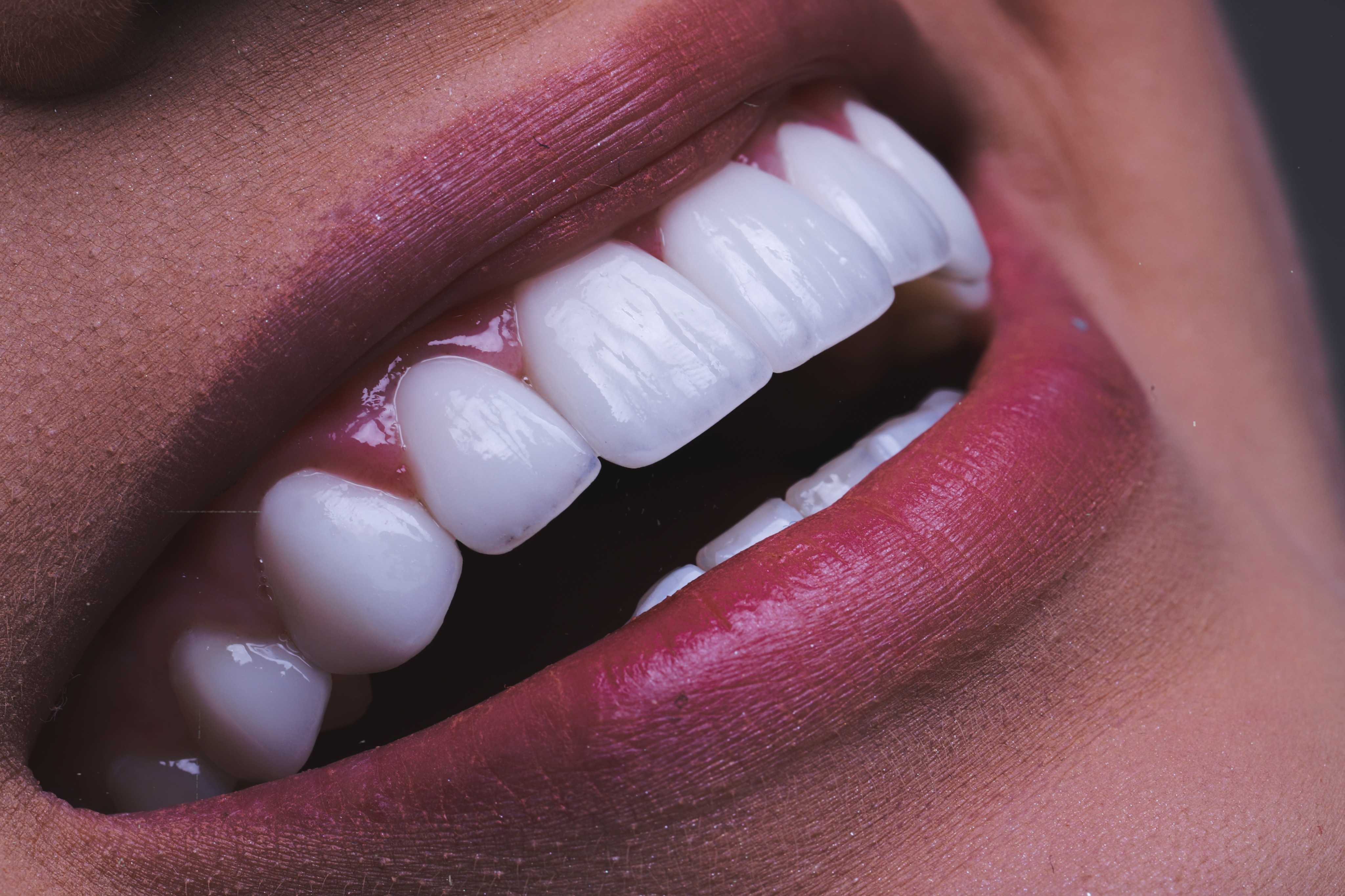
Price starting from $6,900
Smile Makeover Package at Sonrisa Italiana - Dental Clinic Colombia, Barranquilla, Colombia
Sonrisa Italiana - Dental Clinic Colombia
- Dentistry
Barranquilla, Colombia
Dentistry Solutions Near You: Explore Top Medical Centers
Discover how Dentistry is transforming lives at leading medical centers in , Colombia. Dive into center profile, specialties, doctors, reviews, etc. and explore the best options tailored to your needs in this region.

Carolina Hurtado Odontologia Integral in Bogota, Colombia
Bogota, Colombia

Dental Implants in Colombia Dr Johanna Calderon
Medellin,Bogota,Cali,Barranquilla,Cartagena,Ibague, Colombia
Clinica Uribe
Bogota, Colombia
Carlos Lapeira Dental Studio
Barranquilla, Colombia
Transformative Dentistry Experiences: Dive into Procedure Insights
Discover the power of Dentistry through compelling patient experiences. Uncover detailed insights into procedures, recovery journeys, and life-changing results.

.png)

.png)
Explore Dentistry: Stories, Testimonials, and Procedures
Watch in-depth videos covering everything from Dentistry success stories to detailed procedure explanations. Learn what to expect and hear from real patients.
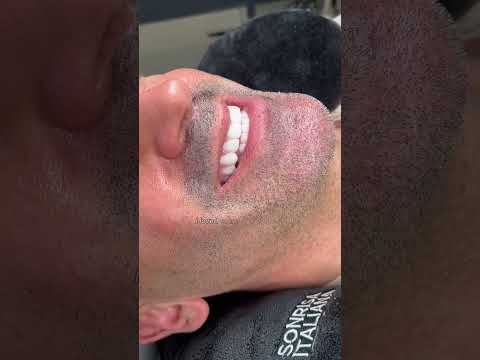

Why Leading Medical Centers Choose PlacidWay: The Ultimate Marketing & CRM Solution for Global Patient Engagement
Dentistry
PlacidWay Medical Tourism
Colombia

Pramod Goel, CEO of PlacidWay Medical Tourism Interview: How AI is Transforming Patient Journeys
Dentistry
PlacidWay Medical Tourism
Colombia
Learn More with These Dentistry Articles
Take a look at these interesting articles, stories and research that will help you learn more about Dentistry.
.jpg)
Getting Dental Crowns in Bogota, Colombia: A Patient Guide to Costs, Clinic Quality, and Safe Travel
PlacidWay Medical Tourism
- Dentistry
Colombia
.jpg)
.jpg)
Dental Implants in Colombia: Understanding Costs Before You Decide
PlacidWay Colombia
- Dentistry
Colombia
.jpg)
Cosmetic Dentistry in Colombia: Understanding Costs Before You Decide
PlacidWay Medical Tourism
- Dentistry
Colombia







