
Get Perfect Smiles with Dental Veneers in Colombia

Many individuals seeking cosmetic dental improvements find themselves exploring international options due to high domestic care costs. Finding a reputable veneers clinic in Colombia has become increasingly common for those looking to address chipped, stained, or misaligned teeth. This guide provides an objective look at what to expect, how to prepare, and the medical considerations you should keep in mind before booking a consultation.
Key Takeaways
- Colombia serves as a common destination for cosmetic dentistry, often offering access to experienced specialists and modern dental technology.
- The estimated cost of care in South America is generally significantly lower than in North America or Europe, though total expenses depend on treatment complexity.
- Treatment typically involves durable porcelain or more affordable composite resin, each with different lifespans and maintenance requirements.
- A standard trip requires planning for an initial consultation, tooth preparation, placement of temporary veneers, and final cementation over several days.
- Outcomes depend heavily on your individual oral health, diligent aftercare, and proper vetting of the dental professionals you choose.
What are dental veneers and how do they function?
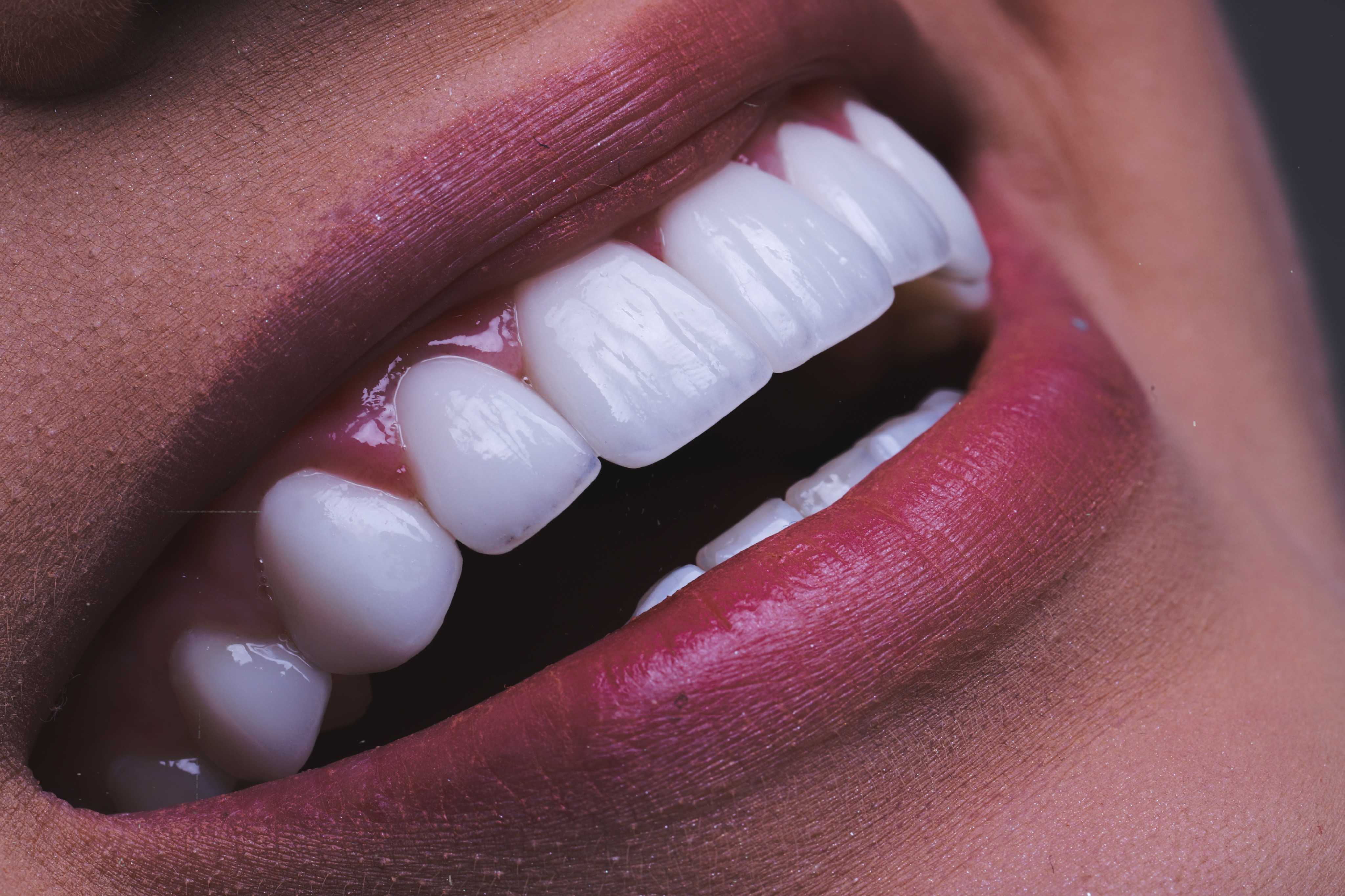
When teeth become discolored, worn down, chipped, or irregularly shaped, dentists often suggest veneers as a potential cosmetic solution. These thin coverings act somewhat like a facade on a building, hiding aesthetic imperfections while relying on the healthy, natural tooth structure underneath for support and strength.
The process of placing them involves bonding the material directly to the tooth using a specialized dental cement. Because this bonding process requires a clean and slightly textured surface, a small amount of the tooth's protective outer layer (enamel) usually needs to be removed. As a result, getting traditional veneers is generally considered an irreversible procedure.
How much do dental veneers cost in Colombia?
It is helpful to understand why pricing differs. The lower estimates available in South America are largely due to the lower cost of living, reduced administrative overhead, and different malpractice insurance requirements, rather than a reduction in material quality. Many well-regarded clinics import the same dental materials (like e.max or zirconium) used by dentists in North America.
However, patients must remember that the baseline price per tooth is only one part of the financial equation. When planning a budget, you must also account for travel expenses, accommodation, local transportation, preliminary X-rays, and potential follow-up visits. Pricing will also vary based on whether you choose composite resin (which tends to be cheaper) or high-quality porcelain.
What types of materials are available at Colombian dental clinics?
Understanding the differences between these materials is essential for making an informed decision about your oral care:
- Porcelain Veneers: These are known for their durability and natural, light-reflecting properties. They resist stains better than other materials and can last 10 to 15 years with proper care. They require lab fabrication, meaning you will need multiple appointments over several days.
- Composite Resin Veneers: These are sculpted directly onto the teeth by the dentist, often in a single visit. They are more affordable and require less enamel removal. However, they are more prone to staining and typically need replacement every 5 to 7 years.
Am I a suitable candidate for this procedure?
Before traveling for dental work, it is highly recommended to consult with a local dentist to assess your oral health. Veneers are a cosmetic enhancement, meaning the foundation beneath them must be solid. If a patient has active gum disease (periodontitis), untreated tooth decay, or root canal infections, these underlying medical issues must be resolved before any cosmetic work can begin.
Additionally, the amount of natural enamel on your teeth matters. Because dentists must buff away a small layer of the tooth to accommodate the shell, patients who already have weak or severely worn enamel might not have enough structure left to bond the veneer securely. In such cases, alternative treatments may be recommended.
What is the typical clinical process for getting veneers?
If you choose a specialized dentistry clinic in Colombia, the workflow is similar to what you would experience at home, albeit often condensed into a shorter timeframe to accommodate your travel schedule. The process usually follows these steps:
- Evaluation and Design: The dentist examines your teeth, takes X-rays, and may use digital smile design software to help you visualize the expected outcome.
- Tooth Preparation: Under local anesthesia, the dentist removes about 0.5 millimeters of enamel from the tooth surface. Impressions (either physical or digital) are then taken and sent to the dental laboratory.
- Temporary Placement: Because your natural teeth will feel sensitive after enamel removal, the dentist may place temporary acrylic covers while the permanent ones are being crafted.
- Bonding: Once the lab finishes the custom pieces, the dentist checks their fit and color. After any necessary adjustments, your teeth are cleaned, polished, and etched to create a strong bonding surface before the veneers are cemented in place.
How long do I need to stay in Colombia for my dental treatment?
Time management is a vital component of medical tourism in Colombia. While composite resin can sometimes be completed in just one or two days, custom porcelain work requires time at a dental lab. Rushing the manufacturing process can lead to poorly fitting restorations or aesthetic dissatisfaction.
A typical timeline includes the initial consultation on day one, preparation and impressions on day two, a wait of several days while the lab works, and final placement toward the end of the trip. It is wise to add a day or two after the final cementation to allow the dentist to check your bite and make minor adjustments once you have had a chance to eat and speak normally.
Are dental clinics in Colombia safe and appropriately regulated?
Safety should always be the priority when seeking medical or dental care abroad. In Colombia, dental professionals must graduate from recognized universities and be registered to practice. Furthermore, clinics that frequently treat foreign patients often pursue voluntary international accreditations to demonstrate their commitment to rigorous cross-infection control and patient safety protocols.
However, regulatory enforcement can vary. It is your responsibility to research potential providers thoroughly. Look for specialists who belong to recognized professional dental organizations, review their sterilization practices, and ask about the specific brands of dental materials they use. A reputable clinic will be transparent about their credentials and happy to answer safety-related questions.
What are the potential risks and complications of this treatment?
No dental procedure is entirely free of risk. Because enamel removal is involved, some patients experience heightened sensitivity to hot and cold temperatures, which can be temporary or, in some cases, persistent. If a tooth is over-prepared, there is a risk of trauma to the nerve (pulp) inside the tooth, which could eventually require a root canal.
Other potential complications include aesthetic issues, such as the color not matching surrounding teeth exactly, or physical issues, such as the edges of the restoration irritating the gum line and causing inflammation. If a complication arises after you have returned home, you will need to seek care from a local dentist, which can incur additional unexpected costs.
How should I care for my teeth after returning home?
Maintaining the longevity of your cosmetic dental work requires diligent daily hygiene. Although porcelain itself does not decay, the natural tooth structure beneath and around the margins remains vulnerable to plaque and cavities. If decay develops under the veneer, the entire restoration may need to be removed and replaced.
Dentists typically recommend avoiding abrasive whitening toothpastes, as these can scratch the surface of the porcelain and remove its protective glaze. Additionally, habits like chewing on pens, biting your nails, or using your teeth to open packaging can exert excessive force on the delicate edges of the material, leading to chips or fractures.
Why Choose PlacidWay for Medical Tourism Research?
When navigating international healthcare options, having access to organized information is helpful. PlacidWay acts as an educational resource for patients exploring medical tourism options.
- Provider Profiles: PlacidWay offers detailed directories of international clinics and hospitals, allowing you to review facility backgrounds and medical focus areas.
- Educational Resources: The platform provides informative articles and guides regarding various dental and medical procedures to help patients understand what treatments entail.
- Credential Visibility: Patients can view the professional backgrounds, certifications, and international accreditations held by listed healthcare providers.
- Initial Communication: The service facilitates the first steps of communication, allowing individuals to send inquiries directly to overseas clinics for more detailed consultations.
- Cost Estimates: PlacidWay transparently shares baseline cost estimates provided by the clinics, helping patients create realistic budgets for their potential healthcare journeys.
Frequently Asked Questions (FAQs)
Do dental veneers ruin your natural teeth?
Getting traditional porcelain veneers requires a dentist to remove a thin layer of natural enamel to ensure a proper fit. Because enamel does not grow back, this process is generally considered irreversible. However, when performed correctly by a qualified professional, it should not "ruin" the tooth structure beneath.
Is the process of getting veneers painful?
Most patients experience minimal discomfort. Dentists typically use local anesthesia to numb the area during the enamel preparation phase. You may feel some mild sensitivity to hot and cold temperatures for a few days after the temporary or final veneers are placed.
Can I get my entire mouth done at once?
While it is technically possible to have multiple veneers placed on both the upper and lower arches during the same treatment timeline, the decision depends on your bite alignment, oral health, and the dentist's recommendations. Extensive work may require longer appointments or a longer stay.
What happens if a veneer falls off while I am back home?
If a veneer dislodges, keep it in a safe, clean container and contact a local dentist immediately. Often, an intact veneer can be re-bonded to your tooth. Do not attempt to glue it back on yourself with household adhesives.
Can I eat normally with dental veneers?
Yes, you can eat most regular foods, but you should exercise caution. To prevent chipping or breaking, dentists often recommend avoiding biting directly into hard items like apples, nuts, hard candies, or ice with your front veneered teeth.
Do porcelain veneers stain like natural teeth?
High-quality porcelain is highly resistant to stains from coffee, tea, and tobacco. However, the dental cement used at the edges of the veneer can sometimes attract stains over time, and composite veneers are more susceptible to discoloration than porcelain.
How long do dental veneers typically last?
With proper oral hygiene and regular dental check-ups, porcelain veneers can often last 10 to 15 years, and sometimes longer. Composite veneers generally have a shorter lifespan, typically needing replacement after 5 to 7 years.
Will my dental insurance cover veneers in Colombia?
Because veneers are almost always considered an elective cosmetic procedure, most dental insurance plans do not cover them, regardless of where the treatment is performed. It is best to check with your specific insurance provider for exact policy details.
Can I combine my dental trip to Colombia with a vacation?
Many patients choose to explore the country during their stay. However, you should schedule your activities around your clinic appointments and avoid strenuous travel immediately after long dental sessions to ensure you have time to rest and adjust.
What language do dentists in Colombia speak?
The primary language in Colombia is Spanish. However, many specialists who regularly treat international patients speak English or have bilingual coordinators on staff to help ensure clear communication regarding your medical history and treatment plan.
Compare Treatment Options
Explore international dental clinics, review patient information, and request estimated costs for care to help you make an informed decision regarding your oral health.
Request Treatment InformationReferences
- Veneers - American Dental Association (MouthHealthy)
- Oral Hygiene - National Institute of Dental and Craniofacial Research
- Dental Veneers: Benefits, Procedure, Costs, and Results - Cleveland Clinic
- Medical Tourism: Travel for Medical Care - Centers for Disease Control and Prevention (CDC)
- Ministry of Health and Social Protection - Government of Colombia
- Adult Health: Oral care - Mayo Clinic

























Share this listing