
Colombia Dental Tourism: Quality Care, Unbeatable Value

In recent years, the search for affordable, high-quality oral healthcare has led thousands of international patients to explore dental tourism in Colombia. As the cost of restorative and cosmetic procedures continues to rise in the United States, Canada, and parts of Europe, traveling abroad for care has transitioned from a niche concept to a mainstream alternative.
Colombia has emerged as a prominent destination in South America for medical travel. Major cities like Bogota, Medellin, Cali, and Cartagena host modern facilities catering to international visitors. However, while the financial savings can be significant, deciding to undergo medical procedures in another country requires careful consideration of logistics, safety, provider qualifications, and aftercare. This comprehensive guide explores what you can expect when considering dental care in Colombia.
Key Takeaways
- Cost savings for major procedures in Colombia typically range from 40% to 70% compared to North American averages.
- Popular treatments include dental implants, veneers, crowns, and full-mouth restorations.
- Complex procedures often require multiple trips; planning for adequate recovery time is essential.
- Thoroughly vetting the credentials of any provider is crucial for your safety and treatment success.
- Patients must plan for local follow-up care in their home country to manage long-term maintenance or potential complications.
Why are patients choosing dental tourism in Colombia?
The primary driver for seeking care abroad is financial. In North America, extensive treatments such as multiple implants or full-mouth rehabilitations can cost tens of thousands of dollars, placing them out of reach for many individuals, especially those without comprehensive dental insurance. Colombia’s lower cost of living, reduced administrative overhead, and different healthcare economic structures allow specialists to offer services at a fraction of the cost.
Beyond economics, Colombia has heavily invested in its medical infrastructure. Many leading specialists complete post-graduate training or continuing education in the United States, Europe, or Brazil (a global leader in dentistry). This international exposure means that modern techniques and globally recognized materials are commonly utilized.
Additionally, the country's geographic proximity to North America makes it relatively accessible. Direct flights from major hubs like Miami, New York, Atlanta, and Toronto to Bogota or Medellin take only a few hours, making travel logistics simpler compared to flying to destinations in Asia or Eastern Europe.
What types of dental procedures are popular in Colombia?
While routine care like cleanings and basic fillings are available, international patients rarely travel solely for these services because the travel expenses would negate the savings. Instead, patients look for a dental clinic in Colombia when they require extensive or expensive work.
- Dental Implants: This is one of the most sought-after procedures. Single implants, implant-supported bridges, and bone grafting are commonly performed using international brands of titanium or zirconia posts.
- All-on-4 / All-on-6 Systems: For patients missing most or all of their teeth, these full-arch restorations provide a fixed alternative to traditional dentures.
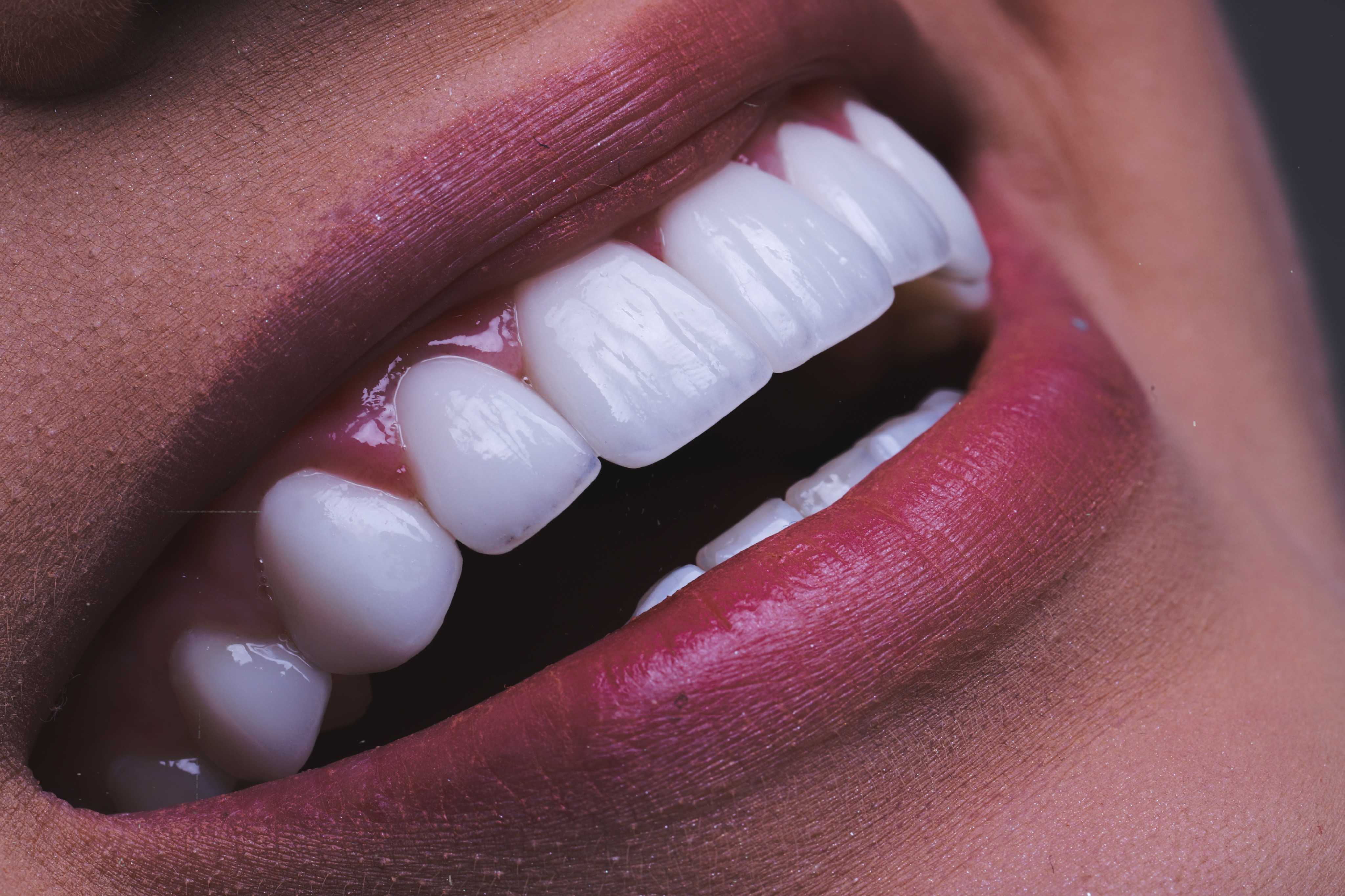
- Cosmetic Dentistry: Smile makeovers utilizing porcelain or composite veneers, teeth whitening, and contouring are highly popular, particularly in cities like Medellin and Cali.
- Crowns and Bridges: Restoring damaged teeth using materials like E-max or Zirconia is routine, often completed quickly using CAD/CAM (digital milling) technology available in modern clinics.
How much does dental work cost in Colombia compared to the US?
It is important to understand that prices vary widely depending on the specific city, the expertise of the specialist, the materials chosen, and the complexity of the patient's oral health. The figures provided below are broad estimates for comparison purposes and should not be considered guaranteed quotes.
| Procedure | Estimated US/Canada Cost | Estimated Cost in Colombia |
|---|---|---|
| Single Dental Implant (with crown) | $3,500 - $5,000 | $900 - $1,500 |
| Porcelain Veneer (per tooth) | $1,000 - $2,500 | $350 - $600 |
| Porcelain/Zirconia Crown | $1,200 - $2,000 | $350 - $600 |
| All-on-4 System (per arch) | $15,000 - $25,000+ | $6,000 - $10,000 |
| Root Canal Treatment | $800 - $1,500 | $200 - $400 |
When calculating potential savings, you must factor in the costs of flights, accommodations, food, and local transportation. For a single crown, the travel costs may offset the medical savings. However, for multiple implants or complex rehabilitations, the net savings often remain substantial even after travel expenses.
What should I know about the quality of a dental clinic in Colombia?
Colombia’s Ministry of Health and Social Protection regulates healthcare facilities, and legitimate clinics must display their operational licenses. However, a basic license does not necessarily indicate a high standard of specialized care. Patients should look for clinics that actively treat international visitors, as these facilities are more likely to invest in modern technologies such as 3D CBCT scanners, intraoral digital scanners, and in-house milling machines.
To assess quality, you can:
- Check the dentist's educational background, looking for specialized training in fields like prosthodontics or oral surgery.
- Look for memberships in recognized professional organizations, such as the American Dental Association (ADA) affiliate programs or international implantology congresses.
- Ask directly about the sterilization protocols (e.g., use of autoclaves and single-use items).
- Request information on the exact brands of materials they use to ensure they are internationally recognized.
Are there risks associated with traveling to Colombia for dental care?
No medical procedure is entirely free of risk, regardless of where it is performed. Risks associated with dental surgery can include infection, nerve damage, implant failure, sinus problems, and adverse reactions to anesthesia.
When undergoing treatment abroad, these standard risks are compounded by distance. If an implant fails or a serious infection develops a month after you return home, traveling back to your original dentist may be financially or medically impractical. Furthermore, long flights shortly after oral surgery can exacerbate swelling, cause discomfort, and slightly increase the risk of blood clots.
Regarding general travel safety, Colombia has vastly improved its security situation over the past two decades. Major tourist areas in Bogota, Medellin, and Cartagena are generally considered safe for visitors who exercise standard precautions. However, petty theft and street crime can occur, so travelers should remain vigilant, use reputable transportation apps, and avoid isolated areas at night.
How long do I need to stay in Colombia for major dental procedures?
A common misconception in medical travel is that complex dentistry can always be completed in a few days. While some clinics offer "teeth in a day" (immediate load implants) for suitable candidates, many patients require a more traditional approach.
- Veneers and Crowns: Typically require a stay of 5 to 10 days. This allows time for the initial preparation, the laboratory to craft the prosthetics, fitting, and a follow-up adjustment.
- Traditional Dental Implants (Trip 1): Extracting teeth, placing the titanium posts, and potentially performing bone grafts usually requires a stay of 5 to 7 days. Afterward, a healing period of 3 to 6 months is necessary for the bone to fuse with the implant (osseointegration).
- Traditional Dental Implants (Trip 2): Returning to have the abutments and permanent crowns placed requires another stay of 7 to 14 days.
Rushing treatment to fit a vacation schedule can compromise the final outcome. It is vital to discuss a realistic timeline with your chosen provider before booking flights.
Will dentists in Colombia speak English?
Clear communication is critical when discussing medical history, treatment options, and post-operative care. In major medical hubs like Medellin and Bogota, clinics that actively promote themselves to foreign patients ensure that their lead dentists speak English. Many of these professionals have attended conferences or completed parts of their training in the United States or the UK.
To ensure you feel comfortable, it is highly recommended to schedule a video consultation before committing to a trip. This allows you to evaluate the dentist's communication skills and ensure you can clearly understand the proposed treatment plan, the associated risks, and the pricing structure. If there is a language barrier, some larger clinics provide dedicated patient coordinators or translators.
What happens if I experience complications after returning home?
Aftercare is one of the most complex aspects of receiving healthcare abroad. While many treatments are successful, complications such as infections, loose crowns, or implant rejection can occur weeks or months later.
It is important to know that some local dentists in the US or Canada may hesitate to take over a complex case that they did not initiate, due to liability concerns or unfamiliarity with the specific implant system used. Before traveling, try to identify a local dentist who is open to providing maintenance, cleanings, and emergency care upon your return. Ask your Colombian dentist to provide detailed treatment records, x-rays, and the exact specifications of any hardware placed in your mouth (such as the brand and size of implants).
How can I safely plan my medical tourism in Colombia?
Organizing medical tourism in Colombia involves more than just finding a cheap flight. To optimize your safety and the quality of your care, approach the process systematically:
- Consult Your Local Dentist: Get a comprehensive exam and x-rays at home to understand exactly what you need. You can share these records with overseas clinics for more accurate estimates.
- Compare Options: Do not just choose the first clinic you find online. Request consultations from several providers to compare their treatment approaches and communication styles.
- Disclose Medical History: Be entirely honest about your health, medications, and any chronic conditions (like diabetes or heart disease), as these can significantly impact your eligibility for surgery and your healing process.
- Plan for Downtime: Do not pack your itinerary with strenuous tourist activities immediately after surgery. Rest is vital for proper healing.
Why Choose PlacidWay for Medical Tourism in Colombia?
Navigating healthcare options in a foreign country can be overwhelming. PlacidWay is a medical tourism platform designed to help patients research and connect with healthcare providers worldwide.
- Extensive Provider Network: PlacidWay connects patients with a wide variety of internationally accredited and locally certified dental clinics across major Colombian cities.
- Detailed Clinic Profiles: The platform provides access to provider credentials, facility details, and available treatments to support your independent research.
- Direct Communication: Patients can use the platform to facilitate initial contact and virtual consultations with clinics prior to making any commitments.
- Transparent Estimates: PlacidWay helps patients obtain initial pricing estimates, allowing for better financial planning and cost comparison.
- Educational Resources: The site offers articles, patient guides, and resources to help individuals make informed decisions about pursuing healthcare abroad.
Frequently Asked Questions
Do I need a visa to travel to Colombia for dental treatment?
Citizens of the United States, Canada, the UK, and the EU typically do not need a visa for short-term tourism or medical visits to Colombia lasting up to 90 days. You will need a passport valid for at least six months beyond your travel dates.
Can I use my domestic dental insurance in Colombia?
Most US and Canadian dental insurance plans do not directly cover treatments performed outside their network or abroad. Some providers may reimburse a portion of out-of-network care if you submit translated itemized receipts, but you should verify this with your provider before traveling.
What currency is accepted at Colombian dental clinics?
The official currency is the Colombian Peso (COP). While some major clinics catering to international patients may accept US Dollars or major credit cards, it is generally recommended to pay with a credit card that has no foreign transaction fees for the best exchange rate.
Are the dental materials used in Colombia the same as in North America?
Many modern clinics in Colombia import their dental materials—such as titanium implants, porcelain, and zirconia—from the same global manufacturers used in the US and Europe. You can always ask your dentist for the specific brand names of the materials they plan to use.
Can I get a full mouth restoration in a single trip to Colombia?
Typically, full mouth restorations involving traditional implants require at least two trips. The first trip is for extraction and implant placement, followed by a 3 to 6-month healing period. The second trip is to place the permanent crowns.
Is tap water in Colombia safe for dental hygiene after surgery?
While tap water in major cities like Bogota and Medellin is generally treated and considered safe for locals, international travelers are often advised to use bottled water for drinking and brushing their teeth to avoid mild gastrointestinal upset, especially after oral surgery.
What happens if an implant fails after I return home?
If complications arise at home, you will need to seek care from a local dentist. Traveling back to Colombia for a revision may not be medically advisable immediately. It is important to establish a relationship with a local dentist who is willing to treat complications from foreign dental work.
Are dental records from Colombia provided in English?
Clinics that frequently treat international patients often provide records, x-rays, and treatment summaries in English upon request. It is best to confirm this before your treatment begins so you have appropriate documentation for your local dentist.
How soon can I fly after major oral surgery in Colombia?
For minor procedures, you can typically fly within a day or two. For major surgeries like bone grafts or multiple implants, dentists often recommend waiting 3 to 7 days before flying due to the risks associated with cabin pressure changes and post-operative swelling.
Do Colombian clinics offer warranties on dental work?
Some clinics offer limited guarantees on their work or the materials used. However, these warranties usually require you to return to the specific clinic in Colombia for the corrective work, which means you would be responsible for additional travel costs.
Explore Your Dental Treatment Options
Research clinics, compare estimated costs, and learn more about pursuing dental care in Colombia. Connect with providers to gather the information you need.
Request Treatment InformationReferences
- Travelers' Health: Colombia – Centers for Disease Control and Prevention (CDC)
- Medical Tourism – American Dental Association (ADA)
- Colombia Country Security Report – Overseas Security Advisory Council (OSAC)
- Patient Safety – World Health Organization (WHO)
- International Standards in Healthcare – International Society for Quality in Health Care (ISQua)
- Journal of Travel Medicine – Oxford Academic
- Global Oral Health Information – FDI World Dental Federation

























Share this listing