
Guide to Preparing for Full Mouth Restoration in Colombia

If you are dealing with widespread dental issues, you might be considering your options abroad. Undergoing a full mouth restoration in Colombia has become an option for many international patients seeking comprehensive dental care. This treatment plan is not a single procedure, but rather a combination of advanced restorative, and sometimes cosmetic, techniques designed to rebuild the function and structure of your smile.
But before booking a trip or making travel plans, the most important question is whether this complex series of treatments is clinically appropriate for your specific needs. Restoring an entire mouth requires careful planning, a solid foundation of oral health, and a commitment to post-operative care. Understanding the physical, medical, and lifestyle requirements can help you set realistic expectations for your dental journey.
Key Takeaways
- Good general physical health is required to safely undergo extensive oral surgery and anesthesia.
- Sufficient jawbone density is crucial for any treatment phase involving dental implants.
- Active gum disease must be thoroughly treated before a permanent restoration can begin.
- Smoking and unmanaged medical conditions can significantly increase your risk of surgical complications.
- Complex restorations typically require multiple visits spaced months apart for proper healing.
What dental conditions make me a suitable candidate for this treatment?
A full mouth restoration—sometimes called full mouth reconstruction—is highly individualized. You might qualify if most of your teeth are missing or have sustained damage that cannot be corrected with a few simple fillings or single crowns. Patients who struggle to chew food properly due to missing teeth are primary candidates, as the treatment aims to restore full masticatory function.
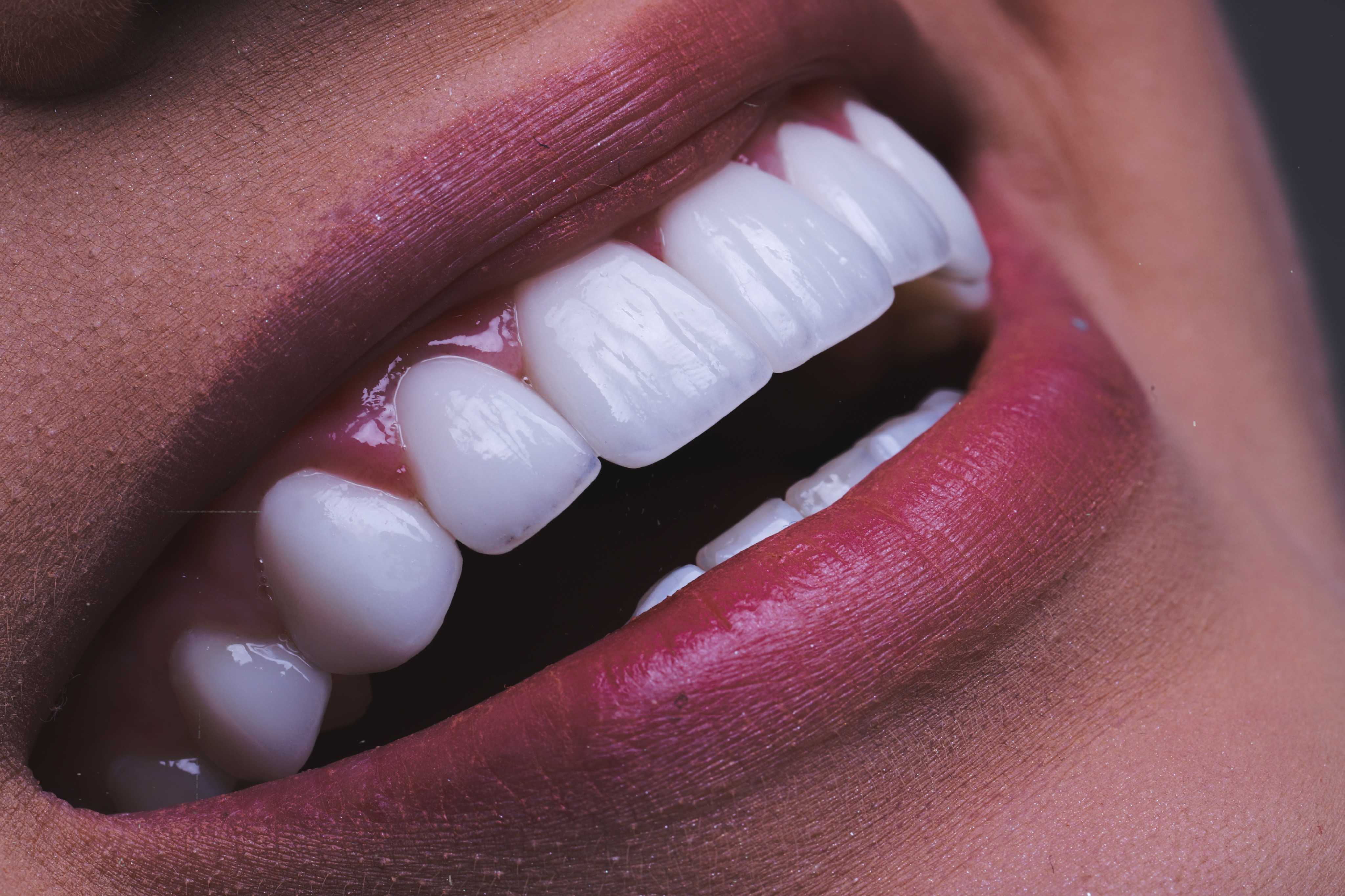
Additionally, those suffering from advanced acid erosion (often due to dietary habits or acid reflux) or severe enamel wear from chronic teeth grinding (bruxism) often require comprehensive work. The treatment plan usually involves a mix of dental implants, bridges, veneers, and crowns designed to work harmoniously together.
Your candidacy hinges on the functional necessity of the work. If you only require minor cosmetic changes, such as teeth whitening or a few veneers, a full reconstruction is likely unnecessary. A specialist will assess your bite alignment, muscle function, and the structural integrity of your remaining teeth to determine the exact scope of work required.
Are there medical conditions that could disqualify me?
Because replacing a mouthful of teeth often involves invasive surgery and anesthesia, your systemic health is just as important as your oral health. Conditions that impair your immune system or slow down wound healing can drastically reduce the success rate of procedures like bone grafting and implant placement.
For instance, patients with uncontrolled diabetes face a higher risk of post-operative infections and implant failure due to compromised blood flow and delayed healing. If you have a heart condition, your dental team will likely require clearance from your cardiologist before proceeding, particularly if you take blood thinners that affect clotting.
Medications also play a role. Bisphosphonates, commonly prescribed for osteoporosis, can sometimes cause complications with jawbone healing after extractions or implant surgery. You must provide a complete, transparent medical history to both your primary physician and your overseas dental team so they can accurately assess your risk profile.
How does my jawbone density affect my eligibility?
When a tooth is lost, the jawbone beneath it begins to atrophy, or shrink, due to a lack of stimulation from chewing. If your teeth have been missing for several years, you may have significant bone loss. Dental implants rely on a biological process called osseointegration, where the titanium post fuses with healthy bone to create a strong anchor for your new teeth.
If initial 3D scans reveal insufficient bone density, this does not automatically disqualify you, but it does change your treatment plan. You may require a bone graft or a sinus lift to build up the necessary volume. These preliminary procedures add time to your overall treatment timeline, as the graft must heal and solidify over several months before implants can be placed safely.
Bone grafting adds additional recovery phases to your journey. Patients traveling internationally should factor in the possibility of an extra trip or an extended wait time if bone augmentation is necessary.
Does active gum disease prevent me from getting a full restoration?
Gum health is the foundation of any successful dental work. If you have active periodontal disease (gum disease), placing new crowns, bridges, or implants is akin to building a house on a crumbling foundation. The bacteria that cause gum disease can easily attack the tissues surrounding a new dental implant, leading to a condition called peri-implantitis.
Peri-implantitis can cause the bone around the implant to deteriorate, ultimately resulting in implant failure. Before any restorative work begins, your dentist will require you to undergo periodontal therapy. This might involve deep cleaning procedures like scaling and root planing, or in severe cases, gum surgery to eradicate the infection.
Once your gums have healed and demonstrate stability, you can proceed with the restorative phases of your treatment. Maintaining that gum health through excellent hygiene will be your ongoing responsibility to protect your investment.
Will lifestyle habits like smoking impact my candidacy?
Tobacco use is one of the most significant risk factors for dental implant failure and poor surgical outcomes. Nicotine constricts blood vessels, which limits the amount of oxygen and essential nutrients that reach your oral tissues. This restricted blood flow drastically impairs your body's ability to heal after tooth extractions, bone grafts, or implant placements.
While being a smoker does not outright ban you from receiving care, many oral surgeons require patients to strictly cease smoking for at least several weeks before the surgery and throughout the entire initial healing phase. Failure to abstain can result in painful complications, severe infections, and the complete failure of the restorative work.
Vaping and using smokeless tobacco products also present similar risks to oral tissues and bone integration. Committing to a full restoration often requires a simultaneous commitment to modifying lifestyle habits that threaten your oral health.
How can I prepare for a remote dental assessment?
When communicating with a full mouth restoration clinic in Colombia, the initial evaluation will happen from afar. To get a realistic assessment of your candidacy and an accurate preliminary treatment plan, you must provide high-quality diagnostic records. A standard dental X-ray is rarely sufficient for complex reconstructions.
Most specialists will request a recent 3D CBCT (Cone Beam Computed Tomography) scan, which provides a three-dimensional view of your jawbone, nerve pathways, and surrounding anatomy. You can usually have this scan done at a local dental imaging center in your home country and securely email the digital files to the overseas provider.
Keep in mind that any remote diagnosis is preliminary. The dental team will need to perform a comprehensive physical examination upon your arrival to finalize the treatment plan. Being thorough and honest during this remote phase helps minimize surprises once you travel.
What is the expected full mouth restoration cost in Colombia compared to other regions?
Cost is a primary driver for patients seeking international care. However, giving a single, flat rate for a full restoration is impossible because the phrase encompasses a wide variety of personalized procedures. A patient needing upper and lower All-on-4 implants will have a vastly different estimate than a patient who only requires a series of ceramic crowns and bridges on healthy, existing teeth.
Estimates are heavily influenced by the volume of extractions, the necessity for bone grafts, the brand of implants used, and the material chosen for the final prosthetics (such as zirconia versus acrylic). While patients typically find the financial investment abroad to be more manageable, you must account for travel, accommodation, and time off work.
Always request a detailed, itemized preliminary estimate that breaks down the surgical fees, material costs, anesthesia, and required follow-up appointments. Remember that unforeseen clinical findings during your in-person exam can alter the final cost.
How long do I need to stay in the country for this procedure?
Rebuilding an entire smile is not an overnight process. The timeline is dictated by biology, specifically how long it takes your body to heal and for bone to fuse to implants. If your plan involves implants, you should anticipate a multi-stage approach.
| Treatment Phase | Typical Focus | Estimated Stay |
|---|---|---|
| Phase 1: Surgical | Extractions, bone grafting, implant placement, placing temporary teeth. | 7 to 14 days |
| Healing Period | Patient returns home for osseointegration and soft tissue healing. | 3 to 6 months |
| Phase 2: Restorative | Taking impressions, designing, fitting, and attaching the permanent prosthetics. | 7 to 14 days |
During each stay, your dentist needs time to perform the procedures, allow for initial swelling to subside, and conduct post-operative check-ups to ensure you are safe to fly. Rushing the travel schedule increases the risk of complications.
Is combining extensive dental surgery with a vacation advisable?
Participating in medical tourism in Colombia allows you to experience a new culture while receiving care. However, patients often underestimate the physical toll of a full mouth restoration. After major extractions and implant placement, you will likely experience swelling, mild discomfort, and fatigue.
Your recovery protocols will include adhering to a strict soft-food diet, avoiding strenuous physical activities, and attending various follow-up appointments. Sunbathing, swimming, and consuming tough local cuisine are typically restricted during the initial post-operative window.
If you wish to enjoy a vacation, the safest approach is to plan your sightseeing activities before your surgical appointments. Once the surgery is complete, your primary focus must shift entirely to resting in a comfortable environment and closely following your dentist’s aftercare instructions.
Why Choose PlacidWay for Medical Tourism?
PlacidWay is an informational platform designed to help patients navigate global healthcare options by providing access to essential resources.
- ? Provides a global directory of healthcare providers and dental clinics.
- ? Offers informational resources to help you research international treatment options.
- ? Facilitates initial communication between international patients and overseas clinics.
- ? Supplies educational materials detailing a variety of medical and dental procedures.
- ? Features a platform to review provider profiles, stated accreditations, and self-reported patient feedback.
Frequently Asked Questions
Is an age limit enforced for full mouth reconstruction?
There is no strict upper age limit for restorative dental work. Candidacy is determined by your overall physical health, bone density, and ability to heal, rather than your chronological age. However, pediatric and adolescent patients generally must wait until their jaw stops growing.
Will I experience pain during the dental procedures in Colombia?
Clinics utilize local anesthesia and sometimes conscious sedation to manage discomfort during the surgery. While the procedure itself should not be painful, you can expect varying degrees of soreness, swelling, and mild discomfort during the recovery phase, which is typically managed with prescribed medications.
Can I get a full restoration if I grind my teeth severely?
Yes, but severe teeth grinding (bruxism) is often one of the reasons a restoration is needed. Your dental team will need to account for this condition by using highly durable materials like zirconia and typically requiring you to wear a protective nightguard after treatment to protect your new teeth.
What happens if I experience complications after returning home from Colombia?
If complications arise after returning home, you will need to seek care from a local dentist. It is highly recommended to secure a local dental provider willing to maintain and, if necessary, treat work done abroad before you travel.
Are dental specialists in Colombia regulated?
Yes, dentists and dental specialists in Colombia are regulated by the Ministry of Health and Social Protection. Many professionals also hold memberships in national and international dental associations, though you should always verify the individual credentials of any provider.
Do I need to speak Spanish to communicate with my dental team?
Many clinics catering to international patients employ bilingual staff and dentists who speak English. If you do not speak Spanish, you should confirm the clinic’s language capabilities or arrange for a translator prior to your appointment.
How long does the healing process take after implant placement?
The bone healing process, known as osseointegration, typically takes between three to six months. During this time, the jawbone fuses with the titanium implant posts before they can support the final permanent crowns or bridges.
What materials are typically used for crowns and prosthetics in Colombian clinics?
Depending on your clinical needs and budget, specialists commonly use materials such as porcelain, zirconia, or porcelain-fused-to-metal (PFM). Zirconia is frequently recommended for full restorations due to its high durability and natural appearance.
Can medications interfere with my dental surgery?
Yes, certain medications, particularly blood thinners, immunosuppressants, and bisphosphonates used for osteoporosis, can affect bleeding and bone healing. You must disclose all current medications to your dentist and primary care physician prior to surgery.
How long will a full mouth restoration last?
The longevity of a restoration varies by patient. With meticulous oral hygiene, regular professional cleanings, and avoiding habits like chewing ice or smoking, implants can potentially last a lifetime, while crowns and bridges typically require replacement after 10 to 15 years.
Ready to Explore Your Dental Options?
Connect with qualified clinics to gather information, compare treatment options, and see if you are a candidate for dental care abroad.
Request Treatment InformationReferences
- Dental Implants – American Dental Association (ADA)
- Dental Implant Surgery: Risks and What to Expect – Mayo Clinic
- Medical Tourism: Travel Considerations and Risks – Centers for Disease Control and Prevention (CDC)
- Gum Disease Information – National Institute of Dental and Craniofacial Research (NIDCR)
- Effects of Smoking on Dental Implants – National Center for Biotechnology Information (NCBI)
- Dental Implant Procedures and Peri-implantitis – American Academy of Periodontology
























Share this listing