
Unlocking Your Dream Smile: The Real Cost of Veneers in Cali, Colombia

Many patients seeking cosmetic dental improvements look beyond their local borders for more accessible care. Getting dental veneers in Cali, Colombia has emerged as an option for those wanting to address discoloration, minor chips, or gaps between teeth without bearing the higher expenses often found in North America or Europe. While cost is a major driving factor, understanding the procedure, the variations in pricing, and the practical realities of traveling for healthcare is vital before making any decisions.
This guide breaks down everything you need to know about pursuing this treatment abroad. We will explore cost estimates, material differences, potential risks, and what to expect from medical tourism in Cali, Colombia.
Key Takeaways
- Veneer pricing in Cali typically ranges from $250 to $600 per tooth, varying by material and clinic.
- Porcelain veneers are more expensive but offer greater durability and stain resistance than composite resin.
- The process involves irreversible enamel removal; natural teeth will permanently require a restoration.
- International patients should plan a stay of 5 to 8 days to accommodate lab fabrication and follow-up adjustments.
- Proper aftercare and regular dental checkups—both in Colombia and with your local dentist—are required to maintain your oral health.
What Factors Influence the Price of Veneers in Cali?
When you request a quote for veneers, the quoted price is rarely a flat rate. The most significant variable is the material. Composite resin is built directly onto the tooth and is more budget-friendly. Conversely, porcelain or ceramic veneers are fabricated in a dental laboratory, requiring more time, specialized equipment, and skilled technicians, which increases the price.
Other factors that can alter your final bill include the complexity of your dental case. If you have underlying issues like mild gum disease or untreated cavities, these must be resolved before any cosmetic work begins, adding to the total cost. Furthermore, a highly experienced specialist working in a facility equipped with advanced CAD/CAM (Computer-Aided Design and Manufacturing) technology may charge more than a general dentist.
| Veneer Type | Estimated Cost Per Tooth (Cali, Colombia) |
|---|---|
| Composite Resin | $150 - $300 |
| Porcelain / Ceramic | $350 - $600 |
Porcelain vs. Composite: Which Veneers Should You Choose?
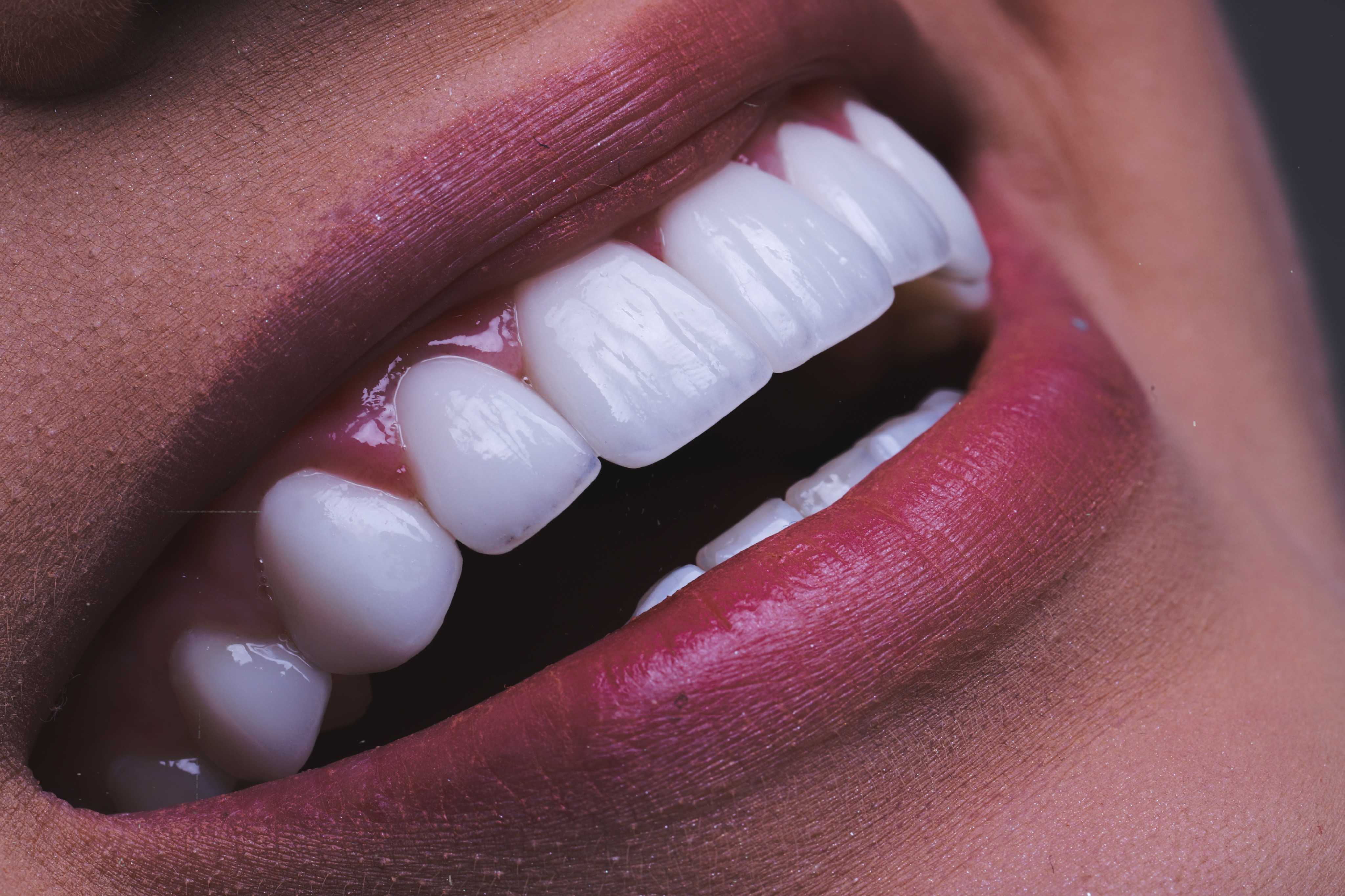
Choosing between porcelain and composite involves balancing your budget against your long-term goals. Porcelain veneers are thin shells of ceramic that are custom-made in a lab. They reflect light similarly to natural dental enamel and are highly resistant to staining from coffee, tea, and tobacco. With proper care, they can last 10 to 15 years, sometimes longer. However, they are more expensive and require more enamel removal.
Composite veneers are created using a tooth-colored resin applied directly to the tooth by the dentist, often completed in a single visit. They are significantly more affordable and involve less removal of your natural tooth structure. The downside is that they are more prone to chipping and staining over time, typically requiring replacement every 5 to 7 years.
Are Dental Veneers in Cali, Colombia Safe and High Quality?
Safety and quality are primary concerns for anyone considering medical treatment abroad. Colombia is recognized in Latin America for its robust healthcare infrastructure. Many dentists in major cities undergo rigorous training, and some pursue additional specialized education in cosmetic dentistry internationally.
However, safety relies heavily on the specific facility you choose. When evaluating a dental clinic in Cali, Colombia, you should look for verifiable credentials, clear hygiene protocols, and transparency regarding the materials they use. High-quality clinics often use internationally recognized brands for dental materials to ensure longevity and safety. It is crucial to remember that all dental procedures carry some inherent risks, regardless of geographic location.
How Long Does the Dental Veneer Procedure Take?
If you opt for porcelain veneers, your timeline will involve a few specific stages. During the first visit, the dentist will assess your teeth, take impressions or digital scans, and prepare the enamel by shaving down a fraction of a millimeter. You will usually be fitted with temporary veneers while the dental laboratory crafts your permanent ones.
The fabrication process usually takes a few days. Once the permanent veneers are ready, you will return to the clinic for the bonding process. The dentist will check the fit, shape, and color before using a special cement and curing light to permanently attach them. Patients traveling to Cali should factor in a few extra days for follow-up appointments to ensure the bite is comfortable before flying home.
Am I a Suitable Candidate for Dental Veneers?
Veneers can be an effective way to mask intrinsic stains that do not respond to whitening, fix minor chips, or close small gaps. However, they are not suitable for everyone. To safely support a veneer, your teeth must have adequate enamel left. If a tooth is heavily decayed or has a large filling, a dental crown might be a more appropriate, structurally sound choice.
Furthermore, active gum disease or untreated tooth decay must be fully resolved prior to considering cosmetic procedures. Patients who chronically grind or clench their teeth (bruxism) run a high risk of cracking or dislodging their veneers. A responsible dentist will evaluate your medical history, bite alignment, and oral health to determine if this procedure is medically appropriate for you.
What Are the Risks and Complications of Getting Veneers Abroad?
Any procedure that alters natural tooth structure carries risks. Because a small layer of enamel is removed for traditional veneers, the process is irreversible. Your tooth will always need a restoration. Many patients experience increased sensitivity to hot and cold temperatures in the days or weeks following the procedure. While this often subsides, it can occasionally persist.
Veneers are durable, but they are not indestructible. They can chip, crack, or completely dislodge if you bite down on hard objects like ice, pens, or hard candies. The added complexity of getting treatment abroad is managing aftercare. If a complication arises after you return home, you will need to seek care from a local dentist, which can result in unforeseen out-of-pocket expenses.
- Irreversible loss of natural tooth enamel.
- Potential for prolonged tooth sensitivity.
- Risk of damage (chipping or cracking).
- Difficulty addressing post-procedure complications from a distance.
- The eventual need for replacement due to natural wear over time.
How Do I Maintain and Care for My New Veneers?
Once your veneers are placed, caring for them is quite similar to caring for your natural teeth. You should brush twice a day with a non-abrasive fluoride toothpaste and floss daily to keep the gum line healthy. Gum tissue must remain healthy around the veneers to prevent receding gums, which can expose the margin where the veneer meets the tooth root.
To prevent chipping, you should avoid using your teeth as tools to open packages or bite nails. If you participate in contact sports, a mouthguard is essential. Additionally, if your dentist suspects you grind your teeth at night, they may prescribe a custom-fitted occlusal guard (night guard) to protect your investment while you sleep.
What Should I Expect During My Dental Consultation in Cali?
Your first appointment is a critical step in the process. The dentist will evaluate your oral health to ensure there are no underlying infections or structural issues that would contraindicate the placement of veneers. They will likely take digital X-rays to assess the bone health and roots of your teeth.
During this visit, clear communication is essential. You will discuss the shade, shape, and size of the teeth you desire. Many modern clinics utilize digital smile design software, allowing you to preview how the proposed changes might look on your face. This is also the time to ask questions regarding the specific materials they recommend and to get a finalized estimate of your treatment costs.
How Does Medical Tourism in Cali, Colombia Work for Dental Patients?
Cali is a major urban center in Colombia, accessible via the Alfonso Bonilla Aragón International Airport. Patients combining a vacation with dental care often find that the overall expenses—including flights, lodging, and treatment—can still fall below the price of the procedure alone in their home country. However, treating a medical trip strictly like a vacation can be risky.
You must prioritize your health schedule over tourism activities. Rest may be needed after long appointments, and your diet might be temporarily restricted while wearing temporary veneers. It is highly advisable to choose accommodations close to your chosen clinic to minimize travel stress. Make sure you understand the visa entry requirements for Colombia from your home country, and consult with a travel health professional regarding routine vaccinations or health advisories before departing.
Why Choose PlacidWay for Medical Tourism in Cali?
Navigating international healthcare options can feel overwhelming. PlacidWay acts as a medical tourism platform to help patients gather information and compare facilities worldwide. When considering options in Colombia, utilizing an informational network can provide structure to your research.
- Broad Information Network: PlacidWay offers access to a directory of international medical and dental providers.
- Comparative Tools: Patients can view profiles and read about the services offered by various clinics to help compare options.
- Cost Transparency: The platform helps facilitate the sharing of estimated pricing and quotes between patients and providers.
- Patient Education: PlacidWay provides articles and resources regarding treatments, destinations, and what to expect when traveling abroad for care.
- Direct Communication: You can request information or consultations directly from the clinics through the platform, allowing you to ask specific clinical questions.
Frequently Asked Questions
How long do dental veneers typically last?
The lifespan of your veneers depends heavily on the material and how well you care for them. Porcelain veneers often last between 10 and 15 years, while composite resin veneers typically need replacement every 5 to 7 years. Good oral hygiene and avoiding hard foods can help extend their lifespan.
Does getting dental veneers hurt?
Most patients experience minimal discomfort. Dentists usually apply a local anesthetic during the enamel preparation phase to numb the area. You may feel some mild sensitivity to hot and cold foods for a few days after the procedure, which is a normal response.
Can I get veneers if I grind my teeth?
Severe teeth grinding (bruxism) can chip or break dental veneers. If you grind your teeth, your dentist may recommend addressing the bruxism first or wearing a custom night guard while you sleep to protect the veneers from excess pressure.
Will my dental insurance cover veneers in Colombia?
Dental veneers are generally considered a cosmetic procedure, meaning most dental insurance plans do not cover them, whether you get them domestically or abroad. You will likely need to pay out-of-pocket, which is why many patients look into the lower estimated costs in Colombia.
Are porcelain veneers better than composite?
Neither is universally better; it depends on your goals and budget. Porcelain offers superior durability and stain resistance, mimicking the light-reflecting properties of natural teeth. Composite is more affordable and requires less enamel removal, but it stains more easily and doesn't last as long.
How long should I stay in Cali for my veneer procedure?
For porcelain veneers, patients should plan to stay in Cali for about 5 to 8 days. This allows time for the initial consultation, tooth preparation, laboratory fabrication of the custom veneers, the final bonding, and a follow-up visit before traveling home.
Is the enamel removal for veneers reversible?
No, the traditional veneer process is not reversible. Because a thin layer of natural enamel is removed to make room for the veneer, the treated tooth will always require a covering—either a veneer or a crown—to remain protected and functional.
How do I communicate with dentists in Cali if I don't speak Spanish?
Many dental clinics in Cali that cater to international patients have English-speaking dentists or staff on-site. When researching a dental clinic in Cali, Colombia, you can ask about their language support services to ensure clear communication about your medical needs.
What happens if a veneer falls off after I return home?
If a veneer dislodges, you should save it in a clean container and visit a local dentist immediately. Often, a local dentist can safely re-bond the intact veneer. If the veneer is broken, you may need a new one fabricated by your local provider.
Can veneers stain like natural teeth?
Porcelain veneers are highly resistant to stains from coffee, tea, and tobacco. However, composite veneers are more porous and can absorb stains over time, similar to natural teeth. The bonding cement used to attach the veneer can also occasionally stain at the edges.
Explore Your Dental Treatment Options
Gather information, compare clinics, and request estimates to help you make an informed decision about your dental care.
Request Treatment InformationReferences
- Veneers - American Dental Association (MouthHealthy)
- Dental Veneers: Benefits, Procedure, Costs, and Results - Cleveland Clinic
- Medical Tourism - CDC Yellow Book
- Survival rates of porcelain laminate veneers: A systematic review - PubMed Central
- Travelers' Health: Colombia - Centers for Disease Control and Prevention
- Clinical evaluation of composite resin veneers: A literature review - PubMed


























Share this listing