
Average Cost of Zirconia Crowns in Colombia

When tooth decay, trauma, or a root canal leaves a tooth too weak to function properly, a dental crown is often necessary to restore its strength and appearance. In recent years, medical tourism in Colombia has grown as patients seek alternative options for their dental care. Exploring a Zirconia crown in Colombia is increasingly common among those looking for durable, tooth-colored restorations outside their home country.
Zirconia is highly valued in dentistry for its biocompatibility and resistance to chipping. However, traveling abroad for medical or dental procedures involves careful planning. Understanding the estimated costs, what the procedure entails, and the practicalities of seeking care at a Zirconia crown clinic in Colombia is essential before making any health-related travel decisions.
Key Takeaways
- The estimated price of a zirconia crown in Colombia is usually between $350 and $600 USD.
- Zirconia is a highly durable, metal-free material that closely mimics the look of natural teeth.
- The treatment typically requires a stay of 3 to 7 days, depending on whether the clinic uses in-house milling (CAD/CAM) or an external lab.
- While costs are generally lower, patients must factor in travel expenses, accommodation, and the potential need for follow-up care at home.
- Always consult with your local dentist to determine if a zirconia crown is medically appropriate for your specific dental condition before planning a trip.
What factors affect the cost of a zirconia crown in Colombia?
While the baseline price for the crown itself is relatively stable, the final bill can fluctuate. Clinics located in major metropolitan areas, such as Bogota, Medellin, or Cartagena, often have slightly varying price structures based on local overhead costs. Furthermore, specialized prosthodontists—dentists with advanced training in restoring and replacing teeth—may charge higher fees than general dentists.
Technology also plays a significant role in pricing. Clinics equipped with in-house CAD/CAM (Computer-Aided Design and Computer-Aided Manufacturing) technology can mill crowns on-site, sometimes in a single day. This convenience may carry a slight premium compared to clinics that send physical impressions to an external dental laboratory.
Finally, your individual clinical needs can influence the total cost. If the affected tooth requires a root canal, core buildup, or gum contouring prior to placing the crown, these procedures will be billed separately and add to your overall expenses.
Are zirconia crowns cheaper in Colombia compared to the US and Canada?
In the United States and Canada, a single zirconia crown can range anywhere from $1,200 to $2,500 or more, not including preparatory work like root canals. The lower price point in Colombia is reflective of broader economic factors, including lower costs for commercial real estate, lower administrative wages, and different liability insurance structures, rather than a lack of material quality.
| Country | Estimated Zirconia Crown Cost (USD) |
|---|---|
| United States | $1,200 - $2,500+ |
| Canada | $1,000 - $2,200+ |
| Colombia | $350 - $600 |
While the dental fees are lower, prospective patients must calculate the total cost of their journey. Flights, accommodation, meals, and local transportation must be added to the dental bill. For a single crown, the travel costs might outweigh the dental savings. Consequently, medical tourists often travel when they need multiple crowns, veneers, or implants to make the trip financially viable.
What exactly is a zirconia crown and why is it recommended?
Dental crowns act as caps that completely cover a damaged tooth to restore its shape, size, strength, and appearance. Historically, crowns were made of gold or porcelain-fused-to-metal (PFM). While PFM crowns are durable, they often display a dark metal line at the gums over time.
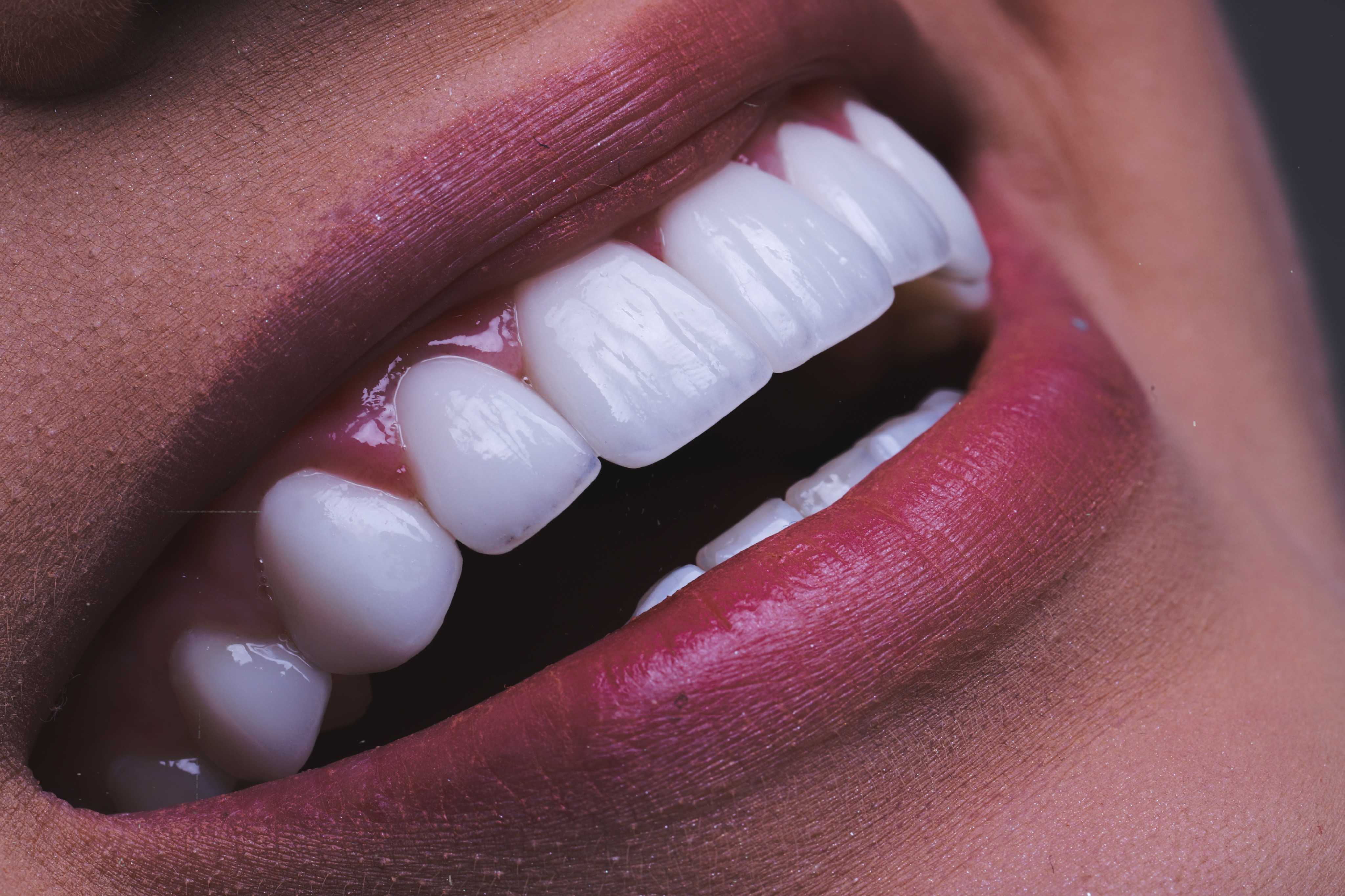
Zirconia, a white crystalline oxide made from the metal zirconium, is 100% metal-free in appearance. It is highly biocompatible, meaning the body is very unlikely to reject it or experience an allergic reaction. Dentists often recommend zirconia for back teeth (molars) due to its incredible bite strength, and newer, more translucent variations of zirconia are increasingly used for front teeth due to their aesthetic appeal.
Did You Know?
There are different types of zirconia. Monolithic zirconia is carved from a single block and is exceptionally strong, ideal for heavy chewers. Layered zirconia involves a zirconia core covered in traditional porcelain, offering a highly aesthetic result typically used for front teeth.
What does the zirconia crown procedure involve in Colombia?
The process of receiving a crown in Colombia generally mirrors the standard of care in North America. The key steps include:
- Consultation and Imaging: The dentist will examine the tooth, take X-rays or 3D scans, and confirm that a crown is the appropriate treatment. They will also verify that the underlying root and bone structure are healthy.
- Tooth Preparation: Under local anesthesia, the dentist files down the chewing surface and sides of the tooth to make room for the crown. If a large area of the tooth is missing due to decay, a filling material may be used to build it up.
- Impressions: Instead of traditional putty, many modern clinics use intraoral scanners to take highly accurate 3D digital impressions of your teeth.
- Temporary Crown: If the final crown is being made in a lab, a temporary acrylic crown is placed to protect your shaped tooth.
- Final Placement: Once the final zirconia crown is ready, the dentist checks the fit, color, and your bite before permanently cementing it in place.
How long do I need to stay in Colombia for a dental crown?
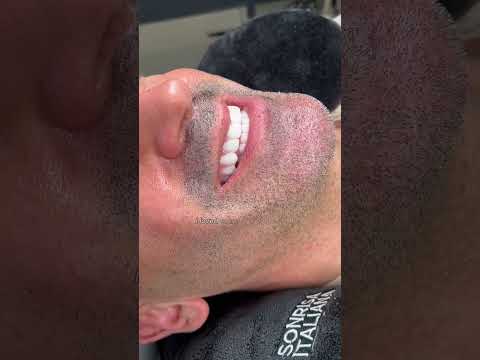
If you choose a clinic that utilizes CAD/CAM technology (like CEREC), the dentist can design and mill your zirconia crown on-site while you wait. In these instances, the physical procedure can be completed in a single day. However, even with "same-day" crowns, patients are generally advised to stay in the city for at least 2 to 3 additional days.
This cushion of time is critical. It allows you to return to the clinic for a follow-up visit to ensure your bite is comfortable once the local anesthesia has completely worn off. Minor occlusal adjustments (filing down high spots on the crown) are very common.
If the clinic sends the impressions to an external laboratory, manufacturing the crown usually takes a few days. In this scenario, you will have an initial appointment for preparation and impressions, wait a few days with a temporary crown, and then return for the final fitting. A 5 to 7-day trip is usually sufficient for this traditional workflow.
Are there any risks or disadvantages to getting zirconia crowns?
Any dental procedure carries inherent risks, and it is important to have a realistic understanding of potential complications. Zirconia is known for being extremely hard. While this makes it durable, it can also cause wear on the opposing natural teeth when you chew or grind your teeth, especially if the crown is not polished perfectly smooth.
Other risks associated with crowns in general include:
- Tooth Sensitivity: The tooth may be sensitive to hot and cold for a few weeks after the procedure.
- Nerve Damage: Preparing a tooth for a crown can sometimes traumatize the nerve, potentially necessitating a root canal later.
- Cement Failure: If the dental cement washes out from under the crown, bacteria can enter, causing decay under the restoration.
Important Consideration for Medical Tourists
If you experience severe complications, pain, or the crown becomes loose weeks after returning home, flying back to Colombia may not be feasible. You must be prepared to seek and pay for follow-up care with a local dentist in your home country.
How do I maintain my new zirconia crown after returning home?
While a zirconia crown itself cannot decay, the natural tooth structure underneath it is still vulnerable to plaque and cavities, particularly at the gum line where the crown meets the tooth. Therefore, brushing at least twice daily and flossing around the crowned tooth is essential to prevent periodontal disease and decay.
It is advisable to use a non-abrasive toothpaste, as highly abrasive formulas (like some heavy whitening pastes) can scratch the polished surface of the crown over time. Though zirconia is tough, patients should avoid chewing on hard objects like ice, pens, or hard candies, which can potentially chip the restoration or damage opposing teeth.
If you suffer from bruxism (teeth grinding or clenching), tell your dentist. They will likely recommend a custom night guard to protect both your new crown and your natural teeth from excessive force while you sleep.
What should I look for in a zirconia crown clinic in Colombia?
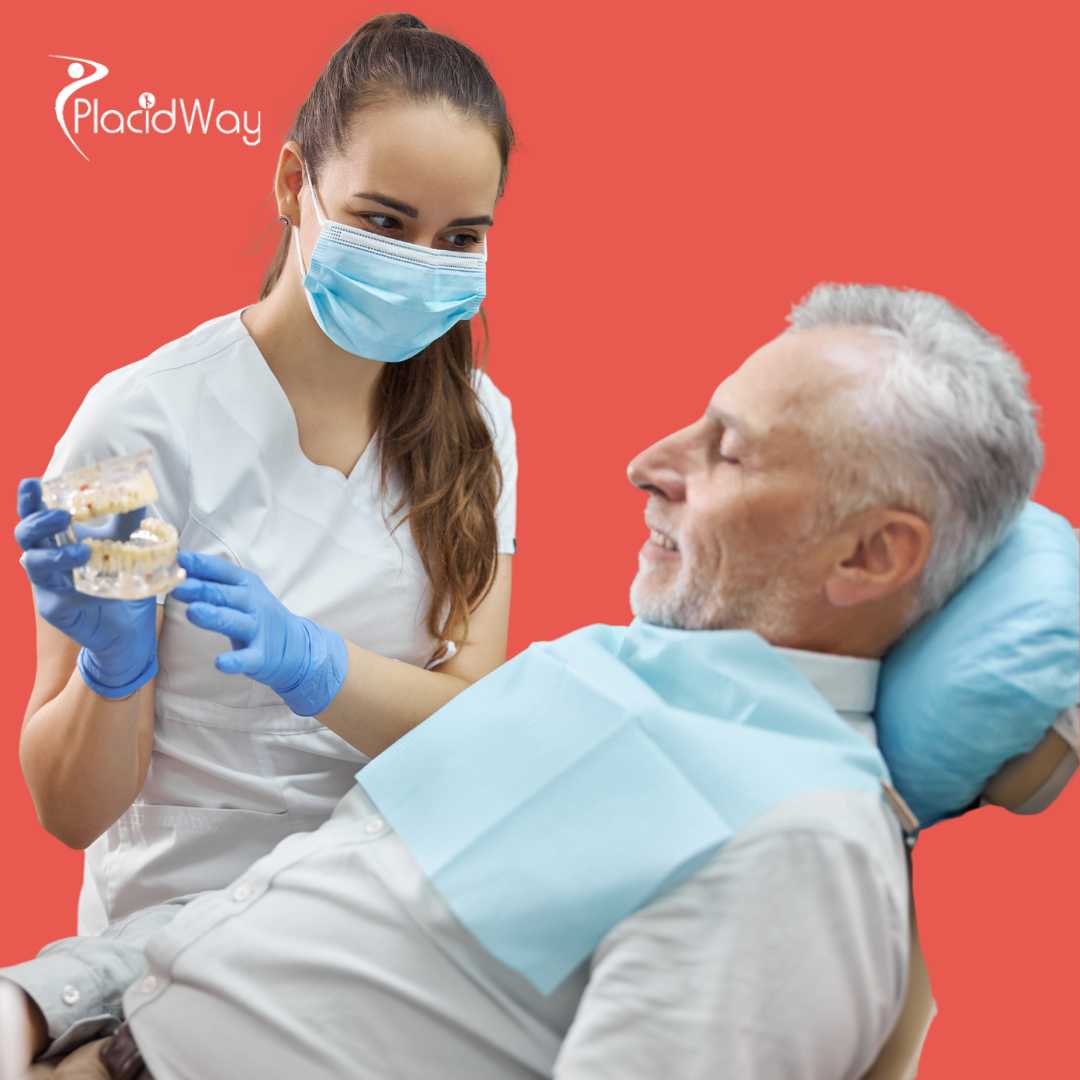
Selecting the right healthcare provider is the most critical step in medical tourism. You should look for dentists who are transparent about their education, ongoing training, and professional affiliations. Many reputable dentists in Colombia have completed specialized post-graduate training in prosthodontics or restorative dentistry.
Patient safety should always be the priority. Inquire about the clinic's sterilization procedures; they should use modern autoclaves and adhere to international cross-infection control standards. Clinics that frequently treat international patients often highlight their safety protocols on their websites.
Communication is also paramount. Ensure that the clinic has English-speaking staff or dedicated patient coordinators so that you can clearly discuss your medical history, understand your treatment plan, and provide informed consent without language barriers.
Will my dental insurance cover treatment abroad?
Insurance coverage for international dental care varies widely depending on your specific policy and provider. Generally, HMO dental plans require you to see an in-network provider locally and will not cover care received abroad. However, if you have a PPO plan with out-of-network benefits, you may be eligible for partial reimbursement.
To attempt a claim, you must pay out-of-pocket upfront at the clinic in Colombia. You will need to request a highly detailed, itemized receipt (often called a superbill) translated into English, complete with the appropriate international dental treatment codes. It is highly recommended to contact your insurance provider prior to your trip to understand their specific policies regarding cross-border care and necessary paperwork.
Why Choose PlacidWay for Medical Tourism in Colombia?
Planning medical or dental care abroad can be complex. PlacidWay is a medical tourism platform designed to help patients gather information and connect with international providers. Here are a few factual ways PlacidWay functions:
- Global Connections: PlacidWay provides a directory of clinics and hospitals across multiple countries, including Colombia, allowing patients to review various international options.
- Informational Resources: The platform offers articles, guides, and patient resources regarding different medical and dental procedures to aid in personal research.
- Direct Inquiries: Patients can use the platform to send direct inquiries to clinics to request specific pricing estimates and treatment plans based on their dental records.
- Comparative Tools: The website allows users to view profiles of multiple facilities side-by-side to compare available technologies, listed services, and facility backgrounds.
- Educational Focus: PlacidWay focuses on providing information to help users understand the landscape of global healthcare so they can make their own informed decisions alongside their local healthcare providers.
Frequently Asked Questions
Do dentists in Colombia speak English?
Many dentists who frequently treat international patients speak English, or their clinics employ translators to help facilitate clear communication during your treatment.
Is the material quality in Colombia the same as in the US?
Clinics that cater to international patients typically use globally recognized dental brands and materials, including high-grade zirconium dioxide, similar to those used in North America.
Can I get a root canal and a zirconia crown in the same trip?
Yes, many patients undergo a root canal followed by crown placement during the same trip. However, this may extend your required stay by several days to allow for proper treatment and temporary crown placement.
Does it hurt to get a zirconia crown?
The tooth preparation process is typically performed under local anesthesia, so you should not feel sharp pain. Some sensitivity or mild discomfort after the numbness wears off is normal and usually temporary.
How long does a zirconia crown typically last?
With excellent oral hygiene and regular dental checkups, a zirconia crown can last 10 to 15 years, and sometimes longer. Longevity depends on factors like diet, teeth grinding, and overall oral health.
What happens if my crown cracks after I return home?
If a complication arises after returning home, you will likely need to see a local dentist for repair or replacement. This is a recognized risk of receiving dental care abroad, as traveling back to the original clinic may not be practical.
Are zirconia crowns better than porcelain-fused-to-metal (PFM)?
Zirconia generally offers superior aesthetics because it does not have a dark metal base that can show at the gum line. It is also highly durable, making it a frequent alternative to PFM crowns, though suitability varies by patient.
Can I use a credit card to pay for dental work in Colombia?
Most established dental clinics accept major international credit cards. It is important to inform your bank of your travel plans beforehand and ask the clinic if they apply any additional processing fees for card payments.
Will a temporary crown be placed while the zirconia one is made?
If your crown is being fabricated in an off-site laboratory, the dentist will typically place a temporary acrylic or composite crown to protect your prepared tooth until the final zirconia crown is ready.
Do I need a passport or visa to travel to Colombia for dental care?
Citizens of the US, Canada, and the EU generally need a valid passport to enter Colombia but do not require a tourist visa for stays up to 90 days. Always check current entry requirements before traveling.
Compare Treatment Options
Gather more information about international providers, facility details, and customized treatment estimates to help you make an informed decision regarding your dental care.
Request Treatment InformationReferences
- Dental Materials – American Dental Association (ADA)
- Zirconia in Dentistry: A Review – National Institutes of Health (NIH)
- Traveler's Health: Colombia – Centers for Disease Control and Prevention (CDC)
- Colombia International Travel Information – U.S. Department of State
- Dental Crowns Information – American College of Prosthodontists
- Dental Infection Control Guidelines – Organization for Safety, Asepsis and Prevention (OSAP)
























Share this listing