
Arno's Dental Implant Journey - Affordable Care in Colombia
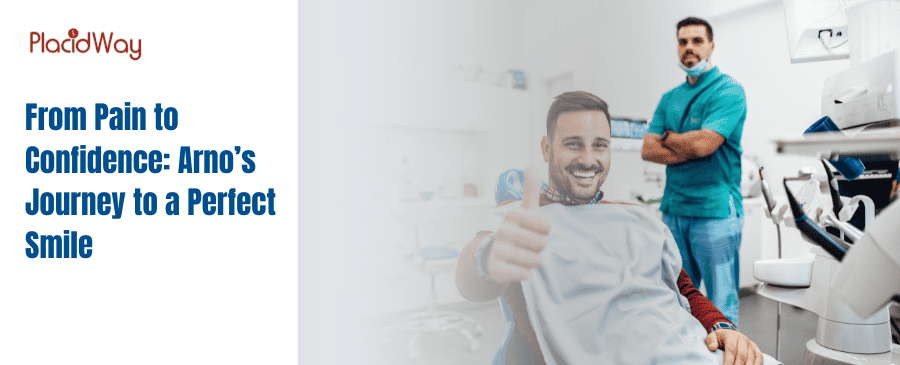
For years, Arno lived with persistent dental pain and a deteriorating smile. Simple joys, like biting into an apple or smiling for a family photo, had become sources of anxiety. After consulting local specialists, the financial reality of full-mouth restoration seemed entirely out of reach. This is a common turning point for many patients who begin exploring alternatives across borders. Arno's pursuit of a perfect smile led him to research international care, carefully weighing the potential benefits against the inherent risks of seeking complex dental procedures abroad.
This guide is designed to help you understand the realities of seeking restorative dental work outside your home country. By exploring topics from treatment timelines to safety protocols, you can make a more informed decision about whether traveling for dental care aligns with your health needs and personal comfort level.
Key Takeaways
- Dental restoration abroad can offer financial alternatives, but total costs depend heavily on individual clinical complexity.
- Thoroughly vetting the credentials, hygiene standards, and communication practices of an international clinic is essential.
- The implant process usually requires multiple trips spaced months apart to allow for proper bone healing.
- Patients must plan for comprehensive aftercare and establish a relationship with a local dentist upon returning home.
- Not everyone is a suitable candidate for implants; underlying health conditions and bone density play crucial roles in eligibility.
What is the typical dental implants cost in Mexico?
When patients like Arno begin comparing treatment options, the financial aspect is often the primary motivator. The cost of living, lower overhead for clinics, and different regulatory fee structures contribute to the differing price tags across borders. However, it is vital to understand that dental implant surgery is not a single, flat-rate procedure. The total investment encompasses diagnostic imaging, the surgical placement of the titanium post, the abutment, and the final custom-milled crown.
If your jawbone has deteriorated due to prolonged missing teeth—a common issue Arno faced—you may require bone grafting or sinus lifts before an implant can be safely anchored. These preparatory surgeries will increase the overall cost and extend the treatment timeline. When requesting estimates from an international clinic, always ask for an itemized breakdown that includes all phases of the treatment to avoid unexpected expenses during your trip.
Below is an illustrative comparison to help you understand why patients explore cross-border care. Note: These are generalized estimates, and actual prices will vary significantly by provider and patient condition.
| Procedure Type | Estimated US Cost | Estimated Cost Abroad |
|---|---|---|
| Single Implant (Post + Crown) | $3,000 - $5,000+ | $1,000 - $1,800+ |
| Bone Grafting (Per site) | $400 - $1,200+ | $200 - $500+ |
| Full Arch (All-on-4) | $20,000 - $35,000+ | $8,000 - $14,000+ |
Is it safe to get restorative dental work abroad?
Safety is understandably the greatest concern for anyone considering medical travel. Like any invasive surgery, implant placement carries inherent risks, regardless of geographic location. Ensuring a safe experience means dedicating time to rigorous research. You should look for clinics that adhere to recognized international sterilization protocols, such as those recommended by global dental associations.
Your personal medical history is equally important. Conditions such as uncontrolled diabetes, autoimmune disorders, or a history of heavy smoking can impair healing and significantly increase the risk of implant failure. A responsible dentist will require a full medical background check and may consult with your primary care physician before clearing you for surgery.
Furthermore, safety extends beyond the operating chair. Traveling shortly after surgery can be uncomfortable and occasionally poses risks related to swelling or altitude changes in an airplane. Following your chosen dentist's travel advice and allowing adequate time to rest locally before heading home is a crucial part of a safe treatment plan.
Important Consideration: Osseointegration
A critical phase of safety and success is osseointegration—the biological process where your jawbone grows around and fuses to the titanium implant. This natural healing cannot be rushed and typically takes three to six months. Trying to accelerate this process can lead to implant failure.
What is the typical timeline for getting dental implants?
Arno quickly learned that achieving his perfect smile was a marathon, not a sprint. Patients traveling for care must account for multiple trips. The initial trip usually involves diagnostic imaging, potential extractions, and the surgical placement of the implant post into the jaw. If bone grafting is required, this trip may be dedicated solely to grafting, delaying the implant placement to a subsequent visit.
After the posts are placed, you will return home to heal. During this time, your mouth undergoes osseointegration. Most patients are fitted with a temporary denture or crown so they do not have to live without teeth during the healing phase. It is essential to treat these temporary prosthetics gently and adhere to a softer diet to avoid disturbing the surgical site.
The final trip occurs once the bone has fully healed around the implant. Your dentist will take precise impressions of your healed gums to fabricate the permanent crowns or bridges. Once manufactured, these final restorations are secured to the implants, completing the functional and aesthetic restoration of your smile.
Who is a good candidate for this type of smile restoration?
- Adequate Bone Density: You must have enough bone in your jaw to anchor the implant securely. If bone has deteriorated from missing teeth, grafting may be necessary to rebuild the foundation.
- Healthy Gums: Active periodontal (gum) disease must be treated and resolved before implants can be placed, as infections can quickly spread to the implant site.
- Commitment to Oral Hygiene: Implants require diligent daily care. Patients must be willing to brush, floss, and attend regular professional cleanings.
- General Health: Conditions that affect immune response or blood flow, such as poorly managed diabetes or cardiovascular issues, can complicate surgery and recovery.
- Non-Smokers Preferred: Smoking restricts blood flow to the gums, severely slowing down the healing process and notably increasing the chance of implant failure. Many dentists require patients to quit smoking well before and after surgery.
What are the potential risks and complications of dental implants?
Even under the best clinical conditions, surgery comes with uncertainties. A primary concern is peri-implantitis, an infectious disease that causes inflammation of the gum and bone structure surrounding a dental implant. If left untreated, this can lead to bone loss and the eventual failure and removal of the implant itself. Good oral hygiene is your first line of defense against this condition.
Other localized risks include nerve damage, which can cause pain, numbness, or tingling in your natural teeth, gums, lips, or chin. When placing implants in the upper jaw, there is also a risk that the implant could protrude into the sinus cavities, requiring specialized intervention. Detailed 3D imaging (CBCT scans) prior to surgery is crucial for a dentist to map out nerve pathways and sinus locations to mitigate these risks.
For international patients, a unique complication arises if issues develop after returning home. You must have a plan in place. This usually involves establishing a relationship with a local dentist who is willing to monitor your international dental work. Always ask your treating clinic abroad for your complete medical records, including the specific brand and size of the implants used, so local providers can assist you if necessary.
How do I choose a reliable dental implants clinic in Mexico?
Arno’s breakthrough in his journey came when he stopped focusing purely on the lowest price and began prioritizing the qualifications of the specialists. Dental implantology requires specific skill sets. It is often advisable to look for clinics that employ specialists such as oral and maxillofacial surgeons for the placement, and prosthodontists for designing the final crowns.
During your research, schedule virtual consultations with prospective clinics. Use this time to ask direct questions about their infection control procedures, the specific brands of materials they use, and their protocols for post-operative care. A reputable clinic will be transparent, willing to share before-and-after photos of previous cases, and provide clear communication in a language you fully understand.
Additionally, look for reviews from other international patients, but approach them with a critical eye. Seek out independent patient forums or verified review platforms rather than relying solely on testimonials hosted on the clinic's own website. The right clinic will make you feel informed and comfortable, rather than pressured to book immediately.
Expert Insight: Brand Transparency
Always verify the brand of the dental implant being used. Globally recognized brands (such as Straumann, Nobel Biocare, or Zimmer) have components available worldwide. If you receive a localized or obscure brand, a dentist in your home country may not have the right tools to tighten or adjust the implant in the future.
What does the recovery process look like after implant surgery?
Immediately following the surgery, it is normal to experience localized swelling, bruising around your gums or face, minor bleeding, and discomfort at the implant site. Your dentist will likely prescribe pain medication and possibly antibiotics to prevent infection. It is highly recommended to rest for a few days before undertaking long travel back home.
Dietary modifications are critical during the first few weeks of recovery. You will need to stick to a soft-food diet—think soups, smoothies, and mashed vegetables—to avoid putting pressure on the newly placed implants. Biting down on hard or crunchy foods too soon can disrupt the delicate healing process taking place in the jawbone.
Once you have fully healed and your permanent crowns are placed, your new teeth can be cared for much like natural ones. However, brushing twice daily and using water flossers or special interdental brushes to clean around the implant base is mandatory to prevent gum disease. Returning to a local dentist for professional cleanings every six months is a key part of maintaining your restorative work over the long term.
What materials are typically used for implants and crowns?
- Titanium Posts: The standard for dental implants for decades, titanium is highly biocompatible, meaning the body rarely rejects it. It has a proven track record for successful osseointegration.
- Zirconia Posts: Offered as a metal-free alternative for patients with specific metal allergies or aesthetic preferences, though they lack the extensive decades-long data that titanium possesses.
- Zirconia Crowns: Known for incredible strength and durability, zirconia crowns are highly resistant to chipping and fracturing, making them excellent for molars or full-arch restorations.
- Porcelain-Fused-to-Metal (PFM): A traditional crown option providing good strength and aesthetics, though over time, the metal base can sometimes show as a dark line at the gum margin.
- E-max (Lithium Disilicate): Highly translucent and natural-looking, E-max crowns are frequently chosen for restoring front teeth where aesthetic blending is paramount.
How does medical tourism in Mexico work for dental patients?
Navigating healthcare in a foreign country requires careful logistical planning. For North American patients, border towns and popular resort cities have built extensive infrastructures around international patient care. Arno's journey involved coordinating flights, booking local accommodations near the clinic, and budgeting for transportation during each of his required visits.
Communication is a cornerstone of a successful trip. While many clinics catering to international patients employ bilingual staff, it is vital to ensure you fully understand all consent forms, treatment plans, and post-operative instructions. Do not hesitate to ask for documents to be translated or for extra time to review the details before agreeing to a procedure.
Lastly, the concept of a "dental vacation" should be approached with caution. While recovering in a pleasant environment is beneficial, the primary focus of the trip is medical. Activities like swimming in public pools, heavy exertion, or indulging in local rigid foods and alcohol must often be postponed until your dentist clears you, to prevent infection and promote proper healing.
Why Choose PlacidWay for Medical Tourism Exploration?
Navigating international healthcare options requires reliable information and clear communication. PlacidWay assists patients in researching cross-border medical treatments by offering several educational and connective resources:
- Offers access to a comprehensive global directory of healthcare providers and clinics.
- Provides informational resources that help patients compare international medical facilities.
- Allows users to request treatment estimates directly from clinics without upfront platform fees.
- Focuses on patient education regarding cross-border healthcare options and procedures.
- Facilitates direct communication lines between patients and international medical centers for informed decision-making.
Frequently Asked Questions
Can I get all my teeth replaced at once in Mexico?
Full-mouth restorations, such as All-on-4 or All-on-6, are frequently performed in Mexico. However, not everyone is a suitable candidate, and bone grafting or extractions may delay immediate placement. A thorough evaluation by a qualified professional is required.
Does US or Canadian dental insurance cover treatments in Mexico?
Some cross-border or specific PPO dental insurance plans may offer partial reimbursement for treatments received in Mexico. You must check with your specific insurance provider prior to traveling to understand your out-of-network international coverage.
Do dentists in Mexican border towns speak English?
Many dentists and clinical staff working in popular medical tourism destinations in Mexico speak English fluently to accommodate international patients, though proficiency can vary from clinic to clinic.
What happens if a dental implant fails after I return home?
If an implant fails or a complication arises once you return home, you will need to see a local dentist or oral surgeon immediately. It is important to request all your treatment records from your international clinic so your local provider knows exactly what materials were used.
Are bone grafts always necessary for dental implants?
No, bone grafts are only necessary if your jawbone lacks the density or volume required to securely hold the titanium implant. Your dentist will determine this by reviewing 3D imaging or X-rays prior to surgery.
Can I fly immediately after dental implant surgery?
Flying immediately after oral surgery is generally discouraged due to potential swelling, bleeding, and changes in cabin pressure that can cause discomfort. Most dentists recommend waiting a few days before taking a flight.
How long do dental implants typically last?
With meticulous oral hygiene and regular professional check-ups, the titanium implant post can last many years, often decades. The visible crown attached to it may experience wear and tear and could need replacement after 10 to 15 years.
Is it painful to get dental implants?
The procedure is typically performed under local anesthesia, and sometimes sedation, so you should not feel sharp pain during the surgery. Mild to moderate soreness and swelling are common during the recovery phase and are usually managed with prescribed or over-the-counter medication.
What is the difference between All-on-4 and traditional implants?
Traditional implants usually replace single teeth with one post per tooth. The All-on-4 technique uses just four strategically placed implants to support an entire fixed arch of replacement teeth, often requiring less bone density.
Do I need a passport to travel to Mexico for dental care?
Yes, if you are traveling from the US or Canada, a valid passport is required to re-enter your home country, whether you are driving across the border or flying to a destination deeper within Mexico.
Take the Next Step in Your Research
Compare international treatment options, gather estimates, and request detailed clinic information to help you make an informed choice for your dental care.
Request Treatment InformationReferences
- American Dental Association (ADA) - Dental Implants
- Centers for Disease Control and Prevention (CDC) - Medical Tourism Safety
- U.S. Food and Drug Administration (FDA) - Dental Implants: What You Should Know
- Mayo Clinic - Dental Implant Surgery Overview and Risks
- International Society of Travel Medicine (ISTM) - Cross-Border Care Guidelines
- Journal of Oral Implantology - Clinical Studies on Osseointegration and Success Rates


























Share this listing