
Perfect Smile in Colombia: Your Dental Journey
Traveling abroad for healthcare has become an increasingly popular choice for patients facing high medical expenses at home. For many North Americans, dental work in Colombia presents an appealing combination of skilled professionals, modern clinical facilities, and favorable exchange rates. Cities like Bogotá, Medellín, and Cartagena have developed strong healthcare infrastructures tailored to international patients seeking everything from routine restorative care to complex full-mouth rehabilitations.
Before packing your bags, it is crucial to understand that combining international travel with medical procedures requires careful planning. While the financial benefits can be significant, patients must weigh the estimated costs against travel logistics, recovery timelines, and the need for localized aftercare upon returning home. This guide explores the realistic expectations, preparation steps, and important considerations for anyone contemplating a dental journey to South America.
Key Takeaways
- Cost savings can range from 40% to 70% compared to typical North American dental fees.
- Top urban centers like Bogotá and Medellín are the primary hubs for advanced restorative procedures.
- Treatment timelines vary widely, requiring a few days for veneers or multiple trips for implants.
- Patients should obtain local dental x-rays and consultations before booking travel.
- Establishing a relationship with a local dentist at home is essential for routine follow-ups and managing potential complications.
What types of dental treatments are popular for international patients?
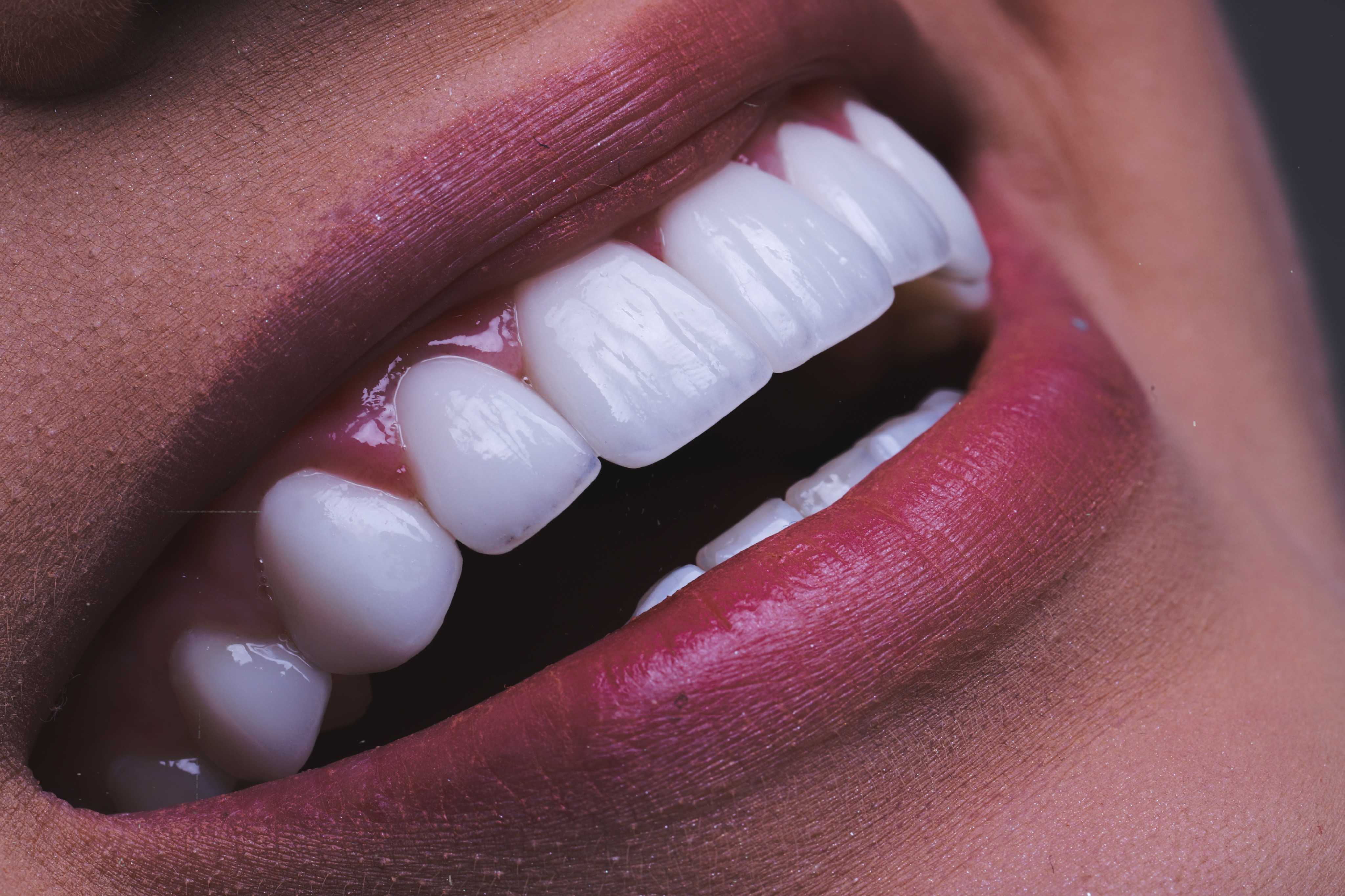
The majority of patients traveling across borders do so for treatments that are prohibitively expensive in their home countries. Cosmetic smile makeovers involving porcelain or composite veneers are highly sought after due to the meticulous aesthetic skills of Colombian specialists. These procedures typically require a shorter stay and offer dramatic visual improvements.
Restorative procedures make up the other major category. Single titanium dental implants, All-on-4 implant-supported dentures, and extensive bridge work are common. These structural treatments often involve specialists such as prosthodontists and oral and maxillofacial surgeons. Because these procedures rely heavily on advanced laboratory fabrication and precise surgical placement, patients often find that Colombian clinics equipped with in-house labs offer favorable turnaround times.
While routine procedures like fillings, root canals, and teeth whitening are widely available, they are rarely the sole reason a patient travels. However, many individuals opt to bundle these general dentistry needs alongside their primary cosmetic or restorative work to maximize the value of their trip.
How much does dental work cost in Colombia?
The primary driver for cross-border dental care is affordability. The lower cost of living, reduced overhead expenses for clinics, and favorable currency exchange rates contribute to the significant price differences. However, it is vital to remember that all provided numbers are estimates; every patient requires a customized treatment plan based on their unique anatomical needs.
Below is an estimated comparison table to illustrate potential differences in pricing. Keep in mind that flight, accommodation, and food expenses must be added to your total budget.
| Procedure | Estimated US Cost | Estimated Colombia Cost |
|---|---|---|
| Single Dental Implant (with crown) | $3,000 - $5,000 | $900 - $1,500 |
| Porcelain Veneer (per tooth) | $1,000 - $2,500 | $350 - $600 |
| All-on-4 Implant System (per arch) | $20,000 - $30,000 | $6,000 - $10,000 |
| Zirconia Crown | $1,200 - $2,000 | $400 - $600 |
When budgeting, patients must account for potential additional clinical costs, such as bone grafting, sinus lifts, tooth extractions, and temporary prosthetics. Requesting a detailed, itemized quote prior to travel helps prevent unexpected financial surprises.
How do I find a reputable dental work clinic in Colombia?
Patient safety and successful clinical outcomes depend entirely on selecting a qualified provider. Because regulations can vary internationally, the responsibility often falls on the patient to perform due diligence before committing to a treatment plan.
- Verify Specialization: Ensure the dentist performing the work is specifically trained for it. Implant placement should ideally be handled by a prosthodontist, periodontist, or oral surgeon, rather than a general practitioner.
- Check Diagnostic Technology: High-quality clinics invest in modern equipment such as 3D CBCT scanners, intraoral cameras, and CAD/CAM milling machines, which are critical for precise implant planning and crown fitting.
- Review Sterilization Protocols: Ask the clinic about their infection control measures. Facilities catering to international patients should prominently feature autoclaves and follow standards set by health authorities.
- Ask About Materials: Reputable clinics are transparent about the brands they use. They should provide verifiable tracking codes for implants and restorative materials.
- Request Before and After Photos: Evaluating a portfolio of past patient cases, specifically those similar to your needs, can give you insight into the aesthetic approach of the dental team.
How long should I plan to stay in Colombia for treatment?
A common misconception in medical travel is that all dental work can be completed in a single short vacation. While some clinics offer immediate-load implants or same-day crowns, biological realities often dictate a longer timeline. Rushing a procedure can increase the risk of implant failure, infection, or ill-fitting restorations.
For cosmetic procedures like veneers or a few crowns, patients typically stay between five and eight days. This allows time for the initial preparation, laboratory fabrication of the prosthetics, the final fitting, and a follow-up adjustment appointment.
Dental implants almost always require a more extended commitment. A standard implant protocol involves two phases. Phase one involves the surgical placement of the titanium post, requiring a stay of seven to ten days. The patient then returns home for three to six months while the bone fuses to the implant (osseointegration). Phase two involves returning to Colombia for another week to place the permanent abutments and crowns.
What is the quality of dental materials used in Colombia?
The materials used in your mouth directly impact the longevity, aesthetics, and safety of your treatment. High-end clinics in South America do not manufacture their own implants; they import them from major global dental manufacturers based in the US, Switzerland, Germany, and South Korea.
When discussing implants, patients should hear names of globally recognized systems. Using renowned brands ensures that if an abutment screw loosens or a crown chips years later, your local dentist at home will be able to identify the system and order the appropriate tools to fix it. If an obscure or obsolete implant system is used, a local provider may be unable to assist you.
For restorations, materials like medical-grade zirconia, E.max lithium disilicate, and high-quality porcelain are the standard for durability and a natural appearance. Always request an implant passport or material certificate upon completion of your work, which details the exact lot numbers and sizes of the materials placed in your mouth.
Is it safe to participate in medical tourism in Colombia?
Safety encompasses both your clinical wellbeing and your physical security while traveling. Clinically, the Colombian Ministry of Health enforces health and safety standards, and many private clinics voluntarily pursue international accreditations to demonstrate their commitment to biosecurity and patient care.
However, no medical procedure is free from risk. Complications such as infections, adverse reactions to anesthesia, excessive bleeding, or implant rejection can occur regardless of where the surgery takes place. Traveling long distances shortly after surgery can also present minor risks, such as localized swelling due to cabin pressure changes during flights.
From a travel perspective, cities like Medellín and Bogotá have modernized significantly and welcome thousands of international patients annually. While tourist areas are generally secure, visitors must exercise common sense. This includes using official transportation apps, avoiding isolated areas at night, and keeping valuables secure. Opting for accommodations in safe, central neighborhoods close to your chosen clinic can greatly reduce travel-related stress.
Will language barriers affect my dental treatment?
Clear communication is a critical component of medical care. You must be able to articulate your medical history, understand the proposed treatment plan, discuss potential risks, and comprehend the required aftercare instructions. A language barrier can lead to misunderstandings regarding consent or financial obligations.
While Spanish is the national language of Colombia, the medical tourism sector relies heavily on English proficiency. Many top-tier dentists have completed fellowships or continuing education courses in the United States or Europe. Furthermore, clinics dedicated to foreign patients typically provide English-speaking concierges who guide patients through every step of the process.
During your initial virtual consultations, you can evaluate the clinic's communication skills. If you find it difficult to get clear, understandable answers via email or video call, it may be a sign to continue your search.
What happens if I experience complications after returning home?
Post-operative care is the most vulnerable aspect of medical tourism. When a patient receives treatment in their hometown, they can easily return to the clinic if a crown feels high, a temporary falls out, or an infection develops. When an ocean separates the patient from the provider, managing complications becomes more complex.
Before undergoing extensive dental work abroad, it is highly recommended to speak with a local dentist who is willing to provide maintenance and emergency care. Some local practitioners may hesitate to adjust complex work initiated elsewhere, so securing this relationship early is beneficial.
In the event of a severe complication, such as a failed implant or severe infection, you may incur unexpected out-of-pocket costs at home to correct the issue. While some international clinics offer policies to replace failed implants at no clinical cost, the patient is usually responsible for the travel and accommodation expenses required to return to the facility.
How should I prepare for dental surgery before flying?
Successful cross-border treatment requires proactive preparation. You cannot simply arrive at a clinic and expect complex surgery the same day without preliminary planning. The first step usually involves visiting a local dental imaging center to obtain a recent panoramic x-ray or a 3D CBCT scan. Sending these digital files to the clinic in Colombia allows the surgical team to evaluate your bone density and provide a realistic, individualized treatment plan.
Additionally, you must assess your general health. Conditions such as uncontrolled diabetes, autoimmune disorders, or a history of radiation therapy can negatively impact healing and implant integration. Patients taking blood thinners or specific osteoporosis medications need clearance from their primary care physician before undergoing oral surgery.
Finally, ensure your passport is valid for at least six months beyond your planned date of entry. Build buffer days into your travel itinerary; dental lab work can sometimes require an extra day for final aesthetic adjustments, and having a flexible return flight reduces unnecessary stress.
Why Choose PlacidWay for Medical Tourism in Colombia?
PlacidWay is a comprehensive medical tourism platform designed to help patients navigate their international healthcare options with confidence.
Global Network Access
Connects patients with an extensive directory of recognized dental centers and specialists throughout major Colombian cities.
Transparent Information
Provides access to detailed clinic profiles, enabling patients to review cost estimates and available treatments prior to making decisions.
Provider Comparisons
Offers a centralized platform allowing users to compare multiple healthcare providers based on their professional credentials and facility capabilities.
Educational Resources
Supplies informative guides and articles to help patients understand the realities, logistics, and expectations of seeking healthcare abroad.
Direct Communication
Facilitates initial contact and direct communication lines between international patients and the clinical teams handling their prospective care.
Frequently Asked Questions
Can I get a full set of veneers in one trip to Colombia?
Yes, many patients complete veneer treatments in a single trip lasting between five and eight days, allowing sufficient time for consultations, laboratory fabrication, and final placement.
Are dental implants placed in Colombia recognized by US dentists?
Colombian dentists typically use major international implant brands that are easily recognized and maintained by dentists in the US, provided you carry your treatment records and material specifications.
Do Colombian dentists offer sedation dentistry for anxious patients?
Many clinics catering to international patients offer various forms of sedation, including oral sedatives and intravenous sedation, which must be administered and monitored by a qualified anesthesiologist.
Can I drink tap water in Colombia after oral surgery?
While tap water is generally safe in major cities like Bogota and Medellin, patients recovering from oral surgery are often advised to use bottled water for drinking and rinsing to minimize any risk of infection.
Do I need a visa to travel to Colombia for dental treatment?
Citizens from the US, Canada, and the EU generally do not need a visa for short tourist or medical visits to Colombia lasting less than ninety days, though passport validity requirements apply.
Can I use my US dental insurance in Colombia?
Most US dental insurance plans do not directly cover treatments received abroad. However, some providers may offer partial reimbursement for out-of-network international care if you submit detailed receipts and translated treatment codes.
What currency do dental clinics in Colombia accept?
While the official currency is the Colombian Peso, many clinics focused on international patients accept major credit cards and sometimes allow payments in US dollars, though exchange rates may vary.
Is bone grafting available in Colombia if I lack jawbone density?
Yes, specialists in Colombia frequently perform bone grafting and sinus lifts for patients who need additional bone volume before receiving dental implants, which usually extends the overall treatment timeline.
How soon can I fly after having dental implants placed in Colombia?
Patients are usually advised to wait two to three days after implant surgery or a sinus lift before flying, as cabin pressure changes can cause discomfort or affect the healing surgical sites.
Are there age limits for getting major dental work in Colombia?
There is no strict upper age limit for dental procedures, but elderly patients must undergo thorough health evaluations to ensure they are fit for surgery and have adequate bone density and healing capacity.
Compare Treatment Options
Take the next step in your dental health journey. Explore clinic profiles, verify credentials, and request educational information about treatments abroad.
Request Treatment InformationReferences
- Traveler's Health: Colombia – Centers for Disease Control and Prevention (CDC)
- Medical Tourism and Dental Care – American Dental Association (ADA)
- Oral Health Fact Sheet – World Health Organization (WHO)
- Survival Rates of Dental Implants – National Center for Biotechnology Information (NCBI)
- Getting Medical Care Abroad – Centers for Disease Control and Prevention (CDC)
- Oral Health Guidelines and Standards – Ministry of Health and Social Protection of Colombia (MinSalud)

























Share this listing