
Affordable Arthritis Stem Cells: Thailand
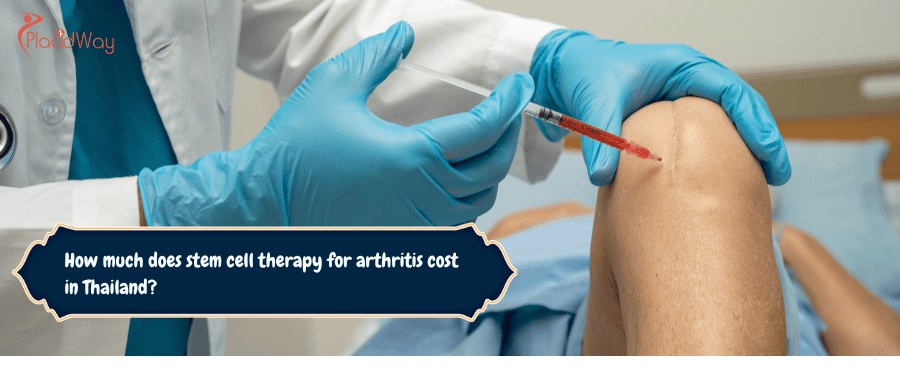
Dealing with chronic joint pain can deeply impact your daily life, making simple tasks feel like major hurdles. If conventional methods have not provided the relief you need, you might be researching alternative options abroad. Knowing the stem cell therapy for arthritis cost in Thailand can help you decide if pursuing this route aligns with your healthcare budget and personal preferences.
Many patients consider combining healthcare with international travel, drawn by the prospect of accessing different medical approaches. Finding a stem cell therapy clinic in Thailand often requires navigating varying price structures, treatment protocols, and travel logistics. This guide explores the financial aspects, medical considerations, and practical steps involved in exploring joint therapy overseas.
Key Takeaways
- Costs generally range from $5,000 to $12,000 depending on the complexity of the protocol.
- Prices often exclude international flights, long-term accommodations, and post-care physical therapy back home.
- Outcomes vary by individual; improvements in mobility or pain reduction are never guaranteed.
- Patients should consult with a domestic orthopedic specialist before seeking elective joint treatments abroad.
- Thoroughly vetting the facility and planning for local follow-up care is essential for patient safety.
What factors influence the cost of stem cell treatment for arthritis in Thailand?
When you start requesting quotes from overseas facilities, you will likely notice a significant variation in estimates. One major factor is the cell source. Treatments using autologous cells—those harvested from your own fat tissue or bone marrow—often carry different costs compared to allogeneic cells, which are typically sourced from donated umbilical cord tissue. Harvesting your own cells involves an additional minor surgical step, like mini-liposuction or a bone marrow aspiration, which can influence the final bill.
The complexity of your specific joint issue also plays a role. Treating a single, easily accessible joint like a knee might cost less than addressing multiple joints or deeper structures like the hip or spine. Advanced imaging techniques, such as fluoroscopy or ultrasound guidance used during the injection to ensure precise placement, can add to the baseline fee.
Finally, the location and amenities of the facility affect pricing. A facility catering heavily to international visitors in a central metropolitan area may charge premium rates for concierge services, private recovery suites, and multilingual staff. Understanding these variables helps you accurately compare quotes and set realistic financial expectations.
How does the price in Thailand compare to North America or Europe?
Many individuals turn to international options because similar regenerative protocols in their home countries can be financially prohibitive. The lower cost of living, favorable currency exchange rates, and differing regulatory environments allow overseas facilities to operate with reduced overhead. These savings are frequently passed on to the patient in the form of lower treatment fees.
While the initial quote may look attractive, you need to calculate the true total cost. Traveling across the globe involves expensive airfare, multi-week hotel stays, local transportation, and travel insurance. Once these travel-related expenses are added to the medical bill, the financial gap narrows.
| Expense Category | Estimated Range (USD) |
|---|---|
| Medical Procedure | $5,000 - $12,000 |
| Round-trip Airfare | $800 - $2,500 |
| Accommodation (7-14 days) | $500 - $2,000 |
| Pre-trip medical tests at home | $200 - $800 |
Always weigh the potential savings against the physical toll of long-haul travel, especially when dealing with mobility issues. A realistic budget must account for every step of the journey, not just the time spent inside the clinic.
Are there hidden fees I should know about before traveling?
Transparency is a critical component of safe medical travel. Some facilities advertise a low baseline price to attract attention but add separate charges for essential parts of the protocol. When requesting a quote, ask for a fully itemized breakdown.
You need to clarify whether the quote covers pre-procedure MRI scans or X-rays. Even if you bring imaging from home, doctors often require fresh scans using their own equipment to plan the injection accurately. Additionally, ask about the costs associated with anesthesia or local numbing agents used during cell harvesting.
Post-procedure expenses can also catch patients off guard. You might be prescribed pain management medications, anti-inflammatory drugs, or assistive devices like a knee brace. Some facilities also recommend a few sessions of gentle physical therapy before you fly home. Ensure all these potential extras are clearly outlined in your initial financial discussions.
What types of stem cells are typically used for arthritis?
Understanding the biology behind the procedure helps set realistic expectations. Stem cell therapy for arthritis in Thailand often focuses on Mesenchymal Stem Cells (MSCs). In theory, these cells may help modulate local inflammation and create an environment more conducive to tissue repair, though they do not simply regrow completely new cartilage in a severely degenerated joint.
Autologous treatments, which use your own cells, are very common. A doctor will typically extract a small amount of adipose (fat) tissue from your abdomen or draw bone marrow from your pelvis. The sample is then processed in a laboratory to concentrate the cells before being reintroduced into your arthritic joint.
Alternatively, some providers suggest allogeneic cells, which come from screened, donated biological materials like umbilical cord tissue. This method bypasses the need for a harvesting procedure on your body. However, introducing foreign biological material carries different risk profiles, and regulations regarding allogeneic products vary significantly across different healthcare systems.
Am I a good candidate for this type of arthritis treatment?
Not everyone with joint pain is an ideal candidate for regenerative injections. Before booking flights, you should have a frank conversation with your local orthopedic specialist. Patients with severe, end-stage osteoarthritis—often described as "bone-on-bone"—may not respond favorably to injections, as there is little to no existing cartilage structure left to support.
Additionally, your overall health profile matters. Individuals with active infections, blood clotting disorders, uncontrolled diabetes, or certain autoimmune conditions might face higher risks of complications and could be advised against the procedure. A responsible provider will carefully evaluate your medical history to confirm suitability.
It is crucial to remember that this treatment is not a definitive cure. The primary goal for suitable candidates is often symptom management—reducing daily pain and improving joint function. Managing your expectations and understanding that results vary widely from person to person is a vital part of the preparation process.
What happens during a typical stem cell procedure in Thailand?
The journey usually begins with an in-depth consultation upon your arrival. The medical team reviews your scans, conducts a physical examination of the joint, and finalized the treatment protocol. Depending on the facility, this might take a full day.
If you are receiving an autologous treatment, the next step involves harvesting. Under local anesthesia, the doctor extracts fat tissue or bone marrow. You may feel pressure or mild discomfort, but pain is typically managed well. The biological material is then sent to a sterile laboratory setting where it is centrifuged and processed to isolate the necessary cells.
The final step is the injection. Using ultrasound or fluoroscopic guidance, the physician carefully injects the concentrated cell mixture directly into the joint capsule. The injection itself takes only a few minutes. Because the entire protocol is usually performed on an outpatient basis, you will likely return to your hotel room to rest the same day.
How long is the recovery period after the injections?
Immediately following the procedure, it is normal to experience some localized swelling, stiffness, and minor pain at both the harvesting site and the injected joint. The medical team will provide guidelines on how to manage these symptoms, often suggesting rest and specific pain relievers.
You will be instructed to avoid anti-inflammatory medications (like ibuprofen) for a certain period, as inflammation is actually a necessary part of the early healing cascade triggered by the injection. During the first few weeks, low-impact movements are encouraged to keep the joint mobile, but heavy lifting, running, or high-impact sports must be avoided.
Long-term recovery and potential symptom improvement happen gradually. Some individuals notice changes within a few weeks, while for others, it may take several months to evaluate whether the therapy has been effective. Committing to a prescribed physical therapy regimen once you return home is often vital to supporting joint mechanics during this period.
What are the potential risks and complications?
Any medical intervention carries inherent risks, and it is crucial to approach medical tourism in Thailand with a clear understanding of potential adverse events. Joint injections can sometimes cause temporary flare-ups, increasing pain and stiffness for a short duration. Bleeding or nerve damage at the injection or harvest site are rare but possible complications.
Infection is a serious concern with any procedure that breaks the skin or enters a joint capsule. If bacteria enter the joint, it can lead to septic arthritis, a severe condition requiring immediate medical intervention and antibiotics. This highlights the importance of choosing a facility that maintains strict sterilization and hygiene protocols.
Furthermore, one of the most significant risks is financial and emotional: the treatment might not work. Because individual biology and joint damage vary drastically, a procedure that provides relief for one person may offer no benefit to another. Discuss these possibilities with a neutral healthcare provider before making your decision.
How do I plan a safe medical trip for joint therapy?
Safety should always be the priority when traveling abroad for care. Start by thoroughly researching any facility you are considering. Look for internationally recognized accreditations and verify the credentials of the specific physicians performing the procedure. It is wise to ask how often they perform these specific joint injections.
Logistical planning requires buffering your travel dates. Arrive a few days before your appointment to acclimatize and recover from jet lag. Do not schedule a flight immediately after the procedure. Give yourself at least several days in a comfortable hotel to manage early soreness and attend any post-procedure check-ups.
Continuity of care is perhaps the most vital step. You cannot rely on an overseas doctor for long-term monitoring. Before you leave your home country, arrange for a local orthopedic specialist or physical therapist to manage your recovery, monitor your joint health, and step in if any complications arise after you return.
Why Choose PlacidWay for Medical Tourism Research?
Navigating international healthcare options can be overwhelming. PlacidWay serves as a global medical tourism platform to help patients gather information and explore their options.
- Global Network: PlacidWay connects patients with healthcare providers, clinics, and facilities across numerous countries.
- Informational Resources: The platform offers access to detailed profiles on international medical centers and the procedures they offer.
- Comparative Tools: Users can browse and compare different destinations and treatment approaches in one centralized location.
- Treatment Insights: PlacidWay provides educational content regarding various elective and specialized treatments available abroad.
- Facilitated Connections: The platform allows patients to request information directly from international facilities to support informed decision-making.
Frequently Asked Questions
Is stem cell therapy for arthritis approved by medical regulators in Thailand?
Medical regulators in the country do oversee regenerative medicine practices. However, guidelines frequently update, and therapies are often considered investigational. Patients should verify that their chosen facility follows local medical council regulations.
How many injections will I need for my knees?
The number of injections depends on the severity of your joint degeneration and the specific protocol recommended by the attending specialist. Many patients receive a single targeted injection per joint, while others might need a multi-step protocol over several days.
Can I get treatment for rheumatoid arthritis or just osteoarthritis?
Facilities often focus primarily on osteoarthritis, which is a mechanical wear-and-tear condition. Rheumatoid arthritis is an autoimmune disorder requiring systemic treatment, and while some facilities offer protocols for autoimmune conditions, eligibility requires strict evaluation by a rheumatologist.
Does health insurance cover the cost of this procedure abroad?
Standard domestic health insurance plans rarely cover regenerative joint therapies performed overseas, as these treatments are often classified as elective or experimental. You should expect to pay out-of-pocket.
How long do the effects of the treatment usually last?
If a patient experiences symptom relief, the duration can vary widely. Some individuals report reduced pain for several months to a few years, while others may not experience significant long-term changes. Results are highly individualized.
Are there age restrictions for receiving this treatment?
While there is no strict upper age limit, a patient's overall health and the quality of their autologous cells can decline with advanced age. A thorough medical evaluation determines if an older adult is physically fit for the harvesting and injection process.
Can I fly home immediately after receiving the injection?
Physicians usually advise against flying for at least a few days after the procedure. Sitting in a pressurized cabin for long hours can increase swelling, stiffness, and the risk of blood clots. A short recovery period before travel is typically recommended.
What should I do if I experience a complication after returning home?
You must establish a relationship with a local healthcare provider before you travel. If you experience unusual swelling, intense pain, or fever after returning home, seek immediate medical attention from your local doctor or emergency department.
How long do I need to stay in the country for the entire process?
Most international patients plan to stay for one to two weeks. This timeframe allows for initial consultations, necessary imaging, the procedure itself, and an initial follow-up appointment to monitor for early side effects before traveling.
Do I need to bring my medical records from my local doctor?
Yes. Bring all relevant medical history, including recent X-rays or MRI scans, blood test results, and a current list of medications. Providing comprehensive records helps the overseas medical team accurately assess your joint health.
Explore Your Joint Therapy Options
Gather information, compare international facilities, and take the next step in understanding your medical options abroad.
Request Treatment InformationReferences
- Osteoarthritis Information – American College of Rheumatology
- Cellular Therapy Guidelines – International Society for Cellular Therapy (ISCT)
- Medical Tourism Safety Guidelines – Centers for Disease Control and Prevention (CDC)
- Osteoarthritis Treatment Guidelines – Osteoarthritis Research Society International (OARSI)
- Osteoarthritis Fact Sheet – World Health Organization (WHO)
- Regenerative Medicine for Arthritis – Arthritis Foundation
- Stem Cell Information Basics – National Institutes of Health (NIH)





























Share this listing