
A Guide to Stem Cell Treatment for Pulmonary Disease in Colombia
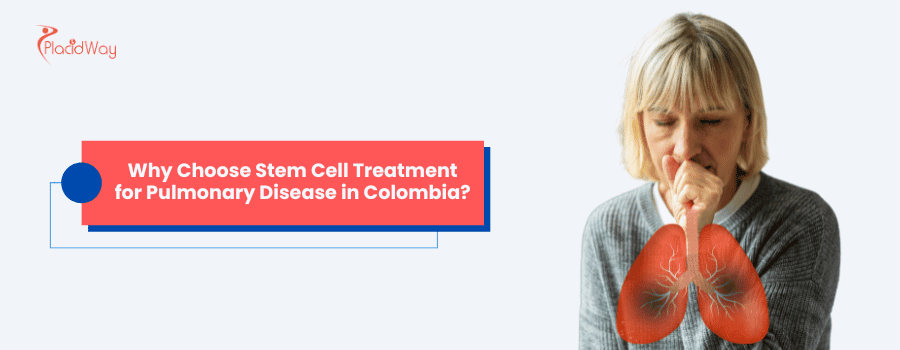
Living with chronic respiratory conditions like Chronic Obstructive Pulmonary Disease (COPD) or Idiopathic Pulmonary Fibrosis (IPF) can severely impact your quality of life. As conventional treatments largely focus on symptom management, many patients explore alternative options abroad. In recent years, evaluating stem cell treatment for pulmonary disease in Colombia has become increasingly common among international patients seeking investigational regenerative therapies.
Colombia has developed a robust healthcare infrastructure, particularly in major cities like Bogotá, Medellín, and Cali. While stem cell therapy for lung conditions remains an experimental approach worldwide, Colombian facilities often utilize controlled laboratory environments to offer these services. Understanding the medical realities, potential risks, and logistical requirements is essential before deciding to travel for care.
Key Takeaways
- Stem cell therapies for lung diseases are investigational and aimed at reducing inflammation, not curing the underlying condition.
- Colombia provides access to specialized clinics equipped with modern, regulated laboratories.
- Outcomes vary widely by patient; extensive lung scarring cannot be reversed.
- Thorough pre-travel evaluation by your primary pulmonologist is strictly necessary.
- Treatment abroad requires out-of-pocket payment, as it is rarely covered by health insurance.
1. How does stem cell therapy target pulmonary diseases?
When administered into the body, mesenchymal stem cells are believed to seek out areas of severe inflammation—a process sometimes referred to as "homing." In patients with chronic lung diseases, the lung tissue is in a constant state of immune distress. The investigational goal of introducing MSCs is to calm this overactive immune response, potentially reducing ongoing damage to the alveoli (air sacs) and surrounding tissues.
Furthermore, researchers are studying how stem cells release specific proteins and growth factors, known as exosomes. These factors may help support the body's natural cellular repair processes. It is crucial to understand that while these cells may help create a healthier microenvironment in the lungs, they do not magically regrow lost lung tissue or cure the disease.
2. What specific lung conditions are commonly evaluated for this treatment?
Patients who seek this therapy often have conditions characterized by chronic airway obstruction or progressive scarring. In COPD (which includes emphysema and chronic bronchitis), the therapy aims to address the persistent inflammation that makes breathing difficult. For pulmonary fibrosis, where the lung tissue becomes thick and stiff, the focus is on potentially slowing down the fibrotic process, though existing scar tissue cannot be removed.
Eligibility heavily depends on the stage of the disease. Patients in the absolute final stages of lung failure may not be suitable candidates, as they may be too fragile to travel or undergo treatment. A comprehensive review of your lung function tests and imaging is required to determine if the potential benefits outweigh the risks of travel and intervention.
3. Are stem cell treatments for lung diseases a guaranteed cure?
It is vital to approach regenerative medicine with realistic expectations. Chronic pulmonary diseases are progressive, meaning they naturally worsen over time. There is currently no medical intervention, including stem cells, that can permanently reverse these conditions or restore lungs to a completely healthy state.
For some patients, successful symptom management might mean less reliance on supplemental oxygen, improved stamina for daily activities, or fewer severe exacerbations requiring hospitalization. However, other patients may experience little to no noticeable improvement. Individual biology, disease severity, and adherence to post-treatment pulmonary rehabilitation all play significant roles in the outcome.
4. What is the estimated stem cell treatment for pulmonary disease cost in Colombia?
When considering medical care abroad, financial planning is a major factor. The variation in the stem cell treatment for pulmonary disease cost in Colombia stems from the type of stem cells utilized (autologous vs. allogeneic), the number of cell infusions required, and the complexity of the patient's medical needs.
This price range generally includes the medical consultation, laboratory processing, and the administration of the therapy itself. It usually does not cover airfare, hotel accommodations, or specialized medical transport if required. Even with these additional travel expenses, many North American and European patients find the overall expenditure lower than seeking similar investigational therapies closer to home.
5. What should I look for in a stem cell treatment for pulmonary disease clinic in Colombia?
Safety should always be your primary concern. Because you are dealing with biological materials, the cleanliness and regulation of the laboratory where the cells are processed are critical. GMP-compliant facilities follow strict quality control standards to minimize the risk of contamination.
- Request detailed information about the source of the stem cells.
- Ensure the medical team includes licensed physicians, preferably with experience in pulmonology or regenerative medicine.
- Avoid any clinic that guarantees a cure or promises 100% success rates.
- Ask for clear explanations of how adverse reactions are handled.
- Verify that the facility requires comprehensive medical records before accepting you as a patient.
6. Why is medical tourism in Colombia popular for regenerative therapies?
Colombia has actively positioned itself as a prominent destination for international healthcare. Cities such as Bogotá, Medellín, and Cali host modern hospitals and specialized clinics that rival those found in more developed nations. Many Colombian physicians complete portions of their medical training in the United States or Europe, bringing international standards back to their local practices.
Furthermore, the country's national regulatory body, INVIMA, oversees biological products and clinical safety. While the burden of vetting a specific clinic still rests on the patient, the general regulatory environment for medical tourism in Colombia is structured to maintain healthcare quality while offering procedures at more accessible price points.
7. How are stem cells administered for respiratory conditions?
The delivery method is chosen based on the specific protocol of the clinic and the patient's condition. Intravenous (IV) infusion is the most common method. When stem cells are introduced into a vein, they travel through the heart and directly into the pulmonary circulation. The lungs act as a massive filter, naturally trapping many of the infused cells where they can potentially exert their anti-inflammatory effects.
Some clinics also utilize nebulization, where patients inhale a fine mist containing cellular products or exosomes. This aims to deliver the treatment directly to the mucosal lining of the respiratory tract. A combination of both methods is sometimes used, though both remain investigational techniques requiring careful medical oversight.
8. What are the potential risks and side effects?
No medical procedure is entirely free of risk. The most commonly reported side effects following a stem cell infusion are mild and temporary. Patients may experience a low-grade fever, headache, chills, or fatigue for 24 to 48 hours as the body's immune system reacts to the biological materials.
However, more severe complications can occur, particularly if the cells are improperly handled or if the patient has an underlying vulnerability. Risks include infections, allergic reactions, or unexpected interactions with existing health conditions. This highlights why thorough pre-screening and choosing a facility with rigorous lab safety standards are non-negotiable steps.
9. What is the typical recovery process after lung stem cell therapy?
Because the therapy is minimally invasive, it does not involve the long hospital stays associated with surgical procedures. Patients usually spend a few hours at the clinic for the actual administration. After the treatment, physicians strongly advise resting at your hotel in Colombia for at least a couple of days.
During this brief recovery window, the local medical team will monitor you for any immediate adverse reactions, such as fever or breathing difficulties. Once cleared by the doctor, you can arrange your flight home. It is highly recommended to arrange a follow-up appointment with your home pulmonologist shortly after your return.
10. How long does it take to notice potential improvements?
Regenerative therapies do not act like fast-acting rescue inhalers. The biological processes involved in modulating inflammation take time. Patients rarely feel immediate changes to their respiratory function upon leaving the clinic.
Tracking progress requires patience and consistent monitoring. Patients are encouraged to keep a journal of their daily stamina, oxygen usage (if applicable), and instances of breathlessness. Routine pulmonary function tests (PFTs) conducted by your local physician over the subsequent months will provide objective data on whether the investigational therapy has helped stabilize your condition.
Why Choose PlacidWay for Medical Tourism in Colombia?
Navigating healthcare options abroad can be overwhelming, especially when researching complex investigational treatments. PlacidWay serves as a global medical resource to help patients gather information before making healthcare decisions.
- Extensive Directory: PlacidWay provides access to an international directory of healthcare facilities, allowing you to research clinics in Colombia and beyond.
- Cost Comparisons: The platform offers resources to help you compare estimated treatment costs across different global regions.
- Direct Connections: Patients can use the platform to connect directly with medical providers for initial consultations and questions.
- Educational Content: PlacidWay supplies informational articles and guides regarding various medical procedures and destination highlights.
- Informational Focus: The platform is designed strictly for informational and connection purposes, allowing you to independently evaluate your options.
Frequently Asked Questions
Do I need to bring my medical records to Colombia?
Yes, you should bring all relevant medical records, including recent pulmonary function tests (PFTs), CT scans, and a detailed list of current medications to allow the medical team to properly evaluate your condition.
Can I fly immediately after receiving stem cell IV therapy?
Physicians generally recommend waiting 24 to 48 hours after your final treatment before flying. This allows the local medical team to monitor you for any immediate adverse reactions before you board a pressurized aircraft.
Are the stem cells used in Colombia derived from embryos?
No. Reputable clinics typically use either autologous adult stem cells (harvested from your own fat or bone marrow) or ethically sourced allogeneic mesenchymal stem cells (MSCs), often derived from donated umbilical cord tissue (Wharton’s jelly).
Will I still need my inhalers and oxygen therapy?
Yes. You must continue your prescribed inhalers, oxygen, and other conventional therapies. Never alter or stop your current medical regimen without direct approval from your primary pulmonologist.
Does health insurance cover stem cell therapy for COPD in Colombia?
Because stem cell therapy for pulmonary diseases is currently considered investigational, it is rarely covered by standard health insurance. Patients usually pay for these procedures and associated travel out-of-pocket.
How long do I need to stay in Colombia for the entire process?
Patients typically stay in Colombia for 5 to 10 days. This timeframe accommodates the initial consultation, the administration of the cells, and a brief monitoring period before returning home.
Can advanced-stage pulmonary fibrosis be reversed?
No. Extensive scarring (fibrosis) in the lungs cannot be reversed by stem cell therapy. The goal of investigational treatment is typically to manage inflammation and potentially slow further progression, rather than cure the existing damage.
What follow-up care is required after returning home?
After returning home, you will need ongoing care and regular check-ups with your local pulmonologist to monitor your lung capacity, manage conventional medications, and address any potential complications.
Is an age limit enforced for this procedure?
While there is no universal age limit, older adults are evaluated on a case-by-case basis. Your overall health, organ function, and ability to safely travel and undergo the procedure matter more than your chronological age.
Are stem cell protocols in Colombia regulated?
Yes, biological products and medical practices in Colombia are overseen by the National Food and Drug Surveillance Institute (INVIMA). However, patients must still carefully verify that their chosen facility complies with these national safety standards.
Compare Treatment Options in Colombia
Gather the information you need to make an informed decision about investigational pulmonary therapies. Request details from clinics today.
Request Treatment InformationReferences
- Mesenchymal Stem Cells for the Treatment of COPD – National Institutes of Health (NIH) / PubMed
- Chronic Obstructive Pulmonary Disease (COPD) Facts – World Health Organization (WHO)
- Important Patient Information About Regenerative Medicine Therapies – U.S. Food and Drug Administration (FDA)
- Patient Guide to Stem Cell Treatments – International Society for Stem Cell Research (ISSCR)
- Traveler's Health: Colombia – Centers for Disease Control and Prevention (CDC)
- Patient Education: Stem Cell Therapy for Lung Diseases – American Thoracic Society (ATS)

























Share this listing