
A Guide Stem Cell Therapy for Osteoarthritis in Colombia
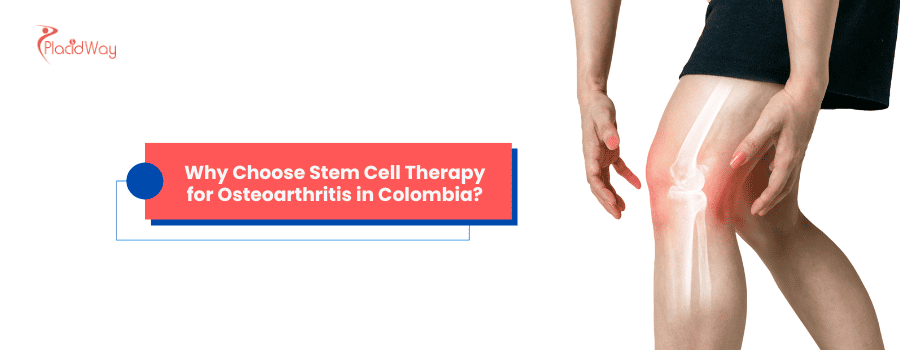
Living with chronic joint pain can significantly impact your daily routines, mobility, and overall well-being. For those exploring alternatives to traditional joint replacement surgery or long-term medication use, regenerative medicine has become a popular avenue of research. Many international patients are now considering stem cell therapy for osteoarthritis in Colombia as a potential option to manage their symptoms. This guide explores how the procedure works, estimated expenses, patient suitability, and what you should know before traveling for care.
Key Takeaways
- Treatments aim to manage joint inflammation, reduce pain, and improve mobility in affected areas like the knees, hips, or shoulders.
- Costs in Colombia are generally more accessible than in the US or Canada, though prices vary by clinic and biological material used.
- Stem cell therapy is not a permanent cure and is most suitable for patients with mild to moderate joint degeneration.
- Thorough medical evaluation is necessary to ensure safety and determine if you are a candidate for regenerative treatments.
- Patients should plan for appropriate post-procedure rest and coordinate follow-up care with their local healthcare provider back home.
How does stem cell therapy for osteoarthritis actually work?
Osteoarthritis is characterized by the gradual breakdown of cartilage, which leads to pain, swelling, and stiffness in the joints. Regenerative medicine approaches, such as stem cell injections, focus on addressing the inflammatory processes that contribute to this degradation. Mesenchymal stem cells (MSCs) are often utilized because they have the unique ability to release anti-inflammatory proteins and growth factors into the affected area.
During a typical procedure, a medical professional injects a concentrated dose of these cells directly into the joint capsule under ultrasound or fluoroscopic guidance. This precision ensures the biological material reaches the specific area of tissue damage. The goal is to alter the biochemical environment within the joint, which can help reduce swelling and alleviate pain.
It is crucial to understand that stem cell therapy does not regrow a completely new joint or replace lost cartilage entirely. Instead, the therapeutic benefits primarily stem from the cells' ability to signal the body's natural healing mechanisms. Outcomes vary significantly among individuals, and a successful treatment may result in improved function and delayed progression of symptoms rather than a structural reversal of the disease.
What is the estimated stem cell therapy for osteoarthritis cost in Colombia?
Pricing for regenerative therapies can fluctuate based on several factors, including whether the stem cells are autologous (harvested from your own body) or allogeneic (sourced from donor umbilical cord tissue). The complexity of the harvesting process, laboratory processing fees, and the expertise of the medical team all contribute to the final price.
Despite these variables, many international patients find that the financial outlay in Colombia is considerably lower than comparable treatments in North America. When evaluating costs, patients should inquire about what is included in the quoted price. A transparent estimate should break down the cost of initial consultations, diagnostic imaging (such as MRIs or X-rays), cell processing, the injection procedure itself, and post-treatment follow-up appointments.
Who is an ideal candidate for joint stem cell treatments?
Not everyone with joint pain will benefit from regenerative therapies. A qualified medical professional must perform a comprehensive evaluation, including a review of your medical history, current symptoms, and recent diagnostic imaging, to determine eligibility. Ideal candidates often share specific characteristics.
Individuals who tend to respond best are those in the earlier stages of joint degeneration. If the joint has reached the stage of severe, bone-on-bone osteoarthritis (Stage 4), the structural damage is often too extensive for stem cells to provide meaningful relief. In these advanced cases, orthopedic surgeons typically recommend joint replacement surgery as the most appropriate course of action.
Additionally, patients should be in good general health. Underlying medical conditions, such as active infections, certain autoimmune disorders, bleeding disorders, or active cancers, may disqualify a person from undergoing treatment safely. Your doctor will discuss these contraindications during the initial consultation.
What types of stem cells are primarily used in Colombian clinics?
- Bone Marrow Aspirate Concentrate (BMAC): This method involves extracting bone marrow, usually from the patient's pelvis, using a specialized needle. The marrow is then centrifuged to isolate and concentrate the stem cells before injection into the joint.
- Adipose-Derived Stem Cells: Fat tissue contains a rich supply of mesenchymal stem cells. A physician performs a minor liposuction procedure, typically from the abdomen or flank, to collect the fat. The tissue is processed to separate the regenerative cells for treatment.
- Umbilical Cord Tissue (Wharton's Jelly): Some clinics use ethically donated umbilical cord tissue obtained after healthy, full-term births. These cells are screened extensively for infectious diseases. They are highly concentrated and do not require an invasive harvesting procedure from the patient.
Are stem cell treatments safe for knee and hip osteoarthritis?
Safety is a primary concern for any medical procedure. Generally, intra-articular (joint) injections of stem cells are well-tolerated. Because autologous treatments use your body's own cells, the risk of an allergic reaction or tissue rejection is virtually eliminated. When allogeneic (donor) cells are used, rigorous screening and processing protocols are essential to minimize the risk of disease transmission or adverse immune responses.
However, all injection procedures carry inherent risks. The most frequently reported adverse events are mild and temporary, including pain, stiffness, or fluid accumulation at the injection site that resolves within a few days. The most serious risk is a joint infection, which can occur if sterile techniques are not strictly adhered to during the injection process.
To prioritize patient safety, it is vital to ensure that the medical team has specialized training in orthopedic procedures and uses imaging guidance (like ultrasound) to accurately place the needle without damaging surrounding nerves or blood vessels.
How long does the recovery process usually take?
Recovery following a joint stem cell injection is usually much quicker than recovery from invasive joint surgery, but it still requires careful management. For the first 48 to 72 hours, patients are typically advised to rest the treated joint, use supportive devices if necessary (such as crutches or a brace), and avoid anti-inflammatory medications (NSAIDs), as these can interfere with the biological healing process.
After the initial rest period, a physician will often recommend a tailored physical therapy program. Gentle range-of-motion exercises help integrate the cells into the joint environment and prevent stiffness. Strengthening the muscles around the joint is a crucial component of long-term recovery and symptom management.
It is important to remember that biological healing takes time. Patients may not notice significant improvements in pain or mobility for several weeks to a few months as the cells work to reduce inflammation and promote tissue repair.
How are regenerative medicine facilities regulated in Colombia?
Colombia has established frameworks governing healthcare infrastructure and advanced medical treatments. Regulatory bodies oversee the authorization of clinics and the protocols for processing human cells and tissues. When researching a stem cell therapy clinic in Colombia, patients should verify that the facility complies with local health regulations and holds current operating licenses.
Legitimate facilities will be transparent about their laboratory affiliations, the sourcing of their biological materials, and the credentials of their medical staff. Look for specialists who hold board certifications in relevant fields such as orthopedics, rheumatology, or sports medicine. A reputable provider will focus on patient education, thoroughly discuss potential risks, and never pressure a patient into undergoing treatment.
What makes medical tourism in Colombia appealing for joint therapies?
Colombia has emerged as a prominent destination for international patients seeking specialized medical care. Cities like Bogotá, Medellín, and Cali boast medical centers equipped with advanced diagnostic and surgical technologies. Many of the physicians practicing in these centers have completed fellowships or specialized training in North America or Europe, bringing international standards of care to their local practices.
Beyond the medical infrastructure, the appeal lies in the comprehensive patient experience. Many clinics catering to international visitors offer dedicated international patient departments. These teams assist with communication, appointment scheduling, and understanding medical documents, helping to ease the stress of navigating healthcare in a foreign country.
How long do the effects of stem cell injections typically last?
The longevity of treatment outcomes is one of the most common concerns for prospective patients. Because osteoarthritis is a chronic and progressive condition, stem cell therapy should be viewed as a management tool rather than a permanent cure. Some patients experience significant pain reduction and improved mobility that lasts for years, while others may notice benefits wearing off after several months.
Factors that influence the duration of relief include the mechanical alignment of the joint, body weight, and adherence to post-treatment physical therapy. Maintaining a healthy weight reduces mechanical stress on weight-bearing joints like hips and knees, potentially extending the benefits of the therapy. Patients should have realistic expectations and discuss the potential need for future booster treatments with their provider.
How should I prepare for traveling to Colombia for osteoarthritis treatment?
Thorough preparation is critical when planning medical care abroad. Begin by requesting recent medical records, MRI scans, or X-rays of the affected joint, as the treating physician in Colombia will need these for a proper remote evaluation before your arrival. Ensure these documents are translated if required by the clinic.
Before you depart, schedule a consultation with your local physician. Discuss your plans and ask them to clear you for travel, particularly if you have underlying health conditions. Furthermore, it is vital to establish an agreement with a local doctor or orthopedic specialist who can monitor your recovery and address any rare complications that might arise after you return home.
Logistically, plan your travel itinerary to minimize physical strain. Consider booking direct flights if possible, and arrange for appropriate accommodation close to the clinic with easy access (e.g., ground floor or elevator access) since your joint mobility may be temporarily restricted following the injection.
Why Choose PlacidWay for Medical Tourism in Colombia?
Navigating international healthcare options requires access to transparent information and structured comparisons.
- Comprehensive Provider Profiles: PlacidWay offers detailed profiles of medical facilities, allowing patients to review available technologies and clinic infrastructure.
- Direct Communication: The platform enables patients to connect directly with medical teams in Colombia to ask specific questions about treatment protocols.
- Information Consolidation: Patients can access educational materials regarding various treatments, helping them make informed healthcare decisions.
- Cost Transparency: PlacidWay allows users to request and compare estimated pricing structures from multiple international facilities.
- Global Network: The platform lists medical facilities and specialists across various specialties, aiding patients in finding providers relevant to their specific joint care needs.
Frequently Asked Questions
Can stem cells cure osteoarthritis completely?
Stem cell therapy is not a cure for osteoarthritis. It is primarily used to manage symptoms, reduce inflammation, and improve joint function, but it cannot fully reverse joint degeneration.
Is the joint injection procedure painful?
The procedure is typically performed using local anesthesia to minimize pain. Patients may feel mild pressure during the injection and some discomfort or swelling in the joint for a few days afterward.
Will I need multiple treatment sessions?
Many patients undergo a single session, while others may require follow-up or booster injections after several months or years, depending on their individual response and the severity of their condition.
Does health insurance cover this procedure in Colombia?
International health insurance plans generally do not cover regenerative medicine procedures abroad. Patients traveling to Colombia for stem cell treatments usually pay out-of-pocket.
What happens if I experience complications after returning home?
It is essential to establish a relationship with a local healthcare provider before you travel. If complications arise back home, your local physician can provide necessary follow-up care and assess the joint.
Can I combine stem cell therapy with PRP?
Medical providers sometimes combine stem cell treatments with Platelet-Rich Plasma (PRP) therapy to potentially enhance the healing environment in the joint, though this depends on the specific clinical protocol.
How soon can I fly after joint stem cell injections?
Most patients can fly within a few days after the procedure. However, prolonged sitting can cause joint stiffness, so your doctor may recommend specific movement exercises or a waiting period based on which joint was treated.
What language is primarily spoken in Colombian medical facilities?
While Spanish is the official language, many specialists and medical staff in facilities catering to international patients speak English or provide translation services to ensure clear communication.
Can older adults safely undergo stem cell therapy in Colombia?
Age alone is not necessarily a barrier to treatment. Suitability is based on overall health, the stage of osteoarthritis, and a thorough medical evaluation by the attending physician.
Are there specific medical contraindications for this procedure?
Yes, contraindications often include active infections, certain blood disorders, active cancer, or severe bone-on-bone osteoarthritis where joint replacement surgery might be the only viable option.
Compare Treatment Options
Gather information, review clinic details, and request personalized estimates for your specific condition.
Request Treatment InformationReferences
- Stem Cell Therapy for Arthritis – Arthritis Foundation
- Medical Tourism: Travel to Another Country for Medical Care – Centers for Disease Control and Prevention (CDC)
- Mesenchymal Stem Cells for Osteoarthritis: Current Perspectives – National Institutes of Health (NIH) / PubMed Central
- FDA Warns About Stem Cell Therapies – U.S. Food and Drug Administration (FDA)
- General Healthcare Regulations – Ministry of Health and Social Protection (Colombia)
- Stem Cell and Other Biologic Treatments – American Academy of Orthopaedic Surgeons (AAOS)




























Share this listing