


Seeking Alternative Colon Cancer Help in Mexico
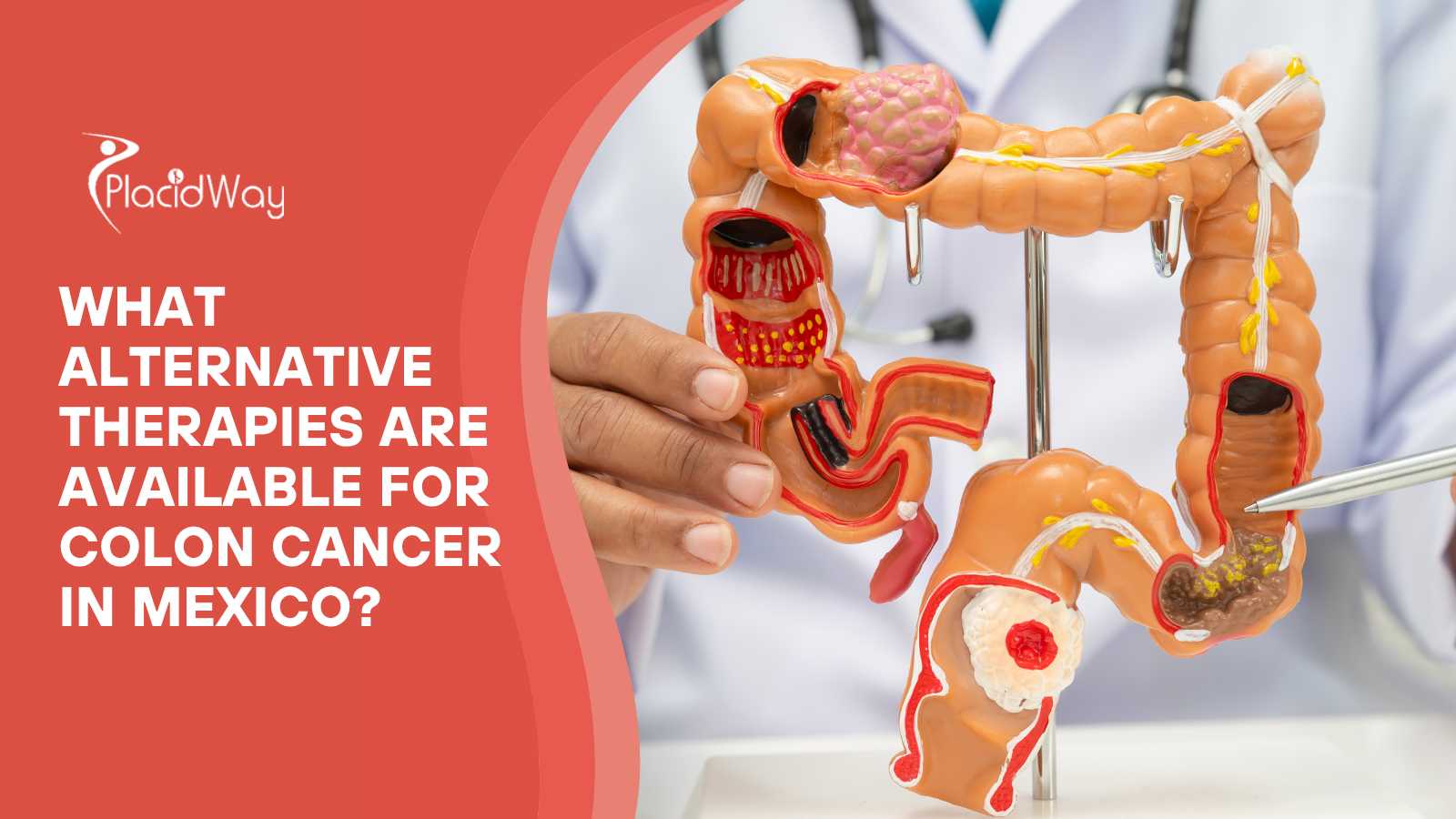
Alternative therapies for colon cancer in Mexico include integrative treatments like IV Vitamin C, hyperthermia, ozone therapy, and specialized nutritional protocols. These aim to support immune function alongside conventional medical care.
Key Takeaways
- Integrative approaches combine holistic nutritional and biological methods with conventional cancer treatments to support whole-body health.
- Common alternative options may include ozone therapy, local or whole-body hyperthermia, and targeted immune support infusions.
- Treatment costs in specialized Mexican facilities are generally more accessible compared to similar private treatments in the US or Canada.
- Comprehensive care plans focus heavily on metabolic changes, detoxification, and long-term lifestyle adjustments.
- Patient safety relies on verifying physician credentials, clinic licensing, and maintaining open communication with primary oncologists at home.
What Exactly Are Alternative Therapies for Colon Cancer?
Alternative therapies focus on non-standard, holistic methods like nutritional protocols and immune-boosting infusions, which are frequently utilized as complementary support alongside conventional medical treatments.
When exploring alternative therapies for colon cancer in Mexico, patients are often introduced to the concept of integrative oncology. This discipline does not necessarily reject conventional methods like surgery or chemotherapy; rather, it seeks to complement them. The primary goal is to enhance the patient's quality of life, manage treatment-related side effects, and optimize the body's natural immune response.
These holistic therapies approach the body as an interconnected system. Instead of focusing solely on the localized tumor, alternative protocols look at metabolic health, cellular oxygenation, and systemic inflammation. Practitioners believe that changing the internal environment of the body can make it less hospitable to cancer cell growth.
Treatments often include a mix of biological therapies, nutritional counseling, and detoxification processes. Because these methods are highly individualized, a patient's protocol will vary significantly based on their stage of colon cancer, overall physical health, and previous medical history. It is important to remember that results vary, and these therapies are intended as supportive care.
How Does the Cost of Alternative Colon Cancer Treatment in Mexico Compare?
The colon cancer treatment cost in Mexico is typically 40% to 60% lower than comparable private integrative treatments in the US or Canada, making it an accessible option for many patients seeking holistic care.
Financial considerations are a major factor for families facing a cancer diagnosis. Because traditional health insurance rarely covers out-of-country alternative therapies, patients must fund these treatments privately. Mexico has become a prominent destination due to its lower cost of living, reduced administrative healthcare overhead, and favorable exchange rates, which translate to lower clinical fees for the patient.
A typical 3-to-4-week intensive inpatient or outpatient protocol can vary widely in price. These estimates usually encompass daily physician consultations, customized intravenous therapies, nutritional support, and specialized therapies like hyperthermia. However, they may exclude airfare, local lodging (if outpatient), and post-treatment take-home supplements.
Below is an estimated comparison table to illustrate the potential cost differences. Please note these are broad estimates; actual costs vary by clinic, case complexity, and the specific duration of the recommended treatment plan.
| Treatment Type (Estimated) | Estimated Cost in US/Canada | Estimated Cost in Mexico |
|---|---|---|
| 3-Week Comprehensive Integrative Protocol | $45,000 - $70,000+ | $18,000 - $35,000 |
| Individual Hyperthermia Session | $1,000 - $2,500 | $300 - $800 |
| High-Dose IV Vitamin C (Per Session) | $200 - $500 | $75 - $150 |
Important Consideration
Always request a detailed, itemized quote from any facility prior to making a commitment. Ensure you understand what is included in the base price and what may constitute an additional expense, such as extra diagnostic imaging or specialized medications.
What Should Patients Look for in an Alternative Cancer Clinic in Mexico?
Patients must seek an alternative cancer clinic in Mexico that emphasizes operational transparency, employs fully licensed medical professionals, and offers verifiable credentials and safety protocols.
Thoroughly vetting a facility is critical for ensuring patient safety and care quality. Not all clinics operate under the same standards, so diligent research is required.
- Medical Licensing: Verify the physician's cédula profesional through the official Mexican government registry (SEP). This ensures the doctor has completed the necessary medical training.
- Facility Accreditation: Look for clinics that adhere to guidelines set by COFEPRIS (the Mexican equivalent of the FDA), ensuring the facility meets national health and sanitary standards.
- Transparent Protocols: The clinic should be willing to explain their treatments scientifically, providing a clear rationale for how therapies like immune modulation apply to colon cancer.
- Pre-treatment Assessment: Reputable clinics require extensive medical records, recent oncology scans, and bloodwork before accepting a patient to ensure the therapies are suitable.
- Emergency Infrastructure: Even in alternative care, complications can arise. The facility should have protocols in place for medical emergencies or direct partnerships with nearby traditional hospitals.
Is Medical Tourism in Mexico Safe for Colon Cancer Patients?
Medical tourism in Mexico can be considered safe when patients conduct comprehensive research, travel cautiously, and select appropriately accredited medical facilities that prioritize patient well-being.
Traveling across borders while managing a colon cancer diagnosis requires careful planning. Patients may be dealing with fatigue, digestive sensitivities, or compromised immune systems. Therefore, selecting a clinic in a well-established medical hub—such as Tijuana, Cancun, or Guadalajara—can offer easier access to international airports and necessary amenities.
Safety in medical tourism extends beyond the clinic's walls. It involves managing the physical stress of travel. Patients are advised to travel with a companion, maintain hydration, and keep a physical copy of all pertinent medical records securely on their person during transit.
Furthermore, true safety requires continuity of care. Patients should not view treatments in Mexico in a vacuum. It is vital to maintain an open dialogue with one's primary oncologist back home. Returning from Mexico requires continuous follow-up, regular imaging, and ongoing symptom management in the patient's local healthcare system.
Did You Know?
Many border-town medical facilities in Mexico cater specifically to international patients by offering bilingual staff, medical concierges, and coordinated local transportation between the clinic and designated recovery accommodations.
Which Specific Holistic Treatments Are Commonly Offered?
Common holistic treatments often include hyperthermia, high-dose intravenous Vitamin C, ozone therapy, and customized metabolic dietary plans aimed at supporting the body's natural defenses.
Integrative clinics utilize an array of supportive therapies. While they are not classified as standard cures, they are used to modulate the immune system and support overall vitality. Here are a few commonly utilized options:
- Hyperthermia: This involves controlled heating of the body (systemic) or a specific area (localized). The theory is that cancer cells are more sensitive to heat than healthy cells, and elevated temperatures may make them more vulnerable to the immune system.
- High-Dose Intravenous (IV) Vitamin C: Administered intravenously to bypass digestive limits, high concentrations of Vitamin C are used with the goal of creating a pro-oxidant effect in cancer cells while providing antioxidant support to healthy tissues.
- Ozone Therapy: This therapy aims to increase the oxygen levels in the body, as some alternative philosophies suggest that cancer cells thrive in low-oxygen (hypoxic) environments.
- Dendritic Cell Therapy: A type of supportive immunotherapy where a patient's immune cells are extracted, exposed to specific markers, and reintroduced to help the body recognize and target rogue cells.
- Nutritional and Metabolic Therapy: Strict dietary adjustments, such as specialized anti-inflammatory or ketogenic diets, are often implemented to alter the patient's metabolic state.
Can Alternative Therapies Replace Standard Colon Cancer Treatments?
Alternative therapies are generally not recommended by oncology experts as complete replacements for standard treatments like surgery or chemotherapy, but rather as complementary support systems.
The distinction between "alternative" (used instead of standard care) and "complementary" (used alongside standard care) is crucial. Most leading medical bodies, including the American Cancer Society, caution against abandoning conventional treatments that have proven efficacy in shrinking tumors or preventing recurrence.
For colon cancer, surgical removal of the tumor remains a primary conventional step in suitable patients. Delaying conventional care to pursue exclusively unproven alternative methods may allow the disease to progress. Therefore, many reputable Mexican clinics advocate for an integrative approach, where holistic therapies are used to help patients better tolerate conventional treatments and recover faster.
Patients are strongly encouraged to involve a multidisciplinary medical team in their decisions. Discussing international treatment plans with a local oncologist ensures that any supplements or IV therapies will not negatively interact with standard medications or upcoming surgical procedures.
What Is the Typical Duration of an Integrative Treatment Program?
Integrative colon cancer treatment programs in Mexico typically last between two and four weeks for the intensive phase, depending on the specific protocols and the patient's health status.
The timeline for treatment in a holistic clinic is generally divided into several phases. The initial phase involves comprehensive diagnostics and body assessment, including blood panels, toxicity screenings, and nutritional evaluations to tailor the protocol.
Following the assessment, the intensive treatment phase begins. Patients may spend 4 to 8 hours a day at the clinic receiving a rotating schedule of IV infusions, oxygen therapies, hyperthermia sessions, and counseling. Because these therapies can be tiring and prompt a detoxification response, adequate rest periods are built into the daily schedule.
Finally, patients transition into a maintenance or home-care phase. The clinic will typically supply the patient with a detailed regimen of oral supplements, dietary guidelines, and lifestyle recommendations to continue the supportive care for months after returning home.
How Do Mexican Clinics Ensure the Quality of Their Treatments?
Reputable clinics maintain quality by adhering to national health regulations, sourcing high-grade biological materials, employing experienced medical staff, and utilizing advanced medical technology.
Quality control in international medicine is a common concern. Leading integrative clinics address this by maintaining strict hygiene protocols that meet or exceed local health department requirements. They invest heavily in modern equipment, such as precision hyperthermia machines and sterile clean-rooms for preparing intravenous solutions.
Additionally, the sourcing of supplements and biologicals is tightly monitored. Reputable facilities utilize pharmaceutical-grade vitamins and medically approved ozone generators. They also invest in continuous education for their staff, ensuring nurses and physicians are trained in the latest integrative oncology protocols.
Before booking, patients can request detailed information regarding the clinic's sterilization procedures, the origin of their biological therapies, and the specific maintenance routines for their medical equipment.
Why Choose PlacidWay for Exploring Treatment Options?
Navigating the landscape of international medical care can be overwhelming. PlacidWay provides a structured platform to help patients research, compare, and connect with recognized medical facilities worldwide, facilitating informed healthcare decisions.
- Comprehensive Facility Profiles: Access detailed information about clinic amenities, available treatments, and medical technologies utilized at various centers.
- Transparent Price Estimates: Compare upfront estimated costs for different integrative protocols to help you budget effectively for your medical care.
- Provider Information: Review the educational backgrounds, specializations, and professional histories of treating physicians at listed facilities.
- Patient Testimonials: Read reviews and watch testimonials from previous patients who have documented their personal experiences at specific clinics.
- Educational Resources: Utilize an extensive library of articles and guides to better understand the scientific basis and procedures involved in various alternative therapies.
Frequently Asked Questions (FAQs)
Are alternative therapies for colon cancer FDA approved?
Many alternative therapies offered internationally, such as high-dose IV Vitamin C or ozone therapy, are not fully FDA-cleared as standard primary treatments for colon cancer in the United States. Patients should research these therapies extensively and discuss their supportive role with a licensed oncologist.
What is the success rate of alternative colon cancer treatments?
Success rates vary significantly from patient to patient, and alternative treatments are generally not presented as cures. These approaches are typically utilized to support the immune system, manage conventional treatment symptoms, and improve overall quality of life.
Do insurance companies cover alternative cancer treatments in Mexico?
Most traditional health insurance policies in the US and Canada do not cover alternative cancer treatments received abroad. Patients should expect to pay for these integrative protocols through out-of-pocket funds, savings, or specialized private medical financing.
What is hyperthermia therapy for colon cancer?
Hyperthermia therapy involves safely raising the body's tissue temperature to help damage and kill cancer cells, usually with minimal injury to normal tissues. It is often used as an adjunct to conventional treatments to enhance their overall effectiveness and support immune response.
How do I verify a Mexican doctor's credentials?
Patients can verify a Mexican physician's credentials by checking their cédula profesional (professional license number) through the official online registry provided by the Secretariat of Public Education (SEP) in Mexico, which confirms their educational background.
Can I continue my alternative therapies once I return home?
Yes, many integrative clinics provide patients with a tailored home-care protocol upon discharge. This may include strict dietary guidelines, specific oral supplements, and recommendations for supportive therapies that can be continued locally under a practitioner's guidance.
Are there special dietary requirements during treatment?
Integrative protocols heavily emphasize nutrition. Patients are typically placed on specialized dietary plans designed to reduce systemic inflammation, balance the gut microbiome, and provide essential vitamins and minerals to support immune function during and after treatment.
What are the potential side effects of alternative colon cancer therapies?
While often considered gentler than chemotherapy, alternative treatments can still have side effects. These may include fatigue from the body's detoxification processes, mild fever or sweating from hyperthermia, or digestive changes from sudden dietary shifts. Continuous medical monitoring remains essential.
How quickly can I start treatment at a clinic in Mexico?
Once a patient submits their comprehensive medical records and completes an initial consultation (which is often conducted via telemedicine), treatment can typically begin within a few weeks, depending entirely on the clinic's availability and the patient's physical readiness to travel.
What should I pack for a medical trip to Mexico?
Patients should pack all comprehensive medical records (including imaging on discs, recent pathology reports, and current prescriptions), comfortable clothing suitable for daily clinic visits, valid passports, emergency contact information, and any specific items recommended by the chosen medical facility.
Explore Your Healthcare Options Today
If you are considering integrative approaches and want to compare facility profiles, estimated costs, and treatment protocols safely, we can help provide the information you need.
Request Treatment InformationMedical Disclaimer: The information provided in this article is for educational purposes only and should not be considered as medical advice. Treatment options and outcomes vary significantly between patients. Always consult with a qualified healthcare professional regarding diagnosis, treatment plans, and travel for medical purposes. Pricing data is estimated and subject to change based on individual facility rates and patient requirements.
References
- Complementary and Integrative Methods – American Cancer Society
- High-Dose Vitamin C – National Cancer Institute (NCI)
- About Integrative Medicine – Memorial Sloan Kettering Cancer Center
- Medical Tourism Safety Information – Centers for Disease Control and Prevention (CDC)
- Traditional, Complementary and Integrative Medicine – World Health Organization (WHO)





.png)
.png)
.png)
.png)




.png)











Share this listing