
Exploring Alternative Treatment Options for Melanoma in Mexico
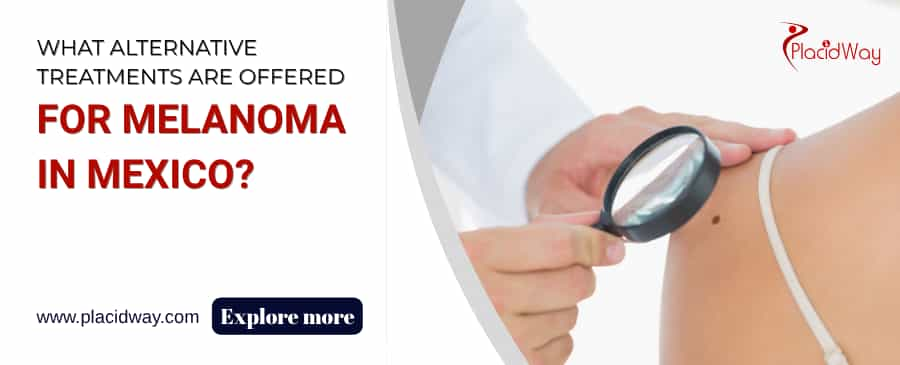
A diagnosis of melanoma often prompts patients to explore every possible avenue for healing and immune support. While standard oncological treatments like surgery, targeted therapy, and conventional immunotherapy remain the foundation of care, many patients look beyond their home borders for complementary options. Exploring alternative melanoma treatments in Mexico has become a notable path for those seeking integrative approaches that are either unavailable, unapproved, or heavily restricted in the United States and Canada.
Mexican clinics—particularly those located in medical hubs like Tijuana and Baja California—often practice integrative medicine. This means they attempt to combine conventional cancer therapies with non-standard, holistic, or experimental protocols. While these therapies offer additional choices, evaluating them requires careful consideration, extensive research, and close consultation with your primary healthcare providers to ensure patient safety and care continuity.
Key Takeaways
- Mexican clinics often utilize an integrative approach, combining standard protocols with alternative therapies.
- Common complementary options include hyperthermia, targeted nutritional therapies, and experimental immunotherapies.
- Alternative therapies should ideally complement, rather than completely replace, proven conventional treatments.
- Costs typically require out-of-pocket payment, as standard health insurance rarely covers international integrative care.
- Patients must maintain open communication with their local oncologist to monitor progress and manage any potential risks.
What are alternative melanoma treatments in Mexico?
The term "alternative" in cancer care broadly refers to treatments used instead of standard medical therapies. However, in the context of Mexican medical facilities, practitioners usually offer "integrative" or "complementary" care. This approach attempts to address the whole body, utilizing a variety of non-standard therapies designed to alter the body's internal environment, support the immune system, and target cancer cells through different mechanisms than conventional drugs.
These protocols often stem from holistic medical philosophies. Treatments might include advanced detoxification procedures, customized nutritional regimens, and biological therapies. Because Mexico has a different regulatory framework under its health authority, COFEPRIS, clinics can offer therapies that are currently in clinical trials or not yet approved by the FDA or Health Canada.
It is vital to understand that while these therapies present additional options, their clinical efficacy is frequently debated within the global medical community. Outcomes can vary significantly from patient to patient, and success is never guaranteed.
How do Mexican clinics approach integrative melanoma care?
Integrative melanoma care in Mexico operates on the philosophy that cancer is a systemic disease requiring a multifaceted response. Rather than focusing solely on removing or shrinking the tumor, these facilities place heavy emphasis on altering the patient's biological terrain. The goal is to strengthen the patient's natural defenses, minimize the side effects of traditional oncology, and improve overall quality of life.
When you arrive at an integrative facility, care is usually highly personalized. A typical protocol may involve:
- Comprehensive diagnostics: Advanced bloodwork and immune profiling to tailor the treatment plan.
- Immune modulation: Therapies intended to stimulate or balance the immune response.
- Metabolic interventions: Strict dietary changes and supplementation to deprive cancer cells of specific energy sources.
- Detoxification: Protocols aimed at reducing heavy metals or other perceived toxic burdens in the body.
Practitioners often collaborate across disciplines—including nutritionists, holistic doctors, and medical oncologists—to create a unified treatment schedule. However, patients must ensure this collaborative approach extends back to their primary care team at home.
Which specific alternative therapies are commonly used for melanoma?
Facilities across Mexico provide a wide array of specific therapies that are often grouped together to form a comprehensive daily schedule for visiting patients. Some of the most frequently utilized therapies for melanoma include:
- Hyperthermia: Also known as thermal therapy, this involves exposing body tissue to high temperatures. Practitioners believe heat can damage cancer cells, which are thought to be more sensitive to temperature changes than normal cells, potentially making them more susceptible to other treatments.
- High-Dose IV Vitamin C: While oral vitamin C is poorly absorbed, intravenous delivery achieves high blood concentrations. In alternative oncology, it is used for its potential pro-oxidant effect on cancer cells and its ability to reduce inflammation.
- Ozone Therapy: This involves introducing medical-grade ozone gas into the body, typically through autohemotherapy (mixing ozone with the patient's drawn blood and reinfusing it). Proponents suggest it improves tissue oxygenation and immune function.
- Coley's Toxins: An older, experimental immunotherapy involving the injection of inactive bacteria to provoke a strong immune response and fever, which theoretically stimulates the body to attack tumors.
While these therapies are popular in alternative medicine circles, they lack the robust, large-scale Phase III clinical trial data required for conventional approval. Patients should weigh the potential benefits against the lack of established clinical evidence.
Is immunotherapy considered an alternative treatment in Mexico?
Immunotherapy has revolutionized conventional melanoma treatment worldwide. Drugs like checkpoint inhibitors (e.g., Keytruda, Yervoy) are standard-of-care for many stages of melanoma. However, when discussing alternative therapies in Mexico, the focus shifts to non-standard, customized immunotherapies.
Many clinics in Mexico emphasize autologous immunotherapy. This often involves dendritic cell vaccines, where a patient's own white blood cells are extracted, exposed to cancer antigens in a laboratory, and then reintroduced into the patient's body. The goal is to "teach" the immune system to recognize and attack melanoma cells specifically.
These advanced biological therapies are considered experimental by major international health bodies. Because they are highly personalized, creating standardized data on their efficacy is challenging. Patients considering experimental immunotherapy in Mexico should clearly understand the distinction between these bespoke treatments and FDA-approved checkpoint inhibitors.
What are the potential risks of alternative melanoma therapies?
Pursuing alternative cancer care is a serious decision that carries inherent risks, particularly with an aggressive disease like melanoma. The most significant danger is the potential delay or abandonment of proven, conventional treatments. Melanoma can metastasize rapidly; postponing surgery or targeted therapy to pursue unproven alternatives can drastically reduce survival chances.
Other clinical risks include:
- Treatment Interactions: High doses of antioxidants (like IV Vitamin C) may interfere with how certain chemotherapy or radiation treatments work.
- Physical Side Effects: Experimental vaccines or therapies like Coley's Toxins can cause high fevers, chills, blood pressure fluctuations, and severe fatigue.
- Infection Risks: Any intravenous therapy or blood manipulation (such as autohemotherapy) carries a risk of infection if strict sterile protocols are not followed.
To mitigate these risks, patients should maintain complete transparency with their conventional oncologist regarding any alternative therapies they intend to try, ensuring that complementary treatments do not jeopardize their primary care plan.
How much does an alternative melanoma treatment cost in Mexico?
Understanding the financial commitment is a crucial part of medical travel, as international health insurance policies rarely cover alternative cancer treatments. The cost of care varies depending on the duration of the stay, the complexity of the individualized protocol, and whether expensive biological therapies (like dendritic cell vaccines) are utilized.
Programs typically run in intervals of two to four weeks. The fees often encompass a wide range of services designed to provide a comprehensive healing environment. Below is a general estimate of what to expect:
| Program Duration / Type | Estimated Cost Range (USD) | Typically Included Services |
|---|---|---|
| 2-Week Basic Integrative Protocol | $15,000 - $22,000 | IV nutrients, hyperthermia, medical consultations, standard blood work. |
| 3 to 4-Week Comprehensive Program | $25,000 - $35,000 | Above plus ozone therapy, specialized detox, meals, and localized therapies. |
| Advanced Biological / Immunotherapy Focus | $35,000 - $45,000+ | Includes personalized vaccines (e.g., dendritic cell), stem cell support, complex diagnostics. |
Note: These prices are estimates. Travel, lodging for companions, and post-clinic home care supplements often incur additional expenses. Patients should request a detailed, itemized quote before committing.
Who is a suitable candidate for integrative melanoma care?
Deciding to pursue alternative therapies requires careful consideration of the patient's current health status, the stage of the melanoma, and their overall physical resilience. Integrative clinics in Mexico see a diverse range of patients, but not everyone is an ideal candidate for intense, multi-week travel and treatment protocols.
Generally, patients who seek this type of care fall into a few categories:
- Adjunctive Seekers: Patients currently undergoing conventional therapies who want complementary support to manage side effects, maintain nutritional balance, and boost immune function.
- Advanced Stage Patients: Individuals with Stage III or Stage IV melanoma who feel they have exhausted standard options in their home country and wish to try experimental or unapproved biological therapies.
- Remission Maintenance: Patients who are currently cancer-free but seek holistic protocols and lifestyle modifications to help prevent recurrence.
Crucially, patients must be physically stable enough to endure international travel and the rigors of daily medical therapies. A thorough pre-assessment by a qualified medical professional is mandatory to determine safety and eligibility.
How do I choose a safe alternative melanoma treatment clinic in Mexico?
Because the alternative cancer care landscape is vast and less standardized than conventional oncology, performing rigorous due diligence is vital for your safety. When evaluating facilities, look for transparency, realistic expectations, and proper medical oversight.
Consider the following steps when researching clinics:
- Check Medical Credentials: Ensure the facility employs licensed medical doctors (MDs) and specialists with experience in oncology and immunology, not just holistic practitioners.
- Avoid Guaranteed Cures: Be highly wary of any facility that promises a 100% cure rate, claims their treatment is completely risk-free, or pressures you to abandon conventional surgery or medication immediately.
- Verify Infrastructure: Ensure the clinic has the emergency protocols, sterile environments, and medical equipment necessary to handle complications, especially when administering IV therapies or biologicals.
- Ask for Documentation: Request clear explanations of the therapies offered, the science behind them, and an itemized breakdown of costs before you travel.
Can alternative treatments replace conventional melanoma oncology?
This is perhaps the most critical medical consideration for any melanoma patient. Melanoma is notoriously aggressive and can spread to the lymph nodes and internal organs very quickly if left unchecked. The foundation of early-stage melanoma treatment is surgical excision, which is highly effective.
Opting to skip surgery or proven targeted therapies in favor of solely alternative methods carries profound risks. Integrative medicine is best utilized exactly as its name implies—integrated into a broader, scientifically grounded medical plan. Supportive therapies like nutrition, hyperthermia, and mind-body medicine can play a role in improving a patient's resilience and quality of life.
Patients are strongly encouraged to use alternative therapies as complementary care. Always discuss your interest in these treatments with your primary oncologist to ensure they do not contraindicate your standard medications or compromise your overall prognosis.
Why is medical tourism in Mexico popular for alternative cancer care?
Mexico, particularly cities close to the US border, has developed into a global destination for patients seeking non-standard medical care. The primary driver for this influx of patients is regulatory differences. Health authorities in North America and Europe often have lengthy, stringent processes for approving new therapies. Mexico's regulations provide a legal framework that allows for the safe administration of integrative and experimental therapies sooner.
Beyond regulatory access, several other factors contribute to the popularity of Mexican medical tourism:
- Accessibility: For North American patients, border cities like Tijuana offer easy access via direct flights to San Diego, followed by short border crossings often facilitated by the clinics themselves.
- Holistic Environment: Many clinics are designed to feel more like retreats than hospitals, focusing on psychological well-being, organic diets, and stress reduction alongside medical care.
- Cost-Effectiveness: While integrative cancer care is a significant investment, the overall cost of medical services, nursing care, and facility fees in Mexico is generally lower than equivalent private services in the US or Europe.
Why Choose PlacidWay for Medical Tourism in Mexico?
Navigating the landscape of international cancer clinics can be overwhelming. PlacidWay serves as a comprehensive educational and directory platform for patients researching their options abroad. Here is what PlacidWay offers:
- Extensive Directory: Access information on various medical facilities and integrative clinics located across Mexico.
- Direct Comparisons: Easily compare treatment approaches, facility amenities, and medical teams to find a suitable match for your needs.
- Educational Resources: Access articles, patient guides, and informational content about different types of alternative and complementary therapies.
- Free Information Platform: PlacidWay allows patients to request information and quotes directly from clinics without upfront consultation fees.
- No-Pressure Environment: The platform focuses on providing transparent information, enabling you to make healthcare decisions on your own timeline.
Frequently Asked Questions
How long do alternative melanoma treatment programs last in Mexico?
Intensive alternative and integrative treatment programs in Mexico typically last between two to four weeks, depending on the clinic's specific protocol and the patient's individual needs. Some patients may return for follow-up booster sessions later.
Are Mexican alternative cancer clinics regulated?
Yes, medical facilities in Mexico are regulated by COFEPRIS (the Federal Commission for the Protection against Sanitary Risk). However, their regulatory framework allows for certain integrative and experimental therapies that might not be approved by the FDA in the United States.
Can I continue alternative treatments at home after leaving Mexico?
Many clinics provide a comprehensive home-care protocol upon discharge. This often includes oral supplements, dietary guidelines, and sometimes specific medications to continue supporting your immune system after you return home.
Do I need a referral from my local oncologist to go to Mexico?
While a formal referral is usually not required by private Mexican clinics, it is highly recommended that you discuss any international medical travel or alternative treatments with your primary oncology team to ensure safety and coordinate care.
What is hyperthermia therapy for melanoma?
Hyperthermia is a complementary therapy that involves carefully heating body tissue to higher-than-normal temperatures. Some practitioners use it with the goal of damaging cancer cells or making them more vulnerable to other forms of therapy.
Is dendritic cell therapy safe for melanoma patients?
Dendritic cell therapy is an experimental form of immunotherapy used in some Mexican clinics. While many patients tolerate it well, it carries risks like any medical procedure, and its efficacy for melanoma is still being studied in clinical trials globally.
Will my health insurance cover Mexican alternative cancer treatments?
In most cases, health insurance policies from the US, Canada, or Europe do not cover alternative, experimental, or unapproved therapies received outside of their designated networks. Patients usually pay out-of-pocket for these treatments.
What should I pack for a medical trip to a Mexican cancer clinic?
You should bring all recent medical records, pathology reports, imaging scans, and current medications. Additionally, pack comfortable clothing for daily clinical therapies and consider bringing a friend or family member for support.
Do Mexican clinics provide targeted therapies for BRAF-mutated melanoma?
Many integrative clinics in Mexico can coordinate with conventional oncologists to administer standard targeted therapies (like BRAF inhibitors) alongside complementary alternative treatments to support overall health during the process.
How do I travel safely to Mexico with advanced melanoma?
Traveling with advanced melanoma requires medical clearance from your current doctor. Ensure you have a clear plan for managing pain or emergencies during travel, take direct flights if possible, and arrange for specialized medical transport if your condition is fragile.
Compare Treatment Options
Discover more about integrative care options, facility details, and potential treatment plans by connecting with medical providers.
Request Treatment InformationReferences
- Complementary and Alternative Medicine - National Cancer Institute
- Treating Melanoma Skin Cancer - American Cancer Society
- About Herbs, Botanicals & Other Products - Memorial Sloan Kettering Cancer Center
- Treatment Options - Melanoma Research Foundation
- Beware of Cancer Fraud - U.S. Food and Drug Administration (FDA)
- Journal of Clinical Oncology - American Society of Clinical Oncology (ASCO)























Share this listing