
Maximizing Your Results: Expected Weight Loss After a Duodenal Switch in Mexicali
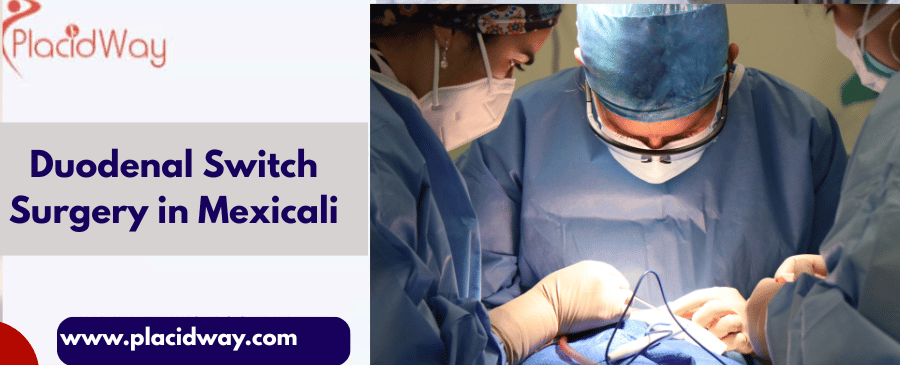
For individuals facing severe obesity, finding a highly effective surgical intervention is often a life-altering priority. When exploring international options, many patients research duodenal switch surgery in Mexicali due to the proximity to the United States and the availability of specialized bariatric care. The Biliopancreatic Diversion with Duodenal Switch, commonly referred to as the duodenal switch, is widely recognized by medical professionals as one of the most powerful bariatric procedures for substantial weight reduction.
Understanding the expected outcomes, timelines, and necessary lifestyle commitments is crucial before making a decision. This guide explores the anticipated weight reduction phases, compares the procedure to other options, and addresses common questions about traveling for care.
Key Takeaways
- The procedure typically yields the highest excess body weight loss among standard bariatric surgeries.
- Most significant physical changes occur within the first 6 to 12 months post-operation.
- The surgery combines stomach restriction with intestinal malabsorption to achieve its results.
- Strict, lifelong nutritional supplementation is mandatory to prevent severe vitamin deficiencies.
- Patients traveling to Mexico must coordinate with a local healthcare provider for long-term monitoring upon returning home.
How fast will I lose weight after a duodenal switch
The timeline for shedding excess pounds after this operation is often faster and more dramatic than other bariatric procedures. During the first three months, patients often experience a rapid drop as the body adjusts to a significantly reduced caloric intake. The combination of a smaller stomach volume and altered digestion forces the body to utilize stored fat for energy.
By the six-month mark, many individuals have lost 40 to 50 percent of their excess body weight. As the body adapts and dietary habits stabilize, the pace of reduction naturally slows down. This deceleration is a normal and healthy part of the metabolic adaptation process.
| Time Post-Surgery | Estimated Excess Weight Loss Percentage | Typical Patient Experience |
|---|---|---|
| 3 Months | 25 to 35 percent | Rapid changes, adjustment to liquid and pureed diets. |
| 6 Months | 45 to 55 percent | Noticeable changes in clothing size, increased energy levels. |
| 12 Months | 65 to 75 percent | Pace slows; focus shifts to maintenance and muscle building. |
| 18+ Months | 70 to 85 percent | Weight stabilization, potential need for body contouring evaluations. |
Is duodenal switch more effective than gastric bypass
When comparing bariatric procedures, medical professionals often look at the long-term effectiveness of maintaining a lower BMI. The duodenal switch is generally considered the most potent operation available for weight reduction. While a standard Roux-en-Y gastric bypass might yield a 60 to 70 percent reduction in excess weight, the duodenal switch frequently pushes that number up to 85 percent in suitable patients.
However, this increased effectiveness comes with complex trade-offs. The duodenal switch bypasses a significantly larger portion of the small intestine than a gastric bypass. This profound malabsorption is what drives the superior weight reduction, but it also heavily restricts the body from absorbing necessary proteins, fats, and essential vitamins.
Consequently, surgeons reserve the duodenal switch for specific patient profiles. It is usually recommended for individuals with a BMI over 50, or those who have severe metabolic conditions that have not responded to other treatments. Choosing between the two requires a thorough assessment by a qualified bariatric specialist to balance expected outcomes against potential lifelong risks.
What factors influence my final weight loss results
While the anatomical changes of the surgery force the body to absorb fewer calories, the operation is a tool rather than an absolute fix. Several variables play a role in whether a patient reaches the higher end of the expected weight reduction spectrum.
- Starting Weight and BMI: Patients with a higher initial body mass index may lose more total pounds, but their percentage of excess weight lost might differ from someone starting at a lower BMI.
- Dietary Compliance: Consuming high-protein meals while strictly avoiding liquid calories and refined sugars is essential. Patients who graze on high-calorie snacks can stall their progress.
- Physical Activity: Incorporating both cardiovascular exercise and strength training helps preserve muscle mass and boosts metabolic rate as the body shrinks.
- Age and Metabolism: Younger patients often experience faster metabolic changes, though older patients can also achieve excellent results with strict adherence.
- Follow-up Care: Regular check-ins with healthcare providers keep patients accountable and help identify nutritional or behavioral hurdles early on.
How does the surgery actually cause such significant weight loss
The surgical process, formally known as Biliopancreatic Diversion with Duodenal Switch, is performed in two main steps. First, the surgeon performs a sleeve gastrectomy. They remove approximately 70 to 80 percent of the stomach, leaving a narrow tube. This restrictive element physically limits how much food a person can eat at one sitting and reduces the production of hunger-inducing hormones.
The second step involves bypassing a large section of the small intestine. The surgeon divides the intestine and connects the lower portion directly to the new, smaller stomach pouch. The bypassed section, which carries digestive enzymes from the pancreas and bile from the liver, is reconnected near the very end of the intestinal tract.
Because food and digestive juices only mix in the final segment of the intestine, the body has very little time to absorb calories, particularly fats. This intense malabsorptive characteristic is the primary driver of the massive weight reduction seen in duodenal switch patients.
What are the long term dietary requirements after this procedure
Life after a duodenal switch requires a radical shift in eating habits. Because the intestinal tract is shorter, protein absorption is significantly impaired. To maintain muscle mass and support bodily functions, patients must consume much more protein than individuals who have had other bariatric surgeries—often upwards of 80 to 100 grams per day.
Fat intake must also be carefully managed. When patients eat high-fat meals, the unabsorbed fats pass directly into the colon. This can cause severe gastrointestinal side effects, including cramping, bloating, and urgent, foul-smelling diarrhea. Learning to read nutrition labels and prepare low-fat meals becomes a necessary daily routine.
Hydration is another critical factor. Patients must drink plenty of water throughout the day, but they are advised not to drink fluids during meals, as this can flush food through the small stomach pouch too quickly. Adhering to these strict dietary rules is essential for maintaining health and maximizing the benefits of the surgery.
Why do patients choose a duodenal switch surgery clinic in Mexicali
As a prominent hub for medical care, Mexicali attracts thousands of patients annually. The region has developed a healthcare infrastructure heavily focused on international patients. Many facilities cater specifically to the needs of those traveling for bariatric procedures, offering comprehensive packages that include preoperative testing, surgery, and immediate post-operative care.
The geographic location is a significant factor. Situated immediately adjacent to Calexico, California, the city is accessible for North American patients. This proximity allows for easier travel logistics compared to flying overseas. Patients often appreciate the ability to drive or take a short flight to the border before crossing into Mexico for their scheduled medical appointments.
Furthermore, because the duodenal switch is a complex procedure requiring advanced surgical skills, patients actively seek out destinations known for high volumes of bariatric surgeries. Mexicali houses medical teams that perform metabolic surgeries regularly, which gives patients access to specialized care that may be difficult to schedule or financially out of reach in their home healthcare systems.
How much does a duodenal switch surgery cost in Mexicali
Financial considerations are often a primary driver for seeking healthcare abroad. In the United States, complex bariatric surgeries can carry exorbitant price tags, sometimes exceeding $25,000 to $30,000 if a patient lacks comprehensive insurance coverage or faces high deductibles. In contrast, medical facilities in Mexico operate with different overhead structures, allowing them to offer the same procedures at a significantly lower out-of-pocket expense.
When reviewing the estimated duodenal switch surgery cost in Mexicali, patients should carefully examine what is included in the quote. Comprehensive packages often bundle the surgeon fees, anesthesiology, hospital stay, and basic preoperative testing into one clear price. However, prices can fluctuate based on the complexity of the patient's medical history or the need for an extended hospital stay.
It is important to remember that the initial surgery cost is not the only financial factor. Patients must budget for travel, passport fees, long-term specialized multivitamins, post-operative blood tests back home, and potential future costs for body contouring if excess skin becomes an issue. Properly evaluating the total long-term financial commitment is vital.
What are the common medical risks and nutritional complications
Every major surgery involves inherent risks, but the duodenal switch is particularly complex. Immediate post-operative risks can include internal bleeding, infections, blood clots, and leaks from the staple lines where the stomach or intestines were divided and reconnected. These complications require immediate medical intervention and are why patients must remain near their surgical center for the initial recovery phase.
The more prevalent long-term risks revolve around the intentional malabsorption created by the surgery. Because the body can no longer easily absorb fats and specific nutrients, patients are highly susceptible to deficiencies in fat-soluble vitamins (A, D, E, and K), calcium, iron, and protein. If left unmanaged, these deficiencies can lead to severe health issues, including osteoporosis (bone thinning), anemia, vision problems, and severe fatigue.
To mitigate these risks, blood work must be monitored routinely. If a patient begins showing signs of malnutrition, their healthcare provider may need to administer vitamins intravenously or adjust their dietary intake. Adhering to medical advice and taking prescribed supplements daily is non-negotiable for anyone undergoing this procedure.
How important is aftercare when returning home from Mexico
Participating in medical tourism in Mexicali requires careful planning for what happens after the trip concludes. Continuity of care is one of the most vital aspects of a successful bariatric journey. The surgical team in Mexico may provide guidance remotely, but they cannot physically examine you or easily order local blood work once you cross the border back home.
Patients should secure a relationship with a local primary care doctor or a bariatric specialist who understands the unique anatomical changes of a duodenal switch. This local provider will be responsible for tracking your nutritional panels, adjusting your medications as your weight drops, and identifying early signs of vitamin deficiencies.
If acute complications occur—such as severe abdominal pain, persistent vomiting, or signs of infection—patients must be prepared to seek immediate treatment at a local emergency room. Providing your home medical team with complete surgical reports from your provider in Mexico ensures they have the necessary context to treat you safely and effectively.
Why Choose PlacidWay for Medical Tourism in Mexicali?
Researching international healthcare requires access to clear, organized information. PlacidWay serves as an educational platform helping patients explore healthcare options globally. When considering medical travel, PlacidWay offers several resources to assist in your research:
- Facility Directories: PlacidWay provides listings of various international medical centers, allowing patients to review available options in Mexicali.
- Procedure Information: The platform offers detailed overviews of different bariatric surgeries to help you understand your choices.
- Cost Comparisons: Patients can view estimated pricing structures from different clinics to better understand international medical expenses.
- Provider Profiles: The site aggregates credentials and facility details, allowing you to review the background of healthcare providers independently.
- Direct Communication: PlacidWay facilitates initial contact between patients and international clinics, helping you ask specific questions directly to the medical teams.
Frequently Asked Questions
What BMI is typically required for a duodenal switch in Mexicali?
Most bariatric surgeons recommend a duodenal switch for patients with a Body Mass Index (BMI) of 50 or higher, or a BMI of 40 or higher with severe obesity-related comorbidities like type 2 diabetes or severe sleep apnea. Suitability is evaluated on an individual basis.
Can I undergo this surgery if I have type 2 diabetes?
Yes, many patients with type 2 diabetes undergo this procedure because it often has a profound metabolic effect. Many individuals experience significant improvements or remission of their type 2 diabetes, though results vary and require medical evaluation.
How long should I stay in Mexicali after a duodenal switch?
Patients are typically advised to stay in Mexicali for 7 to 10 days post-surgery. This allows the surgical team to monitor early recovery, ensure you are tolerating liquids, and check for any immediate post-operative complications before you travel home.
Will I need skin removal surgery after losing the weight?
Due to the rapid and massive weight loss associated with a duodenal switch, many patients develop loose or sagging skin. Whether you need body contouring or skin removal surgery depends on your age, genetics, and personal comfort, usually considered 12 to 18 months after weight stabilizes.
Are vitamin supplements mandatory for life after this procedure?
Yes. Because the duodenal switch includes a significant malabsorptive component, lifelong supplementation of multivitamins, calcium, iron, and fat-soluble vitamins (A, D, E, K) is mandatory to prevent severe nutritional deficiencies.
Can a duodenal switch be performed as a revision surgery?
Yes, a duodenal switch is sometimes performed as a revision procedure for patients who previously had a gastric sleeve but experienced insufficient weight loss or severe weight regain. Revision surgeries carry higher risks and require specialized surgical assessment.
Is the weight loss permanent after a duodenal switch?
While the duodenal switch offers excellent long-term weight maintenance compared to other procedures, weight regain is still possible. Long-term success requires strict adherence to dietary guidelines, regular exercise, and lifelong medical follow-ups.
How soon can I return to work after traveling to Mexicali for surgery?
Most patients can return to desk jobs or light duties within 2 to 4 weeks after surgery. However, if your job requires heavy lifting or strenuous physical activity, you may need 6 to 8 weeks of recovery. Your surgeon will provide personalized clearance.
Can I drink alcohol after a duodenal switch?
Alcohol consumption is strongly discouraged, especially during the first year of recovery. Bariatric surgery changes how alcohol is metabolized, leading to faster intoxication, risk of alcohol use disorder, and potential irritation to the stomach lining.
How do I manage complications once I return home from Mexico?
It is crucial to establish care with a local primary care physician or a local bariatric specialist before traveling. If complications arise at home, you should immediately seek care at a local hospital or from your established local physician, and communicate the details with your surgical team in Mexicali.
Ready to Compare Treatment Options?
Gather the information you need to make an informed decision about your bariatric care. Connect with medical centers to review available programs and procedures.
Request Treatment InformationReferences
- Bariatric Surgery Procedures – American Society for Metabolic and Bariatric Surgery (ASMBS)
- Types of Bariatric Surgery – National Institute of Diabetes and Digestive and Kidney Diseases (NIDDK)
- Biliopancreatic diversion with duodenal switch – Mayo Clinic
- Long-term Outcomes of Biliopancreatic Diversion With Duodenal Switch – National Center for Biotechnology Information (NCBI)
- Medical Tourism Advice – Centers for Disease Control and Prevention (CDC)
- Nutritional Guidelines for Bariatric Surgery – American Society for Metabolic and Bariatric Surgery (ASMBS)





























Share this listing