
Cancun Dental Bridges: A Patient's Guide to Lifespan and Aftercare
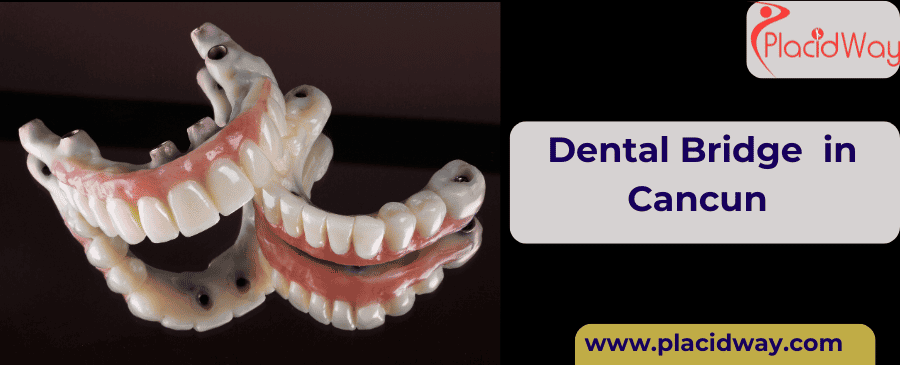
Replacing a missing tooth is an important step in maintaining your oral health, facial structure, and ability to chew. For many patients, traveling for dental bridges in Cancun offers a way to receive a high-quality restoration. If you are considering traveling abroad for this treatment, one of the most common questions you might have is about longevity. After all, a restorative procedure is an investment of your time, effort, and well-being.
A dental bridge works by bridging the gap created by one or more missing teeth, using the neighboring healthy teeth as anchors. The lifespan of this restoration is rarely permanent, but with proper care and attention, it can serve you well for a decade or more. Understanding the factors that influence durability will help you make an informed decision before booking your trip.
Key Takeaways
- The average lifespan of a dental bridge is 5 to 15 years, though variations are common.
- High-strength materials like zirconia generally outlast traditional porcelain-fused-to-metal restorations.
- Maintaining diligent oral hygiene is the most crucial factor in preventing early bridge failure.
- Underlying tooth decay beneath the anchoring crowns is the leading cause of bridge replacement.
- Following up with a local dentist after returning home is essential for long-term monitoring.
What factors affect the lifespan of a dental bridge in Cancun?
While the location where you get your bridge does not dictate its lifespan, your personal habits certainly do. The anchor teeth, known as abutments, are the foundation of the bridge. If the gum tissue or bone surrounding these teeth deteriorates due to periodontal disease, the bridge will eventually lose its support.
Dietary habits also play a substantial role. Frequently chewing ice, hard candies, or highly acidic foods can weaken the materials or the underlying teeth. Additionally, patients who smoke or use tobacco products face a higher risk of gum disease, which can shorten the lifespan of any dental restoration.
Which dental bridge materials offer the most durability?
When discussing restorative options with your dentist, material selection is a major topic. The most common materials include:
- Zirconia: Known for incredible strength and a natural appearance, zirconia is highly resistant to fractures and is often recommended for both front and back teeth.
- Porcelain-Fused-to-Metal (PFM): These bridges have a strong metal base covered by tooth-colored porcelain. They are durable but the porcelain can occasionally chip, and a dark metal line may become visible at the gumline over time.
- All-Ceramic or All-Porcelain: These provide the best aesthetic results for front teeth but may not possess the biting strength required for heavy chewing in the back of the mouth.
- Gold or Metal Alloys: While rarely used for highly visible front teeth, metal alloys offer excellent durability and wear resistance for molars.
How can you extend the life of your Mexican dental bridge?
Because a dental bridge connects multiple crowns together, you cannot floss between the teeth normally. Food particles and plaque can easily become trapped underneath the false tooth (the pontic). To prevent this, dentists often recommend using floss threaders, interdental brushes, or water flossers.
Furthermore, regular professional cleanings are non-negotiable. Even if you travel abroad for the initial procedure, you must establish a relationship with a local dentist in your home country. They can monitor the margins of the crowns for early signs of decay and remove hardened tartar that brushing alone cannot manage.
What are the signs that a dental bridge needs replacement?
If you notice that your bridge moves slightly when you bite down, the dental cement may have degraded, or the underlying teeth might be compromised. Ignoring a loose bridge can allow bacteria to seep underneath the crowns, rapidly causing decay in the anchor teeth.
You might also notice a bad taste or odor in your mouth that does not go away with brushing. This is often a sign of trapped food or an active bacterial infection. Any sudden pain or swelling should be evaluated by a healthcare professional immediately to prevent the loss of the supporting natural teeth.
Are materials used in Cancun the same quality as in the US or Canada?
There is a common misconception that dental work abroad is more affordable because the materials are of lower quality. However, many established facilities utilize CAD/CAM technology, 3D printing, and high-grade materials sourced from international dental manufacturers like 3M, Ivoclar Vivadent, and Straumann.
The difference in cost is usually related to the local cost of living, lower overhead expenses, and differences in insurance and administrative fees, rather than the physical materials used to craft your restoration.
Can poor oral hygiene cause a dental bridge to fail early?
While the ceramic or metal of the bridge cannot get cavities, the natural tooth structure underneath certainly can. If plaque is allowed to sit at the junction where the crown meets the tooth root, it produces acids that eat away at the tooth enamel.
If decay progresses too deeply into an anchor tooth, the tooth may require a root canal, or it may need to be extracted entirely. If an anchor tooth is lost, the entire bridge fails and an alternative treatment, such as a partial denture or dental implants, will need to be considered.
How does teeth grinding impact the longevity of dental bridges?
Bruxism, or the unconscious grinding and clenching of teeth, typically occurs during sleep. The bite forces generated during bruxism are significantly higher than those produced during normal chewing. This immense pressure can easily fracture porcelain coverings or weaken the bridge's structural integrity.
If you have a history of grinding your teeth, it is highly recommended to inform your dentist. They may suggest using stronger materials, like full zirconia, and will likely recommend that you wear a custom-fitted nightguard while sleeping to protect your investment.
What is the typical dental bridges cost in Cancun compared to their lifespan?
Because patients can often access better materials for a lower estimated price, the overall value of the treatment increases. For example, a patient who might only be able to afford a basic PFM bridge locally may be able to afford a highly durable, computer-milled zirconia bridge abroad.
It is important to remember that prices are estimates and vary depending on the clinic, the number of missing teeth, and the complexity of your bite. Always request a detailed, itemized treatment plan before finalizing your travel arrangements.
What should you do if your dental bridge becomes loose or damaged back home?
Do not wait until your next planned vacation to have a loose or chipped bridge checked. Even a small gap in the cement seal can allow destructive bacteria to enter. A local dentist can take X-rays to check the health of the abutment teeth and, in many cases, can simply re-cement a loose bridge if the underlying teeth are still healthy.
While some international clinics offer warranties, it is rarely cost-effective or medically safe to fly back to Mexico for a minor urgent repair. Therefore, establishing local dental care is a vital part of your long-term recovery and maintenance plan.
How do you find a reputable dental bridge clinic in Cancun?
Not all facilities are equipped equally. Look for clinics that emphasize transparency regarding their hygiene protocols, equipment, and the materials they use. Many reputable dentists who cater to international patients participate in continuous education and may hold memberships in organizations like the American Dental Association (ADA) as affiliate members.
Requesting virtual consultations prior to travel is a great way to assess communication. A trustworthy provider will ask for recent dental X-rays, discuss your medical history, outline potential risks, and explain that outcomes can vary from patient to patient.
Why Choose PlacidWay for Medical Tourism?
Planning dental treatment abroad requires thorough research and careful consideration. PlacidWay acts as a health and wellness platform designed to help patients navigate international healthcare options. Here are several facts about using the platform:
- Comprehensive Information: PlacidWay provides access to detailed profiles of clinics, helping you compare different facilities based on your specific needs.
- Direct Communication: The platform facilitates direct messaging between patients and international healthcare providers to clarify questions before traveling.
- Global Directory: Patients can explore a wide variety of medical and dental centers across dozens of countries, including Mexico.
- No Obligation Quotes: You can request estimated treatment plans and pricing information without any commitment to proceed.
- Educational Resources: PlacidWay offers articles, guides, and checklists to help patients understand the logistics and considerations of receiving care abroad.
Frequently Asked Questions
Is it safe to get a dental bridge in Cancun?
Getting dental work abroad always carries some risk. However, many facilities in Cancun adhere to international sterilization and safety protocols. Patients should carefully research facility credentials, provider qualifications, and infection control standards before traveling.
How many trips to Cancun are usually needed for a bridge?
Most standard dental bridges can be completed in a single trip to Cancun, typically requiring a stay of 5 to 7 days. This allows time for the initial preparation, the laboratory creation of the bridge, and the final fitting.
Does the dental bridge procedure hurt?
Dentists typically use local anesthesia to numb the teeth and gums during the preparation phase, so you should not feel sharp pain. Some mild soreness or temperature sensitivity is common for a few days after the procedure.
Can I swim in the ocean after getting a bridge in Cancun?
While you are wearing a temporary bridge, it is generally okay to swim, but you should avoid biting into hard foods or clenching your teeth. Always follow your dentist's specific aftercare instructions regarding physical activities during your stay.
What happens if my temporary bridge falls out while in Mexico?
If a temporary bridge comes loose while you are still in Cancun, contact your local clinic immediately. They can easily re-cement it to protect your prepared teeth while you wait for the permanent restoration to be finished.
Will my new bridge look like natural teeth?
Yes, bridges made from materials like porcelain or zirconia are color-matched to your surrounding teeth and shaped to mimic natural tooth anatomy. In suitable patients, the final result blends seamlessly with the rest of the smile.
Can I eat normally with a dental bridge?
Once your permanent bridge is securely placed and the initial sensitivity subsides, you can generally resume a normal diet. However, it is advisable to avoid extremely hard, sticky, or chewy foods that could damage the restoration.
Do Cancun dentists offer warranties on bridges?
Many clinics provide limited warranties on the physical materials of the bridge for a certain number of years. However, these rarely cover travel costs if you need to return, and warranties may be voided if failure is due to poor oral hygiene or lack of maintenance.
How long does the actual appointment take while I am there?
The initial appointment to prepare the teeth and take impressions usually takes 1 to 2 hours. The final appointment to fit and cement the permanent bridge typically takes about 45 minutes to an hour.
Why is medical tourism in Cancun popular for dental work?
Patients often travel to Cancun because it combines access to modern dental facilities and experienced providers with significantly lower procedural costs. Additionally, its location makes it an easily accessible destination for North American patients.
Explore Your Dental Bridge Options
Gather the information you need to make an informed decision about your dental health. Compare facilities, request estimates, and learn more about treatment abroad.
Request Treatment InformationReferences
- Dental Bridges Overview – American Dental Association (MouthHealthy)
- Dental Bridges: Types, Benefits & Risks – Cleveland Clinic
- Bruxism (Teeth Grinding) Symptoms and Causes – Mayo Clinic
- Survival Rates of Dental Bridges and Crowns – National Center for Biotechnology Information (NCBI)
- Medical Tourism: Travel Health Information – Centers for Disease Control and Prevention (CDC)
- Dental Health and Bridges – WebMD






















Share this listing