


A Guide to Dental Implants Cost in Cabo San Lucas, Mexico
"A single dental implant in Cabo San Lucas, Mexico, typically costs between $700 and $1,200 USD, significantly less than prices in the United States or Canada."

For individuals missing one or more teeth, restoring an attractive and functional smile is a significant priority. However, the high costs of restorative dentistry in places like the United States and Canada lead many patients to explore international alternatives. Pursuing dental implants in Cabo San Lucas, Mexico has become a popular choice for those seeking professional oral care combined with a relaxing environment. This guide explores the estimated costs, the stages of the procedure, and what you should know as a prospective patient before making any travel arrangements.
Key Takeaways
- The total price usually depends on the materials used, such as standard porcelain versus premium zirconia.
- Treatment requires a multi-stage process, typically necessitating at least two separate visits spanning several months.
- Additional preparatory procedures, like bone grafting or extractions, will increase both the overall cost and the timeline.
- Prospective patients must consult with qualified dental professionals to determine if they are medically suitable for the surgery.
- Arranging for a local dentist at home is essential for regular cleanings, ongoing maintenance, and addressing any potential postoperative issues.
What factors influence the dental implant cost in Cabo San Lucas, Mexico?
While the baseline price of an implant setup is generally lower in Mexico than in North America, the final bill is rarely a flat rate. The choice of materials plays a large role. A standard titanium implant paired with a porcelain-fused-to-metal (PFM) crown is often the most economical option. Conversely, opting for advanced materials like a full zirconia crown or premium implant brands will increase the total estimate.
Additionally, the initial state of your oral health affects the price. If you require tooth extractions, periodontal disease treatment, or bone grafting to create a stable foundation for the post, these services carry their own separate fees. Diagnostic procedures, such as 3D CBCT scans—which are highly recommended for accurate implant placement—may also add to the initial consultation costs.
| Procedure Component | Estimated Range (USD) |
|---|---|
| Titanium Implant Post | $600 - $900 |
| Abutment & Standard Crown | $300 - $900 |
| Bone Grafting (per site, if needed) | $200 - $400 |
| 3D CBCT Scan / Imaging | $100 - $250 |
*Note: Prices are estimates only and vary significantly by facility, patient needs, and current exchange rates.
How does the implant procedure actually work?
Unlike getting a traditional filling or a simple crown, receiving an implant is a phased surgical process. During the first phase, the dentist evaluates your jawbone density through imaging. If conditions are favorable, a minor surgical procedure is performed to insert the titanium post directly into the jawbone beneath the gum tissue. This post acts as a replacement for the missing tooth root.
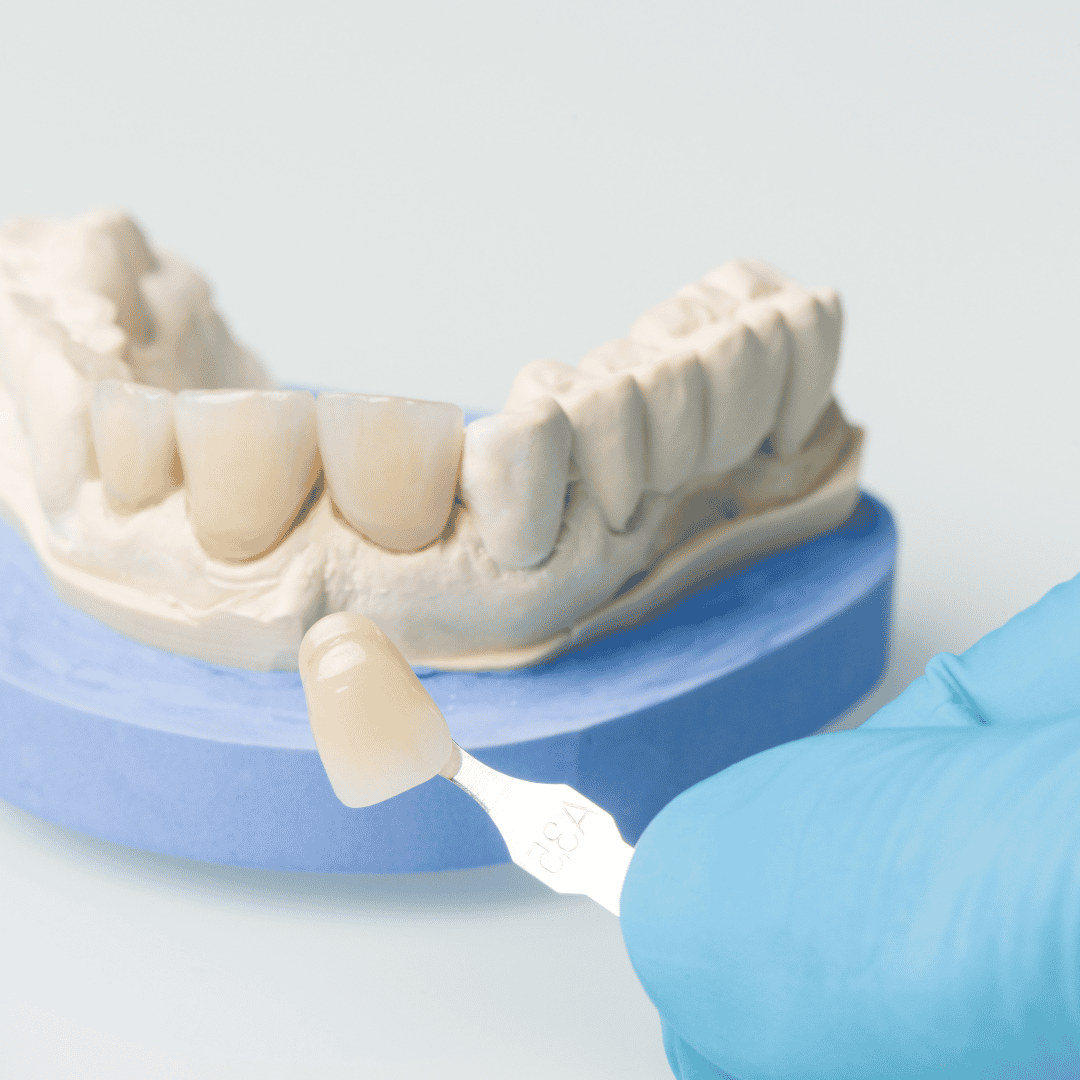
Following placement, the patient enters a critical healing phase known as osseointegration. Over the course of three to six months, the natural bone tissue grows around and fuses with the grooved surface of the titanium post, locking it securely into place. Once the dentist confirms the post is stable, a small connector piece called an abutment is added, followed by the placement of a custom-fabricated artificial tooth (the crown) to restore normal function and appearance.
Am I a suitable candidate for this treatment?
Not everyone is immediately eligible for this restorative procedure. A healthy foundation is critical for long-term success. Patients actively suffering from periodontal (gum) disease must typically undergo treatment to resolve the infection before an implant can be safely placed. Sufficient bone density is also required to support the metal post securely.
Certain medical histories can complicate candidacy. Conditions such as uncontrolled diabetes, autoimmune disorders, or a history of radiation therapy to the head or neck can impede healing and increase the risk of failure. Additionally, heavy smoking slows blood flow to the gums and significantly raises the risk of complications. A thorough medical and dental evaluation is necessary to determine individualized suitability.
What should I expect during the recovery period?
Immediately following the surgery, it is common to experience swelling, minor bruising around the gums or face, and manageable pain at the implant site. Dentists typically recommend a soft food diet for the first week or two to avoid placing undue pressure on the healing area. Over-the-counter or prescribed pain relievers, along with cold compresses, can often manage postoperative discomfort effectively.
While the surface gums heal relatively quickly, the deeper osseointegration process happens gradually and silently. During these several months, patients must maintain rigorous oral hygiene while being gentle around the surgical site. Avoiding hard, crunchy, or extremely sticky foods is often advised during this intermediate healing phase to prevent disturbing the post before it is fully fused with the jaw.
Are there risks or potential complications involved?
As with any oral surgery, there are inherent risks that patients must understand. Infection is a primary concern, which can develop during the healing phase if bacteria enter the surgical site. To mitigate this, dentists often prescribe antibiotics and antimicrobial mouthwashes, but diligent home hygiene remains essential.
Other risks include injury to surrounding structures, such as adjacent teeth or blood vessels. If an implant is placed in the lower jaw, there is a slight risk of nerve damage, which can cause pain, numbness, or a tingling sensation in the natural teeth, gums, lips, or chin. Furthermore, in some instances, the bone simply fails to fuse adequately to the metal post, requiring the removal of the device and a reassessment of the treatment plan.
How do I choose a reliable dental clinic in Cabo San Lucas, Mexico?
Selecting the right provider is perhaps the most crucial step in the medical tourism journey. Prospective patients should look beyond marketing materials and focus on verifiable credentials. Many reputable dentists working with international patients hold memberships with recognized professional organizations, such as the American Dental Association (ADA) or international implantology boards, which indicates a commitment to ongoing education.
Additionally, the facility itself should utilize modern diagnostic equipment, such as 3D imaging, and adhere to strict, documented sterilization protocols. Clear communication is another vital factor. Ensuring that the clinical staff can communicate complex medical terms, risks, and post-care instructions in your native language helps prevent misunderstandings and ensures you can make informed decisions regarding your care.
Will I need bone grafting before getting an implant?
When a tooth is lost, the underlying jawbone no longer receives the stimulation it needs from chewing, leading it to slowly deteriorate or resorb over time. If a patient has been missing a tooth for several years, or has suffered from severe periodontal disease, their remaining bone structure may be insufficient to support surgery.
In these scenarios, a bone grafting procedure becomes necessary. This involves adding bone grafting material to the weakened area to build up its mass and strength. Depending on the extent of the graft, it may require several months of healing before the actual post can be placed, which extends the overall treatment timeline and adds to the total procedural costs.
How long does the entire process take from start to finish?
Patients should not expect to complete this type of restorative dentistry in a single weekend trip. The journey is fundamentally split by the biological requirements of healing. The first trip typically involves the consultation, imaging, any necessary extractions, and the surgical placement of the post. Patients often stay for a few days to a week to allow for initial recovery and a follow-up check before flying home.
After a waiting period of roughly three to six months at home, the patient must return for the second phase. During this subsequent trip, the dentist checks the integration of the bone, exposes the implant if it was covered by gum tissue, attaches the abutment, and takes impressions for the final crown. The permanent crown is usually cemented into place a few days later, concluding the active treatment phase.
What is it like to combine treatment with medical tourism in Cabo San Lucas, Mexico?
Cabo San Lucas is located at the southern tip of the Baja California Peninsula and is easily accessible via direct flights from many major North American cities. This convenience makes it an attractive option for patients who need to make multiple trips for phased treatments. The location offers a range of accommodations, from budget-friendly hotels to high-end resorts, allowing patients to tailor their stay to their comfort preferences.
While the setting is undeniably beautiful, patients must prioritize their medical recovery. Activities like swimming in the ocean, vigorous exercise, or consuming alcohol should generally be avoided immediately following oral surgery to prevent infection or prolonged bleeding. Instead, the destination offers a quiet environment for resting and recuperating before traveling back home.
How do I maintain my oral health after returning home?
Just like natural teeth, artificial restorations require consistent daily care to prevent complications. Although the artificial crown and titanium post cannot develop cavities, the surrounding gum tissue remains vulnerable to infection. A condition known as peri-implantitis can cause inflammation and bone loss around the post, potentially leading to failure if left untreated.
Patients must commit to brushing twice daily, using non-abrasive toothpaste, and flossing gently around the restoration. Furthermore, it is vital to establish a relationship with a local dentist for biannual cleanings and evaluations. A local provider can monitor the health of your gums and the stability of the restoration, ensuring any minor issues are addressed promptly before they become significant complications.
Why Choose PlacidWay for Medical Tourism Information?
Navigating international healthcare options requires careful research. PlacidWay serves as an informational platform to help patients explore cross-border medical options.
- Educational Resources: PlacidWay offers detailed guides and articles about various international medical procedures and destinations.
- Clinic Profiles: Patients can access directories listing international clinics, including available credentials and facility descriptions.
- Cost Transparency: The platform provides estimated pricing information to help users plan their potential healthcare budgets.
- Comparison Tools: Users can view multiple providers in a specific region, allowing for side-by-side evaluation of available options.
- Customer Support: PlacidWay offers dedicated representatives to assist patients in gathering initial information and submitting consultation requests.
Frequently Asked Questions
Is a passport required to travel to Cabo San Lucas for dental care?
Yes, international patients traveling to Mexico by air must present a valid passport upon entry and when returning to their home country.
What types of materials are commonly used for the crowns?
Dentists frequently use porcelain fused to metal (PFM), full porcelain, or zirconia for crowns, with zirconia often preferred for its durability and natural appearance.
Can I get a temporary tooth while the implant heals?
In many cases, your dentist can provide a temporary crown, bridge, or a removable partial denture so you do not have to go without a tooth during the healing phase.
Are the dentists in Cabo San Lucas bilingual?
Many dental professionals who cater to international patients in Cabo San Lucas speak English fluently, helping to ensure clear communication about your treatment.
Do I need to pay for the entire treatment upfront?
Because the procedure is usually split into two phases separated by several months, clinics typically require payment only for the services rendered during each specific visit.
Can I fly immediately after the placement surgery?
While flying shortly after oral surgery is generally possible, many dentists recommend waiting a few days to manage any initial swelling or discomfort before dealing with cabin pressure changes.
What happens if I experience an issue after returning home?
It is crucial to have a local dentist at home who can assist with emergencies. You should also communicate with your treating clinic abroad to coordinate any necessary adjustments or advice.
Is it common to need a sinus lift along with an implant?
A sinus lift is frequently required when placing implants in the upper back jaw if the natural bone has receded or the sinus cavities are too close to the jawbone.
Will my local dental insurance cover procedures done in Mexico?
Some insurance providers offer partial reimbursement for out-of-network or cross-border care, but this varies widely by policy. You must check directly with your provider before traveling.
How do I arrange for a consultation before traveling?
Many clinics offer preliminary online consultations. You can usually share your recent dental X-rays or 3D scans securely via email or a patient portal to receive an initial evaluation and estimate.
Compare Treatment Options Today
Gather more information about facilities, verify estimates, and review your restorative choices abroad.
Request Treatment InformationReferences
- Dental Implants – American Dental Association (ADA)
- Dental Implant Surgery: What You Can Expect – Mayo Clinic
- Medical Tourism Guidelines – Centers for Disease Control and Prevention (CDC)
- Dental Implants: What You Should Know – U.S. Food and Drug Administration (FDA)
- Complications and Risks of Dental Implants – National Center for Biotechnology Information (NCBI)
- Mexico Country Information and Travel Advice – U.S. Department of State




.png)
.png)
.png)
.png)

.png)
.png)
.png)
.png)









Share this listing