
Affordable Eyelid Surgery in Colombia: Your Price Guide
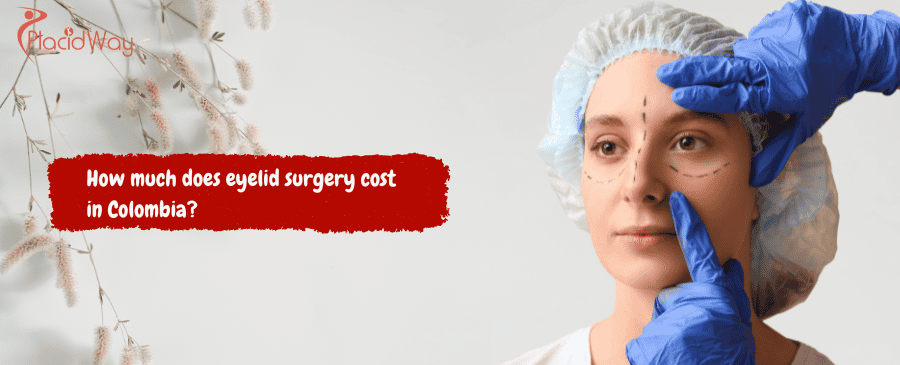
Many patients considering facial rejuvenation explore eyelid surgery in Colombia as a potential option. Medically known as blepharoplasty, this procedure aims to remove excess skin, muscle, or fat from the eyelids, which can help address drooping upper lids or bags under the eyes. For those exploring cosmetic procedures abroad, South America has emerged as a frequent destination due to a favorable exchange rate and access to specialized medical professionals.
Navigating healthcare in another country requires careful research. Beyond the estimated procedure price, prospective patients must weigh travel expenses, the necessity of local follow-up care, and the importance of finding qualified providers. This guide explores expected costs, the recovery process, potential risks, and important considerations for anyone researching an eyelid surgery clinic in Colombia.
Key Takeaways
- Cost estimates for blepharoplasty in Colombia generally range between $1,500 and $3,500.
- Pricing varies based on whether the procedure addresses the upper, lower, or both sets of eyelids.
- Major cities like Bogota, Medellin, and Cali are primary hubs for international patients.
- Patients should budget for an extended stay of 7 to 10 days for proper initial recovery and stitch removal.
- Eyelid surgery carries real medical risks; a thorough assessment by a qualified doctor is essential.
What exactly is eyelid surgery (blepharoplasty)?
As we age, our skin naturally loses elasticity, and the muscles supporting our eyelids can weaken. This process may lead to a buildup of excess fat above and below the eyelids, causing drooping brows, heavy upper lids, and visible bags under the eyes. Eyelid surgery targets these structural changes.
The procedure can be categorized into three main types:
- Upper Blepharoplasty: Focuses on the upper eyelid, removing sagging skin that may interfere with vision or create a tired appearance.
- Lower Blepharoplasty: Targets the lower eyelid, primarily to remove or redistribute excess fat that creates under-eye bags.
- Quad Blepharoplasty: A comprehensive approach that addresses both the upper and lower eyelids during the same surgical session.
What factors influence the cost of eyelid surgery in Colombia?
When reviewing quotes from an eyelid surgery clinic in Colombia, it is crucial to understand what is included. An initially low quote might only cover the surgeon's fee, leaving out important ancillary costs. When requesting information, ask for a comprehensive breakdown.
Factors that typically impact your final medical bill include:
- Scope of Surgery: Treating just the upper eyelids is generally less expensive than addressing all four eyelids.
- Anesthesia Fees: General anesthesia requires an anesthesiologist and specialized monitoring, increasing costs compared to local anesthesia with sedation.
- Geographic Location: Clinics in major metropolitan centers like Bogota or highly frequented tourist cities like Medellin may have different pricing structures compared to smaller regional centers.
- Pre-operative Requirements: Blood work, cardiovascular evaluations, and vision tests are often required before surgery to ensure you are a suitable candidate.
How does the price in Colombia compare to the US and Canada?
In the United States and Canada, the total cost for blepharoplasty frequently ranges from $4,500 to $8,000 or more, especially when factoring in operating room facilities and anesthesia. In contrast, the estimated eyelid surgery cost in Colombia typically falls between $1,500 and $3,500.
| Procedure Type | Estimated Cost (US/Canada) | Estimated Cost (Colombia) |
|---|---|---|
| Upper Eyelids Only | $3,500 - $5,000 | $1,500 - $2,200 |
| Lower Eyelids Only | $4,000 - $6,000 | $1,800 - $2,500 |
| Upper & Lower (Quad) | $6,000 - $9,000+ | $2,800 - $3,500 |
Who is typically a good candidate for this procedure?
A personal consultation with a qualified medical professional is the only way to determine true eligibility for surgery. Doctors will evaluate your facial anatomy, skin quality, and overall health profile.
Suitability may be negatively affected if you have certain pre-existing conditions, including:
- Eye disorders: Glaucoma, dry eye syndrome, or a detached retina can increase surgical risks.
- Systemic diseases: Conditions like diabetes, high blood pressure, or cardiovascular disease may complicate anesthesia and healing.
- Thyroid issues: Thyroid disorders, such as Graves' disease, can cause eye bulging that blepharoplasty cannot correct and may complicate surgery.
What are the main risks and potential complications?
No surgical procedure is entirely risk-free. While many patients undergo eyelid surgery without severe issues, it is essential to be aware of possible adverse outcomes. Temporary side effects such as swelling, bruising, and mild discomfort are expected during the early days of recovery.
More significant medical risks include:
- Difficulty closing eyes: Over-resection of skin can make it hard to close the eyes completely, leading to severe dry eye or corneal damage.
- Asymmetry: The eyes may heal unevenly, requiring revision surgery.
- Ectropion: An outward rolling of the lower eyelid that requires medical intervention.
- Hematoma: A collection of blood under the skin that may need to be surgically drained.
Patients must disclose their full medical history and current medications to their surgeon to mitigate these risks as much as possible.
What should I expect during the recovery process?
Recovery timelines vary for every individual, but there are standard milestones to expect. For the first few days, applying cold compresses and keeping the head elevated can help manage swelling. Surgeons often prescribe eye drops or ointments to prevent dryness and infection.
If non-dissolvable sutures are used, they are typically removed within 5 to 7 days post-operation. While most patients feel comfortable appearing in public after 10 to 14 days, residual swelling can take a few months to fully subside. Sun protection, including dark sunglasses and avoidance of direct sunlight, is critical during the healing phase to prevent hyperpigmentation of the scars.
How do I choose a reputable eyelid surgery clinic in Colombia?
When researching providers, look for surgeons who hold specific qualifications in plastic surgery or oculoplastic surgery. In Colombia, reputable plastic surgeons are often members of the Colombian Society of Plastic, Aesthetic and Reconstructive Surgery (SCCP). Membership in international organizations like ISAPS (International Society of Aesthetic Plastic Surgery) can also be an indicator of adherence to global standards.
Ask prospective clinics detailed questions before booking:
- What are the surgeon's specific qualifications and how frequently do they perform blepharoplasty?
- Is the surgical facility fully accredited to handle medical emergencies?
- How does the clinic handle post-operative complications if they arise after you have returned home?
What is it like participating in medical tourism in Colombia?
Colombia has invested heavily in its healthcare infrastructure, and its major cities feature modern clinics. However, traveling for surgery requires careful logistical planning. You will need a valid passport, and you should check current visa requirements and travel health advisories from your local government (such as the CDC or State Department) before booking.
It is important to remember that combining surgery with a traditional vacation is often not feasible. Eyelid surgery recovery requires rest, limited sun exposure, and avoidance of swimming or strenuous walking. Your time in Colombia should be viewed primarily as a medical trip rather than a holiday.
Will I need to stay in Colombia for follow-up care?
Flying too soon after surgery can increase the risk of swelling and complications related to cabin pressure and dry airplane air. Staying locally allows your surgeon to monitor your initial healing phase.
Once you are cleared to travel and return home, you must still have a plan in place for long-term follow-up. Complications can sometimes arise weeks after surgery. It is highly recommended that you establish a connection with a local healthcare provider in your home country who can assess your healing and assist if late-stage complications occur.
Are there alternative treatments to surgical blepharoplasty?
Not everyone requires or is suitable for surgery. Non-invasive or minimally invasive procedures can sometimes temporarily mask signs of aging around the eyes with fewer immediate risks and shorter recovery times.
Options to discuss with a medical professional include:
- Dermal Fillers: Can be strategically injected to smooth the transition between the lower eyelid and the cheek, minimizing the appearance of under-eye bags.
- Neuromodulators (Botox): Injections around the eyes can raise the brow slightly and smooth crow's feet, temporarily altering the eye's appearance.
- Laser Therapy: Promotes collagen production and tightens mildly loose skin around the eyes.
Keep in mind that while these alternatives avoid the risks of surgery, their results are temporary and generally cannot address severe skin laxity or significant fat prolapse.
Why Choose PlacidWay for Medical Tourism?
Researching medical procedures abroad can be overwhelming. PlacidWay is a medical tourism platform designed to help patients gather information and connect with healthcare providers internationally.
- Global Network: PlacidWay provides directory access to numerous clinics and hospitals across Colombia and worldwide.
- Information Gathering: The platform allows users to request cost estimates from multiple providers to compare pricing structures.
- Educational Content: Patients can access articles, guides, and resources about various medical procedures and destinations.
- Direct Communication: PlacidWay facilitates initial contact between international patients and clinic coordinators.
- Provider Profiles: The site hosts clinic profiles detailing facility information, specialties, and available languages.
Frequently Asked Questions
Can I get both upper and lower eyelids done at the same time?
Yes, many patients choose to have quad blepharoplasty, which treats both the upper and lower eyelids during a single surgical session. This can reduce overall recovery time compared to having two separate procedures, though it may increase the initial post-operative swelling.
How long does the actual surgery take?
The procedure typically takes between one and three hours, depending on whether you are having upper, lower, or both eyelids treated, and if any additional techniques like fat repositioning are involved.
Is blepharoplasty performed under local or general anesthesia?
Upper eyelid surgery is often performed using local anesthesia combined with oral sedation. Lower eyelid surgery or combined procedures may require intravenous sedation or general anesthesia, depending on the surgeon's recommendation and patient comfort.
Will insurance cover my eyelid surgery in Colombia?
Cosmetic eyelid surgery is rarely covered by health insurance. If the procedure is deemed medically necessary (e.g., severe upper eyelid drooping that impairs vision), your domestic insurance might cover it, but they typically do not reimburse surgeries performed abroad.
Are the results of eyelid surgery permanent?
While eyelid surgery removes excess skin and fat, it does not stop the natural aging process. The results are long-lasting, often remaining noticeable for many years, but skin elasticity will continue to change over time.
When can I safely fly home after blepharoplasty?
Surgeons typically advise waiting at least 7 to 10 days before flying. This allows time for initial healing, suture removal, and a follow-up assessment to ensure no immediate complications have developed.
Will I have visible scars after the procedure?
Incisions are typically placed in the natural creases of the upper eyelids and just below the lash line or inside the lower eyelids. While some scarring is inevitable, these strategic placements help conceal them as they fade over several months.
Can I wear contact lenses during recovery?
You will usually be advised to avoid wearing contact lenses for at least one to two weeks following surgery. Wearing glasses is recommended until your surgeon clears you, to prevent pulling on the healing eyelids and to avoid aggravating dry eyes.
What happens if I experience a complication after returning home?
If a complication arises after you return home, you will need to seek care from a local medical professional. It is highly recommended to establish a relationship with a local doctor before you travel who can assist with potential post-operative care.
Do clinics in Colombia speak English?
Many clinics catering to international patients employ bilingual staff and surgeons who speak English. However, proficiency levels vary, so it is important to confirm communication capabilities during your initial consultations.
Compare Treatment Options
If you are researching providers and wish to explore options for your procedure, you can request further information and cost estimates directly.
Request Treatment InformationReferences
- Blepharoplasty - Mayo Clinic
- Eyelid Surgery Safety & Risks - American Society of Plastic Surgeons
- Blepharoplasty (Eyelid Surgery) - Cleveland Clinic
- Traveler's Health: Colombia - Centers for Disease Control and Prevention (CDC)
- Medical Tourism for Plastic Surgery - Johns Hopkins Medicine
- Blepharoplasty Patient Guide - International Society of Aesthetic Plastic Surgery (ISAPS)





















Share this listing