

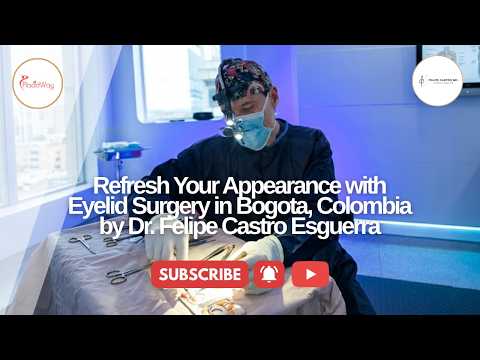
Tired of hearing that you look exhausted even after a full night of restful sleep? Dr. Felipe Castro Esguerra offers a specialized eyelid surgery package in Bogota, Colombia, starting at an estimated $2,500, uniquely tailored to help you reclaim a refreshed and vibrant facial appearance. This targeted blepharoplasty procedure carefully addresses excess skin and repositioned fat around the eyes for medically suitable candidates, seamlessly blending advanced surgical techniques with renowned Colombian hospitality. International patients can typically expect a 7- to 10-day local stay to ensure safe initial healing and proper follow-up care, keeping in mind that final medical eligibility and comprehensive pricing ultimately rely on a thorough, personalized clinical assessment.
Crucial Insights for Your Upcoming Procedure
- Estimated Investment: Packages start from a verified base of $2,500 USD, though final pricing is determined exclusively after your personal medical consultation.
- Surgeon Credentials: Dr. Felipe Castro is an internationally recognized specialist registered with ISAPS and the Colombian Society of Plastic Surgery.
- Ideal Patient Profile: Candidates are generally healthy non-smokers seeking to address functional visual impairment or aesthetic concerns like drooping upper lids and under-eye puffiness.
- What to Anticipate: The surgery typically takes one to two hours, performed on an outpatient basis utilizing precise local anesthesia with sedation or general anesthesia.
- Travel Logistics: Patients are advised to plan for a 7- to 10-day stay in Bogota, allowing ample time for initial swelling to subside and for the safe removal of sutures before flying.
Comparing the Cost of Blepharoplasty Globally
Medical tourism in Colombia offers significant financial advantages without compromising on medical expertise or facility standards. Below is a general comparison of what patients typically pay in other regions compared to Bogota.
| Country / Region | Estimated Starting Price (USD) |
|---|---|
| United States | $4,500 - $7,000 |
| United Kingdom | $4,000 - $6,500 |
| Canada | $5,000 - $8,000 |
| Bogota, Colombia (Dr. Castro) | Starting from $2,500 |
Detailed Cost Breakdown for Your Surgery
Transparency is key to a stress-free medical journey. The following table provides an estimated breakdown of the starting price. Please note: This is an estimated cost pending a final medical assessment and customized surgical plan.
| Procedure Item | Estimated Cost | Description of Services |
|---|---|---|
| Surgeon's Fee | $1,200 | Compensates the primary physician for their surgical expertise, time, and customized technique. |
| Anesthesia Services | $400 | Covers the medications and the professional fees for a board-certified anesthesiologist monitoring you. |
| Facility & Operating Room | $600 | Includes the cost of utilizing a fully equipped, modern, and sterile surgical center in Bogota. |
| Pre & Post-Operative Care | $300 | Covers initial in-person clinical evaluations and routine post-surgical follow-up appointments. |
| Total Estimated Price | $2,500 | Base package price (Subject to variation based on individual anatomy and surgical scope). |
What is Included in Your Surgery Package?
When you proceed with this medical package, the foundational elements of your clinical care are comprehensively covered. Included items are:
- Comprehensive virtual consultation prior to your arrival in Colombia.
- In-person pre-operative evaluation with Dr. Felipe Castro Esguerra.
- All primary surgeon, anesthesiologist, and dedicated nursing staff fees.
- Utilization of the surgical facility, including the operating room and recovery suite.
- Standard medical supplies, sterile equipment, and specialized instruments used during surgery.
- Routine post-operative follow-up visits, including the safe removal of your sutures.
What is Excluded from the Package?
To help you accurately budget your entire medical journey, please be aware that the following personal and travel-related expenses are not included in the base price:
- International airfare and related travel expenses to and from Bogota.
- Hotel accommodations, daily meals, and local ground transportation (unless a specific VIP concierge upgrade is requested).
- Pre-operative laboratory tests, blood work, and EKGs (which are typically completed in your home country).
- Prescription medications required for your post-operative recovery (antibiotics, pain relievers).
- Medical travel insurance or specific surgical complication insurance policies.
Who is the Ideal Candidate for Blepharoplasty in Bogota?
Not everyone is an automatic candidate for eyelid surgery. The procedure requires specific physical criteria and a healthy physiological baseline. You may be deemed suitable if you meet the following conditions:
- You are a generally healthy adult without life-threatening illnesses or chronic conditions that severely impair healing (such as uncontrolled diabetes or severe cardiovascular issues).
- You are a non-smoker, or you are fully willing to cease smoking and nicotine use several weeks before and after the procedure to prevent tissue necrosis and poor scarring.
- You experience functional vision impairment due to heavily drooping upper eyelid skin that physically obstructs your line of sight.
- You are bothered by persistent, prominent under-eye bags, puffiness, or excess wrinkling that does not improve with rest or topical treatments.
- You maintain realistic, grounded expectations regarding the outcome, understanding that the surgery aims for improvement rather than absolute perfection.
Required Medical Records for Preliminary Assessment
To ensure your safety and determine your eligibility before you book your travel, Dr. Castro's clinical team will require specific documentation. Please be prepared to provide:
- A comprehensive and completely honest medical history form, detailing past surgeries, current illnesses, and a complete list of daily medications and dietary supplements.
- Recent, high-resolution photographs of your face and eyes (frontal view, 45-degree angle, and 90-degree profile view) taken in clear, natural lighting without filters or makeup.
- Recent comprehensive blood work, including a Complete Blood Count (CBC) and a coagulation profile, to ensure your body can safely handle surgery and heal properly.
- An electrocardiogram (ECG/EKG) reading, which is routinely required for patients over the age of 40 to verify cardiovascular stability.
- A formal ophthalmology clearance or recent vision test results, especially if you have a history of dry eyes, glaucoma, or other significant ocular conditions.
Understanding the Blepharoplasty Procedure Steps
Blepharoplasty is a delicate, highly customized procedure designed to reshape the upper or lower eyelids (or both). Dr. Castro utilizes advanced surgical protocols to minimize trauma and ensure optimal aesthetic balance. Here is a step-by-step breakdown of what typically occurs in the operating room.
Step 1: Administering Comfort and Anesthesia
Your comfort and safety are the top priorities. The anesthesiologist will administer either local anesthesia combined with intravenous sedation (which keeps you relaxed and pain-free but breathing on your own) or general anesthesia. The best option will be selected based on the complexity of your specific surgery and your personal anxiety levels.
Step 2: Placing the Strategic Incisions
For the upper eyelids, Dr. Castro carefully places the incision within the natural crease of the lid, ensuring that resulting scars are well-hidden when your eyes are open. For the lower eyelids, the incision is typically placed just below the lower lash line or occasionally inside the lower eyelid (a transconjunctival approach) to completely conceal the incision.
Step 3: Tissue Resculpting and Fat Repositioning
Once the incisions are made, the surgeon works with profound precision to separate the skin from the underlying tissue. Excess fat pads—which cause the appearance of puffy "bags"—are carefully removed or repositioned to hollow areas to create a smooth contour. Sagging muscle is tightened, and redundant, wrinkled skin is meticulously trimmed away.
Step 4: Closing and Protecting the Incisions
Finally, the incisions are closed using extremely fine, delicate sutures or specialized surgical adhesives. These closures are designed to minimize tension on the skin, allowing the area to heal into a barely perceptible line that blends smoothly with your natural facial anatomy.
Your Step-by-Step Medical Tourism Itinerary
Traveling abroad for surgery requires structured planning. This timeline outlines the standard progression of your care, from the comfort of your home to your final day in Colombia.
- Weeks 1-3 (Pre-Travel): You will undergo a virtual consultation, submit your medical records and photographs, receive your preliminary estimate, and confidently book your flights and accommodations once medically cleared.
- Day 1 (Arrival & Consultation): You arrive safely at El Dorado International Airport in Bogota, settle into your accommodation, and attend a comprehensive in-person consultation with Dr. Castro to finalize the surgical plan.
- Day 2 (Surgery Day): You arrive at the clinic fasting. The procedure is performed safely on an outpatient basis. After a brief monitoring period in the recovery suite, you are discharged to return to your hotel to rest.
- Days 3-6 (Active Recovery): You will rest in Bogota, keeping your head elevated and applying cold compresses as directed. You will experience peak swelling during this time, but you will remain in contact with the clinic's nursing staff.
- Day 7-10 (Suture Removal & Clearance): You will return to the clinic for a crucial follow-up appointment. Dr. Castro will assess your healing progress and carefully remove the sutures. If healing is proceeding normally, you will be cleared for air travel.
- Months 1-3 (Long-Term Follow-up): After returning home, you will participate in scheduled virtual follow-up calls to ensure your recovery remains on track and your aesthetic results settle beautifully.
Expected Length of Stay in Colombia
Proper recovery cannot be rushed, especially when air travel is involved. For a smooth experience, keep the following duration parameters in mind:
- Plan for a minimum stay of 7 to 10 days in Bogota.
- Final travel clearance is entirely dependent on the treating physician’s assessment of your individual recovery pace.
- Initial swelling and pressure changes during flights mean you must wait for the surgeon's explicit approval before boarding an airplane.
- Suture removal typically dictates the end of your required stay, usually occurring between day 5 and day 7 post-operation.
Navigating Your Recovery and Aftercare Phases
Healing from eyelid surgery is a phased process. Understanding these stages will help you manage your expectations and ensure the best possible outcome.
Immediate Phase (Days 1-3): This is when you will experience the most pronounced swelling, bruising, and mild discomfort. Your vision may be temporarily blurry due to prescribed healing ointments. It is critical to keep your head elevated at all times, even while sleeping, and rigorously apply cold compresses as instructed to manage inflammation.
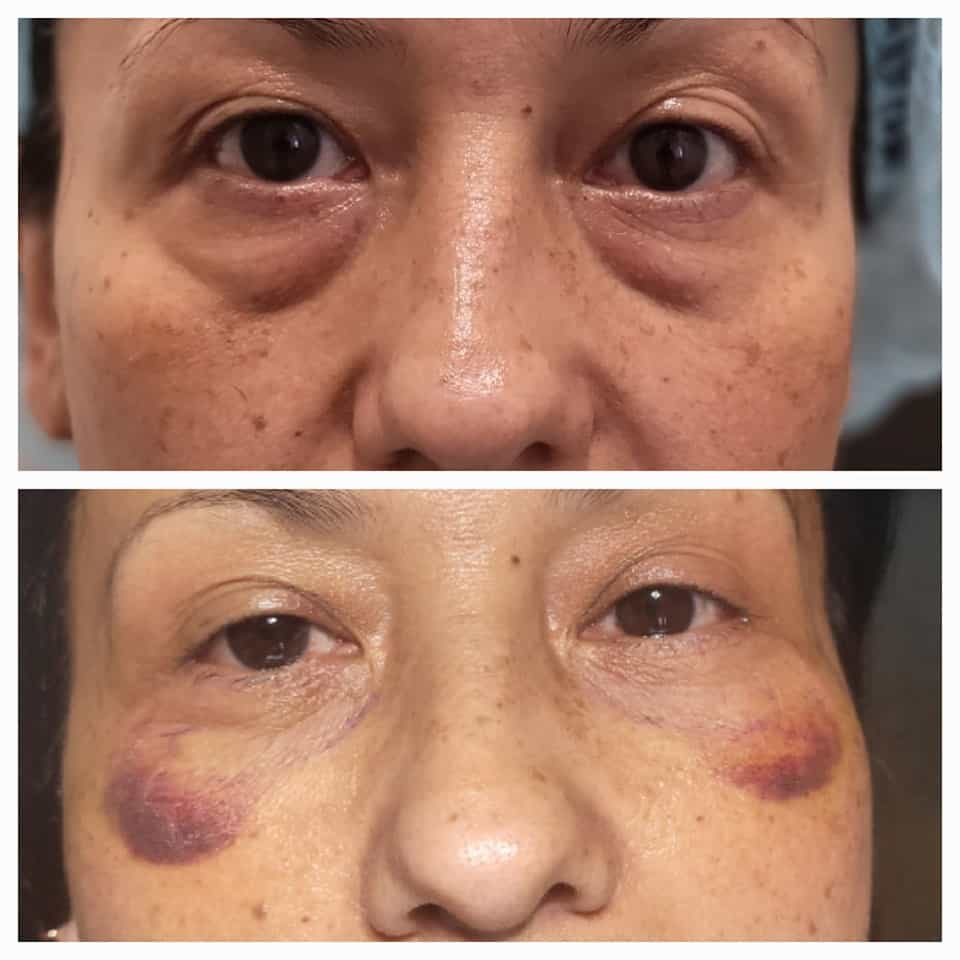
Short-Term Phase (Days 4-7): During this window, the peak swelling will gradually begin to subside. Bruising may shift in color, moving downward toward the cheeks due to gravity. By the end of this week, your sutures will be removed, which often brings a significant sense of relief and reduced tightness.
Mid-Term Phase (Weeks 2-4): Most visible bruising should fade, allowing you to return to standard, non-strenuous daily activities. You can typically resume wearing makeup and contact lenses during this time, provided the incisions are fully closed and the doctor has given permission.
Long-Term Phase (Months 1-3): Residual, subtle swelling resolves completely. The surgical scars will continue to mature, transitioning from a slightly pink hue to a faint line that blends with your natural skin tone. Your final, refreshed contour settles in completely.
Potential Risks and Possible Complications
All surgical procedures carry inherent risks, regardless of the surgeon's skill or the quality of the facility. Maintaining open communication with your medical team is vital. While rare, potential complications may include:
- Temporary dry, irritated, or itchy eyes, which can usually be managed with prescribed lubricating eye drops.
- Unexpected swelling, prolonged bruising, or minor bleeding at the incision sites.
- Temporary blurred vision or heightened sensitivity to light during the first few days of recovery.
- Difficulty closing your eyes completely when sleeping, which is usually a temporary side effect of early swelling but requires monitoring.
- Noticeable scarring or asymmetrical healing, which may require minor corrective adjustments.
Please note: This list is not exhaustive. The treating physician will discuss your individual risk profile thoroughly during your medical consultation.
What Are the Expected Results?
Blepharoplasty is renowned for its high patient satisfaction rates, provided expectations remain realistic and medically grounded. When evaluating your potential outcome, consider the following:
- The procedure typically results in a significantly more rested, alert, and refreshed facial appearance.
- If severely drooping skin previously obstructed your peripheral sight, the surgery may notably improve your functional field of vision.
- Surgical scars are meticulously placed and often become well-concealed within the natural anatomical folds of your eyelids.
- Final results vary considerably based on your individual skin elasticity, age, genetics, and strict adherence to post-operative aftercare instructions.
- While the improvements are generally considered long-lasting, the natural aging process of your skin and tissues will inevitably continue over the years.
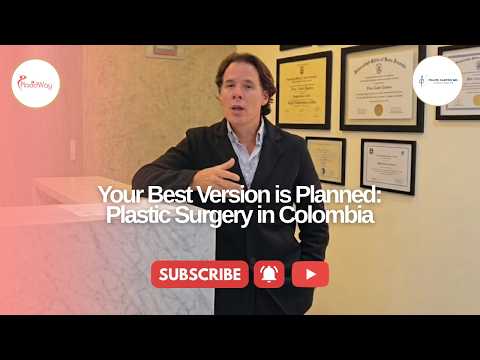
Meet Your Surgeon: Dr. Felipe Castro Esguerra

Dr. Felipe Castro Esguerra is a highly respected plastic surgeon operating primarily out of his private practice in Bogota, Colombia. As an independent practitioner, he has built a robust reputation for prioritizing rigorous patient safety protocols and delivering natural-looking, structurally sound aesthetic results. Dr. Castro is a proud graduate of the Nueva Granada Military University in Bogota, and he further refined his surgical expertise through specialized training at the Aesthetic Center for Plastic Surgery (ACPS) in Houston, Texas.
His steadfast commitment to maintaining global surgical standards is reflected in his active memberships with prestigious organizations, including the Colombian Society of Plastic Surgery (SCCP), the Ibero-Latin American Federation of Plastic Surgery, and the International Society of Aesthetic Plastic Surgery (ISAPS). He is deeply committed to honest, transparent patient communication, ensuring that every individual explicitly understands what is medically viable and safe for their unique facial anatomy. By championing a tech-forward practice and emphasizing highly structured aftercare, Dr. Castro provides international patients with a supportive, world-class surgical experience.
Frequently Asked Questions
What is the fundamental difference between upper and lower blepharoplasty?
Upper blepharoplasty focuses on removing excess, drooping skin and fat from the top eyelid that can cause a tired appearance or impair vision. Lower blepharoplasty primarily targets the removal or repositioning of fat pads beneath the eyes to eliminate puffy "bags" and smooth the under-eye contour.
Will this surgery successfully remove my crow's feet or dark circles?
No, blepharoplasty is not designed to eliminate crow's feet, wrinkles at the corners of the eyes, or dark pigmentation (dark circles) under the eyes. It specifically addresses structural issues like excess fat and loose skin. Other treatments, such as laser resurfacing or injectables, are often better suited for wrinkles and pigmentation.
How long does the actual surgical procedure take?
The duration of the surgery depends heavily on whether you are having all four eyelids addressed or just the upper or lower ones. Typically, the procedure takes anywhere from one to two hours to complete in the operating room.
Will other people be able to clearly see my surgical scars?
Surgeons go to great lengths to hide incisions within the natural anatomy of the eye. Upper eyelid incisions are hidden within the eyelid crease, and lower incisions are often placed just below the lash line or entirely inside the lid. Over time, these fine lines usually fade significantly and become barely perceptible.
Is the blepharoplasty procedure considered highly painful?
Most patients report feeling a sense of tightness, pressure, and mild discomfort rather than severe pain. The surgery itself is completely painless due to anesthesia. Post-operative discomfort is typically well-managed with cold compresses and over-the-counter or prescribed oral pain medications.
When can I safely wear eye makeup and contact lenses again?
You must strictly avoid wearing contact lenses and eye makeup (like mascara or eyeliner) for at least two weeks post-surgery to prevent severe infection and irritation. You should only resume wearing them after Dr. Castro evaluates your incisions and explicitly gives you clearance.
Are the aesthetic results of eyelid surgery entirely permanent?
The fat cells removed during the procedure generally do not return, meaning the reduction of under-eye bags is typically permanent. However, your skin will continue to age naturally and lose elasticity over time, which may cause minor sagging to reoccur years down the line.
Is it safe to fly back home immediately after the procedure?
No, it is not safe to fly immediately. Cabin pressure changes and dry airplane air can severely exacerbate swelling, risk bleeding, and compromise your healing. You must wait in Bogota for 7 to 10 days until your sutures are removed and you receive a final medical clearance to fly.
What activities must I completely avoid during the initial recovery period?
For the first few weeks, you must avoid heavy lifting, vigorous cardiovascular exercise, swimming, bending over at the waist, and straining. Additionally, you should limit prolonged screen time and reading in the first few days to prevent aggressive eye strain and severe dryness.
What happens if I experience extreme dry eye after surgery?
Temporary dry eye is a common side effect as the eyelid tissues heal and swelling affects blink mechanics. Your surgeon will likely recommend specific lubricating eye drops or nighttime ointments. If severe dryness persists beyond the normal healing window, further medical evaluation will be required.
Take the Next Step Towards a Refreshed Appearance
If you are ready to explore your candidacy for this specialized package with Dr. Felipe Castro Esguerra, our team is here to assist you with complete transparency and care. Let us help you organize a comprehensive virtual assessment today.
Request Free QuoteMedical Disclaimer: The content provided on this page is for general informational and educational purposes only and does not constitute professional medical advice. Always consult with a qualified healthcare provider regarding your individual medical suitability, specific surgical risks, and personal treatment plans before making any major healthcare decisions.























Share this listing