
What treatment


20+ Key FAQs on Cosmetic/Plastic Surgery in Colombia
Questions About Cosmetic/Plastic Surgery in Colombia? Start Here
Trusted Medical Tourism Platform Since 2007
How Old Do You have to be to Get a Nose Job in Colombia?
To get a nose job in Colombia, the recommended minimum age is generally around 16 for girls and 17-18 for boys. Legally, anyone under 18 requires parental consent for the procedure. A nose job, or rhinoplasty, is one of the most requested cosmetic procedures in the world, and Colombia has earned a reputation as a top destination for this transformative surgery. With its highly skilled surgeons and state-of-the-art facilities, it's a popular choice for those seeking to enhance their facial harmony. A common and crucial question for younger individuals and their parents is, "How old do you have to be to get a nose job in Colombia?" The answer isn't just a simple number; it involves a combination of legal requirements, physical development, and emotional readiness. While Colombian law permits rhinoplasty for minors with parental consent, reputable surgeons place a strong emphasis on ensuring the patient is both physically and emotionally mature enough for such a life-altering decision. This guide will provide a detailed look at the age requirements and all the essential factors to consider before pursuing a nose job in Colombia. What is the Legal Age for a Nose Job in Colombia? "In Colombia, the legal age of adulthood is 18. For any cosmetic surgery, including a rhinoplasty, a patient under the age of 18 must have the explicit consent of their parents or legal guardians." Colombian law is clear when it comes to medical procedures for minors. While an individual can make their own independent medical decisions at age 18, those younger require parental authorization. It's important to note that Colombia passed a law specifically banning certain cosmetic surgeries like breast augmentation and liposuction for minors due to concerns about developmental and psychological maturity. However, this law makes specific exceptions for procedures like rhinoplasty and otoplasty (ear surgery). This exception exists because the motivations for a nose job are often different and can address significant functional issues or long-standing self-consciousness that affects a young person's well-being. Therefore, while legally permissible with consent, the final decision always rests with the ethical judgment of the plastic surgeon, who will assess if the minor is a suitable candidate. Why Is Physical Maturity Crucial for a Rhinoplasty? "A rhinoplasty should only be performed after the nose has completed its growth. Operating on a nose that is still developing can lead to unpredictable results and potential structural changes as the face continues to mature." This is the most critical medical factor in determining the right age for a nose job. The human face, particularly the nasal structure, continues to grow and change throughout the teenage years. Performing surgery before this growth is complete can compromise the long-term aesthetic and functional outcome. A nose that is reshaped prematurely may warp or shift as the underlying bone and cartilage continue their natural development. So, when does the nose stop growing? For girls: Nasal growth is typically complete around the age of 15 or 16, usually a couple of years after they begin menstruating. For boys: Growth continues for a longer period, generally finishing around the age of 17 or 18. What is the Recommended Minimum Age by Colombian Surgeons? "Most plastic surgeons in Colombia recommend a minimum age of about 16 for female patients and 17 or 18 for male patients. This aligns with the general timeline for the completion of facial growth." While the law allows for younger patients with parental consent, ethical medical practice dictates the timeline. Surgeons in leading clinics in Bogotá, Medellín, and Cali prioritize patient safety and long-term satisfaction. They adhere to guidelines that ensure the nose has reached its adult size and shape before surgery. This minimizes the risk of needing revision surgery later in life due to post-operative growth changes. This age recommendation serves as a guideline, not an absolute rule. The surgeon will make the final determination on a case-by-case basis. In some instances, a younger patient with a severe functional issue (like a deviated septum causing breathing difficulties) might be considered, but for purely cosmetic reasons, surgeons are firm about waiting for physical maturity. Why is Emotional Maturity Just as Important? "Emotional maturity is key for a successful rhinoplasty. A young patient must have realistic expectations, a clear understanding of the procedure and recovery, and be motivated by their own desires, not by peer pressure or passing trends." Getting a nose job is a significant life event with permanent results. A teenager considering this surgery must possess the mental and emotional fortitude to handle the process. A responsible surgeon will spend time in consultation assessing the young patient's psychological readiness. Key aspects they look for include: Internal Motivation: The desire for the surgery should come from within the patient, not from parents, friends, or social media pressure. Is the patient seeking to "fix" a feature that has genuinely bothered them for a long time? Realistic Expectations: The goal of rhinoplasty is improvement, not perfection. The patient must understand that surgery will enhance their natural features, not transform them into someone else. Understanding the Process: The patient needs to comprehend the surgery itself, the recovery period (which involves swelling, bruising, and patience), and the potential risks involved. A surgeon will likely refuse to operate on a minor who seems to have unrealistic goals or appears to be making the decision based on a whim or to please someone else. What is the Process for a Minor Seeking a Nose Job in Colombia? "For a minor, the process involves an initial consultation with the surgeon, accompanied by at least one parent or legal guardian. It requires a thorough medical evaluation, a discussion of goals, and the formal signing of consent forms by the parents." If you are under 18 and considering a nose job in Colombia, you can expect a comprehensive and collaborative process. The first step is a detailed consultation. During this meeting, the surgeon will speak with both you and your parents. This ensures that everyone is on the same page and that the decision is a shared and well-supported one. The surgeon will evaluate your nasal structure, discuss what you hope to achieve, and explain what is realistically possible. They will also cover the details of the surgery, the recovery timeline, and all associated costs. Your parents' role is crucial in this process, not just for providing legal consent but also for offering emotional support and helping with post-operative care, which is vital for a smooth recovery. Is There an Upper Age Limit for a Nose Job? "There is no upper age limit for a rhinoplasty. As long as an individual is in good overall health and a good surgical candidate, a nose job can be safely and effectively performed on patients in their 50s, 60s, and beyond." The primary consideration for older patients is their general health status, not their chronological age. Before approving surgery, a surgeon will assess for any medical conditions, such as heart disease or high blood pressure, that could increase surgical risks. The quality of the patient's skin also plays a role, as skin elasticity decreases with age, which can affect the final outcome. However, many older adults undergo rhinoplasty successfully, often to address age-related changes like a drooping nasal tip or to finally correct a feature that has bothered them their entire lives. Why Choose Colombia for a Rhinoplasty? "Colombia is a top destination for rhinoplasty due to its combination of highly experienced, board-certified surgeons, advanced medical facilities, and significantly more affordable costs compared to the US and Europe, all without compromising on quality or safety." Patients from around the world travel to Colombia for cosmetic surgery for several compelling reasons. Colombian plastic surgeons are known for their artistry and meticulous technique, particularly in a complex procedure like rhinoplasty. Many are members of international societies and have trained globally. Furthermore, the cost of a nose job in Colombia is often a fraction of what it would be in North America or Europe. This cost advantage allows patients to access world-class care that might otherwise be unaffordable. The country's top clinics are modern, accredited, and cater to international patients, often providing comprehensive packages that include post-operative care in comfortable recovery homes. Ready to explore your options for a life-enhancing rhinoplasty? PlacidWay can help connect you with Colombia's leading board-certified plastic surgeons. Find an expert to guide you and your family through a safe and rewarding journey to facial harmony....
Read more details

Who is the Best BBL Surgeon in Colombia?
When searching for the best BBL surgeon in Colombia, Dr. Adriana Parra Gomez is a highly distinguished and respected name in the field. Her extensive training and patient-focused approach make her a top choice for those seeking exceptional results. Considering a Brazilian Butt Lift (BBL) is a significant decision, and choosing the right surgeon is arguably the most crucial part of the process. Colombia has, in recent years, emerged as a global hub for cosmetic surgery, attracting patients from all over the world with its combination of highly skilled surgeons, advanced medical facilities, and affordable prices. If you're on the hunt for the best BBL surgeon in Colombia, you're likely overwhelmed with options. This guide is designed to provide you with a comprehensive overview of what to look for, who the top contenders are, and why a surgeon like Dr. Adriana Parra Gomez stands out in this competitive field. A BBL is more than just a cosmetic enhancement; it's a procedure that can significantly boost your self-confidence and help you achieve the body contours you've always desired. The procedure involves removing fat from one area of your body, such as the abdomen or thighs, and transferring it to the buttocks to enhance their shape and size. The result is a more curvaceous and proportionate silhouette. As you explore your options, understanding the qualifications, experience, and patient outcomes of potential surgeons is paramount to ensuring a safe and successful procedure. Who is the Best BBL Surgeon in Colombia? While "best" can be subjective, Dr. Adriana Parra Gomez is widely recognized as one of the top BBL surgeons in Colombia due to her exceptional skill, extensive experience, and commitment to patient safety and satisfaction. When it comes to identifying the single "best" BBL surgeon, it's essential to consider various factors, including a surgeon's credentials, patient reviews, and the consistency of their results. In the landscape of Colombian plastic surgery, Dr. Adriana Parra Gomez has carved out a reputation for excellence. Her training at prestigious institutions, both in Colombia and internationally, has equipped her with the advanced techniques necessary for performing complex procedures like the Brazilian Butt Lift. Patients who have undergone surgery with Dr. Parra Gomez often highlight her meticulous approach and her ability to create natural-looking results that are tailored to each individual's body type and aesthetic goals. Her dedication to her craft is evident in the numerous positive testimonials and the high demand for her services. While many talented surgeons practice in Colombia, Dr. Parra Gomez's combination of artistry and medical expertise consistently places her at the forefront of the field. Who is Dr. Adriana Parra Gomez? Dr. Adriana Parra Gomez is a board-certified plastic surgeon in Bogota, Colombia, with specialized training in cosmetic and reconstructive surgery from the esteemed Universidad El Bosque and further training in the United States. Dr. Adriana Parra Gomez is a distinguished plastic surgeon with a thriving practice in Bogota. Her journey in medicine began at the Universidad Industrial de Santander, which provided a strong foundation for her specialization in plastic surgery. She then went on to complete her specialization at the prestigious Universidad El Bosque, a leading institution for medical training in Colombia. To further refine her skills, Dr. Parra Gomez pursued additional training at the University of Alabama at Birmingham in the United States, exposing her to the latest techniques and international standards of care. This diverse and comprehensive educational background has made her a well-rounded surgeon, proficient in a wide range of cosmetic procedures. Her commitment to ongoing education ensures that she remains at the cutting edge of her field, offering her patients the most advanced and effective treatments available. This dedication to excellence is a cornerstone of her practice and a key reason for her esteemed reputation. What are Dr. Adriana Parra Gomez's qualifications? Dr. Adriana Parra Gomez is a board-certified plastic surgeon by the Colombian Society of Plastic, Reconstructive and Aesthetic Surgery, a testament to her high level of training and adherence to rigorous professional standards. A surgeon's qualifications are a critical indicator of their expertise and commitment to safety. Dr. Adriana Parra Gomez holds the distinction of being a board-certified plastic surgeon, a credential that is not easily obtained. This certification signifies that she has met the stringent requirements set forth by the Colombian Society of Plastic, Reconstructive and Aesthetic Surgery, which include extensive training, a comprehensive examination process, and a commitment to ethical practice. In addition to her board certification, her international training experience in the United States adds another layer of credibility to her profile. This exposure to different surgical philosophies and techniques allows her to offer a more nuanced and sophisticated approach to her procedures. Patients can feel confident that they are in the hands of a surgeon who has been vetted by multiple reputable institutions and who is dedicated to upholding the highest standards of medical care. What is a Brazilian Butt Lift (BBL)? A Brazilian Butt Lift, or BBL, is a cosmetic surgical procedure that enhances the size and shape of the buttocks by using the patient's own fat, which is harvested from other areas of the body through liposuction. The Brazilian Butt Lift (BBL) has gained immense popularity for its ability to create a more desirable and curvaceous lower body contour. Unlike buttock implants, which involve the insertion of artificial devices, a BBL utilizes the patient's own fat tissue. The procedure begins with liposuction, where excess fat is carefully removed from areas like the abdomen, flanks, back, or thighs. This not only provides the necessary fat for the transfer but also slims and contours the donor areas, further enhancing the overall aesthetic result. Once the fat is harvested, it is purified and processed to ensure that only healthy, viable fat cells are used. This purified fat is then meticulously injected into specific areas of the buttocks to add volume, improve shape, and create a lifted appearance. The result is a fuller, rounder, and more youthful-looking backside that is in harmony with the rest of the body's proportions. The use of the patient's own fat also minimizes the risk of rejection or allergic reactions associated with foreign implants. Why is Colombia a popular destination for BBL surgery? Colombia is a popular destination for BBL surgery due to its combination of highly skilled and experienced surgeons, state-of-the-art medical facilities, and significantly more affordable prices compared to countries like the United States and Europe. Colombia's rise as a top destination for medical tourism, particularly for cosmetic procedures like the BBL, is no accident. The country has invested heavily in its healthcare infrastructure, resulting in modern, well-equipped clinics and hospitals that adhere to international standards of safety and care. Many Colombian surgeons have received training in the United States and Europe, bringing back a wealth of knowledge and expertise. The primary draw for many international patients is the cost. A BBL in Colombia can be significantly less expensive than in North America or Europe, without compromising on quality. This cost advantage, combined with the high caliber of its surgeons and the allure of recovering in a beautiful country, makes Colombia an incredibly attractive option for those seeking cosmetic surgery. The positive word-of-mouth from satisfied patients has further solidified its reputation as a premier destination for BBL procedures. What is the cost of a BBL in Colombia? The cost of a BBL in Colombia typically ranges from $4,000 to $8,000 USD, which is considerably lower than the prices in the United States, where the same procedure can cost upwards of $15,000. The significant cost savings is a major factor for patients choosing to have their BBL surgery in Colombia. While prices can vary depending on the surgeon's experience, the complexity of the procedure, and the clinic's location, the overall cost is substantially lower than in many Western countries. It's important for prospective patients to get a detailed quote that outlines all the associated costs, including surgeon's fees, anesthesia, facility fees, and post-operative care. Many clinics in Colombia offer all-inclusive packages for international patients, which can include accommodation, transportation, and nursing care during the recovery period. This can simplify the logistics of traveling for surgery and provide peace of mind. Despite the lower cost, the quality of care and the results achieved are often on par with, or even exceed, what is available in more expensive countries. How to choose the right BBL surgeon in Colombia? To choose the right BBL surgeon in Colombia, look for a board-certified plastic surgeon with extensive experience in BBL procedures, positive patient reviews, and a portfolio of before-and-after photos that align with your aesthetic goals. Selecting the right surgeon is a decision that should be made with careful consideration. Here are some key factors to look for: Board Certification: Ensure the surgeon is certified by a reputable board, such as the Colombian Society of Plastic, Reconstructive and Aesthetic Surgery. Experience: Look for a surgeon who has performed a significant number of BBL procedures and has a deep understanding of the intricacies of the surgery. Patient Reviews and Testimonials: Read reviews from previous patients to get an idea of their experiences and satisfaction with the results. Before-and-After Photos: A surgeon's portfolio will give you a visual representation of their work and help you determine if their aesthetic style aligns with your goals. Communication: Choose a surgeon with whom you feel comfortable communicating and who takes the time to answer all of your questions thoroughly. What should I expect during a BBL consultation? During a BBL consultation, you can expect a thorough discussion of your aesthetic goals, a physical examination to assess your candidacy for the procedure, a review of the surgeon's portfolio, and a detailed explanation of the surgery, recovery, and costs. The consultation is a crucial step in the BBL journey. It's an opportunity for you to meet with the surgeon, ask questions, and determine if they are the right fit for you. During the consultation, the surgeon will evaluate your medical history and overall health to ensure you are a good candidate for surgery. They will also assess the areas of your body where fat can be harvested and discuss the desired shape and size of your buttocks. This is your chance to be open and honest about your expectations. A good surgeon will listen to your goals and provide a realistic assessment of what can be achieved. They will also walk you through the entire surgical process, from preparation to recovery, and provide you with a detailed breakdown of the costs involved. You should leave the consultation feeling informed, comfortable, and confident in your decision. What are the risks associated with BBL surgery? The risks associated with BBL surgery include fat embolism, infection, asymmetry, and unsatisfactory results. Choosing a highly skilled and experienced surgeon significantly minimizes these risks. Like any surgical procedure, a BBL carries some risks. The most serious of these is a fat embolism, which can occur if fat is accidentally injected into a large blood vessel and travels to the lungs. However, with the advanced techniques used by experienced surgeons like Dr. Parra Gomez, this risk is significantly reduced. Other potential risks include infection, bleeding, scarring, and asymmetry. It is crucial to follow all of your surgeon's pre- and post-operative instructions carefully to minimize the risk of complications. This includes quitting smoking, avoiding certain medications, and adhering to the recommended recovery plan. A reputable surgeon will discuss all potential risks with you in detail during your consultation and take every precaution to ensure your safety. What is the recovery process for a BBL? The recovery process for a BBL typically involves wearing a compression garment and avoiding sitting or lying directly on your buttocks for several weeks to ensure the survival of the transferred fat cells. Proper recovery is essential for achieving the best possible results from your BBL. The initial recovery period usually lasts for a few weeks, during which you will need to avoid putting direct pressure on your buttocks. This means no sitting or lying on your back. You will be provided with a special pillow that allows you to sit without putting pressure on the newly transferred fat cells. You will also be required to wear a compression garment to help reduce swelling and support the healing tissues. Most patients can return to work and light activities within a couple of weeks, but strenuous exercise should be avoided for at least a month. The final results of your BBL will become apparent as the swelling subsides and the transferred fat cells establish a blood supply, which can take several months. Are BBL results permanent? BBL results are considered long-lasting, as a significant portion of the transferred fat cells will survive and remain in the buttocks permanently. However, weight fluctuations can affect the results. One of the main advantages of a BBL is the longevity of the results. While not all of the transferred fat cells will survive, a skilled surgeon will be able to achieve a high survival rate, ensuring that a significant portion of the added volume is permanent. The fat cells that do survive will behave like any other fat cells in your body, meaning they can expand or shrink with weight gain or loss. To maintain your BBL results, it is important to maintain a stable weight through a healthy diet and regular exercise. Significant weight fluctuations can alter the shape and size of your buttocks. By taking good care of your body, you can enjoy the beautiful, curvaceous results of your BBL for many years to come. What are the benefits of a BBL? The benefits of a BBL include a fuller and more shapely buttocks, improved body proportions, a more youthful appearance, and enhanced self-confidence. A Brazilian Butt Lift offers a multitude of benefits, both aesthetic and psychological. The most obvious benefit is the enhanced appearance of the buttocks, which can be made fuller, rounder, and more lifted. This can dramatically improve your overall body proportions, creating a more classic hourglass figure. The liposuction component of the procedure also contributes to a more sculpted and toned physique. Beyond the physical changes, a BBL can have a profound impact on your self-esteem. Feeling more confident and comfortable in your own skin can translate to improvements in all areas of your life. Many patients report feeling more confident in clothing, in social situations, and in their intimate relationships after undergoing a BBL. Who is a good candidate for a BBL? A good candidate for a BBL is someone who is in good overall health, has realistic expectations, and has enough excess fat in other areas of their body to be harvested for the transfer. Not everyone is a suitable candidate for a BBL. To be considered for the procedure, you should be in good physical and mental health. This means having no serious medical conditions that could increase the risks of surgery. It is also important to have a stable weight, as significant weight fluctuations can affect the results of the procedure. One of the key requirements for a BBL is having enough excess fat in other areas of your body to be used for the transfer. If you are very lean, you may not have enough donor fat to achieve a significant enhancement. A good surgeon will be able to assess your body composition and determine if you are a good candidate. Finally, it is crucial to have realistic expectations about the outcome of the surgery. How to prepare for a BBL surgery? To prepare for a BBL surgery, you should stop smoking, avoid certain medications and supplements that can increase bleeding, arrange for someone to help you during your recovery, and follow all of your surgeon's pre-operative instructions. Proper preparation is key to a successful BBL surgery and a smooth recovery. Your surgeon will provide you with a detailed list of pre-operative instructions, which you should follow carefully. This will likely include: Quitting smoking: Smoking can impair healing and increase the risk of complications. You will be asked to stop smoking for several weeks before and after your surgery. Avoiding certain medications: You may need to stop taking certain medications and supplements, such as aspirin and blood thinners, that can increase the risk of bleeding. Arranging for help: You will need someone to drive you home after surgery and to help you with daily tasks for the first few days of your recovery. Preparing your recovery space: Make sure you have a comfortable place to rest and recover, with plenty of pillows to support you in the correct position. What are patient reviews for Dr. Adriana Parra Gomez like? Patient reviews for Dr. Adriana Parra Gomez are overwhelmingly positive, with patients frequently praising her surgical skill, professionalism, and the natural-looking results she achieves. Reading patient reviews can provide valuable insight into a surgeon's practice and the experiences of their patients. Dr. Adriana Parra Gomez consistently receives glowing reviews from her patients, who often highlight her warm and caring demeanor, her meticulous attention to detail, and her ability to exceed their expectations. Many patients express their gratitude for the life-changing results they have achieved under her care. These testimonials serve as a powerful testament to her skill and dedication. They provide prospective patients with the confidence and reassurance they need to move forward with their decision to have surgery. The consistent praise from her patients is a strong indicator of the high level of care and the exceptional results you can expect from Dr. Parra Gomez. Ready to take the next step towards achieving your dream body? Explore your options for a BBL in Colombia and connect with top surgeons like Dr. Adriana Parra Gomez through PlacidWay. Your journey to a more confident you starts here....
Read more details
How much is a boob job in Colombia
If you are considering a boob job in Colombia (medically known as breast augmentation), understanding the financial investment, safety protocols, and travel logistics is an important first step. Many patients look abroad for cosmetic procedures, seeking quality care and favorable exchange rates, but balancing cost with rigorous safety standards is vital for a healthy outcome. The cost of a boob job (breast augmentation) in Colombia typically ranges from $3,500 to $5,500. This estimate usually includes the surgeon's fees, anesthesia, facility costs, and implants, though prices vary by clinic and individual patient needs. Key Takeaways Prices for breast augmentation in Colombia generally range between $3,500 and $5,500, though this is an estimate. A comprehensive quote should detail surgeon fees, implants, anesthesia, and operating room costs. Patients typically need to stay in the country for 7 to 10 days post-surgery to monitor early recovery before flying. Thoroughly vetting the clinic and ensuring the surgeon is board-certified locally is crucial for your safety. You must plan for local aftercare in your home country to manage long-term breast health and potential complications. What factors affect the cost of breast augmentation in Colombia? The final price depends on the implant type, the surgeon's level of experience, the geographic location of the clinic, and any additional fees for preoperative tests or recovery garments. When researching the boob job cost in Colombia, you will notice that prices are not uniform. One major variable is the type and brand of breast implant selected. Silicone cohesive gel implants, often referred to as "gummy bear" implants, typically cost more to manufacture than traditional saline implants, and this difference is reflected in your final quote. The experience and reputation of the surgeon also play a significant role. Highly credentialed surgeons with extensive specialized training often charge higher fees. Additionally, the location matters; clinics located in major metropolitan areas like Bogotá or Medellín might have slightly different pricing structures compared to smaller cities due to varying overhead costs. Factor How It Impacts Estimated Cost Implant Type Saline is usually less expensive; advanced cohesive silicone gel is higher. Facility Standards Accredited hospitals or premium surgery centers generally charge higher facility fees than smaller clinics. Additional Procedures Combining the augmentation with a breast lift (mastopexy) will increase the total price significantly. What is included in the typical price of this procedure? Most surgical quotes cover the primary surgeon's fee, the anesthesiologist's fee, facility use, and the implants themselves, but you must ask for an itemized breakdown to avoid surprises. Transparency is highly important when evaluating costs for medical procedures abroad. A reputable breast augmentation clinic in Colombia should provide a clear, written estimate detailing exactly what is—and what is not—included in their package. Usually Included: Operating room time, standard medical supplies during surgery, surgeon fees, anesthesiologist fees, and the cost of the implants. Sometimes Included: A special surgical bra or compression garment, initial postoperative medications, and follow-up appointments while you are still in the country. Rarely Included: Your flights, hotel accommodations, meals, specialized preoperative blood work (if done at home), and any medical care required once you return to your home country. Expert Insight: Always set aside an emergency fund when traveling for surgery. If your early recovery takes longer than expected, you may need to extend your hotel stay and delay your return flight. Am I a good candidate for breast augmentation? Suitable candidates are typically in good physical health, not currently pregnant or nursing, and have realistic expectations about what cosmetic surgery can achieve. Not everyone is an ideal candidate for breast implant surgery. A thorough medical evaluation is required to determine your suitability. You should be in good overall health, without active infections or unmanaged chronic conditions that could impair healing. Conditions such as uncontrolled diabetes, bleeding disorders, or severe cardiovascular issues may disqualify you from elective surgery. Additionally, candidates should have fully developed breasts (usually requiring patients to be over a certain age, often 18 for saline and 22 for silicone, depending on local and international guidelines). It is also important that you are not pregnant or currently breastfeeding. Finally, maintaining realistic expectations about the aesthetic outcomes, understanding that bodies are naturally asymmetrical, is crucial for postoperative satisfaction. What types of breast implants are available in Colombia? Surgeons in Colombia generally offer high-quality silicone and saline implants in various shapes, profiles, and textures, frequently utilizing well-known international brands. The type of implant you choose will affect both the feel of your results and the total cost. Saline implants are filled with sterile saltwater; they can be inserted empty and filled during surgery, which sometimes allows for smaller incisions. However, many patients feel they are firmer or more prone to visible rippling compared to silicone. Silicone gel implants come pre-filled with a cohesive gel that closely mimics the feel of natural human fat tissue. Within the silicone category, there are traditional gels and highly cohesive "gummy bear" gels that retain their shape well. Implants also come in round shapes (providing more fullness in the upper breast) and anatomical, teardrop shapes (designed to mimic a natural breast slope). Your surgeon will help you decide which implant best suits your anatomy during the consultation. Is it safe to get breast implants abroad? Having surgery in another country can be safe if you carefully select a highly qualified, board-certified surgeon and an accredited medical facility that adheres to strict hygiene standards. Safety is the most critical component of medical travel. While many patients have positive experiences, combining surgery with travel introduces unique risks. Language barriers, differing medical regulations, and the stress of flying can complicate the experience if not properly managed. To mitigate risks, it is essential to verify your provider's credentials. Avoid making decisions based solely on the lowest price. Ensure the clinic follows stringent sterilization and infection control protocols. You must also be honest about your complete medical history during consultations so the surgical team can accurately assess your risk factors for anesthesia and surgery. How long should I stay in Colombia for recovery? Most surgeons recommend staying in the country for at least 7 to 10 days after your operation to monitor early healing and manage any immediate postoperative needs. Recovery times vary by patient, but the initial phase is crucial. During the first few days, you may experience soreness, swelling, and restricted arm mobility. Staying nearby allows your surgeon to evaluate your incision sites, remove drains if they were used, and monitor for early signs of infection or hematoma. Furthermore, taking a long flight immediately after surgery poses a serious medical risk. Altitude changes, cabin pressure, and prolonged immobility significantly increase the chances of developing deep vein thrombosis (DVT), a dangerous condition where blood clots form in the legs. Adhering to your surgeon's timeline before flying home is essential for your safety. What are the potential risks and complications? All surgeries carry inherent risks, including infection, excessive bleeding, implant rupture, capsular contracture, and potential changes in nipple sensation. It is important to understand that breast augmentation is a major medical procedure. Early complications can include poor wound healing, hematoma (blood pooling), or infection at the incision site. You may also experience temporary or permanent changes in sensation in the breast or nipple. Long-term risks include capsular contracture, a condition where the scar tissue naturally forming around the implant hardens and squeezes it, potentially causing pain and altering the breast's shape. Implants may also rupture or leak over time. Patients should also be aware of Breast Implant-Associated Anaplastic Large Cell Lymphoma (BIA-ALCL), a rare type of lymphoma associated primarily with textured implants. Your surgeon should discuss these risks thoroughly during your consultation so you can make an informed decision. How do I choose a reputable breast augmentation clinic in Colombia? Look for facilities accredited by recognized health organizations and surgeons who are certified by the Colombian Society of Plastic, Aesthetic and Reconstructive Surgery. Finding a trustworthy provider requires diligent research. Start by looking for a surgeon who specializes in breast procedures and has verifiable credentials. Membership in recognized professional bodies indicates that the surgeon has completed rigorous training and adheres to ethical medical standards. When evaluating a breast augmentation clinic in Colombia, ask questions about their emergency protocols and the type of facility where the surgery will be performed. Surgery should ideally take place in a fully equipped hospital or a certified ambulatory surgical center with advanced life-support equipment on hand in case of an adverse anesthesia reaction. Important Consideration: Breast implants are not considered lifetime devices. When planning for the financial cost of this procedure, factor in the likelihood that you may need future surgeries for implant removal or replacement. What should I plan for aftercare once I return home? You will need a local doctor for ongoing check-ups, routine breast health screenings, and immediate care if any late-stage complications arise. Your medical care does not end when you board the plane to go home. Establish a relationship with a local primary care physician or gynecologist who is aware of your surgery. If you develop a fever, unusual swelling, redness, or pain weeks or months after the procedure, you will need prompt local medical attention. Additionally, you must continue with routine breast cancer screenings. Be sure to inform your mammography technician that you have implants, as special techniques are required to get clear images. Depending on the type of implants you receive, regulatory health agencies may also recommend periodic MRI or ultrasound screenings to check for silent implant ruptures over the years. Why is medical tourism in Colombia popular for cosmetic surgery? Patients travel here due to the combination of experienced plastic surgeons, modern medical facilities, and overall costs that are generally lower than in North America. The growth of medical tourism in Colombia is driven by several factors. The country has developed a robust healthcare infrastructure with modern clinics in cities like Bogotá, Cali, and Medellín. Many Colombian surgeons undergo part of their training internationally and bring global best practices back to their local clinics. Furthermore, because the cost of living and operational overhead is lower compared to the United States or Western Europe, clinics can offer competitive pricing without necessarily compromising on the quality of the medical materials used. This combination of value and clinical capability attracts thousands of international patients annually. Why Choose PlacidWay for Medical Tourism in Colombia? Navigating healthcare options in a foreign country requires careful research and planning. PlacidWay serves as a medical tourism resource, helping patients access important information before making health decisions. Educational Resources: PlacidWay provides informative articles and guides regarding various procedures and medical destinations. Provider Profiles: Patients can view profiles of international clinics and hospitals, detailing their facilities and medical focus. Pricing Estimates: The platform offers access to estimated price ranges for procedures, helping you outline a potential budget. Direct Communication: PlacidWay facilitates initial contact between patients and healthcare providers, allowing you to ask questions directly to the medical teams. Global Comparison: The platform empowers patients to review and compare treatment options across different countries before deciding. Frequently Asked Questions How much does a boob job cost in Colombia compared to the US? In the United States, breast augmentation often ranges from $5,000 to $8,000 or more, excluding facility and anesthesia fees. In Colombia, the total estimated cost generally ranges from $3,500 to $5,500, which often includes the facility, anesthesia, and surgeon's fees. However, travel and accommodation expenses must be factored into your total budget. Can I fly immediately after getting breast implants in Colombia? No. Flying immediately after surgery increases the risk of deep vein thrombosis (DVT) and blood clots due to cabin pressure and immobility. Most surgeons advise waiting at least 7 to 10 days after your procedure before taking a flight, though this timeline varies based on your individual recovery. Do I need to speak Spanish to get surgery in Colombia? While Spanish is the official language, many clinics that cater to international patients have bilingual staff and surgeons who speak English. If your chosen provider does not speak English fluently, you may need to arrange for a medical translator to ensure clear communication. What happens if I experience a complication after returning home? If a complication arises after you leave Colombia, you must seek immediate care from a local healthcare provider or emergency department in your home country. It is crucial to have a local primary care doctor or gynecologist who is aware of your surgery and can monitor your ongoing breast health. How often will I need to replace my breast implants? Breast implants are not lifetime devices. While some can last 10 to 15 years or longer, they may eventually require removal or replacement due to normal wear, implant rupture, capsular contracture, or changes in your aesthetic goals. Does the surgery cost include travel and accommodation? Typically, the quoted price for the medical procedure covers only the clinical aspects (surgeon fees, implants, anesthesia, facility use). Flights, hotels, food, and local transportation are almost always separate expenses that you need to budget for independently. How do I verify a Colombian plastic surgeon's credentials? You can verify a surgeon's credentials by checking if they are a registered member of the Colombian Society of Plastic, Aesthetic and Reconstructive Surgery (SCCP). Membership typically indicates they have completed the required specialized medical training. What is a typical consultation like for international patients? Initial consultations are often conducted via video call. The surgeon will review your medical history, discuss your goals, explain the risks, and ask for photographs. Once you arrive in Colombia, a comprehensive in-person physical exam and preoperative blood tests are required before surgery can proceed. Will my medical insurance cover any part of the procedure? Because breast augmentation is generally considered an elective cosmetic procedure, standard health insurance plans usually do not cover the costs, whether performed domestically or abroad. You will need to pay for the treatment out of pocket. How long does the actual breast augmentation surgery take? The surgical procedure typically takes between one to two hours to complete, depending on the surgical technique, implant placement, and individual anatomical factors. You will spend additional time in the clinic for preoperative preparation and postoperative anesthesia recovery. Compare Treatment Options Learn more about medical tourism, review cost estimates, and gather information to help you make an informed decision regarding your healthcare options. Request Treatment Information References Breast Augmentation Safety and Risks – American Society of Plastic Surgeons (ASPS) Risks and Complications of Breast Implants – U.S. Food and Drug Administration (FDA) Deep Vein Thrombosis & Air Travel Guidelines – Centers for Disease Control and Prevention (CDC) Breast Augmentation Procedure Details – International Society of Aesthetic Plastic Surgery (ISAPS) Medical Tourism: Travel for Medical Care – Centers for Disease Control and Prevention (CDC) Breast Augmentation What You Can Expect – Mayo Clinic Medical Disclaimer: The information provided in this article is for educational and informational purposes only and is not intended as a substitute for professional medical advice, diagnosis, or treatment. Always seek the advice of a qualified healthcare provider with any questions you may have regarding a medical condition or treatment plan. Outcomes, risks, and recovery experiences vary significantly by individual. Do not disregard professional medical advice or delay seeking it because of something you have read here....
Read more detailsDiscover your treatment options with a free, no-obligation quote!
Get your quote now!
How Much Cost of Breast Implants in Colombia
The estimated cost of breast implants in Colombia typically ranges from $3,500 to $5,500 USD. This price often includes the surgeon's fee, anesthesia, facility costs, and the implants themselves, but final pricing depends on individual needs. Choosing to undergo aesthetic surgery is a significant personal and financial decision. Many individuals exploring cosmetic enhancements look beyond their local borders to find established medical professionals and accessible pricing. Among various international options, South America has emerged as a prominent destination for those seeking surgical procedures. Understanding the full scope of what your journey entails—from surgical techniques to travel logistics—is essential for making an informed choice. Key Takeaways Estimated procedural prices generally range between $3,500 and $5,500 USD, though complexity and materials affect the total. Your total budget should account for flights, accommodations, local transport, post-operative garments, and medications. Patients typically need to plan a stay of at least 10 to 14 days to accommodate initial recovery and medical clearance before flying. Thorough research into credentials, facility accreditation, and implant brands is crucial for patient safety. Implants are not lifetime devices and will likely require future monitoring, replacement, or removal. What factors influence the breast implant cost in Colombia? The breast implant cost in Colombia fluctuates based on the surgeon's experience, the type of implant chosen, facility fees, and the specific geographic location within the country. More complex cases may also require additional surgical time, adjusting the price. Several distinct variables determine your final quotation. The expertise and board certification of your chosen plastic surgeon play a major role; highly experienced surgeons typically command higher fees for their specialized knowledge. Additionally, the type of medical facility matters. Fully accredited hospitals or private clinics equipped with modern technology and intensive care units generally charge more for their operating rooms than smaller surgical centers. The materials you choose also directly impact the price. Different brands and compositions of implants come with varying price tags. Furthermore, if your anatomy requires additional procedures—such as a breast lift (mastopexy) performed simultaneously with the augmentation—the overall cost will increase to reflect the added surgical time and complexity. It is vital to request a comprehensive breakdown of all these factors during your initial consultation. How do silicone and saline implants differ in price and feel? Silicone implants are typically more expensive than saline options and are often chosen because they closely mimic the feel of natural breast tissue. Saline implants usually cost less and require a slightly smaller surgical incision. Saline implants are filled with sterile saltwater after they are inserted into the breast pocket. Because they are inserted empty, surgeons can often use smaller incisions. If a saline implant ruptures, the device collapses, and the body safely absorbs and expels the saline solution. While they tend to be more cost-effective, some patients find that they feel slightly firmer or are more prone to visible rippling under the skin compared to silicone alternatives. Silicone implants are pre-filled with a cohesive silicone gel. Many patients and professionals prefer them because they offer a softer, more natural texture that closely resembles native breast tissue. However, they generally carry a higher price point. If a silicone implant ruptures, it may not be immediately obvious (a condition known as a silent rupture), which is why regular imaging, such as an MRI or ultrasound, is often recommended by health authorities to monitor their integrity over time. What is typically included in the price of breast augmentation surgery? A standard surgical quote usually covers the primary surgeon's fee, anesthesiologist charges, operating room facility costs, and the physical implants. However, patients must verify inclusions to avoid unexpected out-of-pocket expenses. When you receive an estimate from a medical provider, it is essential to understand exactly what is covered. Clinics structure their pricing differently; some offer all-inclusive surgical packages, while others bill components individually. Clarifying these details in advance prevents stressful financial surprises upon arrival. Often Included in Quotes Frequently Excluded (Extra Costs) Primary Surgeon's Fee Pre-operative blood work & ECGs Cost of the Implants (Pair) Post-surgical compression bras Anesthesiologist Fee Prescription pain medication & antibiotics Operating Room & Facility Use Additional specialized insurance (if desired) Are there hidden expenses I should budget for when traveling? Beyond the surgical quote, patients must budget for international flights, 10 to 14 days of accommodation, daily meals, local transportation, and potentially a local companion or nurse to assist during the initial recovery days. Traveling abroad for medical care involves significant logistical planning that directly impacts your total budget. Your flight costs will vary depending on your departure city and the time of year you choose to travel. Because you will need to remain in the country for initial follow-up appointments and to ensure you are safe to fly home, lodging for up to two weeks is typically required. Many patients opt for specialized recovery houses that cater specifically to post-operative needs, though these can be pricier than standard hotels. You should also factor in the cost of local transportation. Navigating a new city immediately after surgery can be challenging, so utilizing reputable taxi services or private drivers is often recommended. Furthermore, consider the cost of meals, particularly if you require specific dietary accommodations while healing. Always build a contingency fund of 15% to 20% into your budget to cover any unexpected medical or travel-related expenses. How do I choose a safe breast implant clinic in Colombia? Identifying a safe breast implant clinic in Colombia requires verifying the surgeon's board certification, checking the facility's health accreditations, and ensuring clear, transparent communication regarding risks and outcomes. Verify Credentials: Look for surgeons who are members of recognized national organizations, such as the Colombian Society of Plastic Surgery (SCCP), or international bodies like ISAPS. Facility Accreditation: Ensure the clinic or hospital meets national health standards and is equipped to handle emergency complications should they arise. Implant Quality: Ask specific questions about the brands of implants used and ensure they carry recognized regulatory approvals (such as FDA approval or CE marking). Transparent Communication: A reputable clinic will discuss the potential risks, recovery timeline, and realistic outcomes, rather than pressuring you into an immediate booking. Language and Support: Confirm that the medical team can communicate effectively in your primary language or that dedicated translators are provided to ensure you fully understand your care instructions. Important Consideration Never compromise your safety for a lower price. Prices that seem drastically lower than the average market rate may indicate a lack of proper facility accreditation or reliance on unqualified personnel. What are the common medical risks associated with breast implants? While many procedures are completed without issue, potential risks include capsular contracture (scar tissue squeezing the implant), implant rupture or deflation, infection, changes in nipple or breast sensation, and the need for revision surgeries. All surgical procedures carry inherent risks that must be carefully weighed against the desired benefits. One of the most common complications specific to this procedure is capsular contracture. This occurs when the body's natural scar tissue forms a tight capsule around the implant, which can cause the breast to feel hard, look distorted, or become painful. Treatment for severe contracture usually requires additional surgery. Other general surgical risks include bleeding, hematoma (blood pooling beneath the skin), and infection, which may require the temporary removal of the implant until the infection clears. Patients should also be aware that changes in nipple and breast sensation can occur; these changes may be temporary or, in some cases, permanent. It is crucial to have an open discussion with a qualified healthcare professional about your personal health history to understand how these risks apply to you specifically. How long is the typical recovery period after breast augmentation? The initial acute recovery phase generally lasts 1 to 2 weeks, during which patients experience swelling and soreness. However, it can take several months for the implants to fully settle into their final position and for swelling to completely resolve. Immediately following the procedure, patients typically feel fatigued and experience tightness or soreness in the chest area. During the first few days, pain management is achieved through prescribed medications, and resting in an elevated position is usually advised. Light walking is highly encouraged to promote healthy blood circulation and reduce the risk of blood clots, but any activities that raise blood pressure or involve upper body strain must be strictly avoided. Most individuals feel well enough to return to desk work and normal daily routines within a week or two, assuming their job does not require physical labor. You will likely be instructed to wear a specialized support garment or surgical bra around the clock during the early stages of healing. Your surgeon will provide a personalized timeline for when you can safely resume cardiovascular exercises and heavy lifting, which is often around the six-week mark. Why is medical tourism in Colombia popular for cosmetic surgery? Participation in medical tourism in Colombia has grown due to the country's availability of experienced plastic surgeons, modern healthcare infrastructure, and comparatively lower procedure costs when evaluated against North American or European pricing. Over the past decade, South America has cultivated a strong reputation for aesthetic medicine, and several cities within the region have become hubs for international patients. Many surgeons practicing in these urban centers have completed international fellowships or maintain memberships in global plastic surgery organizations. This focus on continuous education often translates into an adherence to modern surgical techniques and patient care standards. In addition to the medical expertise, the overall infrastructure dedicated to international patients has matured significantly. Clinics frequently feature specialized international patient departments designed to assist with initial virtual consultations, localized transport, and translation services. For many North American patients, the geographic proximity and overlapping time zones also make travel more convenient and communication smoother than journeying to destinations further afield. What type of aftercare is required once I return home? After returning home, patients must arrange for local follow-up care to manage wound healing, monitor for delayed complications, and facilitate routine imaging over the years to ensure the ongoing integrity of the implants. Your surgical journey does not end when you board the plane back home. It is imperative to have a plan in place for local medical support. Before you travel, you should identify a primary care physician or a local plastic surgeon who is willing to take over your post-operative monitoring. They can assist with suture removal if necessary, evaluate how your incisions are healing, and provide immediate care if signs of infection or unusual swelling occur. Long-term aftercare is equally important. Regulatory agencies often recommend periodic imaging (such as ultrasound or MRI scans) for patients with silicone implants to check for silent ruptures. You should keep meticulous records of your surgical notes, the exact brand, size, and serial numbers of your implants, and provide this information to your local healthcare providers. Who is considered a suitable candidate for this procedure? Suitable candidates are typically individuals in good overall health, maintain a stable weight, are non-smokers, and possess realistic expectations regarding surgical outcomes and the future maintenance of the implants. Determining eligibility requires a thorough medical evaluation. Ideal candidates do not have active infections, untreated breast cancer, or severe underlying medical conditions that could impair healing or increase anesthesia risks. Smoking significantly restricts blood flow and can lead to severe healing complications; therefore, surgeons typically require patients to cease nicotine use for several weeks before and after the operation. Age restrictions also apply based on regulatory guidelines. For instance, FDA guidelines note that saline implants are approved for women aged 18 and older, while silicone gel-filled implants are approved for women aged 22 and older for augmentation purposes. Above all, a healthy psychological outlook is crucial. Patients should understand that while surgery can enhance contours, it will not achieve absolute perfection, and the implants will likely require future surgical attention. Why Choose PlacidWay for Your Medical Journey PlacidWay is an informational platform designed to help patients explore healthcare options globally. Here is how the platform can assist your research: Global Provider Network Connects patients with healthcare facilities and clinics across numerous international destinations. Facility Profiles Provides access to detailed informational profiles detailing clinic services, technologies, and available treatments. Pricing Information Allows users to request and compare estimated treatment costs for various medical procedures globally. Direct Communication Facilitates initial communication channels between prospective patients and international medical centers. Educational Resources Supplies articles and guides to help patients understand the general logistics and considerations of medical travel. Frequently Asked Questions How long do breast implants typically last? Breast implants are not considered lifetime devices. While some may last over 15 years without issue, patients should anticipate the potential need for future replacement or removal due to normal wear, implant rupture, or changes in breast tissue over time. Can I breastfeed after getting breast implants in Colombia? Many women can successfully breastfeed after augmentation. However, the ability to breastfeed may be impacted depending on the incision placement (such as around the areola) and implant positioning. It is important to discuss this with your surgeon during consultation. Do I need a special medical visa to travel to Colombia for surgery? Citizens from many countries, including the United States and Canada, typically do not need a special medical visa for stays under 90 days. You can usually enter on a standard tourist stamp, though entry requirements can change and should be verified with your local embassy. When can I safely fly home after breast augmentation surgery? Surgeons typically advise waiting at least 7 to 14 days before taking a commercial flight. Flying too soon can increase the risk of deep vein thrombosis (DVT) and complications related to changes in cabin air pressure. Your medical team will clear you for travel based on your recovery. What happens if I experience a complication after returning home? Before traveling, you should establish a plan for local aftercare. If a complication arises after returning home, you will need to consult a local healthcare professional or visit an urgent care facility depending on the severity. Keep all surgical records to share with your local doctor. Are the breast implants used in Colombia FDA-approved? Many established clinics in the country use implant brands that are approved by the U.S. FDA, as well as European CE-marked implants. Patients should always ask their surgeon for the specific brand and certification of the implants being used. How soon can I resume normal physical activities? Light walking is encouraged immediately to promote circulation, but strenuous activities, heavy lifting, and upper body workouts are generally restricted for at least 4 to 6 weeks. Following your surgeon's specific timeline is crucial for proper healing. Will I have visible scars after the surgery? Incisions will result in permanent scars; however, surgeons typically place them in discreet locations such as the natural breast crease, around the areola, or in the armpit. Scars often fade significantly over a year but will never completely disappear. Is an overnight hospital stay required after the procedure? Breast augmentation is frequently performed as an outpatient procedure, meaning you can return to your hotel or recovery house the same day. In some cases, depending on surgical complexity or if combined with other procedures, an overnight stay may be recommended. Can breast augmentation be combined with other surgeries? Yes, it is often combined with procedures like breast lifting (mastopexy) or body contouring. While combining surgeries can reduce overall recovery periods compared to having them separately, it can also increase surgical time and specific medical risks. Compare Treatment Options Take the next step in gathering information. Connect with clinics and request pricing estimates to help you make an informed decision about your healthcare journey. Request Treatment Information References Breast Augmentation Overview – American Society of Plastic Surgeons (ASPS) Risks and Complications of Breast Implants – U.S. Food and Drug Administration (FDA) Breast Augmentation: Risks and Recovery – Mayo Clinic Global Aesthetic Survey – International Society of Aesthetic Plastic Surgery (ISAPS) Medical Tourism Guidelines – Centers for Disease Control and Prevention (CDC) Safe Surgery Guidelines – World Health Organization (WHO) Medical Disclaimer: The information provided in this article is for educational and informational purposes only and does not constitute medical advice. Treatment outcomes, recovery times, and associated risks vary significantly depending on the individual patient, their health status, and adherence to post-operative care. Any pricing mentioned consists of general estimates and is subject to change. Readers should never delay seeking professional medical advice or disregard it based on something read here. Always consult with a qualified healthcare provider regarding your eligibility and personal risks before undergoing any surgical procedure....
Read more details
Which Clinics Provide Tummy Tuck Procedures In Colombia
While specific facilities cannot be named directly here, many internationally accredited clinics provide a tummy tuck in Colombia. Patients typically find high-quality providers in major medical hubs like Bogota, Medellin, and Cali. Deciding to undergo an abdominoplasty is a significant choice that requires careful research, especially when traveling abroad. Colombia has emerged as a prominent destination for cosmetic procedures, drawing thousands of international patients each year. However, finding the right facility involves understanding what makes a clinic safe, appropriately accredited, and equipped to handle complex procedures. Key Takeaways Accredited clinics for abdominal contouring are concentrated in Bogota, Medellin, Cali, and Cartagena. Always verify that the facility is authorized by local health secretariats and the surgeon is board-certified. Treatment estimates vary widely based on the surgeon’s experience, facility quality, and surgical complexity. Post-operative recovery in the country usually requires a mandatory stay of 10 to 14 days before flying home. Consultation with a qualified medical professional is essential to determine your individual candidacy and risks. How do I choose a safe tummy tuck clinic in Colombia? Selecting a safe facility requires verifying the surgeon’s credentials, the clinic's accreditations, and emergency response capabilities. You should prioritize medical standards and patient safety over finding the lowest possible price. When evaluating a tummy tuck clinic in Colombia, your first step should be examining the surgeon's qualifications. Look for membership in recognized organizations such as the Colombian Society of Plastic Surgery (SCCP). Membership typically indicates that the surgeon has completed formal, rigorous training in plastic and reconstructive surgery. Equally important is the facility itself. Tummy tucks are major operations that require general or epidural anesthesia. Therefore, the clinic or hospital must have fully equipped operating rooms, updated patient monitoring systems, and a clear protocol for medical emergencies, including access to an Intensive Care Unit (ICU) if needed. Consider taking these steps during your research: Request documentation of the facility’s current licenses from the local health authority (Secretaría de Salud). Ask about the anesthesiologist's credentials, ensuring they are a specialized, board-certified professional. Review before-and-after portfolios of past patients to assess consistency and surgical approach. Ask detailed questions during virtual consultations about sterilization protocols and postoperative care. What cities are known for providing this procedure? The majority of advanced cosmetic surgery facilities are located in Colombia's largest metropolitan areas. Bogota, Medellin, Cali, and Cartagena serve as the primary hubs for medical travelers. Colombia has a decentralized healthcare system, meaning excellent medical facilities are distributed across several major cities rather than just the capital. Bogota, as the capital city, is home to numerous large, high-complexity hospitals and specialized private clinics that cater to complex reconstructive and cosmetic needs. Medellin is widely recognized for its modern infrastructure, pleasant climate, and a high concentration of aesthetic clinics. Many international patients prefer Medellin because the local medical community has extensive experience working with foreigners. Cali also has a long-standing history in the cosmetic surgery field and hosts several well-regarded clinics and experienced surgical teams. Cartagena offers a coastal environment that some patients find appealing for relaxation before surgery. However, patients recovering from an abdominoplasty must strictly avoid sun exposure and swimming to prevent complications and severe scarring, making the beach environment less relevant during the actual recovery phase. Expert Insight When choosing a city for surgery, consider the altitude and climate. High altitudes, like in Bogota, may require a short adjustment period for some travelers, while warmer climates require careful attention to incision hygiene to prevent infection. What accreditations should a Colombian facility hold? A reputable surgical center should be certified by national health authorities and ideally hold recognized accreditations. These credentials help indicate a documented commitment to patient safety and surgical quality. In Colombia, any clinic performing invasive surgical procedures must be authorized by the Sectional Health Secretariat (Secretaría Seccional de Salud) of their respective department (state). This authorization means the facility meets the national baseline requirements for infrastructure, hygiene, and equipment. Beyond local requirements, many top-tier clinics and hospitals pursue international accreditations to demonstrate their adherence to global standards. You might look for facilities that hold accreditation from organizations like the Joint Commission International (JCI). While not every excellent private clinic has JCI accreditation, many surgeons perform their procedures within larger hospitals that do maintain this rigorous standard. Additionally, verify if the surgeon is affiliated with the International Society of Aesthetic Plastic Surgery (ISAPS), which requires continuous medical education and adherence to strict safety protocols. How much does a tummy tuck cost in Colombia on average? The estimated tummy tuck cost in Colombia generally ranges between $3,500 and $6,000 USD, depending on the complexity of the surgery, the surgeon’s expertise, and the specific facility chosen. It is important to understand that providing an exact price is impossible without a personalized medical evaluation. The final cost depends heavily on whether you need a mini tummy tuck, a full abdominoplasty with muscle repair, or an extended procedure that addresses the flanks. Pricing variations also occur based on the city and the type of clinic. Highly experienced, board-certified surgeons operating in specialized private hospitals typically charge more than less experienced providers. However, these estimates are often notably lower than prices found in the United States, Canada, or Western Europe, which is a primary driver for medical tourism in Colombia. When reviewing quotes, always ask for an itemized breakdown. A surprisingly low quote might omit essential costs such as anesthesia fees, operating room use, or mandatory overnight hospital stays, leading to unexpected expenses later. What is included in a typical surgical package? Many clinics bundle services to simplify the process for international travelers. A standard package usually covers the primary medical fees, though patients must clarify exactly what postoperative care is included. When you receive a quote from a Colombian clinic, it often takes the form of a package. You should expect a comprehensive package to include: The primary surgeon’s fees and the anesthesiologist’s fees. Operating room costs, medical supplies, and surgical equipment. Standard preoperative medical evaluations and basic blood tests. One or two postoperative compression garments (often called a "faja"). A set number of postoperative follow-up consultations. Packages rarely include your international flights, long-term hotel accommodations, or travel insurance. Some clinics may include a designated number of lymphatic drainage massages or airport transfers, but you must confirm these details in writing before traveling. Am I a good candidate for this procedure? Suitable candidates are typically healthy individuals at a stable weight who have excess abdominal skin or weakened muscles that do not respond to diet and exercise. This procedure is not intended as a weight-loss solution. An abdominoplasty is a contouring procedure designed to remove loose skin and tighten the abdominal wall. Ideal candidates are women who have experienced stretched muscles and skin after multiple pregnancies, or men and women who have significant skin laxity following massive weight loss. To be considered eligible by a responsible surgeon, you must be in good overall physical health. Surgeons generally require patients to have a Body Mass Index (BMI) below 30 to minimize surgical and anesthetic risks. Medical conditions such as uncontrolled diabetes, heart disease, or blood clotting disorders may disqualify you from surgery. Furthermore, smoking severely restricts blood flow and can lead to catastrophic wound healing complications. Patients are typically required to cease smoking and nicotine use completely for several weeks before and after the surgery. A thorough medical evaluation by a qualified doctor is the only way to determine your true candidacy. Important Consideration If you plan to have more children or anticipate significant weight fluctuations in the future, surgeons typically advise postponing a tummy tuck, as these events can stretch the repaired tissues and reverse the outcome of the surgery. What should I expect during recovery? Recovery involves substantial rest, restricted mobility, wearing a compression garment, and attending follow-up appointments. Most patients experience varying degrees of swelling, bruising, and discomfort for the first few weeks. Immediately following the surgery, you will likely have surgical drains placed under the skin to prevent fluid buildup. These remain in place for several days. You will be instructed to walk slightly bent over at the waist to avoid placing tension on the fresh incision, which can cause back strain temporarily. Pain is typically managed with prescribed oral medications. You will need to wear a tight compression garment around the clock for several weeks to support the abdomen, reduce swelling, and help the skin conform to its new shape. While light walking is encouraged to promote blood circulation, strenuous exercise and heavy lifting must be avoided for at least six weeks. Colombian recovery protocols often heavily emphasize post-operative lymphatic drainage massages. These specialized, gentle massages are believed to expedite the resolution of swelling and prevent the formation of hard scar tissue (fibrosis) beneath the skin. What are the potential risks and complications? Like all major surgeries, an abdominoplasty carries inherent medical risks. Potential complications include infection, bleeding, poor wound healing, fluid accumulation, and adverse reactions to anesthesia. It is vital to understand that no surgical procedure is entirely risk-free. A tummy tuck involves significant tissue manipulation. Common risks include seromas (pockets of fluid under the skin) and hematomas (blood collection), which may require draining. Numbness or changes in skin sensation around the abdominal area are common and can sometimes be permanent. More severe complications, though less common, include Deep Vein Thrombosis (DVT) or a pulmonary embolism, which are blood clots that can be life-threatening. The risk of skin necrosis (tissue death) is also a reality, particularly for patients who smoke or have poor circulation. Selecting a board-certified surgeon and an accredited facility helps mitigate these risks through proper technique and sterile environments. However, patients must strictly adhere to all preoperative and postoperative instructions to ensure the safest possible outcome. How long do I need to stay in the country after surgery? Medical professionals generally advise staying in Colombia for 10 to 14 days following an abdominoplasty. This period allows your surgeon to monitor your initial healing and safely clear you for air travel. Flying too soon after major surgery significantly increases the risk of developing blood clots (DVT) due to the combination of surgical trauma, immobility, and cabin pressure changes. A mandatory recovery period in your destination city is a non-negotiable aspect of medical travel. During this 10 to 14-day window, you will attend several follow-up appointments. The medical team will check your incisions for signs of infection, remove your surgical drains when fluid output is low enough, and assess your overall recovery trajectory. Only when the surgeon is confident in your stability will you receive clearance to fly home. Even after returning home, your recovery continues. You should arrange to have a local primary care provider or specialist available in your home country who can assist you if delayed complications occur or if you have concerns about your ongoing healing. Why Choose PlacidWay for Medical Tourism? Navigating international healthcare requires reliable information and trusted connections. Global Network: Connects patients with internationally recognized healthcare providers across dozens of countries. Educational Resources: Provides comprehensive information regarding facility accreditations and doctor credentials. Direct Communication: Facilitates direct inquiries between international patients and medical clinics abroad. Cost Transparency: Helps patients gather clear, estimated treatment costs to allow for informed financial planning. Patient Empowerment: Empowers individuals to explore diverse healthcare options outside their home networks. Frequently Asked Questions Does a tummy tuck remove stretch marks? A tummy tuck can only remove stretch marks that are located on the specific areas of excess skin being excised, which is usually the skin below the belly button. Stretch marks on remaining skin will still be visible. Can I combine a tummy tuck with liposuction in Colombia? Yes, many surgeons perform lipoabdominoplasty, which combines both procedures to contour the flanks and abdomen. However, combining surgeries increases time under anesthesia and may affect your recovery timeline. Will I have a permanent scar after the procedure? Yes, a tummy tuck results in a permanent scar, typically running horizontally from hip to hip. Surgeons usually place the incision low on the abdomen so it can be concealed by most underwear or swimsuit bottoms. How do I verify a Colombian plastic surgeon's credentials? You can verify credentials by checking if the surgeon is a certified member of the Colombian Society of Plastic Surgery (SCCP) and if their clinic is authorized by the local Sectional Health Secretariat. Is it safe to travel to Colombia for cosmetic surgery? Traveling for surgery can be safe if you choose appropriately accredited facilities, research your destination, and adhere to standard travel safety precautions. Medical tourism requires careful planning and realistic expectations. Do Colombian clinics require medical clearance before surgery? Reputable clinics will require extensive preoperative testing, including blood work, EKGs, and a complete medical history review to determine if you are healthy enough to undergo anesthesia and surgery. What happens if I develop a complication after returning home? You must establish a relationship with a local primary care physician or surgeon in your home country before traveling. If complications arise after returning, you will need to seek immediate medical attention locally. Can I get pregnant after a tummy tuck? While it is medically possible to get pregnant after an abdominoplasty, future pregnancies can stretch the repaired muscles and skin, potentially reversing the results of the surgery. Doctors typically advise waiting until you are finished having children. Are lymphatic drainage massages necessary? Colombian surgeons frequently prescribe a series of post-operative lymphatic drainage massages. These are intended to help reduce swelling, prevent fluid buildup, and support the healing process. Do English-speaking staff work at these clinics? Many facilities that frequently cater to international patients employ bilingual staff or provide dedicated patient coordinators who speak English to help bridge any communication gaps. Compare Treatment Options Take the next step in your medical journey. Request comprehensive information, facility details, and estimated treatment costs from verified providers in Colombia. Request Treatment Information References Tummy Tuck Guide – American Society of Plastic Surgeons (ASPS) Abdominoplasty Overview – International Society of Aesthetic Plastic Surgery (ISAPS) Health Information for Travelers to Colombia – Centers for Disease Control and Prevention (CDC) Complications in Abdominoplasty – National Library of Medicine (PubMed) Official Registry and Guidelines – Colombian Society of Plastic, Aesthetic and Reconstructive Surgery (SCCP) Lipoabdominoplasty Safety and Outcomes – PMC (National Institutes of Health) Medical Disclaimer: The information provided in this article is for educational and informational purposes only and does not constitute professional medical advice, diagnosis, or treatment. Always seek the advice of your physician or other qualified healthcare provider regarding any medical condition or before making any healthcare decisions. Procedure outcomes, risks, and recovery times vary significantly by individual. Choosing to undergo surgery abroad involves inherent risks, and thorough independent research and medical consultation are mandatory....
Read more details
What I Wish I Knew Before a Breast Reduction in Colombia
A breast reduction in Colombia typically involves two to three weeks of local recovery before flying home. While often more affordable than in North America, successful outcomes depend on choosing qualified surgeons and preparing for careful healing. Choosing to undergo breast reduction in Colombia is a decision that requires careful thought, detailed planning, and a clear understanding of what it means to travel abroad for major surgery. For many women, oversized breasts cause chronic physical discomfort, including deep shoulder grooving, persistent back and neck pain, and recurring skin irritation. The relief that comes from reduction mammoplasty can be profound, improving posture, mobility, and overall quality of life. However, traveling to another country for a medical procedure introduces additional layers of complexity. You are not just planning a surgery; you are coordinating international travel, arranging suitable recovery accommodations, and managing postoperative care far from your usual support network. Being well-informed beforehand can help you set realistic expectations, manage risks appropriately, and prioritize your health and safety above all else. Key Takeaways Plan to remain in your destination country for at least 10 to 14 days post-surgery to allow for initial healing and vital follow-up appointments. While procedure costs may be lower than in your home country, remember to budget for travel, lodging, food, and potential extended stays. Researching board-certified plastic surgeons and accredited medical facilities is critical for patient safety and reducing the risk of complications. Post-operative recovery requires strict adherence to resting, avoiding heavy lifting, and wearing specialized compression garments. Always arrange for a local healthcare provider back home who is aware of your surgery and willing to assist with long-term follow-up care if needed. Am I a suitable candidate for breast reduction surgery? Suitable candidates for breast reduction generally experience chronic physical discomfort from overly large breasts and are in good overall health to undergo general anesthesia safely. The decision to pursue a breast reduction is highly individualized. Medically, ideal candidates are those whose breast size restricts physical activity or causes persistent issues such as nerve pain, skeletal problems, or severe skin chafing beneath the breast crease. It is not merely a cosmetic choice for most patients; it is a functional procedure aimed at relieving physical burden. Before planning any surgery, a thorough medical evaluation is necessary. Surgeons typically require patients to have a stable body mass index (BMI) because significant weight fluctuations after surgery can alter the surgical results. Underlying health conditions, such as uncontrolled diabetes, high blood pressure, or cardiovascular disease, can increase the risks associated with anesthesia and wound healing, potentially making you ineligible for the procedure. It is also crucial to have realistic expectations. Breast reduction will change the size, shape, and weight of your breasts, but it leaves permanent scars. Understanding these trade-offs and discussing them openly during a consultation is a vital first step in determining if the procedure is right for you. What is the typical breast reduction cost in Colombia? The breast reduction cost in Colombia is often more affordable compared to North America or Europe, though exact prices fluctuate based on the surgeon's experience and the facility used. Many patients consider international options because medical expenses in countries like the US or the UK can be prohibitively high, especially if health insurance denies coverage for the procedure. In South America, the overall cost of living and operational overhead for medical facilities tend to be lower, which is frequently reflected in the pricing of surgical procedures. However, when budgeting for this journey, the surgeon's fee is only one part of the equation. A comprehensive budget should account for several variables. In addition to the surgical fee, you will need to pay for anesthesia, operating room time, medical tests, prescription medications, and surgical garments. Cost Factor Considerations for Medical Travelers Travel & Flights Varies widely by origin city and time of year. Consider flexible tickets. Accommodation Requires a 10-14 day stay. Recovery houses or comfortable hotels are necessary. Post-Op Supplies Compression bras, gauze, wound care supplies, and prescribed medications. Companion Costs Food and lodging for the person traveling with you to assist during recovery. It is important to view estimates as just that—estimates. Avoid making decisions based solely on finding the lowest possible price, as suspiciously low costs can sometimes indicate compromised safety standards or lack of appropriate medical credentials. How long do I need to stay in Colombia after the procedure? Most surgeons recommend planning to stay in the country for at least 10 to 14 days post-surgery to monitor your initial healing and safely clear you for air travel. A common mistake in medical tourism in Colombia is underestimating the time required for safe initial recovery. A breast reduction is a major surgery involving significant tissue removal and extensive incisions. Flying immediately after such a procedure is dangerous due to the increased risk of deep vein thrombosis (DVT), a condition where blood clots form in the deep veins of the legs during long periods of immobility, such as on an airplane. During your 10 to 14-day stay, you will have several follow-up appointments. Your surgeon will monitor your incisions for signs of infection, check that the breast tissue has a healthy blood supply, and remove surgical drains if they were placed during the operation. You must factor this extended stay into your time off work and your accommodation budget. Resting in a comfortable environment near your clinic ensures that if any minor issues arise—such as a small wound opening or unexpected swelling—your surgeon can address them promptly before you board a flight home. What should I expect during the recovery timeline? Initial recovery involves a few weeks of limited mobility and swelling, while full tissue settling and scar maturation can take up to a full year. Healing from a breast reduction is a gradual process. In the first few days following the operation, you can expect significant swelling, bruising, and soreness. Pain is usually managed with prescription medication, but movement will be restricted. You will likely need assistance getting out of bed, getting dressed, and preparing meals. By the second week, most patients feel a noticeable improvement in their energy levels and a reduction in acute pain. However, you will still need to wear a surgical compression bra day and night to support the tissues as they heal. Bending over, lifting objects heavier than a few pounds, and raising your arms high above your head must be avoided to prevent pulling on the delicate incisions. Around four to six weeks post-surgery, many patients are cleared to resume normal daily activities and light exercise, though high-impact activities may still be restricted. While you will notice the reduction in size immediately, the breasts will continue to settle into their final shape over the next several months. The scars, initially red and firm, will slowly soften and fade over 12 to 18 months, though they will never disappear entirely. What are the potential risks and complications? Like all major surgeries, breast reduction carries inherent risks, including infection, bleeding, poor wound healing, asymmetry, and changes in nipple sensation. No surgical procedure is without risk, and it is vital to approach medical travel with a clear understanding of potential complications. Common risks associated with breast reduction include adverse reactions to anesthesia, hematoma (a collection of blood under the skin), and seroma (fluid accumulation). If these occur, they may require additional drainage procedures. Wound healing issues are also a possibility, particularly at the intersection of incisions beneath the breast. In some cases, the blood supply to the skin, fat tissue, or the nipple-areolar complex can be compromised, leading to delayed healing or, in rare instances, tissue loss (necrosis). Asymmetry is another consideration. While surgeons strive for symmetry, human bodies are naturally asymmetrical, and perfect uniformity is rarely achievable. It is also important to recognize that a small percentage of patients may require a secondary revision surgery down the line to adjust the shape or address scarring issues. How will the surgery affect breastfeeding and nipple sensation? Breast reduction can impact your ability to breastfeed and may temporarily or permanently alter nipple sensation, depending on the specific surgical technique required for your anatomy. During a breast reduction, glandular tissue and milk ducts are removed or repositioned. Because of this, the surgery frequently impacts a woman’s ability to breastfeed in the future. If you plan to have children and want to breastfeed, you should discuss this explicitly during your consultation. Some surgical techniques are designed to preserve milk ducts better than others, but there is never a guarantee that breastfeeding will be possible after a reduction. Changes in nipple sensation are also common. Following surgery, it is normal to experience temporary numbness or, conversely, hypersensitivity in the nipples and areolas as the severed nerve endings attempt to heal. For many patients, sensation gradually returns to normal or near-normal levels over several months. However, for some, particularly those requiring extensive tissue removal, a permanent loss of sensation can occur. How do I choose a safe breast reduction clinic in Colombia? Identifying a safe breast reduction clinic in Colombia requires verifying facility accreditations, confirming surgeon board certifications, and understanding the clinic's emergency protocols. When selecting a facility abroad, rigorous research is your best defense against substandard care. Begin by verifying the surgeon's credentials. They should have completed formal training in plastic and reconstructive surgery and be recognized by reputable national or international plastic surgery boards. A skilled surgeon will happily provide their credentials and a portfolio of past work for you to review. The facility itself is equally important. Surgeries should be performed in accredited hospitals or surgical centers that adhere to strict international hygiene and safety standards. Inquire about the clinic’s protocols for managing surgical emergencies. Do they have an intensive care unit (ICU) on-site or a formal transfer agreement with a nearby major hospital in case complications arise during anesthesia? Take the time to have multiple consultations. A trustworthy medical provider will focus on evaluating your health, explaining the risks, and answering your questions patiently, rather than pressuring you to book a date immediately. What happens if I need follow-up care after returning home? If complications arise after returning home, you will need to seek immediate evaluation from a local healthcare professional, making pre-travel arrangements for local care essential. One of the most significant challenges of medical travel is navigating postoperative care once you have left your surgeon's immediate jurisdiction. Minor wound healing delays, localized infections, or unusual swelling can occur weeks after the procedure, long after you have flown home. Before you travel, it is highly recommended to speak with your primary care physician or a local medical professional to inform them of your plans. Having a local doctor willing to remove stitches, check incisions, or prescribe local antibiotics if needed provides a vital safety net. Before leaving the clinic abroad, request copies of all your medical records related to the procedure. This should include detailed operative notes, the types of anesthesia used, and information on any implants or internal sutures. Having these documents readily available ensures that local doctors can treat you effectively in an emergency. How do I prepare for international breast reduction surgery? Preparation involves reaching a stable baseline health, quitting smoking and certain medications well in advance, and organizing a comfortable recovery space at your travel destination. Thorough preparation can significantly impact the smoothness of your recovery. If you use tobacco or nicotine products (including vaping), you will be required to stop several weeks before and after surgery. Nicotine constricts blood vessels, severely impairing blood flow to the skin and increasing the risk of tissue necrosis and severe scarring. You may also need to adjust your medications. Drugs that increase bleeding risk, such as aspirin, certain anti-inflammatory drugs, and various herbal supplements, should be paused as directed by your medical team. Always disclose every medication and supplement you take during your consultation. Logistically, pack for comfort. Bring button-down or zip-front shirts that do not require you to raise your arms. Slip-on shoes and comfortable, loose-fitting trousers are also helpful. Plan your recovery space in your hotel or rental property by ensuring you have plenty of pillows to keep your upper body elevated while sleeping, which helps reduce swelling. Why Choose PlacidWay for Medical Tourism? Planning healthcare abroad requires access to organized, clear information. PlacidWay is a medical tourism platform designed to help patients research international healthcare options. When exploring treatment destinations, PlacidWay offers several resources: Global Facility Access: Helps patients discover and explore various accredited medical facilities and clinics around the world. Provider Information: Grants access to physician profiles, allowing you to review specific medical credentials and professional backgrounds. Comparison Tools: Allows you to review cost estimates and treatment approaches from different providers in one centralized location. Direct Communication: Facilitates the initial contact between patients and international clinics to start the consultation process. Educational Resources: Provides articles, guides, and informative content to assist patients in making educated choices about their healthcare journey. Frequently Asked Questions Is it safe to fly soon after breast reduction surgery? Flying immediately after major surgery increases the risk of blood clots, such as deep vein thrombosis (DVT). Most surgeons require patients to wait at least 10 to 14 days before taking an international flight, depending on how their initial healing progresses. Will I need surgical drains after my procedure? Many surgeons use small tubes called drains to prevent fluid buildup around the surgical site during the first few days of recovery. If used, these are usually removed before you are cleared to travel home. Can breast tissue grow back after a reduction? While the removed tissue does not grow back, significant weight gain, pregnancy, or hormonal changes can cause the remaining breast tissue to enlarge over time. Maintaining a stable weight helps preserve the surgical results. What type of anesthesia is used for this surgery? Breast reduction is almost always performed under general anesthesia, meaning you will be completely asleep and pain-free during the operation. You will be monitored by an anesthesiologist throughout the procedure. How long will the scars take to fade? Scarring is a permanent part of breast reduction surgery. The incisions typically appear red and raised for the first few months but generally soften and fade to thin, pale lines over the course of a year to 18 months. Do I need to lose weight before having a breast reduction? Surgeons often recommend reaching a stable, healthy weight before surgery. Significant weight loss after the procedure can lead to sagging skin, while weight gain can increase breast size and alter your surgical results. When can I resume exercising after the surgery? Light walking is encouraged immediately to promote circulation, but strenuous exercise, heavy lifting, and upper body workouts should typically be avoided for at least four to six weeks to prevent wound separation and increased swelling. Are compression bras necessary during recovery? Yes, wearing a specialized surgical compression bra is usually required for several weeks post-operation. This garment helps minimize swelling, supports the newly shaped tissues, and takes pressure off your healing incisions. Will my health insurance cover international breast surgery? Most domestic health insurance plans do not cover elective procedures performed outside of your home country. Even if the surgery is deemed medically necessary, international medical tourism is typically an out-of-pocket expense. How soon can I sleep on my stomach again? You will need to sleep on your back, preferably elevated with pillows, for several weeks to avoid putting pressure on your healing incisions. Most patients can return to side or stomach sleeping only after their surgeon gives clearance, usually around four to six weeks. Compare Treatment Options Take the next step in your healthcare journey by gathering more information and exploring available options for medical care. Request Treatment Information References Breast Reduction Overview – American Society of Plastic Surgeons (ASPS) Breast Reduction Surgery: Risks and Recovery – Mayo Clinic Medical Tourism Safety Guidelines – Centers for Disease Control and Prevention (CDC) Safety in Plastic Surgery for International Patients – International Society of Aesthetic Plastic Surgery (ISAPS) Breast Reduction Surgery Guidance – National Health Service (NHS) Breast Reduction Guide and Considerations – American Board of Cosmetic Surgery Medical Disclaimer: The information provided in this article is for educational and informational purposes only and does not constitute medical advice, diagnosis, or treatment recommendations. Surgery outcomes, risks, and recovery times vary significantly by individual patient. Always seek the advice of a qualified healthcare provider regarding a medical condition, treatment eligibility, and proper post-operative care. Never disregard professional medical advice or delay seeking it because of something you have read in this article....
Read more details
Which Cosmetic Procedures are Common in Medical Tourism in Colombia
The most common cosmetic procedures in Colombia include liposuction, breast augmentation, tummy tucks, Brazilian butt lifts, and rhinoplasty. Colombia is recognized internationally for providing access to highly experienced aesthetic surgeons. Key Takeaways Colombia routinely ranks as a major global hub for both facial and body contouring surgeries. Liposuction, abdominoplasty, and breast enhancements represent the highest volume of procedures for international patients. Ensuring your surgeon is board-certified by the Colombian Society of Plastic Surgery (SCCP) is a crucial safety step. Patients must plan for extended recovery stays—often two to three weeks—before flying is medically advisable. Thoroughly evaluating your medical history with a qualified provider helps determine if traveling for surgery is right for you. International patients increasingly research medical tourism in Colombia when considering aesthetic enhancement. The country has developed a sophisticated healthcare infrastructure tailored to elective procedures. Understanding which surgeries are most frequently performed, what recovery involves, and how to navigate safety standards can help you make an informed choice about pursuing treatment abroad. Why Do Patients Travel to Colombia for Aesthetic Surgery? Patients often travel to Colombia due to the strong reputation of its aesthetic surgeons, the availability of specialized surgical centers, and a culture that emphasizes advanced medical training in aesthetic fields. According to data consistently released by the International Society of Aesthetic Plastic Surgery (ISAPS), Colombia is a high-volume center for cosmetic procedures. The country sees thousands of international patients annually, primarily from North America and Europe. This sustained demand has encouraged significant investment in private clinical infrastructure in major urban centers like Bogotá, Medellín, and Cali. Surgeons in this region often complete extensive local training and frequently pursue international fellowships. This cross-pollination of techniques means that patients can often find specialists who are well-versed in the latest surgical technologies, such as ultrasound-assisted liposuction or advanced breast implant placement techniques. However, the popularity of the destination also requires patients to exercise caution. The influx of international visitors has led to the proliferation of non-regulated "aesthetic centers" operated by practitioners without formal plastic surgery board certification. Prospective patients must navigate this landscape by verifying credentials and insisting on care within accredited medical facilities. Which Body Contouring Surgeries Are Most Frequent? Liposuction, abdominoplasty (tummy tuck), and gluteal fat transfer (BBL) are the most frequently requested body contouring surgeries among international visitors. Body contouring makes up a massive portion of the elective surgeries performed in the country. Liposuction is often the cornerstone of these procedures, utilized to remove localized fat deposits from the abdomen, flanks, thighs, and back. Surgeons often use advanced modalities like VASER or laser-assisted liposuction, which may help with skin retraction and fat removal precision. Abdominoplasty is highly sought after by patients looking to address excess skin and muscle separation often caused by pregnancy or significant weight loss. This procedure requires a substantial recovery period and careful postoperative monitoring for complications like seromas (fluid buildup) or poor wound healing. Gluteal augmentation, particularly using the patient's own fat, is exceptionally common. While this procedure is popular, it carries specific, severe risks—most notably fat embolism, which can be fatal. Leading medical organizations have issued strict guidelines regarding how fat should be injected (strictly above the muscle) to mitigate this risk. Patients considering this procedure should thoroughly discuss the surgeon's safety protocols and technique. Are Breast Enhancements Popular in This Region? Yes, breast augmentation, breast lifts (mastopexy), and breast reduction surgeries are highly routine, with thousands of procedures performed annually. Breast augmentation using silicone or saline implants remains one of the most consistent requests. Reputable surgeons use implants approved by major international bodies, such as the FDA or the European CE mark, as well as the local regulatory authority, INVIMA. Patients have access to a variety of implant profiles, shapes, and textures, tailored to their anatomical needs. Mastopexy, or breast lift surgery, is often performed either with or without implants to correct sagging caused by aging, gravity, or breastfeeding. This surgery involves more extensive incisions than a simple augmentation, meaning patients need to be vigilant about scar care and infection prevention during their time abroad. Prior to any breast surgery, patients over a certain age or with a family history of breast disease may be required to undergo a mammogram or ultrasound. It is highly advisable to have these baseline imaging tests completed in your home country before traveling, so your surgeon can review them during the preliminary virtual consultation. What Facial Aesthetic Surgeries Do Patients Request? Rhinoplasty (nose reshaping), facelifts, and blepharoplasty (eyelid surgery) are the most common facial procedures sought by international patients. Facial surgeries require intense precision and a deep understanding of anatomical proportions. Rhinoplasty is particularly popular, and many surgeons in the region specialize in advanced techniques like ultrasonic rhinoplasty, which can reduce trauma to the nasal bones and potentially shorten the bruising period. Facelifts and neck lifts are frequently requested by older demographic groups seeking facial rejuvenation. These procedures address skin laxity and deep tissue sagging. Because facial skin is highly vascular, bleeding and hematoma are primary risks in the immediate postoperative phase, making closely monitored recovery essential. Patients traveling for facial procedures need to be aware of the environmental factors during recovery. Sun exposure can severely worsen scarring and prolong facial swelling. Additionally, altitude can play a role; Bogotá, for example, is situated at a high altitude, which can marginally affect swelling and oxygenation, though most healthy patients acclimate quickly. How Does Pricing Work for Aesthetic Treatments? The cosmetic procedures cost in Colombia is typically lower than in North America, but prices vary based on the specific procedure, surgical facility, and the provider's experience. While affordability is a major driver for patients exploring options abroad, pricing structures can be complex. Estimates often include the surgeon's fee, anesthesiologist fees, and facility costs. However, patients must also budget for pre-operative lab work, post-operative garments (fajas), prescription medications, lymphatic drainage massages, and travel-related expenses. Financial Consideration Details for Medical Tourists Surgical Quotes Ensure the quote explicitly lists what is included (anesthesia, overnight stays) and what is excluded. Hidden Costs Budget for extended hotel stays if you are not medically cleared to fly on your original departure date. Complication Funds Always reserve an emergency fund or purchase complication insurance, as emergency care abroad is out-of-pocket. It is vital to prioritize safety over cost savings. Choosing a provider solely based on the lowest price drastically increases the risk of ending up in unaccredited facilities or in the hands of unqualified practitioners. A realistic budget must account for a high-quality surgeon and a recognized medical clinic. How Do I Identify a Safe Surgical Facility? Identifying a safe cosmetic procedure clinic in Colombia involves verifying local health department accreditation and ensuring the facility has the infrastructure to handle medical emergencies. Safety should be your primary concern when evaluating clinics. Not all facilities are equipped to handle major surgical interventions. High-quality clinics operate under strict local health regulations and maintain hospital-grade operating theaters. For invasive procedures like tummy tucks or extensive liposuction, the facility should ideally have an Intensive Care Unit (ICU) on-site or a formal transfer agreement with a nearby major hospital. Furthermore, evaluating the credentials of the anesthesiologist is just as important as verifying the surgeon. Ensure that a board-certified anesthesiologist will be present throughout the entire duration of your surgery and during the initial recovery phase. Beware of locations marketed as "spas" or "aesthetic centers" that offer invasive surgeries without clear medical accreditation. A reputable clinic will be fully transparent about its certifications, emergency protocols, and the specific hospital privileges held by your chosen surgeon. Important Consideration: Always request the full name and medical license number of your prospective surgeon. You can cross-reference these details with the Colombian Society of Plastic Surgery (SCCP) database to confirm their specialized training. What Medical and Travel Risks Should I Consider? Combining surgery with air travel significantly raises the risk of deep vein thrombosis (DVT) and pulmonary embolism, making strict adherence to travel timelines crucial. All surgical procedures carry inherent risks, including infection, excessive bleeding, adverse reactions to anesthesia, and unsatisfactory cosmetic outcomes. When you add international travel to the equation, these risks are compounded. The most pressing concern is DVT, a condition where blood clots form in deep veins, usually in the legs. Immobility during long flights, combined with the body's natural inflammatory response to surgery, creates an ideal environment for clotting. To mitigate this risk, surgeons typically require patients to remain in the country for a specific period before flying. They may also prescribe blood thinners, require the use of compression stockings, and mandate frequent, light walking during your recovery phase. Infection is another major risk factor. Post-operative wounds must be kept meticulously clean. Exposing healing incisions to recreational water (like swimming pools or oceans) or poor sanitary environments can lead to severe infections, which are complicated to treat once you return to your home country. What Is the Typical Recovery Timeline Before Flying? Patients are usually required to stay in the destination country for 10 to 21 days post-surgery, depending on the extent of the procedure and their individual healing progress. Your recovery timeline will dictate the length of your trip. Minor facial procedures may require a stay of 7 to 10 days to allow for suture removal and initial swelling reduction. However, major body contouring procedures like abdominoplasty or multi-area liposuction typically necessitate a stay of at least 14 to 21 days. During this time, you will have multiple follow-up appointments with your surgeon to monitor wound healing, check for fluid accumulation, and ensure there are no early signs of infection. Many patients arrange to stay in specialized recovery houses that cater to post-operative medical tourists, providing meals, transportation to clinical appointments, and basic nursing assistance. Attempting to fly home before your surgeon provides medical clearance is highly dangerous. The pressure changes in aircraft cabins and the physical stress of navigating airports can trigger severe medical emergencies. Always book flexible return flights in case your body needs a few extra days to stabilize. Is Combining Multiple Surgeries a Safe Option? While combining procedures can reduce overall costs and total recovery time, it simultaneously increases surgical trauma, anesthesia exposure, and the risk of complications. Many medical tourists inquire about combination surgeries, often referred to as "mommy makeovers" (typically involving a tummy tuck, breast lift/augmentation, and liposuction). While convenient, combining surgeries places significant stress on the cardiovascular and respiratory systems. Ethical and safety-conscious surgeons adhere to strict guidelines regarding total operating time, usually capping surgeries at 4 to 6 hours. Prolonged anesthesia dramatically increases the risk of hypothermia, blood loss, and postoperative deep vein thrombosis. If your desired surgical plan requires excessive time in the operating room, a responsible surgeon will advise staging the procedures across multiple trips. Your physical fitness, age, and underlying health conditions will heavily influence whether a surgeon agrees to combine procedures. A conservative approach is always the safest route when seeking medical care abroad. How Does Pre-Existing Health Impact Surgery Eligibility? Chronic conditions, high Body Mass Index (BMI), and lifestyle factors like smoking can disqualify patients from safely undergoing elective aesthetic surgery. Elective surgery requires patients to be in optimal health. Providers will request detailed medical histories, including current medications, previous surgeries, and any chronic illnesses like diabetes or hypertension. Uncontrolled blood sugar or high blood pressure can lead to catastrophic complications during or after surgery. Smoking and the use of nicotine products are major contraindications for cosmetic surgery. Nicotine constricts blood vessels, severely impairing blood flow to healing tissues. This can lead to tissue necrosis (death of the skin and fat), prominent scarring, and severe infections. Most surgeons require patients to stop using all nicotine products for at least 4 to 6 weeks before and after surgery. Body Mass Index (BMI) is another critical factor. The risk of respiratory issues and wound healing problems increases significantly in patients with a high BMI. Many surgeons will not perform elective body contouring on patients with a BMI over 30 or 32, advising weight loss prior to considering surgical intervention. Why Choose PlacidWay for Medical Tourism Research? Global Network Access: PlacidWay offers an extensive directory of healthcare providers, hospitals, and aesthetic specialists worldwide. Provider Transparency: The platform provides detailed profiles that display medical facility accreditations and practitioner credentials for patient review. Direct Communication: Patients can use the platform to facilitate direct communication with international clinics to ask specific clinical questions. Educational Resources: PlacidWay supplies extensive articles and guides to help patients understand procedure options, general timelines, and expectations. Treatment Estimates: Users can request personalized information and estimates from clinics to assist with financial and healthcare planning. Frequently Asked Questions Do surgeons in Colombia typically speak English? Many board-certified plastic surgeons who routinely treat international patients speak English. However, nursing staff and clinic administrators may have varying levels of fluency. Some clinics provide translation services to ensure clear communication regarding your medical history and aftercare instructions. What qualifications should a Colombian plastic surgeon hold? A qualified aesthetic surgeon in the country should hold board certification from the Colombian Society of Plastic, Aesthetic and Reconstructive Surgery (SCCP). This certification indicates they have completed formal, rigorous training in plastic surgery rather than just short aesthetic courses. Can I get non-surgical cosmetic treatments during my trip? Yes, treatments like neurotoxin injections, dermal fillers, and laser skin resurfacing are widely available. However, if you are undergoing a major surgery, you should consult your surgeon before scheduling additional minimally invasive treatments to avoid interfering with your surgical recovery. Will my home country health insurance cover cosmetic surgery complications? Standard health insurance policies in the US, Canada, or the UK typically do not cover elective cosmetic surgery or complications arising from procedures performed abroad. Patients often need to purchase specialized medical tourism complication insurance before their trip. Is medical tourism in Colombia regulated by the government? The Colombian Ministry of Health and Social Protection regulates healthcare facilities and sets hygiene and safety standards. However, the aesthetic sector includes a mix of highly regulated hospitals and less scrutinized cosmetic centers, making independent patient research crucial. What happens if I am not satisfied with my surgical results? Revision policies vary by clinic. If you require a revision due to aesthetic dissatisfaction or complications, you may need to pay for additional travel, facility fees, or anesthesia. It is important to discuss revision policies in writing with your surgeon before the initial operation. Are the silicone breast implants used in Colombia safe? Reputable surgeons typically use high-quality, globally recognized implant brands that carry FDA, CE, or INVIMA (the Colombian regulatory agency) approval. You should always ask your surgeon for the specific brand and model of the implants they intend to use. How do I manage post-operative care once I return home? Before leaving the country, you must arrange for a primary care physician or local specialist at home who is willing to monitor your healing, remove sutures if necessary, and manage any late-onset complications. Keep a complete copy of your surgical records and implant details. Can my Body Mass Index (BMI) affect my eligibility for surgery? Yes. Most responsible plastic surgeons have strict BMI limits (often under 30 or 32) for elective body contouring surgeries to minimize the risks of anesthesia complications, poor wound healing, and blood clots. Which cities are the most popular destinations for these procedures? Bogotá, Medellín, and Cali are the primary hubs for aesthetic surgery in the country. These cities host the largest concentrations of specialized clinics, board-certified surgeons, and infrastructure tailored to international patients. Explore Your Aesthetic Treatment Options Connect with verified international clinics to gather information, compare provider credentials, and request personalized procedure estimates. Compare Treatment Options References ISAPS Global Statistics – International Society of Aesthetic Plastic Surgery Medical Tourism Travel Advice – Centers for Disease Control and Prevention (CDC) Patient Safety Guidelines – American Society of Plastic Surgeons (ASPS) Verification of Board Certified Surgeons – Sociedad Colombiana de Cirugía Plástica, Estética y Reconstructiva (SCCP) Breast Implant Safety and Regulation – U.S. Food and Drug Administration (FDA) Global Patient Safety Guidelines – World Health Organization (WHO) Deep Vein Thrombosis Risks in Air Travel Post-Surgery – National Center for Biotechnology Information (NCBI) Medical Disclaimer: The information provided in this article is for educational and informational purposes only and does not constitute medical advice, diagnosis, or treatment planning. Aesthetic surgeries carry significant risks, including infection, blood clots, and adverse reactions to anesthesia. Outcomes, recovery times, and suitability vary greatly depending on individual health status and anatomical differences. Always consult with a fully qualified, board-certified healthcare professional to discuss the risks, benefits, and appropriateness of any medical procedure. Never disregard professional medical advice or delay in seeking it because of something you have read online....
Read more detailsDiscover your treatment options with a free, no-obligation quote!
Get your quote now!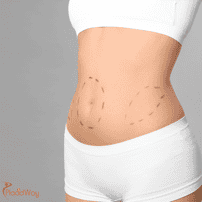
How Much Is Lipo 360 in Colombia?
The estimated cost for Lipo 360 in Colombia typically ranges from $3,500 to $5,500. This price usually includes the surgeon fee, anesthesia, and facility costs, but varies based on the amount of fat removed and the surgical technique used. If you are exploring body contouring options abroad, you have likely asked yourself, "How Much Is Lipo 360 in Colombia?" Over the past decade, Colombia has emerged as a frequent destination for individuals seeking aesthetic procedures. Patients are often drawn by the combination of established healthcare infrastructure and pricing that is generally lower than in North America or Europe. Understanding the true cost of Lipo 360 in Colombia requires looking beyond the initial sticker price. Traveling for surgery involves logistical planning, medical considerations, travel expenses, and a thorough understanding of the risks associated with major operations. This guide explores typical costs, what the procedure entails, patient safety, and how to navigate medical tourism in Colombia responsibly. Key Takeaways The estimated base price for Lipo 360 in Colombia is $3,500 to $5,500, excluding travel and accommodations. Lipo 360 targets the entire circumference of the midsection, including the abdomen, waist, flanks, and mid-to-lower back. International patients must typically plan for a 10- to 14-day stay post-surgery for recovery and clearance to fly. Post-operative care, including compression garments (fajas) and lymphatic massages, adds to the total cost. Safety should always be the priority; verify surgeon credentials and prioritize board-certified professionals over discount pricing. What exactly does a Lipo 360 procedure include? Lipo 360 involves liposuction applied entirely around the midsection—360 degrees. It typically targets the upper and lower abdomen, the oblique areas (flanks), and the mid-to-lower back. Unlike traditional liposuction which might only focus on one isolated area like the front of the stomach, Lipo 360 is designed to create a more comprehensive contour. By addressing the entire torso, surgeons aim to enhance natural curves and proportions. It is helpful to understand that "Lipo 360" is a marketing term rather than a specific medical code. The exact areas treated can vary slightly depending on a patient's anatomy and the surgeon's evaluation. During your consultation, your surgeon will physically mark the specific zones that hold excess subcutaneous fat to ensure your treatment plan aligns with your anatomical structure. Why is the Lipo 360 cost in Colombia lower than in the US? The Lipo 360 cost in Colombia is primarily driven by lower local living costs, reduced facility overhead, and favorable currency exchange rates compared to the US Dollar or Euro. Healthcare economics vary drastically from country to country. In Colombia, the salaries for medical staff, the costs to run a surgical center, and malpractice insurance rates are significantly lower than in the United States. These structural differences allow facilities to offer procedures at a lower price point without necessarily compromising on the materials or technology used. Expense Category Estimated Cost in Colombia Surgical Fee (Lipo 360 Base) $3,500 – $5,500 Pre-Op Lab Work & EKG $100 – $200 Compression Garments (Fajas) $80 – $150 (often need two) Lymphatic Massages (10 sessions) $250 – $400 Keep in mind that when budgeting for a Lipo 360 clinic in Colombia, you must also factor in round-trip airfare, a 10 to 14-day hotel or recovery house stay, local transportation, and meals. Important Consideration: Estimates are averages. If a clinic quotes a price drastically lower than the $3,500 average, exercise caution. Extremely low prices may indicate that a facility cuts corners on safety protocols, anesthesia care, or post-operative monitoring. Who is an ideal candidate for circumferential liposuction? An ideal candidate is an adult near their ideal body weight with good skin elasticity and localized fat deposits that do not respond to diet and exercise. Liposuction is not a weight-loss method; it is a body contouring procedure. Surgeons typically look for patients who maintain a stable weight and have a Body Mass Index (BMI) below 30 or 32. Higher BMIs can significantly increase the risks associated with anesthesia and post-operative complications. Skin quality is equally critical. If a patient has significant skin laxity—perhaps due to massive weight loss or multiple pregnancies—removing the fat beneath might leave the skin hanging loosely. In such cases, a surgeon may recommend excisional surgery, such as a tummy tuck (abdominoplasty), either instead of or in addition to liposuction. Patients must also be in good general health. Conditions such as uncontrolled diabetes, high blood pressure, bleeding disorders, or cardiovascular disease may disqualify someone from safely undergoing elective cosmetic surgery. What surgical techniques are used for Lipo 360 in Colombia? Colombian clinics often utilize advanced liposuction technologies, including Tumescent liposuction, VASER (ultrasound-assisted), and Laser-assisted liposuction to extract fat. Tumescent Liposuction: The standard approach where a saline solution mixed with local anesthetic and epinephrine is injected into the fat layer. This swells the fat cells, numbs the area, and constricts blood vessels to minimize bleeding. VASER Liposuction: Uses ultrasound energy to liquefy fat cells before they are suctioned out. This method is often preferred for fibrous areas like the back and may cause less trauma to surrounding tissues. Laser-Assisted (SmartLipo): Uses laser energy to melt fat. The heat generated may also promote minor skin tightening through collagen stimulation, though results vary by patient. The technique chosen depends on your body type, the volume of fat being removed, and the surgeon’s expertise. Often, the use of specialized equipment like VASER can increase the total cost of the procedure. What should patients expect during the recovery process? Recovery involves significant initial swelling, bruising, and discomfort. Patients must wear compression garments continuously and attend multiple lymphatic drainage massages. The first 48 to 72 hours are generally the most uncomfortable. You will experience soreness akin to an intense muscle ache, and fluid drainage from the incision sites is normal. During this early phase, you must balance resting with short, frequent walks to promote healthy blood circulation and reduce the risk of blood clots. Wearing a compression garment, or faja, is mandatory. It helps compress the empty space where fat used to be, reducing swelling and helping the skin contract to the new muscle contours. Surgeons typically require the faja to be worn 24 hours a day for the first few weeks. Lymphatic massages are another crucial component. These specialized, gentle massages help expel excess fluid from the body, reduce hardening of the tissues (fibrosis), and speed up the healing timeline. Most patients require 10 to 20 sessions starting a few days after surgery. What are the potential risks and complications of Lipo 360? Like all major surgeries, Lipo 360 carries risks including infection, bleeding, contour irregularities, fluid accumulation, and severe complications like blood clots or fat embolisms. Cosmetic surgery is real surgery. The physical trauma of having fat suctioned from the circumference of your body is significant. Common, less severe risks include asymmetry, loose skin, numbness, or bumpy, wavy skin contours. More severe, life-threatening risks include: Deep Vein Thrombosis (DVT) and Pulmonary Embolism (PE): Blood clots can form in the legs during or after surgery and travel to the lungs. This risk is elevated by immobility and air travel. Fat Embolism: A rare condition where loosened fat enters the bloodstream and blocks blood vessels. Lidocaine Toxicity: If too much numbing agent is used in the tumescent fluid. Infection: Can occur at the incision sites or internally, requiring prompt antibiotic treatment. If you experience shortness of breath, chest pain, or unusual heartbeats after surgery or upon returning home, seek emergency medical care immediately. Do not wait to contact your overseas surgeon; go to the nearest emergency room. How do patients prepare for body contouring surgery abroad? Preparation involves obtaining medical clearance, stopping smoking, pausing certain medications, and organizing comprehensive travel and post-operative plans. Months before traveling, you must consult with your local primary care physician. They will review your medical history and run necessary blood panels to ensure you are fit for surgery. You will likely be asked to stop taking aspirin, anti-inflammatory drugs, and certain herbal supplements weeks before the procedure to prevent excessive bleeding. Smoking and nicotine use (including vaping) strictly hinder blood flow and drastically increase the risk of tissue death (necrosis) and poor wound healing. Surgeons generally mandate a complete cessation of nicotine at least four to six weeks before and after surgery. Mentally and logistically preparing for medical tourism in Colombia is equally important. Ensure your passport is valid. Plan for a travel companion if possible, as navigating an airport, carrying luggage, and moving around during early recovery is exceptionally difficult and unsafe to do alone. How long should I stay in Colombia after my procedure? Patients are typically required to remain in Colombia for 10 to 14 days following Lipo 360 to manage initial recovery, remove sutures, and mitigate the risks of flying. The timeline for returning home cannot be rushed. The cabin pressure, dehydration, and immobility associated with flying greatly elevate the risk of DVT. Surgeons require a post-operative observation period to ensure no acute complications arise, such as severe infection or hematomas. During this 10 to 14-day window, you will attend follow-up appointments with your surgeon and undergo your initial lymphatic drainage massages. Many international patients choose to stay in specialized recovery houses that cater specifically to cosmetic surgery patients, providing nursing assistance, meals, and transport to medical appointments. What are the most popular cities for plastic surgery in Colombia? Bogota, Medellin, Cali, and Cartagena are the primary hubs for plastic surgery, offering modern medical infrastructure and numerous board-certified specialists. Medellin is highly regarded for its aesthetic clinics and pleasant, spring-like climate, making recovery relatively comfortable. Bogota, the capital, features large, advanced hospital networks, though its high altitude can affect recovery and breathing for some patients during the first few days. Cali has a long-standing reputation for body contouring procedures, while Cartagena appeals to patients looking for a coastal setting, though the heat and humidity require strict hygiene management of surgical incisions. Expert Insight: When selecting a city, consider flight accessibility from your home country. Direct flights reduce travel fatigue and minimize the amount of time you are seated in an airplane, which is crucial for post-surgery safety. How can I verify my surgeon's credentials in Colombia? To verify credentials, look for surgeons registered with the Colombian Society of Plastic Surgery (SCCP) or the International Society of Aesthetic Plastic Surgery (ISAPS). Ensuring you have a qualified surgeon is your most important task. In Colombia, specialized plastic surgeons complete years of rigorous post-graduate medical training. You should look for doctors who belong to the Sociedad Colombiana de Cirugía Plástica, Estética y Reconstructiva (SCCP). Membership in the SCCP indicates that the surgeon has completed formal residency training in plastic surgery and is recognized by their peers. Additionally, cross-referencing their membership with global organizations like ISAPS can provide further peace of mind. Never hesitate to ask a clinic for the surgeon's full medical license number and verify it through official Colombian medical boards. Why Choose PlacidWay for Medical Tourism in Colombia? Navigating international healthcare requires careful research and accurate information. PlacidWay helps connect patients with medical facilities across the globe. Extensive Network: PlacidWay maintains a directory of medical centers and clinics across multiple countries, including Colombia. Educational Resources: The platform provides information regarding procedure overviews, patient expectations, and destination profiles. Clinic Comparisons: Patients can research different facilities, review their listed credentials, and compare cost estimates in one place. Direct Communication: PlacidWay facilitates initial contact between patients and international medical teams. Language Assistance: The platform helps bridge communication gaps by offering multilingual interfaces and connecting patients with English-speaking coordinators. Frequently Asked Questions Does Lipo 360 in Colombia include a BBL? No, Lipo 360 strictly refers to the removal of fat around the midsection. While many patients choose to combine it with a Brazilian Butt Lift (BBL) using the harvested fat, a BBL is a separate procedure with its own additional costs and recovery protocols. Are lymphatic massages included in the Lipo 360 price in Colombia? Some surgical packages include a few initial lymphatic massages, but you will typically need many more. Patients should budget for an additional 10 to 20 sessions, which are usually billed separately. Will I need general anesthesia for Lipo 360? Lipo 360 is often performed under general anesthesia due to the extent of the areas being treated. In some cases, surgeons may use epidural anesthesia with deep sedation, depending on the patient's medical profile and the facility's protocols. What is a faja and why is it needed after Lipo 360? A faja is a medical-grade compression garment. It is required after liposuction to help reduce swelling, support the newly contoured tissues, and prevent fluid accumulation (seromas) under the skin. Can I fly home immediately after Lipo 360 in Colombia? No. Flying immediately after major surgery significantly increases the risk of deep vein thrombosis (DVT) and pulmonary embolism. Surgeons typically require international patients to stay locally for 10 to 14 days before being cleared for air travel. How soon will I see final results from my Lipo 360 in Colombia? While you may notice a difference immediately, post-operative swelling can last for several months. Final body contouring results typically become visible between three to six months after the procedure once all inflammation has subsided. Is it safe to combine Lipo 360 with a tummy tuck in Colombia? Combining Lipo 360 with a tummy tuck is common, but it extends surgical time and increases the risk of complications. Your surgeon must evaluate your individual health status to determine if your body can safely handle a combined procedure. What happens if I gain weight after Lipo 360? The fat cells removed during liposuction do not grow back. However, if you gain weight, the remaining fat cells in your body can expand. This weight gain often distributes to untreated areas, which can alter your overall body proportions. Do Colombian clinics offer financing for foreign patients? Direct financing through Colombian clinics is rare for international patients. Most facilities require payment in full prior to the surgery. Patients usually rely on personal savings, medical credit cards, or loans from their home country. What kind of medical clearance is required before traveling to Colombia for Lipo 360? Surgeons typically require comprehensive blood work, a baseline EKG, and a physical evaluation from your primary care doctor. These tests ensure you are healthy enough for anesthesia and surgery. Compare Treatment Options Ready to gather more information for your medical journey? Explore clinics and request estimates today. Request Treatment Information References Liposuction - American Society of Plastic Surgeons (ASPS) Liposuction Guidelines - International Society of Aesthetic Plastic Surgery (ISAPS) Medical Tourism Safety - Centers for Disease Control and Prevention (CDC) Liposuction Devices and Safety - U.S. Food and Drug Administration (FDA) Sociedad Colombiana de Cirugía Plástica (SCCP) Safety and Complications of Liposuction - National Institutes of Health (NIH) Medical Disclaimer: The information provided in this article is for educational and informational purposes only and does not constitute medical advice. Treatment outcomes, recovery times, and eligibility vary by individual. Always consult with a qualified, board-certified healthcare provider to evaluate your specific medical condition and determine if a procedure is right for you. Prices mentioned are estimates and are subject to change....
Read more details
What is the Average Price of Breast Augmentation in Colombia?
The average price of breast augmentation in Colombia typically ranges from $3,000 to $4,500 USD. This estimate generally covers surgeon fees, standard implants, anesthesia, and facility costs, though final prices vary based on your specific medical needs. Many patients seeking cosmetic enhancement look beyond their local borders to explore international options. Finding a reputable destination for breast augmentation in Colombia has become increasingly common among patients from North America and Europe. The country features a robust healthcare infrastructure, particularly in major cities, alongside experienced medical professionals who specialize in cosmetic procedures. Understanding the financial aspects requires looking past the baseline sticker price. While the initial estimates are often lower than those found in the United States or the United Kingdom, proper planning involves factoring in travel, extended accommodation for recovery, pre-operative testing, and potential aftercare. Approaching medical tourism in Colombia responsibly means prioritizing your health, researching board-certified surgeons, and understanding exactly what is and is not included in an overseas medical quote. Key Takeaways The estimated base price for breast augmentation in Colombia is between $3,000 and $4,500 USD. Choosing between saline, standard silicone, or highly cohesive "gummy bear" implants will influence your final quote. Patients must budget for additional expenses, including flights, hotels, medical travel insurance, and local medications. Safety protocols dictate staying in Colombia for 10 to 14 days post-surgery to monitor for early complications before flying. Careful vetting of your surgeon’s credentials and the facility’s accreditation is essential for a safer medical experience. What factors influence the total breast augmentation cost in Colombia? Total costs are primarily influenced by the surgeon’s experience level, the specific type and brand of implants selected, and the accreditation status of the surgical facility. When reviewing quotes for your procedure, you will notice that prices fluctuate based on several variables. A highly experienced, board-certified plastic surgeon operating in a specialized aesthetic clinic will often charge more than a less experienced practitioner. The location also matters; facilities situated in affluent urban districts usually have higher overhead costs, which can reflect in the final patient quote. Another significant factor is the complexity of the surgery itself. If you require a breast lift (mastopexy) in addition to the augmentation, the time required in the operating room increases, which raises both the surgeon's fee and the anesthesia costs. You may also encounter variations in pricing based on whether you choose local anesthesia with deep sedation or general anesthesia, though general anesthesia is most common for this procedure. What is typically included in a Colombian breast augmentation package? A standard package usually covers the surgeon’s professional fee, operating room time, anesthesiologist fees, and the cost of standard breast implants. Choosing a breast augmentation clinic in Colombia often means dealing with bundled pricing. Clinics frequently package the core components of the surgery into one transparent fee. This baseline package covers the surgical procedure, standard monitoring during recovery at the facility, and the initial post-operative consultation before you are cleared to travel home. However, it is crucial to request a line-by-line breakdown of your quote. Some clinics include the first surgical compression garment, pre-operative blood tests, and local transportation to and from the hospital, while others list these as separate, out-of-pocket expenses. Ensuring you understand exactly what the clinic provides helps prevent unexpected bills during your medical journey. How do saline and silicone implant choices affect the final price? Silicone implants are generally more expensive than saline implants, with highly cohesive "gummy bear" silicone options representing the highest price tier. The type of implant you and your surgeon choose plays a major role in the overall breast augmentation cost in Colombia. Saline implants, which are filled with sterile saltwater after being inserted, are typically the most cost-effective option. If a saline implant ruptures, the body safely absorbs the water, making detection straightforward. Silicone implants are pre-filled with a cohesive gel that closely mimics the feel of natural breast tissue. Because of the manufacturing process and material costs, standard silicone implants increase the surgical estimate. Highly cohesive form-stable implants retain their shape even if the shell breaks, offering a distinct aesthetic and safety profile, but they require a larger incision and represent the most expensive implant option available. Are there hidden expenses patients should budget for during recovery? Yes, patients must budget for non-surgical costs such as extended lodging, flights, prescription medications, specialized travel insurance, and post-operative garments. Planning for surgery abroad requires a realistic budget that goes beyond the operating table. The most significant additional costs are travel and accommodation. You will need a comfortable, clean place to stay for approximately two weeks following your procedure. Since mobility will be restricted in the early days of recovery, you may also need to budget for food delivery services or a travel companion to assist you. Other easily overlooked expenses include: Prescription pain medications and antibiotics required for recovery. Specialized medical travel insurance to cover potential complications. Additional compression bras as swelling decreases. Post-operative lymphatic drainage massages, which many surgeons recommend. Potential consultation fees if you seek a second opinion locally before traveling. How does pricing compare between major Colombian cities like Bogota and Medellin? Prices often fluctuate by region; Bogota and Cartagena tend to carry slightly higher costs due to overhead and tourism demand, while Medellin and Cali offer competitive mid-range pricing. Colombia has several distinct hubs for medical care. Bogota, the capital city, is home to large, internationally accredited hospitals and prestigious private clinics. The cost of running a facility in the capital often translates to slightly higher procedure fees. Conversely, Medellin has positioned itself heavily in the cosmetic surgery sector, creating a highly competitive market that can sometimes benefit patients financially. Cali is another city renowned within Colombia for aesthetic surgery, often providing very competitive pricing for international patients. Cartagena offers the appeal of a coastal recovery setting, but its status as a primary tourist destination means hotel and living expenses during your recovery phase will likely be higher than in inland cities. Is it safe to travel to Colombia for cosmetic breast surgery? Traveling for surgery carries inherent risks, including the dangers of flying post-surgery and navigating unfamiliar medical systems, though selecting accredited facilities and following all medical guidelines mitigates some of these risks. Safety should always be the primary concern when considering surgery abroad. From a medical standpoint, Colombia has modernized its healthcare system and many clinics operate under strict national hygiene and safety protocols. However, undergoing any surgery far from your home support network introduces unique challenges. If a complication such as an infection or hematoma occurs after you have returned home, you will need to seek care from a local medical provider, which can result in unexpected out-of-pocket costs. Furthermore, flying after surgery increases the risk of deep vein thrombosis (DVT) and pulmonary embolism. The changes in cabin pressure, combined with prolonged immobility, pose a significant health threat. Surgeons mitigate this by requiring patients to stay in the destination country for an extended period, allowing initial healing to take place and ensuring you are medically cleared before boarding a flight. What medical qualifications should I look for in a Colombian plastic surgeon? Patients should verify that their surgeon is a verified member of the Colombian Society of Plastic Surgery (SCCP) and holds active board certification for plastic and reconstructive surgery. Proper credentialing is your strongest defense against poor surgical outcomes. In Colombia, the primary professional body for plastic surgeons is the Sociedad Colombiana de Cirugía Plástica Estética y Reconstructiva (SCCP). Membership in this society indicates that the surgeon has completed rigorous formal training in plastic surgery rather than just general medical training. Additionally, you should verify if the surgeon has international affiliations, such as membership in the International Society of Aesthetic Plastic Surgery (ISAPS) or the American Society of Plastic Surgeons (ASPS). These memberships require adherence to specific ethical and safety standards. Ask your surgeon about their hospital privileges; surgeons who are permitted to perform procedures in major, multi-specialty hospitals have undergone additional vetting by their peers. Important Consideration: Never commit to surgery based solely on social media before-and-after photos. Always ask to see credentials, verify their medical license, and have a thorough virtual consultation to discuss your specific medical history before booking flights. What are the common risks and medical considerations for this procedure? Potential risks include anesthesia complications, infection, capsular contracture, implant rupture, changes in nipple sensation, and the eventual need for revision surgery. Breast augmentation is a major surgical procedure and is not without risks. Every patient should have a clear understanding of possible complications. One of the most common long-term risks is capsular contracture, a condition where the scar tissue surrounding the implant hardens, which can cause pain and distort the shape of the breast, often requiring further surgery to correct. Early post-operative risks include hematoma (blood pooling under the skin), infection at the incision site, and delayed wound healing. Patients may also experience temporary or, in some cases, permanent changes in nipple and breast sensation. Furthermore, it is critical to understand that breast implants are not guaranteed to last a lifetime; most patients will require an implant replacement or removal surgery within 10 to 15 years. How long should I plan to stay in Colombia for a safe recovery? Medical professionals typically advise international patients to remain in Colombia for a minimum of 10 to 14 days following breast augmentation surgery. Adequate time for initial recovery is non-negotiable for medical tourists. During the first week after surgery, you will experience the most significant swelling, bruising, and discomfort. Your surgeon will need you to attend follow-up appointments to monitor the healing of your incisions, assess for any signs of early infection, and ensure the implants are settling correctly. Attempting to fly home too early puts you at severe risk. If a hematoma or acute infection develops while you are in the air or shortly after arriving home, treating it becomes vastly more complicated and expensive. Giving your body at least two weeks to stabilize in a restful environment near your surgical team is a necessary component of responsible medical travel planning. How can international patients verify the safety of a clinic? Patients should check for national health certifications from the Colombian Secretaría de Salud, and look for international accreditations like JCI or AAAASF/Quad A. Researching the facility where the surgery will take place is just as critical as choosing the right surgeon. In Colombia, medical facilities must be authorized by local health departments (Secretaría de Salud). Legitimate clinics will openly display these operating licenses and be willing to provide registration numbers upon request. For an added layer of reassurance, many international patients look for facilities that hold global accreditations. Organizations like the Joint Commission International (JCI) or the American Association for Accreditation of Ambulatory Surgery Facilities (now known as Quad A) impose strict standards regarding emergency protocols, sterilization, anesthesia management, and patient care. Facilities that maintain these accreditations regularly undergo rigorous, independent audits. Why Choose PlacidWay for Medical Tourism? PlacidWay provides resources and structured directories to help patients navigate international healthcare options. Extensive Directories: PlacidWay offers access to a wide network of clinics and hospitals across Latin America and the globe. Provider Profiles: The platform allows users to review the listed qualifications, accreditations, and specialties of various medical facilities. Educational Resources: Patients can read informative articles about different procedures, expected timelines, and what to ask their chosen doctors. Direct Communication: PlacidWay facilitates initial contact, allowing patients to request direct quotes and consultations from clinics. Cost Comparisons: The platform helps users compare estimated procedure prices across different cities and countries to aid in financial planning. Frequently Asked Questions How long does a breast augmentation surgery usually take? The procedure typically takes between one to two hours, depending on the surgical technique, implant placement, and individual patient anatomy. Patients spend additional time in the recovery room before being discharged. Can I fly immediately after getting breast implants in Colombia? Flying immediately after surgery is not recommended due to the increased risk of deep vein thrombosis (DVT) and the need for early post-operative monitoring. Surgeons usually advise waiting 10 to 14 days before taking an international flight. Do clinics in Colombia provide post-operative garments? Many clinics include the initial surgical bra or compression garment in their overall package. However, you will likely need to purchase additional garments for changes during your recovery period. What happens if I need revision surgery after returning home? If a complication arises after you return home, you will need to consult a local board-certified plastic surgeon. Revision surgeries performed outside the original clinic are typically an out-of-pocket expense, highlighting the need to budget for unexpected medical care. Will my local health insurance cover complications from surgery abroad? Most standard health insurance plans do not cover complications arising from elective cosmetic surgeries performed abroad. Patients can look into specialized medical travel insurance policies that offer coverage for specific surgical complications. How do I communicate if I do not speak Spanish? Many surgeons who frequently work with international patients speak English fluently, and facilities catering to medical tourists often employ bilingual coordinators. You can also hire a local medical interpreter if needed. What medical tests are required before breast augmentation? Standard pre-operative requirements usually include a complete blood count (CBC), coagulation profile, electrocardiogram (EKG), and sometimes a baseline ultrasound or mammogram, depending on your age and medical history. Can breast implants affect future mammograms or breast screenings? Yes, implants can obscure some breast tissue during a standard mammogram. You must inform the technician that you have implants so they can use special displacement techniques to ensure a thorough and accurate screening. How long do breast implants typically last? Breast implants are not lifetime devices. While many patients enjoy their results for 10 to 15 years, the risk of rupture or complications increases over time, and future replacement or removal surgeries are often necessary. Do surgeons in Colombia use FDA-approved or equivalent implants? Qualified plastic surgeons typically use internationally recognized implant brands that hold FDA approval or CE marking (European standard). You should always ask your surgeon for the specific brand and certification of the implants being used. Compare Treatment Options Abroad Take time to gather information, compare reputable facilities, and request detailed procedure estimates to make an educated healthcare decision. Request Treatment Information Medical Disclaimer: The information provided in this article is for educational purposes only and does not constitute medical advice, diagnosis, or treatment planning. Procedure outcomes, costs, eligibility, and recovery times vary significantly among individuals. Always consult directly with a qualified, board-certified healthcare provider to evaluate your personal medical history and determine if surgery is appropriate for you. References Breast Augmentation Safety and Risks – American Society of Plastic Surgeons (ASPS) Patient Safety for International Cosmetic Surgery – International Society of Aesthetic Plastic Surgery (ISAPS) Medical Tourism Guidelines and Risks – Centers for Disease Control and Prevention (CDC) Risks and Complications of Breast Implants – U.S. Food and Drug Administration (FDA) Breast Augmentation: What You Can Expect – Mayo Clinic Breast Augmentation Information – MedlinePlus (National Library of Medicine) Deep Vein Thrombosis and Air Travel – Centers for Disease Control and Prevention (CDC)...
Read more details
Is Tummy Tuck Surgery Safe in Colombia?
Tummy tuck surgery in Colombia can be safe when performed by verified, board-certified plastic surgeons in accredited facilities. However, like any major surgery, it carries inherent medical risks such as infection or blood clots that require thorough health evaluation and strict adherence to recovery protocols. Deciding to undergo an abdominoplasty is a major medical decision that requires careful thought, especially when considering traveling abroad for care. The prospect of combining healthcare with travel naturally brings up serious questions about surgical standards, recovery environments, and overall patient safety. While an overwhelming number of patients have successful experiences pursuing a tummy tuck in Colombia, safety should always remain your primary concern. Understanding how to evaluate surgical risks, assess clinic accreditation, and manage your post-operative recovery is essential before booking any flights or consultations. Key Takeaways Your safety depends heavily on selecting a surgeon verified by recognized medical boards, such as the Colombian Society of Plastic Surgery. A comprehensive pre-operative medical evaluation is necessary to determine if you are healthy enough for surgery. Inherent surgical risks include infection, excessive bleeding, seroma (fluid accumulation), and poor wound healing. Adequate recovery time in your destination country before flying is mandatory to help prevent deep vein thrombosis (DVT). Having a solid plan for post-operative care and local follow-up once you return home is critical for long-term health. What are the main risks associated with an abdominoplasty? Any major abdominal surgery carries inherent medical risks, including infection, excessive bleeding, fluid accumulation, and adverse reactions to anesthesia. Careful pre-operative screening helps mitigate, though not completely eliminate, these potential complications. A tummy tuck is not simply a cosmetic touch-up; it is a significant surgical procedure that involves removing excess skin, potentially repairing separated abdominal muscles, and repositioning the navel. Because of the extensive tissue manipulation, your body requires considerable energy and time to heal. Common complications can include seromas, which are pockets of fluid that build up under the skin and may require draining. Wound healing issues are also a risk, particularly for patients with a history of smoking, diabetes, or poor circulation. In severe cases, poor blood supply can lead to tissue necrosis (tissue death) along the incision line. The most severe risk associated with major surgery—particularly when travel is involved—is the formation of blood clots, known as deep vein thrombosis (DVT). If a clot breaks loose and travels to the lungs, it causes a pulmonary embolism, which is a life-threatening medical emergency. Your surgical team will typically utilize compression garments, early mobilization, and sometimes blood thinners to help reduce this risk. How do I verify a plastic surgeon's credentials in Colombia? You can verify qualifications by checking if the surgeon is an active member of recognized national medical boards like the Colombian Society of Plastic Surgery. Look for specialized, multi-year residency training specifically in aesthetic and reconstructive surgery. Unlike standard medical degrees, plastic surgery requires extensive additional years of specialized residency. In Colombia, reputable plastic surgeons are typically members of the Sociedad Colombiana de Cirugía Plástica, Estética y Reconstructiva (SCCP). Membership in this organization indicates that the surgeon has completed the requisite training and adheres to national safety and ethical standards. You may also look for international affiliations. Many leading surgeons hold memberships with the International Society of Aesthetic Plastic Surgery (ISAPS) or the American Society of Plastic Surgeons (ASPS) as international members. These organizations require their members to maintain active certification and engage in continuing medical education. During your consultation, ask direct questions about their specific experience with abdominoplasty. You have the right to know how frequently they perform this exact surgery, what their complication rates are, and what protocols they follow if an emergency arises during the operation. Important Consideration A flashy social media presence does not equal surgical competence. Always prioritize verifiable medical board certifications, hospital privileges, and formal educational background over follower counts or aesthetic Instagram feeds. Are surgical facilities in Colombia regulated and safe? Colombia has a centralized health regulatory system that sets hygiene, equipment, and safety standards for surgical facilities. Reputable clinics maintain national certifications and often seek international accreditations to demonstrate compliance with rigorous medical protocols. The Colombian Ministry of Health and local Secretariats of Health govern medical facilities. Clinics performing major surgeries must meet specific requirements regarding sterilization, emergency equipment, and staffing. However, standards can vary between facilities, which is why choosing an accredited hospital or a dedicated, fully equipped surgical center is vital. Safe facilities will always have emergency protocols in place. This includes immediate access to an Intensive Care Unit (ICU) or a formal transfer agreement with a nearby major hospital in case complications arise during or immediately after your surgery. They will also use board-certified anesthesiologists to monitor your vitals while you are under general anesthesia. When researching where to have your procedure, ask the provider directly about their accreditation status. Facilities catering to international patients frequently undergo voluntary audits by international accreditation bodies to provide an extra layer of reassurance regarding their safety and hygiene practices. How long should I stay in Colombia after a tummy tuck? Most surgeons recommend staying in the destination country for at least 10 to 14 days following an abdominoplasty. This mandatory recovery period allows for initial healing, surgical drain removal, and minimizes the risk of deep vein thrombosis associated with flying. An abdominoplasty involves significant tissue trauma, and your body will be in a fragile state during the first week. You will likely have surgical drains placed to remove excess fluid, and you will need to walk slightly bent over to avoid placing tension on your fresh incisions. Trying to navigate an airport or sit in a cramped airplane seat during this phase is dangerous. Remaining close to your surgical team allows them to monitor your healing progress through scheduled post-operative visits. They can check for early signs of infection, manage your pain effectively, and safely remove your surgical drains when the time is right. Leaving too early deprives you of this crucial continuity of care. Furthermore, altitude changes and prolonged immobility during flights drastically increase the risk of blood clots post-surgery. Your surgeon will only clear you for air travel once they determine your risk of DVT has sufficiently decreased and your incisions are healing appropriately. What makes medical tourism in Colombia popular for cosmetic surgery? Patients often choose to pursue medical tourism in Colombia due to the country's established healthcare infrastructure, highly experienced cosmetic surgeons, and generally lower treatment costs compared to North America. Over the last decade, specific regions in South America have developed robust infrastructures dedicated to international healthcare. Major cities have established themselves as hubs for complex medical and aesthetic procedures. The concentration of specialized medical professionals in these areas has raised the standard of available care. Proximity is another factor. For patients traveling from the United States or Canada, flight times are relatively manageable compared to traveling to destinations in Asia or Eastern Europe. This shorter travel time can be slightly more comfortable when managing the logistics of flying home after a major surgery. Additionally, many healthcare providers catering to international travelers have adapted their practices to include comprehensive services. This often involves bilingual medical staff, pre-travel virtual consultations, and coordinated post-operative care plans, making the logistical side of medical travel less daunting for the patient. How much does a tummy tuck cost in Colombia compared to the US? A tummy tuck cost in Colombia typically ranges from forty to sixty percent less than comparable procedures in the United States or Canada. These estimates vary widely based on the complexity of the surgery and the specific facility chosen. The difference in healthcare pricing is primarily driven by lower costs of living, reduced administrative overhead, and different medical malpractice insurance structures, rather than a reduction in the quality of medical supplies or physician expertise. However, patients must look closely at what a quoted price actually includes. When comparing estimates, ensure you are looking at transparent pricing. A comprehensive quote should include the surgeon’s fee, anesthesiologist fees, operating room costs, necessary medical garments, and standard post-operative consultations. If a price seems unusually low, it may lack these essential components. Factor Influencing Cost Impact on Final Estimate Type of Procedure A mini tummy tuck requires less time than a full or extended tummy tuck, altering surgeon and facility fees. Muscle Repair Correcting diastasis recti (muscle separation) adds surgical time and complexity to the operation. Facility Accreditation Internationally accredited hospitals generally charge higher operating room fees than smaller clinics. Can I combine a tummy tuck with other procedures like liposuction? Surgeons frequently perform abdominoplasty alongside liposuction or breast surgeries. However, combining surgeries extends your time under anesthesia, which may increase the risk of surgical complications and lengthen your overall recovery period. Many patients opt for a combined approach, often referred to as a mommy makeover, to address multiple concerns in a single surgical session. The benefit is undergoing anesthesia only once and consolidating the recovery time into a single period rather than spacing out multiple surgeries. However, safety protocols dictate strict limits on how many procedures can be safely performed at once. Extensive surgeries mean longer exposure to general anesthesia, higher blood loss, and greater trauma for the body to heal from. Responsible surgeons will assess your overall health, age, and Body Mass Index (BMI) to determine if multiple procedures are safe for you. If your surgical goals are extensive, a careful medical provider may advise staging the surgeries. This means performing the tummy tuck first, allowing you to heal completely, and then returning months later for subsequent procedures. Patient safety must always dictate the surgical plan. What should I look for when choosing a tummy tuck clinic in Colombia? A reliable tummy tuck clinic in Colombia should operate within a fully equipped hospital or accredited surgical center with emergency response capabilities. Prioritize transparency, clear communication, and comprehensive aftercare protocols during your research. Selecting the right facility requires looking past marketing materials. Start by verifying the infrastructure. The clinic should have modern sterilization equipment, continuous power backups, and a dedicated recovery area monitored by registered nurses. Ask for a virtual tour if you cannot visit beforehand. Communication is another critical factor. Misunderstandings regarding medical instructions can compromise your safety. Ensure the clinic has fluent English-speaking staff or access to professional medical translators who can help you understand pre-operative instructions, surgical consent forms, and post-operative care routines. Be wary of any clinic that pressures you into booking quickly, asks for large non-refundable deposits before a medical clearance, or downplays the risks of surgery. A professional medical team will prioritize your health evaluation over securing a financial transaction. What happens if I experience complications after returning home? If you develop surgical complications after flying back, you will need to seek immediate medical attention from a local healthcare provider or emergency room. Your domestic insurance may not cover treatments for complications arising from elective surgeries performed abroad. Continuity of care is one of the most challenging aspects of medical travel. While your surgeon abroad may offer virtual follow-ups via video calls, they cannot physically examine an infected incision or drain a seroma from thousands of miles away. You must be prepared to handle local medical care. Before you travel, it is highly recommended to establish a relationship with a local primary care physician or a post-operative care specialist who is willing to monitor your healing upon your return. Inform them of your plans and ensure they are comfortable taking over your routine aftercare. Request all your medical records, including surgical notes, implant details (if applicable), and lists of administered medications, before leaving the clinic. Having these documents translated into English and readily available will help local doctors treat you effectively if an emergency arises. Why Choose PlacidWay for Medical Tourism? PlacidWay is a comprehensive medical tourism platform designed to help patients research global healthcare options. Global Healthcare Access: Provides access to a wide directory of international clinics and hospitals for various medical procedures. Educational Resources: Offers extensive guides and articles to help patients understand the logistics and realities of traveling for medical care. Facility Profiles: Lists healthcare centers along with details about their medical accreditations and available specialties. Comparison Tools: Allows patients to review and compare treatment estimates from multiple international providers. Patient Support: Connects patients with specialized medical centers to facilitate the initial exchange of medical information and consultation requests. Frequently Asked Questions Am I a good candidate for a tummy tuck in Colombia? Ideal candidates are generally healthy non-smokers who are at a stable weight but have excess abdominal skin or weakened muscles, often due to pregnancy or significant weight loss. A thorough medical evaluation is required to confirm eligibility. What is the typical recovery time for an abdominoplasty? Initial recovery usually takes two to three weeks, during which you will need to limit physical activity. Most patients can return to non-strenuous work after this period, though full internal healing and swelling reduction can take several months. Is it safe to fly immediately after my surgery? Flying immediately after major abdominal surgery is highly dangerous due to the increased risk of deep vein thrombosis (DVT) and pulmonary embolism. You must wait the specific duration recommended by your surgeon, typically 10 to 14 days. How is pain managed during and after the procedure? The surgery is performed under general anesthesia so you will feel no pain during the operation. Post-operatively, your medical team will prescribe oral pain medications to manage discomfort during the initial healing days. Will I have noticeable scars after a tummy tuck? Yes, a tummy tuck leaves a permanent scar, typically running horizontally just above the pubic area. While surgeons place the incision low so it can be hidden by underwear or swimsuits, individual healing and scar visibility vary by patient. Do surgeons in Colombia speak English? Many board-certified plastic surgeons who routinely treat international patients speak English. Clinics accustomed to medical travelers also typically employ bilingual staff or professional medical interpreters to ensure clear communication. What type of anesthesia is used for this surgery? Abdominoplasty is almost always performed under general anesthesia, administered and monitored by a qualified anesthesiologist. This ensures your airway is protected and your vitals are strictly monitored throughout the procedure. Are there BMI restrictions for a tummy tuck? Yes, most ethical surgeons require patients to have a Body Mass Index (BMI) below 30 or 32 to minimize anesthesia risks and surgical complications. Higher BMIs significantly increase the risk of infection, poor wound healing, and blood clots. How long do the results of a tummy tuck typically last? The removal of excess skin and tightening of abdominal muscles provides long-lasting results. However, future pregnancies, significant weight fluctuations, or the natural aging process can alter your abdominal profile over time. Should I travel with a companion for my surgery? Having a travel companion is highly recommended. You will need assistance with basic mobility, managing medications, preparing meals, and communicating with medical staff during your first few days of recovery. Take the Next Step in Your Research Connect with specialized healthcare providers to compare treatment options and gather detailed information about your potential procedure. Request Treatment Information References Tummy Tuck Safety and Risks – American Society of Plastic Surgeons (ASPS) Medical Tourism Travel Guidelines – Centers for Disease Control and Prevention (CDC) Patient Safety Guidelines for International Travel – International Society of Aesthetic Plastic Surgery (ISAPS) Abdominoplasty Risks and What to Expect – Mayo Clinic Comprehensive Guide to Tummy Tuck Surgery – American Board of Cosmetic Surgery Safe Surgery Guidelines – World Health Organization (WHO) Medical Disclaimer: The information provided in this article is for educational and informational purposes only and does not constitute medical advice. Treatment outcomes, recovery times, and medical risks vary significantly based on individual health profiles. Never disregard professional medical advice or delay seeking it because of something you have read here. Always consult with a qualified, board-certified healthcare provider to determine if a specific medical procedure is appropriate and safe for your unique medical needs....
Read more details
Why Do International Patients Go to Colombia for a Boob Job Through Medical Tourism?
International patients travel for a boob job in Colombia because the country offers advanced surgical techniques by experienced specialists, established medical facilities, and typically lower estimated costs than in North America. Making the decision to undergo elective cosmetic surgery is a deeply personal journey, and choosing to travel abroad adds an extra layer of complexity. Over the last decade, Colombia has emerged as a prominent destination for international patients seeking breast augmentation. The appeal goes beyond simply saving money; it involves a combination of medical expertise, modern healthcare infrastructure, and comprehensive patient care. However, traveling across borders for surgery requires careful consideration of the benefits, the potential medical risks, and the logistical challenges of healing far from home. If you are exploring your options, understanding exactly why so many individuals choose this path can help you make an informed, safety-focused decision. Key Takeaways Colombia is internationally recognized for its high volume of cosmetic procedures and experienced surgical professionals. The boob job cost in Colombia is generally lower than in the US and Europe, though total expenses vary based on individual needs and travel. Patients must prioritize verifying surgeon credentials, facility safety standards, and local health regulations. Adequate recovery time—often 10 to 14 days—must be spent in Colombia before safely flying home. Understanding medical risks, such as infection or capsular contracture, is essential for any patient considering surgery abroad. What drives the popularity of breast augmentation in Colombia? Colombia has built a strong international reputation in aesthetic medicine due to its high concentration of experienced plastic surgeons and modern facilities dedicated to patient care. According to data from the International Society of Aesthetic Plastic Surgery (ISAPS), Colombia consistently ranks among the top countries globally for the total number of cosmetic procedures performed. This high volume means that many local surgeons develop extensive experience and refine their techniques over thousands of operations. For an international patient, surgical experience is often a primary factor when choosing a provider. Additionally, the healthcare sector in major cities like Bogotá, Medellín, and Cali has evolved to actively support international visitors. Clinics frequently provide bilingual coordinators, comprehensive pre-operative consultations, and structured aftercare programs. This level of organization helps alleviate the stress associated with navigating a foreign healthcare system, making the prospect of traveling for surgery more accessible. How much does a boob job cost in Colombia compared to the US? The estimated boob job cost in Colombia is typically 40% to 60% lower than in the United States, often ranging between $3,500 and $5,500 depending on specific patient requirements. The cost difference is largely driven by the overall lower cost of living and favorable currency exchange rates, rather than a reduction in medical quality or safety standards. When you review estimates from clinics, the quoted price often bundles several expenses that are typically billed separately in the US or Europe. Typical Inclusions in Colombia Often Billed Separately in the US Surgeon's fee and anesthesiologist fee Surgeon's fee Operating room and facility costs Hospital or surgical center facility fee The breast implants (silicone or saline) Anesthesia provider fee Initial post-operative garments and follow-ups Cost of the implants and post-op appointments It is important to remember that these figures are strictly estimates. Your final costs may vary based on the complexity of the surgery, the type of implants chosen, and necessary travel expenses such as flights, accommodation, and food. You should always request a detailed, written breakdown of costs before committing to a procedure. Are the plastic surgeons in Colombia adequately qualified? Many plastic surgeons in Colombia undergo extensive medical training, complete rigorous residencies, and maintain active memberships in recognized national and international surgical societies. To become a specialized plastic surgeon in Colombia, a doctor must first complete a standard medical degree, followed by several years of general surgery training, and finally a multi-year residency specifically focused on plastic and reconstructive surgery. This educational path is comparable to the training requirements found in North America and Europe. When researching a provider, you should verify if they are a member of the Colombian Society of Plastic, Aesthetic and Reconstructive Surgery (SCCP). Membership in such organizations typically indicates that the surgeon has met specific educational standards and adheres to an established code of ethics. Some surgeons also hold international affiliations with groups like ISAPS or the American Society of Plastic Surgeons (ASPS), adding another layer of verifiable credentials. Expert Insight: Always ask a prospective surgeon to provide documentation of their board certifications and specialized training in breast augmentation before making any travel arrangements. What safety standards do Colombian plastic surgery facilities follow? Reputable surgical facilities in Colombia must adhere to strict regulations set by the Ministry of Health, ensuring standard sterilization, emergency protocols, and appropriate medical equipment. Patient safety is heavily dependent on the environment where the surgery is performed. When selecting a boob job clinic in Colombia, it is crucial to ensure the facility operates legally and is subject to regular health inspections. High-quality clinics operate out of fully equipped surgical centers or accredited hospitals. These facilities should have rigorous sterilization protocols to minimize infection risks, advanced monitoring equipment for anesthesia, and direct access to an Intensive Care Unit (ICU) in the rare event of a surgical emergency. You have the right to ask a clinic about their emergency transfer protocols and safety accreditations during your initial consultation. How should international patients plan for recovery in a foreign country? Patients should expect to remain in Colombia for at least 10 to 14 days post-surgery to attend essential follow-up appointments and allow their bodies to heal sufficiently before air travel. Recovery requires patience, rest, and strict adherence to your surgeon's instructions. In the first few days following a breast augmentation, you will likely experience soreness, swelling, and a feeling of tightness in the chest. Pain is typically managed with prescribed oral medications. You will need to wear a surgical compression garment continuously to support the implants and help reduce inflammation. Planning your recovery means organizing a comfortable place to stay, such as a specialized recovery house or a hotel equipped to handle post-operative patients. You must avoid heavy lifting, strenuous activity, and raising your arms above your shoulders. Your surgeon will need to evaluate your incisions and remove any surgical drains before providing medical clearance for you to fly home. What are the potential risks and complications of breast implants? Like all surgical procedures, breast augmentation carries inherent risks, including infection, changes in nipple sensation, and long-term issues such as capsular contracture or implant rupture. Surgical Risks: Immediate risks include adverse reactions to anesthesia, excessive bleeding (hematoma), fluid accumulation (seroma), and poor wound healing leading to noticeable scarring. Capsular Contracture: This occurs when the scar tissue that naturally forms around the implant tightens and squeezes the implant, which can cause pain and aesthetic changes, sometimes requiring revision surgery. Implant Rupture or Deflation: Saline implants will deflate noticeably if ruptured, while silicone implant ruptures may be silent and require an MRI to detect. Both scenarios require surgical replacement or removal. BIA-ALCL: Breast Implant-Associated Anaplastic Large Cell Lymphoma is a rare but serious cancer of the immune system linked to certain textured implants. Breast Implant Illness (BII): Some patients report systemic symptoms such as fatigue, joint pain, and brain fog after receiving implants. While research is ongoing, it is an important consideration. No medical procedure is completely risk-free. A comprehensive medical evaluation with an appropriately qualified healthcare professional is necessary to determine if you are a suitable candidate for surgery based on your medical history. How do I evaluate a boob job clinic in Colombia from abroad? You can thoroughly evaluate a clinic by independently verifying the surgeon's medical credentials, scheduling a detailed virtual consultation, and asking direct questions about safety protocols. Because you cannot visit the facility in person beforehand, communication is critical. Start by checking the surgeon's standing with the national medical board and the SCCP. When you schedule a video consultation, pay attention to how the surgeon answers your questions. A trustworthy doctor will openly discuss potential complications and evaluate your medical history, rather than simply agreeing to whatever you request. You should also ask for before-and-after photos of previous patients with similar body types to yours. While results vary by patient, these portfolios can give you an idea of the surgeon's aesthetic approach. Finally, request the exact name of the hospital or surgical center where the procedure will occur so you can independently research its accreditation. What implant types are typically available in Colombia? Colombian clinics generally utilize globally recognized implant brands, offering both saline and highly cohesive silicone gel options in various profiles and sizes. The choice of implant is a medical decision that affects both the aesthetic outcome and long-term maintenance. Clinics typically use implants manufactured by well-known companies that hold approvals from regulatory bodies like the FDA in the United States or the CE mark in Europe. Silicone gel implants are highly popular due to their natural feel, but they require periodic monitoring (such as ultrasound or MRI) to check for silent ruptures. Saline implants are filled with sterile saltwater during the surgery; if they leak, the body safely absorbs the saline, and the deflation is immediately obvious. Your surgeon will guide you on the best option, placement (over or under the muscle), and incision type based on your anatomy and goals. Can I combine my breast augmentation with a vacation? While engaging in medical tourism in Colombia is popular, patients must prioritize rest; vacation activities should be completed before surgery, as post-operative recovery restricts physical exertion. The term "medical tourism" can be somewhat misleading because it implies a relaxing holiday. In reality, undergoing major surgery places significant stress on the body. If you wish to explore the culture, cuisine, and sights of Colombia, you should arrive several days prior to your surgical date to do so. After surgery, your itinerary will consist of resting in bed, attending medical check-ups, and gentle, short walks to promote blood circulation. You will be strictly prohibited from swimming in pools or the ocean, sunbathing, consuming alcohol, and engaging in any physically demanding tourist activities, as these actions drastically increase the risk of infection and poor healing. Important Consideration: Always clear your travel itinerary with your surgeon to ensure it aligns with a safe and medically sound recovery timeline. What happens if I experience complications after returning home? If medical complications develop after you return home, you must seek prompt evaluation from a local healthcare provider, which may result in out-of-pocket medical expenses. Continuity of care is one of the most challenging aspects of receiving surgery abroad. While major complications usually present within the first few days (when you are still in Colombia), issues like late-stage infection, poor scarring, or capsular contracture can develop weeks or months later. Your overseas surgeon can offer guidance virtually, but they cannot physically examine or treat you. Before traveling, it is highly recommended to establish a relationship with a local doctor or primary care physician who is aware of your plans. Keep in mind that standard domestic health insurance policies rarely cover the costs associated with fixing complications from elective cosmetic surgeries performed outside the country. You may need to explore specialized medical tourism insurance to mitigate this financial risk. Why Choose PlacidWay for Medical Tourism in Colombia? Navigating international healthcare options can be overwhelming. PlacidWay exists to help patients gather essential information and connect with medical providers globally. Here is how the platform can assist you in your research: Extensive Directory: Access a comprehensive database of medical centers and healthcare providers across Colombia. Educational Resources: Utilize guides, articles, and frequently asked questions to better understand the procedures you are considering. Facility Profiles: Review factual information regarding clinic accreditations, available services, and technological capabilities. Direct Connections: Facilitate direct communication with international healthcare centers to ask questions and request consultations. Transparent Information: Browse listings at your own pace without pressure, allowing you to gather estimates and make an informed choice. Frequently Asked Questions How long do I need to stay in Colombia after a breast augmentation? Patients are typically advised to stay in Colombia for 10 to 14 days after surgery. This allows time for initial healing, drain removal if applicable, and clearance from the surgeon before flying. Do surgeons in Colombia typically speak English? Many plastic surgeons and medical staff who cater to international patients speak English. However, it is always helpful to confirm language support or the availability of an interpreter when choosing a clinic. Is it safe to fly after getting breast implants in Colombia? Flying is generally safe once you are cleared by your surgeon, usually after one to two weeks. Flying too soon increases the risk of deep vein thrombosis (DVT) and discomfort from cabin pressure changes. What is the typical age requirement for breast augmentation in Colombia? Medical guidelines generally require patients to be at least 18 years old for saline implants and 22 years old for silicone implants, as breast tissue must be fully developed. Can I still breastfeed after getting breast implants? Many women can successfully breastfeed after augmentation, but it depends on the incision site and implant placement. Incisions around the areola carry a higher risk of interfering with milk ducts. How often do breast implants typically need to be replaced? Breast implants are not considered lifetime devices. While some last 10 to 20 years, they may need replacement or removal due to complications, aging, or changes in personal preference. Will my local health insurance cover complications from surgery abroad? Most standard health insurance policies do not cover complications arising from elective cosmetic surgery performed abroad. Patients should verify their coverage and consider specialized medical tourism insurance. Are medical visas required to travel to Colombia for surgery? Citizens from many countries, including the US and Canada, can enter Colombia for short-term medical treatments under a standard tourist visa or entry stamp, but you should always verify current entry requirements. Will I need to wear a special bra after breast augmentation? Yes, surgeons typically require patients to wear a surgical compression bra for several weeks. This garment supports the new implants, minimizes swelling, and helps with proper positioning. What medical tests are generally required before breast augmentation? Pre-operative requirements usually include comprehensive blood tests, a cardiovascular evaluation (EKG), and sometimes a mammogram or breast ultrasound, depending on your age and medical history. Ready to Explore Your Options? Connect with medical facilities to gather more information and compare treatment options. Request Treatment Information References Breast Augmentation Safety & Risks – American Society of Plastic Surgeons (ASPS) Global Statistics on Aesthetic Procedures – International Society of Aesthetic Plastic Surgery (ISAPS) Risks and Complications of Breast Implants – U.S. Food and Drug Administration (FDA) Medical Tourism Safety and Advice – Centers for Disease Control and Prevention (CDC) Breast Augmentation Overview – Mayo Clinic Colombian Society of Plastic, Aesthetic and Reconstructive Surgery (SCCP) Medical Disclaimer: The information provided in this article is for educational and informational purposes only and does not constitute medical advice, diagnosis, or treatment recommendations. The appropriateness, safety, and potential outcomes of breast augmentation vary significantly depending on individual health conditions and anatomy. Always consult with a qualified, board-certified healthcare provider to evaluate your medical history and determine if surgery is right for you. Prices, recovery times, and treatment details are estimates and should not be interpreted as guarantees....
Read more details
What I Wish I Knew Before a Tummy Tuck in Colombia?
Before getting a tummy tuck in Colombia, you should know that thorough research is vital. Prepare for a 10 to 14-day local recovery stay, carefully verify your surgeon's board certification, and understand that individual healing times will vary significantly. Choosing to travel abroad for cosmetic surgery is a major decision that requires careful planning, deep research, and a realistic understanding of what the journey entails. Abdominoplasty—commonly known as a tummy tuck—is a major surgical procedure designed to remove excess skin and fat from the abdomen while tightening the underlying muscles. When considering this procedure internationally, many patients look toward South America due to its reputation for cosmetic surgery expertise. However, recovering from a major operation in a foreign country brings unique challenges. From navigating language differences to understanding local medical protocols, there are several practical realities patients often learn only after they arrive. This guide explores the essential factors, preparation tips, and medical considerations you should understand before embarking on your journey. Key Takeaways Extended Stay Required: Plan to remain in the country for at least 10 to 14 days post-surgery to allow for drain removal and fit-to-fly clearance. Intensive Aftercare: Colombian recovery protocols often heavily involve compression garments (fajas) and specialized lymphatic drainage massages. Altitude Matters: Cities like Bogota sit at high altitudes, which can impact your energy levels and breathing during early recovery. Verify Credentials: Always ensure your surgeon is board-certified by recognized Colombian medical boards, such as the SCCP. Complication Planning: Establish a clear plan for post-operative care with a primary care physician back home before you travel. How much does a tummy tuck actually cost in Colombia? The tummy tuck cost in Colombia generally ranges from $3,500 to $5,500 USD, though this is only an estimate. Your final price depends on the procedure's complexity, the clinic's reputation, and what is included in your care package. When comparing prices, it is crucial to look beyond the base surgical fee. A surprisingly low quote might only cover the surgeon's time, leaving you responsible for operating room fees, anesthesia, pre-operative lab work, and specialized garments. Standard abdominoplasty pricing in South America often includes a more comprehensive package, but you must ask for an itemized breakdown. When evaluating quotes, ask if the following elements are included: Anesthesiologist fees and operating facility costs Post-operative compression garments (fajas) A set number of post-op lymphatic drainage massages Prescription medications for your initial recovery phase Follow-up consultation fees Keep in mind that combining procedures—such as adding liposuction to the flanks or back—will increase the total cost, surgical time, and potential risks. Always prioritize transparent pricing over the cheapest available option, as unusually low prices can sometimes indicate compromised safety protocols. What is the recovery really like after an abdominoplasty? Recovery from a tummy tuck is intense and requires patience. You can expect significant swelling, restricted mobility, and the need to manage surgical drains for the first week or two. Many patients underestimate the physical toll of an abdominoplasty. Because the abdominal muscles are typically tightened during the procedure, your core will feel extremely tight and sore. For the first week, you will likely walk slightly bent over to avoid pulling on your incisions. Standing up straight is usually not possible—or recommended—until your body has had time to heal, which can take a week or more. Important Consideration: Colombian recovery culture places a strong emphasis on post-operative lymphatic drainage massages. Many surgeons require you to have these massages almost daily during your initial recovery stay to help reduce fluid retention and promote healing. You will also wake up with surgical drains—small tubes placed under the skin to remove excess blood and fluid. Emptying and measuring the fluid from these drains will be a daily task until your surgeon decides they can be safely removed. You will also be required to wear a specialized compression garment (faja) around the clock for several weeks to support your new contours and minimize swelling. How long should I plan to stay in Colombia post-surgery? You should plan to remain in the country for at least 10 to 14 days after your surgery. This window is critical for initial healing, drain removal, and receiving medical clearance to fly. Leaving the country too soon after major surgery is highly discouraged by medical professionals. The first two weeks are when you are most vulnerable to immediate post-operative complications, such as hematomas, seromas (fluid buildup), or early signs of infection. Staying near your surgeon allows them to monitor your healing progress and intervene quickly if needed. Furthermore, flying introduces significant physical stress. Sitting in a cramped airplane seat for hours with fresh abdominal incisions can be highly uncomfortable. More importantly, flying too soon increases the risk of deep vein thrombosis (DVT). Your surgeon must evaluate your mobility, wound healing, and overall health before issuing a "fit-to-fly" certificate for your journey home. What safety considerations are unique to medical tourism in Colombia? When participating in medical tourism in Colombia, you must account for travel-related risks such as deep vein thrombosis (DVT), differences in medical regulations, and the logistics of recovering in an unfamiliar environment. Traveling long distances for surgery inherently increases certain medical risks. The combination of major surgery, anesthesia, and long periods of immobility on an airplane significantly elevates the risk of developing blood clots (DVT). These clots can be life-threatening if they travel to the lungs. To mitigate this, surgeons often prescribe blood thinners, require compression socks, and insist on light walking shortly after surgery. Another crucial consideration is understanding that medical regulations vary by country. While Colombia has many highly trained, board-certified surgeons and modern facilities, it also has clinics that operate below international safety standards. It falls upon the patient to rigorously verify credentials, facility accreditations, and the emergency protocols of their chosen clinic. How do I verify a tummy tuck clinic in Colombia? To ensure safety, verify that your chosen tummy tuck clinic in Colombia is approved by the local Ministry of Health and that your surgeon is certified by recognized professional organizations. Researching a provider from thousands of miles away requires diligence. First, ensure the surgeon is a member of the Colombian Society of Plastic, Aesthetic and Reconstructive Surgery (Sociedad Colombiana de Cirugía Plástica Estética y Reconstructiva - SCCP). Membership in this organization indicates that the surgeon has completed formal, recognized training in plastic surgery. Additionally, investigate the facility where the surgery will take place. Is it a fully equipped hospital or a standalone clinic? The facility should be registered and approved by the local health department (Secretaría de Salud). Ask specific questions during your consultation, such as: What happens if there is a surgical emergency? Does the clinic have an ICU, or a transfer agreement with a nearby major hospital? Who will be administering the anesthesia, and are they a certified anesthesiologist? What should I pack for my recovery in a foreign country? Packing for a surgical recovery abroad requires prioritizing comfort, accessibility, and wound care. Focus on loose-fitting clothing, slip-on footwear, and essential personal care items. Because your mobility will be highly restricted, you should only pack clothing that is easy to put on and take off without raising your arms or bending over. Front-buttoning shirts, loose zip-up hoodies, and wide-leg sweatpants or maxi dresses are ideal. Remember to account for the bulky bandages and surgical drains you will be managing. Consider bringing the following items for a smoother recovery: Slip-on shoes with good grip (bending to tie laces will be impossible). A long phone charging cable to reach your recovery bed easily. Dry shampoo and body wipes for the days when showering is not permitted. Cough drops (coughing after abdominal surgery is painful). A specialized travel pillow for neck support, as you will likely need to sleep elevated on your back. Will there be a language barrier during my medical journey? While many leading plastic surgeons in Colombia are bilingual and speak fluent English, the nursing staff, physical therapists, and local pharmacy workers may only speak Spanish. Clear communication is critical when discussing medical history, surgical goals, and post-operative pain management. If you do not speak Spanish, ask your clinic ahead of time how they handle international patients. Some clinics provide dedicated patient coordinators who act as translators throughout your appointments and hospital stay. However, when recovering in a hotel or specialized recovery house, you may find that the caregivers handling your daily needs (like changing dressings or preparing meals) do not speak English. Downloading a reliable offline translation app on your phone can be incredibly helpful for day-to-day interactions. Learning a few basic medical phrases in Spanish—such as expressing pain levels, asking for water, or indicating nausea—can also greatly improve your comfort. How does the altitude in cities like Bogota affect recovery? If you are having surgery in Bogota, you must account for its high altitude (over 8,600 feet), which can cause shortness of breath, fatigue, and dehydration during your initial recovery. Colombia’s geography means that medical hubs are located at vastly different elevations. While cities like Medellin and Cali have lower, more temperate elevations, Bogota is high in the Andes. For patients arriving from sea level, this altitude can cause mild hypoxia (lower oxygen levels in the blood). When combined with the stress of major surgery, anesthesia recovery, and pain medication, altitude sickness can make you feel exceptionally exhausted, dizzy, or nauseous. It is vital to stay aggressively hydrated and avoid any unnecessary physical exertion. Some surgeons may recommend arriving a few days before your surgery simply to let your body acclimate to the thinner air. What happens if I experience complications after returning home? If complications arise after returning home, you must seek immediate care from a local medical provider. It is highly recommended to inform your primary care doctor of your travel plans before you leave. One of the most challenging aspects of medical tourism is the discontinuity of care once you board your flight home. While your Colombian surgeon may be available for virtual consultations via video call, they cannot physically examine an infection, drain a severe seroma, or treat wound separation from another country. Expert Insight: Never hide your medical tourism journey from your local healthcare providers. If you develop a fever, severe redness, or sudden swelling once home, go to an urgent care or emergency room and clearly explain the procedure you had, when it was performed, and where. It can sometimes be difficult to find a local plastic surgeon willing to take over the post-operative care of another doctor's patient due to liability concerns. Preparing for this possibility by securing a supportive local physician before you travel is an essential part of responsible medical tourism. Why Choose PlacidWay for Medical Tourism? Navigating international healthcare options can be overwhelming. PlacidWay is a medical tourism platform designed to help patients research, compare, and connect with medical facilities globally. Here is what PlacidWay provides: Comprehensive Educational Resources: Access detailed articles, guides, and practical information about various procedures and destinations. Extensive Provider Network: Explore profiles of clinics, hospitals, and medical professionals across numerous countries, including South America. Direct Communication: Use the platform to send inquiries directly to medical providers to ask specific questions about your health needs. Transparent Comparisons: Review estimated pricing, facility amenities, and doctor credentials side-by-side to make an informed choice. Patient-Focused Platform: PlacidWay focuses on providing information and facilitating connections without pressuring patients into immediate treatment decisions. Frequently Asked Questions Is it safe to combine a tummy tuck with other procedures in Colombia? Combining procedures, such as a tummy tuck with liposuction (often called a 'mommy makeover'), is common but increases surgical time, anesthesia exposure, and potential risks. Your eligibility depends entirely on your personal health profile and your surgeon's safety protocols. Do Colombian surgeons use different techniques for abdominoplasty? Surgeons in Colombia generally use internationally recognized techniques, including traditional, mini, and extended abdominoplasties. They are particularly known for their expertise in body contouring and extensive use of post-operative lymphatic drainage massages. Can I fly home with surgical drains still in place? Most surgeons strongly advise against flying with surgical drains. Changes in cabin pressure can affect the drains, and the risk of infection increases. You will typically need to stay in Colombia until the drains are safely removed. What is a "faja" and why is it required after surgery in Colombia? A "faja" is a specialized medical compression garment. Colombian surgeons heavily emphasize their use to reduce swelling, support the new abdominal contours, and promote skin retraction during the healing phase. Will my domestic health insurance cover any complications from a surgery abroad? Most domestic health insurance plans do not cover complications arising from elective cosmetic surgery performed abroad. It is highly recommended to purchase specialized medical tourism complications insurance before your trip. How soon can I go to the beach or pool after my procedure? You should avoid swimming pools, oceans, and hot tubs for at least four to six weeks, or until your incisions are completely closed and cleared by a doctor, to prevent severe infections. Are Colombian surgical facilities accredited internationally? Some top-tier facilities hold international accreditations like JCI, while others are regulated by the local "Secretaría de Salud" (Ministry of Health). It is important to verify the specific accreditation of your chosen facility. What type of anesthesia is typically used for a tummy tuck in Colombia? A full tummy tuck is typically performed under general anesthesia. In some cases, regional anesthesia (like an epidural) combined with deep sedation may be used, depending on the surgeon's recommendation and the patient's health. How do I pay for my surgery in Colombia? Clinics often accept major credit cards, international wire transfers, and sometimes cash. Be aware that credit card payments may incur foreign transaction fees or clinic surcharges. Always clarify payment methods during your initial consultation. Can I travel alone for a tummy tuck in Colombia? While possible if you hire dedicated post-operative nursing care in Colombia, traveling alone is generally not recommended. Having a trusted companion is vital for mobility assistance, emotional support, and handling logistics during the early days of recovery. Compare Treatment Options Ready to learn more? Request detailed information about clinics, specialists, and procedure options to help you make an informed decision about your healthcare journey. Request Treatment Information References Tummy Tuck Safety and Risks – American Society of Plastic Surgeons (ASPS) Medical Tourism Guidelines – Centers for Disease Control and Prevention (CDC) Patient Safety in Aesthetic Surgery – International Society of Aesthetic Plastic Surgery (ISAPS) Official Member Directory – Sociedad Colombiana de Cirugía Plástica Estética y Reconstructiva (SCCP) Abdominoplasty Overview and Risks – Mayo Clinic Cosmetic Surgery Abroad Guidance – National Health Service (NHS) Travel and Health: Deep Vein Thrombosis – World Health Organization (WHO) Medical Disclaimer: The information provided in this article is for educational and informational purposes only and does not constitute medical advice, diagnosis, or treatment planning. Cosmetic surgery, including abdominoplasty, carries inherent risks such as infection, bleeding, scarring, and complications from anesthesia. Results, recovery times, and suitability vary significantly by individual. Always consult with a qualified, board-certified healthcare professional to determine if a procedure is appropriate for your specific health profile. Pricing discussed represents estimates and is subject to change based on individual needs and facility policies....
Read more details
What Services Are Available for Patients Choosing Medical Tourism in Medellin?
Patients choosing medical tourism in Medellin can typically access a wide range of services, including dentistry, plastic and reconstructive surgery, fertility treatments, orthopedics, bariatric surgery, and preventive health screenings. If you are considering traveling abroad for healthcare, you might be wondering about the specific services available for medical tourism in Medellin. Over the past decade, this Colombian city has attracted international patients seeking various healthcare options. Navigating a healthcare system in another country requires careful research, a clear understanding of your own medical needs, and realistic expectations regarding outcomes and recovery. As medical tourism in Colombia continues to develop, facilities in major urban centers have expanded their offerings to accommodate travelers from North America, Europe, and neighboring countries. Whether a patient is looking into comprehensive dental restorations or specialized surgical interventions, understanding the scope of available services is the first step in deciding if traveling is appropriate for your specific health situation. Key Takeaways Medellin offers a variety of medical services, ranging from cosmetic and bariatric surgeries to complex dental restorations and fertility treatments. Patients must account for both the procedure costs and the expenses related to travel, extended lodging, and necessary aftercare. Thoroughly researching the credentials, board certifications, and facility accreditations is critical for patient safety. Traveling for medical care carries inherent risks, including post-operative complications and difficulties with continuity of care once you return home. Consulting your primary care physician before deciding to travel for surgery is an essential step in the planning process. What are the primary medical specialties available to international patients? International patients traveling to Medellin often access services across multiple specialties, ranging from complex surgical procedures to routine dental care and wellness check-ups. Patients who explore healthcare options in the city often find a broad spectrum of medical departments. Many private facilities are structured to offer multidisciplinary care, meaning that patients undergoing surgery can often access related services, such as cardiology clearance or physical therapy, within the same healthcare network. Some of the most frequently utilized specialties include plastic and reconstructive surgery, bariatric (weight loss) surgery, orthopedics, ophthalmology, and advanced dentistry. Additionally, preventive health check-ups—often referred to as executive physicals—are sometimes chosen by visitors who want comprehensive cardiovascular, laboratory, and imaging evaluations completed over a span of a few days. What specific dental procedures do patients travel to Medellin for? Dental services available in Medellin typically include implantology, veneers, full mouth restorations, root canals, and routine preventative care. Dental care is one of the most sought-after services for travelers. Because dental work is often classified as elective or falls outside of standard insurance coverage in many Western countries, patients frequently look abroad for complex restorations. You can generally find providers offering single titanium implants, All-on-4 or All-on-6 restorations, and sinus lifts. Cosmetic dentistry, including porcelain or composite veneers, crowns, and professional teeth whitening, is also widely available. When planning for extensive dental work, patients should understand that some procedures require multiple visits spaced months apart. For example, traditional dental implants require an initial placement followed by a healing period of several months before the final crowns can be attached. Patients must factor these multiple trips into their overall planning and budget. What cosmetic and plastic surgery options are frequently offered? Cosmetic services often include body contouring, breast augmentations, rhinoplasty, and facial rejuvenation procedures, usually performed by specialized surgeons. Plastic surgery attracts a significant number of international visitors. Providers typically offer both surgical and non-surgical aesthetic treatments. Surgical options frequently include liposuction, abdominoplasty (tummy tuck), breast reduction or augmentation, and various types of facial surgeries, such as facelifts and eyelid surgery. For those interested in non-invasive options, many clinics provide services like dermal fillers, neuromodulator injections, laser skin resurfacing, and chemical peels. If you are considering cosmetic surgery, it is crucial to verify that the provider is a board-certified plastic surgeon recognized by the relevant Colombian medical societies. Outcomes vary widely depending on the patient’s anatomy, the surgeon’s experience, and strict adherence to post-operative care guidelines. Important Consideration: Combining multiple cosmetic surgeries in a single operation can increase the risk of complications and extend your required recovery time abroad. Surgeons evaluate patient eligibility for combined procedures on a case-by-case basis. Can patients access fertility and reproductive health services? Yes, specialized clinics in the city provide fertility treatments such as in vitro fertilization (IVF), egg freezing, and reproductive counseling for international patients. Reproductive medicine has become a growing segment of the healthcare services available to travelers. Patients facing challenges with conception sometimes seek consultations for assisted reproductive technologies (ART). Available services generally include intrauterine insemination (IUI), conventional IVF, intracytoplasmic sperm injection (ICSI), and preimplantation genetic testing. Patients considering fertility treatments abroad must plan for extended stays or multiple trips, as these protocols require precise timing corresponding to the patient's biological cycle. Medication protocols, frequent ultrasound monitoring, and the egg retrieval process all demand flexible travel schedules. Additionally, patients should familiarize themselves with local regulations regarding donor materials and embryo storage. Are orthopedic and bariatric weight loss surgeries available? Medellin offers orthopedic interventions like joint replacements alongside bariatric procedures such as gastric bypass and sleeve gastrectomy for qualifying patients. For patients suffering from chronic joint pain or mobility issues, orthopedic services including hip and knee replacements, rotator cuff repairs, and ACL reconstructions are available. Because orthopedic recovery involves immediate and sustained physical therapy, patients must plan for adequate post-operative care before flying home. Bariatric surgery is another specialized field offered to international patients struggling with obesity. Common procedures include the gastric sleeve and Roux-en-Y gastric bypass. Bariatric surgery requires a multidisciplinary approach; reputable providers will require pre-operative psychological evaluations, nutritional counseling, and comprehensive medical clearance. Bariatric surgery alters the digestive system permanently in many cases, requiring lifelong adherence to specific dietary and vitamin regimens. How can I choose a reputable medical clinic in Medellin? Finding a reputable clinic involves verifying facility accreditations, checking the surgeon’s board certifications, and understanding the clinic's safety protocols. Selecting a secure and appropriate facility requires due diligence. You should look for clinics that hold national accreditations from Colombia's health regulatory bodies. Some institutions may also carry international accreditations, which indicate adherence to global patient safety and quality standards. When evaluating a facility, ask for clear information regarding their infection rates, emergency transfer protocols, and the credentials of the anesthesiologists and nursing staff. A reputable clinic will always request a comprehensive medical history from you, require pre-operative testing, and have a clear policy in place for managing unexpected complications. Be cautious of providers that pressure you into booking immediately without a thorough remote consultation. What does medical tourism cost in Medellin usually include? The cost of medical care in Medellin is often lower than in North America, but patients should budget for the procedure, consultations, travel, accommodation, and aftercare. Financial planning for medical travel involves much more than just comparing the surgeon's fee. Estimates provided by clinics typically cover the surgical facility fee, surgeon's fee, anesthesia, and basic medical supplies used during the operation. However, patients must ask for an itemized estimate to avoid surprises. When calculating the total expenses, remember to factor in the costs of flights, ground transportation, specialized post-operative lodging, prescription medications, compression garments, and potential extended stays if clearance to fly is delayed. It is also wise to maintain an emergency fund to cover unexpected medical needs, as international travel insurance policies frequently exclude coverage for complications arising from elective procedures. Expense Category What to Consider in Your Budget Medical Fees Surgeon, anesthesiologist, operating room, overnight hospital stay (if required). Pre & Post-Op Care Lab work, EKG, X-rays, prescription meds, physical therapy, lymphatic massages. Travel Logistics Airfare, passports, visas, airport transfers, daily transport to the clinic. Accommodation Recovery houses or hotels, meals, companion expenses, extended stay buffers. What non-medical support services are typically provided to international patients? Many facilities catering to international patients offer bilingual coordinators, help with local lodging recommendations, and assistance with scheduling follow-up appointments. Navigating an unfamiliar city while recovering from a medical procedure can be daunting. To ease this process, clinics that frequently host international visitors usually provide dedicated patient coordinators. These staff members help bridge communication gaps between the patient and the medical team, ensuring that pre-operative instructions and post-operative care plans are clearly understood. Additionally, clinics may offer guidance on selecting appropriate lodging, often recommending specialized recovery houses equipped with nursing staff, accessible bathrooms, and meal plans tailored to post-surgical diets. While these support services are helpful, patients remain responsible for managing their own travel arrangements, ensuring they have a safe environment for recuperation, and attending all mandated follow-up checkups before departure. What are the potential risks of seeking medical care abroad? Traveling for healthcare carries risks such as post-operative complications, travel-related blood clots, communication barriers, and challenges with follow-up care back home. Patient safety must always be the primary concern when evaluating medical travel. All medical and surgical procedures involve risks, including infection, adverse reactions to anesthesia, excessive bleeding, and unsatisfactory results. When these occur away from your home country, the situation can become much more complex due to language differences and varying medical standards. Flying soon after surgery significantly increases the risk of deep vein thrombosis (DVT) and pulmonary embolism. Surgeons typically impose strict no-fly periods after operations, and ignoring these guidelines can be life-threatening. Furthermore, continuity of care is a major concern; you must have a plan in place for how you will receive ongoing care or handle late-onset complications once you return to your local healthcare system. Always consult your home physician to discuss whether traveling for your intended procedure is medically advisable for your specific health profile. Why Choose PlacidWay for Medical Tourism Information? Researching international healthcare requires access to clear, organized information. PlacidWay serves as a global medical tourism resource to help patients explore their options. Extensive Directory: PlacidWay offers access to a broad database of international clinics, hospitals, and specialized providers across multiple continents. Educational Resources: Patients can review articles, procedure guides, and destination overviews to better understand what to expect from medical travel. Direct Provider Communication: The platform allows users to request information directly from clinics to ask specific questions about treatments and credentials. Treatment Comparisons: Patients can request and compare estimates from various facilities, helping them understand how variables impact total expenses. Broad Specialty Focus: The platform lists providers across numerous medical fields, from dentistry and cosmetic surgery to orthopedics and fertility treatments. Frequently Asked Questions Do medical staff in Medellin typically speak English? Many facilities that frequently treat international patients have bilingual doctors and medical coordinators on staff. However, English proficiency varies widely, so patients often request translation services or choose clinics with dedicated international patient departments. How long should I plan to stay in Medellin after a procedure? The required stay depends entirely on the procedure performed. Routine dental work might require only a few days, while major surgeries like orthopedics or body contouring can require patients to stay in the city for two to three weeks for proper follow-up and to minimize flight-related risks. Do clinics in Medellin accept international health insurance? Most international insurance plans do not cover elective treatments abroad. Patients typically pay out-of-pocket. However, some policies may cover emergency care or specific necessary procedures, so you should always check directly with your insurance provider beforehand. What vaccinations are recommended before traveling to Colombia for healthcare? Standard travel vaccines, such as Hepatitis A and Typhoid, are often suggested for travelers to Colombia. Because you are traveling for a medical procedure, consult your local doctor or a travel medicine specialist to ensure your immunizations do not interfere with your surgery or recovery. Are prescription medications easy to obtain in Medellin? Pharmacies in Medellin are widely available and stock many common medications. Your treating physician will provide local prescriptions for post-operative needs like antibiotics or pain relievers. You should bring an adequate supply of your regular daily medications from home in their original prescription bottles. What happens if I experience a complication after returning home? If a complication arises after you return home, you will need to seek care from a local healthcare provider or go to an emergency room. This is why establishing a relationship with a local doctor who is aware of your overseas treatment plan before you travel is highly recommended. How are medical records transferred between my home doctor and the Colombian clinic? Patients usually act as the liaison for their own medical records. You will likely need to request digital copies of your imaging, lab results, and medical history from your home doctor and securely email them or bring them physically to your consultation in Medellin. Can I combine a vacation with my medical treatment? While some people enjoy sightseeing before their procedure, doing so after surgery is rarely advised. Post-operative periods require rest, limited mobility, and strict hygiene to prevent infection. Any tourism activities should be completed before your medical admission. Is it necessary to bring a companion for medical procedures in Medellin? Having a trusted companion is highly recommended for major procedures. A companion can assist with daily tasks, help you communicate if you are tired or medicated, provide emotional support, and help manage logistics during the initial recovery phase. How do I verify a Colombian doctor's medical license? Doctors in Colombia must be registered with the Ministry of Health (Ministerio de Salud). Additionally, you can look for membership in recognized national professional societies related to their specialty, which often have online directories where you can verify a provider's standing. Compare Treatment Options for Your Healthcare Journey Gather the information you need to make an educated decision about traveling for medical services. Request information from multiple providers to understand your options. Request Treatment Information References Medical Tourism – Centers for Disease Control and Prevention (CDC) Patient Safety – World Health Organization (WHO) Patient Safety Initiatives – Joint Commission International (JCI) Global Statistics – International Society of Aesthetic Plastic Surgery (ISAPS) Traveling for Plastic Surgery – American Society of Plastic Surgeons (ASPS) Dental Tourism Guidelines – American Dental Association (ADA) Medical Disclaimer: The information provided in this article is intended for general educational purposes only and does not constitute medical advice, diagnosis, or treatment planning. Healthcare outcomes, costs, risks, and recovery timelines vary widely by individual patient and procedure. Always consult with a licensed, qualified healthcare professional in your home country before deciding to travel internationally for any medical, dental, or surgical procedure. Relying on the information in this article is solely at your own risk....
Read more details
How to Check if a Plastic Surgeon is Board-Certified in Colombia?
To check if a plastic surgeon is board certified in Colombia, verify their credentials through the National Health Registry (RETHUS) and confirm their membership in the Colombian Society of Plastic Surgery (SCCP) via their official online directories. For patients traveling abroad for medical care, prioritizing safety and verifying medical credentials are essential steps. Knowing how to check if a plastic surgeon is board certified in Colombia can help you make informed decisions and minimize potential surgical risks. While Colombia is a popular destination for cosmetic procedures, navigating a foreign healthcare system requires diligence. Understanding how to use official government and professional resources allows you to confirm that a physician possesses the specialized training necessary to perform complex surgical procedures safely. Key Takeaways Verification requires checking government databases rather than relying solely on clinic marketing materials. The RETHUS registry is the official government tool to confirm a doctor's legal authorization to practice as a specialist. The Colombian Society of Plastic Surgery (SCCP) provides a secondary layer of peer-reviewed credibility. Verifying credentials helps reduce surgical risks, though no procedure is entirely free of potential complications. Evaluating the surgical facility is just as vital as researching the primary surgeon. Why is checking board certification crucial for plastic surgery in Colombia Checking board certification is crucial because it confirms the surgeon has completed rigorous specialized training beyond a general medical degree. This verification helps protect patients from unqualified practitioners and significantly reduces the risk of severe surgical complications. In any country, aesthetic and reconstructive surgery involves complex alterations to human anatomy. A qualified specialist spends several years in a dedicated residency program learning surgical techniques, anatomy, patient selection, and, crucially, how to manage emergencies and complications. Relying on social media or unverified reviews can lead patients to practitioners who lack this essential training. When traveling abroad, patients often lack familiarity with local healthcare standards and medical terminology. Taking the time to independently verify a provider's background ensures they meet strict national standards. While proper credentials do not eliminate the inherent risks of surgery, they ensure that the person operating on you has the scientifically backed expertise required to perform the procedure as safely as possible. What is the official Colombian registry for medical professionals The official registry is known as RETHUS, which stands for the National Registry of Health Human Resources. It is managed by the Colombian Ministry of Health and Social Protection to track all legally authorized healthcare providers. RETHUS functions as the primary governmental safeguard for patients in Colombia. Before any physician can legally practice medicine or a specific surgical specialty, they must register their diplomas and credentials with this national system. If a doctor claims to be a specialist but does not appear in RETHUS with that specific title, they are not legally recognized as a specialist by the Colombian government. This database includes doctors, nurses, dentists, and other health professionals. For prospective patients, it acts as the most reliable, unbiased source of truth regarding a doctor's educational background, active status, and specific area of authorized medical practice. Feature RETHUS (Government Registry) SCCP (Professional Society) Function Legal authorization to practice Professional networking and ongoing education Requirement Mandatory by law Voluntary membership What it confirms Medical degree and valid specialty Peer-reviewed competence and ethical standing How do I use the RETHUS database to verify a surgeons credentials To use the RETHUS database you must visit the official SISPRO portal website and input the physicians national identification number or their full legal name to view their registered academic qualifications. Obtain the surgeon's full legal name and, ideally, their Colombian identification number from their clinic. Navigate to the official RETHUS search portal operated by the Ministry of Health. Enter the provided details into the search fields and complete the security captcha. Review the generated report to confirm their profession is listed as Medicine. Look specifically at the specialty section to ensure it explicitly states Plastic, Aesthetic, and Reconstructive Surgery. Verify that their status is listed as active with no current disciplinary sanctions. What is the Colombian Society of Plastic Surgery The Colombian Society of Plastic Surgery or SCCP is the primary professional medical association representing specialized plastic surgeons in the country. It promotes safe practices, continuing education, and ethical medical standards among its members. The SCCP functions similarly to the American Society of Plastic Surgeons (ASPS) in the United States. While membership is not legally required to practice medicine, it serves as a highly respected indicator of a surgeon's commitment to their field. The society meticulously evaluates the credentials of applicants before admitting them. Members of the SCCP are expected to adhere to strict ethical guidelines and participate in ongoing medical education to stay current with evolving surgical techniques. For international patients, finding a surgeon who is part of this society adds a valuable layer of reassurance during the vetting process. How can I confirm if a surgeon is an active member of the SCCP You can confirm a surgeons active membership by visiting the official SCCP website and using their public directory tool to search for the provider by name or city. The SCCP maintains an accessible, updated database designed specifically to help patients find qualified specialists. By accessing their "Find a Surgeon" feature, you can browse verified members operating in various Colombian cities. If a surgeon advertises SCCP membership on their social media or website, you should always cross-reference it with the official society directory. If a doctor does not appear in the directory, it does not automatically mean they are practicing illegally, as membership is voluntary. However, you should rely more heavily on the RETHUS government database to ensure their specialist credentials are valid before proceeding with any consultations. What specific qualifications should a Colombian plastic surgeon hold A properly qualified Colombian plastic surgeon must hold a general medical degree followed by a formal multi-year residency specialization specifically titled Plastic, Aesthetic, and Reconstructive Surgery. The journey to becoming a specialized surgeon in Colombia is extensive. After completing a standard medical degree to become a general physician, the individual must be accepted into and complete a rigorous surgical residency program. This training typically lasts between three to four years and focuses entirely on aesthetic principles, reconstructive techniques, and patient safety protocols. Patients should be wary of general practitioners who hold certificates from short weekend courses or unregulated diplomas in aesthetic medicine. These short courses do not substitute for formal surgical residencies and do not legally qualify a doctor to perform invasive procedures like liposuction, breast augmentation, or rhinoplasty. How does board certification impact plastic surgery cost in Colombia Board-certified specialists often charge higher fees than uncertified practitioners because their pricing reflects years of advanced training, adherence to strict safety protocols, and the use of authorized medical facilities. When evaluating plastic surgery cost in Colombia, patients often notice a wide range of price estimates. Highly qualified, RETHUS-registered, and SCCP-affiliated surgeons typically operate on the higher end of the local pricing spectrum. This cost covers not only the surgeon's expertise but also the expense of employing a specialized medical team, including certified anesthesiologists, and operating in highly regulated, fully equipped surgical centers. While it can be tempting to choose a provider based on the lowest price, severely discounted rates often indicate compromised safety standards. Uncertified practitioners may cut costs by performing procedures in unregulated clinic rooms rather than certified operating theaters, or by using substandard medical materials. Investing in a properly credentialed surgeon is an investment in your safety and long-term health. What red flags should patients watch out for when choosing a surgeon Patients should avoid surgeons who refuse to provide their registration numbers, use high-pressure sales tactics, offer drastically below-market prices, or perform complex surgeries outside of certified hospital environments. The provider uses ambiguous titles like aesthetic surgeon or cosmetic doctor rather than the official plastic, aesthetic, and reconstructive surgeon designation. The clinic demands non-refundable deposits before you have even had a comprehensive medical consultation. The surgeon guarantees perfect results or minimizes the potential risks and complications of the procedure. There is a lack of clear information regarding the anesthesiologist's credentials or the surgical facility's emergency protocols. The provider does not conduct a thorough review of your medical history, current medications, or existing health conditions prior to approval. Important Consideration: Never allow social media popularity to replace factual credential verification. A large follower count does not equate to surgical competence or regulatory compliance. How do you evaluate a plastic surgery clinic in Colombia for safety To evaluate a clinic you must ensure it holds current operational authorization from the regional Health Secretary and is equipped with certified operating rooms and emergency response capabilities. Researching the primary surgeon is only half the process; vetting the plastic surgery clinic in Colombia where the procedure will take place is equally vital. Legitimate facilities must display a distinct badge or certificate issued by the Secretaría de Salud (Secretary of Health). This certification indicates that the clinic meets stringent national standards for hygiene, infrastructure, and patient care. Safe facilities are equipped to handle unexpected medical emergencies. They employ board-certified anesthesiologists, maintain specialized recovery areas, and have protocols for transferring patients to intensive care units if a rare, severe complication occurs. During your consultation, ask for details about the facility's emergency readiness and verify their health department standing. What should international patients know about medical tourism in Colombia International patients must plan for adequate pre-operative testing, allow sufficient time for local post-operative recovery before flying, and arrange for follow-up care in their home country. Participating in medical tourism in Colombia requires careful logistical and medical planning. Patients must be transparent about their complete medical history, as chronic conditions, high BMI, or certain medications may contraindicate surgery. A responsible surgeon will require comprehensive blood work and cardiological evaluations upon your arrival before finalizing clearance for the operation. Post-operative travel restrictions are a major factor. Flying too soon after surgery significantly increases the risk of deep vein thrombosis (DVT) and pulmonary embolisms. Patients typically need to stay in the country for several weeks to allow for initial healing, drain removal, and critical follow-up appointments. Furthermore, you must establish a relationship with a local healthcare provider back home who is willing and able to assist you if delayed complications arise after you return. Did You Know? The CDC advises medical tourists to carry copies of all medical records, including details of the procedure performed and medications administered, to share with their home-country physicians. Why Choose PlacidWay for Medical Tourism Information Navigating international healthcare systems can be complex. PlacidWay serves as a comprehensive informational platform to assist patients in understanding their medical tourism options. Extensive Informational Network: PlacidWay provides access to detailed profiles of medical facilities and providers across various global destinations. Comparative Data: The platform allows users to compare different healthcare systems, typical cost estimates, and facility accreditations side-by-side. Educational Resources: Patients can access guides on medical terminology, international healthcare standards, and preparation checklists. Direct Communication Tools: The service facilitates initial communication between patients and international clinics to request information and ask questions. Global Reach: PlacidWay covers numerous medical specialties and treatments in dozens of countries, supporting diverse patient needs. Frequently Asked Questions Can general surgeons perform plastic surgery in Colombia? In Colombia, medical regulations stipulate that complex plastic, aesthetic, and reconstructive procedures should be performed by specialists who have completed a formal residency in plastic surgery. General surgeons do not have the specialized training required for aesthetic plastic surgery. Is an aesthetic doctor the same as a plastic surgeon? No. An aesthetic doctor typically refers to a general physician who has taken short courses in cosmetic treatments, such as injectables. A plastic surgeon has completed years of specialized surgical residency and is qualified to perform invasive surgical procedures. Do I need the surgeon identification number to check RETHUS? While having the surgeon's national identification number makes the search faster and more accurate, you can also search the RETHUS database using the physician's exact full legal name. What if my surgeon is certified abroad but not in Colombia? Physicians practicing in Colombia must have their medical degrees and specialties validated by the Colombian Ministry of Education and registered in RETHUS. If they are not registered locally, they are not legally authorized to practice medicine in the country. Does SCCP membership guarantee a perfect surgical outcome? No certification can guarantee a perfect outcome. Surgery inherently carries risks of complications. However, choosing a certified specialist significantly minimizes those risks by ensuring the provider has the proper education, training, and ethical standards. How often is the RETHUS database updated? The RETHUS database is managed by the Colombian Ministry of Health and is updated regularly as new professionals register or when disciplinary actions alter a physician's standing. Are all legitimate Colombian plastic surgeons in the SCCP? Not necessarily. While the SCCP is the most recognized professional organization, membership is voluntary. A surgeon can be legally qualified and registered in RETHUS without being an SCCP member, though membership remains a strong indicator of peer-reviewed credibility. What government body regulates plastic surgery facilities in Colombia? Medical facilities in Colombia are regulated by the local Secretary of Health (Secretaría de Salud). Clinics must pass rigorous inspections regarding hygiene, equipment, emergency protocols, and staffing to receive operational authorization. Should I ask for proof of certification during the consultation? Yes. It is entirely appropriate and recommended to ask a surgeon about their qualifications, residency training, and professional affiliations during your initial consultation. What happens if I experience complications after returning home? International patients must arrange for a local healthcare provider in their home country who can manage post-operative care and handle any potential complications, as traveling back to Colombia for immediate emergency care is rarely feasible. Compare Treatment Options Take the next step in your medical tourism journey. Request detailed, factual information about procedures, credentials, and facility standards to help you make an informed decision. Request Treatment Information References RETHUS (Registro Único Nacional del Talento Humano en Salud) – Ministerio de Salud y Protección Social Sociedad Colombiana de Cirugía Plástica Estética y Reconstructiva (SCCP) Medical Tourism Guidelines – Centers for Disease Control and Prevention (CDC) Patient Safety in Medical Tourism – American Society of Plastic Surgeons (ASPS) International Patient Safety Guidelines – International Society of Aesthetic Plastic Surgery (ISAPS) Global Patient Safety Action Plan – World Health Organization (WHO) Medical Disclaimer: The information provided in this article is for educational and informational purposes only and does not constitute medical or legal advice. Verifying credentials can minimize surgical risks but does not guarantee outcomes, safety, or suitability for treatment. All surgeries carry inherent risks, and individual results vary. Never disregard professional medical advice or delay seeking it because of something you have read here. Always consult directly with a qualified healthcare professional to determine if a specific medical procedure is appropriate for your unique medical history and current health condition....
Read more details
Is Plastic Surgery in Colombia Safe?
Plastic surgery in Colombia is generally safe when performed by certified surgeons in accredited facilities. Like any surgical procedure, it carries inherent risks. Thoroughly verifying surgeon credentials is vital to avoid unlicensed providers. Every year, thousands of international patients consider plastic surgery in Colombia due to the country's reputation for experienced surgeons and modern medical infrastructure in cities like Bogotá, Medellín, and Cali. While the destination has become highly sought after for cosmetic enhancement, navigating the medical landscape in a foreign country requires careful research, realistic expectations, and an unwavering commitment to personal health. Deciding to undergo surgery abroad involves variables that do not exist when having a procedure in your home city. Travel logistics, language differences, varying regulatory frameworks, and distance from your primary care physician all play a role in your overall wellbeing. Understanding how to differentiate between highly regulated medical institutions and unsafe practices is the foundation of a secure medical journey. Key Takeaways Patient safety heavily depends on selecting a surgeon verified by professional organizations like the Colombian Society of Plastic Surgery (SCCP). Accredited hospitals and surgical centers provide the necessary emergency equipment and intensive care units required for unexpected complications. Flying shortly before or after surgery increases the risk of deep vein thrombosis (DVT) and requires strict adherence to medical recovery timelines. Unlicensed facilities, often referred to locally as "clinicas de garaje," pose severe health risks and must be actively avoided. Post-operative care is just as critical as the surgery itself; patients must establish a plan for follow-up care in their home country. How is the medical quality and safety regulated in Colombia? The Colombian Ministry of Health sets medical standards, and local health secretariats inspect facilities. Facilities must meet specific sanitary, equipment, and emergency protocols to operate legally. Colombia has an established healthcare system with regulations designed to protect patients. The government uses a system known as the Special Registry of Health Service Providers (REPS). Any facility offering medical or surgical services must be registered and audited to ensure they meet the foundational requirements for hygiene, staffing, and emergency response capabilities. Local health secretariats in major municipalities conduct inspections to ensure compliance. Hospitals and clinics that handle complex surgeries are required to maintain strict protocols regarding sterilization, waste management, and the handling of anesthesia. While the regulatory framework is robust, enforcement can vary, making it the patient's responsibility to ask for proof of a facility's active registration. Beyond baseline government requirements, many prominent hospitals pursue international accreditation or higher-tier national certifications. These voluntary credentials indicate a facility’s commitment to continuous quality improvement and rigorous peer review, often aligning their operational standards with those found in North America and Europe. What are the main risks of getting plastic surgery abroad? Surgical risks include infection, bleeding, anesthesia reactions, and blood clots. Traveling adds complications related to long flights, potential communication barriers, and managing post-operative care far from home. Any invasive surgical procedure carries inherent risks, regardless of geographic location. Common complications can include adverse reactions to anesthesia, hematomas, seromas, delayed wound healing, and surgical site infections. Individuals with pre-existing conditions—such as diabetes, hypertension, or a high body mass index (BMI)—face elevated risks and may not be suitable candidates for elective surgery. Seeking treatment overseas introduces additional variables. Communication issues can arise if there is a language barrier between the patient and the nursing staff, potentially leading to misunderstandings regarding pain management or medication schedules. Being isolated from your family, regular support system, and primary care physician can also make the psychological and physical recovery process more demanding. Furthermore, different countries harbor varying strains of bacteria. While accredited hospitals maintain sterile environments, patients who do not strictly follow wound care instructions while resting in hotels or recovery houses may expose themselves to infections that are difficult to treat once they return home. How can patients verify a plastic surgeon's credentials in Colombia? Patients should confirm their doctor is a fully qualified medical doctor with an official specialization in plastic surgery, ideally maintaining active membership in the Colombian Society of Plastic Surgery. Verifying credentials is the most vital step in mitigating surgical risk. In Colombia, as in many parts of the world, there is an important distinction between an "aesthetic doctor" (a general practitioner who has taken short courses in cosmetic procedures) and a specialized plastic surgeon. A true plastic surgeon has completed years of general surgery training followed by rigorous, specialized residency in reconstructive and aesthetic surgery. The primary professional body representing certified plastic surgeons in the country is the Sociedad Colombiana de Cirugía Plástica (SCCP). The SCCP requires its members to hold recognized medical degrees, complete authorized specializations, and adhere to strict ethical guidelines. Patients can search the SCCP’s official directory online to see if a prospective surgeon is a member in good standing. Patients should also inquire about the surgeon's specific experience with the desired procedure. Requesting information about their complication rates, hospital admitting privileges, and specific training history provides a clearer picture of their qualifications than social media marketing or online testimonials. What role does facility accreditation play in patient safety? Choosing a properly accredited hospital or clinic ensures the facility is equipped to handle surgical emergencies, maintain strict sterility, and provide intensive care if complications arise. The physical environment where a surgery takes place is just as important as the person holding the scalpel. Elective cosmetic surgeries should only be performed in authorized surgical centers or full-scale hospitals. These facilities are designed with dedicated operating theaters that maintain positive air pressure to reduce infection risk and feature advanced sterilization departments. A major aspect of facility safety is the immediate availability of emergency infrastructure. Even in routine procedures, unexpected medical events such as cardiac issues or severe allergic reactions can occur. Accredited facilities maintain an onsite Intensive Care Unit (ICU) or have established, immediate transfer protocols with an adjacent high-complexity hospital. They also mandate the presence of a board-certified anesthesiologist monitoring the patient throughout the operation. Does the plastic surgery cost in Colombia affect the safety of the procedure? While overall prices are often lower than in North America, unusually cheap quotes frequently indicate compromised safety standards, use of unaccredited facilities, or unqualified practitioners. Many patients are drawn to the region because the plastic surgery cost in Colombia is often more accessible due to a lower cost of living and favorable exchange rates. When appropriately managed by specialized clinics, this price difference does not inherently mean a reduction in medical quality. However, extreme price discrepancies within the country should serve as a major red flag. If a quote is significantly lower than average, the provider may be cutting corners that directly impact patient survival and health. This can include operating in uncertified rooms, substituting a certified anesthesiologist with a less qualified technician, utilizing substandard surgical materials, or reusing disposable equipment. Patients should request a fully itemized breakdown of costs before committing. A legitimate quote will clearly separate the surgeon’s fee, the anesthesiologist’s fee, operating room costs, medical supplies, and immediate post-operative care. Prioritizing budget over basic medical safety frequently leads to disastrous complications and exorbitant corrective medical bills later. How does flying after plastic surgery impact recovery and safety? Flying shortly after surgery increases the risk of deep vein thrombosis (DVT) and pulmonary embolism due to prolonged sitting, cabin pressure changes, and post-surgical inflammation. Air travel introduces distinct physiological stressors that can complicate surgical recovery. The combination of immobility in cramped airplane seats, dehydration, and reduced cabin pressure causes blood to pool in the lower extremities. When combined with the natural inflammatory response and temporary mobility restrictions following surgery, the risk of developing a blood clot (DVT) rises significantly. If a clot breaks loose and travels to the lungs, it causes a pulmonary embolism, which is a life-threatening medical emergency. To mitigate these risks, surgeons usually require international patients to remain in the country for a minimum recovery period. Depending on the extent of the procedure, this wait can range from 7 to 21 days. During the flight home, patients are typically advised to wear medical-grade compression garments, hydrate extensively with water, avoid alcohol, and walk the aisle frequently. Those with a higher predisposition to clotting may be prescribed temporary blood-thinning medications by their physician prior to flying. What should patients know about unlicensed clinics in Colombia? "Garage clinics" or unauthorized aesthetic centers pose severe risks. They operate outside the law, lack sterile environments, have no emergency equipment, and are often run by individuals without medical degrees. One of the most profound dangers facing medical tourists in Latin America is the existence of "clinicas de garaje" (garage clinics). These are illicit operations that masquerade as legitimate medical centers. They often target foreign patients through aggressive social media marketing, offering procedures at fractions of the standard cost. Procedures in these facilities are frequently performed by cosmetologists or individuals with zero formal medical training. The environments lack basic hygienic protocols, leading to horrific rates of infection, necrosis, and sepsis. Furthermore, they are entirely incapable of managing physiological distress, meaning if a patient stops breathing or begins to hemorrhage, there is no way to stabilize them. To avoid these black-market operations, patients must insist on verifying the exact address and registration status of the facility where the surgery will occur. Legitimate surgeons will only operate in recognized, registered hospitals and will gladly provide the facility's credentials upon request. How can you find a safe plastic surgery clinic in Colombia? A safe clinic operates transparently, displays active health department certifications, requires comprehensive pre-operative medical testing, and works exclusively with board-certified medical professionals. Selecting a secure plastic surgery clinic in Colombia requires diligence and a willingness to ask detailed questions. Safe clinics prioritize patient evaluation over high-pressure sales tactics. They will require a comprehensive medical history, pre-operative blood work, electrocardiograms, and clearance from a general physician or cardiologist before confirming a surgery date. You can identify professional institutions by their transparency. They will clearly outline the potential risks of the procedure, explain the specific type of anesthesia to be used, and introduce you to the anesthesiologist prior to the operation. Safe clinics also have clearly defined, written protocols for post-operative care and medical emergencies. Patients should evaluate the clinic's communication style. Do they answer medical questions thoroughly? Do they explain what happens if a revision is necessary? A clinic that focuses solely on the aesthetic outcome while glossing over the medical realities of surgery is not prioritizing your health. What should your post-operative care plan include before returning home? A thorough plan involves staying in the destination for initial healing, attending all local follow-up appointments, and arranging for continued medical supervision from a physician once you return home. Surgery does not end when you leave the operating room; recovery is a crucial phase that dictates the final outcome and overall safety. While in Colombia, your care plan usually involves resting in a designated recovery environment, taking prescribed antibiotics and anticoagulants, and undergoing lymphatic drainage massages if recommended by your surgeon. You must attend all scheduled follow-up visits so the surgeon can monitor incision healing, remove surgical drains, and look for early signs of infection. Attempting to leave the country before receiving official medical clearance can result in severe travel-related complications. Equally important is what happens after you board the plane. Your overseas surgeon cannot physically examine you or prescribe medication in your home country. Therefore, patients must establish a relationship with a local primary care doctor or specialist who is willing to monitor their ongoing recovery, interpret post-operative notes, and manage any late-stage complications that might arise weeks or months later. Why Choose PlacidWay for Medical Tourism in Colombia? Navigating international healthcare requires access to clear, organized information. PlacidWay provides resources to help patients research medical tourism in Colombia carefully and methodically. Here is how PlacidWay assists patients: Extensive Provider Directory: PlacidWay offers a comprehensive listing of international clinics, allowing patients to view various medical facilities and locations in one centralized platform. Transparent Information Access: The platform shares available information regarding clinic accreditations, facility features, and specialized medical focuses to aid in your independent research. Direct Communication: Patients can use the platform to submit inquiries directly to clinics, facilitating conversations about medical protocols, required evaluations, and treatment plans. Educational Resources: PlacidWay provides articles and guides focused on helping patients understand medical terminology, credentials, and the realities of seeking care abroad. Global Perspective: By showcasing options across multiple countries and cities, PlacidWay helps individuals compare international healthcare standards and make informed decisions aligned with their specific medical needs. Frequently Asked Questions Is it safe to combine multiple plastic surgeries in Colombia? Combining multiple procedures increases the time spent under anesthesia and can significantly elevate the risk of complications such as severe bleeding, infection, and deep vein thrombosis. Surgeons typically evaluate a patient's health, age, and BMI to determine if combining procedures is medically appropriate. How long should I stay in Colombia after plastic surgery? Patients are typically advised to remain in the country for 10 to 21 days following surgery, depending on the complexity of the procedure. This allows the surgeon to monitor initial healing, remove drains or stitches, and ensure you are medically cleared for air travel. Are Colombian plastic surgeons board-certified? Many surgeons in the country undergo rigorous medical training and are board-certified. However, patients must independently verify that their chosen doctor holds a specialized degree in plastic surgery and is recognized by appropriate professional bodies, such as the Colombian Society of Plastic Surgery (SCCP). What happens if I experience complications after returning home? If complications arise after you return home, you must seek immediate care from a local medical provider, emergency room, or primary care physician. Your overseas surgeon cannot treat you remotely, which is why having a post-operative care plan in your home country is essential. Do hospitals in Colombia have English-speaking staff? Major hospitals and clinics in metropolitan areas often employ English-speaking medical staff and patient coordinators. However, fluency varies widely, and patients may sometimes need to utilize translation services or bring a bilingual companion to ensure clear medical communication. Are the silicone implants used in Colombia FDA-approved? Many reputable clinics use implants that carry FDA approval or the European CE mark. Patients should always ask their surgeon for the specific brand and safety documentation of any implant before proceeding with surgery. Is anesthesia administration safe in Colombia? Anesthesia is generally safe when administered by a board-certified anesthesiologist in an accredited hospital or surgical center equipped with comprehensive monitoring technology and emergency intensive care capabilities. Can I get travel insurance that covers plastic surgery complications? Standard travel insurance policies routinely exclude coverage for medical tourism and elective cosmetic surgeries. Patients must purchase specialized medical complication insurance designed specifically to cover unexpected medical events related to planned surgeries abroad. What is a 'clinica de garaje' and why is it dangerous? A 'clinica de garaje' refers to an unlicensed, clandestine facility operating illegally. These locations lack sterile environments, emergency resuscitation equipment, and qualified medical personnel, making them extremely dangerous and prone to life-threatening complications. How do I know if I am a good candidate for surgery in Colombia? Determining candidacy requires a thorough medical evaluation, including a review of your medical history, current medications, BMI, and pre-operative blood work. Only a qualified physician can determine if you are healthy enough to undergo surgery and manage the associated travel. Compare Treatment Options Research international medical facilities, request detailed treatment information, and learn more about your options. Request Treatment Information References Medical Tourism – Centers for Disease Control and Prevention (CDC) Travel and Plastic Surgery Safety – American Society of Plastic Surgeons (ASPS) Patient Safety Guidelines – International Society of Aesthetic Plastic Surgery (ISAPS) Patient Safety and Credential Verification – Sociedad Colombiana de Cirugía Plástica (SCCP) Safe Surgery Checklist and Standards – World Health Organization (WHO) Special Registry of Health Service Providers (REPS) – Ministerio de Salud y Protección Social, Colombia Medical Disclaimer: The information provided in this article is for educational and informational purposes only and does not constitute medical advice. Treatment outcomes, recovery times, and surgical risks vary significantly among individuals. Never disregard professional medical advice or delay in seeking it because of something you have read here. Always consult with a qualified, board-certified healthcare provider to determine if a specific medical procedure is appropriate for your individual health needs....
Read more details
How Much is Breast Reduction in Bogota, Colombia?
The average cost of breast reduction in Bogota, Colombia, ranges from $3,500 to $4,500 USD. This estimate typically covers surgeon fees, operating facility costs, and anesthesia, though final prices depend on surgical complexity and your individual medical needs. Key Takeaways Estimated prices range from $3,500 to $4,500 USD, though individual quotes vary. Patients typically need to stay in Bogota for 10 to 14 days before receiving clearance to fly home. Consulting with a board-certified plastic surgeon is necessary to determine if you are an appropriate candidate. Like all major surgeries, reduction mammaplasty carries inherent risks, including infection and scarring. Organizing local aftercare in your home country is critical before pursuing treatment abroad. Many patients consider medical tourism in Colombia as a way to address the physical and emotional discomfort associated with overly large breasts. A reduction mammaplasty (breast reduction) is a surgical procedure that removes excess fat, glandular tissue, and skin to achieve a breast size more proportionate to your body and alleviate discomfort. Understanding the financial aspects, medical requirements, and logistical realities of traveling for surgery is vital. This guide explores what you need to know about pursuing this procedure in Bogota. What Factors Affect the Total Cost of Breast Reduction in Bogota? The breast reduction cost in Colombia fluctuates based on the surgeon’s experience, the facility's accreditation, the surgical technique required, and the inclusion of post-operative garments or medications. While the initial estimate of $3,500 to $4,500 USD provides a baseline, patients must account for several variables when budgeting for their trip. Medical packages vary widely from one clinic to another. When reviewing a quote from a breast reduction clinic in Colombia, you should verify exactly what is included. Cost Factor Description Surgeon's Fees Highly experienced, board-certified surgeons often charge more for their expertise. Anesthesia & Facility Costs associated with the anesthesiologist and the use of an accredited operating room. Pre-Op Testing Blood work, EKGs, or mammograms required before the surgery to clear you for anesthesia. Travel Logistics Flights, accommodation for 10-14 days, meals, and local transportation are separate from clinical fees. Who is Typically a Good Candidate for Breast Reduction Surgery? Suitable candidates are generally individuals struggling with physical symptoms caused by heavy breasts, such as chronic back and neck pain, who are in good overall health and maintain realistic expectations. A plastic surgeon will evaluate your medical history to determine if this procedure is safe for you. Ideal candidates often experience the following issues related to breast hypertrophy (overly large breasts): Chronic pain in the back, neck, and shoulders that has not responded to conservative treatments (like physical therapy or specialized bras). Deep grooving in the shoulders caused by bra straps. Chronic skin irritation, rashes, or infections in the skin folds beneath the breasts. Nerve pain or numbness in the upper extremities. Physical limitation when attempting to exercise or perform daily activities. You may not be an ideal candidate if you smoke, have poorly controlled diabetes, or possess significant cardiovascular issues, as these factors severely impair healing and increase surgical risk. What Surgical Techniques Are Used for Breast Reduction? Surgeons primarily use either the anchor (Wise pattern) technique or the lollipop (vertical) technique, depending on your current breast anatomy and the amount of tissue that needs to be removed. During a consultation, your doctor will assess your breast composition, skin elasticity, and aesthetic goals to recommend a surgical approach. The goal is to remove excess tissue while preserving blood supply and repositioning the nipple to a natural height. The Wise pattern (anchor) incision is the most common method for significant reductions. It involves an incision around the areola, descending vertically to the breast crease, and then horizontally along the crease. This allows for maximum tissue removal and reshaping. The vertical (lollipop) incision is often used for moderate reductions. The incision circles the areola and drops straight down to the breast fold, avoiding the horizontal cut underneath the breast. Liposuction may also be utilized in conjunction with these techniques to remove excess fat from the sides of the chest. What Are the Potential Risks and Complications? Reduction mammaplasty is a major surgery carrying risks such as infection, adverse reactions to anesthesia, noticeable scarring, asymmetry, and partial or total loss of nipple sensation. It is crucial to understand that outcomes vary by patient and complications can occur, even when a highly qualified surgeon performs the procedure. Potential medical risks include: Wound healing issues: Occasionally, incisions take longer to close or separate, which may require prolonged dressing changes. Changes in sensation: Numbness or increased sensitivity in the nipples or breast skin can be temporary or permanent. Asymmetry: The human body is naturally asymmetrical, and achieving perfect symmetry is impossible; further touch-ups are sometimes requested. Necrosis: In rare cases, a loss of blood supply can lead to the death of skin or fatty tissue (including the nipple-areola complex). Discussing these risks thoroughly with a medical professional prior to committing to surgery is an essential step in your decision-making process. Important Consideration: Traveling shortly after major surgery increases the risk of Deep Vein Thrombosis (DVT), a type of blood clot. You must follow your surgeon's specific guidelines regarding when it is safe to board a flight home. How Long Should I Stay in Bogota for Recovery? Most surgeons require international patients to remain in Bogota for 10 to 14 days following breast reduction surgery to monitor early healing and manage any immediate post-operative complications. This post-operative window is critical. During this time, your surgeon will schedule follow-up appointments to check the surgical sites, evaluate your body's healing response, and remove drains or non-dissolvable sutures if used. Leaving the country too soon can be dangerous. Flying at high altitudes shortly after surgery not only increases DVT risks but also puts you far from your original surgical team if a complication, such as a hematoma or acute infection, develops. Factoring hotel and living expenses for this two-week recovery period is a necessary part of your planning. What Is the Typical Recovery Timeline? Initial recovery takes about two to three weeks, during which you must rest and limit physical exertion. Full internal healing and the final settling of the breast shape can take up to a year. While every patient heals at a different pace, a general timeline includes the following milestones: Days 1 to 3: You will likely feel tired and experience swelling, bruising, and soreness. Pain medication prescribed by your doctor will help manage discomfort. Weeks 1 to 2: Swelling begins to subside. You can usually return to desk work or light, non-strenuous activities, provided you have been cleared by your surgeon. Weeks 4 to 6: Restrictions on heavy lifting, vigorous exercise, and underwire bras are typically lifted. Incisions should be fully closed. Months 6 to 12: Scars will begin to fade from red to a softer pink or flesh tone, and the breasts will drop into their final, natural position. Will My Breast Reduction Results Be Permanent? While the removal of breast tissue is permanent, your long-term breast size and shape can still be altered by significant weight fluctuations, aging, hormonal changes, and pregnancy. A breast reduction provides long-lasting relief from the physical symptoms of heavy breasts. The tissue removed during the procedure does not grow back. However, the remaining breast tissue is still subject to the body's natural changes. If you gain a significant amount of weight, the fat cells remaining in the breasts can expand, causing them to increase in size. Similarly, pregnancy and breastfeeding can stretch the skin and alter breast volume. For these reasons, many surgeons recommend postponing a reduction mammaplasty if you plan to have children in the near future. How Do I Prepare for Surgery Abroad? Preparation involves obtaining medical clearance, stopping smoking at least six weeks prior, adjusting certain medications, and arranging for a companion to assist you during the initial recovery days. Thorough preparation minimizes risks and helps facilitate a smoother recovery. Your surgical team will provide specific pre-operative instructions. You will typically be required to: Complete lab tests, a baseline mammogram (if indicated by age or medical history), and a physical evaluation. Cease smoking and all nicotine use well in advance, as nicotine severely constricts blood vessels and drastically increases the risk of tissue necrosis and wound separation. Avoid aspirin, anti-inflammatory drugs (NSAIDs), and certain herbal supplements that can increase bleeding during surgery. Organize comfortable, button-down clothing for your recovery period, as you will have limited arm mobility. What Type of Aftercare Is Required Once I Return Home? After flying home, you must continue following your post-operative instructions, wear your surgical compression garment as directed, and secure a local healthcare provider to monitor your ongoing recovery. Continuity of care is one of the most critical aspects of receiving medical treatment abroad. Even if your initial recovery in Bogota is smooth, delayed complications such as late-stage infections or delayed wound healing can occasionally happen. Before leaving for Colombia, it is highly recommended to establish contact with a local primary care physician or a post-operative care specialist who is willing to monitor your healing process upon your return. If you experience sudden swelling, severe pain, redness, or a high fever once home, you must seek immediate medical attention rather than waiting to consult your overseas surgeon. Why Choose PlacidWay for Medical Tourism in Colombia? Researching international medical care requires access to reliable, organized information. PlacidWay serves as a global medical tourism directory, helping patients navigate healthcare options in destinations like Colombia. Here are five factual points about using the platform: Extensive Directory: PlacidWay offers an international database of healthcare providers, clinics, and hospitals spanning multiple specialties, including plastic surgery. Direct Communication: The platform allows users to submit inquiries and communicate directly with international medical facilities to request quotes and information. Multilingual Support: PlacidWay provides tools and resources that assist patients in overcoming language barriers when researching clinics abroad. Informational Resources: The website features articles, patient guides, and comparative data to help individuals research procedures and destinations. Provider Profiles: Users can review facility profiles, which often list available treatments, doctor credentials provided by the clinics, and facility accreditations. Frequently Asked Questions What type of anesthesia is used for breast reduction in Bogota? Reduction mammaplasty is typically performed under general anesthesia so you remain entirely asleep and comfortable during the operation. In very rare, specific cases, intravenous sedation with local anesthesia might be used, though this is uncommon for major reductions. Will I be able to breastfeed after a breast reduction? Breastfeeding may be affected after a reduction. Because glandular tissue and milk ducts are removed or repositioned, your ability to produce and deliver milk can decrease. Some patients successfully breastfeed, but you should discuss this with your surgeon if future nursing is a priority. Are drains necessary after breast reduction surgery? Some surgeons use small, temporary drainage tubes to prevent fluid buildup during the first few days of recovery, while others prefer a drainless technique. This depends entirely on the surgeon's clinical preference and the extent of tissue removal. How long will the scars take to fade? Scarring is a permanent part of breast reduction. Scars usually appear red and raised for the first few months, gradually softening and fading over 12 to 18 months. They rarely disappear completely but are typically hidden by bras and swimsuits. When can I resume exercising after surgery? Light walking is encouraged immediately to promote circulation. However, heavy lifting, strenuous cardio, and upper-body workouts are generally restricted for four to six weeks to allow incisions to heal properly. Does health insurance cover breast reduction abroad? Most health insurance providers do not cover elective procedures performed outside of your home country, even if the reduction is deemed medically necessary. You should contact your insurance provider directly, but generally, patients pay out-of-pocket for international treatment. Can a breast reduction be combined with a breast lift? Yes, a breast reduction inherently involves lifting and reshaping the remaining breast tissue. The procedure removes excess weight while simultaneously elevating the nipple-areola complex to a higher, more youthful position. Will I lose sensation in my nipples? Changes in nipple sensation are a known risk. Some patients experience temporary numbness or hypersensitivity that resolves over a few months. In some cases, particularly with large reductions, permanent loss of sensation can occur. How do I choose a qualified surgeon in Bogota? Look for a board-certified plastic surgeon recognized by the Colombian Society of Plastic, Aesthetic and Reconstructive Surgery (SCCP). Verify their credentials, review their experience with reduction mammaplasty, and ensure the facility is accredited by local health authorities. What happens if I experience complications after flying home? If complications arise after returning home, you will need to seek immediate care from a local medical provider or emergency department. It is crucial to have a post-operative care plan in your home country before you travel for surgery. Compare Treatment Options Connect with qualified clinics to gather information and assess your options for medical care abroad. Request Treatment Information References Breast Reduction Overview - American Society of Plastic Surgeons (ASPS) Breast Reduction Surgery: Risks and Results - Mayo Clinic Breast Reduction Surgery Information - Cleveland Clinic Reduction Mammaplasty Procedure Details - International Society of Aesthetic Plastic Surgery (ISAPS) Breast Reduction Medical Encyclopedia - MedlinePlus Medical Tourism Safety Guidelines - Centers for Disease Control and Prevention (CDC) Medical Disclaimer: The information provided in this article is for educational and informational purposes only and does not constitute medical advice, diagnosis, or treatment recommendations. Medical tourism involves specific health risks. Prices and treatment availability are estimates and subject to change. Always consult with a qualified, board-certified healthcare professional before making any decisions regarding medical procedures....
Read more details
What is the Best Age for Eyelid Surgery Colambia?
There is no single "best age" for eyelid surgery in Colombia. While most patients seek blepharoplasty between 35 and 65 due to natural aging, younger adults may also qualify if they have genetic traits causing heavy or drooping eyelids. If you are considering options for facial rejuvenation, you might wonder about the timing and process for eyelid surgery in Colombia. Blepharoplasty, commonly known as eyelid surgery, addresses excess skin, muscle, and sometimes fat in the upper and lower eyelids. As facial tissues change over time, the skin loses elasticity, leading to drooping upper lids or prominent under-eye bags. While age plays a significant role in these structural changes, biological age is just one factor. Many patients travel abroad to access specialized care, looking for board-certified plastic surgeons who can assess their individual anatomy. Whether you are dealing with early signs of genetic aging or seeking correction for vision obstruction caused by sagging skin, understanding how age impacts this procedure can help you make an informed medical decision. Key Takeaways Most patients undergo blepharoplasty between the ages of 35 and 65, though adults of any age may be suitable candidates depending on their physical needs. Younger patients often seek eyelid surgery to address genetic traits, such as prominent under-eye fat pads or asymmetrical eyelid creases. Overall health, pre-existing eye conditions, and medical history are more important indicators of surgical candidacy than your chronological age. Colombia offers access to highly experienced, board-certified plastic surgeons in major cities with modern medical infrastructure. International patients must factor in sufficient recovery time—usually 10 to 14 days—before flying home to minimize post-operative risks. Does age affect blepharoplasty results in Colombia? Age can influence skin elasticity and healing speed, but the quality of surgical outcomes relies heavily on a patient's overall health, skin condition, and anatomical structure rather than chronological age alone. As you age, your body naturally decreases its production of collagen and elastin, the proteins responsible for keeping skin firm and resilient. In older patients, this decreased elasticity means the skin may not bounce back as quickly after surgical manipulation. However, experienced plastic surgeons account for these tissue changes by adjusting their techniques, ensuring they remove the appropriate amount of skin without causing unnatural tension or dry eye complications. Healing timelines can also subtly shift as you get older. A patient in their 30s may see post-operative swelling resolve slightly faster than a patient in their 60s. That said, healthy older adults who do not smoke, maintain stable blood pressure, and follow all post-operative care instructions often experience excellent healing trajectories. What signs indicate you might be ready for eyelid surgery? Common indicators include persistent puffiness, heavy upper eyelids that may interfere with vision, and significant skin laxity that does not respond to non-surgical treatments or adequate rest. Knowing when to pursue a consultation depends more on how your eyelids look and function rather than hitting a specific birthday. Many people begin considering the procedure when they frequently hear that they look tired, angry, or sad, despite feeling well-rested. The tissue around the eyes is exceptionally thin, making it one of the first areas on the face to show noticeable structural changes. Upper eyelid drooping: Excess skin can fold over the natural crease of the eye, sometimes resting on the eyelashes (a condition known as hooding). Visual field obstruction: In advanced cases of skin laxity, the drooping tissue may impede peripheral vision, making tasks like driving or reading more difficult. Under-eye bags: Orbital fat can herniate outward over time, creating permanent puffiness under the eyes that cannot be fixed with topical creams. Crepey skin texture: The development of fine, wrinkled excess skin on the lower eyelids that makes applying makeup challenging. Important Consideration: Eyelid surgery addresses structural issues like fat pads and loose skin. It does not treat dark pigmentation (dark circles) or dynamic wrinkles like crow's feet. Your surgeon may suggest complementary therapies if you have these concerns. Can younger adults get eyelid surgery for genetic traits? Yes, adults in their 20s or 30s frequently undergo blepharoplasty to address inherited traits like prominent under-eye bags, hooded eyes, or asymmetrical eyelid creases. While blepharoplasty is heavily associated with anti-aging, genetics play a massive role in facial anatomy. Some individuals are born with a predisposition to store excess orbital fat in the lower eyelids. For these patients, under-eye bags may become prominent as early as their late teens or twenties, regardless of how much sleep they get or how healthy their lifestyle is. In younger patients, surgeons often use a technique called transconjunctival blepharoplasty for the lower lids. Because younger skin typically retains excellent elasticity, the surgeon may only need to remove or reposition the underlying fat pads through an incision hidden inside the lower eyelid, without needing to excise any skin at all. This approach typically leaves no visible external scarring. How does the aging process impact upper vs. lower eyelid surgery timing? Upper eyelid changes typically present earlier, often in a patient's late 30s or 40s, while lower eyelid puffiness and significant skin laxity may become more prominent as they enter their 50s and beyond. The upper and lower eyelids age differently due to gravity, repetitive facial movements, and anatomical structure. The upper eyelid is subject to the constant downward pull of the brow. As the forehead and brow tissues lose volume and drop slightly over the decades, they push the upper eyelid skin downward. This means many patients seek upper blepharoplasty earlier in life to restore a more open, refreshed appearance. The lower eyelids tend to change as the supportive ligaments holding the orbital fat in place begin to weaken. While genetic fat pads can appear early, age-related under-eye bags often manifest later in life as the mid-face loses volume and the skin thins. Many patients opt for a combined upper and lower blepharoplasty in their late 40s or 50s to address both areas simultaneously, utilizing one recovery period. Is there an upper age limit for eyelid surgery in Colombia? There is no strict upper age limit for blepharoplasty; surgeons evaluate older candidates based on medical clearance, cardiovascular health, and the absence of severe dry eye conditions. It is not uncommon for individuals in their 70s or 80s to seek eyelid surgery, especially if heavy upper lids are obstructing their vision. In older adults, the primary focus shifts heavily toward surgical safety and anesthesia tolerance. A responsible plastic surgeon will require comprehensive pre-operative blood work, an electrocardiogram (EKG), and clearance from a primary care physician before approving an older patient for surgery. Additionally, older patients are more likely to suffer from pre-existing dry eye syndrome. Because blepharoplasty can temporarily alter the eye's ability to close fully during the early healing phases, severe dry eye can be a contraindication for the surgery. A thorough ophthalmological evaluation is often recommended for older patients to ensure their corneas will remain protected after the procedure. What is the estimated eyelid surgery cost in Colombia? The estimated eyelid surgery cost in Colombia typically ranges from $1,500 to $3,500, depending on whether the upper, lower, or both eyelids are addressed during the procedure. When evaluating financial planning for medical travel, it helps to understand that the final price tag can vary significantly based on individual needs. A simple upper eyelid surgery performed under local anesthesia tends to sit at the lower end of the cost spectrum. Conversely, a complex quad blepharoplasty (addressing all four eyelids) involving fat repositioning and general anesthesia will naturally cost more. Factors that typically influence the total estimate include: The experience level and board certification of the plastic surgeon. The type of anesthesia used (local with sedation vs. general). Facility and operating room fees in the chosen city (e.g., Bogota, Medellin, or Cali). Necessary pre-operative medical tests and post-operative medications. How to choose an eyelid surgery clinic in Colombia? Selecting a reputable eyelid surgery clinic in Colombia involves verifying the surgeon's board certification, reviewing facility accreditation, and assessing their experience communicating with international patients. Patient safety should always be the guiding principle when seeking medical treatment abroad. Start by researching the credentials of prospective surgeons. In Colombia, highly trained plastic surgeons are typically members of the Colombian Society of Plastic, Aesthetic and Reconstructive Surgery (SCCP). Membership in such organizations indicates that the surgeon has completed rigorous formal training and adheres to established ethical and safety standards. When reviewing a clinic, inquire about their infection control protocols, emergency procedures, and whether the facility is accredited by national health authorities. It is also highly beneficial to choose a clinic with bilingual staff or dedicated international patient coordinators. Clear communication regarding your medical history, surgical expectations, and post-operative instructions is vital for minimizing risks and achieving a satisfactory outcome. Why is medical tourism in Colombia popular for blepharoplasty? Medical tourism in Colombia attracts patients due to the availability of highly trained plastic surgeons, modern medical infrastructure in major cities, and lower procedural costs compared to North America. Over the past decade, Colombia has emerged as a major hub for medical travel, particularly in the fields of plastic surgery and dentistry. The country boasts numerous state-of-the-art medical facilities equipped with modern technology. Surgeons in Colombia often receive parts of their training internationally and frequently attend global conferences, keeping them well-versed in advanced surgical techniques. While the prospect of combining recovery with international travel is appealing, patients must prioritize their health over vacation activities. Blepharoplasty requires adequate rest, avoiding direct sun exposure to prevent scar hyperpigmentation, and staying close to your medical team for follow-up appointments. Cities like Medellin and Bogota offer comfortable, medically focused recovery accommodations suited for international patients prioritizing healing over tourism. What should international patients know about recovery time? Most patients need to plan for a 10 to 14-day stay in Colombia after surgery to allow for initial swelling to subside and for surgeons to safely remove sutures before flying. Air travel shortly after surgery introduces specific medical risks. The pressurized cabin of an airplane can exacerbate swelling in the delicate eye tissues, and prolonged sitting increases the risk of deep vein thrombosis (DVT). Therefore, surgeons typically restrict flying for at least a week to ten days post-operation. During your time in Colombia, your initial recovery will involve resting with your head elevated, applying cold compresses to manage bruising, and keeping the incisions clean. Stitches are usually removed within 5 to 7 days. Before returning home, you must secure clearance from your surgeon. Additionally, you should arrange for a local healthcare provider in your home country who can handle long-term follow-ups or assist you should any delayed complications arise after you return. Why Choose PlacidWay for Medical Tourism in Colombia? Organizing medical care in a foreign country involves gathering substantial amounts of information. PlacidWay serves as an educational platform that helps patients navigate the complexities of international medical travel. By utilizing their resources, you can research and compare different healthcare providers at your own pace. Access to Information: PlacidWay provides detailed profiles on clinics and hospitals in Colombia, allowing you to review facility details and surgeon credentials. Transparent Estimates: The platform helps patients access preliminary cost estimates for procedures like blepharoplasty, aiding in realistic financial planning. Bilingual Coordination: PlacidWay connects patients with bilingual clinic coordinators to facilitate clear communication regarding medical history and treatment plans. Global Options: Patients can compare treatments in Colombia alongside options in other Latin American or global destinations. Educational Focus: The platform offers extensive resources, articles, and patient guides designed to inform you about the realities, benefits, and risks of medical tourism. Frequently Asked Questions At what age do most people get eyelid surgery? Most patients choose to undergo eyelid surgery between the ages of 35 and 65. However, younger adults may also have the procedure to correct inherited traits, and older adults frequently qualify if they are in good overall health. Can blepharoplasty correct vision issues caused by aging? Yes, if heavy, sagging upper eyelid skin is drooping over your lash line and obstructing your peripheral vision, an upper blepharoplasty can remove the excess tissue and may improve your field of sight. Do I need to stop taking medications before surgery in Colombia? Typically, surgeons ask patients to pause blood-thinning medications, NSAIDs, and certain herbal supplements a few weeks before surgery to reduce bleeding risks. Always discuss your complete medication list with your surgeon for personalized instructions. How long does the swelling last after blepharoplasty? The most significant bruising and swelling usually peak within the first 48 to 72 hours and begin to subside over the next one to two weeks. Mild, residual swelling may take several months to completely resolve. Will eyelid surgery remove my crow's feet? No, blepharoplasty is designed to remove excess skin and reposition fat in the eyelids. It does not treat crow's feet, dark circles, or sagging eyebrows. Other treatments, such as neuromodulators or brow lifts, are often used for those concerns. How soon can I fly home from Colombia after eyelid surgery? Most international patients are advised to wait at least 10 to 14 days before flying home. This allows time for the initial swelling to go down, sutures to be removed, and helps minimize the risk of complications from cabin pressure and travel strain. Are the results of blepharoplasty permanent? While the fat cells removed during surgery typically do not return, your skin will continue to age naturally. Upper eyelid surgery results often last 5 to 7 years or longer, while lower eyelid surgery results are often considered long-lasting. What happens if I develop dry eye after the procedure? Temporary dry eye is a common side effect during the initial healing phase and is usually managed with prescribed lubricating eye drops or ointments. If you have pre-existing dry eye syndrome, you must inform your surgeon, as surgery could exacerbate the condition. Is local or general anesthesia used for this surgery in Colombia? Eyelid surgery can be performed under local anesthesia with sedation or general anesthesia. The choice depends on the complexity of the procedure, whether you are having other surgeries simultaneously, and the surgeon's recommendation. How do I verify a Colombian plastic surgeon's credentials? You can look for board certification and check if the surgeon is a member of recognized professional bodies, such as the Colombian Society of Plastic, Aesthetic and Reconstructive Surgery (SCCP), which maintains high standards for training and practice. Ready to Explore Your Options? If you are considering eyelid surgery in Colombia, gathering accurate information is the first step. Compare treatment options, connect with qualified clinics, and request detailed treatment information today. Request Treatment Information References Eyelid Surgery (Blepharoplasty) – American Society of Plastic Surgeons (ASPS) Blepharoplasty Overview and Risks – Mayo Clinic Eyelid Surgery Details and Recovery – Cleveland Clinic Blepharoplasty Procedure Information – International Society of Aesthetic Plastic Surgery (ISAPS) What Is Blepharoplasty? – American Academy of Ophthalmology (AAO) Medical Tourism Safety Guidelines – Centers for Disease Control and Prevention (CDC) Medical Disclaimer: The information provided in this article is for educational and informational purposes only and does not constitute medical advice. Treatment eligibility, risks, recovery times, and outcomes vary by individual. Never disregard professional medical advice or delay seeking it because of something you have read here. Always consult with a qualified, board-certified healthcare provider to discuss your specific medical history, verify your candidacy for surgery, and determine the safest course of treatment....
Read more details
Why is Colombia a Leading Country for Medical Tourism Breast Lift Surgery?
Colombia is a leading destination for medical tourism breast lift surgery due to its well-established healthcare infrastructure, experienced board-certified plastic surgeons, and more affordable treatment costs compared to North America and Europe. Over the past decade, South America has emerged as a prominent hub for specialized healthcare, and many patients are specifically traveling for breast lift surgery in Colombia. Combining established medical protocols with modern facilities, the country attracts thousands of international patients each year seeking aesthetic procedures. Understanding why so many individuals choose this destination requires looking at the quality of surgical care, the structure of the medical tourism sector, and the financial considerations involved. Whether you are dealing with changes from pregnancy, weight loss, or natural aging, exploring international options requires thorough research and an understanding of what to expect both medically and logistically. Key Takeaways Colombia features a large network of board-certified plastic surgeons experienced in aesthetic procedures. Treatment costs are typically more affordable, often appealing to patients from the US, Canada, and Europe. International patients must plan for an extended stay of 10 to 14 days to allow for safe initial recovery before flying. Safety relies on thorough research, selecting accredited facilities, and adhering strictly to medical advice. A breast lift focuses on reshaping and lifting tissue; it does not significantly increase volume without the addition of implants. What makes Colombia an attractive destination for a breast lift? Colombia appeals to patients because it offers an established ecosystem of specialized cosmetic clinics, internationally trained surgeons, and comprehensive care tailored to foreign visitors. The reputation of Colombian plastic surgery has grown significantly, largely driven by the country's focus on specialized medical education. Many surgeons in major cities like Bogota, Medellin, and Cali undergo rigorous training and frequently pursue continuous education both domestically and internationally. This dedication to surgical technique is a primary draw for international patients looking for skilled professionals. Additionally, the country has heavily invested in its medical infrastructure. Many private clinics are equipped with modern surgical technology that meets international health standards. The integration of advanced surgical methods with dedicated patient care teams creates an environment where international patients often feel supported throughout their surgical journey. Furthermore, the hospitality culture plays a role. Medical facilities frequently employ bilingual staff to bridge communication gaps, ensuring that patients clearly understand their treatment plans, surgical risks, and recovery instructions. This comprehensive approach helps mitigate the stress typically associated with having surgery in a foreign country. What exactly does a breast lift procedure involve? A breast lift, or mastopexy, is a surgical procedure that raises and firms the breasts by removing excess skin and tightening the surrounding tissue to reshape the breast contour. During a mastopexy, the surgeon typically makes incisions around the areola, potentially extending vertically down the breast and horizontally along the breast crease. The specific incision pattern depends on the degree of sagging, the patient's anatomy, and the surgeon's recommendation. Repositioning the Areola: The areola and nipple are lifted to a higher, more youthful position. The size of the areola may also be reduced if it has become enlarged over time. Reshaping Tissue: Underlying breast tissue is lifted and reshaped to improve firmness and contour. Removing Excess Skin: Loose, inelastic skin is excised to allow for a tighter, more elevated breast profile. Closing the Incisions: The remaining skin is brought together, and incisions are closed with sutures, skin adhesives, or surgical tape. How much does breast lift surgery cost in Colombia? The estimated cost of a breast lift in Colombia generally ranges between $3,500 and $5,500, which is often substantially lower than the typical costs found in the US or Canada. Financial savings are a significant driver for international patients. However, it is crucial to understand that these figures are estimates and the final breast lift surgery cost in Colombia will vary based on several specific factors. Costs typically fluctuate depending on the complexity of the procedure. For example, if a patient requires an augmentation-mastopexy (a lift combined with implants), the price will increase to cover the cost of the implants and the additional surgical time. The surgeon’s experience level, the geographic location of the clinic (Medellin versus Cali, for instance), and the specific type of anesthesia used also impact the total bill. Expense Category Details to Confirm with Clinic Surgical Fees Surgeon's fee, anesthesiologist fee, and operating room costs. Pre-Op & Post-Op Blood tests, medical clearance, follow-up visits, and compression garments. Travel & Accommodation Flights, hotels, recovery house stays, and local transportation. How do I find a reputable breast lift surgery clinic in Colombia? To find a reputable clinic, patients should prioritize facilities with national or international accreditation and ensure their surgeon is board-certified by recognized medical associations. Selecting the right breast lift surgery clinic in Colombia is the most critical step in your medical tourism journey. You should begin by verifying the surgeon's credentials. Look for membership in respected organizations such as the Colombian Society of Plastic Surgery (Sociedad Colombiana de Cirugía Plástica, or SCCP) or the International Society of Aesthetic Plastic Surgery (ISAPS). Additionally, the clinic itself should adhere to strict safety standards. Ask about the facility's emergency protocols and whether they have an intensive care unit (ICU) on-site or a transfer agreement with a nearby major hospital. Facilities accredited by international bodies like the Joint Commission International (JCI) generally adhere to stringent patient safety guidelines. During your preliminary virtual consultations, ask detailed questions. A trustworthy clinic will be transparent about potential risks, provide clear pricing without hidden fees, and encourage you to take time to make your decision rather than pushing for a quick booking. Am I a good candidate for this procedure? Ideal candidates are generally healthy non-smokers with realistic expectations who are experiencing breast sagging, volume loss, or downward-pointing nipples due to aging, pregnancy, or weight loss. Not everyone who desires a breast lift is an appropriate candidate for surgery. A thorough medical evaluation is required to determine eligibility. Conditions such as uncontrolled diabetes, high blood pressure, or cardiovascular disease may increase surgical risks and disqualify a patient. Surgeons generally advise patients to wait until their weight is stable before undergoing the procedure. Significant weight fluctuations after surgery can stretch the skin and alter the surgical results. Similarly, women who plan to have more children are often advised to postpone a breast lift, as future pregnancies and breastfeeding can negate the lifting effects. Smoking heavily impacts the body's ability to heal and increases the risk of tissue necrosis (tissue death). Therefore, surgeons will typically require patients to stop smoking several weeks before and after the surgery to promote safe recovery. What should I expect during the recovery process in Colombia? Initial recovery involves rest, wearing a surgical support bra, managing swelling, and attending multiple follow-up appointments with your surgeon before you are cleared to travel. Immediately following surgery, you will likely experience swelling, bruising, and soreness. The medical team will provide pain management protocols and detailed instructions on caring for your incisions. Small tubes may be temporarily placed under the skin to drain excess blood or fluid, which are typically removed during one of your first post-operative visits. While recovering locally, you will need to restrict your physical activity. Bending, heavy lifting, and raising your arms above your head must be avoided to prevent stress on the incisions. You will be instructed to sleep on your back to avoid putting pressure on your chest. The clinic will monitor your healing process over several days. They will assess the incision sites for any signs of infection and ensure the tissue is settling correctly. This close monitoring phase is crucial for catching and addressing any early complications. Are there risks associated with getting a breast lift abroad? Like all major surgeries, a breast lift carries risks such as infection, scarring, and anesthesia complications, which can be compounded by the physical stress of international travel. Any surgical intervention involves inherent risks. Patients may experience adverse reactions to anesthesia, excessive bleeding, or delayed wound healing. Specific to a mastopexy, there is the risk of breast or nipple asymmetry, partial or total loss of the nipple and areola due to blood supply issues, and changes in skin sensation. Important Consideration: Traveling shortly after surgery, particularly long flights, increases the risk of deep vein thrombosis (DVT) and pulmonary embolism. When undergoing surgery abroad, you also face logistical risks. If a complication arises after you have returned to your home country, you will need to seek care from a local physician who was not involved in your initial surgery. It is vital to consider how you would manage post-operative emergencies once you are no longer in Colombia. How does medical tourism in Colombia work for cosmetic surgery? The sector is structured to assist international visitors by combining medical care with specialized logistical support, such as patient coordinators and dedicated recovery facilities. Medical tourism in Colombia has evolved into a highly organized industry. Clinics frequently have international patient departments staffed by coordinators who help manage the virtual consultation process, arrange local transport between the clinic and hotel, and assist with translation needs. A unique aspect of this ecosystem is the availability of recovery houses (casas de recuperación). These are specialized accommodation facilities designed specifically for post-operative patients. They typically offer nursing assistance, tailored meals, and assistance with medication management during the critical first week of healing. While these services can provide comfort, patients must independently verify the medical credentials of the staff at any recovery house, as standards can vary. Always ensure your chosen surgeon approves of the specific recovery facility you plan to use. How long should I stay in Colombia after my surgery? Surgeons generally require international patients to remain in the country for 10 to 14 days post-surgery to ensure proper healing and to receive medical clearance for air travel. Planning your timeline accurately is critical for safety. You cannot have major surgery and fly home the next day. The initial recovery window allows your surgeon to remove drains, check incisions, and ensure that no immediate complications, such as hematomas or infections, are developing. The altitude of the city where you receive treatment also impacts your travel timeline. For instance, Bogota sits at a high altitude, which can occasionally affect blood pressure and oxygen levels during the immediate post-operative phase. Your surgeon will take this into account when clearing you for a pressurized airplane cabin. Always book flexible return tickets. If you require extra days for healing or if your doctor advises against flying on your scheduled date, having the ability to change your flight without massive penalties will reduce stress. What kind of aftercare is required once I return home? Long-term aftercare involves remote check-ins with your surgeon, following scar management protocols, and establishing a relationship with a local doctor in case complications arise. Your recovery journey continues long after you board your flight home. It can take several months for the breasts to settle into their final shape and for all residual swelling to resolve. You will likely continue to wear a supportive surgical bra for several weeks. Scar management is a significant part of long-term aftercare. Your surgeon may recommend specific silicone sheets or gels to help scars flatten and fade. Protecting the incision lines from direct sunlight is also critical to prevent hyperpigmentation. Before leaving Colombia, ensure you have a complete copy of your medical records, including surgical notes and details of any implants used (if applicable). It is highly recommended to inform a primary care physician in your home country about your surgery so you have a medical professional available to assist you locally if unexpected symptoms occur. Why Choose PlacidWay for Medical Tourism in Colombia? Navigating the international healthcare landscape can be complex. PlacidWay acts as a comprehensive resource for patients looking to research and connect with global healthcare providers. Extensive Network: PlacidWay connects patients with a wide directory of clinics and healthcare facilities globally. Access to Credentials: The platform provides information regarding clinic profiles, accreditations, and doctor qualifications. Direct Communication: It facilitates initial inquiries and communication between prospective patients and medical centers. Transparent Estimates: PlacidWay offers access to pricing estimates and treatment packages as provided directly by the clinics. Educational Resources: The platform provides informational guides to help patients make educated decisions about medical treatments abroad. Frequently Asked Questions Does a breast lift increase cup size? A breast lift reshapes and raises the breasts but does not significantly increase their overall volume. If you want larger breasts, a breast lift is often combined with implants during the same procedure. Can I combine a breast lift with implants in Colombia? Yes, many clinics in Colombia offer a combined procedure known as an augmentation-mastopexy. This addresses both sagging and loss of volume in a single surgical session, though it may extend your recovery time. Will I lose nipple sensation after the surgery? Temporary changes or loss of nipple sensation are common after surgery due to tissue repositioning. While sensation usually returns over several months, permanent changes are a known risk of the procedure. How noticeable are the scars from a breast lift? Scarring is a permanent outcome of a breast lift. The extent depends on the technique used (such as anchor, lollipop, or donut incisions). Scars typically fade over one to two years but will not disappear entirely. Are Colombian plastic surgeons board-certified? Many surgeons practicing in Colombia hold board certifications. Patients should look for specialists recognized by the Colombian Society of Plastic Surgery (SCCP) or international boards to verify their credentials. Can I breastfeed after having a breast lift? A breast lift can potentially impact your ability to breastfeed, especially if milk ducts or nerves around the areola are altered. If you plan to breastfeed in the future, discuss this with your surgeon during the consultation. Is it safe to fly to high-altitude cities like Bogota after surgery? Flying and traveling to high altitudes shortly after surgery can increase the risk of blood clots and affect healing. Surgeons typically require patients to wait at least 10 to 14 days before flying home, depending on individual recovery. What kind of anesthesia is used for this procedure? Most breast lift surgeries are performed under general anesthesia, ensuring the patient is completely asleep and comfortable during the operation. Sometimes, intravenous sedation with local anesthesia may be used for less extensive lifts. How long do the results of a breast lift typically last? Results are intended to be long-lasting, but they are not permanent. Future pregnancies, weight fluctuations, and natural aging will continue to affect the shape and position of the breasts over time. Do Colombian clinics offer virtual consultations? Yes, many facilities catering to international patients offer virtual consultations. This allows you to discuss your goals, share medical history, and receive preliminary treatment plans before traveling. Ready to Explore Your Options? Compare treatment options, connect with qualified international providers, and request detailed medical information to help you make an informed decision. Request Treatment Information References American Society of Plastic Surgeons (ASPS) – Breast Lift Guide Centers for Disease Control and Prevention (CDC) – Medical Tourism Guidelines International Society of Aesthetic Plastic Surgery (ISAPS) – Global Statistics Joint Commission International (JCI) – Patient Safety and Quality Standards Sociedad Colombiana de Cirugía Plástica, Estética y Reconstructiva (SCCP) National Institutes of Health (NIH) / PubMed – Mastopexy Outcomes and Patient Safety Medical Disclaimer: The information provided in this article is for educational and informational purposes only and does not constitute medical advice, diagnosis, or treatment planning. Surgical outcomes, recovery timelines, and eligibility vary significantly among individuals. Always consult with a qualified, board-certified physician to discuss whether a specific procedure is appropriate for your personal health profile. Travel for medical care carries unique risks, and thorough research of providers, facilities, and local medical regulations is essential before making any health-related decisions....
Read more details
Who is a good candidate for a Tummy Tuck in Colombia?
A good candidate for a tummy tuck in Colombia is a healthy non-smoker with stable weight, excess abdominal skin, and weakened muscles from pregnancy or weight loss. Patients must be medically cleared for travel and surgery. Deciding to undergo body contouring is a deeply personal choice that requires careful medical consideration. If you are exploring a tummy tuck in Colombia, understanding the medical, physical, and logistical requirements is your most important first step. Abdominoplasty is a major surgical procedure designed to remove excess skin and repair weakened abdominal muscles. While it can offer significant functional and aesthetic improvements, it is not suitable for everyone. Because you will be traveling internationally for medical care, the criteria for eligibility become even stricter. Ensuring you are in optimal health helps mitigate the risks associated with both the surgery itself and the recovery period away from home. Below, we explore the precise factors that determine if this procedure is medically appropriate for your unique situation. Key Takeaways Candidates should be at or near their ideal body weight for at least six months. Individuals must be non-smokers or willing to quit completely weeks before and after surgery. Good physical health free from unmanaged chronic conditions is essential for safe anesthesia. Patients should be finished having children to prevent reversing muscle repair. Medical tourists must be physically capable of enduring international flights safely. What medical conditions can prevent you from getting abdominoplasty abroad? Conditions that impair healing, increase bleeding risks, or complicate anesthesia may disqualify you from having surgery abroad. Uncontrolled diabetes, severe heart disease, and clotting disorders are common medical contraindications. Your baseline health is the primary indicator of surgical safety. Since abdominoplasty requires general anesthesia and involves a large incision, your body must be equipped to handle surgical stress and heal efficiently. Patients with uncontrolled hypertension, cardiovascular disease, or respiratory issues like severe asthma often face elevated risks during anesthesia. Furthermore, conditions that affect your immune system or blood circulation can severely compromise your recovery. For instance, uncontrolled diabetes can lead to poor wound healing and a higher risk of infection. Autoimmune disorders or medications that suppress the immune system may also require special consideration or render the procedure too risky. When planning surgery away from home, surgeons will require comprehensive preoperative blood work, an electrocardiogram, and clearance from your primary care physician. If your medical history presents complex challenges, an ethical surgeon may decline to operate to protect your safety. What is the ideal body mass index for abdominal contouring surgery? Most surgeons prefer patients to have a Body Mass Index below 30 to minimize complications. Operating on patients with a significantly higher body mass index increases the risk of infection, poor wound healing, and anesthesia complications. Abdominoplasty is frequently misunderstood as a weight-loss procedure. In reality, it is a contouring procedure designed to address what diet and exercise cannot fix, such as loose skin and separated abdominal muscles. Therefore, candidates should ideally be within ten to fifteen pounds of their goal weight. Higher amounts of adipose tissue can complicate the surgery, extending the time you spend under anesthesia. Medical literature consistently shows that complication rates, including hematomas, seromas, and wound separation, rise alongside a patient's body mass index. Surgeons evaluate your body composition to determine if the procedure can be performed safely and effectively. Can you undergo this procedure if you plan to have more children? It is strongly advised to postpone a tummy tuck until your family is complete. Future pregnancies will likely stretch the repaired abdominal muscles and skin, reversing the structural improvements achieved during surgery. During a full abdominoplasty, the surgeon often performs muscle plication, which involves suturing the weakened or separated rectus abdominis muscles back together. This creates a firmer abdominal wall and a narrower waistline. If you become pregnant after this repair, the growing fetus will place immense pressure on these newly tightened muscles. While getting pregnant after the procedure is generally safe for the mother and baby, the physical expansion can undo the surgical results, leading to renewed skin laxity and muscle separation. Waiting until you are certain you are finished having children ensures the longevity of your surgical outcome. Why is quitting smoking mandatory before traveling for surgery? Smoking introduces nicotine and carbon monoxide into your system, which constrict blood vessels and reduce tissue oxygenation. This severely increases the risk of tissue necrosis, infections, and poor scarring. Surgeons universally require patients to abstain from smoking, vaping, and all nicotine products for at least four to six weeks before and after surgery. During an abdominoplasty, a large portion of the abdominal skin is lifted and separated from its blood supply. It must rely on a reduced network of blood vessels to heal once repositioned. Nicotine causes vasoconstriction, meaning your blood vessels narrow and deliver less oxygen and nutrients to the surgical site. This can lead to disastrous complications, such as tissue death along the incision line, which requires further surgery and leaves severe scarring. Additionally, smoking compromises lung function, elevating the risks associated with general anesthesia. How does massive weight loss affect your eligibility? Massive weight loss patients are often excellent candidates if they have maintained a stable weight for at least six to twelve months. Fluctuating weight can alter surgical results and stretch the skin anew. Individuals who have lost significant weight, either through lifestyle changes or bariatric surgery, frequently face the challenge of large amounts of hanging skin. This excess tissue can cause physical discomfort, chafing, and recurring skin infections, making abdominal contouring reconstructive as much as it is cosmetic. However, timing is critical. Your weight must plateau before you undergo surgery. If you continue to lose weight after the procedure, you may develop new loose skin. Conversely, significant weight gain can stretch the tightened skin and muscles. Nutritional status is also carefully evaluated, as massive weight loss patients can sometimes experience vitamin deficiencies that affect healing. Important Consideration: Bariatric patients may require specialized blood panels to check protein and iron levels before being cleared for extensive contouring surgeries. Is age a limiting factor for body contouring procedures? Chronological age is less important than physiological health. While older patients can be excellent candidates, they undergo more rigorous cardiovascular and metabolic screening to ensure surgical safety. There is no strict upper age limit for having an abdominoplasty. Healthy individuals in their sixties or even seventies can safely undergo the procedure if they meet all medical criteria. The primary focus is always on the patient's biological age and overall vitality. Older patients naturally experience a decrease in skin elasticity, which may slightly alter the expected cosmetic outcome compared to a younger patient. Furthermore, older adults may require a slightly longer recovery period and must be diligent about mobility to prevent blood clots. Comprehensive pre-operative cardiac clearance is standard practice for patients over a certain age threshold. How do you know if you need a full or mini abdominoplasty? A full procedure addresses loose skin and separated muscles above and below the belly button. A mini procedure is strictly for patients with a small amount of excess skin located entirely below the navel. Determining the right surgical technique depends on your anatomy. A full abdominoplasty is the standard approach for patients with significant muscle laxity from pregnancy or aging, and loose skin extending upward toward the ribs. It involves a hip-to-hip incision and the repositioning of the umbilicus. Conversely, candidates for a mini procedure are relatively rare. They typically have good muscle tone overall but struggle with a localized pouch of skin strictly in the lower abdomen. The incision is shorter, and the belly button remains in its original position. Your surgeon will physically examine your tissue elasticity and muscle wall integrity to recommend the safest and most effective approach. What emotional and psychological factors indicate you are ready? A strong candidate possesses realistic expectations about the outcome, scarring, and the difficult recovery process. Psychological readiness is crucial for coping with postoperative swelling and temporary mobility restrictions. Physical health is only half the equation; emotional resilience is equally critical. Recovery from abdominal surgery is challenging. You will experience tightness, swelling, and discomfort, and you will not see your final results for several months. Patients who enter the process expecting immediate perfection often struggle emotionally during the early recovery weeks. A good candidate understands that a large horizontal scar is an unavoidable trade-off for a flatter contour. They also recognize that surgery improves appearance but does not resolve underlying emotional or psychological issues. Consulting with your medical team openly about your aesthetic goals helps ensure your expectations align with what is surgically possible. What specific travel considerations make someone a good candidate? Medical tourists must have the time and financial flexibility to stay in the destination country for the entire recommended recovery period. Rushing home prematurely significantly increases the risk of deep vein thrombosis. When evaluating your suitability for medical tourism in Colombia, logistics play a major role in safety. A responsible candidate understands that they cannot fly immediately after major surgery. Extended immobilization during a flight, combined with surgical trauma, creates a high-risk environment for blood clots. You must be prepared to stay near your surgical facility for ten to fourteen days for proper follow-up care, drain removal, and monitoring. Furthermore, a good candidate arranges for a travel companion. Navigating airports, managing luggage, and handling daily tasks during the initial recovery phase should not be attempted alone. How do you choose a reputable tummy tuck clinic in Colombia? A well-prepared candidate prioritizes safety over savings by researching board-certified plastic surgeons and accredited surgical facilities. Thorough vetting ensures medical standards align with international best practices. While exploring a tummy tuck clinic in Colombia, it is vital to approach the process with due diligence. A good candidate for medical travel is highly proactive in their research. They look beyond marketing materials and focus on the surgeon's verifiable credentials, specifically looking for memberships in recognized national or international plastic surgery societies. Understanding the tummy tuck cost in Colombia involves acknowledging that the lowest price is rarely the safest option. Reputable clinics provide transparent breakdowns of fees, including anesthesia, facility costs, and follow-up care. A vigilant patient asks detailed questions about emergency protocols, hospital affiliations, and the clinic's handling of unexpected complications. Why Choose PlacidWay for Medical Tourism in Colombia? Navigating healthcare options abroad requires reliable information and clear communication. PlacidWay assists patients by providing structured tools to evaluate international treatment options. Extensive Directory: Access a broad database of healthcare facilities and medical professionals offering contouring procedures globally. Educational Resources: Utilize articles, guides, and cost-comparison tools designed to help patients understand complex medical tourism concepts. Direct Communication: Submit inquiries directly to clinics to ask specific medical, facility, and procedural questions. Patient-Driven Research: Compare provider credentials, facility accreditations, and procedural details in one centralized platform. Global Footprint: Explore treatment possibilities across multiple continents, allowing you to weigh regional differences in care. Frequently Asked Questions How long should I stay in Colombia after my surgery? Most surgeons recommend staying for at least ten to fourteen days after your procedure. This allows time for initial recovery, drain removal, and medical clearance before you endure the physical stress of an international flight. Can I combine other procedures with abdominal contouring while there? Combining procedures is sometimes possible for healthy individuals, but it increases surgical time, anesthesia exposure, and complication risks. Your surgeon will evaluate your specific health profile to determine if a combined approach is medically appropriate. What happens if I experience a complication after returning home? You must establish a relationship with a local healthcare provider before traveling. If a complication arises after returning home, you should immediately seek care from your local physician or an emergency room, depending on the severity. Will my local doctor need to remove my drains? Ideally, drains are removed by your surgical team in the destination country before you fly home. However, if you must leave earlier, you will need a pre-arranged local physician willing to monitor your incisions and remove the drains. Are the surgical facilities regulated similarly to those in North America? Many major facilities hold national accreditations, and some achieve international certifications. However, regulatory frameworks vary. Patients should independently verify facility accreditation and ensure they meet recognized safety standards before proceeding. What is the average recovery timeline before I can fly? Patients are typically advised to wait two to three weeks before flying to minimize the risk of blood clots. Your surgeon will provide specific clearance based on your healing progress and the length of your flight. Does altitude in cities like Bogota affect surgery eligibility? High altitude can affect oxygen saturation and recovery, particularly for individuals with respiratory or cardiovascular issues. If you choose a high-altitude city, your surgeon may require additional medical clearances or a longer acclimatization period. Are compression garments provided or do I bring my own? Most clinics include at least one postoperative compression garment in their treatment package. It is often recommended to purchase a second identical garment so you can wash one while wearing the other during your recovery. Can I travel alone or do I need a companion? It is highly recommended to travel with a responsible adult companion. You will have limited mobility and require assistance with daily tasks, medication management, and emotional support during the first week of recovery. How do currency exchange rates impact the overall expense? Exchange rates can fluctuate, slightly altering your final expenses if paying in local currency. Many clinics catering to international patients offer fixed quotes in major currencies to help you budget more predictably. Compare Treatment Options Take the next step in your medical journey. Request treatment information and explore your options with recognized clinics. Request Treatment Information References Tummy Tuck Candidates – American Society of Plastic Surgeons (ASPS) Medical Tourism Patient Safety – Centers for Disease Control and Prevention (CDC Yellow Book) Abdominoplasty Risks and What You Can Expect – Mayo Clinic Abdominoplasty Procedure Information – International Society of Aesthetic Plastic Surgery (ISAPS) Complication Rates in Abdominoplasty Correlated with BMI – Aesthetic Surgery Journal Comprehensive Tummy Tuck Guide – American Board of Cosmetic Surgery Medical Disclaimer: The information provided in this article is for educational and informational purposes only and does not constitute medical advice. Eligibility for surgery, surgical outcomes, risks, and recovery times vary significantly by individual patient. Always consult with a qualified, board-certified healthcare professional for a personalized assessment before making any medical or travel decisions. Mention of specific destinations does not guarantee safety or outcomes....
Read more details
How Much Does a Facelift Cost in Colombia?
If you are exploring options for cosmetic surgery abroad, understanding the facelift cost in Colombia is often one of the first steps in your research. Facial rejuvenation procedures require careful consideration of pricing, medical safety, and travel logistics. Every year, numerous patients consider a facelift in Colombia due to the availability of specialized clinics and varying price structures compared to North America and Europe. This guide explains what influences these estimates, how to approach medical travel safely, and what questions you need to ask your healthcare provider. The estimated facelift cost in Colombia generally ranges from $4,000 to $7,500. This often covers surgeon fees, anesthesia, and facility use, but exact pricing varies heavily based on your specific surgical needs and your chosen facelift clinic in Colombia. Key Takeaways Estimates for a rhytidectomy in the region vary based on technique, ranging from mini facelifts to traditional methods. Cost should never be the only deciding factor; vetting surgical credentials and facility safety protocols is essential. Patients must account for additional travel, accommodation, and potential local follow-up expenses. All surgeries carry risks, including bleeding and infection, requiring comprehensive medical evaluation prior to travel. A mandatory stay of at least 10 to 14 days is typically required before it is safe to fly home. What exactly does the facelift cost in Colombia include? Most clinics provide a comprehensive quote that typically includes the surgeon’s fee, operating room charges, and anesthesia. Always verify what is covered, as some estimates may omit pre-operative tests or post-surgical garments. When you receive a price quote from a clinic, it is vital to read the breakdown carefully. In many cases, the base price covers the primary medical necessities: the compensation for the board-certified plastic surgeon, the fee for the anesthesiologist, and the use of the surgical facility or hospital operating room. These three components make up the bulk of the expense. However, there are often secondary expenses that might not be included in the initial estimate. These can include mandatory pre-operative blood work, electrocardiograms (ECGs), prescription medications for pain and infection prevention, and specialized compression garments needed for recovery. Furthermore, if your recovery requires an overnight stay in a hospital or specialized recovery house, these accommodations usually incur additional daily fees. Which factors influence the total price of a facelift? Your final cost will depend on the surgical technique used, the surgeon's experience, the clinic's location, and whether you require additional procedures. Complex cases naturally require more time in the operating room, increasing the price. The complexity of the surgical technique plays a significant role in pricing. A mini facelift, which focuses primarily on the lower third of the face and requires shorter operative time, generally costs less than a comprehensive deep-plane or SMAS (Superficial Musculoaponeurotic System) facelift. The latter methods involve repositioning deeper facial muscles and tissues, which demands more surgical time and expertise. Location also creates variations in price. You may find that facilities in larger metropolitan areas, such as Bogota or Medellin, have different fee structures based on local demand, facility overhead, and the availability of specialized technology. Additionally, highly experienced surgeons who dedicate their practice entirely to facial aesthetics may charge higher fees reflecting their specialized training. How do rhytidectomy prices in Colombia compare to other countries? Patients often explore medical tourism in Colombia because procedures can cost significantly less than in the US or UK. However, lower initial quotes should be weighed against travel expenses and the logistics of managing recovery abroad. In the United States and Canada, estimates for a facelift frequently range from $10,000 to $20,000 or more, depending on the region and the extent of the surgery. In comparison, the estimates in South American destinations are often lower due to differences in the cost of living, administrative overhead, and local healthcare economics. This price difference is a major driver for individuals seeking cosmetic treatment abroad. Yet, a responsible approach requires looking at the total financial picture. When calculating your budget, you must add the cost of international flights, accommodations for two to three weeks, local transportation, food, and travel insurance. More importantly, financial savings should never compromise medical safety. Proper vetting of the facility's accreditation and the surgeon's qualifications remains paramount. Important Consideration: When budgeting for surgery abroad, it is wise to set aside an emergency fund. Complications, extended recovery times, or changes in flight itineraries can result in unexpected expenses. What types of facelifts are available in Colombian clinics? Surgeons perform several variations, including traditional facelifts, mini facelifts, and SMAS facelifts. The most appropriate technique depends on your skin laxity, aging signs, and individual cosmetic goals. Not all facelifts are the same, and the medical approach must be tailored to the patient. The most common techniques discussed during consultations include: Traditional Facelift: Addresses moderate to severe aging in the mid-face, jawline, and neck. The incision typically begins at the temples, travels around the ear, and ends in the lower scalp. Mini Facelift: Designed for patients with mild to moderate skin laxity. It involves shorter incisions, usually just in front of the ear, and requires less recovery time. SMAS Facelift: Targets the deeper muscle layers of the face, lifting and tightening the underlying structure rather than just pulling the skin. This often yields more natural-looking and longer-lasting results. Deep Plane Facelift: An advanced technique that repositions the entire facial muscular system and fat pads, often recommended for more severe sagging. Am I a suitable candidate for a facelift? Ideal candidates for a facelift in Colombia are generally healthy individuals with noticeable facial sagging but who still retain some skin elasticity. A thorough medical evaluation is necessary to determine true eligibility. Suitability for major cosmetic surgery goes beyond aesthetic desires; it relies heavily on medical history and overall health. Surgeons look for patients who do not have life-threatening illnesses or medical conditions that can impair healing, such as uncontrolled diabetes or severe cardiovascular issues. Good skin elasticity and strong underlying bone structure can also help achieve more favorable outcomes. Smoking is a critical contraindication for facelift surgery. Nicotine constricts blood vessels, significantly reducing blood flow to the skin, which can lead to delayed healing, severe scarring, or tissue necrosis (skin death). Surgeons generally require patients to stop smoking completely for several weeks before and after the procedure. Additionally, having realistic expectations about what a facelift can and cannot achieve is crucial for patient satisfaction. What are the potential risks and complications of this procedure? Like any major surgery, a facelift carries risks such as infection, bleeding, scarring, anesthesia reactions, and nerve injury. It is critical to discuss these risks with a qualified healthcare professional before deciding to proceed. While many patients undergo cosmetic surgery without major issues, it is important to understand that no procedure is completely risk-free. A common post-operative risk is a hematoma, which is a collection of blood under the skin that causes swelling and pressure. If a hematoma occurs, it usually happens within the first 24 hours and requires prompt medical attention to remove the blood. Other potential complications include nerve injury, which can cause temporary or, in rare cases, permanent facial muscle weakness or loss of sensation. Infection, poor wound healing, hair loss near the incision sites, and adverse reactions to anesthesia are also possible. Thoroughly reviewing your medical history with your surgeon and strictly following pre- and post-operative instructions can help mitigate, though not eliminate, these risks. How long does recovery take after a facelift in Colombia? Initial recovery usually takes two to three weeks, during which bruising and swelling gradually subside. Patients traveling for surgery should plan to stay in the country for at least 10 to 14 days for post-operative monitoring. The healing process requires time and patience. In the first few days following the surgery, patients typically experience swelling, bruising, and a feeling of tightness. Pain is usually manageable with prescribed medication. Bandages and drainage tubes, if used, are typically removed within the first couple of days, while sutures may be removed after a week. Because you are recovering far from home, you must adhere strictly to the post-operative travel timeline set by your surgeon. Flying too soon after surgery poses severe risks, including deep vein thrombosis (DVT) and increased swelling due to cabin pressure changes. Even after returning home, you will need a plan for local medical follow-up, as full tissue settling and complete fading of scars can take several months to a year. Will I need to combine my facelift with other procedures? Many patients choose to combine a facelift with a neck lift, eyelid surgery, or brow lift for more comprehensive facial rejuvenation. Your surgeon can advise if combining procedures is safe and appropriate for your health profile. It is quite common for a facelift to be performed alongside other surgeries. A facelift primarily targets the lower face and jawline; it does not correct drooping eyelids or a sagging brow. Therefore, patients looking for an overall refreshed appearance may opt to include a blepharoplasty (eyelid surgery) or an upper brow lift. Additionally, a neck lift is frequently performed simultaneously to ensure the neck contour matches the newly refined jawline. While combining surgeries can offer comprehensive results and reduce total recovery time compared to having separate operations, it also extends the time you spend under general anesthesia. Prolonged anesthesia can increase the risk of complications. Furthermore, adding procedures will increase the total surgical estimate, so this should be clearly discussed during the consultation phase. How should I plan my medical tourism trip for facial surgery? Planning requires organizing medical records, arranging a sufficient stay for recovery, and coordinating with your clinic for consultations. Always prioritize your health and safety over vacation activities when traveling for surgery. Preparation is critical when traveling internationally for medical care. Begin by gathering your complete medical history, including current medications, past surgeries, and any chronic conditions. This information must be shared transparently with your prospective surgeon. You will also need a valid passport and an understanding of the visa requirements for your destination. It is a misconception that medical tourism allows for a typical vacation experience. Following a facelift, you must avoid sun exposure, swimming, heavy exertion, and alcohol. Your trip itinerary should focus entirely on rest, attending follow-up appointments, and healing in a comfortable, clean environment. Bring a companion if possible, as having support during the initial days of recovery is highly beneficial. Why Choose PlacidWay for Medical Tourism? PlacidWay is a global medical tourism platform designed to help patients research healthcare options internationally. Here is what the platform provides: Global Connectivity: PlacidWay connects patients with a wide network of healthcare providers and clinics across multiple countries. Informational Resources: The platform offers access to provider profiles, facility details, and educational content to help you understand various procedures. Multilingual Support: Information is accessible in multiple languages, assisting patients from diverse regions in navigating international healthcare. Direct Communication: Patients can use the platform to send inquiries directly to clinics to ask about treatments, availability, and estimates. Customized Search: Users can filter their search by procedure, destination, or specific medical facility to find options that align with their requirements. Frequently Asked Questions How long do facelift results usually last? A facelift does not stop the aging process. While results are long-lasting—often lasting around 10 years depending on the technique used and individual factors like skin quality and lifestyle—your face will continue to age naturally over time. What kind of anesthesia is used for a facelift? Surgeons typically perform facelifts under general anesthesia or intravenous sedation with local anesthesia. The choice depends on the complexity of your procedure and your surgeon's recommendation based on your medical profile. Can I fly home immediately after a facelift in Colombia? No. Flying immediately after surgery increases the risk of complications such as deep vein thrombosis (DVT) and severe swelling. Patients are usually advised to stay in the destination country for 10 to 14 days for recovery and follow-up clearance. Will there be visible scars after the procedure? Scarring is an inevitable part of any surgery. However, facelift incisions are usually placed in natural creases around the ears and within the hairline to make them as inconspicuous as possible once fully healed. Are there non-surgical alternatives to a facelift? Yes, non-surgical options like dermal fillers, botulinum toxin, and laser resurfacing can temporarily improve facial appearance. However, these alternatives cannot achieve the same level of tissue repositioning or excess skin removal as a surgical facelift. What happens if I experience a complication after returning home? If complications arise after you return home, you will need to seek care from a local healthcare provider or emergency room immediately. It is crucial to have a plan for local follow-up care before traveling for surgery. Do clinics in Bogota and Medellin charge different prices? Prices can vary between cities and even between clinics within the same city. Factors such as local overhead costs, the clinic's facilities, and the surgeon's experience often influence the variations in estimates across different regions. What medications should I stop taking before a facelift? Surgeons generally require patients to stop taking blood thinners, aspirin, certain anti-inflammatory drugs, and herbal supplements several weeks before surgery to reduce bleeding risks. Always follow your surgeon's specific medication guidelines. Is it safe to combine a neck lift with a facelift? Combining a neck lift with a facelift is common and often considered safe for healthy candidates. However, combination surgeries increase the time spent under anesthesia and may carry elevated risks, which requires careful medical evaluation. How soon can I resume normal activities or exercise? Patients can usually return to light daily activities within a few weeks, but strenuous exercise, heavy lifting, and activities that increase blood pressure must generally be avoided for at least four to six weeks to prevent bleeding and excessive swelling. Compare Treatment Options Gather more information about facilities, specific treatments, and potential options to make an educated decision about your healthcare journey. Request Treatment Information References Facelift Guide – American Society of Plastic Surgeons (ASPS) Face-lift: Risks and Results – Mayo Clinic Facelift Overview – International Society of Aesthetic Plastic Surgery (ISAPS) Medical Tourism Travel Information – Centers for Disease Control and Prevention (CDC) Facelift Procedure – Johns Hopkins Medicine Patient Safety in Plastic Surgery – The Plastic Surgery Foundation Medical Disclaimer: The information provided in this article is for educational and informational purposes only and does not constitute medical advice. Treatment outcomes, recovery times, and eligibility vary significantly from patient to patient. Always consult with a qualified, board-certified healthcare professional for diagnosis and treatment recommendations tailored to your specific medical history. Do not disregard professional medical advice or delay seeking it because of something you have read here. Prices mentioned are estimates and subject to change....
Read more detailsTable of Contents
Unlock the Best Cosmetic Plastic Surgery Packages Just for You
Discover the ultimate Cosmetic Plastic Surgery packages designed to meet your health and wellness goals. Choose the perfect fit for your journey.

Price starting from $4,650
Rhinoplasty in Bogota, Colombia by Dr. Pablo Marino
Pablo Marino
- Cosmetic/Plastic Surgery
Bogota,Colombia

Price starting from $4,000
Liposuction Package in Bogota, Colombia by Dr. Alejandro Chiappe
Dr. Alejandro Chiappe - Plastic Surgeon
- Cosmetic/Plastic Surgery
Bogota,Colombia
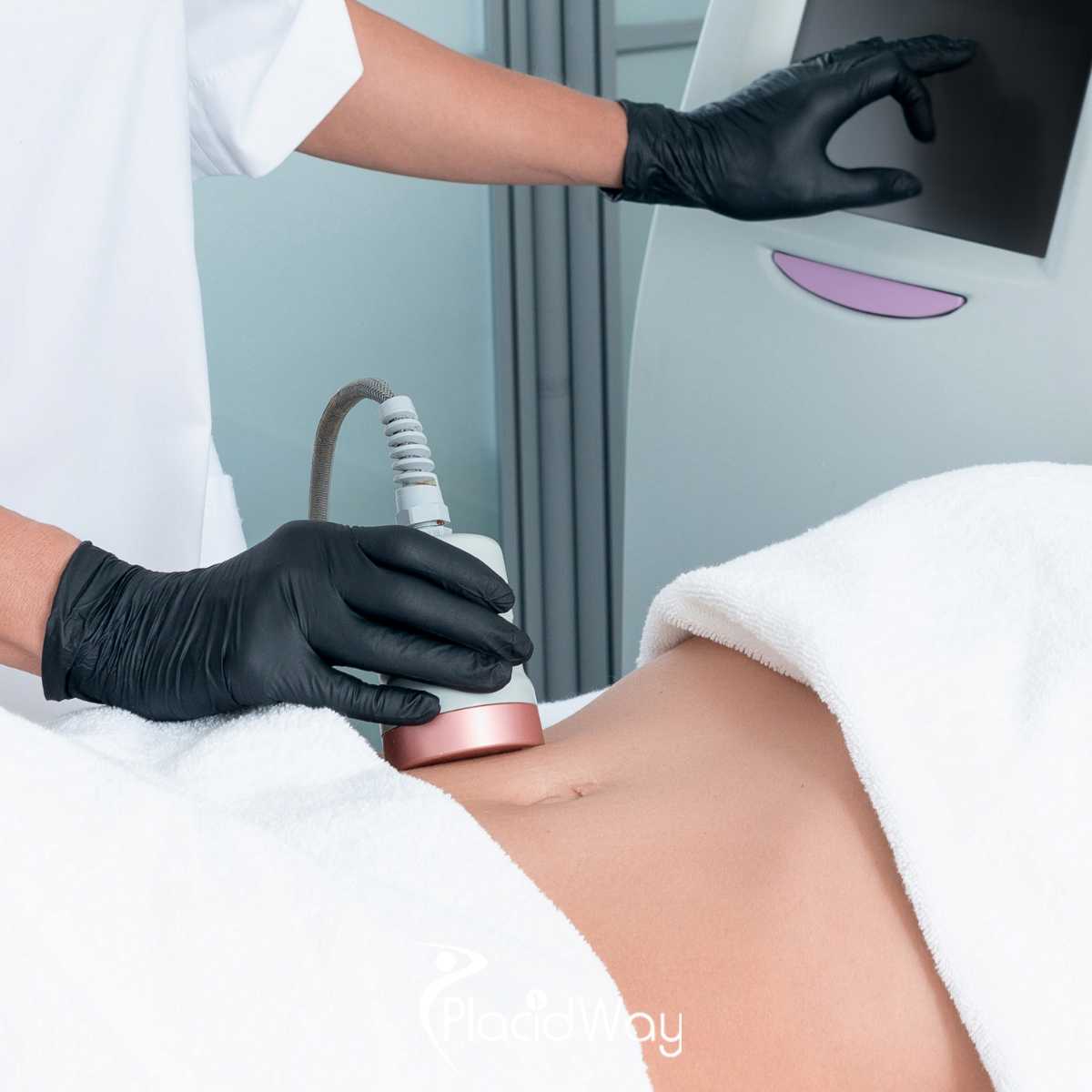
Price starting from $4,320
Tummy Tuck Package in Colombia by Dr. Alvaro Uribe
Dr. Alvaro Uribe - Plastic Surgery in Colombia
- Cosmetic/Plastic Surgery
Barranquilla,Colombia

Price starting from $12,000
Biopolymer Removal Package in Cali, Colombia by Dr. David Guarin
Dr. David Guarin Cirugia Plastica
- Cosmetic/Plastic Surgery
Cali,Colombia
Cosmetic Plastic Surgery Solutions Near You: Explore Top Medical Centers
Discover how Cosmetic Plastic Surgery is transforming lives at leading medical centers in , Colombia. Dive into center profile, specialties, doctors, reviews, etc. and explore the best options tailored to your needs in this region.
Dr. Adriana Parra Gomez
Bogota,Colombia
Clinica Especialistas del Poblado - Plastic Surgery in Medellin
Medellin,Colombia
Dr. Alvaro Uribe - Plastic Surgery in Colombia
Barranquilla,Colombia
Dr. Felipe Castro Esguerra - Plastic Surgeon in Colombia
Bogota,Colombia
Transformative Cosmetic Plastic Surgery Experiences: Dive into Procedure Insights
Discover the power of Cosmetic Plastic Surgery through compelling patient experiences. Uncover detailed insights into procedures, recovery journeys, and life-changing results.
Price starting from $4,500
Tummy Tuck in Bogota, Colombia
- Tummy Tuck Surgery,Cosmetic/Plastic Surgery
Bogota,Colombia

Price starting from $4,320
Breast Reduction in Barranquilla, Colombia
- Breast Reduction,Cosmetic/Plastic Surgery
Barranquilla,Colombia

Price starting from $3,500
Tummy Tuck in Medellin, Colombia
- Tummy Tuck Surgery,Cosmetic/Plastic Surgery
Medellin,Colombia
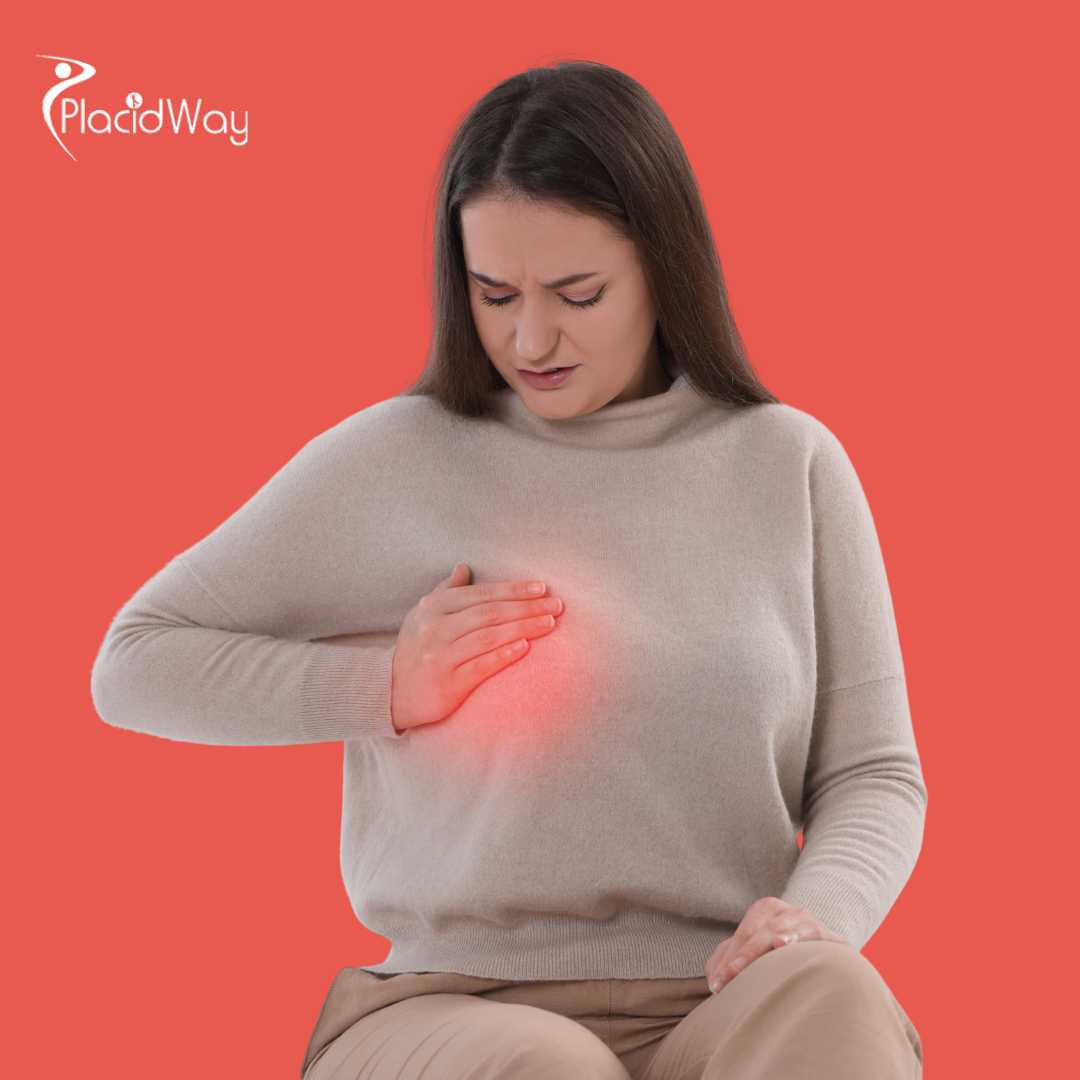
Price starting from $4,200
Breast Augmentation in Bogota, Colombia
- Cosmetic/Plastic Surgery
Bogota,Colombia
Explore Cosmetic Plastic Surgery: Stories, Testimonials, and Procedures
Watch in-depth videos covering everything from Cosmetic Plastic Surgery success stories to detailed procedure explanations. Learn what to expect and hear from real patients.
Achieve Firmer Contours with Mastopexy in Bogota Colombia by Dr. Felipe Castro Esguerra
Dr. Felipe Castro Esguerra - Plastic Surgeon in Colombia
Colombia
Refresh Your Appearance with Eyelid Surgery in Bogota, Colombia by Dr. Felipe Castro Esguerra
Dr. Felipe Castro Esguerra - Plastic Surgeon in Colombia
Colombia
Your Best Version is Planned: Plastic Surgery in Colombia
Dr. Felipe Castro Esguerra - Plastic Surgeon in Colombia
Colombia
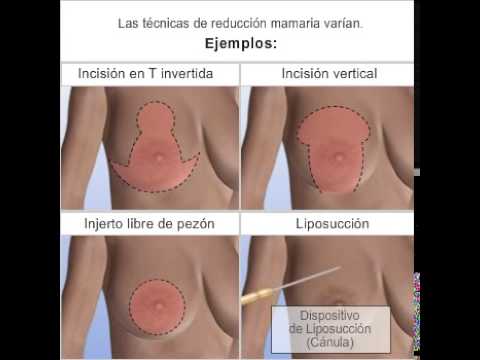
High‑Quality Breast Reduction Mexico: Complete Guide & Honest Cost Breakdown
Dr. Felipe Castro Esguerra - Plastic Surgeon in Colombia
Colombia
Learn More with These Cosmetic Plastic Surgery Articles
Take a look at these interesting articles, stories and research that will help you learn more about Cosmetic Plastic Surgery.
Planning Your Liposuction in Bogota, Colombia: Costs, Surgeon Credentials, and Safety Guide
PlacidWay Colombia
- Cosmetic/Plastic Surgery
Colombia

What to Expect From Breast Augmentation in Colombia
PlacidWay Mexico Medical Tourism
- Cosmetic/Plastic Surgery
Colombia

Tummy Tuck in Cali, Colombia: What Recovery Can Look Like for Patients
PlacidWay Colombia
- Cosmetic/Plastic Surgery
Colombia
Evaluating Body Contouring in Bogota, Colombia: A Patient’s Guide to Safety, Costs, and Qualified Surgeons
PlacidWay Medical Tourism
- Cosmetic/Plastic Surgery
Colombia








