
Tummy Tuck in Colombia: An Honest Look at Safety & Results
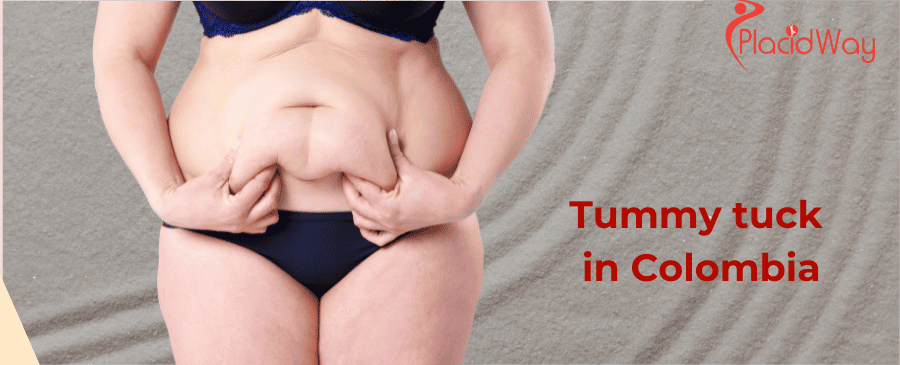
Deciding to undergo an abdominoplasty is a major medical decision that requires careful thought, especially when considering traveling abroad for care. The prospect of combining healthcare with travel naturally brings up serious questions about surgical standards, recovery environments, and overall patient safety.
While an overwhelming number of patients have successful experiences pursuing a tummy tuck in Colombia, safety should always remain your primary concern. Understanding how to evaluate surgical risks, assess clinic accreditation, and manage your post-operative recovery is essential before booking any flights or consultations.
Key Takeaways
- Your safety depends heavily on selecting a surgeon verified by recognized medical boards, such as the Colombian Society of Plastic Surgery.
- A comprehensive pre-operative medical evaluation is necessary to determine if you are healthy enough for surgery.
- Inherent surgical risks include infection, excessive bleeding, seroma (fluid accumulation), and poor wound healing.
- Adequate recovery time in your destination country before flying is mandatory to help prevent deep vein thrombosis (DVT).
- Having a solid plan for post-operative care and local follow-up once you return home is critical for long-term health.
What are the main risks associated with an abdominoplasty?
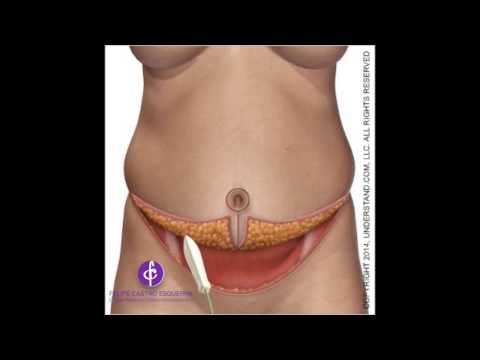
A tummy tuck is not simply a cosmetic touch-up; it is a significant surgical procedure that involves removing excess skin, potentially repairing separated abdominal muscles, and repositioning the navel. Because of the extensive tissue manipulation, your body requires considerable energy and time to heal.
Common complications can include seromas, which are pockets of fluid that build up under the skin and may require draining. Wound healing issues are also a risk, particularly for patients with a history of smoking, diabetes, or poor circulation. In severe cases, poor blood supply can lead to tissue necrosis (tissue death) along the incision line.
The most severe risk associated with major surgery—particularly when travel is involved—is the formation of blood clots, known as deep vein thrombosis (DVT). If a clot breaks loose and travels to the lungs, it causes a pulmonary embolism, which is a life-threatening medical emergency. Your surgical team will typically utilize compression garments, early mobilization, and sometimes blood thinners to help reduce this risk.
How do I verify a plastic surgeon's credentials in Colombia?
Unlike standard medical degrees, plastic surgery requires extensive additional years of specialized residency. In Colombia, reputable plastic surgeons are typically members of the Sociedad Colombiana de Cirugía Plástica, Estética y Reconstructiva (SCCP). Membership in this organization indicates that the surgeon has completed the requisite training and adheres to national safety and ethical standards.
You may also look for international affiliations. Many leading surgeons hold memberships with the International Society of Aesthetic Plastic Surgery (ISAPS) or the American Society of Plastic Surgeons (ASPS) as international members. These organizations require their members to maintain active certification and engage in continuing medical education.
During your consultation, ask direct questions about their specific experience with abdominoplasty. You have the right to know how frequently they perform this exact surgery, what their complication rates are, and what protocols they follow if an emergency arises during the operation.
Important Consideration
A flashy social media presence does not equal surgical competence. Always prioritize verifiable medical board certifications, hospital privileges, and formal educational background over follower counts or aesthetic Instagram feeds.
Are surgical facilities in Colombia regulated and safe?
The Colombian Ministry of Health and local Secretariats of Health govern medical facilities. Clinics performing major surgeries must meet specific requirements regarding sterilization, emergency equipment, and staffing. However, standards can vary between facilities, which is why choosing an accredited hospital or a dedicated, fully equipped surgical center is vital.
Safe facilities will always have emergency protocols in place. This includes immediate access to an Intensive Care Unit (ICU) or a formal transfer agreement with a nearby major hospital in case complications arise during or immediately after your surgery. They will also use board-certified anesthesiologists to monitor your vitals while you are under general anesthesia.
When researching where to have your procedure, ask the provider directly about their accreditation status. Facilities catering to international patients frequently undergo voluntary audits by international accreditation bodies to provide an extra layer of reassurance regarding their safety and hygiene practices.
How long should I stay in Colombia after a tummy tuck?
An abdominoplasty involves significant tissue trauma, and your body will be in a fragile state during the first week. You will likely have surgical drains placed to remove excess fluid, and you will need to walk slightly bent over to avoid placing tension on your fresh incisions. Trying to navigate an airport or sit in a cramped airplane seat during this phase is dangerous.
Remaining close to your surgical team allows them to monitor your healing progress through scheduled post-operative visits. They can check for early signs of infection, manage your pain effectively, and safely remove your surgical drains when the time is right. Leaving too early deprives you of this crucial continuity of care.
Furthermore, altitude changes and prolonged immobility during flights drastically increase the risk of blood clots post-surgery. Your surgeon will only clear you for air travel once they determine your risk of DVT has sufficiently decreased and your incisions are healing appropriately.
What makes medical tourism in Colombia popular for cosmetic surgery?
Over the last decade, specific regions in South America have developed robust infrastructures dedicated to international healthcare. Major cities have established themselves as hubs for complex medical and aesthetic procedures. The concentration of specialized medical professionals in these areas has raised the standard of available care.
Proximity is another factor. For patients traveling from the United States or Canada, flight times are relatively manageable compared to traveling to destinations in Asia or Eastern Europe. This shorter travel time can be slightly more comfortable when managing the logistics of flying home after a major surgery.
Additionally, many healthcare providers catering to international travelers have adapted their practices to include comprehensive services. This often involves bilingual medical staff, pre-travel virtual consultations, and coordinated post-operative care plans, making the logistical side of medical travel less daunting for the patient.
How much does a tummy tuck cost in Colombia compared to the US?
The difference in healthcare pricing is primarily driven by lower costs of living, reduced administrative overhead, and different medical malpractice insurance structures, rather than a reduction in the quality of medical supplies or physician expertise. However, patients must look closely at what a quoted price actually includes.
When comparing estimates, ensure you are looking at transparent pricing. A comprehensive quote should include the surgeon’s fee, anesthesiologist fees, operating room costs, necessary medical garments, and standard post-operative consultations. If a price seems unusually low, it may lack these essential components.
| Factor Influencing Cost | Impact on Final Estimate |
|---|---|
| Type of Procedure | A mini tummy tuck requires less time than a full or extended tummy tuck, altering surgeon and facility fees. |
| Muscle Repair | Correcting diastasis recti (muscle separation) adds surgical time and complexity to the operation. |
| Facility Accreditation | Internationally accredited hospitals generally charge higher operating room fees than smaller clinics. |
Can I combine a tummy tuck with other procedures like liposuction?
Many patients opt for a combined approach, often referred to as a mommy makeover, to address multiple concerns in a single surgical session. The benefit is undergoing anesthesia only once and consolidating the recovery time into a single period rather than spacing out multiple surgeries.
However, safety protocols dictate strict limits on how many procedures can be safely performed at once. Extensive surgeries mean longer exposure to general anesthesia, higher blood loss, and greater trauma for the body to heal from. Responsible surgeons will assess your overall health, age, and Body Mass Index (BMI) to determine if multiple procedures are safe for you.
If your surgical goals are extensive, a careful medical provider may advise staging the surgeries. This means performing the tummy tuck first, allowing you to heal completely, and then returning months later for subsequent procedures. Patient safety must always dictate the surgical plan.
What should I look for when choosing a tummy tuck clinic in Colombia?
Selecting the right facility requires looking past marketing materials. Start by verifying the infrastructure. The clinic should have modern sterilization equipment, continuous power backups, and a dedicated recovery area monitored by registered nurses. Ask for a virtual tour if you cannot visit beforehand.
Communication is another critical factor. Misunderstandings regarding medical instructions can compromise your safety. Ensure the clinic has fluent English-speaking staff or access to professional medical translators who can help you understand pre-operative instructions, surgical consent forms, and post-operative care routines.
Be wary of any clinic that pressures you into booking quickly, asks for large non-refundable deposits before a medical clearance, or downplays the risks of surgery. A professional medical team will prioritize your health evaluation over securing a financial transaction.
What happens if I experience complications after returning home?
Continuity of care is one of the most challenging aspects of medical travel. While your surgeon abroad may offer virtual follow-ups via video calls, they cannot physically examine an infected incision or drain a seroma from thousands of miles away. You must be prepared to handle local medical care.
Before you travel, it is highly recommended to establish a relationship with a local primary care physician or a post-operative care specialist who is willing to monitor your healing upon your return. Inform them of your plans and ensure they are comfortable taking over your routine aftercare.
Request all your medical records, including surgical notes, implant details (if applicable), and lists of administered medications, before leaving the clinic. Having these documents translated into English and readily available will help local doctors treat you effectively if an emergency arises.
Why Choose PlacidWay for Medical Tourism?
PlacidWay is a comprehensive medical tourism platform designed to help patients research global healthcare options.
- Global Healthcare Access: Provides access to a wide directory of international clinics and hospitals for various medical procedures.
- Educational Resources: Offers extensive guides and articles to help patients understand the logistics and realities of traveling for medical care.
- Facility Profiles: Lists healthcare centers along with details about their medical accreditations and available specialties.
- Comparison Tools: Allows patients to review and compare treatment estimates from multiple international providers.
- Patient Support: Connects patients with specialized medical centers to facilitate the initial exchange of medical information and consultation requests.
Frequently Asked Questions
Am I a good candidate for a tummy tuck in Colombia?
Ideal candidates are generally healthy non-smokers who are at a stable weight but have excess abdominal skin or weakened muscles, often due to pregnancy or significant weight loss. A thorough medical evaluation is required to confirm eligibility.
What is the typical recovery time for an abdominoplasty?
Initial recovery usually takes two to three weeks, during which you will need to limit physical activity. Most patients can return to non-strenuous work after this period, though full internal healing and swelling reduction can take several months.
Is it safe to fly immediately after my surgery?
Flying immediately after major abdominal surgery is highly dangerous due to the increased risk of deep vein thrombosis (DVT) and pulmonary embolism. You must wait the specific duration recommended by your surgeon, typically 10 to 14 days.
How is pain managed during and after the procedure?
The surgery is performed under general anesthesia so you will feel no pain during the operation. Post-operatively, your medical team will prescribe oral pain medications to manage discomfort during the initial healing days.
Will I have noticeable scars after a tummy tuck?
Yes, a tummy tuck leaves a permanent scar, typically running horizontally just above the pubic area. While surgeons place the incision low so it can be hidden by underwear or swimsuits, individual healing and scar visibility vary by patient.
Do surgeons in Colombia speak English?
Many board-certified plastic surgeons who routinely treat international patients speak English. Clinics accustomed to medical travelers also typically employ bilingual staff or professional medical interpreters to ensure clear communication.
What type of anesthesia is used for this surgery?
Abdominoplasty is almost always performed under general anesthesia, administered and monitored by a qualified anesthesiologist. This ensures your airway is protected and your vitals are strictly monitored throughout the procedure.
Are there BMI restrictions for a tummy tuck?
Yes, most ethical surgeons require patients to have a Body Mass Index (BMI) below 30 or 32 to minimize anesthesia risks and surgical complications. Higher BMIs significantly increase the risk of infection, poor wound healing, and blood clots.
How long do the results of a tummy tuck typically last?
The removal of excess skin and tightening of abdominal muscles provides long-lasting results. However, future pregnancies, significant weight fluctuations, or the natural aging process can alter your abdominal profile over time.
Should I travel with a companion for my surgery?
Having a travel companion is highly recommended. You will need assistance with basic mobility, managing medications, preparing meals, and communicating with medical staff during your first few days of recovery.
Take the Next Step in Your Research
Connect with specialized healthcare providers to compare treatment options and gather detailed information about your potential procedure.
Request Treatment InformationReferences
- Tummy Tuck Safety and Risks – American Society of Plastic Surgeons (ASPS)
- Medical Tourism Travel Guidelines – Centers for Disease Control and Prevention (CDC)
- Patient Safety Guidelines for International Travel – International Society of Aesthetic Plastic Surgery (ISAPS)
- Abdominoplasty Risks and What to Expect – Mayo Clinic
- Comprehensive Guide to Tummy Tuck Surgery – American Board of Cosmetic Surgery
- Safe Surgery Guidelines – World Health Organization (WHO)




















Share this listing