
What I Wish I Knew Before a Tummy Tuck in Colombia
Choosing to travel abroad for cosmetic surgery is a major decision that requires careful planning, deep research, and a realistic understanding of what the journey entails. Abdominoplasty—commonly known as a tummy tuck—is a major surgical procedure designed to remove excess skin and fat from the abdomen while tightening the underlying muscles. When considering this procedure internationally, many patients look toward South America due to its reputation for cosmetic surgery expertise.
However, recovering from a major operation in a foreign country brings unique challenges. From navigating language differences to understanding local medical protocols, there are several practical realities patients often learn only after they arrive. This guide explores the essential factors, preparation tips, and medical considerations you should understand before embarking on your journey.
Key Takeaways
- Extended Stay Required: Plan to remain in the country for at least 10 to 14 days post-surgery to allow for drain removal and fit-to-fly clearance.
- Intensive Aftercare: Colombian recovery protocols often heavily involve compression garments (fajas) and specialized lymphatic drainage massages.
- Altitude Matters: Cities like Bogota sit at high altitudes, which can impact your energy levels and breathing during early recovery.
- Verify Credentials: Always ensure your surgeon is board-certified by recognized Colombian medical boards, such as the SCCP.
- Complication Planning: Establish a clear plan for post-operative care with a primary care physician back home before you travel.
How much does a tummy tuck actually cost in Colombia?
When comparing prices, it is crucial to look beyond the base surgical fee. A surprisingly low quote might only cover the surgeon's time, leaving you responsible for operating room fees, anesthesia, pre-operative lab work, and specialized garments. Standard abdominoplasty pricing in South America often includes a more comprehensive package, but you must ask for an itemized breakdown.
When evaluating quotes, ask if the following elements are included:
- Anesthesiologist fees and operating facility costs
- Post-operative compression garments (fajas)
- A set number of post-op lymphatic drainage massages
- Prescription medications for your initial recovery phase
- Follow-up consultation fees
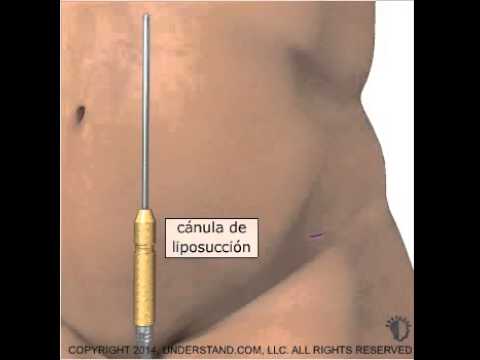
Keep in mind that combining procedures—such as adding liposuction to the flanks or back—will increase the total cost, surgical time, and potential risks. Always prioritize transparent pricing over the cheapest available option, as unusually low prices can sometimes indicate compromised safety protocols.
What is the recovery really like after an abdominoplasty?
Many patients underestimate the physical toll of an abdominoplasty. Because the abdominal muscles are typically tightened during the procedure, your core will feel extremely tight and sore. For the first week, you will likely walk slightly bent over to avoid pulling on your incisions. Standing up straight is usually not possible—or recommended—until your body has had time to heal, which can take a week or more.
You will also wake up with surgical drains—small tubes placed under the skin to remove excess blood and fluid. Emptying and measuring the fluid from these drains will be a daily task until your surgeon decides they can be safely removed. You will also be required to wear a specialized compression garment (faja) around the clock for several weeks to support your new contours and minimize swelling.
How long should I plan to stay in Colombia post-surgery?
Leaving the country too soon after major surgery is highly discouraged by medical professionals. The first two weeks are when you are most vulnerable to immediate post-operative complications, such as hematomas, seromas (fluid buildup), or early signs of infection. Staying near your surgeon allows them to monitor your healing progress and intervene quickly if needed.
Furthermore, flying introduces significant physical stress. Sitting in a cramped airplane seat for hours with fresh abdominal incisions can be highly uncomfortable. More importantly, flying too soon increases the risk of deep vein thrombosis (DVT). Your surgeon must evaluate your mobility, wound healing, and overall health before issuing a "fit-to-fly" certificate for your journey home.
What safety considerations are unique to medical tourism in Colombia?
Traveling long distances for surgery inherently increases certain medical risks. The combination of major surgery, anesthesia, and long periods of immobility on an airplane significantly elevates the risk of developing blood clots (DVT). These clots can be life-threatening if they travel to the lungs. To mitigate this, surgeons often prescribe blood thinners, require compression socks, and insist on light walking shortly after surgery.
Another crucial consideration is understanding that medical regulations vary by country. While Colombia has many highly trained, board-certified surgeons and modern facilities, it also has clinics that operate below international safety standards. It falls upon the patient to rigorously verify credentials, facility accreditations, and the emergency protocols of their chosen clinic.
How do I verify a tummy tuck clinic in Colombia?
Researching a provider from thousands of miles away requires diligence. First, ensure the surgeon is a member of the Colombian Society of Plastic, Aesthetic and Reconstructive Surgery (Sociedad Colombiana de Cirugía Plástica Estética y Reconstructiva - SCCP). Membership in this organization indicates that the surgeon has completed formal, recognized training in plastic surgery.
Additionally, investigate the facility where the surgery will take place. Is it a fully equipped hospital or a standalone clinic? The facility should be registered and approved by the local health department (Secretaría de Salud). Ask specific questions during your consultation, such as:
- What happens if there is a surgical emergency?
- Does the clinic have an ICU, or a transfer agreement with a nearby major hospital?
- Who will be administering the anesthesia, and are they a certified anesthesiologist?
What should I pack for my recovery in a foreign country?
Because your mobility will be highly restricted, you should only pack clothing that is easy to put on and take off without raising your arms or bending over. Front-buttoning shirts, loose zip-up hoodies, and wide-leg sweatpants or maxi dresses are ideal. Remember to account for the bulky bandages and surgical drains you will be managing.
Consider bringing the following items for a smoother recovery:
- Slip-on shoes with good grip (bending to tie laces will be impossible).
- A long phone charging cable to reach your recovery bed easily.
- Dry shampoo and body wipes for the days when showering is not permitted.
- Cough drops (coughing after abdominal surgery is painful).
- A specialized travel pillow for neck support, as you will likely need to sleep elevated on your back.
Will there be a language barrier during my medical journey?
Clear communication is critical when discussing medical history, surgical goals, and post-operative pain management. If you do not speak Spanish, ask your clinic ahead of time how they handle international patients. Some clinics provide dedicated patient coordinators who act as translators throughout your appointments and hospital stay.
However, when recovering in a hotel or specialized recovery house, you may find that the caregivers handling your daily needs (like changing dressings or preparing meals) do not speak English. Downloading a reliable offline translation app on your phone can be incredibly helpful for day-to-day interactions. Learning a few basic medical phrases in Spanish—such as expressing pain levels, asking for water, or indicating nausea—can also greatly improve your comfort.
How does the altitude in cities like Bogota affect recovery?
Colombia’s geography means that medical hubs are located at vastly different elevations. While cities like Medellin and Cali have lower, more temperate elevations, Bogota is high in the Andes. For patients arriving from sea level, this altitude can cause mild hypoxia (lower oxygen levels in the blood).
When combined with the stress of major surgery, anesthesia recovery, and pain medication, altitude sickness can make you feel exceptionally exhausted, dizzy, or nauseous. It is vital to stay aggressively hydrated and avoid any unnecessary physical exertion. Some surgeons may recommend arriving a few days before your surgery simply to let your body acclimate to the thinner air.
What happens if I experience complications after returning home?
One of the most challenging aspects of medical tourism is the discontinuity of care once you board your flight home. While your Colombian surgeon may be available for virtual consultations via video call, they cannot physically examine an infection, drain a severe seroma, or treat wound separation from another country.
It can sometimes be difficult to find a local plastic surgeon willing to take over the post-operative care of another doctor's patient due to liability concerns. Preparing for this possibility by securing a supportive local physician before you travel is an essential part of responsible medical tourism.
Why Choose PlacidWay for Medical Tourism?
Navigating international healthcare options can be overwhelming. PlacidWay is a medical tourism platform designed to help patients research, compare, and connect with medical facilities globally. Here is what PlacidWay provides:
- Comprehensive Educational Resources: Access detailed articles, guides, and practical information about various procedures and destinations.
- Extensive Provider Network: Explore profiles of clinics, hospitals, and medical professionals across numerous countries, including South America.
- Direct Communication: Use the platform to send inquiries directly to medical providers to ask specific questions about your health needs.
- Transparent Comparisons: Review estimated pricing, facility amenities, and doctor credentials side-by-side to make an informed choice.
- Patient-Focused Platform: PlacidWay focuses on providing information and facilitating connections without pressuring patients into immediate treatment decisions.
Frequently Asked Questions
Is it safe to combine a tummy tuck with other procedures in Colombia?
Combining procedures, such as a tummy tuck with liposuction (often called a 'mommy makeover'), is common but increases surgical time, anesthesia exposure, and potential risks. Your eligibility depends entirely on your personal health profile and your surgeon's safety protocols.
Do Colombian surgeons use different techniques for abdominoplasty?
Surgeons in Colombia generally use internationally recognized techniques, including traditional, mini, and extended abdominoplasties. They are particularly known for their expertise in body contouring and extensive use of post-operative lymphatic drainage massages.
Can I fly home with surgical drains still in place?
Most surgeons strongly advise against flying with surgical drains. Changes in cabin pressure can affect the drains, and the risk of infection increases. You will typically need to stay in Colombia until the drains are safely removed.
What is a "faja" and why is it required after surgery in Colombia?
A "faja" is a specialized medical compression garment. Colombian surgeons heavily emphasize their use to reduce swelling, support the new abdominal contours, and promote skin retraction during the healing phase.
Will my domestic health insurance cover any complications from a surgery abroad?
Most domestic health insurance plans do not cover complications arising from elective cosmetic surgery performed abroad. It is highly recommended to purchase specialized medical tourism complications insurance before your trip.
How soon can I go to the beach or pool after my procedure?
You should avoid swimming pools, oceans, and hot tubs for at least four to six weeks, or until your incisions are completely closed and cleared by a doctor, to prevent severe infections.
Are Colombian surgical facilities accredited internationally?
Some top-tier facilities hold international accreditations like JCI, while others are regulated by the local "Secretaría de Salud" (Ministry of Health). It is important to verify the specific accreditation of your chosen facility.
What type of anesthesia is typically used for a tummy tuck in Colombia?
A full tummy tuck is typically performed under general anesthesia. In some cases, regional anesthesia (like an epidural) combined with deep sedation may be used, depending on the surgeon's recommendation and the patient's health.
How do I pay for my surgery in Colombia?
Clinics often accept major credit cards, international wire transfers, and sometimes cash. Be aware that credit card payments may incur foreign transaction fees or clinic surcharges. Always clarify payment methods during your initial consultation.
Can I travel alone for a tummy tuck in Colombia?
While possible if you hire dedicated post-operative nursing care in Colombia, traveling alone is generally not recommended. Having a trusted companion is vital for mobility assistance, emotional support, and handling logistics during the early days of recovery.
Compare Treatment Options
Ready to learn more? Request detailed information about clinics, specialists, and procedure options to help you make an informed decision about your healthcare journey.
Request Treatment InformationReferences
- Tummy Tuck Safety and Risks – American Society of Plastic Surgeons (ASPS)
- Medical Tourism Guidelines – Centers for Disease Control and Prevention (CDC)
- Patient Safety in Aesthetic Surgery – International Society of Aesthetic Plastic Surgery (ISAPS)
- Official Member Directory – Sociedad Colombiana de Cirugía Plástica Estética y Reconstructiva (SCCP)
- Abdominoplasty Overview and Risks – Mayo Clinic
- Cosmetic Surgery Abroad Guidance – National Health Service (NHS)
- Travel and Health: Deep Vein Thrombosis – World Health Organization (WHO)
















Share this listing