
Colombia's Top 4 Plastic Surgeries: BBL, Lipo, Tummy Tucks & Breast Augmentation

Key Takeaways
- Colombia routinely ranks as a major global hub for both facial and body contouring surgeries.
- Liposuction, abdominoplasty, and breast enhancements represent the highest volume of procedures for international patients.
- Ensuring your surgeon is board-certified by the Colombian Society of Plastic Surgery (SCCP) is a crucial safety step.
- Patients must plan for extended recovery stays—often two to three weeks—before flying is medically advisable.
- Thoroughly evaluating your medical history with a qualified provider helps determine if traveling for surgery is right for you.
International patients increasingly research medical tourism in Colombia when considering aesthetic enhancement. The country has developed a sophisticated healthcare infrastructure tailored to elective procedures. Understanding which surgeries are most frequently performed, what recovery involves, and how to navigate safety standards can help you make an informed choice about pursuing treatment abroad.
Why Do Patients Travel to Colombia for Aesthetic Surgery?
According to data consistently released by the International Society of Aesthetic Plastic Surgery (ISAPS), Colombia is a high-volume center for cosmetic procedures. The country sees thousands of international patients annually, primarily from North America and Europe. This sustained demand has encouraged significant investment in private clinical infrastructure in major urban centers like Bogotá, Medellín, and Cali.
Surgeons in this region often complete extensive local training and frequently pursue international fellowships. This cross-pollination of techniques means that patients can often find specialists who are well-versed in the latest surgical technologies, such as ultrasound-assisted liposuction or advanced breast implant placement techniques.
However, the popularity of the destination also requires patients to exercise caution. The influx of international visitors has led to the proliferation of non-regulated "aesthetic centers" operated by practitioners without formal plastic surgery board certification. Prospective patients must navigate this landscape by verifying credentials and insisting on care within accredited medical facilities.
Which Body Contouring Surgeries Are Most Frequent?
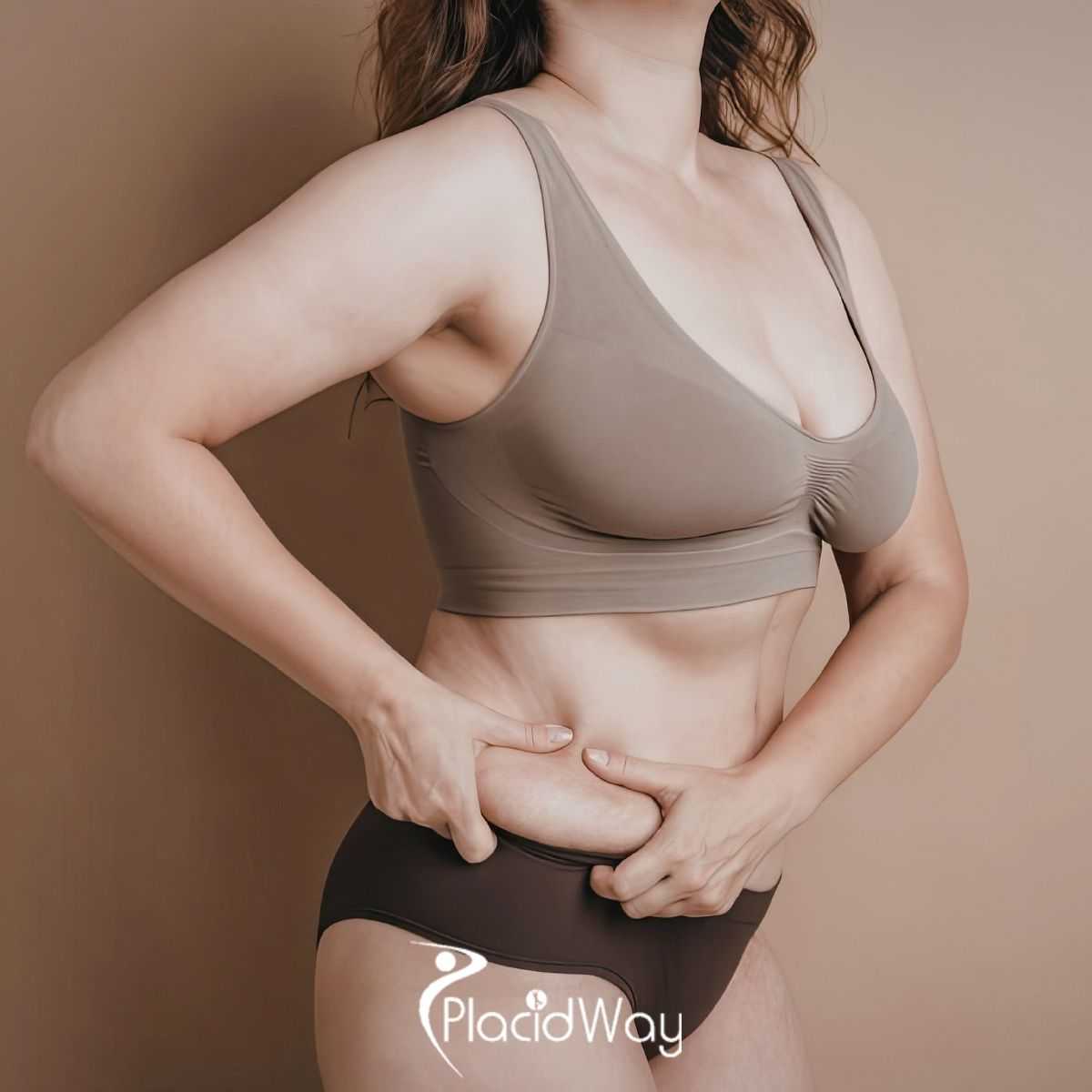
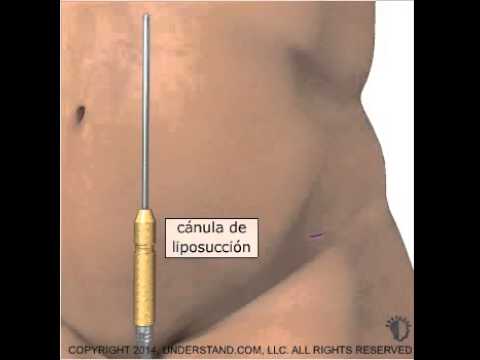
Body contouring makes up a massive portion of the elective surgeries performed in the country. Liposuction is often the cornerstone of these procedures, utilized to remove localized fat deposits from the abdomen, flanks, thighs, and back. Surgeons often use advanced modalities like VASER or laser-assisted liposuction, which may help with skin retraction and fat removal precision.
Abdominoplasty is highly sought after by patients looking to address excess skin and muscle separation often caused by pregnancy or significant weight loss. This procedure requires a substantial recovery period and careful postoperative monitoring for complications like seromas (fluid buildup) or poor wound healing.
Gluteal augmentation, particularly using the patient's own fat, is exceptionally common. While this procedure is popular, it carries specific, severe risks—most notably fat embolism, which can be fatal. Leading medical organizations have issued strict guidelines regarding how fat should be injected (strictly above the muscle) to mitigate this risk. Patients considering this procedure should thoroughly discuss the surgeon's safety protocols and technique.
Are Breast Enhancements Popular in This Region?
Breast augmentation using silicone or saline implants remains one of the most consistent requests. Reputable surgeons use implants approved by major international bodies, such as the FDA or the European CE mark, as well as the local regulatory authority, INVIMA. Patients have access to a variety of implant profiles, shapes, and textures, tailored to their anatomical needs.
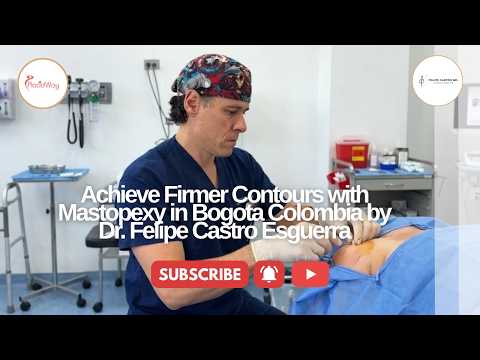
Mastopexy, or breast lift surgery, is often performed either with or without implants to correct sagging caused by aging, gravity, or breastfeeding. This surgery involves more extensive incisions than a simple augmentation, meaning patients need to be vigilant about scar care and infection prevention during their time abroad.
Prior to any breast surgery, patients over a certain age or with a family history of breast disease may be required to undergo a mammogram or ultrasound. It is highly advisable to have these baseline imaging tests completed in your home country before traveling, so your surgeon can review them during the preliminary virtual consultation.
What Facial Aesthetic Surgeries Do Patients Request?
Facial surgeries require intense precision and a deep understanding of anatomical proportions. Rhinoplasty is particularly popular, and many surgeons in the region specialize in advanced techniques like ultrasonic rhinoplasty, which can reduce trauma to the nasal bones and potentially shorten the bruising period.
Facelifts and neck lifts are frequently requested by older demographic groups seeking facial rejuvenation. These procedures address skin laxity and deep tissue sagging. Because facial skin is highly vascular, bleeding and hematoma are primary risks in the immediate postoperative phase, making closely monitored recovery essential.
Patients traveling for facial procedures need to be aware of the environmental factors during recovery. Sun exposure can severely worsen scarring and prolong facial swelling. Additionally, altitude can play a role; Bogotá, for example, is situated at a high altitude, which can marginally affect swelling and oxygenation, though most healthy patients acclimate quickly.
How Does Pricing Work for Aesthetic Treatments?
While affordability is a major driver for patients exploring options abroad, pricing structures can be complex. Estimates often include the surgeon's fee, anesthesiologist fees, and facility costs. However, patients must also budget for pre-operative lab work, post-operative garments (fajas), prescription medications, lymphatic drainage massages, and travel-related expenses.
| Financial Consideration | Details for Medical Tourists |
|---|---|
| Surgical Quotes | Ensure the quote explicitly lists what is included (anesthesia, overnight stays) and what is excluded. |
| Hidden Costs | Budget for extended hotel stays if you are not medically cleared to fly on your original departure date. |
| Complication Funds | Always reserve an emergency fund or purchase complication insurance, as emergency care abroad is out-of-pocket. |
It is vital to prioritize safety over cost savings. Choosing a provider solely based on the lowest price drastically increases the risk of ending up in unaccredited facilities or in the hands of unqualified practitioners. A realistic budget must account for a high-quality surgeon and a recognized medical clinic.
How Do I Identify a Safe Surgical Facility?
Safety should be your primary concern when evaluating clinics. Not all facilities are equipped to handle major surgical interventions. High-quality clinics operate under strict local health regulations and maintain hospital-grade operating theaters. For invasive procedures like tummy tucks or extensive liposuction, the facility should ideally have an Intensive Care Unit (ICU) on-site or a formal transfer agreement with a nearby major hospital.
Furthermore, evaluating the credentials of the anesthesiologist is just as important as verifying the surgeon. Ensure that a board-certified anesthesiologist will be present throughout the entire duration of your surgery and during the initial recovery phase.
Beware of locations marketed as "spas" or "aesthetic centers" that offer invasive surgeries without clear medical accreditation. A reputable clinic will be fully transparent about its certifications, emergency protocols, and the specific hospital privileges held by your chosen surgeon.
What Medical and Travel Risks Should I Consider?
All surgical procedures carry inherent risks, including infection, excessive bleeding, adverse reactions to anesthesia, and unsatisfactory cosmetic outcomes. When you add international travel to the equation, these risks are compounded. The most pressing concern is DVT, a condition where blood clots form in deep veins, usually in the legs. Immobility during long flights, combined with the body's natural inflammatory response to surgery, creates an ideal environment for clotting.
To mitigate this risk, surgeons typically require patients to remain in the country for a specific period before flying. They may also prescribe blood thinners, require the use of compression stockings, and mandate frequent, light walking during your recovery phase.
Infection is another major risk factor. Post-operative wounds must be kept meticulously clean. Exposing healing incisions to recreational water (like swimming pools or oceans) or poor sanitary environments can lead to severe infections, which are complicated to treat once you return to your home country.
What Is the Typical Recovery Timeline Before Flying?
Your recovery timeline will dictate the length of your trip. Minor facial procedures may require a stay of 7 to 10 days to allow for suture removal and initial swelling reduction. However, major body contouring procedures like abdominoplasty or multi-area liposuction typically necessitate a stay of at least 14 to 21 days.
During this time, you will have multiple follow-up appointments with your surgeon to monitor wound healing, check for fluid accumulation, and ensure there are no early signs of infection. Many patients arrange to stay in specialized recovery houses that cater to post-operative medical tourists, providing meals, transportation to clinical appointments, and basic nursing assistance.
Attempting to fly home before your surgeon provides medical clearance is highly dangerous. The pressure changes in aircraft cabins and the physical stress of navigating airports can trigger severe medical emergencies. Always book flexible return flights in case your body needs a few extra days to stabilize.
Is Combining Multiple Surgeries a Safe Option?
Many medical tourists inquire about combination surgeries, often referred to as "mommy makeovers" (typically involving a tummy tuck, breast lift/augmentation, and liposuction). While convenient, combining surgeries places significant stress on the cardiovascular and respiratory systems.
Ethical and safety-conscious surgeons adhere to strict guidelines regarding total operating time, usually capping surgeries at 4 to 6 hours. Prolonged anesthesia dramatically increases the risk of hypothermia, blood loss, and postoperative deep vein thrombosis. If your desired surgical plan requires excessive time in the operating room, a responsible surgeon will advise staging the procedures across multiple trips.
Your physical fitness, age, and underlying health conditions will heavily influence whether a surgeon agrees to combine procedures. A conservative approach is always the safest route when seeking medical care abroad.
How Does Pre-Existing Health Impact Surgery Eligibility?
Elective surgery requires patients to be in optimal health. Providers will request detailed medical histories, including current medications, previous surgeries, and any chronic illnesses like diabetes or hypertension. Uncontrolled blood sugar or high blood pressure can lead to catastrophic complications during or after surgery.
Smoking and the use of nicotine products are major contraindications for cosmetic surgery. Nicotine constricts blood vessels, severely impairing blood flow to healing tissues. This can lead to tissue necrosis (death of the skin and fat), prominent scarring, and severe infections. Most surgeons require patients to stop using all nicotine products for at least 4 to 6 weeks before and after surgery.
Body Mass Index (BMI) is another critical factor. The risk of respiratory issues and wound healing problems increases significantly in patients with a high BMI. Many surgeons will not perform elective body contouring on patients with a BMI over 30 or 32, advising weight loss prior to considering surgical intervention.
Why Choose PlacidWay for Medical Tourism Research?
- Global Network Access: PlacidWay offers an extensive directory of healthcare providers, hospitals, and aesthetic specialists worldwide.
- Provider Transparency: The platform provides detailed profiles that display medical facility accreditations and practitioner credentials for patient review.
- Direct Communication: Patients can use the platform to facilitate direct communication with international clinics to ask specific clinical questions.
- Educational Resources: PlacidWay supplies extensive articles and guides to help patients understand procedure options, general timelines, and expectations.
- Treatment Estimates: Users can request personalized information and estimates from clinics to assist with financial and healthcare planning.
Frequently Asked Questions
Do surgeons in Colombia typically speak English?
Many board-certified plastic surgeons who routinely treat international patients speak English. However, nursing staff and clinic administrators may have varying levels of fluency. Some clinics provide translation services to ensure clear communication regarding your medical history and aftercare instructions.
What qualifications should a Colombian plastic surgeon hold?
A qualified aesthetic surgeon in the country should hold board certification from the Colombian Society of Plastic, Aesthetic and Reconstructive Surgery (SCCP). This certification indicates they have completed formal, rigorous training in plastic surgery rather than just short aesthetic courses.
Can I get non-surgical cosmetic treatments during my trip?
Yes, treatments like neurotoxin injections, dermal fillers, and laser skin resurfacing are widely available. However, if you are undergoing a major surgery, you should consult your surgeon before scheduling additional minimally invasive treatments to avoid interfering with your surgical recovery.
Will my home country health insurance cover cosmetic surgery complications?
Standard health insurance policies in the US, Canada, or the UK typically do not cover elective cosmetic surgery or complications arising from procedures performed abroad. Patients often need to purchase specialized medical tourism complication insurance before their trip.
Is medical tourism in Colombia regulated by the government?
The Colombian Ministry of Health and Social Protection regulates healthcare facilities and sets hygiene and safety standards. However, the aesthetic sector includes a mix of highly regulated hospitals and less scrutinized cosmetic centers, making independent patient research crucial.
What happens if I am not satisfied with my surgical results?
Revision policies vary by clinic. If you require a revision due to aesthetic dissatisfaction or complications, you may need to pay for additional travel, facility fees, or anesthesia. It is important to discuss revision policies in writing with your surgeon before the initial operation.
Are the silicone breast implants used in Colombia safe?
Reputable surgeons typically use high-quality, globally recognized implant brands that carry FDA, CE, or INVIMA (the Colombian regulatory agency) approval. You should always ask your surgeon for the specific brand and model of the implants they intend to use.
How do I manage post-operative care once I return home?
Before leaving the country, you must arrange for a primary care physician or local specialist at home who is willing to monitor your healing, remove sutures if necessary, and manage any late-onset complications. Keep a complete copy of your surgical records and implant details.
Can my Body Mass Index (BMI) affect my eligibility for surgery?
Yes. Most responsible plastic surgeons have strict BMI limits (often under 30 or 32) for elective body contouring surgeries to minimize the risks of anesthesia complications, poor wound healing, and blood clots.
Which cities are the most popular destinations for these procedures?
Bogotá, Medellín, and Cali are the primary hubs for aesthetic surgery in the country. These cities host the largest concentrations of specialized clinics, board-certified surgeons, and infrastructure tailored to international patients.
Explore Your Aesthetic Treatment Options
Connect with verified international clinics to gather information, compare provider credentials, and request personalized procedure estimates.
Compare Treatment OptionsReferences
- ISAPS Global Statistics – International Society of Aesthetic Plastic Surgery
- Medical Tourism Travel Advice – Centers for Disease Control and Prevention (CDC)
- Patient Safety Guidelines – American Society of Plastic Surgeons (ASPS)
- Verification of Board Certified Surgeons – Sociedad Colombiana de Cirugía Plástica, Estética y Reconstructiva (SCCP)
- Breast Implant Safety and Regulation – U.S. Food and Drug Administration (FDA)
- Global Patient Safety Guidelines – World Health Organization (WHO)
- Deep Vein Thrombosis Risks in Air Travel Post-Surgery – National Center for Biotechnology Information (NCBI)



















Share this listing