
A Patient's Guide to Safe Plastic Surgery in Colombia
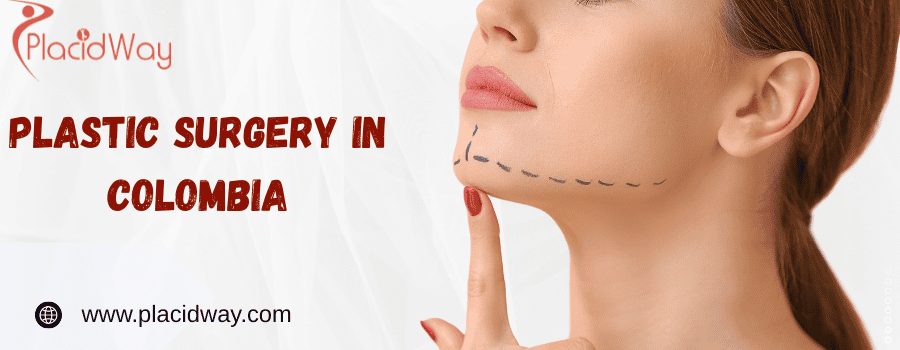
Every year, thousands of international patients consider plastic surgery in Colombia due to the country's reputation for experienced surgeons and modern medical infrastructure in cities like Bogotá, Medellín, and Cali. While the destination has become highly sought after for cosmetic enhancement, navigating the medical landscape in a foreign country requires careful research, realistic expectations, and an unwavering commitment to personal health.
Deciding to undergo surgery abroad involves variables that do not exist when having a procedure in your home city. Travel logistics, language differences, varying regulatory frameworks, and distance from your primary care physician all play a role in your overall wellbeing. Understanding how to differentiate between highly regulated medical institutions and unsafe practices is the foundation of a secure medical journey.
Key Takeaways
- Patient safety heavily depends on selecting a surgeon verified by professional organizations like the Colombian Society of Plastic Surgery (SCCP).
- Accredited hospitals and surgical centers provide the necessary emergency equipment and intensive care units required for unexpected complications.
- Flying shortly before or after surgery increases the risk of deep vein thrombosis (DVT) and requires strict adherence to medical recovery timelines.
- Unlicensed facilities, often referred to locally as "clinicas de garaje," pose severe health risks and must be actively avoided.
- Post-operative care is just as critical as the surgery itself; patients must establish a plan for follow-up care in their home country.
How is the medical quality and safety regulated in Colombia?
Colombia has an established healthcare system with regulations designed to protect patients. The government uses a system known as the Special Registry of Health Service Providers (REPS). Any facility offering medical or surgical services must be registered and audited to ensure they meet the foundational requirements for hygiene, staffing, and emergency response capabilities.
Local health secretariats in major municipalities conduct inspections to ensure compliance. Hospitals and clinics that handle complex surgeries are required to maintain strict protocols regarding sterilization, waste management, and the handling of anesthesia. While the regulatory framework is robust, enforcement can vary, making it the patient's responsibility to ask for proof of a facility's active registration.
Beyond baseline government requirements, many prominent hospitals pursue international accreditation or higher-tier national certifications. These voluntary credentials indicate a facility’s commitment to continuous quality improvement and rigorous peer review, often aligning their operational standards with those found in North America and Europe.
What are the main risks of getting plastic surgery abroad?
Any invasive surgical procedure carries inherent risks, regardless of geographic location. Common complications can include adverse reactions to anesthesia, hematomas, seromas, delayed wound healing, and surgical site infections. Individuals with pre-existing conditions—such as diabetes, hypertension, or a high body mass index (BMI)—face elevated risks and may not be suitable candidates for elective surgery.
Seeking treatment overseas introduces additional variables. Communication issues can arise if there is a language barrier between the patient and the nursing staff, potentially leading to misunderstandings regarding pain management or medication schedules. Being isolated from your family, regular support system, and primary care physician can also make the psychological and physical recovery process more demanding.
Furthermore, different countries harbor varying strains of bacteria. While accredited hospitals maintain sterile environments, patients who do not strictly follow wound care instructions while resting in hotels or recovery houses may expose themselves to infections that are difficult to treat once they return home.
How can patients verify a plastic surgeon's credentials in Colombia?
Verifying credentials is the most vital step in mitigating surgical risk. In Colombia, as in many parts of the world, there is an important distinction between an "aesthetic doctor" (a general practitioner who has taken short courses in cosmetic procedures) and a specialized plastic surgeon. A true plastic surgeon has completed years of general surgery training followed by rigorous, specialized residency in reconstructive and aesthetic surgery.
The primary professional body representing certified plastic surgeons in the country is the Sociedad Colombiana de Cirugía Plástica (SCCP). The SCCP requires its members to hold recognized medical degrees, complete authorized specializations, and adhere to strict ethical guidelines. Patients can search the SCCP’s official directory online to see if a prospective surgeon is a member in good standing.
Patients should also inquire about the surgeon's specific experience with the desired procedure. Requesting information about their complication rates, hospital admitting privileges, and specific training history provides a clearer picture of their qualifications than social media marketing or online testimonials.
What role does facility accreditation play in patient safety?
The physical environment where a surgery takes place is just as important as the person holding the scalpel. Elective cosmetic surgeries should only be performed in authorized surgical centers or full-scale hospitals. These facilities are designed with dedicated operating theaters that maintain positive air pressure to reduce infection risk and feature advanced sterilization departments.
A major aspect of facility safety is the immediate availability of emergency infrastructure. Even in routine procedures, unexpected medical events such as cardiac issues or severe allergic reactions can occur. Accredited facilities maintain an onsite Intensive Care Unit (ICU) or have established, immediate transfer protocols with an adjacent high-complexity hospital. They also mandate the presence of a board-certified anesthesiologist monitoring the patient throughout the operation.
Does the plastic surgery cost in Colombia affect the safety of the procedure?
Many patients are drawn to the region because the plastic surgery cost in Colombia is often more accessible due to a lower cost of living and favorable exchange rates. When appropriately managed by specialized clinics, this price difference does not inherently mean a reduction in medical quality. However, extreme price discrepancies within the country should serve as a major red flag.
If a quote is significantly lower than average, the provider may be cutting corners that directly impact patient survival and health. This can include operating in uncertified rooms, substituting a certified anesthesiologist with a less qualified technician, utilizing substandard surgical materials, or reusing disposable equipment.
Patients should request a fully itemized breakdown of costs before committing. A legitimate quote will clearly separate the surgeon’s fee, the anesthesiologist’s fee, operating room costs, medical supplies, and immediate post-operative care. Prioritizing budget over basic medical safety frequently leads to disastrous complications and exorbitant corrective medical bills later.
How does flying after plastic surgery impact recovery and safety?
Air travel introduces distinct physiological stressors that can complicate surgical recovery. The combination of immobility in cramped airplane seats, dehydration, and reduced cabin pressure causes blood to pool in the lower extremities. When combined with the natural inflammatory response and temporary mobility restrictions following surgery, the risk of developing a blood clot (DVT) rises significantly.
If a clot breaks loose and travels to the lungs, it causes a pulmonary embolism, which is a life-threatening medical emergency. To mitigate these risks, surgeons usually require international patients to remain in the country for a minimum recovery period. Depending on the extent of the procedure, this wait can range from 7 to 21 days.
During the flight home, patients are typically advised to wear medical-grade compression garments, hydrate extensively with water, avoid alcohol, and walk the aisle frequently. Those with a higher predisposition to clotting may be prescribed temporary blood-thinning medications by their physician prior to flying.
What should patients know about unlicensed clinics in Colombia?
One of the most profound dangers facing medical tourists in Latin America is the existence of "clinicas de garaje" (garage clinics). These are illicit operations that masquerade as legitimate medical centers. They often target foreign patients through aggressive social media marketing, offering procedures at fractions of the standard cost.
Procedures in these facilities are frequently performed by cosmetologists or individuals with zero formal medical training. The environments lack basic hygienic protocols, leading to horrific rates of infection, necrosis, and sepsis. Furthermore, they are entirely incapable of managing physiological distress, meaning if a patient stops breathing or begins to hemorrhage, there is no way to stabilize them.
To avoid these black-market operations, patients must insist on verifying the exact address and registration status of the facility where the surgery will occur. Legitimate surgeons will only operate in recognized, registered hospitals and will gladly provide the facility's credentials upon request.
How can you find a safe plastic surgery clinic in Colombia?
Selecting a secure plastic surgery clinic in Colombia requires diligence and a willingness to ask detailed questions. Safe clinics prioritize patient evaluation over high-pressure sales tactics. They will require a comprehensive medical history, pre-operative blood work, electrocardiograms, and clearance from a general physician or cardiologist before confirming a surgery date.
You can identify professional institutions by their transparency. They will clearly outline the potential risks of the procedure, explain the specific type of anesthesia to be used, and introduce you to the anesthesiologist prior to the operation. Safe clinics also have clearly defined, written protocols for post-operative care and medical emergencies.
Patients should evaluate the clinic's communication style. Do they answer medical questions thoroughly? Do they explain what happens if a revision is necessary? A clinic that focuses solely on the aesthetic outcome while glossing over the medical realities of surgery is not prioritizing your health.
What should your post-operative care plan include before returning home?
Surgery does not end when you leave the operating room; recovery is a crucial phase that dictates the final outcome and overall safety. While in Colombia, your care plan usually involves resting in a designated recovery environment, taking prescribed antibiotics and anticoagulants, and undergoing lymphatic drainage massages if recommended by your surgeon.
You must attend all scheduled follow-up visits so the surgeon can monitor incision healing, remove surgical drains, and look for early signs of infection. Attempting to leave the country before receiving official medical clearance can result in severe travel-related complications.
Equally important is what happens after you board the plane. Your overseas surgeon cannot physically examine you or prescribe medication in your home country. Therefore, patients must establish a relationship with a local primary care doctor or specialist who is willing to monitor their ongoing recovery, interpret post-operative notes, and manage any late-stage complications that might arise weeks or months later.
Why Choose PlacidWay for Medical Tourism in Colombia?
Navigating international healthcare requires access to clear, organized information. PlacidWay provides resources to help patients research medical tourism in Colombia carefully and methodically. Here is how PlacidWay assists patients:
- Extensive Provider Directory: PlacidWay offers a comprehensive listing of international clinics, allowing patients to view various medical facilities and locations in one centralized platform.
- Transparent Information Access: The platform shares available information regarding clinic accreditations, facility features, and specialized medical focuses to aid in your independent research.
- Direct Communication: Patients can use the platform to submit inquiries directly to clinics, facilitating conversations about medical protocols, required evaluations, and treatment plans.
- Educational Resources: PlacidWay provides articles and guides focused on helping patients understand medical terminology, credentials, and the realities of seeking care abroad.
- Global Perspective: By showcasing options across multiple countries and cities, PlacidWay helps individuals compare international healthcare standards and make informed decisions aligned with their specific medical needs.
Frequently Asked Questions
Is it safe to combine multiple plastic surgeries in Colombia?
Combining multiple procedures increases the time spent under anesthesia and can significantly elevate the risk of complications such as severe bleeding, infection, and deep vein thrombosis. Surgeons typically evaluate a patient's health, age, and BMI to determine if combining procedures is medically appropriate.
How long should I stay in Colombia after plastic surgery?
Patients are typically advised to remain in the country for 10 to 21 days following surgery, depending on the complexity of the procedure. This allows the surgeon to monitor initial healing, remove drains or stitches, and ensure you are medically cleared for air travel.
Are Colombian plastic surgeons board-certified?
Many surgeons in the country undergo rigorous medical training and are board-certified. However, patients must independently verify that their chosen doctor holds a specialized degree in plastic surgery and is recognized by appropriate professional bodies, such as the Colombian Society of Plastic Surgery (SCCP).
What happens if I experience complications after returning home?
If complications arise after you return home, you must seek immediate care from a local medical provider, emergency room, or primary care physician. Your overseas surgeon cannot treat you remotely, which is why having a post-operative care plan in your home country is essential.
Do hospitals in Colombia have English-speaking staff?
Major hospitals and clinics in metropolitan areas often employ English-speaking medical staff and patient coordinators. However, fluency varies widely, and patients may sometimes need to utilize translation services or bring a bilingual companion to ensure clear medical communication.
Are the silicone implants used in Colombia FDA-approved?
Many reputable clinics use implants that carry FDA approval or the European CE mark. Patients should always ask their surgeon for the specific brand and safety documentation of any implant before proceeding with surgery.
Is anesthesia administration safe in Colombia?
Anesthesia is generally safe when administered by a board-certified anesthesiologist in an accredited hospital or surgical center equipped with comprehensive monitoring technology and emergency intensive care capabilities.
Can I get travel insurance that covers plastic surgery complications?
Standard travel insurance policies routinely exclude coverage for medical tourism and elective cosmetic surgeries. Patients must purchase specialized medical complication insurance designed specifically to cover unexpected medical events related to planned surgeries abroad.
What is a 'clinica de garaje' and why is it dangerous?
A 'clinica de garaje' refers to an unlicensed, clandestine facility operating illegally. These locations lack sterile environments, emergency resuscitation equipment, and qualified medical personnel, making them extremely dangerous and prone to life-threatening complications.
How do I know if I am a good candidate for surgery in Colombia?
Determining candidacy requires a thorough medical evaluation, including a review of your medical history, current medications, BMI, and pre-operative blood work. Only a qualified physician can determine if you are healthy enough to undergo surgery and manage the associated travel.
Compare Treatment Options
Research international medical facilities, request detailed treatment information, and learn more about your options.
Request Treatment InformationReferences
- Medical Tourism – Centers for Disease Control and Prevention (CDC)
- Travel and Plastic Surgery Safety – American Society of Plastic Surgeons (ASPS)
- Patient Safety Guidelines – International Society of Aesthetic Plastic Surgery (ISAPS)
- Patient Safety and Credential Verification – Sociedad Colombiana de Cirugía Plástica (SCCP)
- Safe Surgery Checklist and Standards – World Health Organization (WHO)
- Special Registry of Health Service Providers (REPS) – Ministerio de Salud y Protección Social, Colombia






















Share this listing