
Cost, Quality & Care: Why Colombia is a Top Destination for Breast Augmentation
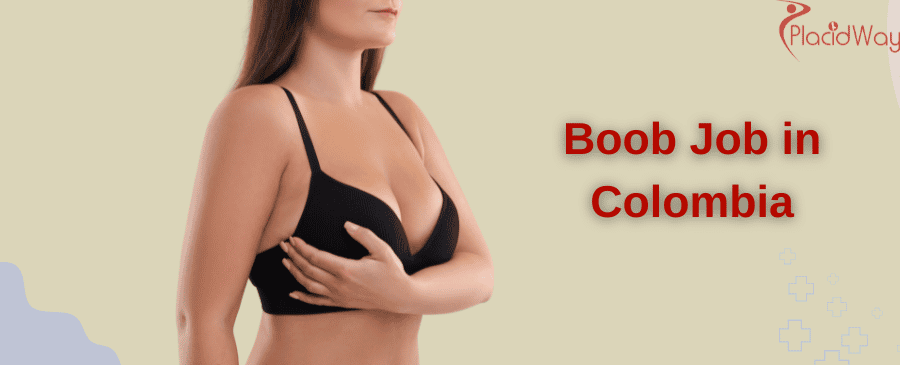
Making the decision to undergo elective cosmetic surgery is a deeply personal journey, and choosing to travel abroad adds an extra layer of complexity. Over the last decade, Colombia has emerged as a prominent destination for international patients seeking breast augmentation. The appeal goes beyond simply saving money; it involves a combination of medical expertise, modern healthcare infrastructure, and comprehensive patient care.
However, traveling across borders for surgery requires careful consideration of the benefits, the potential medical risks, and the logistical challenges of healing far from home. If you are exploring your options, understanding exactly why so many individuals choose this path can help you make an informed, safety-focused decision.
Key Takeaways
- Colombia is internationally recognized for its high volume of cosmetic procedures and experienced surgical professionals.
- The boob job cost in Colombia is generally lower than in the US and Europe, though total expenses vary based on individual needs and travel.
- Patients must prioritize verifying surgeon credentials, facility safety standards, and local health regulations.
- Adequate recovery time—often 10 to 14 days—must be spent in Colombia before safely flying home.
- Understanding medical risks, such as infection or capsular contracture, is essential for any patient considering surgery abroad.
What drives the popularity of breast augmentation in Colombia?
According to data from the International Society of Aesthetic Plastic Surgery (ISAPS), Colombia consistently ranks among the top countries globally for the total number of cosmetic procedures performed. This high volume means that many local surgeons develop extensive experience and refine their techniques over thousands of operations. For an international patient, surgical experience is often a primary factor when choosing a provider.
Additionally, the healthcare sector in major cities like Bogotá, Medellín, and Cali has evolved to actively support international visitors. Clinics frequently provide bilingual coordinators, comprehensive pre-operative consultations, and structured aftercare programs. This level of organization helps alleviate the stress associated with navigating a foreign healthcare system, making the prospect of traveling for surgery more accessible.
How much does a boob job cost in Colombia compared to the US?
The cost difference is largely driven by the overall lower cost of living and favorable currency exchange rates, rather than a reduction in medical quality or safety standards. When you review estimates from clinics, the quoted price often bundles several expenses that are typically billed separately in the US or Europe.
| Typical Inclusions in Colombia | Often Billed Separately in the US |
|---|---|
| Surgeon's fee and anesthesiologist fee | Surgeon's fee |
| Operating room and facility costs | Hospital or surgical center facility fee |
| The breast implants (silicone or saline) | Anesthesia provider fee |
| Initial post-operative garments and follow-ups | Cost of the implants and post-op appointments |
It is important to remember that these figures are strictly estimates. Your final costs may vary based on the complexity of the surgery, the type of implants chosen, and necessary travel expenses such as flights, accommodation, and food. You should always request a detailed, written breakdown of costs before committing to a procedure.
Are the plastic surgeons in Colombia adequately qualified?
To become a specialized plastic surgeon in Colombia, a doctor must first complete a standard medical degree, followed by several years of general surgery training, and finally a multi-year residency specifically focused on plastic and reconstructive surgery. This educational path is comparable to the training requirements found in North America and Europe.
When researching a provider, you should verify if they are a member of the Colombian Society of Plastic, Aesthetic and Reconstructive Surgery (SCCP). Membership in such organizations typically indicates that the surgeon has met specific educational standards and adheres to an established code of ethics. Some surgeons also hold international affiliations with groups like ISAPS or the American Society of Plastic Surgeons (ASPS), adding another layer of verifiable credentials.
What safety standards do Colombian plastic surgery facilities follow?
Patient safety is heavily dependent on the environment where the surgery is performed. When selecting a boob job clinic in Colombia, it is crucial to ensure the facility operates legally and is subject to regular health inspections. High-quality clinics operate out of fully equipped surgical centers or accredited hospitals.
These facilities should have rigorous sterilization protocols to minimize infection risks, advanced monitoring equipment for anesthesia, and direct access to an Intensive Care Unit (ICU) in the rare event of a surgical emergency. You have the right to ask a clinic about their emergency transfer protocols and safety accreditations during your initial consultation.
How should international patients plan for recovery in a foreign country?
Recovery requires patience, rest, and strict adherence to your surgeon's instructions. In the first few days following a breast augmentation, you will likely experience soreness, swelling, and a feeling of tightness in the chest. Pain is typically managed with prescribed oral medications. You will need to wear a surgical compression garment continuously to support the implants and help reduce inflammation.
Planning your recovery means organizing a comfortable place to stay, such as a specialized recovery house or a hotel equipped to handle post-operative patients. You must avoid heavy lifting, strenuous activity, and raising your arms above your shoulders. Your surgeon will need to evaluate your incisions and remove any surgical drains before providing medical clearance for you to fly home.
What are the potential risks and complications of breast implants?
- Surgical Risks: Immediate risks include adverse reactions to anesthesia, excessive bleeding (hematoma), fluid accumulation (seroma), and poor wound healing leading to noticeable scarring.
- Capsular Contracture: This occurs when the scar tissue that naturally forms around the implant tightens and squeezes the implant, which can cause pain and aesthetic changes, sometimes requiring revision surgery.
- Implant Rupture or Deflation: Saline implants will deflate noticeably if ruptured, while silicone implant ruptures may be silent and require an MRI to detect. Both scenarios require surgical replacement or removal.
- BIA-ALCL: Breast Implant-Associated Anaplastic Large Cell Lymphoma is a rare but serious cancer of the immune system linked to certain textured implants.
- Breast Implant Illness (BII): Some patients report systemic symptoms such as fatigue, joint pain, and brain fog after receiving implants. While research is ongoing, it is an important consideration.
No medical procedure is completely risk-free. A comprehensive medical evaluation with an appropriately qualified healthcare professional is necessary to determine if you are a suitable candidate for surgery based on your medical history.
How do I evaluate a boob job clinic in Colombia from abroad?
Because you cannot visit the facility in person beforehand, communication is critical. Start by checking the surgeon's standing with the national medical board and the SCCP. When you schedule a video consultation, pay attention to how the surgeon answers your questions. A trustworthy doctor will openly discuss potential complications and evaluate your medical history, rather than simply agreeing to whatever you request.
You should also ask for before-and-after photos of previous patients with similar body types to yours. While results vary by patient, these portfolios can give you an idea of the surgeon's aesthetic approach. Finally, request the exact name of the hospital or surgical center where the procedure will occur so you can independently research its accreditation.
What implant types are typically available in Colombia?
The choice of implant is a medical decision that affects both the aesthetic outcome and long-term maintenance. Clinics typically use implants manufactured by well-known companies that hold approvals from regulatory bodies like the FDA in the United States or the CE mark in Europe.
Silicone gel implants are highly popular due to their natural feel, but they require periodic monitoring (such as ultrasound or MRI) to check for silent ruptures. Saline implants are filled with sterile saltwater during the surgery; if they leak, the body safely absorbs the saline, and the deflation is immediately obvious. Your surgeon will guide you on the best option, placement (over or under the muscle), and incision type based on your anatomy and goals.
Can I combine my breast augmentation with a vacation?
The term "medical tourism" can be somewhat misleading because it implies a relaxing holiday. In reality, undergoing major surgery places significant stress on the body. If you wish to explore the culture, cuisine, and sights of Colombia, you should arrive several days prior to your surgical date to do so.
After surgery, your itinerary will consist of resting in bed, attending medical check-ups, and gentle, short walks to promote blood circulation. You will be strictly prohibited from swimming in pools or the ocean, sunbathing, consuming alcohol, and engaging in any physically demanding tourist activities, as these actions drastically increase the risk of infection and poor healing.
What happens if I experience complications after returning home?
Continuity of care is one of the most challenging aspects of receiving surgery abroad. While major complications usually present within the first few days (when you are still in Colombia), issues like late-stage infection, poor scarring, or capsular contracture can develop weeks or months later. Your overseas surgeon can offer guidance virtually, but they cannot physically examine or treat you.
Before traveling, it is highly recommended to establish a relationship with a local doctor or primary care physician who is aware of your plans. Keep in mind that standard domestic health insurance policies rarely cover the costs associated with fixing complications from elective cosmetic surgeries performed outside the country. You may need to explore specialized medical tourism insurance to mitigate this financial risk.
Why Choose PlacidWay for Medical Tourism in Colombia?
Navigating international healthcare options can be overwhelming. PlacidWay exists to help patients gather essential information and connect with medical providers globally. Here is how the platform can assist you in your research:
- Extensive Directory: Access a comprehensive database of medical centers and healthcare providers across Colombia.
- Educational Resources: Utilize guides, articles, and frequently asked questions to better understand the procedures you are considering.
- Facility Profiles: Review factual information regarding clinic accreditations, available services, and technological capabilities.
- Direct Connections: Facilitate direct communication with international healthcare centers to ask questions and request consultations.
- Transparent Information: Browse listings at your own pace without pressure, allowing you to gather estimates and make an informed choice.
Frequently Asked Questions
How long do I need to stay in Colombia after a breast augmentation?
Patients are typically advised to stay in Colombia for 10 to 14 days after surgery. This allows time for initial healing, drain removal if applicable, and clearance from the surgeon before flying.
Do surgeons in Colombia typically speak English?
Many plastic surgeons and medical staff who cater to international patients speak English. However, it is always helpful to confirm language support or the availability of an interpreter when choosing a clinic.
Is it safe to fly after getting breast implants in Colombia?
Flying is generally safe once you are cleared by your surgeon, usually after one to two weeks. Flying too soon increases the risk of deep vein thrombosis (DVT) and discomfort from cabin pressure changes.
What is the typical age requirement for breast augmentation in Colombia?
Medical guidelines generally require patients to be at least 18 years old for saline implants and 22 years old for silicone implants, as breast tissue must be fully developed.
Can I still breastfeed after getting breast implants?
Many women can successfully breastfeed after augmentation, but it depends on the incision site and implant placement. Incisions around the areola carry a higher risk of interfering with milk ducts.
How often do breast implants typically need to be replaced?
Breast implants are not considered lifetime devices. While some last 10 to 20 years, they may need replacement or removal due to complications, aging, or changes in personal preference.
Will my local health insurance cover complications from surgery abroad?
Most standard health insurance policies do not cover complications arising from elective cosmetic surgery performed abroad. Patients should verify their coverage and consider specialized medical tourism insurance.
Are medical visas required to travel to Colombia for surgery?
Citizens from many countries, including the US and Canada, can enter Colombia for short-term medical treatments under a standard tourist visa or entry stamp, but you should always verify current entry requirements.
Will I need to wear a special bra after breast augmentation?
Yes, surgeons typically require patients to wear a surgical compression bra for several weeks. This garment supports the new implants, minimizes swelling, and helps with proper positioning.
What medical tests are generally required before breast augmentation?
Pre-operative requirements usually include comprehensive blood tests, a cardiovascular evaluation (EKG), and sometimes a mammogram or breast ultrasound, depending on your age and medical history.
Ready to Explore Your Options?
Connect with medical facilities to gather more information and compare treatment options.
Request Treatment InformationReferences
- Breast Augmentation Safety & Risks – American Society of Plastic Surgeons (ASPS)
- Global Statistics on Aesthetic Procedures – International Society of Aesthetic Plastic Surgery (ISAPS)
- Risks and Complications of Breast Implants – U.S. Food and Drug Administration (FDA)
- Medical Tourism Safety and Advice – Centers for Disease Control and Prevention (CDC)
- Breast Augmentation Overview – Mayo Clinic
- Colombian Society of Plastic, Aesthetic and Reconstructive Surgery (SCCP)



















Share this listing