
A Guide to Breast Implants Cost in Colombia
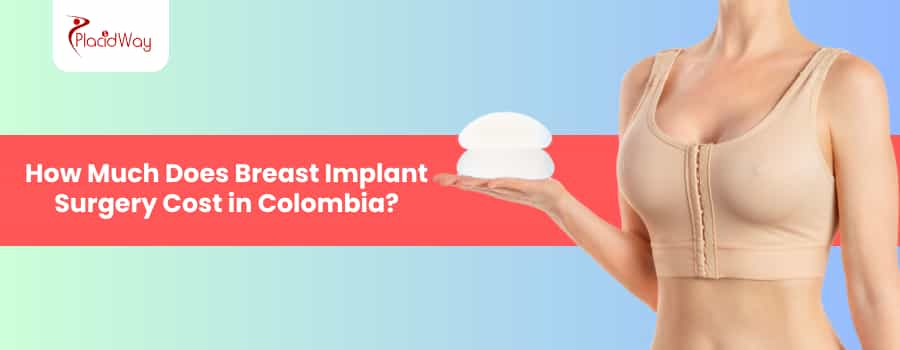
Choosing to undergo aesthetic surgery is a significant personal and financial decision. Many individuals exploring cosmetic enhancements look beyond their local borders to find established medical professionals and accessible pricing. Among various international options, South America has emerged as a prominent destination for those seeking surgical procedures. Understanding the full scope of what your journey entails—from surgical techniques to travel logistics—is essential for making an informed choice.
Key Takeaways
- Estimated procedural prices generally range between $3,500 and $5,500 USD, though complexity and materials affect the total.
- Your total budget should account for flights, accommodations, local transport, post-operative garments, and medications.
- Patients typically need to plan a stay of at least 10 to 14 days to accommodate initial recovery and medical clearance before flying.
- Thorough research into credentials, facility accreditation, and implant brands is crucial for patient safety.
- Implants are not lifetime devices and will likely require future monitoring, replacement, or removal.
What factors influence the breast implant cost in Colombia?
Several distinct variables determine your final quotation. The expertise and board certification of your chosen plastic surgeon play a major role; highly experienced surgeons typically command higher fees for their specialized knowledge. Additionally, the type of medical facility matters. Fully accredited hospitals or private clinics equipped with modern technology and intensive care units generally charge more for their operating rooms than smaller surgical centers.
The materials you choose also directly impact the price. Different brands and compositions of implants come with varying price tags. Furthermore, if your anatomy requires additional procedures—such as a breast lift (mastopexy) performed simultaneously with the augmentation—the overall cost will increase to reflect the added surgical time and complexity. It is vital to request a comprehensive breakdown of all these factors during your initial consultation.
How do silicone and saline implants differ in price and feel?
Saline implants are filled with sterile saltwater after they are inserted into the breast pocket. Because they are inserted empty, surgeons can often use smaller incisions. If a saline implant ruptures, the device collapses, and the body safely absorbs and expels the saline solution. While they tend to be more cost-effective, some patients find that they feel slightly firmer or are more prone to visible rippling under the skin compared to silicone alternatives.
Silicone implants are pre-filled with a cohesive silicone gel. Many patients and professionals prefer them because they offer a softer, more natural texture that closely resembles native breast tissue. However, they generally carry a higher price point. If a silicone implant ruptures, it may not be immediately obvious (a condition known as a silent rupture), which is why regular imaging, such as an MRI or ultrasound, is often recommended by health authorities to monitor their integrity over time.
What is typically included in the price of breast augmentation surgery?
When you receive an estimate from a medical provider, it is essential to understand exactly what is covered. Clinics structure their pricing differently; some offer all-inclusive surgical packages, while others bill components individually. Clarifying these details in advance prevents stressful financial surprises upon arrival.
| Often Included in Quotes | Frequently Excluded (Extra Costs) |
|---|---|
| Primary Surgeon's Fee | Pre-operative blood work & ECGs |
| Cost of the Implants (Pair) | Post-surgical compression bras |
| Anesthesiologist Fee | Prescription pain medication & antibiotics |
| Operating Room & Facility Use | Additional specialized insurance (if desired) |
Are there hidden expenses I should budget for when traveling?
Traveling abroad for medical care involves significant logistical planning that directly impacts your total budget. Your flight costs will vary depending on your departure city and the time of year you choose to travel. Because you will need to remain in the country for initial follow-up appointments and to ensure you are safe to fly home, lodging for up to two weeks is typically required. Many patients opt for specialized recovery houses that cater specifically to post-operative needs, though these can be pricier than standard hotels.
You should also factor in the cost of local transportation. Navigating a new city immediately after surgery can be challenging, so utilizing reputable taxi services or private drivers is often recommended. Furthermore, consider the cost of meals, particularly if you require specific dietary accommodations while healing. Always build a contingency fund of 15% to 20% into your budget to cover any unexpected medical or travel-related expenses.
How do I choose a safe breast implant clinic in Colombia?
- Verify Credentials: Look for surgeons who are members of recognized national organizations, such as the Colombian Society of Plastic Surgery (SCCP), or international bodies like ISAPS.
- Facility Accreditation: Ensure the clinic or hospital meets national health standards and is equipped to handle emergency complications should they arise.
- Implant Quality: Ask specific questions about the brands of implants used and ensure they carry recognized regulatory approvals (such as FDA approval or CE marking).
- Transparent Communication: A reputable clinic will discuss the potential risks, recovery timeline, and realistic outcomes, rather than pressuring you into an immediate booking.
- Language and Support: Confirm that the medical team can communicate effectively in your primary language or that dedicated translators are provided to ensure you fully understand your care instructions.
What are the common medical risks associated with breast implants?
All surgical procedures carry inherent risks that must be carefully weighed against the desired benefits. One of the most common complications specific to this procedure is capsular contracture. This occurs when the body's natural scar tissue forms a tight capsule around the implant, which can cause the breast to feel hard, look distorted, or become painful. Treatment for severe contracture usually requires additional surgery.
Other general surgical risks include bleeding, hematoma (blood pooling beneath the skin), and infection, which may require the temporary removal of the implant until the infection clears. Patients should also be aware that changes in nipple and breast sensation can occur; these changes may be temporary or, in some cases, permanent. It is crucial to have an open discussion with a qualified healthcare professional about your personal health history to understand how these risks apply to you specifically.
How long is the typical recovery period after breast augmentation?
Immediately following the procedure, patients typically feel fatigued and experience tightness or soreness in the chest area. During the first few days, pain management is achieved through prescribed medications, and resting in an elevated position is usually advised. Light walking is highly encouraged to promote healthy blood circulation and reduce the risk of blood clots, but any activities that raise blood pressure or involve upper body strain must be strictly avoided.
Most individuals feel well enough to return to desk work and normal daily routines within a week or two, assuming their job does not require physical labor. You will likely be instructed to wear a specialized support garment or surgical bra around the clock during the early stages of healing. Your surgeon will provide a personalized timeline for when you can safely resume cardiovascular exercises and heavy lifting, which is often around the six-week mark.
Why is medical tourism in Colombia popular for cosmetic surgery?
Over the past decade, South America has cultivated a strong reputation for aesthetic medicine, and several cities within the region have become hubs for international patients. Many surgeons practicing in these urban centers have completed international fellowships or maintain memberships in global plastic surgery organizations. This focus on continuous education often translates into an adherence to modern surgical techniques and patient care standards.
In addition to the medical expertise, the overall infrastructure dedicated to international patients has matured significantly. Clinics frequently feature specialized international patient departments designed to assist with initial virtual consultations, localized transport, and translation services. For many North American patients, the geographic proximity and overlapping time zones also make travel more convenient and communication smoother than journeying to destinations further afield.
What type of aftercare is required once I return home?
Your surgical journey does not end when you board the plane back home. It is imperative to have a plan in place for local medical support. Before you travel, you should identify a primary care physician or a local plastic surgeon who is willing to take over your post-operative monitoring. They can assist with suture removal if necessary, evaluate how your incisions are healing, and provide immediate care if signs of infection or unusual swelling occur.
Long-term aftercare is equally important. Regulatory agencies often recommend periodic imaging (such as ultrasound or MRI scans) for patients with silicone implants to check for silent ruptures. You should keep meticulous records of your surgical notes, the exact brand, size, and serial numbers of your implants, and provide this information to your local healthcare providers.
Who is considered a suitable candidate for this procedure?
Determining eligibility requires a thorough medical evaluation. Ideal candidates do not have active infections, untreated breast cancer, or severe underlying medical conditions that could impair healing or increase anesthesia risks. Smoking significantly restricts blood flow and can lead to severe healing complications; therefore, surgeons typically require patients to cease nicotine use for several weeks before and after the operation.
Age restrictions also apply based on regulatory guidelines. For instance, FDA guidelines note that saline implants are approved for women aged 18 and older, while silicone gel-filled implants are approved for women aged 22 and older for augmentation purposes. Above all, a healthy psychological outlook is crucial. Patients should understand that while surgery can enhance contours, it will not achieve absolute perfection, and the implants will likely require future surgical attention.
Why Choose PlacidWay for Your Medical Journey
PlacidWay is an informational platform designed to help patients explore healthcare options globally. Here is how the platform can assist your research:
Global Provider Network
Connects patients with healthcare facilities and clinics across numerous international destinations.
Facility Profiles
Provides access to detailed informational profiles detailing clinic services, technologies, and available treatments.
Pricing Information
Allows users to request and compare estimated treatment costs for various medical procedures globally.
Direct Communication
Facilitates initial communication channels between prospective patients and international medical centers.
Educational Resources
Supplies articles and guides to help patients understand the general logistics and considerations of medical travel.
Frequently Asked Questions
How long do breast implants typically last?
Breast implants are not considered lifetime devices. While some may last over 15 years without issue, patients should anticipate the potential need for future replacement or removal due to normal wear, implant rupture, or changes in breast tissue over time.
Can I breastfeed after getting breast implants in Colombia?
Many women can successfully breastfeed after augmentation. However, the ability to breastfeed may be impacted depending on the incision placement (such as around the areola) and implant positioning. It is important to discuss this with your surgeon during consultation.
Do I need a special medical visa to travel to Colombia for surgery?
Citizens from many countries, including the United States and Canada, typically do not need a special medical visa for stays under 90 days. You can usually enter on a standard tourist stamp, though entry requirements can change and should be verified with your local embassy.
When can I safely fly home after breast augmentation surgery?
Surgeons typically advise waiting at least 7 to 14 days before taking a commercial flight. Flying too soon can increase the risk of deep vein thrombosis (DVT) and complications related to changes in cabin air pressure. Your medical team will clear you for travel based on your recovery.
What happens if I experience a complication after returning home?
Before traveling, you should establish a plan for local aftercare. If a complication arises after returning home, you will need to consult a local healthcare professional or visit an urgent care facility depending on the severity. Keep all surgical records to share with your local doctor.
Are the breast implants used in Colombia FDA-approved?
Many established clinics in the country use implant brands that are approved by the U.S. FDA, as well as European CE-marked implants. Patients should always ask their surgeon for the specific brand and certification of the implants being used.
How soon can I resume normal physical activities?
Light walking is encouraged immediately to promote circulation, but strenuous activities, heavy lifting, and upper body workouts are generally restricted for at least 4 to 6 weeks. Following your surgeon's specific timeline is crucial for proper healing.
Will I have visible scars after the surgery?
Incisions will result in permanent scars; however, surgeons typically place them in discreet locations such as the natural breast crease, around the areola, or in the armpit. Scars often fade significantly over a year but will never completely disappear.
Is an overnight hospital stay required after the procedure?
Breast augmentation is frequently performed as an outpatient procedure, meaning you can return to your hotel or recovery house the same day. In some cases, depending on surgical complexity or if combined with other procedures, an overnight stay may be recommended.
Can breast augmentation be combined with other surgeries?
Yes, it is often combined with procedures like breast lifting (mastopexy) or body contouring. While combining surgeries can reduce overall recovery periods compared to having them separately, it can also increase surgical time and specific medical risks.
Compare Treatment Options
Take the next step in gathering information. Connect with clinics and request pricing estimates to help you make an informed decision about your healthcare journey.
Request Treatment InformationReferences
- Breast Augmentation Overview – American Society of Plastic Surgeons (ASPS)
- Risks and Complications of Breast Implants – U.S. Food and Drug Administration (FDA)
- Breast Augmentation: Risks and Recovery – Mayo Clinic
- Global Aesthetic Survey – International Society of Aesthetic Plastic Surgery (ISAPS)
- Medical Tourism Guidelines – Centers for Disease Control and Prevention (CDC)
- Safe Surgery Guidelines – World Health Organization (WHO)






















Share this listing