
Explore the cost of Facelift in Colombia

If you are exploring options for cosmetic surgery abroad, understanding the facelift cost in Colombia is often one of the first steps in your research. Facial rejuvenation procedures require careful consideration of pricing, medical safety, and travel logistics. Every year, numerous patients consider a facelift in Colombia due to the availability of specialized clinics and varying price structures compared to North America and Europe. This guide explains what influences these estimates, how to approach medical travel safely, and what questions you need to ask your healthcare provider.
Key Takeaways
- Estimates for a rhytidectomy in the region vary based on technique, ranging from mini facelifts to traditional methods.
- Cost should never be the only deciding factor; vetting surgical credentials and facility safety protocols is essential.
- Patients must account for additional travel, accommodation, and potential local follow-up expenses.
- All surgeries carry risks, including bleeding and infection, requiring comprehensive medical evaluation prior to travel.
- A mandatory stay of at least 10 to 14 days is typically required before it is safe to fly home.
What exactly does the facelift cost in Colombia include?
When you receive a price quote from a clinic, it is vital to read the breakdown carefully. In many cases, the base price covers the primary medical necessities: the compensation for the board-certified plastic surgeon, the fee for the anesthesiologist, and the use of the surgical facility or hospital operating room. These three components make up the bulk of the expense.
However, there are often secondary expenses that might not be included in the initial estimate. These can include mandatory pre-operative blood work, electrocardiograms (ECGs), prescription medications for pain and infection prevention, and specialized compression garments needed for recovery. Furthermore, if your recovery requires an overnight stay in a hospital or specialized recovery house, these accommodations usually incur additional daily fees.
Which factors influence the total price of a facelift?
The complexity of the surgical technique plays a significant role in pricing. A mini facelift, which focuses primarily on the lower third of the face and requires shorter operative time, generally costs less than a comprehensive deep-plane or SMAS (Superficial Musculoaponeurotic System) facelift. The latter methods involve repositioning deeper facial muscles and tissues, which demands more surgical time and expertise.
Location also creates variations in price. You may find that facilities in larger metropolitan areas, such as Bogota or Medellin, have different fee structures based on local demand, facility overhead, and the availability of specialized technology. Additionally, highly experienced surgeons who dedicate their practice entirely to facial aesthetics may charge higher fees reflecting their specialized training.
How do rhytidectomy prices in Colombia compare to other countries?
In the United States and Canada, estimates for a facelift frequently range from $10,000 to $20,000 or more, depending on the region and the extent of the surgery. In comparison, the estimates in South American destinations are often lower due to differences in the cost of living, administrative overhead, and local healthcare economics. This price difference is a major driver for individuals seeking cosmetic treatment abroad.
Yet, a responsible approach requires looking at the total financial picture. When calculating your budget, you must add the cost of international flights, accommodations for two to three weeks, local transportation, food, and travel insurance. More importantly, financial savings should never compromise medical safety. Proper vetting of the facility's accreditation and the surgeon's qualifications remains paramount.
What types of facelifts are available in Colombian clinics?
Not all facelifts are the same, and the medical approach must be tailored to the patient. The most common techniques discussed during consultations include:
- Traditional Facelift: Addresses moderate to severe aging in the mid-face, jawline, and neck. The incision typically begins at the temples, travels around the ear, and ends in the lower scalp.
- Mini Facelift: Designed for patients with mild to moderate skin laxity. It involves shorter incisions, usually just in front of the ear, and requires less recovery time.
- SMAS Facelift: Targets the deeper muscle layers of the face, lifting and tightening the underlying structure rather than just pulling the skin. This often yields more natural-looking and longer-lasting results.
- Deep Plane Facelift: An advanced technique that repositions the entire facial muscular system and fat pads, often recommended for more severe sagging.
Am I a suitable candidate for a facelift?
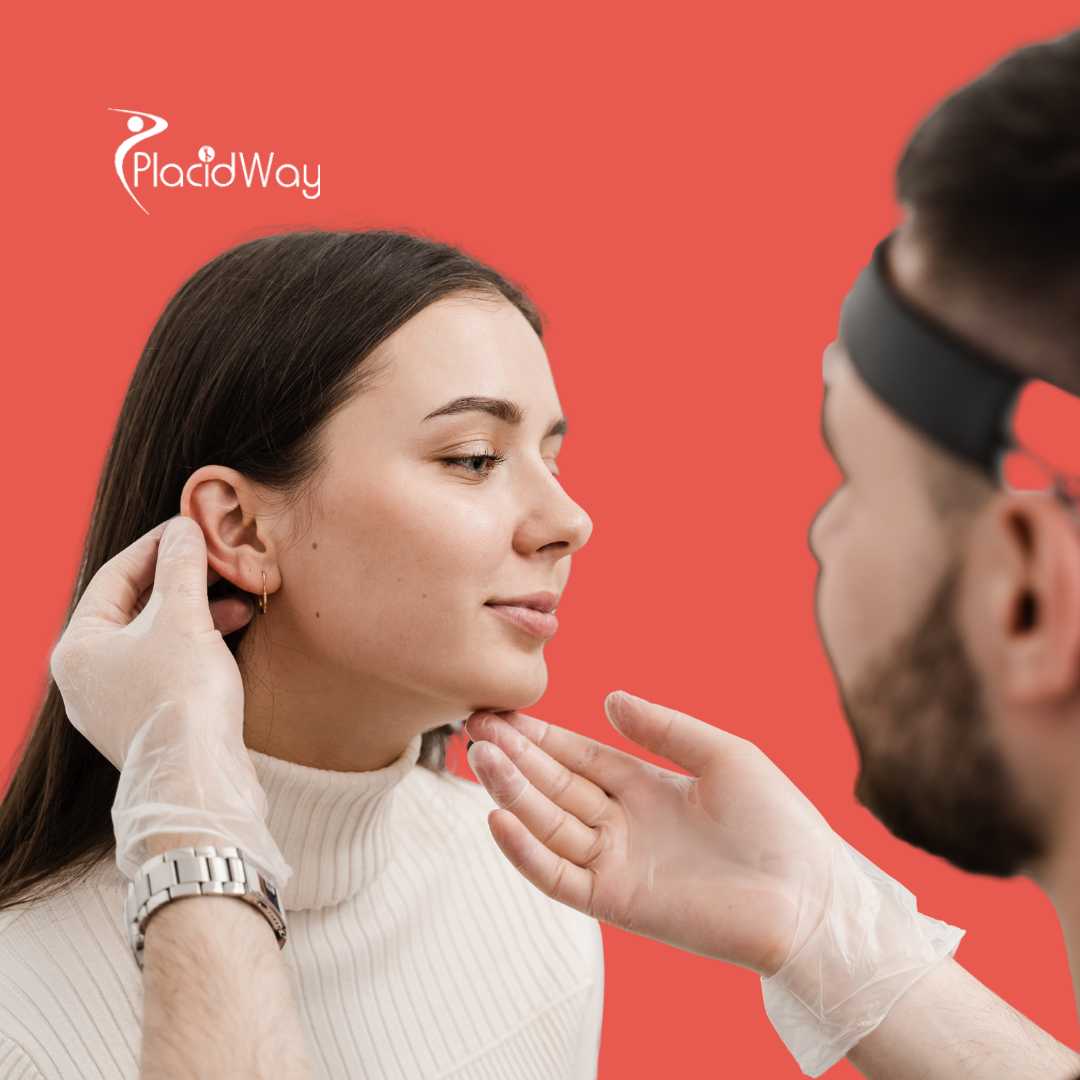
Suitability for major cosmetic surgery goes beyond aesthetic desires; it relies heavily on medical history and overall health. Surgeons look for patients who do not have life-threatening illnesses or medical conditions that can impair healing, such as uncontrolled diabetes or severe cardiovascular issues. Good skin elasticity and strong underlying bone structure can also help achieve more favorable outcomes.
Smoking is a critical contraindication for facelift surgery. Nicotine constricts blood vessels, significantly reducing blood flow to the skin, which can lead to delayed healing, severe scarring, or tissue necrosis (skin death). Surgeons generally require patients to stop smoking completely for several weeks before and after the procedure. Additionally, having realistic expectations about what a facelift can and cannot achieve is crucial for patient satisfaction.
What are the potential risks and complications of this procedure?
While many patients undergo cosmetic surgery without major issues, it is important to understand that no procedure is completely risk-free. A common post-operative risk is a hematoma, which is a collection of blood under the skin that causes swelling and pressure. If a hematoma occurs, it usually happens within the first 24 hours and requires prompt medical attention to remove the blood.
Other potential complications include nerve injury, which can cause temporary or, in rare cases, permanent facial muscle weakness or loss of sensation. Infection, poor wound healing, hair loss near the incision sites, and adverse reactions to anesthesia are also possible. Thoroughly reviewing your medical history with your surgeon and strictly following pre- and post-operative instructions can help mitigate, though not eliminate, these risks.
How long does recovery take after a facelift in Colombia?
The healing process requires time and patience. In the first few days following the surgery, patients typically experience swelling, bruising, and a feeling of tightness. Pain is usually manageable with prescribed medication. Bandages and drainage tubes, if used, are typically removed within the first couple of days, while sutures may be removed after a week.
Because you are recovering far from home, you must adhere strictly to the post-operative travel timeline set by your surgeon. Flying too soon after surgery poses severe risks, including deep vein thrombosis (DVT) and increased swelling due to cabin pressure changes. Even after returning home, you will need a plan for local medical follow-up, as full tissue settling and complete fading of scars can take several months to a year.
Will I need to combine my facelift with other procedures?
It is quite common for a facelift to be performed alongside other surgeries. A facelift primarily targets the lower face and jawline; it does not correct drooping eyelids or a sagging brow. Therefore, patients looking for an overall refreshed appearance may opt to include a blepharoplasty (eyelid surgery) or an upper brow lift. Additionally, a neck lift is frequently performed simultaneously to ensure the neck contour matches the newly refined jawline.
While combining surgeries can offer comprehensive results and reduce total recovery time compared to having separate operations, it also extends the time you spend under general anesthesia. Prolonged anesthesia can increase the risk of complications. Furthermore, adding procedures will increase the total surgical estimate, so this should be clearly discussed during the consultation phase.
How should I plan my medical tourism trip for facial surgery?
Preparation is critical when traveling internationally for medical care. Begin by gathering your complete medical history, including current medications, past surgeries, and any chronic conditions. This information must be shared transparently with your prospective surgeon. You will also need a valid passport and an understanding of the visa requirements for your destination.
It is a misconception that medical tourism allows for a typical vacation experience. Following a facelift, you must avoid sun exposure, swimming, heavy exertion, and alcohol. Your trip itinerary should focus entirely on rest, attending follow-up appointments, and healing in a comfortable, clean environment. Bring a companion if possible, as having support during the initial days of recovery is highly beneficial.
Why Choose PlacidWay for Medical Tourism?
PlacidWay is a global medical tourism platform designed to help patients research healthcare options internationally. Here is what the platform provides:
- Global Connectivity: PlacidWay connects patients with a wide network of healthcare providers and clinics across multiple countries.
- Informational Resources: The platform offers access to provider profiles, facility details, and educational content to help you understand various procedures.
- Multilingual Support: Information is accessible in multiple languages, assisting patients from diverse regions in navigating international healthcare.
- Direct Communication: Patients can use the platform to send inquiries directly to clinics to ask about treatments, availability, and estimates.
- Customized Search: Users can filter their search by procedure, destination, or specific medical facility to find options that align with their requirements.
Frequently Asked Questions
How long do facelift results usually last?
A facelift does not stop the aging process. While results are long-lasting—often lasting around 10 years depending on the technique used and individual factors like skin quality and lifestyle—your face will continue to age naturally over time.
What kind of anesthesia is used for a facelift?
Surgeons typically perform facelifts under general anesthesia or intravenous sedation with local anesthesia. The choice depends on the complexity of your procedure and your surgeon's recommendation based on your medical profile.
Can I fly home immediately after a facelift in Colombia?
No. Flying immediately after surgery increases the risk of complications such as deep vein thrombosis (DVT) and severe swelling. Patients are usually advised to stay in the destination country for 10 to 14 days for recovery and follow-up clearance.
Will there be visible scars after the procedure?
Scarring is an inevitable part of any surgery. However, facelift incisions are usually placed in natural creases around the ears and within the hairline to make them as inconspicuous as possible once fully healed.
Are there non-surgical alternatives to a facelift?
Yes, non-surgical options like dermal fillers, botulinum toxin, and laser resurfacing can temporarily improve facial appearance. However, these alternatives cannot achieve the same level of tissue repositioning or excess skin removal as a surgical facelift.
What happens if I experience a complication after returning home?
If complications arise after you return home, you will need to seek care from a local healthcare provider or emergency room immediately. It is crucial to have a plan for local follow-up care before traveling for surgery.
Do clinics in Bogota and Medellin charge different prices?
Prices can vary between cities and even between clinics within the same city. Factors such as local overhead costs, the clinic's facilities, and the surgeon's experience often influence the variations in estimates across different regions.
What medications should I stop taking before a facelift?
Surgeons generally require patients to stop taking blood thinners, aspirin, certain anti-inflammatory drugs, and herbal supplements several weeks before surgery to reduce bleeding risks. Always follow your surgeon's specific medication guidelines.
Is it safe to combine a neck lift with a facelift?
Combining a neck lift with a facelift is common and often considered safe for healthy candidates. However, combination surgeries increase the time spent under anesthesia and may carry elevated risks, which requires careful medical evaluation.
How soon can I resume normal activities or exercise?
Patients can usually return to light daily activities within a few weeks, but strenuous exercise, heavy lifting, and activities that increase blood pressure must generally be avoided for at least four to six weeks to prevent bleeding and excessive swelling.
Compare Treatment Options
Gather more information about facilities, specific treatments, and potential options to make an educated decision about your healthcare journey.
Request Treatment InformationReferences
- Facelift Guide – American Society of Plastic Surgeons (ASPS)
- Face-lift: Risks and Results – Mayo Clinic
- Facelift Overview – International Society of Aesthetic Plastic Surgery (ISAPS)
- Medical Tourism Travel Information – Centers for Disease Control and Prevention (CDC)
- Facelift Procedure – Johns Hopkins Medicine
- Patient Safety in Plastic Surgery – The Plastic Surgery Foundation





















Share this listing