
Tummy Tuck in Colombia: Your Guide to Ideal Candidacy
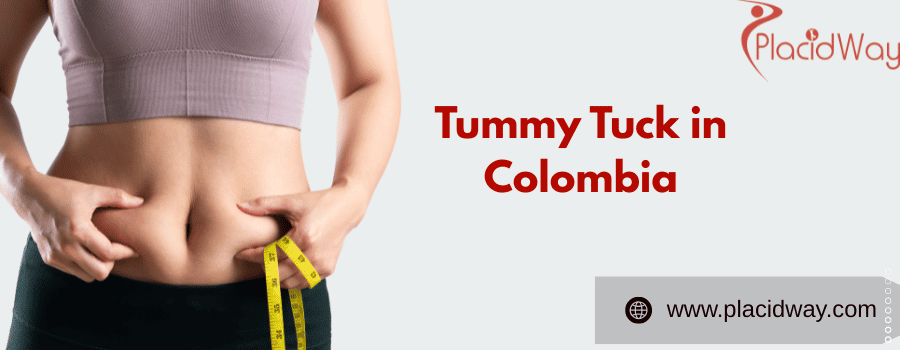
Deciding to undergo body contouring is a deeply personal choice that requires careful medical consideration. If you are exploring a tummy tuck in Colombia, understanding the medical, physical, and logistical requirements is your most important first step. Abdominoplasty is a major surgical procedure designed to remove excess skin and repair weakened abdominal muscles. While it can offer significant functional and aesthetic improvements, it is not suitable for everyone.
Because you will be traveling internationally for medical care, the criteria for eligibility become even stricter. Ensuring you are in optimal health helps mitigate the risks associated with both the surgery itself and the recovery period away from home. Below, we explore the precise factors that determine if this procedure is medically appropriate for your unique situation.
Key Takeaways
- Candidates should be at or near their ideal body weight for at least six months.
- Individuals must be non-smokers or willing to quit completely weeks before and after surgery.
- Good physical health free from unmanaged chronic conditions is essential for safe anesthesia.
- Patients should be finished having children to prevent reversing muscle repair.
- Medical tourists must be physically capable of enduring international flights safely.
What medical conditions can prevent you from getting abdominoplasty abroad?
Your baseline health is the primary indicator of surgical safety. Since abdominoplasty requires general anesthesia and involves a large incision, your body must be equipped to handle surgical stress and heal efficiently. Patients with uncontrolled hypertension, cardiovascular disease, or respiratory issues like severe asthma often face elevated risks during anesthesia.
Furthermore, conditions that affect your immune system or blood circulation can severely compromise your recovery. For instance, uncontrolled diabetes can lead to poor wound healing and a higher risk of infection. Autoimmune disorders or medications that suppress the immune system may also require special consideration or render the procedure too risky.
When planning surgery away from home, surgeons will require comprehensive preoperative blood work, an electrocardiogram, and clearance from your primary care physician. If your medical history presents complex challenges, an ethical surgeon may decline to operate to protect your safety.
What is the ideal body mass index for abdominal contouring surgery?
Abdominoplasty is frequently misunderstood as a weight-loss procedure. In reality, it is a contouring procedure designed to address what diet and exercise cannot fix, such as loose skin and separated abdominal muscles. Therefore, candidates should ideally be within ten to fifteen pounds of their goal weight.
Higher amounts of adipose tissue can complicate the surgery, extending the time you spend under anesthesia. Medical literature consistently shows that complication rates, including hematomas, seromas, and wound separation, rise alongside a patient's body mass index. Surgeons evaluate your body composition to determine if the procedure can be performed safely and effectively.
Can you undergo this procedure if you plan to have more children?
During a full abdominoplasty, the surgeon often performs muscle plication, which involves suturing the weakened or separated rectus abdominis muscles back together. This creates a firmer abdominal wall and a narrower waistline. If you become pregnant after this repair, the growing fetus will place immense pressure on these newly tightened muscles.
While getting pregnant after the procedure is generally safe for the mother and baby, the physical expansion can undo the surgical results, leading to renewed skin laxity and muscle separation. Waiting until you are certain you are finished having children ensures the longevity of your surgical outcome.
Why is quitting smoking mandatory before traveling for surgery?
Surgeons universally require patients to abstain from smoking, vaping, and all nicotine products for at least four to six weeks before and after surgery. During an abdominoplasty, a large portion of the abdominal skin is lifted and separated from its blood supply. It must rely on a reduced network of blood vessels to heal once repositioned.
Nicotine causes vasoconstriction, meaning your blood vessels narrow and deliver less oxygen and nutrients to the surgical site. This can lead to disastrous complications, such as tissue death along the incision line, which requires further surgery and leaves severe scarring. Additionally, smoking compromises lung function, elevating the risks associated with general anesthesia.
How does massive weight loss affect your eligibility?
Individuals who have lost significant weight, either through lifestyle changes or bariatric surgery, frequently face the challenge of large amounts of hanging skin. This excess tissue can cause physical discomfort, chafing, and recurring skin infections, making abdominal contouring reconstructive as much as it is cosmetic.
However, timing is critical. Your weight must plateau before you undergo surgery. If you continue to lose weight after the procedure, you may develop new loose skin. Conversely, significant weight gain can stretch the tightened skin and muscles. Nutritional status is also carefully evaluated, as massive weight loss patients can sometimes experience vitamin deficiencies that affect healing.
Is age a limiting factor for body contouring procedures?
There is no strict upper age limit for having an abdominoplasty. Healthy individuals in their sixties or even seventies can safely undergo the procedure if they meet all medical criteria. The primary focus is always on the patient's biological age and overall vitality.
Older patients naturally experience a decrease in skin elasticity, which may slightly alter the expected cosmetic outcome compared to a younger patient. Furthermore, older adults may require a slightly longer recovery period and must be diligent about mobility to prevent blood clots. Comprehensive pre-operative cardiac clearance is standard practice for patients over a certain age threshold.
How do you know if you need a full or mini abdominoplasty?
Determining the right surgical technique depends on your anatomy. A full abdominoplasty is the standard approach for patients with significant muscle laxity from pregnancy or aging, and loose skin extending upward toward the ribs. It involves a hip-to-hip incision and the repositioning of the umbilicus.
Conversely, candidates for a mini procedure are relatively rare. They typically have good muscle tone overall but struggle with a localized pouch of skin strictly in the lower abdomen. The incision is shorter, and the belly button remains in its original position. Your surgeon will physically examine your tissue elasticity and muscle wall integrity to recommend the safest and most effective approach.
What emotional and psychological factors indicate you are ready?
Physical health is only half the equation; emotional resilience is equally critical. Recovery from abdominal surgery is challenging. You will experience tightness, swelling, and discomfort, and you will not see your final results for several months. Patients who enter the process expecting immediate perfection often struggle emotionally during the early recovery weeks.
A good candidate understands that a large horizontal scar is an unavoidable trade-off for a flatter contour. They also recognize that surgery improves appearance but does not resolve underlying emotional or psychological issues. Consulting with your medical team openly about your aesthetic goals helps ensure your expectations align with what is surgically possible.
What specific travel considerations make someone a good candidate?
When evaluating your suitability for medical tourism in Colombia, logistics play a major role in safety. A responsible candidate understands that they cannot fly immediately after major surgery. Extended immobilization during a flight, combined with surgical trauma, creates a high-risk environment for blood clots.
You must be prepared to stay near your surgical facility for ten to fourteen days for proper follow-up care, drain removal, and monitoring. Furthermore, a good candidate arranges for a travel companion. Navigating airports, managing luggage, and handling daily tasks during the initial recovery phase should not be attempted alone.
How do you choose a reputable tummy tuck clinic in Colombia?
While exploring a tummy tuck clinic in Colombia, it is vital to approach the process with due diligence. A good candidate for medical travel is highly proactive in their research. They look beyond marketing materials and focus on the surgeon's verifiable credentials, specifically looking for memberships in recognized national or international plastic surgery societies.
Understanding the tummy tuck cost in Colombia involves acknowledging that the lowest price is rarely the safest option. Reputable clinics provide transparent breakdowns of fees, including anesthesia, facility costs, and follow-up care. A vigilant patient asks detailed questions about emergency protocols, hospital affiliations, and the clinic's handling of unexpected complications.
Why Choose PlacidWay for Medical Tourism in Colombia?
Navigating healthcare options abroad requires reliable information and clear communication. PlacidWay assists patients by providing structured tools to evaluate international treatment options.
- Extensive Directory: Access a broad database of healthcare facilities and medical professionals offering contouring procedures globally.
- Educational Resources: Utilize articles, guides, and cost-comparison tools designed to help patients understand complex medical tourism concepts.
- Direct Communication: Submit inquiries directly to clinics to ask specific medical, facility, and procedural questions.
- Patient-Driven Research: Compare provider credentials, facility accreditations, and procedural details in one centralized platform.
- Global Footprint: Explore treatment possibilities across multiple continents, allowing you to weigh regional differences in care.
Frequently Asked Questions
How long should I stay in Colombia after my surgery?
Most surgeons recommend staying for at least ten to fourteen days after your procedure. This allows time for initial recovery, drain removal, and medical clearance before you endure the physical stress of an international flight.
Can I combine other procedures with abdominal contouring while there?
Combining procedures is sometimes possible for healthy individuals, but it increases surgical time, anesthesia exposure, and complication risks. Your surgeon will evaluate your specific health profile to determine if a combined approach is medically appropriate.
What happens if I experience a complication after returning home?
You must establish a relationship with a local healthcare provider before traveling. If a complication arises after returning home, you should immediately seek care from your local physician or an emergency room, depending on the severity.
Will my local doctor need to remove my drains?
Ideally, drains are removed by your surgical team in the destination country before you fly home. However, if you must leave earlier, you will need a pre-arranged local physician willing to monitor your incisions and remove the drains.
Are the surgical facilities regulated similarly to those in North America?
Many major facilities hold national accreditations, and some achieve international certifications. However, regulatory frameworks vary. Patients should independently verify facility accreditation and ensure they meet recognized safety standards before proceeding.
What is the average recovery timeline before I can fly?
Patients are typically advised to wait two to three weeks before flying to minimize the risk of blood clots. Your surgeon will provide specific clearance based on your healing progress and the length of your flight.
Does altitude in cities like Bogota affect surgery eligibility?
High altitude can affect oxygen saturation and recovery, particularly for individuals with respiratory or cardiovascular issues. If you choose a high-altitude city, your surgeon may require additional medical clearances or a longer acclimatization period.
Are compression garments provided or do I bring my own?
Most clinics include at least one postoperative compression garment in their treatment package. It is often recommended to purchase a second identical garment so you can wash one while wearing the other during your recovery.
Can I travel alone or do I need a companion?
It is highly recommended to travel with a responsible adult companion. You will have limited mobility and require assistance with daily tasks, medication management, and emotional support during the first week of recovery.
How do currency exchange rates impact the overall expense?
Exchange rates can fluctuate, slightly altering your final expenses if paying in local currency. Many clinics catering to international patients offer fixed quotes in major currencies to help you budget more predictably.
Compare Treatment Options
Take the next step in your medical journey. Request treatment information and explore your options with recognized clinics.
Request Treatment InformationReferences
- Tummy Tuck Candidates – American Society of Plastic Surgeons (ASPS)
- Medical Tourism Patient Safety – Centers for Disease Control and Prevention (CDC Yellow Book)
- Abdominoplasty Risks and What You Can Expect – Mayo Clinic
- Abdominoplasty Procedure Information – International Society of Aesthetic Plastic Surgery (ISAPS)
- Complication Rates in Abdominoplasty Correlated with BMI – Aesthetic Surgery Journal
- Comprehensive Tummy Tuck Guide – American Board of Cosmetic Surgery



















Share this listing