
Affordable Heart Repair: Stem Cell Therapy Costs in Mexico
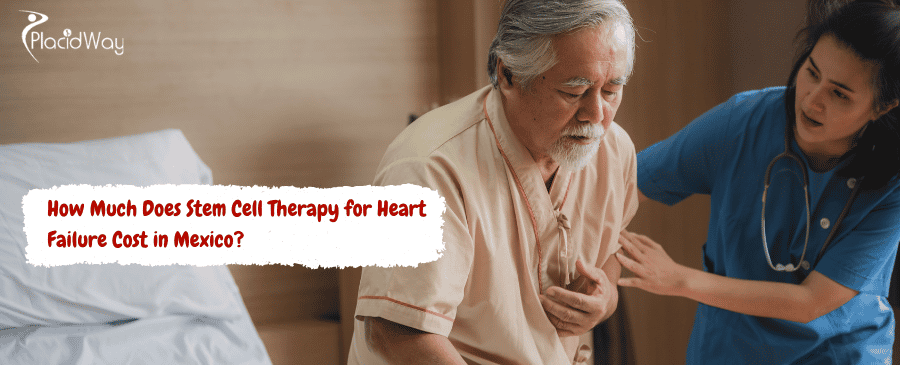
Patients diagnosed with cardiac conditions often search globally for alternative and regenerative treatments when conventional medicines reach their limits. Exploring stem cell therapy for heart failure in Mexico has become a prominent option for individuals seeking access to investigational therapies outside their home countries. While this field of medicine is still developing, certain facilities offer treatments utilizing different cellular protocols aimed at supporting tissue repair.
Before embarking on medical travel, it is crucial to understand that regenerative medicine for cardiac disease remains largely experimental. Regulatory bodies like the FDA classify many of these procedures as investigational, meaning they are not yet standard-of-care. Consequently, gathering accurate information regarding procedures, potential risks, and the true stem cell therapy for heart failure cost in Mexico is vital for making an informed, medically responsible decision alongside your local healthcare provider.
Key Takeaways
- Estimated out-of-pocket costs range from $8,000 to $25,000, depending on the complexity of the protocol.
- Therapies typically utilize mesenchymal stem cells sourced from umbilical cord tissue, bone marrow, or adipose fat.
- The treatment is considered investigational; outcomes vary significantly, and it is not a guaranteed cure for heart failure.
- Patients require thorough screening to determine eligibility and must continue standard cardiac care locally.
- Choosing a reputable facility with strict lab standards and regulatory compliance is paramount for patient safety.
What Factors Influence Stem Cell Therapy Cost in Mexico?
When calculating treatment expenses, several variables come into play. The source of the stem cells often dictates a significant portion of the cost. Autologous treatments, which harvest cells from your own fat or bone marrow, involve complex extraction procedures and laboratory cultivation. Alternatively, allogeneic treatments using donated umbilical cord tissue eliminate the need for an extraction surgery but require rigorous laboratory screening and processing protocols to ensure safety and viability.
Furthermore, the delivery mechanism affects the budget. A simple intravenous infusion is generally less expensive than specialized cardiac catheterization, which requires a specialized operating theater and the presence of an interventional cardiologist. Facility fees, pre-treatment laboratory work, and post-procedure monitoring will also adjust the total estimate you receive from a facility.
How Does Stem Cell Treatment for Heart Conditions Work?
Heart failure occurs when the heart muscle becomes weakened or stiff, often due to a previous heart attack, coronary artery disease, or long-standing high blood pressure. Unlike some tissues in the body, the heart has a very limited capacity to heal itself once scarred. Regenerative medicine protocols theorize that introducing multipotent cells may alter the microenvironment of the damaged tissue.
These introduced cells are believed to work primarily through paracrine signaling. This means they secrete proteins, growth factors, and cytokines that can help modulate immune responses, decrease harmful inflammation, and potentially stimulate angiogenesis, which is the creation of new blood vessels. Better blood flow may theoretically improve the function of the surviving heart muscle, though clinical results differ wildly from patient to patient.
Is Stem Cell Therapy for Heart Failure Approved and Safe?
Major health organizations stress that regenerative treatments for cardiac conditions require further extensive clinical trials to establish definitive safety profiles and long-term effectiveness. In the United States and many European countries, these therapies are strictly regulated and typically only available to patients enrolled in formal clinical trials.
Facilities offering these treatments internationally operate under their own national regulatory frameworks. In Mexico, medical centers must adhere to guidelines set by COFEPRIS, the national health regulatory agency. However, regulatory enforcement and laboratory standards can vary dramatically between facilities. Patients must understand that unproven therapies carry inherent risks, and long-term consequences are not fully documented.
What Types of Stem Cells Are Used for Cardiac Treatments?
- Umbilical Cord Tissue (Allogeneic): These cells are donated after healthy, full-term births. They are valued for their youthful vitality and strong immunomodulatory properties. Patients do not have to undergo an extraction procedure.
- Bone Marrow (Autologous): Extracted from the patient's hip bone, these cells have a long history of use in medicine. However, extraction is invasive, and cell quality can diminish with the patient's age and underlying disease.
- Adipose Tissue (Autologous): Derived from the patient's belly fat via a mini-liposuction procedure. This yields a high number of mesenchymal cells but also involves a minor surgical intervention.
Who Is a Suitable Candidate for Cardiac Stem Cell Therapy?
Determining eligibility involves a comprehensive review of a patient's medical history, current medications, and recent diagnostic tests such as echocardiograms or MRIs. Ideal candidates are often those who have exhausted traditional pharmaceutical options but still have a level of cardiac function that might respond to cellular intervention.
Patients with active infections, severe pulmonary hypertension, active cancer, or terminal stage heart failure may be deemed ineligible due to heightened safety risks. A responsible medical team will strictly vet applicants and refuse treatment if the potential risks outweigh the theoretical benefits. Always consult your primary cardiologist before pursuing investigational procedures.
What Should Patients Expect During the Procedure?
Upon arriving at a stem cell therapy for heart failure clinic in Mexico, patients usually undergo a day of pre-operative testing to ensure they are stable for the procedure. If autologous cells are used, the extraction (from fat or bone marrow) will take place first, followed by a laboratory processing period.
The actual delivery of the cells is relatively straightforward. Intravenous (IV) infusions take a few hours and are conducted in a comfortable clinical setting. If cardiac catheterization is utilized to deliver cells directly to the heart arteries, the procedure is performed under local anesthesia in an operating room by a cardiovascular specialist. After administration, patients are monitored for adverse reactions before being cleared to return to their hotel.
Stem cell therapy does not replace your current cardiac medications or the need for lifestyle modifications. Patients must continue their prescribed heart failure regimens, such as beta-blockers and diuretics, unless explicitly directed otherwise by their primary cardiologist.
How Long Is the Recovery After Stem Cell Therapy?
Patients who receive allogeneic umbilical cord cells via IV generally experience the mildest recovery, often feeling well enough to travel within 48 hours. Temporary side effects like mild fatigue, low grade fever, or headache can occur as the body processes the new cells, but these typically subside quickly.
If the treatment involved bone marrow aspiration, liposuction, or cardiac catheterization, recovery is more involved. Patients may experience soreness at the extraction site or need to limit physical exertion to prevent bleeding at the catheter insertion point. Detailed post-care instructions will be provided by the clinical team, and adherence is critical for a safe healing process.
What Are the Potential Risks and Complications?
No medical procedure is devoid of risk, and experimental therapies carry unique uncertainties. With unapproved stem cell applications, there is a documented theoretical risk of unwanted cellular proliferation or tumor formation, though clinics utilizing adult mesenchymal stem cells note this is exceptionally rare.
For cardiac patients, any intervention carries cardiovascular risk. Delivery methods involving the heart directly can sometimes trigger abnormal heart rhythms (arrhythmias) or cause minor damage to blood vessels. Furthermore, inadequate laboratory sterilization can lead to severe systemic infections. This highlights the absolute necessity of rigorous follow-up care with your local physician upon returning home to monitor for delayed complications.
How Do I Choose a Reliable Clinic in Mexico?
- Request documentation proving the facility is registered and compliant with local health authorities like COFEPRIS.
- Verify that the laboratory processing the cells follows Good Manufacturing Practices to ensure sterility and cellular viability.
- Ask detailed questions about the medical team background, specifically their experience in cardiology and regenerative medicine.
- Avoid clinics that guarantee a cure, pressure you into immediate booking, or dismiss the necessity of continued standard medical care.
- Seek third-party reviews and try to speak with past patients regarding their experiences and safety outcomes.
Why Is Medical Tourism in Mexico Popular for Stem Cell Treatments?
The landscape of medical tourism in Mexico has expanded significantly over the past decade. For individuals facing chronic or progressive conditions like heart failure, the desire to explore all possible avenues for symptom management drives the search across borders. Mexico regulatory framework permits certain cellular therapies to be administered in clinical settings outside of strict trial environments, which attracts international patients.
Additionally, the geographic convenience for patients traveling from the United States or Canada makes the logistics of medical travel less daunting. While the lower relative cost is an appealing factor, prospective patients must balance financial considerations against the vital need for medical safety, rigorous clinic vetting, and realistic expectations regarding the outcome of experimental treatments.
Why Choose PlacidWay for Medical Tourism?
Navigating international healthcare options can be complex, especially when considering investigational therapies. PlacidWay acts as an informational resource for patients exploring treatments abroad.
- Provides a comprehensive directory of international clinics and specialized medical providers.
- Allows users to request and compare treatment estimates from multiple facilities in one place.
- Presents detailed profiles of healthcare centers, including facility certifications and doctor credentials where available.
- Offers multilingual customer support to assist patients in gathering necessary information for their research.
- Facilitates direct communication lines between the patient and the international medical team for thorough medical evaluation.
Frequently Asked Questions
Does health insurance cover stem cell therapy for heart failure in Mexico?
Most health insurance providers in the United States and Canada do not cover stem cell therapy for heart failure because it is classified as an investigational or experimental treatment. Patients typically pay out of pocket when traveling to Mexico for this procedure.
Can stem cells cure congestive heart failure?
Stem cell therapy is not a cure for congestive heart failure. While some patients report symptom improvement and enhanced quality of life, the treatment is investigational and aims to support tissue regeneration rather than reverse the underlying disease entirely.
How long do patients need to stay in Mexico for heart stem cell treatments?
Patients usually stay in Mexico for three to seven days. This timeframe allows for initial medical consultations, laboratory testing, the administration of the stem cells, and a brief observation period to monitor for any immediate adverse reactions before flying home.
Are stem cells administered via IV or directly into the heart?
Administration methods vary depending on the clinic protocol and patient condition. Many facilities use simple intravenous infusions, while specialized centers may use cardiac catheterization to deliver cells closer to the damaged heart tissue. Your cardiologist can explain which method is proposed.
Will I need multiple stem cell sessions for heart failure?
Some patients undergo a single comprehensive treatment, while others may be advised to return for subsequent booster sessions after several months or a year. The treatment schedule depends on the specific protocol used by the facility and the patient response.
How soon might I notice changes after cardiac stem cell therapy?
Because cellular repair processes take time, most patients who experience benefits report noticing changes between three to six months after the procedure. However, outcomes are highly individualized and some patients may not experience measurable improvements.
Are umbilical cord stem cells used in Mexico screened for diseases?
Reputable laboratories operating under regulatory standards in Mexico screen donor tissue for infectious diseases, including HIV, Hepatitis, and Syphilis, before processing. Patients should always ask the facility to provide documentation of their screening and processing protocols.
Can I travel by plane immediately after my heart treatment?
Physicians generally recommend waiting 24 to 48 hours after treatment before flying. This resting period helps minimize travel related stress and allows medical staff to monitor you for any immediate side effects or minor complications before you depart.
What medical records do I need to send to a Mexican clinic before traveling?
You will typically need to provide recent echocardiograms, EKG results, blood work, a detailed medical history, and notes from your primary cardiologist. Thorough documentation helps the evaluating physician determine if the therapy might be appropriate for your specific heart condition.
Do Mexican stem cell clinics offer follow-up care after I return home?
Many international clinics offer remote follow-up via telemedicine to track your progress and address questions. However, you must maintain a relationship with your local cardiologist to handle ongoing physical care, routine testing, and management of any potential complications.
Compare Treatment Options
Gather detailed facility profiles, review treatment protocols, and request comprehensive cost estimates to make an informed healthcare decision.
Request Treatment InformationReferences
- Treatment Options for Heart Failure – American Heart Association (AHA)
- Clinical Trials for Heart Failure and Stem Cells – National Institutes of Health (NIH)
- FDA Warns About Stem Cell Therapies – U.S. Food and Drug Administration (FDA)
- Heart Failure Diagnosis and Treatment – Mayo Clinic
- Patient Handbook on Stem Cell Therapies – International Society for Stem Cell Research (ISSCR)
- Medical Tourism Guidelines – Centers for Disease Control and Prevention (CDC)
























Share this listing