
Affordable Dentures in Mexico: A 2026 Price Guide
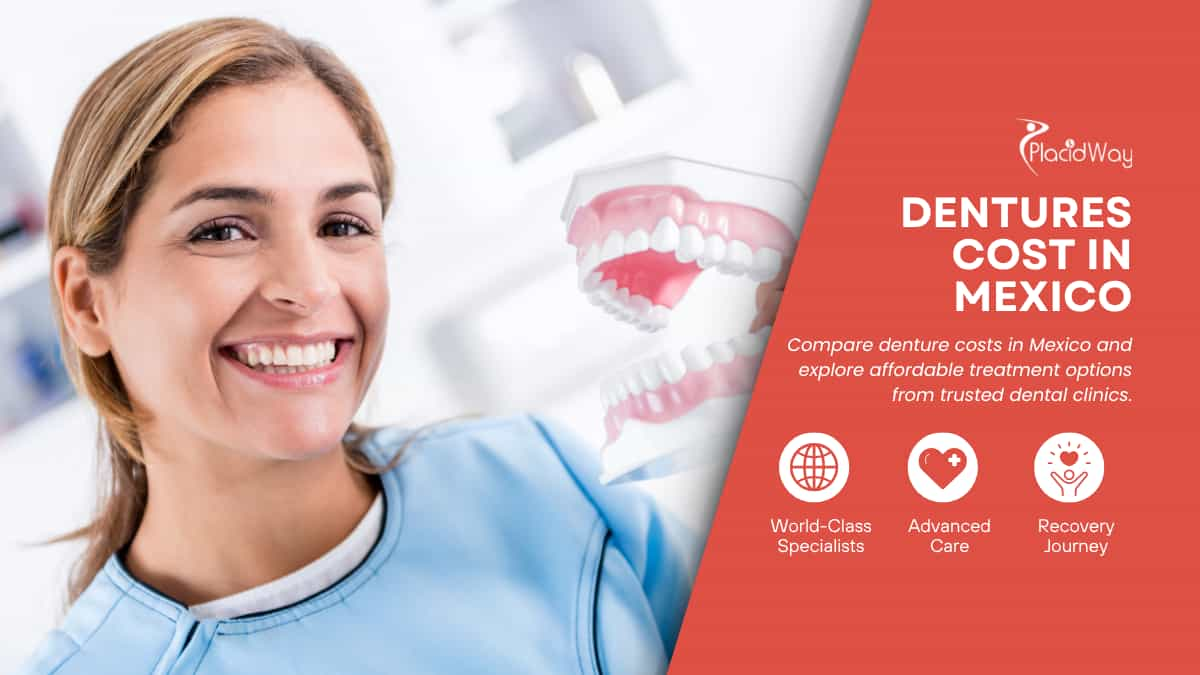
A complete set of dentures in Mexico typically costs between $400 and $1,500 per arch. This price varies based on the materials used (such as standard acrylic or premium porcelain), the type of denture, and the specific clinic's location and expertise.
Key Takeaways
- Cost Comparisons: Average prices often range from 50% to 70% less than equivalent estimates in the U.S. and Canada.
- Material Options: Clinics offer various materials including standard acrylic, flexible resins, and porcelain teeth.
- Types of Dentures: Options include full traditional plates, partials, and implant-supported overdentures.
- Treatment Timeframe: Custom fabrication generally takes 3 to 5 days, though complex cases may require longer stays.
- Safety and Verification: It is crucial to verify a dentist's cédula profesional and ensure the clinic follows appropriate sterilization protocols.
What Types of Dentures Are Available in Mexico?
Patients can typically find a wide range of restorative options, including full conventional dentures, partials, and implant-supported overdentures. The best choice depends on the patient's remaining teeth, jawbone health, and individual budget.
Full traditional dentures are utilized when a patient is missing all natural teeth in either the upper or lower arch. These prosthetics rely on suction, adhesive, and the natural anatomy of the gums for stability. While they are often the most cost-effective option, the jawbone changes over time, meaning these dentures may require regular relining to maintain a comfortable fit.
Partial dentures are designed for patients who still retain healthy natural teeth. These appliances typically use metal or flexible acrylic clasps that attach to adjacent teeth. This helps fill the gaps left by missing teeth and may prevent the remaining natural teeth from shifting out of position.
For those seeking increased stability, implant-supported options may be recommended in suitable patients. These require the surgical placement of titanium posts into the jawbone, to which the denture securely attaches. This type generally offers improved chewing function compared to traditional removable prosthetics, though it involves surgery and longer healing times.
How Much Do Partial Dentures Cost in Mexico?
The average price for partial dentures ranges from $250 to $800. Pricing fluctuates depending on the materials used, such as flexible resins versus cast metal frameworks.
Acrylic partials are typically the most budget-friendly option, providing a basic functional replacement for missing teeth. They are relatively easy to adjust, making them a common choice for transitional or temporary use. However, they may feel slightly bulkier in the mouth compared to other materials.
Flexible partials, often made from materials like Valplast, are known for their comfort and aesthetic appeal. They do not require metal clasps, allowing them to blend more naturally with the gums. These are generally priced slightly higher than standard acrylic but offer enhanced flexibility.
Cast metal partial dentures represent a durable, long-term solution. They feature a rigid metal framework that rests on the remaining natural teeth, providing excellent support and a thinner profile. These tend to be at the higher end of the partial denture price spectrum due to the complex fabrication process required.
Did You Know?
Immediate dentures can be placed on the exact same day that teeth are extracted. This ensures you never have to go without teeth, though significant adjustments will be required as your gums shrink and heal over the following months.
What Is the Price of Implant-Supported Dentures in Mexico?
Implant-supported options can cost between $4,000 and $10,000 per arch. This total depends heavily on the number of implants required and the complexity of the surgical case.
It is critical to clearly distinguish the cost of the implant posts from the overall treatment expense. The total cost typically encompasses the titanium posts, abutments, the customized denture base, necessary imaging (such as CBCT scans), and potential sedation. Additional procedures like tooth extractions or bone grafting, if required, will increase the final estimate.
The specific technique utilized also impacts the final price. A "snap-on" overdenture supported by two to four implants is generally more affordable than a fixed, full-arch hybrid restoration (often referred to as All-on-4 or All-on-6). Fixed options offer a non-removable solution but require greater surgical intervention and more specialized fabrication.
Patients should also inquire about the implant materials used. Reputable facilities typically utilize FDA-cleared or internationally recognized implant systems, where applicable. Prices will vary by clinic, city, materials, and individual case complexity, and implant survival rates vary by patient.
| Denture Type | Estimated Cost (Mexico) | Key Characteristic |
|---|---|---|
| Traditional Full Dentures | $400 - $1,500 (per arch) | Relies on suction; easily removable |
| Acrylic Partial Dentures | $250 - $600 | Budget-friendly, often used temporarily |
| Flexible Partials | $400 - $800 | No metal clasps, comfortable fit |
| Implant-Supported (Snap-on) | $3,500 - $6,500 (per arch) | Removable, clips onto implants |
| Fixed Implant Dentures | $6,000 - $12,000+ (per arch) | Permanent; acts like natural teeth |
*Note: Prices are estimates only and vary by clinic, materials, and case complexity.
How Long Does It Take to Get Dentures in Mexico?
The standard fabrication timeline for custom dentures in Mexico is typically 3 to 5 days, involving multiple clinic visits for impressions and adjustments.
The process begins with a comprehensive consultation and the taking of initial molds or digital impressions. Over the next few days, patients will usually have "try-in" appointments. During these sessions, the dentist checks the bite alignment, aesthetics, and overall fit before the final appliance is processed.
Patients seeking an expedited process might opt for clinics featuring in-house dental laboratories. These facilities can sometimes reduce turnaround times and make on-the-spot adjustments, though this does not guarantee instantaneous results. Complex cases will still require adequate time for precision crafting.
For those undergoing implant surgery alongside their denture placement, the timeline is considerably longer. While temporary prosthetics may be placed immediately, the final permanent restoration cannot be fitted until the jawbone has healed and fully integrated with the implants—a process that typically takes 3 to 6 months and requires a return trip.
What Materials Are Used for Dentures in Mexican Dental Clinics?
Clinics offer a variety of standard and premium materials, ranging from basic acrylic resins to highly durable porcelain and specialized flexible compounds.
Acrylic resin is the most frequently utilized material for the denture base, as it can be easily tinted to mimic the natural color of gum tissue. Standard acrylic teeth are lightweight and economical, though they may wear down faster over the years compared to harder materials.
High-impact acrylics and specialized composites are often available for patients seeking increased durability and resistance to fractures. Additionally, porcelain teeth may be selected for their exceptional stain resistance and highly natural appearance, though they are heavier and can occasionally chip if dropped.
When evaluating a dentures clinic in Mexico, patients should inquire specifically about the brands and origins of the materials used. Many top-tier facilities import their materials from recognized international dental suppliers to ensure appropriate quality and biocompatibility standards are met.
Important Consideration
Even the best-fitting dentures require an adaptation period. Patients may experience increased saliva production, minor speech impediments, or mild gum irritation during the first few weeks of wear. Proper aftercare and realistic expectations are essential for a successful outcome.
Are Dentures from Mexico High Quality?
Quality can be excellent, provided patients select properly credentialed professionals and thoroughly vet the facility's standards, materials, and infection control protocols.
It is not accurate to claim that all clinics in the country follow the exact same standards or provide equivalent quality. The dental market is diverse, and while many clinics operate with modern technology and internationally trained staff, others may offer lower-tier materials. Diligent research is the patient's responsibility.
To help ensure quality, patients should prioritize official credential verification. For Mexico, this means checking the dentist’s cédula profesional (professional license) through the SEP’s (Secretaría de Educación Pública) professional registry. Do not rely solely on professional-association memberships as definitive proof of licensing or advanced specialty training.
Additionally, quality outcomes depend on comprehensive aftercare. Patients must understand the possible complications and the need for local follow-up care after returning home. Any oral appliance will require adjustments, and patients should secure a local dentist willing to maintain their overseas dental work.
How Should Patients Prepare for Dental Tourism in Mexico?
Preparation involves gathering medical records, understanding travel requirements, setting realistic recovery expectations, and arranging necessary post-treatment care.
- Medical History: Request recent panoramic X-rays and dental records from your local dentist to share with the international clinic for an accurate preliminary consultation.
- Travel Documents: Check current passport and visa requirements based on your citizenship and method of travel (air vs. land crossing). Requirements are subject to change.
- Safety Research: Review official travel advisories, such as those provided by the U.S. Department of State, regarding specific regions or border towns you plan to visit.
- Clear Communication: Ask the clinic detailed questions regarding complication protocols, material types, and exactly what is included in the provided estimate.
- Local Support: Establish a relationship with a dentist in your home country who is willing to perform routine cleanings and necessary adjustments on your new dentures.
What Additional Costs Should I Expect When Traveling for Dentures?
Beyond the clinical procedure, patients must budget for travel logistics, accommodations, potential supplementary dental treatments, and long-term maintenance.
When calculating the true dentures cost in Mexico, one must factor in transportation (flights or gas), lodging for 3 to 7 days, and daily expenses such as meals and local transit. While these costs vary by destination city, they can significantly impact the overall savings margin.
Medically, preliminary quotes may not cover unforeseen necessities discovered during an in-person exam. Treatments like complex extractions, treatment for periodontal disease, bone grafting, or upgraded sedation methods will add to the final bill. Always ask for an itemized estimate prior to agreeing to treatment.
Finally, consider the long-term financial aspects. Dentures are not lifetime devices; they require relining every few years and eventual replacement. Furthermore, follow-up adjustments performed by a local dentist upon your return will incur standard domestic fees.
Why Choose PlacidWay for Medical Tourism in Mexico?
PlacidWay assists patients in navigating global healthcare options by providing access to detailed clinic profiles and procedural information to help inform their decisions.
Compare Options
Patients can review and compare multiple facilities, reading about their clinical capabilities and evaluating the transparent pricing structures provided by international providers.
Educational Resources
The platform offers extensive resources regarding international healthcare standards, allowing users to better understand the nuances of seeking medical tourism in Mexico.
Direct Communication
PlacidWay facilitates direct contact with medical centers, enabling individuals to ask specific questions about treatment protocols and request detailed estimates.
Material Transparency
Users can explore comprehensive details about the specific types of dental materials, technologies, and prosthetic brands utilized by international dental professionals.
Informed Decision Making
By providing access to patient reviews and provider credentials, the platform empowers patients to conduct their own thorough research before committing to a procedure.
Frequently Asked Questions
Is it safe to travel to Mexico for dentures?
Traveling for dental care can be safe when proper precautions are taken. It is essential to research regional safety advisories, select reputable clinics, and verify the dentist's credentials. Always follow standard travel safety guidelines.
Do I need a passport for dental work in Mexico?
Yes, travel document requirements depend on your citizenship and whether you travel by air, land, or sea. U.S. citizens typically need a valid passport book for air travel or a passport card for land border crossings.
How long do acrylic dentures from Mexico typically last?
With proper care, traditional acrylic dentures typically last between 5 and 7 years. Over time, the materials can wear down, and changes in your jawbone may require the dentures to be relined or completely replaced to maintain a proper fit.
Can I get same-day dentures in Mexican border towns?
Some clinics offer immediate dentures, which are placed on the same day as teeth extractions. However, permanent custom dentures usually require multiple visits over 3 to 5 days for impressions, try-ins, and final adjustments.
Will my US dental insurance cover dentures in Mexico?
Some U.S. dental insurance PPO plans offer out-of-network benefits that may reimburse a portion of the treatment costs incurred abroad. Patients must pay out-of-pocket first and submit itemized receipts and documentation to their provider for potential reimbursement.
How do I verify a Mexican dentist's credentials?
You can verify a dentist's medical licensing by asking for their cédula profesional (professional license number) and looking it up on the Mexican government's official SEP (Secretaría de Educación Pública) registry online.
What happens if my dentures need adjustment after I return home?
It is common for new dentures to require minor fit adjustments as your gums heal and adapt. Patients should be prepared to visit a local dentist in their home country for these necessary follow-up adjustments and regular checkups.
Are flexible partials available at a lower cost in Mexico?
Yes, flexible partial dentures (such as those made from Valplast) are widely available. They typically cost between $400 and $800, which can represent a significant reduction compared to average U.S. pricing.
What is the difference between snap-on and traditional dentures?
Traditional dentures sit entirely on the gums and rely on suction or adhesives to stay in place. Snap-on dentures attach to surgically placed dental implants, which typically offers greater stability and improved chewing efficiency in suitable patients.
Do dentists in Mexico speak English?
Many dental professionals who cater to international patients in popular border and tourist cities are fluent or highly proficient in English. Clinics often employ bilingual staff to assist with medical coordination and communication.
Explore Your Dental Restorative Options Today
Connect with international dental professionals, compare estimated costs, and gather the information you need to make an informed choice regarding your dental care.
Request Treatment InformationReferences
- Dentures FAQ – American College of Prosthodontists
- Medical Tourism Safety Guidelines – Centers for Disease Control and Prevention
- Mexico Travel Advisory – U.S. Department of State
- Tooth Loss Data and Prosthetics – National Institute of Dental and Craniofacial Research
- Registro Nacional de Profesionistas (Credential Verification) – Secretaría de Educación Pública (SEP)
- Dentures Information and Care – American Dental Association

























Share this listing