
The Ultimate Guide to the Cost of Braces in Vietnam (2026)
The dental braces cost in Vietnam typically ranges from $1,500 to $4,500 depending on the system chosen. Traditional metal braces are the most affordable, while clear aligners or ceramic options require a higher financial investment.

Key Takeaways
- The average expense for a full standard metal braces treatment ranges from $1,500 to $2,500, offering substantial savings over North American fees.
- Finding a reputable dental braces clinic in Vietnam requires verifying official credentials and ensuring they utilize recognized orthodontic materials.
- Medical tourism in Vietnam provides access to highly trained orthodontists utilizing modern diagnostic tools like 3D intraoral scanners.
- Patients must account for travel frequency, accommodation, and the logistical challenges of monthly adjustments when calculating total costs.
- All orthodontic work requires a long-term commitment, including the strict use of retainers post-treatment to prevent teeth from shifting back.
What Are the Different Types of dental braces in Vietnam?
Patients seeking orthodontic correction can generally choose between robust metal brackets, aesthetically pleasing ceramic options, and removable clear aligner systems.
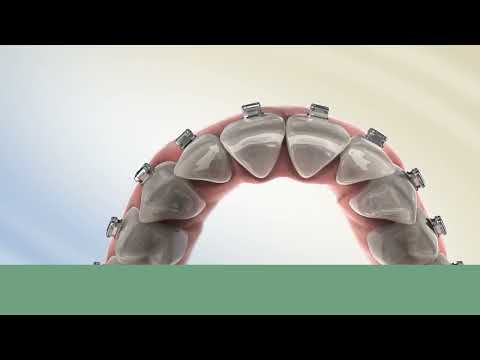
Traditional metal braces remain the most common and cost-effective method for correcting a wide spectrum of malocclusions. Utilizing medical-grade stainless steel brackets and archwires, this system provides the orthodontist with exceptional control over complex tooth movements. While highly noticeable, modern metal brackets are smaller and more comfortable than their historical counterparts, making them a highly reliable choice for achieving predictable clinical outcomes.
For individuals seeking a less conspicuous treatment, ceramic or clear braces offer an excellent alternative. These brackets are manufactured from advanced composite materials or polycrystalline alumina that blend naturally with the tooth enamel. While they function similarly to metal systems, ceramic brackets can be more brittle and slightly larger. They may also incur a higher initial material cost, reflecting the advanced manufacturing processes required to produce aesthetic orthodontic hardware.
Clear aligner therapies, such as Invisalign, have surged in popularity among adult patients pursuing dental braces in Vietnam. This system employs a series of custom-fabricated, transparent plastic trays to gradually shift teeth into their proper alignment. Aligners are removable, allowing for easier oral hygiene and no dietary restrictions. However, they are typically recommended for mild to moderate alignment issues and require strict patient compliance—wearing the trays for at least 22 hours daily—to be effective.
What Factors Influence the dental braces cost in Vietnam?
The final financial estimate is primarily determined by the specific hardware selected, the severity of the bite misalignment, and the expected duration of the treatment plan.
The most significant variable impacting the dental braces cost in Vietnam is the type of orthodontic system chosen. Basic metal brackets represent the most economical tier, as the raw materials are widely available and cost-effective. Conversely, imported clear aligner systems involve proprietary 3D digital planning, international laboratory fabrication, and shipping logistics, all of which substantially elevate the overall fee compared to locally sourced or traditional materials.
The clinical complexity of an individual's bite also plays a crucial role in pricing. Patients presenting with severe crowding, impacted teeth, or complex jaw discrepancies may require extensive preliminary interventions, such as tooth extractions or the placement of temporary anchorage devices (TADs). Complex cases naturally require a longer treatment duration, more frequent clinical adjustments, and an increased consumption of clinical supplies, all factoring into a higher total cost.
Additionally, the geographical location and the technological infrastructure of the practice influence the financial investment. Facilities situated in premium commercial districts of Ho Chi Minh City or Hanoi, or those outfitted with advanced CBCT (Cone Beam Computed Tomography) scanners and digital impression systems, may charge slightly higher fees to maintain these standards. However, these clinics often provide dedicated support staff and streamlined services designed specifically for international medical travelers.
How Does the Cost Compare to Western Countries?
International patients often achieve savings ranging from 50 to 70 percent on comprehensive orthodontic care in Southeast Asia compared to average clinic estimates in the United States or Australia.
- In the United States, a standard course of traditional metal braces typically costs between $4,000 and $7,000, whereas the equivalent treatment in a major Vietnamese city usually ranges from $1,500 to $2,500.
- Advanced clear aligner therapies can exceed $6,500 in North America, but patients traveling abroad may find estimates closer to $3,500 to $5,500 for identical imported systems.
- These cost disparities are driven by differences in commercial real estate overheads, lower domestic labor costs, and localized economic factors, rather than a necessary reduction in clinical efficacy.
- Many top-tier providers utilize the exact same globally recognized orthodontic brands and bonding agents found in Western clinics, maintaining high material standards.
- Prospective patients must calculate the logistical expenses of international flights, accommodations, and the necessity of either extended stays or frequent travel for routine wire adjustments to assess true net savings.
Orthodontic treatment models for international patients are evolving. Some clinics now utilize tele-dentistry and digital scanning apps that allow orthodontists to monitor the progress of clear aligners remotely, drastically reducing the number of international flights required for in-person checkups.
| Orthodontic System (Full Treatment) | Estimated Cost in Vietnam (USD) | Estimated Cost in USA (USD) |
|---|---|---|
| Traditional Metal Braces | $1,500 - $2,500 | $4,000 - $7,000 |
| Ceramic / Clear Braces | $2,000 - $3,500 | $5,000 - $8,000 |
| Lingual Braces (Behind Teeth) | $3,500 - $5,500 | $8,000 - $11,000 |
| Clear Aligners (e.g., Invisalign) | $3,500 - $5,500 | $4,500 - $8,000 |
What Should Patients Look for in a dental braces clinic in Vietnam?
Patients must prioritize verifying the educational credentials of the orthodontist, confirming modern cross-contamination protocols, and understanding the facility's logistical support for travelers.
Selecting an appropriate dental braces clinic in Vietnam involves careful research and due diligence. It is advisable to request the primary provider's specific academic background and verify any postgraduate specialty training in orthodontics. Many leading practitioners operating in international medical hubs have completed advanced fellowships abroad or maintain memberships with recognized international orthodontic societies, reflecting a commitment to contemporary clinical standards.
Infection control remains a paramount consideration for any dental procedure. Prospective patients should inquire directly about the clinic's sterilization workflows, ensuring they utilize modern autoclaving equipment and adhere to strict barrier protocols that align with guidelines recommended by global health organizations. A clean, modern facility is a strong indicator of overall clinical quality.
Furthermore, assessing the clinic's ability to coordinate long-distance care is essential for orthodontic patients. Clinics experienced in medical tourism often employ dedicated treatment coordinators who assist with scheduling, provide transparent billing estimates in foreign currencies, and facilitate communication between the patient's home dentist and the treating orthodontist to ensure continuity of care.
Are Internationally Recognized Materials Used for Orthodontics?
Reputable practices frequently import FDA-cleared brackets, shape-memory archwires, and specialized bonding cements from industry-leading manufacturers to ensure clinical safety and efficacy.
- High-quality medical facilities maintain transparency regarding the brands they utilize, often featuring materials from major multinational dental suppliers based in North America or Europe.
- Advanced components like nickel-titanium (NiTi) wires are widely available and used extensively for their continuous, gentle force application, which improves patient comfort during tooth movement.
- The bonding resins used to secure brackets to the enamel meet strict international biocompatibility standards, minimizing the risk of adverse tissue reactions.
- Patients are encouraged to ask their chosen provider for a written breakdown of the materials intended for their treatment plan prior to making a financial commitment.
- Utilizing globally standardized systems ensures that if a patient experiences an emergency while traveling, another orthodontist will likely be familiar with the hardware and how to manage it safely.
What Are the Risks and Complications of Getting Braces Abroad?
Inherent risks include root resorption, decalcification around brackets due to poor hygiene, soft tissue irritation, and the significant logistical difficulty of managing regular adjustments.
Orthodontic treatment, regardless of location, carries biological risks. The process of moving teeth through bone can occasionally lead to root resorption, a condition where the ends of the tooth roots shorten. Additionally, if meticulous oral hygiene is not maintained, plaque accumulation around brackets can cause irreversible white spot lesions (decalcification) or severe gingivitis, which may compromise the final aesthetic result.
A unique complication of pursuing braces internationally is the disruption of the standard adjustment timeline. Traditional braces typically require clinical monitoring every 4 to 6 weeks to replace elastics and progress wire sizes. Missing these appointments due to travel constraints can significantly prolong the overall treatment duration or cause teeth to move in unintended directions if forces are not properly managed.
Furthermore, managing unexpected orthodontic emergencies across borders poses a distinct challenge. If a bracket debonds or a wire snaps and causes pain while you are in your home country, you must seek intervention from a local provider. Many local orthodontists may be hesitant to assume liability for an active case initiated abroad, potentially requiring you to pay out-of-pocket for emergency stabilization or, in some cases, prompting a complete transfer of care at local market rates.
The most critical phase of orthodontics often occurs after the braces are removed. Patients must strictly adhere to wearing custom retainers to prevent teeth from relapsing into their original positions. Failing to secure proper retention protocols and follow-up care can void the entire investment.
How Do International Patients Manage Follow-Up Care?
Successful long-term outcomes demand establishing a collaborative relationship with a domestic dental professional and implementing a rigid plan for either regular travel or clear aligner remote monitoring.
Because orthodontics is not a single-visit procedure, patients must have a clear logistical strategy before initiating treatment. For traditional braces, this usually means committing to flying back to the treating clinic every few months. Some providers may agree to a "co-management" arrangement, where they initiate the treatment plan and coordinate with an orthodontist in the patient's home country to handle routine adjustments, though this requires extensive prior communication and mutual agreement.
Patients utilizing clear aligner systems often face fewer logistical hurdles. Once the initial diagnostic phase, 3D scanning, and attachment placement are completed, the clinic may provide several months' worth of aligner trays. The patient then progresses through the trays independently, utilizing virtual check-ins or specialized smartphone applications that allow the overseeing orthodontist to monitor tooth movement remotely.
Regardless of the system used, patients must maintain routine dental cleanings and examinations back home. Moving teeth are more susceptible to decay and periodontal issues, making bi-annual visits to a local hygienist absolutely essential to ensure the supporting bone and gums remain healthy throughout the active treatment phase.
Why Is medical tourism in Vietnam Popular for Dental Care?
The intersection of affordable healthcare pricing, high educational standards within urban medical centers, and a rich cultural destination drives the expansion of this specific sector.
Major cities in the region have invested substantially in upgrading their healthcare infrastructure. Leading dental practices are frequently equipped with digital panoramic X-rays, intraoral scanners, and modern sterilization suites that rival those found in Western capitals. This modernization allows practitioners to deliver highly accurate diagnoses and streamlined treatment plans that meet the expectations of international visitors.
The economic advantage remains a powerful catalyst. Medical tourism in Vietnam allows patients to access comprehensive rehabilitative and aesthetic dental procedures without facing prohibitive out-of-pocket costs or exhausting their domestic insurance limits. The favorable exchange rates and lower operational overheads pass significant savings directly to the consumer.
Beyond clinical care, the destination offers a compelling travel experience. Patients often combine their initial consultations or specific treatment phases with opportunities to explore historic architecture, world-renowned culinary scenes, and diverse landscapes, framing a necessary healthcare investment within an engaging and memorable international journey.
Why Choose PlacidWay for Your Dental Journey?
Planning cross-border orthodontic care requires significant logistical research, and utilizing a specialized medical resource platform can help streamline provider evaluation and initial communications.
1. Detailed Clinic Profiles
Access a comprehensive directory of established dental centers, featuring verifiable information on their clinical technologies, specialized services, and professional staff credentials.
2. Transparent Cost Information
Review estimated pricing structures for various orthodontic systems across multiple providers, enabling you to align your clinical needs with a realistic financial budget.
3. Authentic Patient Feedback
Read testimonials and reviews from previous international patients to better understand the standard of communication, facility cleanliness, and overall clinical experience.
4. Direct Provider Communication
Facilitate initial inquiries and virtual discussions directly with clinic coordinators to outline your orthodontic goals and request individualized treatment estimates before traveling.
5. Objective Educational Guides
Utilize a broad library of articles and resources designed to help you navigate procedure specifics, material comparisons, and the essential aftercare required for safe cross-border healthcare.
Frequently Asked Questions
What is the average cost of traditional metal braces in Vietnam?
The price for traditional metal braces typically ranges from $1,500 to $2,500 for a comprehensive treatment plan. This estimate is significantly lower than average North American fees, making it a highly accessible option for correcting moderate to severe bite misalignments.
Are clear aligners like Invisalign available in Vietnam?
Yes, major international clear aligner brands are widely available at specialized orthodontic centers in major Vietnamese cities. Patients can expect these advanced, removable systems to cost between $3,500 and $5,500, depending on the complexity of the tooth movement required.
How long does orthodontic treatment typically take in Vietnam?
Comprehensive orthodontic treatment generally lasts between 12 and 24 months, regardless of the geographic location. The duration is dictated by the biological response of your teeth and bones, as well as the initial severity of the malocclusion being treated.
Will language be a barrier at a dental clinic in Vietnam?
Facilities that frequently cater to international patients generally employ bilingual orthodontists, patient coordinators, and support staff who speak fluent English. This ensures clear communication regarding treatment goals, financial estimates, and proper oral hygiene instructions.
Do I need to stay in Vietnam for the entire duration of my braces?
While traditional braces require adjustments every 4 to 6 weeks, international patients often opt for clear aligners or work out a co-management plan. With clear aligners, patients may receive several months' worth of trays at once, minimizing the frequency of international travel.
Can I switch orthodontists once I return to my home country?
Transferring orthodontic care is possible, but it requires careful coordination. You will need comprehensive dental records, X-rays, and treatment notes from your provider in Vietnam. Note that some local orthodontists may prefer to remove existing hardware and start fresh with their preferred systems.
Are the orthodontic materials used in Vietnam safe and reliable?
Established clinics serving medical tourists routinely utilize globally recognized, FDA-cleared brackets, wires, and aligners imported from industry-leading manufacturers in the United States, Germany, and Switzerland, ensuring adherence to strict international biocompatibility standards.
What happens if a bracket breaks while I am traveling?
Orthodontic emergencies, such as a loose bracket or a poking wire, can usually be managed by any qualified local dentist or orthodontist. They can clip the wire or temporarily secure the bracket, though you will incur local market fees for these emergency stabilization services.
Is Vietnam safe for international dental tourists?
Vietnam is generally considered a welcoming and secure destination for international healthcare visitors. Major urban centers like Ho Chi Minh City and Hanoi feature well-established medical districts, though standard travel precautions regarding personal belongings and transportation should always be observed.
Do clinics in Vietnam offer guarantees on orthodontic work?
Because orthodontics relies on patient biology and compliance, unconditional guarantees are rare. However, reputable clinics often stand behind the quality of their materials. Long-term success ultimately depends on the patient diligently wearing retainers after the active treatment phase concludes.
Compare Orthodontic Treatment Options
Review provider credentials, compare material pricing, and gather the factual information needed to plan your orthodontic care safely.
Request Treatment InformationMedical Disclaimer: The content provided in this article is for informational and educational purposes only and should not be considered medical advice. Orthodontic outcomes vary by individual, and all clinical procedures carry inherent biological risks. Always consult with a certified healthcare professional before making clinical decisions.
References
- Braces and Orthodontics Clinical Information – American Dental Association (ADA)
- Health Information for Travelers to Vietnam – Centers for Disease Control and Prevention (CDC)
- Global Oral Health Policies – FDI World Dental Federation
- Effectiveness of clear aligner therapy for orthodontic treatment: A systematic review – National Institutes of Health (PubMed)
- Oral Health Fact Sheet – World Health Organization (WHO)
- Risks and complications in orthodontic treatment – National Institutes of Health (PubMed)
.png)
-2-(5).png)


-2-(7).png)
.png)
.jpg)



.jpg)


.jpg)











Share this listing