
What treatment


20+ Key FAQs on Dentistry in Vietnam
Questions About Dentistry in Vietnam? Start Here
Trusted Medical Tourism Platform Since 2007
Which are the Best Dental Clinics in Vietnam?
The best dental clinics in Vietnam are characterized by international accreditations, experienced specialists, strict infection control, and modern technology. While specific names vary, top facilities prioritize patient safety, transparent communication, and comprehensive aftercare planning. When searching for the right facility for your oral health needs, knowing how to evaluate a dental clinic in Vietnam is essential. Rather than simply looking for a specific name, patients should focus on the underlying standards that define high-quality care. From verifying dentist credentials to understanding infection control protocols, making an informed decision requires careful research and realistic expectations. Key Takeaways Evaluate clinics based on international certifications, sterilization protocols, and specialist credentials rather than just marketing claims. Clear communication in your native language is critical for understanding treatment plans, risks, and post-operative instructions. Cost savings can be significant, but you must factor in flights, accommodation, and the potential need for multiple trips. Thoroughly discuss and arrange a follow-up plan with a local dentist in your home country before traveling. Medical outcomes are never guaranteed, and individual suitability for procedures like implants depends heavily on your unique health profile. Why do international patients seek dental care in Vietnam? Many international patients travel to Vietnam to access potentially affordable dental care while seeking facilities that utilize modern technology and internationally trained specialists. The growth of medical tourism in Vietnam has been driven largely by the difference in operating costs between Southeast Asia and Western countries like the United States, Australia, or the UK. Because the cost of living, administrative overhead, and facility maintenance are comparatively lower in Vietnam, established clinics can often offer procedures at a reduced price. However, the appeal extends beyond simple cost differences. Major cities such as Ho Chi Minh City and Hanoi have developed healthcare sectors that cater specifically to international visitors. Many of these established centers invest in digital dentistry tools and employ professionals who have pursued specialized post-graduate training abroad. Despite these advantages, prospective patients must understand that standards are not uniform across the country, making thorough individual research absolutely necessary before committing to care. What treatments do established dental clinics in Vietnam usually offer? Leading facilities typically provide a comprehensive range of treatments, from routine preventive care to complex restorative and cosmetic procedures. When looking into dental treatment in Vietnam, you will find that facilities equipped for international patients usually offer services that mirror those available in Western dental offices. The suitability of any procedure depends entirely on a thorough in-person examination, medical history review, and diagnostic imaging. Common procedures evaluated by international patients include: Implantology: Single implants, implant-supported bridges, and full-arch restorations (often requiring adequate bone density or bone grafting). Restorative Dentistry: Root canal therapy, traditional bridges, and custom crowns made from materials like zirconia or porcelain. Cosmetic Procedures: Custom veneers and professional teeth whitening. Oral Surgery: Complex extractions, including impacted wisdom teeth. Important Consideration: Not every patient is a candidate for complex procedures like implants. Conditions such as uncontrolled diabetes, osteoporosis, or a history of heavy smoking can increase the risk of implant failure and may contraindicate certain treatments. How much does dental work usually cost in Vietnam? The dental work cost in Vietnam is generally lower than in North America or Australia, though final expenses fluctuate based on the specific clinic, materials chosen, and individual treatment complexity. Estimating prices requires an understanding that every mouth is different. A patient arriving for a single crown may find the process straightforward, while someone seeking an implant might discover they require sinus lifts or bone grafting, which immediately alters the total cost. Furthermore, the type of materials used—such as standard titanium versus specialized alloys for implants, or standard porcelain versus premium zirconia for crowns—will shift the price. When budgeting for care, it is vital to remember that the clinic's fee is only one part of the equation. You must also account for round-trip flights, multiple weeks of accommodation, travel insurance, and local transportation. Obtaining a detailed, itemized estimate from a clinic before traveling can help you understand the potential financial commitment, though you should expect that estimates may change once a physical examination is performed. How can I verify the quality and safety of a clinic? You can assess a clinic's safety by checking for recognized international healthcare accreditations, asking detailed questions about their sterilization protocols, and reviewing the specific credentials of their staff. Because you cannot rely solely on marketing materials, independent verification is necessary. Look for clinics that hold accreditations from respected organizations, such as the Joint Commission International (JCI) or the International Organization for Standardization (ISO). These certifications suggest that a facility has undergone third-party auditing regarding their safety, hygiene, and management protocols. Do not hesitate to ask a clinic directly about their infection control measures. A reputable facility should be able to clearly explain their use of autoclaves for sterilizing instruments, their policies on single-use items, and how they handle biohazardous waste. If a clinic is reluctant to answer these questions or provides vague responses, it is a sign to continue your search elsewhere. Are dentists in Vietnam properly trained and certified? Dentists in Vietnam undergo comprehensive local medical training, and many professionals working in facilities aimed at international patients also hold post-graduate certifications from institutions abroad. While basic dental education in Vietnam provides a solid foundation, specialized procedures like complex oral surgery, orthodontics, or implantology often require advanced study. Many specialists choose to complete fellowships, master's degrees, or specialized training programs in the United States, Europe, or Australia. When evaluating a potential provider, ask for the resume or professional biography of the specific dentist who will perform your procedure. Verify their membership in recognized professional bodies, such as the International Congress of Oral Implantologists (ICOI) or local dental associations. Keep in mind that a certificate of attendance at a weekend seminar is vastly different from a multi-year specialized degree. What technology should I expect at a modern Vietnamese dental clinic? Well-equipped dental centers typically utilize digital imaging, 3D Cone Beam Computed Tomography (CBCT) scanners, and CAD/CAM systems to plan and execute treatments precisely. The integration of digital technology has significantly changed how complex dental work is planned. A 3D CBCT scanner, for example, is highly beneficial for implant placement. It allows the dentist to view the jawbone in three dimensions, helping them assess bone density, locate nerve pathways, and plan the exact angle of the implant to minimize surgical risks. Additionally, CAD/CAM (Computer-Aided Design and Computer-Aided Manufacturing) technology allows some clinics to design and mill crowns or veneers on-site. While this can sometimes expedite the treatment process, the speed of the procedure should never compromise the quality of the fit or the healing time required by your body. How long should I plan to stay in Vietnam for my dental procedure? The required length of stay depends entirely on your specific treatment plan, ranging from a few days for minor restorative work to multiple separate trips for complex implant procedures. One of the most common mistakes patients make when traveling for medical care is underestimating the time needed for safe treatment and recovery. Rushing medical procedures increases the risk of complications and poor outcomes. Procedure Type Typical Estimated Timeframe Travel Requirements Routine Care (Cleanings, Fillings) 1 - 3 days Single trip Crowns / Veneers 5 - 10 days Single trip Standard Dental Implants Stage 1: 7-10 daysStage 2: 7-14 days Usually two trips (separated by 3-6 months for healing) Always build extra days into your itinerary. Delays can happen due to unforeseen dental issues found during the exam, the need for laboratory adjustments to prosthetics, or simply to allow your dentist to monitor your initial healing before you fly. What are the potential risks of having dental treatment abroad? Traveling abroad for dental care involves risks such as communication barriers, a lack of clear legal recourse if malpractice occurs, and the challenge of managing complications once you return home. All medical and dental procedures carry inherent risks, including infection, adverse reactions to anesthesia, excessive bleeding, or implant rejection. When you undergo treatment in a foreign country, these standard risks are compounded by logistical challenges. If you experience a miscommunication regarding your treatment expectations or medical history due to language barriers, the results can be detrimental to your health. Furthermore, if a procedure fails or results in a severe complication, pursuing legal action or obtaining a refund across international borders is often difficult, time-consuming, and expensive. Understanding these factors is vital when weighing the benefits of traveling for care. How do I manage follow-up care after returning home? Managing follow-up care successfully requires establishing a relationship with a local dentist in your home country before you travel, ensuring someone is prepared to monitor your ongoing oral health. Post-operative care is a critical component of any dental procedure. Implants need periodic checking, crowns may require minor adjustments, and professional cleanings must be maintained. You cannot rely on a clinic thousands of miles away for routine maintenance or sudden emergencies. Before leaving the clinic in Vietnam, request copies of all your dental records, including pre- and post-operative X-rays, 3D scans, and detailed notes of the materials used (such as the specific brand and size of any implants). Having these documents translated into English will help your local dentist provide the safest and most accurate continuing care possible. Why Choose PlacidWay for Medical Tourism in Vietnam? PlacidWay provides resources to help patients research international healthcare options carefully. Global Directory: Provides access to a broad database of healthcare facilities and clinics across Vietnam and globally. Facility Information: Allows patients to review the listed accreditations, technologies, and services offered by various centers. Educational Resources: Offers informative articles and guides regarding dental procedures and general medical travel considerations. Direct Communication: Facilitates initial contact, allowing you to ask questions directly to the clinics you are interested in. Patient Accessibility: Provides free access to platform tools to help you gather the information needed to discuss options with your local physician. Frequently Asked Questions Is it safe to get dental implants in Vietnam? Getting dental implants in Vietnam can be safe if you select a clinic that follows international hygiene standards and employs experienced, credentialed specialists. However, all surgical procedures carry inherent risks, such as infection or implant failure, regardless of location. Do Vietnamese dentists usually speak English? Many dentists and support staff at facilities catering to international patients speak English. It is always wise to confirm this during your initial consultation to ensure clear communication about your medical history and treatment plan. Can I combine my dental treatment with a vacation in Vietnam? While many people do combine treatment with travel, you should prioritize your medical care. Extensive procedures may require rest, dietary restrictions, and multiple clinic visits, which can limit your ability to participate in typical vacation activities. What materials are typically used for dental crowns in Vietnam? Established clinics in Vietnam generally use the same globally recognized materials found in Western countries, including porcelain-fused-to-metal, full porcelain, and zirconia. The choice depends on your specific dental needs and budget. How do I pay for dental treatment in Vietnam? Most international clinics accept major credit cards, bank transfers, and cash. It is important to ask about payment schedules and any potential foreign transaction fees before beginning your treatment. Will my home dental insurance cover procedures in Vietnam? Coverage varies widely by provider. Some dental insurance plans may reimburse a portion of out-of-network overseas care, while others strictly exclude international treatments. You must contact your insurance provider directly to check your specific policy. What happens if a complication occurs after I leave Vietnam? If complications arise after you return home, you will likely need to see a local dentist for immediate care. This is why it is crucial to establish a relationship with a local provider before traveling and to obtain all your medical records from the treating clinic. Are sterilization standards in Vietnam comparable to Western countries? Clinics that hold international accreditations generally adhere to strict sterilization and cross-infection protocols similar to those in Western countries. However, standards can vary widely between facilities, making thorough research essential. Do I need a visa to travel to Vietnam for dental work? Visa requirements depend on your nationality and the length of your stay. Many visitors require a tourist or medical visa. You should check with the Vietnamese embassy or consulate in your home country well in advance of your trip. How soon after tooth extractions can I fly? Airlines and dental professionals generally recommend waiting at least 24 to 48 hours after a simple extraction before flying. For complex surgical extractions, you may need to wait several days to reduce the risk of bleeding, swelling, and sinus pressure changes. Compare Treatment Options Gather the information you need to make an informed decision about your dental care. Request Treatment Information References Medical Tourism - Centers for Disease Control and Prevention (CDC) Dental Implants - American Dental Association (ADA) Patient Safety Fact Sheet - World Health Organization (WHO) Accreditation Standards - Joint Commission International (JCI) Infection Prevention and Control in Dental Practice - FDI World Dental Federation Quality in Health Care - International Society for Quality in Health Care (ISQua) Medical Disclaimer: The information provided in this article is for educational and informational purposes only and does not constitute medical advice. Treatment outcomes, recovery times, and suitability vary by individual. Always consult with a qualified healthcare provider in your home country before making decisions regarding international medical travel or undergoing any medical or dental procedures....
Read more details

What I Wish I Knew Before Dental Implants in Vietnam?
Before getting dental implants in Vietnam, know that treatment typically requires two trips spaced months apart. Researching clinic credentials, verifying implant materials, and planning for local follow-up care at home are crucial for your safety. Traveling abroad for major dental work involves much more than simply booking a flight and a hotel. For those considering dental implants in Vietnam, understanding the clinical realities, time commitments, and necessary safety precautions can mean the difference between a smooth experience and unexpected complications. Setting realistic expectations early on helps you prepare physically, financially, and emotionally for the journey ahead. Patients often research the benefits, but it is equally vital to understand the logistical hurdles, potential risks, and aftercare requirements. This guide breaks down the essential factors you should consider to make an informed, medically responsible decision about receiving dental care overseas. Key Takeaways The implant process usually involves a healing period of several months, requiring multiple visits. Bone density issues can extend timelines and require additional procedures like bone grafting. International implant brands are available, but you must verify materials for future compatibility at home. Securing a local dentist willing to manage your aftercare before you travel is highly recommended. Rest and cautious dietary choices are necessary during your recovery abroad. How long does the entire dental implant process take? The standard dental implant process typically spans three to six months to allow the titanium post to properly fuse with your jawbone. Many patients assume they can arrive, have surgery, and leave a few days later with a permanent, finished smile. While some immediate-load implants exist for suitable candidates, the traditional and most common protocol requires a substantial healing phase known as osseointegration. During the first stage, the dentist places the implant into the jawbone. Afterward, your body needs time to build new bone around the implant, securing it firmly in place. This phase takes an average of three to six months. Only after successful integration can the final permanent crown be manufactured and attached. Rushing this biological process increases the risk of implant failure. You will likely wear a temporary crown or denture during the waiting period. Recognizing this extended timeline helps you plan time off work and set realistic expectations for your final results. Do I need multiple trips to complete the treatment? Yes, traditional dental implant protocols usually require two distinct trips to the destination country, spaced several months apart. Because of the necessary healing time, plan on taking two trips. The first trip involves the initial consultation, 3D imaging, possible extractions, and the surgical placement of the implant post. You typically need to stay in the country for 7 to 10 days during this trip to allow the dentist to remove stitches and monitor early healing. You then return home to heal. The second trip occurs months later. During this visit, the dentist will expose the implant, attach an abutment, take impressions, and fit your custom permanent crown. This second stay usually lasts 7 to 14 days, depending on how quickly the dental laboratory can create your prosthetic tooth. Trip 1 (Surgery): 7–10 days on average. Healing Phase at Home: 3–6 months. Trip 2 (Final Restoration): 7–14 days on average. Are the implant materials used in Vietnam reliable? Reputable facilities often use the same internationally recognized implant brands found in Western countries, but you must ask for material documentation. Not all implants are manufactured to the same standard. However, many established clinics cater to international patients by offering widely recognized brands such as Straumann, Nobel Biocare, and Osstem. The reliability of your implant depends heavily on the specific system the dentist chooses. It is vital that you request an "implant passport" or official documentation listing the exact brand, size, and lot number of the implant placed in your jaw. If you need adjustments, repairs, or replacement parts years down the road, your local dentist at home will need this precise information to order compatible tools and components. Cheaper, off-brand implants might lack long-term clinical studies supporting their durability. Always discuss material options and request recognizable, well-documented systems, even if they cost slightly more. What hidden costs should I budget for? Beyond the primary surgical fee, you must account for preliminary treatments, temporary crowns, medications, flights, hotels, and potential local follow-up care. When evaluating the dental implant cost in Vietnam, looking only at the price of the implant post can be misleading. A comprehensive budget requires factoring in multiple variables that arise throughout the treatment timeline. Common additional expenses include: Diagnostic Imaging: CBCT scans or panoramic X-rays. Preparatory Procedures: Tooth extractions, sinus lifts, or bone grafting. Temporary Prosthetics: Dentures or temporary crowns used during the healing phase. Travel Expenses: Flights, accommodation, and food for two separate trips. Post-care: Prescription medications, special soft diets, and domestic dental visits upon your return. Unforeseen complications can also arise, requiring extended stays or additional medications. Maintain a financial buffer for these possibilities rather than planning a rigidly tight budget. How should I choose a reliable facility? Selecting a safe facility requires verifying the dentist's credentials, reviewing infection control protocols, and checking for international accreditations. Choosing the right dental implant clinic in Vietnam involves thorough research. Do not base your decision solely on attractive website photos or the lowest quoted price. The skill of the clinician directly impacts your surgical outcome and safety. When evaluating a facility, ask specific questions about the performing dentist’s background. Have they completed specialized post-graduate training in implantology? Are they affiliated with recognized professional organizations, such as the International Congress of Oral Implantologists (ICOI)? Furthermore, inquire about their sterilization procedures. The facility should utilize modern autoclaves and adhere to international standards for infection control. Transparency in answering these questions is often a good indicator of a clinic's professional standards. Expert Insight: Complex cases, particularly those involving full-mouth restorations, demand a highly experienced prosthodontist or oral surgeon. Do not hesitate to ask how often the specific dentist performs implant procedures. What if I require a bone graft or sinus lift? If you lack sufficient jawbone density, you will need a bone graft or sinus lift, which can add several months to your overall treatment timeline. Dental implants require a solid foundation. When teeth have been missing for a long time, or if severe periodontal disease is present, the jawbone often deteriorates. During your initial consultation, a 3D scan will determine if your bone volume is sufficient to anchor an implant. If bone density is lacking, the dentist must perform a bone graft—adding grafting material to rebuild the area. For upper implants near the back of the mouth, a sinus lift may be necessary to create enough space without puncturing the sinus cavity. These procedures change the timeline significantly. Depending on the extent of the graft, you may need to wait four to nine months for the new bone to solidify before the implant post can even be placed. This means a potential third trip could be required, altering both your schedule and your budget. Is communication a major barrier during complex dental work? Clear communication is vital for medical safety; ensure the facility provides fluent translation services or has English-speaking dental professionals on staff. Medical procedures require exact communication. You must be able to accurately describe your medical history, current medications, allergies, and symptoms. In turn, the dentist must clearly explain the risks, the surgical steps, and the detailed aftercare instructions. Do not rely on casual translation apps for medical discussions. Many larger facilities catering to international patients employ dedicated patient coordinators who speak fluent English. If language barriers arise during your remote consultation, treat it as a warning sign. Ask for all treatment plans, consent forms, and post-operative instructions in your native language before agreeing to surgery, so you fully understand what the procedure entails. What is the recovery process like while staying abroad? Recovery requires prioritizing rest and a soft diet over active sightseeing, especially during the first few days following surgery. Combining healthcare with a vacation—often called medical tourism in Vietnam—sounds appealing, but the reality of post-surgical recovery must take precedence. After implant placement or bone grafting, you will likely experience swelling, bruising, and discomfort. During the first 48 to 72 hours, you should plan to rest in your hotel room. Strenuous activities, heavy lifting, or spending hours in the heat can elevate your blood pressure and increase the risk of bleeding at the surgical site. Your diet will also be restricted to soft foods—such as soups, smoothies, and mashed vegetables. You will need to avoid spicy, hot, or crunchy local street foods that could irritate the incisions or introduce bacteria. Give your body the calm environment it needs to heal properly before undertaking any tourist activities. What happens if I experience complications after I return home? If complications arise back home, you must seek immediate care from a local dentist, which can be challenging if they are unfamiliar with your international procedure. Complications such as infection, implant loosening, or excessive pain can occasionally occur weeks or months after you return home. Because your operating dentist is thousands of miles away, you must rely on domestic dental professionals for urgent interventions. A critical challenge in cross-border care is that some local dentists may hesitate to treat patients who had surgery abroad due to liability concerns. Furthermore, if they do not have the specialized tools required for the specific brand of implant used overseas, their ability to help may be limited. To mitigate this risk, try to establish a relationship with a local dentist before you travel. Discuss your plans and ask if they would be willing to provide maintenance, cleanings, and emergency care for your implants once you return. Why Choose PlacidWay for Medical Tourism in Vietnam? Navigating international healthcare requires access to clear, organized information. PlacidWay provides a platform to help patients explore options for medical and dental care abroad. Extensive Directory: Access profiles of various healthcare facilities and dental clinics in international destinations. Educational Resources: Read articles and guides designed to help patients understand different dental procedures. Provider Information: Review available details regarding clinic accreditations, dentist credentials, and spoken languages. Direct Inquiries: Use the platform to request information directly from international clinics to help gauge communication and transparency. Global Reach: Compare healthcare options across multiple countries to find a destination that aligns with your specific needs. Frequently Asked Questions Can I fly immediately after dental implant surgery? Most dental professionals recommend waiting at least 48 to 72 hours before flying after implant surgery. Cabin pressure changes can cause discomfort or increase the risk of bleeding in the sinus area, especially if you had a sinus lift. Do local dentists at home adjust implants placed abroad? Some local dentists may be hesitant to adjust or repair dental implants placed in another country due to liability concerns or unfamiliarity with the specific implant system used. It helps to secure a local dentist willing to provide follow-up care before you travel. How long do dental implants usually last? When placed correctly and maintained with good oral hygiene, dental implants can last for many years, often decades. However, the crown attached to the implant may experience wear and require replacement after 10 to 15 years. Is it safe to eat street food in Vietnam right after surgery? You should avoid street food immediately after surgery to minimize the risk of infection. Stick to clean, soft, and culturally familiar foods prepared in hygienic environments while the surgical sites heal. What medications are typically prescribed after implant surgery? Dentists typically prescribe antibiotics to prevent infection and pain relievers to manage post-operative discomfort. An antibacterial mouthwash may also be recommended to keep the surgical area clean. How does smoking affect my implant success? Smoking significantly increases the risk of implant failure. It restricts blood flow to the gums, slows down the healing process, and increases the likelihood of infections like peri-implantitis. Can I get temporary teeth while waiting for the final crowns? Yes, temporary crowns or removable dentures are often provided so you do not have to go without teeth during the osseointegration period. Discuss temporary options during your initial consultation. Does dental insurance cover treatments performed in Vietnam? Most domestic dental insurance policies do not cover treatments performed internationally. You may need to look into specialized medical tourism insurance or plan to cover the costs out-of-pocket. What is peri-implantitis and how can I prevent it? Peri-implantitis is an inflammatory condition affecting the gum and bone tissue around a dental implant, which can lead to bone loss. You can help prevent it by maintaining strict oral hygiene and attending regular professional cleanings. Are there age restrictions for getting dental implants? There is generally no upper age limit for dental implants, provided the patient is in good overall health and has sufficient bone density. However, implants are not recommended for young patients whose jawbones are still growing. Explore Your Dental Treatment Options Gather information on clinics, compare approaches, and request details to make an educated decision about your dental care. Request Treatment Information References Implants – American Dental Association (ADA) Dental Implant Surgery – Mayo Clinic Medical Tourism – CDC Yellow Book Oral Health Fact Sheet – World Health Organization (WHO) About Dental Implants – Academy of Osseointegration Dental Implants: What You Should Know – U.S. Food and Drug Administration (FDA) Journal of Dental Research – International Association for Dental Research Medical Disclaimer: The information provided in this article is for educational and informational purposes only and does not constitute professional medical advice, diagnosis, or treatment. Outcomes, risks, and recovery times for dental implants vary significantly by individual depending on medical history, oral health, and biological response. Never disregard professional medical advice or delay in seeking it because of something you have read here. Always consult with a qualified, independent healthcare provider to determine if dental implants or medical travel is appropriate for your specific condition....
Read more details
Are All-on-6 Dental Implants Safe and Long-lasting in Da Nang, Vietnam?
All-on-6 dental implants in Da Nang, Vietnam, are generally safe and can be long-lasting when placed by trained specialists. Success often depends on individual bone density, proper oral hygiene, and consistent follow-up care. Restoring a full arch of missing teeth is a significant medical decision. For patients looking to combine advanced dental care with international travel, understanding the safety, durability, and practicalities of the procedure is essential. The All-on-6 method utilizes six strategically placed titanium posts to support a permanent prosthetic bridge. When performed correctly, this technique can provide a highly stable and functional smile. Key Takeaways The safety of the procedure depends heavily on the dentist's expertise and the clinic's adherence to international sterilization protocols. When adequately maintained, titanium implants can last for many years, though the attached prosthetic bridge may eventually need replacement due to normal wear. Choosing a reputable All-on-6 dental implant clinic in Da Nang, Vietnam requires careful research into provider credentials and technology. Underlying health conditions, such as uncontrolled diabetes or severe bone loss, can impact your eligibility and the long-term success of the implants. Patients must plan for proper aftercare, including routine visits to a local dentist back home for ongoing maintenance. What determines the safety of All-on-6 dental implants in Da Nang? Safety primarily relies on the surgical skill of the prosthodontist or oral surgeon, rigorous pre-operative planning, and strict infection control standards within the clinic. When evaluating safety, the technology utilized by the dental team plays a significant role. Modern practices utilize 3D Cone Beam Computed Tomography (CBCT) scanners to map out the jawbone's exact dimensions. This precise imaging allows the surgeon to identify vital structures, such as nerves and sinus cavities, minimizing the risk of accidental damage during placement. Furthermore, safety is heavily tied to the clinic's sterilization protocols. Facilities that cater to international patients typically follow strict hygiene standards comparable to those in Western countries. It is important to ask potential clinics about their sterilization equipment, such as autoclaves, and their adherence to international health guidelines before committing to treatment. The patient's own medical history also dictates safety. A comprehensive consultation, blood tests, and an honest discussion about medications are vital steps to ensure you are healthy enough for oral surgery and anesthesia. How long can All-on-6 dental implants realistically last? The titanium implant posts can often last a lifetime with proper care, while the visible prosthetic teeth typically endure for 10 to 15 years before needing repairs or replacement. The longevity of dental implants is largely attributed to a biological process known as osseointegration. Because titanium is biocompatible, the jawbone naturally grows around and fuses with the surgical posts, creating an exceptionally stable anchor. When this integration is successful, the foundation of the All-on-6 system becomes a permanent part of your jaw. However, the longevity of the restoration as a whole is not absolute. The prosthetic bridge—often made of zirconia, porcelain, or acrylic—is subjected to daily wear from chewing and biting. Over a decade or more, this material may chip, stain, or wear down, requiring maintenance or eventual replacement. Patient habits are the most common reason for premature failure. Poor oral hygiene can lead to peri-implantitis, a destructive gum infection that can cause bone loss around the implants. Regular brushing, specialized flossing, and professional cleanings are non-negotiable for long-lasting results. Important Consideration Bruxism (teeth grinding) places excessive force on the implant bridge. If you grind your teeth at night, your dentist may strongly recommend wearing a custom night guard to protect your investment and extend the lifespan of your prosthetic teeth. Are the materials used in Vietnam the same as in Western countries? Yes, reputable clinics serving international patients in Vietnam utilize the exact same globally recognized implant brands and FDA/CE-approved materials used in North America and Europe. Global Brands: Premium clinics often use well-documented systems like Nobel Biocare, Straumann, and Osstem. Biocompatible Posts: The surgical posts are typically manufactured from medical-grade titanium or titanium alloys, which have decades of clinical research supporting their safety and durability. High-Quality Prosthetics: The permanent bridges are often milled using advanced CAD/CAM technology from durable materials like monolithic zirconia or porcelain-fused-to-metal (PFM). Traceability: Patients can, and should, ask for the "implant passport" or barcode stickers from the implant packaging, which prove the origin and authenticity of the materials used in their mouth. International Sourcing: The materials are imported directly from the manufacturers in Switzerland, the USA, Germany, or South Korea, ensuring there is no drop in quality based on the geographic location of the clinic. What are the potential risks and complications of this procedure? Like any minor oral surgery, the All-on-6 procedure carries risks, including infection, nerve damage, sinus complications, and the potential failure of the implants to fuse with the bone. While complications are generally rare in suitable candidates, patients must be aware of the possibilities. Infection at the surgical site is a primary concern, which is why antibiotics and antibacterial mouthwashes are frequently prescribed post-operatively. If an infection takes hold, it can jeopardize the entire healing process. Another risk is nerve damage, particularly in the lower jaw where the inferior alveolar nerve is located. Precise 3D imaging significantly lowers this risk, but if it occurs, patients may experience lingering numbness or tingling in the lips, chin, or tongue. In the upper jaw, there is a risk of the implant protruding into the sinus cavity. Finally, sometimes an implant simply fails to achieve osseointegration. If a post becomes loose, it must be removed. The site can often be allowed to heal and an implant retried later, but this extends the overall treatment timeline considerably. Who is a good candidate for an All-on-6 implant restoration? Ideal candidates are adults missing most or all of their teeth in an arch, who have adequate jawbone density and do not suffer from uncontrolled systemic diseases that impair healing. Eligibility is determined through a detailed clinical evaluation. A strong candidate must be free from active periodontal (gum) disease. If severe gum disease is present, it must be comprehensively treated before implant surgery can even be considered, as active bacteria can quickly cause implant failure. Systemic health is equally critical. Conditions that suppress the immune system or restrict blood flow can interfere with osseointegration. For example, patients with uncontrolled diabetes or those undergoing certain cancer treatments may be advised against the procedure or required to undergo specialized medical clearance. Smoking is one of the heaviest contraindications in implant dentistry. Because smoking limits oxygen supply to the oral tissues, it dramatically elevates the risk of complications. Dentists typically require candidates to stop smoking for weeks or months before and after the surgery to promote safe healing. How does bone density impact the success of All-on-6 implants? Adequate bone volume is necessary to firmly anchor the six titanium posts; without it, the implants lack stability and the procedure may fail. When teeth are lost, the jawbone no longer receives the stimulation it needs from chewing, leading it to resorb or shrink over time. The All-on-6 technique is designed to maximize available bone by angling the back implants, which can sometimes bypass the need for extensive bone grafting. However, a minimum threshold of bone height and width is still mathematically and structurally required to support six posts. If a CBCT scan reveals severe bone atrophy, the dentist may determine that bone grafting or a sinus lift is necessary prior to, or during, the implant placement. In cases where bone is exceptionally thin, alternative treatments—such as the All-on-4 method or zygomatic implants (which anchor into the cheekbone)—might be discussed as more appropriate and safer alternatives. What does the typical recovery timeline look like after surgery? Initial soft tissue healing takes about 1 to 2 weeks, while the critical underlying bone integration process generally spans 3 to 6 months. Immediately following the surgery, patients can expect varying degrees of swelling, bruising, and discomfort. These acute symptoms typically peak around the third day and gradually subside. During this first week, patients manage symptoms with prescribed pain relievers, cold compresses, and ample rest. Recovery Phase Estimated Timeline What to Expect Initial Healing Days 1–7 Swelling, mild pain, soft diet only. Suture Removal Days 10–14 Gums close up; transition to slightly firmer (but still soft) foods. Osseointegration 3 to 6 Months Bone fuses to implants. Strict adherence to non-chewy diet to protect posts. Final Restoration After Month 6 Permanent bridge placed; gradual return to normal eating. During the entire 3 to 6-month osseointegration phase, patients usually wear a temporary, lightweight acrylic bridge. It is imperative during this time to avoid chewing hard foods, as excess force can disrupt the microscopic bone connections forming around the implants. How should patients care for their new implants to maximize longevity? Maintaining All-on-6 implants requires meticulous daily cleaning, utilizing water flossers and specialized interdental brushes to remove plaque from beneath the prosthetic bridge. Water Flossing: A water flosser is often considered mandatory. It uses a targeted stream of water to flush out food particles and bacteria trapped in the tiny space between the gums and the prosthetic bridge. Soft Brushing: Use a soft-bristled toothbrush and non-abrasive toothpaste to clean the surface of the prosthetic teeth without scratching the material. Super Floss: Specialized floss with a stiffened end can be threaded underneath the bridge to mechanically wipe the abutments and gum line. Routine Dental Visits: You must visit a local dental hygienist every 6 months. They have specialized non-metal tools to professionally clean around implants without scratching the titanium. Monitoring Gum Health: Be vigilant for any signs of redness, swelling, or bleeding around the implant sites, as these are early warning signs of peri-implantitis. Why is Da Nang becoming a popular choice for this dental procedure? The appeal largely stems from the combination of highly trained English-speaking specialists, modern clinic infrastructure, and the growing accessibility of medical tourism in Da Nang, Vietnam. Over the past decade, Vietnam’s major cities have heavily invested in private healthcare infrastructure to attract international patients. Da Nang, in particular, offers a calmer, more resort-focused environment compared to bustling metropolises, allowing patients to recover in a more relaxed setting. Many patients research the All-on-6 dental implants cost in Da Nang, Vietnam, finding that the overall financial outlay can be significantly different from what is typical in the US, Australia, or Europe. This allows patients to access top-tier materials—such as premium zirconia bridges and Swiss-made implants—that might otherwise be financially out of reach in their home countries. Additionally, numerous dental professionals in these top-tier clinics have completed postgraduate training or fellowships internationally, bringing global best practices back to their local facilities. What should international patients plan for regarding follow-up care? Because patients will leave the country after the procedure, establishing a localized care plan with a dentist at home is critical for long-term health and emergency management. A successful medical tourism journey does not end when you board the flight home. Dental implants require ongoing professional supervision. Before leaving Vietnam, you should request all your medical records, including pre- and post-operative X-rays or CBCT scans, surgical notes, and the exact specifications (brand, size, model) of the implants used. Upon returning home, it is highly recommended to schedule an introductory visit with a local prosthodontist or general dentist who is experienced with implants. Provide them with your records so they can establish a baseline for your oral health. Should a complication arise—such as a loose screw, a chipped prosthetic, or localized pain—having a trusted local professional who understands your case will ensure you receive timely and appropriate medical attention without needing to fly back overseas immediately. Why Choose PlacidWay for Medical Tourism? Navigating international healthcare options can be complex. PlacidWay serves as a global medical tourism platform helping patients research and connect with healthcare providers abroad. Global Directory: PlacidWay offers an extensive database of clinics and hospitals across multiple continents, including destinations in Southeast Asia. Provider Information: The platform provides access to clinic profiles, doctor credentials, and facility accreditations to assist in your research. Treatment Comparisons: Patients can compare different treatment approaches and read about varied global healthcare practices. Direct Connection: The service allows patients to directly request information and initiate consultations with international healthcare facilities. Educational Resources: PlacidWay offers articles and guides to help patients better understand the logistical and medical aspects of seeking care internationally. Frequently Asked Questions Is it painful to get All-on-6 dental implants? The procedure is typically performed under local anesthesia, and sometimes with sedation, meaning you should not feel pain during the surgery. After the anesthesia wears off, mild to moderate discomfort, swelling, and bruising are common for a few days, which can usually be managed with prescribed or over-the-counter pain medications. How long do I need to stay in Da Nang for the procedure? Patients usually need to plan for two separate trips. The first trip for the implant placement typically requires a stay of 7 to 10 days to allow for initial healing and the fitting of temporary teeth. After a healing period of 3 to 6 months at home, a second trip of about 7 to 14 days is necessary to attach the permanent prosthetic. Will I need a bone graft for All-on-6 implants? Because the All-on-6 technique strategically angles the posterior implants to maximize the use of available bone, many patients can avoid traditional bone grafting. However, if your jawbone has severely deteriorated, your dental specialist may determine that a minor graft is still necessary to ensure a stable foundation. How soon can I eat normally after the surgery? You will need to adhere strictly to a soft-food or liquid diet for the first few months while the implants integrate with your jawbone. Eating hard, crunchy, or chewy foods too soon can disrupt the healing process and lead to implant failure. You can gradually return to a normal diet once the permanent restoration is securely placed. Are there age restrictions for getting All-on-6 implants? There is no strict upper age limit for dental implants. As long as a patient is in good general health, has healthy gums, and possesses sufficient bone density, they may be a candidate. The primary restriction applies to young patients whose jawbones have not yet fully developed. What happens if an implant fails after I return home? While rare, implant failure can occur. If you experience severe pain, mobility of the implant, or signs of infection after returning home, you should seek immediate care from a local dentist or oral surgeon. You should also contact the clinic in Vietnam to discuss your records and see how they handle post-operative complications. Do I need to see my local dentist after treatment in Vietnam? Yes, establishing a relationship with a local dentist for routine cleanings, maintenance, and regular check-ups is essential for the long-term success of your implants. Routine professional maintenance helps prevent conditions like peri-implantitis. Can smoking affect the lifespan of my implants? Yes, smoking significantly increases the risk of implant failure. It restricts blood flow to the gums, slows down the healing process, and raises the likelihood of infection. Most dental professionals strongly advise quitting smoking well before the procedure and during the entire recovery phase. Can I travel or fly immediately after implant surgery in Da Nang? Most dentists recommend waiting at least a few days before flying. Changes in cabin pressure can sometimes cause discomfort, especially if sinus lifting was involved. It is also important to stay nearby for a short time so the clinical team can monitor your initial healing and remove any sutures if necessary. Are temporary teeth placed on the same day? In many cases, a temporary, lighter acrylic bridge can be attached to the implants on the same day or within a few days of the surgery. This allows you to leave the clinic with a functional smile while you wait for the permanent, more durable prosthesis to be crafted during the osseointegration period. Compare Treatment Options Take the next step in gathering information. Connect with specialized dental facilities worldwide to review your case and understand your treatment options. Request Treatment Information References Dental Implants: What You Should Know – U.S. Food and Drug Administration (FDA) Dental Implants Overview – American College of Prosthodontists Dental Implant Surgery Risks and Recovery – Mayo Clinic Osseointegration: An Update – National Institutes of Health (NIH) / PubMed Medical Tourism: Travel for Medical Care – Centers for Disease Control and Prevention (CDC) Smoking and Dental Implants: A Systematic Review – PubMed Central Medical Disclaimer: The content provided in this article is for informational and educational purposes only and does not constitute professional medical advice, diagnosis, or treatment. Medical outcomes, treatment suitability, and recovery times vary significantly based on individual health conditions and anatomy. Never disregard professional medical advice or delay seeking it because of something you have read here. Always consult with a qualified, licensed dental or healthcare professional regarding any medical condition or treatment plan. If you experience complications after medical tourism, seek immediate evaluation from a local healthcare provider....
Read more detailsDiscover your treatment options with a free, no-obligation quote!
Get your quote now!
How Long Does it Take to Complete a Smile Makeover in Vietnam?
A standard smile makeover in Vietnam takes 5 to 14 days for treatments like veneers or crowns. If your plan requires dental implants, expect two separate trips spaced 3 to 6 months apart to allow adequate time for bone healing and integration. If you are considering traveling abroad for extensive dental work, understanding the timeline is one of the most vital steps in your planning process. A smile makeover in Vietnam is not a single procedure, but rather a customized combination of treatments designed to improve the function and appearance of your teeth. Because every patient requires a unique approach, the amount of time you need to spend in the country can vary significantly based on your oral health needs. For those simply looking to cover chips or discoloration with porcelain veneers, the process is relatively swift. However, patients requiring extractions, root canals, or structural replacements like dental implants need a much more complex schedule. Below, we explore the typical timeframes, necessary travel arrangements, and what you can expect during each phase of your dental journey in Southeast Asia. Key Takeaways Cosmetic procedures like veneers and crowns typically require a single 5 to 14-day trip. Treatments involving dental implants require two trips separated by 3 to 6 months. Initial consultations and diagnostics are usually completed on your first day in the clinic. You should plan for 1 to 2 days of rest immediately following surgical procedures. Unexpected factors like the need for root canals or additional lab adjustments can extend your stay. What factors determine the timeline of a smile makeover? The overall timeline depends entirely on the types of procedures required, the technology available at the clinic, and your bodys individual healing rate. A smile makeover is a highly individualized treatment plan. When your dentist evaluates your oral health, they look at the condition of your gums, the health of your tooth roots, and your bite alignment. If you only need surface-level cosmetic adjustments, the timeline is dictated mostly by how fast the dental laboratory can create your custom prosthetics. Conversely, if you have active gum disease or underlying infections, those issues must be addressed before any cosmetic work begins. Healing from periodontal treatments or root canals adds mandatory waiting periods. Furthermore, finding a well-equipped smile makeover clinic in Vietnam that utilizes in-house digital scanning and milling technology can sometimes shorten the waiting time between tooth preparation and the final fitting. Procedure Type Typical Duration in Vietnam Trips Required Professional Whitening 1 to 2 days 1 Trip Porcelain Veneers / Crowns 5 to 14 days 1 Trip Standard Dental Implants Total of 3 to 4 weeks (split) 2 Trips How many trips to Vietnam are necessary for treatment? You will usually need only one trip for cosmetic restorations, while reconstructive work involving oral surgery almost always requires a minimum of two separate trips. For many international patients, limiting travel expenses and time away from work is a major priority. If your makeover plan consists of placing crowns, bridges, or veneers over existing healthy teeth, you can complete the entire process in a single visit. This makes scheduling flights and accommodation straightforward. If you require dental implants to replace missing teeth, the biological process of osseointegration cannot be safely rushed. The dentist must place the titanium post in your jaw and then wait several months for the bone to fuse with the implant. During this waiting period, you return home. Once healing is verified, you take your second trip to Vietnam to have the permanent crowns attached to the implants. Can I complete a veneer-based makeover in a single visit? Yes, a full set of porcelain veneers can usually be completed during one stay of roughly 7 to 10 days. Initial Visit: On your first day, the dentist evaluates your teeth, takes X-rays, and discusses your aesthetic goals. Preparation: The dentist carefully removes a thin layer of enamel from your teeth to make room for the veneers. Impressions or 3D scans are taken. Temporary Placement: You are fitted with temporary veneers while the laboratory manufactures your permanent set. Lab Time: Fabrication typically takes 3 to 5 days, depending on the complexity of the shade matching and the number of teeth involved. Final Fitting: The permanent veneers are bonded to your teeth. The dentist adjusts your bite and polishes the restorations before you travel home. How much time is added if my treatment includes dental implants? Incorporating dental implants into your treatment plan adds a healing period of 3 to 6 months between your first and second visits. Implants require patience to ensure long-term stability. During your first trip, which typically lasts 7 to 10 days, any necessary extractions are performed, and the implant posts are surgically placed into your jawbone. After the surgery, the dentist will place protective caps or a temporary prosthetic over the site. The subsequent waiting period happens back in your home country. This 3 to 6-month gap allows your jawbone to firmly lock the implant in place. If bone grafting or a sinus lift is required before placing the implants, you might even need a third trip, or an extended healing period of up to 9 months. Your second trip, which involves exposing the implants and placing the final abutments and crowns, usually takes another 7 to 14 days. Do I need to stay in Vietnam during the implant healing phase? No, it is neither required nor practical to remain in the country for the months-long healing period associated with implants. Most international patients opt to fly home after the surgical placement of the implants. Staying abroad for half a year simply to wait for bone integration is unnecessary for the vast majority of people. Before you leave, your local provider will give you specific aftercare instructions and may provide antibiotics or pain management recommendations. It is important, however, that you inform your regular dentist at home about the procedure you underwent. While complications during the healing phase are uncommon, having a local dental professional available to take an X-ray or check on your gums can provide peace of mind while you wait for your final trip. What does the day-to-day schedule look like during treatment? You will not be in the dental chair every single day; treatment usually involves intensive clinical work at the beginning and end of your trip, with several days of downtime in between. A typical dental itinerary is heavily front-loaded. Your first 48 hours will involve comprehensive exams, panoramic X-rays, treatment discussions, and the preparation of your teeth. Once the impressions are sent to the lab, you will generally have 3 to 5 days where you do not need to visit the clinic. During this downtime, you wear temporary teeth. While you should stick to softer foods and avoid rigorous physical exertion immediately after any surgical procedures, this waiting period allows you to relax. Toward the end of your scheduled stay, you will return to the clinic for the fitting of your permanent restorations, followed by brief follow-up visits to refine your bite and ensure optimal comfort. How many days should I remain in the country after the final fitting? It is highly recommended that you stay for 2 to 3 days after your permanent crowns or veneers are placed to allow for final adjustments. Bite Alignment: Sometimes, local anesthesia alters how you bite down during the fitting. A follow-up visit a day later ensures your bite is perfectly aligned when the numbness is gone. Sensitivity Checks: A short observation period allows you to report any unusual pain or sensitivity to hot and cold liquids. Minor Adjustments: The dentist can easily smooth out any rough edges or high spots on your new restorations. Travel Comfort: Taking a couple of days to rest before boarding a long international flight reduces stress and minimizes the risk of travel-related discomfort. Can I combine dental recovery with medical tourism in Vietnam? Yes, you can participate in light sightseeing and cultural experiences during your downtime, provided you follow your dentists aftercare instructions. Exploring medical tourism in Vietnam is part of the appeal for many international patients. During the days when your restorations are being fabricated in the lab, you can safely enjoy museums, city tours, and local markets. However, your itinerary should be adjusted based on the invasiveness of your procedure. If you underwent implant placement, extractions, or gum contouring, you need to avoid strenuous activities, swimming in public pools, or exposing yourself to extreme heat that could exacerbate swelling. You will also need to be mindful of your diet while wearing temporary veneers or crowns. Avoid hard, crunchy, or heavily pigmented foods, and opt for softer meals to protect your provisional teeth. How does the timeline compare to getting treatment at home? Completing dental work abroad is often much faster in terms of calendar days, as international clinics prioritize patients traveling from overseas. When receiving complex dental work in countries like the United States, Australia, or the UK, treatment is typically spread out over several weeks or months. You might have an initial consultation in January, tooth preparation in February, and the final fitting weeks later, largely because you have to schedule appointments around your normal work routine and the clinic’s local patient load. For international patients, the schedule is highly condensed. Because you dedicate a specific block of time solely to your dental care, and because clinics accustomed to international visitors expedite laboratory work, procedures that would take weeks back home are often finalized in just 10 to 14 days. However, you should still evaluate the smile makeover cost in Vietnam against the logistical reality of taking a two-week continuous break from work. What unexpected factors could extend my stay in Vietnam? Hidden dental infections, complex root canals, or the need for a lab to remake a restoration due to color mismatch can unexpectedly add days to your timeline. While dentists strive to provide accurate timelines during virtual consultations, physical examinations occasionally reveal underlying issues that X-rays miss. For example, if the dentist discovers decay close to the nerve when preparing a tooth for a crown, you may suddenly require a root canal. This adds treatment time and necessitates an additional healing period before the crown can be placed. Furthermore, cosmetic dentistry relies heavily on precision. If the final veneers arrive from the laboratory and the shade does not perfectly match your surrounding teeth, or if the fit is slightly off, the dentist may send them back for adjustments. Building a buffer of 2 to 4 extra days into your travel itinerary is a wise precaution that prevents you from having to change flights at the last minute. Why Choose PlacidWay for Medical Tourism in Vietnam Organizing dental care in another country requires access to reliable information. PlacidWay assists international patients by offering tools to research and connect with healthcare providers globally. Provides a directory of healthcare facilities and dental clinics worldwide for patient review. Allows individuals to compare provider profiles, credentials, and listed services. Offers educational resources regarding various dental procedures and potential international destinations. Facilitates direct communication pathways between patients and international medical teams. Provides access to preliminary cost estimates to help patients plan their healthcare budgets. Frequently Asked Questions Does a smile makeover clinic in Vietnam offer expedited services? Some facilities have in-house dental laboratories equipped with CAD/CAM technology, which may allow them to mill crowns or veneers much faster than traditional off-site labs. However, rushing treatment is not always medically advisable, especially if your gums need time to heal. What is the typical smile makeover cost in Vietnam compared to the US? While costs vary based on individual needs and materials, patients often find that the smile makeover cost in Vietnam is lower than in the United States or Australia. This difference is largely due to lower local operational overhead and regional economic factors. Will I need bone grafting, and how does it change the timeline? If you lack sufficient jawbone density for implants, bone grafting may be required. This procedure typically adds 3 to 6 months to your overall timeline, as the graft must fuse with your natural bone before an implant can be safely placed. Are temporary teeth provided while waiting for permanent restorations? Yes, dentists typically provide temporary crowns or veneers to protect your prepared teeth and maintain your appearance while the permanent restorations are being fabricated in the dental laboratory. How soon after tooth extractions can my makeover begin? It depends on the treatment plan. If you are getting immediate-load implants, they might be placed the same day. However, for standard implants or bridges, dentists often wait 2 to 3 months for the extraction site to heal completely. How long do dental veneers take to manufacture in a Vietnamese dental lab? Depending on the clinic and lab setup, fabricating a set of custom porcelain veneers usually takes between 3 and 7 days. Intricate cases involving color matching and multiple adjustments may require the full week. Do I need to take time off work when returning home? Most patients can return to work immediately after flying home. If you underwent extensive oral surgery, you might want to schedule an extra day or two to recover from jet lag and mild post-operative swelling. How long will the final results of a smile makeover last? The longevity of your dental work depends on the materials used and your oral hygiene. Veneers and crowns can last 10 to 15 years or more, while dental implants can often last for decades with proper professional maintenance and home care. What happens if I have an emergency after leaving Vietnam? You should always establish a relationship with a local dentist in your home country for routine care and potential emergencies. If a complication arises, your local dentist can evaluate the issue and provide necessary immediate treatment. How long before my trip should I book my initial consultation? It is generally recommended to initiate contact with international clinics 2 to 3 months before your desired travel dates. This allows ample time for preliminary online consultations, reviewing your dental records, and securing travel arrangements. Compare Treatment Options Request treatment information, explore available destinations, and gather the details you need to make an informed decision regarding your dental care abroad. Request Treatment Information References Veneers – American Dental Association (ADA) Dental Implant Surgery – Mayo Clinic Medical Tourism – Centers for Disease Control and Prevention (CDC) Yellow Book Smile Makeover: What It Is, Procedures & Costs – Cleveland Clinic Global Oral Health Information – FDI World Dental Federation Dental Crowns: Purpose, Procedure, Complications, Care – WebMD Medical Disclaimer: The information provided in this article is for educational purposes only and does not constitute medical advice. A smile makeover encompasses various cosmetic and restorative procedures, and individual results, risks, and recovery times will vary based on personal oral health. Always consult with a qualified local or international healthcare professional to determine your eligibility for dental treatments and to discuss the specific risks and benefits associated with your case....
Read more details
How much do dental crowns cost in Vietnam?
The estimated dental crowns cost in Vietnam ranges from $80 to $350 per tooth, depending on the material used (such as porcelain or zirconia) and the clinic's location. This is often significantly lower than prices in the US or Australia. Restoring a damaged or decayed tooth can be a significant financial investment, prompting many patients to explore international options. Getting dental crowns in Vietnam has become a popular choice for individuals seeking restorative care at a more accessible price point. While the primary draw is often the reduced expense, planning a trip for dental work requires a careful understanding of the materials available, the expected timeline, and the medical considerations involved. This guide explores the factors that influence treatment expenses, what you can expect during the procedure, and how to navigate the medical and practical aspects of traveling abroad for dental care. Key Takeaways Estimated prices per tooth range broadly depending on whether you choose metal-ceramic or high-end zirconia materials. Treatment typically requires a stay of 4 to 7 days to allow time for laboratory fabrication and proper fitting. Not all patients are immediate candidates; underlying issues like gum disease or root infections must be treated first. Establishing a relationship with a local dentist in your home country is crucial for long-term maintenance and managing potential complications. Careful research into facility standards is essential when planning treatment abroad. What factors influence the cost of dental crowns in Vietnam? The total expense varies based on the restorative materials chosen, the geographic location of the facility, and whether preparatory treatments are required. High-end materials and central city locations typically command higher fees. When calculating your potential expenses, the type of crown material plays the largest role. Basic porcelain-fused-to-metal (PFM) options cost significantly less than advanced materials like all-ceramic or solid zirconia. The technology used to create the crown also impacts the price; facilities offering CAD/CAM (Computer-Aided Design and Computer-Aided Manufacturing) for same-day crowns may charge a premium for the convenience. Location within the country is another significant variable. A dental clinic in Vietnam situated in major urban centers like Ho Chi Minh City or Hanoi might have slightly higher fees due to elevated operating costs, though they often feature modern equipment and English-speaking staff. Additionally, your overall bill will increase if you require preceding treatments such as a root canal, core buildup, or post insertion to stabilize the tooth before the crown can be placed. What types of dental crown materials are available? Patients typically choose between Porcelain-Fused-to-Metal (PFM), Full Porcelain, Zirconia, and E-max materials. Each option offers different balances of durability, aesthetics, and estimated pricing. Understanding the available materials helps you make an informed decision based on which tooth needs restoring and your aesthetic preferences: Porcelain-Fused-to-Metal (PFM): These offer a solid balance of strength and affordability. They consist of a metal shell covered by a porcelain veneer. While durable, the underlying metal can sometimes show as a dark line at the gum margin over time. Full Porcelain: Often chosen for front teeth, these provide a highly natural color match. However, they are generally less durable than PFM or zirconia and are more prone to chipping under heavy biting forces. Zirconia: Known for exceptional strength, zirconia crowns are highly resistant to cracking and chipping. They are frequently used for molars that endure significant chewing pressure. Modern zirconia can also be layered with porcelain for improved aesthetics. E-max (Lithium Disilicate): This is a premium glass-ceramic material highly regarded for its translucent, lifelike appearance. It is often recommended for visible front teeth where aesthetics are the highest priority. How much do different types of dental crowns cost? Estimated prices range from $80 for basic metal-ceramic options up to $350 or more for premium E-max or Zirconia restorations. These figures are estimates and vary by specific patient needs. To help you compare the estimated financial commitment, the table below outlines typical price ranges you might encounter. Keep in mind that these estimates do not include the cost of consultations, X-rays, or necessary preparatory work. Crown Material Estimated Cost per Tooth (USD) Best Suited For Porcelain-Fused-to-Metal (PFM) $80 - $150 Back molars, budget-conscious patients Full Porcelain $150 - $250 Front teeth requiring moderate aesthetics Zirconia $200 - $350 Patients needing high durability and strength E-max $250 - $400 Highly visible front teeth requiring top aesthetics Important Consideration: Always request an itemized treatment plan before agreeing to care. This ensures you understand what is included, such as temporary crowns, local anesthesia, and follow-up adjustments. Are dental facilities in Vietnam safe and well-equipped? Many facilities catering to international patients utilize modern sterilization protocols, 3D imaging, and contemporary materials. However, standards vary widely across the country, making careful patient research essential. The safety and quality of your care depend entirely on the facility you select. Facilities that regularly treat international patients often strive to meet global hygiene and operational standards. They frequently invest in advanced technologies, such as cone-beam computed tomography (CBCT) scanners and in-house milling machines for precise restorations. Despite these advancements, the regulatory environment for healthcare varies. It is crucial to verify the credentials of the treating dentist, ask about their experience with restorative procedures, and inquire about the facility's infection control protocols. Independent verification and reading comprehensive patient reviews can help you gauge the reliability of a provider before you travel. How long does the dental crown procedure take when traveling abroad? A standard procedure typically requires two to three visits spread over 4 to 7 days. This allows time for tooth preparation, laboratory fabrication, and the final permanent fitting. When planning your trip, you must allocate sufficient time for the clinical steps. During your first visit, the dentist will examine the tooth, take X-rays, reshape the enamel to accommodate the crown, and take impressions. You will usually leave this appointment wearing a temporary resin crown. The impressions are sent to a dental laboratory, which usually takes a few days to custom-craft the permanent restoration. Once ready, you return for the second visit, where the temporary crown is removed, and the new one is checked for fit, bite, and color before being permanently cemented. Even if a facility offers same-day crowns via CAD/CAM technology, planning a slightly longer stay is prudent to accommodate any necessary bite adjustments. What are the medical risks associated with getting a dental crown? Potential risks include tooth sensitivity, nerve damage requiring a root canal, allergic reactions to materials, or the crown becoming loose over time. Outcomes vary by individual patient anatomy and oral hygiene. While generally considered a safe and routine procedure, restorative dental work is not without potential complications. After the enamel is removed, the tooth may become sensitive to hot or cold temperatures. If the preparation process irritates the tooth's inner pulp, or if the tooth was severely decayed, the nerve may eventually die, necessitating a root canal later on. Mechanical failures can also occur. A crown may chip, particularly if it is made of full porcelain and you have a habit of grinding your teeth (bruxism). The dental cement holding the crown in place can sometimes wash out from underneath, allowing bacteria to enter and cause decay in the remaining natural tooth structure. Discussing your medical history and dental habits with the provider can help mitigate these risks. Am I a suitable candidate for a dental crown? Suitable candidates typically have teeth weakened by extensive decay, large fillings, or fractures. Patients with severe gum disease or insufficient healthy bone and tooth structure may require alternative treatments. A dental crown is primarily used to protect and strengthen a compromised tooth. You may be evaluated for this procedure if you have recently undergone a root canal, have a tooth that is cracked but still intact, or have a large cavity that a standard filling cannot support. They are also used to cover dental implants. However, an individualized assessment by a qualified healthcare professional is necessary. If a tooth is decayed below the gum line or if active periodontal (gum) disease is present, these issues must be treated before a restoration can be placed. In cases where the tooth is too severely damaged to be saved, extraction followed by a bridge or implant may be recommended as an alternative. What should I expect during the recovery period? Recovery is usually swift, with most patients experiencing only mild gum tenderness and temperature sensitivity for a few days. Sticking to a soft diet initially helps the mouth adjust. Immediately after the procedure, the area may remain numb for a few hours. You should avoid eating hot foods or chewing forcefully until the local anesthesia has completely worn off to prevent accidentally biting your cheek or tongue. Some inflammation around the gum line where the crown meets the tooth is normal and typically subsides within a week. If your bite feels uneven or "high" when you close your mouth, it is important to contact your dentist promptly for an adjustment. Ignoring a high bite can lead to jaw pain or damage to the new crown. Maintaining rigorous oral hygiene by brushing and flossing around the new crown is vital to prevent future decay at the margin. How do I handle dental complications after returning home? If issues arise once you return home, you must seek care from a local dentist. Securing physical or digital copies of your treatment records and X-rays before leaving the foreign facility is crucial. One of the primary challenges of receiving care abroad is managing post-treatment follow-up. If a crown becomes loose, chips, or causes persistent pain after you have flown back, returning to the original provider is rarely practical. Therefore, it is strongly advised to have an established relationship with a dentist in your home country who is willing to take over your routine care and handle potential emergencies. Before you are discharged, request a complete summary of the work performed, including the specific materials used, the brand of any associated hardware, and copies of pre- and post-operative X-rays. Providing this information to your local dentist ensures continuity of care and helps them properly diagnose any late-developing complications. How do I combine medical tourism in Vietnam with my dental treatment? Planning medical tourism in Vietnam requires scheduling tourist activities around your clinical appointments. It is advisable to undertake strenuous travel before the procedure and prioritize rest afterward. Many patients choose to explore cultural sites, enjoy local cuisine, or visit coastal areas while visiting the country for healthcare. When planning your itinerary, factor in the logistics of your dental appointments. You will likely need to stay near the clinic during the days between your first and final fitting in case an urgent adjustment to your temporary crown is needed. Consider arranging physically demanding excursions, like extensive hiking or long tours, before the restorative work begins. Once the permanent crown is placed, you may experience mild discomfort that could detract from travel experiences. Always follow the dietary guidelines provided by your dentist when exploring local food options to protect your temporary or newly placed permanent restorations. Why Choose PlacidWay for Medical Tourism? PlacidWay assists patients in researching and connecting with international healthcare providers. Here is how the platform supports individuals exploring care abroad: Provider Connections: Facilitates introductions between patients and a network of international healthcare facilities and specialists. Information Access: Shares available details regarding facility accreditations, certifications, and infrastructure. Cost Comparisons: Provides platforms and resources that allow patients to compare estimated procedural expenses across different regions. Initial Consultations: Helps arrange preliminary digital consultations or inquiries so patients can discuss their needs before traveling. Patient Education: Offers articles, guides, and resources to help patients understand various procedures and destination considerations. Frequently Asked Questions Do I need a visa to visit Vietnam for dental treatment? Visa requirements depend on your nationality. Citizens of certain countries enjoy visa exemptions for short stays, while others must apply for an e-visa or visa on arrival before traveling to Vietnam. Can I get a dental crown on the same day in Vietnam? Some dental facilities equipped with CAD/CAM technology may offer same-day crowns. However, traditional crowns or complex cases usually require multiple visits over several days while a dental laboratory fabricates the restoration. How long do dental crowns usually last? With proper oral hygiene and regular dental check-ups, dental crowns typically last between 5 and 15 years. Their lifespan depends heavily on the material used, your chewing habits, and how well you maintain them. Will a dental crown look exactly like my natural teeth? Materials like all-porcelain or zirconia can be color-matched closely to your surrounding teeth, offering a highly natural appearance. However, the final aesthetic depends on the skill of the technician and the specific material chosen. Does getting a dental crown hurt? The tooth preparation process is typically performed under local anesthesia to minimize discomfort. You may experience some mild sensitivity or soreness in the gums for a few days after the procedure as your mouth adjusts. Can I eat normally with a temporary crown? While wearing a temporary crown, you should avoid sticky, chewy, or very hard foods, as these can dislodge or break the temporary restoration. It is best to chew on the opposite side of your mouth until the permanent crown is placed. What happens if my crown breaks after I leave Vietnam? If a complication occurs after returning home, you will need to consult a local dentist for repair or replacement. This is why it is highly recommended to obtain all your dental records and X-rays before leaving the country. Do Vietnamese dental clinics speak English? Many facilities that cater to international patients have English-speaking dentists and support staff. However, proficiency levels vary, so it is helpful to confirm communication options during your initial inquiry. Is a root canal always necessary before a crown? No, a root canal is not always required. It is only necessary if the inner pulp of the tooth is infected, damaged, or inflamed. A thorough examination and X-rays will determine if root canal therapy is needed. How should I care for my new dental crown? Care for your crown just as you would a natural tooth. Brush twice daily with fluoride toothpaste, floss regularly, avoid using your teeth to open packages, and schedule routine professional cleanings with your dentist. Ready to Explore Your Dental Options? Discover more about the estimated dental crowns cost in Vietnam and review educational resources to help you plan your care abroad safely. Request Treatment Information References Dental Crowns – American Dental Association (MouthHealthy) Dental Crowns: Purpose, Procedure, Complications, Care – Cleveland Clinic Traveler's Health: Vietnam – Centers for Disease Control and Prevention (CDC) Root canal (and subsequent restorative crowns) – Mayo Clinic Dental treatments (Crowns) – National Health Service (NHS) Oral health Fact Sheet – World Health Organization (WHO) Medical Disclaimer: The information provided in this article is for educational and informational purposes only and does not constitute medical advice. Treatment outcomes, recovery times, costs, and risks vary widely among individuals depending on their specific medical history and condition. Not all patients are suitable candidates for dental crowns. Always seek the advice of a qualified healthcare professional or licensed dentist regarding any dental condition or treatment plan. Never disregard professional medical advice or delay in seeking it because of something you have read in this article....
Read more details
How much does All-on-4 dental implants cost in Vietnam?
The estimated cost for All-on-4 dental implants in Vietnam typically ranges from $4,000 to $7,000 per jaw. Pricing depends on the specific clinic, implant brand, and the materials used for the final prosthetic bridge. Replacing a full arch of missing teeth is a significant medical and financial decision. Many patients look beyond their home borders to find more affordable care without necessarily compromising on the materials used. In recent years, Southeast Asia has become a popular destination for those seeking extensive restorative dentistry. Understanding the All-on-4 dental implants cost in Vietnam involves looking at multiple variables, from the type of titanium posts utilized to the specialized imaging required before surgery. This guide explores the financial estimates, the medical factors involved, and what you should consider if you are thinking about participating in medical tourism in Vietnam for full-arch dental restoration. Key Takeaways Cost estimates for a single arch generally sit between $4,000 and $7,000, depending on individual needs. The procedure typically requires two separate trips spaced several months apart to allow for proper bone healing. Choosing an All-on-4 dental implants clinic in Vietnam requires careful research into facility standards and infection control practices. Patients must undergo thorough diagnostic imaging, such as a CBCT scan, to determine suitability before any surgery begins. Post-operative care and regular oral hygiene are critical to reducing the risk of implant failure. What are All-on-4 dental implants, and how do they function? This procedure uses four strategically placed titanium implants to support a fixed, full-arch prosthetic bridge, replacing all the teeth in the upper or lower jaw. The concept behind this treatment involves maximizing the use of available jawbone. Two implants are inserted vertically in the front of the jaw, where bone density is usually the highest. The two posterior implants are placed at an angle, often between 30 and 45 degrees. This angulation helps anchor the implants firmly and can often bypass the need for extensive bone grafting, particularly in the sinus areas of the upper jaw or near the nerve canal in the lower jaw. Once the titanium posts are surgically embedded into the bone, they undergo a process called osseointegration. Over the course of a few months, the jawbone naturally fuses with the titanium surface, creating a sturdy foundation. During this healing phase, patients are usually fitted with a temporary denture so they do not go without teeth. After the healing is complete, a permanent, custom-made bridge is securely screwed onto the implants. Why do international patients seek this treatment in Vietnam? Patients often travel to Vietnam because of the potential for lower treatment costs compared to Western countries, alongside the availability of modern dental technologies in major cities. In countries like the United States, Australia, or the United Kingdom, full-arch rehabilitation can be highly expensive, sometimes placing it out of reach for individuals without specialized insurance coverage. This financial disparity is a major driver of medical tourism in Vietnam. Many facilities in larger urban areas such as Ho Chi Minh City or Hanoi cater specifically to international travelers. Additionally, some patients choose to combine their dental care with travel. Since the treatment timeline requires a recovery window between the initial placement and the final fitting, individuals sometimes spend part of their initial healing period recuperating in a different environment. However, it is essential to prioritize the medical aspects of the trip over leisure activities, as recovery from oral surgery requires rest and adherence to specific dietary restrictions. What factors influence the final cost of the procedure? The total price can fluctuate based on diagnostic requirements, the brand of implants chosen, the material of the final prosthesis, and any necessary preparatory work like extractions. The estimated $4,000 to $7,000 range is an average, but individual quotes can vary. The final out-of-pocket expense relies heavily on several variables: Preparatory Procedures: If a patient has existing teeth that need extracting, or if they require minor bone smoothing (alveoloplasty) before implant placement, these steps will add to the overall cost. Implant Brands: Not all titanium implants are priced the same. Established global brands like Nobel Biocare or Straumann typically cost more than newer or regional brands due to their extensive clinical documentation. Prosthesis Material: The final teeth can be made from an acrylic base over a titanium framework, or from a solid block of zirconia. Zirconia is generally more durable and aesthetically pleasing, which makes it more expensive. Medication and Sedation: Intravenous (IV) sedation or specific pain management protocols may incur extra fees compared to standard local anesthesia. Important Consideration: When evaluating quotes, ask for a detailed breakdown. Some estimates may only cover the surgical phase and exclude the cost of the final permanent bridge. How long does the treatment process take abroad? Completing this restorative procedure generally requires two separate visits to Vietnam, with a healing interval of roughly four to six months in between. The first visit is the surgical phase. During this trip, patients typically undergo final diagnostics, extractions (if necessary), and the placement of the four implants. A temporary set of teeth is often provided during this time. Most dental professionals recommend staying in the country for 7 to 14 days during this stage to allow for initial follow-up exams, suture removal, and to address any immediate post-operative swelling or discomfort before flying home. After returning home, the patient undergoes a healing phase. This takes several months, allowing the bone to fuse solidly with the implants. Once the dentist determines that integration is successful, the patient returns for the second trip. This final visit, which usually takes about 7 to 10 days, involves taking fresh impressions, fabricating the permanent bridge, and securing it onto the implants. Patients should factor the cost of flights, accommodation, and time off work for both trips into their total budget. How do patients evaluate safety and facility standards? Patient safety relies on verifying a facility’s infection control protocols, the use of modern diagnostic imaging, and the credentials of the operating dental professionals. Selecting the right All-on-4 dental implants clinic in Vietnam involves thorough independent research. While many facilities maintain high standards and utilize advanced equipment like Cone Beam Computed Tomography (CBCT) scanners for precise surgical planning, standards can vary. It is essential to look for clinics that openly share their sterilization protocols and sterilization equipment, such as Class B autoclaves. Additionally, patients should inquire about the qualifications of the dental team. Performing complex implant surgery requires specialized training beyond general dentistry. Patients can ask about a provider's specific training in implantology, their professional affiliations, and whether they follow guidelines set by international dental associations. Language barriers should also be considered; ensuring clear communication regarding medical history, risks, and post-operative instructions is vital for safety. Who is a suitable candidate for this specific procedure? Suitable candidates are typically individuals facing total tooth loss in an arch who are in good general health, though an individualized assessment by a qualified dentist is mandatory. Not everyone is immediately eligible for this surgery. A comprehensive evaluation, including a review of medical history and 3D imaging, is required to determine if a patient has sufficient bone density in the anterior jaw to support the implants. While the angled placement helps avoid some grafting, profound bone loss may still necessitate additional preparatory surgeries. Underlying health conditions also play a crucial role. Patients with uncontrolled diabetes, autoimmune disorders, or those undergoing specific medical treatments (such as bisphosphonate therapy for osteoporosis or radiation therapy to the head and neck) may face a higher risk of delayed healing or implant failure. Furthermore, smoking significantly impairs circulation and the body’s healing response. Dental professionals often advise patients to cease smoking well before and after the surgery to improve the chances of successful osseointegration. What are the potential risks and complications? Like any invasive surgery, risks include infection, nerve damage, sinus complications, and the possibility that the implant fails to integrate with the jawbone. It is important to approach dental surgery with realistic expectations regarding potential adverse events. While successful for many, complications can occur. Immediate post-surgical risks include bleeding, localized swelling, and discomfort. In some cases, infection can develop at the surgical site, requiring antibiotic intervention. If surgery takes place in the lower jaw, there is a risk of injury to the inferior alveolar nerve, which can cause temporary or, rarely, permanent numbness or tingling in the lower lip, chin, or tongue. Long-term complications primarily revolve around implant failure. This can happen if the bone does not fuse properly with the titanium, or if an infection known as peri-implantitis develops in the gum tissue surrounding the implant. Peri-implantitis can lead to bone loss and eventual loss of the implant itself. Recognizing these risks is essential, especially when receiving treatment abroad, as handling complications may require seeking immediate, potentially expensive care from a local dentist upon returning home. How should patients prepare for the surgical trip? Preparation involves obtaining medical clearance from a local doctor, organizing dental records, planning a soft-food diet, and arranging appropriate travel logistics. Thorough preparation can help mitigate stress and support a smoother recovery. Before committing to travel, patients should visit their local dentist or physician to ensure they are physically fit for surgery and travel. Compiling medical records, a list of current medications, and recent dental X-rays to share with the overseas facility helps the team plan appropriately and check for contraindications. Logistically, it is wise to arrange accommodation close to the dental facility to minimize travel time after surgery. Patients should plan their diet in advance, as they will be restricted to soft foods—such as soups, smoothies, and mashed vegetables—for a significant period post-surgery. Additionally, travelers should secure comprehensive travel health insurance, understanding that many policies may have exclusions regarding elective medical procedures and associated complications. What aftercare and maintenance are required? Long-term success relies heavily on strict oral hygiene, including the use of water flossers, specialized brushes, and attending routine professional cleanings back home. The misconception that artificial teeth do not require maintenance is dangerous. While the prosthetic teeth cannot decay, the gum tissue and underlying bone are still susceptible to disease. Plaque can accumulate around the base of the implant bridge, leading to inflammation and peri-implantitis. Patients must commit to a rigorous daily cleaning routine. Dentists usually recommend using a water flosser (oral irrigator) to flush out debris trapped beneath the bridge, alongside interdental brushes and specialized floss designed for implants. Furthermore, patients must continue to visit their local dentist every six months for a professional cleaning and examination. A local hygienist will use specialized tools that will not scratch the titanium or the prosthetic material, ensuring the long-term health of the supporting structures. Comparison of Prosthetic Bridge Materials Material Type Characteristics Relative Cost Acrylic on Titanium Lighter weight, easier to repair if chipped, places less stress on implants during chewing. Can wear down or stain over time. Generally Lower Monolithic Zirconia Highly durable, resistant to chipping and staining, offers a highly natural translucency. Heavier and can be more difficult to repair if damaged. Generally Higher Why Choose PlacidWay for Medical Tourism in Vietnam? Navigating healthcare options abroad requires reliable information. PlacidWay provides resources to help patients understand their options carefully and clearly. Access to Information: PlacidWay offers a directory of international medical facilities to help you research destinations and clinics. Educational Resources: Find detailed articles explaining procedure types, material differences, and general cost estimates. Comparison Tools: Easily evaluate facility profiles and treatment descriptions across multiple locations. Clinic Communication: The platform facilitates direct contact with international dental teams to help you ask questions about credentials and protocols. Patient-Focused Guidance: Focuses on providing the information necessary for patients to make their own educated healthcare decisions. Frequently Asked Questions Do I need a visa to travel to Vietnam for dental work? Visa requirements depend on your nationality. Many countries have visa exemptions for short stays in Vietnam, while others require an e-Visa or visa on arrival. Always check current regulations with the Vietnamese embassy or official immigration portals before planning your trip. Can I get my upper and lower jaw treated at the same time? Yes, many patients choose to have dual-arch surgery (upper and lower jaws) during the same visit. This approach can consolidate recovery time, though it may result in a more complex surgery and require a slightly longer initial stay for observation. Is bone grafting always required for All-on-4 implants? One of the primary benefits of the All-on-4 technique is that it often avoids the need for extensive bone grafting by utilizing the denser bone at the front of the jaw and angling the posterior implants. However, patients with severe bone loss may still require localized grafting. How soon can I eat solid food after the surgery? You will need to adhere to a strict soft-food or liquid diet for several weeks to months after the initial surgery. Chewing hard or crunchy foods too early can disrupt the implants as they integrate with the jawbone. Your dentist will provide a timeline for gradually reintroducing solid foods. Do Vietnamese dental professionals speak fluent English? Many dentists and support staff at facilities catering to international patients speak English to communicate treatment plans and medical instructions. Some facilities also provide translation services if needed. Can I fly immediately after implant placement? It is generally not advised to fly within the first few days after major oral surgery. Changes in cabin pressure can cause discomfort, swelling, or minor bleeding. Most dental professionals recommend waiting at least 3 to 7 days before taking a long-haul flight. How long do full-arch dental implants usually last? The titanium implant posts can last many years, often decades, provided you maintain excellent oral hygiene and attend regular dental check-ups. The prosthetic bridge attached to the implants experiences daily wear and tear and may need replacement after 10 to 15 years, depending on the material used. Does my home dental insurance cover procedures in Vietnam? Most standard domestic dental insurance plans do not cover treatment received outside of your home country. However, you should check your specific policy, as a few may offer partial reimbursement for out-of-network or emergency care abroad. What happens if I experience a complication after returning home? If a complication arises after returning home, you will likely need to consult a local dentist or oral surgeon for immediate care. This is an important consideration for medical travel, as you will be responsible for the cost of domestic follow-up care if issues occur. Are there alternative treatments to All-on-4? Yes, alternatives include traditional removable dentures, implant-supported overdentures (snap-on dentures), or restoring the arch using more implants (such as All-on-6 or All-on-8). Your dentist will suggest the most appropriate option based on your oral health and bone density. Explore Your Dental Treatment Options Gather the information you need to make an informed decision about your oral healthcare. Review treatment details, compare facilities, and request educational information today. Request Treatment Information References Oral Health Fact Sheet – World Health Organization (WHO) The All-on-4 Treatment Concept: Systematic Review – National Center for Biotechnology Information (NCBI) Medical Tourism Advice – Centers for Disease Control and Prevention (CDC) Dental Implants Overview – American Dental Association (ADA) Peri-implant Diseases – FDI World Dental Federation Complications in Implant Dentistry – National Center for Biotechnology Information (NCBI) Medical Disclaimer: The information provided in this article is for educational and informational purposes only and does not constitute medical advice, diagnosis, or treatment recommendations. The costs, recovery times, and procedural details mentioned are general estimates and may not apply to your specific situation. All medical procedures carry inherent risks. You should always consult with a qualified, licensed healthcare professional or dental specialist to evaluate your individual health status and determine whether a specific treatment is suitable for you. Do not disregard professional medical advice or delay seeking it because of something you have read here....
Read more details
How long does it take to get veneers in Vietnam?
Getting veneers in Vietnam typically takes 5 to 7 days, involving 2 to 3 dental appointments. The exact timeline depends on the number of veneers, the materials chosen, and whether the clinic uses in-house or external dental laboratories. For many patients considering cosmetic dentistry, understanding the time commitment is just as important as understanding the procedure itself. When traveling abroad for care, managing your schedule efficiently is crucial. The process of getting dental veneers involves careful planning, precise tooth preparation, laboratory fabrication, and final placement. Because you are combining treatment with travel, knowing how many days to allocate can help you organize a safe, stress-free trip. Key Takeaways Standard Timeline: The average duration for traditional porcelain veneers is 5 to 7 days. Required Visits: Most patients require 2 to 3 visits: consultation/preparation, fitting, and final placement. Material Differences: Composite veneers can often be completed in a single day, whereas porcelain requires laboratory time. Buffer Days: Always plan for 1 to 2 extra days before your departure flight to accommodate any necessary bite adjustments. Individual Variance: Existing dental issues, such as gum inflammation, must be treated first and can extend the overall timeline. What is the step-by-step timeline for getting veneers in Vietnam? The standard process spans about a week. It begins with consultation and tooth preparation on Day 1, laboratory manufacturing from Days 2 to 4, and concludes with final bonding and adjustments on Days 5 to 7. Understanding the daily breakdown can help you plan your itinerary. During your first appointment, the dentist will evaluate your oral health to ensure you are a suitable candidate. If approved, they will prepare your teeth by removing a very thin layer of enamel—usually less than a millimeter. This step ensures the final veneers will sit flush with your natural teeth without looking bulky. Impressions or digital 3D scans are then taken and sent to the dental laboratory. While your permanent veneers are being fabricated over the next few days, you will typically be fitted with temporary veneers to protect your prepared teeth and reduce sensitivity. Once the permanent porcelain shells are ready, you will return to the clinic for a fitting. The dentist will temporarily place them on your teeth to check the color, shape, and fit. Once you and the dentist are satisfied, they are permanently bonded using a special dental cement. Important Consideration: Temporary veneers are more fragile than permanent ones. During your waiting period, you may need to adjust your diet to avoid hard, crunchy, or sticky foods that could dislodge them. Can I get veneers in a single day in Vietnam? Yes, single-day veneers are possible if you choose composite materials or if the clinic utilizes CAD/CAM (Computer-Aided Design and Computer-Aided Manufacturing) technology to mill porcelain restorations on-site. For patients on a very tight schedule, some facilities offer same-day solutions. Composite veneers involve applying a tooth-colored resin directly to the surface of your teeth, which the dentist then sculpts and hardens with a special light. Because this bypasses the laboratory entirely, it can be completed in just one visit. Alternatively, if you prefer ceramic or porcelain, a clinic equipped with CAD/CAM technology (such as CEREC) can design and mill the veneers in-house within hours. While this drastically reduces the wait time, it is important to note that same-day porcelain veneers may not offer the same highly customized, hand-layered translucency that a master ceramist can achieve in a dedicated laboratory over several days. Does the type of veneer material affect the treatment time? The material you choose is one of the primary factors dictating how long your stay will be. Hand-crafted porcelain takes several days to manufacture, while direct composite resin is applied immediately. When discussing options with a veneers clinic in Vietnam, you will usually choose between two main materials: porcelain (or ceramic) and composite resin. Porcelain is highly regarded for its durability and its ability to closely mimic the light-reflecting properties of natural teeth. Because creating porcelain veneers is an intricate process requiring high-temperature kilns and artistic layering, it naturally demands a longer timeframe. Composite resin, while faster and often more cost-effective, is generally less durable and more prone to staining over time compared to porcelain. The decision between the two should be based on a consultation with a qualified dentist regarding your long-term aesthetic goals, budget, and travel schedule, rather than just the speed of the procedure. How many clinic visits are required during the trip? Most patients will need to visit the dental clinic 2 to 3 times over the course of their 5 to 7-day stay. Complex cases may require additional visits for minor adjustments. Visit 1 (Preparation): This is usually the longest appointment. It involves a thorough examination, X-rays, treatment planning, tooth preparation, impressions, and the placement of temporary veneers. Visit 2 (Try-in and Bonding): Once the final veneers are ready, you will return. The dentist checks the fit and aesthetics. If everything is satisfactory, they are permanently cemented into place. Visit 3 (Follow-up/Adjustment): Scheduled a day or two after placement, this brief visit allows the dentist to check your bite and ensure the gum tissue is responding well to the new restorations. Should I plan extra days in Vietnam for recovery and adjustments? Yes, adding 1 to 2 extra days to your itinerary after your final bonding appointment is highly recommended. This allows time for any necessary bite adjustments before you fly home. While getting veneers is minimally invasive and recovery is generally swift, the way your teeth fit together (your occlusion) changes slightly with new restorations. It often takes a day or two of eating and speaking normally to notice if a specific veneer feels slightly too high or causes mild interference when you chew. By building a buffer into your travel plans, you give your dentist the opportunity to make minor polishing adjustments. Leaving the country immediately after placement removes this safety net. Addressing a high bite promptly is important because prolonged imbalance can lead to jaw discomfort or potential chipping of the new veneer. What factors can delay the veneer placement process? Unexpected dental issues, such as active gum disease, severe tooth decay, or the need for a root canal, must be treated before veneers can be placed, which will significantly delay the timeline. Veneers can only be successfully applied to healthy teeth and gums. If your initial consultation reveals gingivitis or periodontitis, your dentist will require you to undergo periodontal treatment first. Inflamed gums can bleed during the impression and bonding process, compromising the strength of the dental cement and leading to future failure of the veneer. Similarly, if a tooth has deep decay, it may require a filling or even root canal therapy. These preliminary treatments require their own healing periods. To minimize surprises, many patients opt to have a comprehensive dental check-up and necessary X-rays taken by their local dentist at home before finalizing their travel plans. Did You Know? Some patients may find out they are not suitable candidates for veneers at all, particularly if they have severe bruxism (teeth grinding) or insufficient enamel. In these cases, alternative treatments like dental crowns may be recommended. How much do veneers cost in Vietnam compared to other countries? The veneers cost in Vietnam is generally estimated to be significantly lower than in North America, Europe, or Australia, primarily due to differences in the local cost of living and operational overhead. Many patients look into cross-border care to manage expenses. While exact prices vary widely depending on the clinic's location, the technology used, and the specific brand of materials (such as E-max or Lumineers), the financial aspect remains a strong motivator. However, patients should approach cost comparisons thoughtfully. It is vital not to base your medical decisions solely on finding the lowest price. When reviewing treatment estimates, clarify what is included in the quote. Ask whether consultation fees, X-rays, temporary veneers, and local anesthetics are factored into the total price. A transparent clinic will provide a comprehensive breakdown so you can accurately budget your trip. Is it safe to combine a vacation with getting veneers in Vietnam? Combining treatment with a holiday is a common practice in medical tourism in Vietnam, but your dental schedule and recovery needs must take priority over strenuous travel activities. Vietnam is a popular destination offering rich cultural experiences, but medical travelers should plan carefully. Since you will be wearing temporary veneers for a few days, you might experience mild tooth sensitivity to hot and cold temperatures. This might slightly limit your ability to enjoy certain local cuisines or very cold beverages. Furthermore, your schedule needs to remain flexible. Dental appointments can occasionally run long, or an extra visit might be required. It is usually best to schedule major sightseeing, long tours, or trips to remote areas before the dental work begins, keeping the days between appointments relatively relaxed and staying close to your clinic. How should I prepare before traveling for dental veneers? Preparation involves consulting with a local dentist first to assess your eligibility, obtaining recent panoramic X-rays to share with overseas clinics, and researching facility standards. Proper planning minimizes clinical and logistical risks. Start by visiting your home dentist for a cleaning and an honest assessment of your enamel health and bite alignment. You can request a copy of your dental records and recent X-rays. Many international clinics offer initial digital consultations where they review these images and provide an estimated treatment plan before you book your flight. When evaluating potential clinics, prioritize verifiable credentials. Look for dentists who are registered with recognized dental associations or who have completed international training. Inquire about the clinic's sterilization protocols and whether they utilize external ISO-certified dental laboratories. What happens if I need adjustments after returning home? If complications arise after you return home, you will need to rely on a local dentist. It is important to secure a local dental provider who is willing to perform maintenance on dental work done abroad. While a well-executed veneer procedure has a high success rate, dental restorations are not immune to issues. A veneer might debond, chip, or crack due to accidental trauma or nighttime teeth grinding. Because returning to the original destination for a minor repair is usually impractical, post-treatment continuity of care is essential. Before traveling, speak with your local dentist to ensure they are comfortable providing follow-up care and routine professional cleanings for your new restorations. Maintaining excellent oral hygiene, flossing daily, and wearing a protective night guard (if recommended) are the best ways to protect your investment and avoid complications. Why Choose PlacidWay for Medical Tourism? PlacidWay is an international medical tourism platform dedicated to connecting patients with healthcare facilities worldwide. For those considering dental care abroad, the platform provides tools to research and evaluate options. Extensive Global Network Access a wide registry of healthcare providers and dental clinics across numerous international destinations, allowing for broad comparison. Educational Resources Utilize articles, patient guides, and procedure overviews designed to help you understand what various medical treatments entail. Transparent Information Review facility profiles, available treatments, and estimated pricing ranges to assist in your initial research and budgeting phases. Direct Communication The platform facilitates initial contact between you and the chosen clinics so you can ask specific questions about your individual needs. Patient-Focused Approach PlacidWay emphasizes empowering patients to gather necessary facts and estimates to make their own informed healthcare decisions. Frequently Asked Questions Are temporary veneers provided while waiting for the final ones in Vietnam? Yes, dentists typically place temporary veneers over your prepared teeth to protect them and reduce sensitivity while your permanent veneers are being crafted in the dental laboratory. Does getting veneers hurt? The procedure is usually performed under local anesthesia, meaning you should not feel pain during the tooth preparation. Some patients experience mild soreness or tooth sensitivity for a few days after the procedure. How long do porcelain veneers typically last? With proper care, good oral hygiene, and regular dental check-ups, porcelain veneers can often last between 10 to 15 years, though this varies based on individual habits such as teeth grinding or diet. Can I fly immediately after my veneers are placed? Yes, it is generally safe to fly after receiving veneers, as the procedure does not typically involve major surgery or pressure-sensitive changes in the mouth. However, it is highly recommended to wait 24 to 48 hours to ensure your bite feels comfortable before leaving the country. Are dental clinics in Vietnam equipped with modern technology? Many dental facilities catering to international patients invest in modern technology, such as 3D scanners, CAD/CAM systems, and digital X-rays. However, equipment varies by clinic, so it is important to research the specific facility beforehand. Can I eat normally with temporary veneers? You should avoid hard, sticky, or particularly crunchy foods while wearing temporary veneers, as they are not bonded as strongly as the final restorations and can become dislodged or damaged. Will language be a barrier at a dental clinic in Vietnam? Many facilities that frequently treat international patients have English-speaking dentists or provide dedicated medical interpreters. It is advisable to confirm language support when booking your consultation. Is composite resin faster to apply than porcelain? Yes, composite veneers are often applied in a single visit because the resin is sculpted directly onto the tooth, eliminating the need for an external dental laboratory to manufacture the shells. What happens if a veneer cracks after I leave Vietnam? If a complication occurs after you return home, you will likely need to visit a local dentist for repair or replacement. This underscores the importance of having a local dental care plan in place before traveling abroad. Do I need to replace all my teeth with veneers? No, veneers are typically only placed on the visible front teeth. Depending on your aesthetic goals and bite, your dentist may recommend anywhere from a single veneer to correct a specific tooth, up to six or eight veneers for a balanced smile. Ready to Explore Your Dental Options? Compare international treatment options, review clinic details, and gather the information you need to make an informed decision about your dental care. Request Treatment Information References American Dental Association (ADA) – Oral Health Topics: Veneers Centers for Disease Control and Prevention (CDC) – Travelers' Health: Medical Tourism FDI World Dental Federation – Global Oral Health Guidelines Mayo Clinic – Dental Veneers Overview and Patient Considerations World Health Organization (WHO) – Oral Health Fact Sheet Organization for Safety, Asepsis and Prevention (OSAP) – Dental Infection Control Guidelines Medical Disclaimer: The information provided in this article is for educational and informational purposes only and does not constitute professional medical or dental advice. Dental treatment eligibility, timelines, risks, and recovery vary significantly by individual. Always consult with a qualified, licensed dentist or healthcare provider in your local area to discuss your specific medical history and dental needs before committing to treatment abroad....
Read more detailsDiscover your treatment options with a free, no-obligation quote!
Get your quote now!
Is Vietnam a Good Place to Get Dental Implants?
Yes, Vietnam is often considered a suitable destination for dental implants. It offers modern facilities and lower estimated costs compared to Western countries. However, patients must carefully research clinics and understand the surgical risks involved. Dealing with missing teeth can affect your confidence, speech, and ability to eat comfortably. Because restorative dental work in countries like the United States, Australia, and the UK can be highly expensive, many people look for alternative options abroad. In recent years, getting dental implants in Vietnam has become a popular choice for international patients seeking more affordable solutions. While traveling for healthcare presents unique opportunities to save money and explore a new country, it also requires diligent research. Dental surgery involves real medical risks, and standards of care can vary from one location to another. Navigating the world of medical travel means balancing estimated costs against safety, hygiene, and the long-term success of your oral health. Key Takeaways Estimated treatment costs are often significantly lower than those in many Western countries. The full implant procedure typically requires two separate trips spaced three to six months apart. International implant brands (e.g., Straumann, Nobel Biocare) are widely available but depend on the specific facility. Finding a reputable facility requires verifying local credentials, hygiene protocols, and international certifications. Not everyone is a suitable candidate; sufficient jawbone density and good overall health are required for successful healing. 1. Why Do Patients Choose Vietnam for Restorative Dentistry? Many individuals look to Southeast Asia because of the potential financial savings and the opportunity to combine their dental care with travel. The rise of medical tourism in Vietnam is driven largely by economics. Dental professionals in major urban centers like Ho Chi Minh City and Hanoi have invested heavily in modern dental technology, including 3D CBCT scanners and CAD/CAM milling machines. This allows them to offer treatments similar to what you would find in your home country. Beyond the technology, the lower cost of living and reduced operational overhead mean that facilities can pass those savings on to patients. Furthermore, the country's rich culture, renowned cuisine, and scenic landscapes make it an appealing destination for those who wish to recover in a vacation setting. However, travelers should balance their sightseeing desires with the physical realities of recovering from oral surgery. 2. How Much Do Dental Implants Cost in Vietnam? The dental implants cost in Vietnam usually ranges from $800 to $1,500 per tooth, depending on the materials used and the complexity of the specific case. Pricing is highly variable and depends on individual patient needs. The baseline estimate often includes the titanium post, the abutment, and a standard crown. If you choose a globally recognized premium brand over a regional brand, the price will naturally be higher. Additionally, if you need preparatory work, your total expenses will increase. Procedure Component Estimated Cost Range (USD) Standard Single Implant (Post, Abutment, Crown) $800 - $1,500 Premium Single Implant (e.g., Straumann) $1,200 - $2,000 Bone Grafting (per site) $200 - $500 Sinus Lift $500 - $1,000 Note: The prices above are estimates based on regional averages and do not include travel, accommodation, or unforeseen medical complications. 3. How Do I Find a Reputable Dental Clinic? Finding a reliable dental implants clinic in Vietnam requires researching patient reviews, verifying dentist qualifications, and confirming facility hygiene protocols. Because healthcare regulations differ internationally, you must take an active role in vetting your provider. Look for facilities that cater specifically to international patients, as they frequently adhere to strict global standards for sterilization, such as those recommended by the CDC or ISO certifications. When communicating with a prospective facility, ask clear questions about their equipment. Do they use modern autoclaves for instrument sterilization? Are their dentists members of international organizations like the International Congress of Oral Implantologists (ICOI)? Taking the time to verify these credentials helps mitigate risks associated with traveling for medical care. 4. What Implant Brands and Materials Are Typically Used? Vietnamese dental providers frequently use recognized global brands from Switzerland, the US, and South Korea to restore missing teeth. Most well-established facilities offer a variety of implant systems. Common brands include Nobel Biocare, Straumann, Osstem, and Dentium. Choosing a major international brand is highly recommended for patients traveling from abroad. If you require an adjustment or replacement part after returning home, your local dentist is much more likely to have the right tools to service a global brand. Regarding materials, the standard posts are made of biocompatible titanium, which effectively integrates with the jawbone. Some facilities also offer zirconia implants for patients with specific metal allergies or aesthetic preferences, though titanium remains the industry standard with a long history of clinical success. 5. How Long Does the Dental Implant Process Take? Most patients require two separate trips to complete the treatment, with the first visit lasting 7 to 10 days for placement and a second visit 3 to 6 months later for the final crown. Dental implantation is a multi-step process that cannot usually be rushed. During your first visit, the dentist places the titanium post into your jawbone. You will need a few days of observation before flying home. After this, a biological process called osseointegration occurs, where the bone fuses to the implant. This healing phase takes roughly three to six months. Once the implant is securely fused, you return for your second trip to have the abutment and custom crown attached. If you require bone grafting or a sinus lift prior to implant placement, the timeline will be extended, potentially adding several months to the overall healing process. 6. Am I a Good Candidate for Dental Implants Abroad? Suitable candidates generally have healthy gums, adequate jawbone density, and no underlying medical conditions that impair bone healing. Implants are not universally appropriate for everyone. Before booking any travel, it is wise to consult a local dentist for an initial evaluation. Conditions such as uncontrolled diabetes, severe gum disease (periodontitis), or autoimmune disorders can significantly slow healing and increase the risk of implant failure. Lifestyle habits also play a major role. Heavy smoking restricts blood flow to the gums, drastically increasing the chances of post-surgical complications. If you lack sufficient bone in your jaw, you may still be a candidate, but you will need additional grafting procedures first, which complicates the logistics of traveling for care. 7. Are Dental Facilities in Vietnam Safe and Regulated? While Vietnam has modernized its healthcare sector rapidly, regulatory environments differ from Western countries, making careful selection of a facility essential. The Ministry of Health in Vietnam oversees medical practices, but enforcement and standards can vary widely between a luxury facility catering to tourists and a smaller local establishment. To ensure safety, international patients should look for practices that operate transparently. A reputable facility will gladly answer questions about their infection control practices. They should use single-use items wherever possible and properly sterilize non-disposable instruments. Do not hesitate to ask for details about their emergency protocols and whether they employ dedicated anesthesiologists for complex cases. 8. What Are the Risks of Traveling for Dental Surgery? Like any surgery, getting implants carries risks such as infection, nerve damage, and implant failure, which can be harder to manage when you are far from the treating dentist. All surgical procedures carry inherent medical risks. Potential complications of implant surgery include infection at the site, injury to surrounding teeth or blood vessels, nerve damage causing tingling in the lips or chin, and sinus problems if implants in the upper jaw protrude into sinus cavities. Traveling adds a layer of complexity to these risks. If a complication arises weeks after you return home, your original treating dentist cannot easily intervene. You will need to seek help from a local professional, which can result in unexpected out-of-pocket expenses. Establishing a clear contingency plan is vital for anyone traveling for medical reasons. 9. How Should I Prepare and Plan for Aftercare? Good aftercare involves maintaining strict oral hygiene, eating soft foods during initial healing, and scheduling regular follow-ups with a local dental professional. Immediately after surgery, you can expect some swelling, bruising, and minor bleeding. Your dentist will likely prescribe pain relievers and antibiotics. It is crucial that you follow their dietary restrictions, sticking to soft foods like yogurt, soup, and mashed potatoes while the surgical site begins to heal. Long-term maintenance is just as important. Implants require the same daily care as natural teeth, including brushing twice a day, flossing, and using an antibacterial mouthwash. Even though the implant itself cannot decay, the surrounding gums remain susceptible to infection (peri-implantitis). You must commit to regular check-ups with a local dentist in your home country to monitor the health of your new teeth. Why Choose PlacidWay for Medical Tourism in Vietnam? Navigating international healthcare options can be overwhelming. PlacidWay acts as an educational and connecting resource for patients looking into medical treatments abroad. Here is how PlacidWay helps individuals exploring dental options: Facilitates Connections: PlacidWay links patients with healthcare providers and facilities worldwide. Educational Resources: The platform offers articles and guides to help patients understand different medical procedures. Transparent Profiles: Users can view provider credentials, facility details, and available treatments in one place. Cost Comparisons: PlacidWay allows you to request information to compare estimated costs across different regions. International Options: The network covers a wide array of destinations, helping you research the locations that fit your needs. Frequently Asked Questions Can I get a full mouth of implants in Vietnam? Yes, many dental facilities offer full-arch restorations like All-on-4 or All-on-6. However, your eligibility depends on having adequate jawbone density and overall oral health, which requires an in-person assessment and a 3D CBCT scan. Is the dental implant procedure painful? The surgery itself is typically performed under local anesthesia, so you should not feel pain during the placement. After the anesthesia wears off, some discomfort, swelling, and mild pain are normal for a few days, which can usually be managed with prescribed pain relievers. Do dentists in Vietnam speak English? Many dentists and staff working in major cities like Ho Chi Minh City and Hanoi speak English, especially at facilities that frequently treat international patients. Some places also provide translation services if needed. What happens if an implant fails after I return home? If complications arise once you return home, you will need to see a local dentist. This is why it helps to choose widely recognized international implant brands, so your home dentist has the tools to assist you. Discuss warranty terms with your chosen facility before proceeding. Will I need a bone graft before getting implants? You may need a bone graft if your jawbone is too thin or soft to support an implant securely. A dentist will evaluate your bone mass using imaging tests to determine if grafting is necessary, which will extend your overall treatment timeline. How soon can I fly after dental implant surgery? Most dentists recommend waiting at least 2 to 3 days before flying. If your procedure involved a sinus lift, you may need to wait longer—sometimes up to two weeks—due to the risks associated with cabin pressure changes. Are zirconia implants available in Vietnam? Yes, many modern dental facilities in the country offer both traditional titanium implants and metal-free zirconia implants. Availability varies by location, so inquire beforehand if you have a specific material preference. Can I use my home dental insurance in Vietnam? Standard dental insurance policies from the US, UK, or Australia typically do not cover care abroad. Some plans offer out-of-network reimbursement for certain procedures, but you must check directly with your provider and be prepared to pay out-of-pocket upfront. Do I need a visa for dental treatment in Vietnam? This depends on your nationality. Many travelers can enter on a standard tourist visa or an e-visa, which usually covers the time needed for dental procedures. Always verify the latest entry requirements with official government resources before booking travel. How long do dental implants last? While dental implants can last many years, they are not guaranteed to last a lifetime. Their longevity heavily depends on your daily oral hygiene, lifestyle habits like smoking, and routine dental check-ups. Compare Treatment Options Worldwide Gather the facts, review available facilities, and understand estimated costs before making your dental care decision. Request Treatment Information Medical Disclaimer: The information provided in this article is for educational and informational purposes only and does not constitute medical advice. Dental implant outcomes, eligibility, and recovery times vary by individual. Always consult with a qualified healthcare professional before undergoing any medical or dental procedure. PlacidWay does not provide medical services, diagnosis, or treatment. References Dental implant surgery - Mayo Clinic Dental Implants: What You Should Know - U.S. Food and Drug Administration (FDA) Medical Tourism - Centers for Disease Control and Prevention (CDC) What Are Dental Implants? - American Academy of Implant Dentistry Dental Implants - Cleveland Clinic Oral Health Information - National Institute of Dental and Craniofacial Research (NIDCR)...
Read more details
How Much do Dental Implants Cost in Da Nang, Vietnam?
The estimated cost of a single dental implant in Da Nang, Vietnam typically ranges from $700 to $1,500. This price generally covers the titanium post, abutment, and standard crown, though complex cases or bone grafting may increase your total fee. Key Takeaways Estimated fees in the region are often significantly lower than comparable treatments in North America or Australia. Total expenses fluctuate based on the chosen hardware brand, crown material, and necessary preliminary oral surgery. The traditional process typically requires two separate visits spaced several months apart to ensure proper bone healing. Choosing globally recognized implant systems increases the likelihood that your local dentist can provide future maintenance. Securing a local professional to manage your aftercare before you travel is highly recommended for long-term safety. What factors influence the dental implants cost in Da Nang Vietnam? The final price depends heavily on the specific hardware brand, the material selected for the crown, any required preparatory procedures like bone grafts, and the overall complexity of your individual case. When evaluating the overall dental implants cost in Da Nang, Vietnam, you will notice that estimates vary across different facilities. The physical components represent a large portion of the fee. A premium titanium post manufactured by a globally recognized company will cost more than a generic alternative. Similarly, the visible tooth replacement—the crown—can be crafted from basic porcelain fused to metal or highly durable zirconia, with zirconia commanding a higher price due to its strength and aesthetic appeal. Your individual anatomical needs also play a critical role in the final bill. If your jawbone lacks the density required to support a titanium post, your surgeon will likely recommend a bone grafting procedure or a sinus lift. These surgeries require additional specialized materials, extended operating time, and longer healing phases. Because each mouth is structurally unique, a personalized evaluation with three-dimensional imaging is necessary before any provider can offer an accurate, finalized financial breakdown. How does pricing in Da Nang compare to Western countries? Patients traveling abroad frequently find that treatment estimates are notably lower than the typical fees charged in the United States, Australia, or the United Kingdom. In countries with high healthcare costs, a single tooth replacement can easily exceed several thousand dollars when factoring in the consultation, imaging, surgery, and final restoration. By comparison, individuals exploring options for dental implants in Da Nang, Vietnam often discover estimates that reflect a fraction of those domestic costs. This price difference is not inherently indicative of inferior quality; rather, it reflects the lower general cost of living, reduced facility overhead, and different insurance and administrative structures present in Southeast Asia. However, assessing the true financial impact of medical tourism in Vietnam requires looking beyond the clinical quote. You must factor in the logistical expenses of international travel. Flights, extended hotel stays, local transportation, and travel insurance all add to the bottom line. Since standard protocols usually dictate two separate trips to complete the restoration, these travel costs will be incurred twice, which can significantly narrow the anticipated financial savings. Are there hidden fees when visiting a dental implants clinic in Da Nang Vietnam? While reputable facilities strive for transparent pricing, patients should proactively ask if their initial quote covers all necessary components including the post, abutment, final crown, and imaging. Misunderstandings about pricing often occur when a patient receives a preliminary quote that only accounts for the surgical placement of the titanium post. A complete tooth replacement actually consists of three distinct parts: the implant body embedded in the bone, the connector piece known as the abutment, and the customized crown that functions as the visible tooth. When corresponding with any dental implants clinic in Da Nang, Vietnam, it is vital to request an itemized treatment plan that explicitly lists all three components. Additional fees can also arise from diagnostic requirements and medication. Advanced CBCT scans, which are standard for safe surgical planning, may be billed separately. You might also encounter charges for temporary crowns worn during the healing phase, specialized surgical guides, local anesthesia, and prescription medications for pain management or infection prevention. Reviewing a comprehensive written estimate before agreeing to treatment helps prevent unexpected out of pocket expenses. Important Consideration Not all patients can safely receive implants on their first visit. Active gum disease, severe tooth decay in neighboring teeth, or active oral infections must typically be treated and fully resolved before a surgeon will place a titanium post. Am I a suitable candidate for getting dental implants in Da Nang Vietnam? Suitable candidates generally possess healthy gum tissue, adequate jawbone density to anchor the titanium post securely, and a stable medical history free from conditions that impair bone healing. Bone Health: The foundation of this surgery relies on osseointegration, the process where bone grows around the titanium. Insufficient bone volume may require preliminary grafting. Systemic Conditions: Autoimmune diseases, uncontrolled diabetes, and bleeding disorders can elevate surgical risks and negatively impact your body's ability to heal properly. Medication Interference: Certain drugs, particularly bisphosphonates used for osteoporosis or heavy blood thinners, may be contraindications for elective oral surgery. Lifestyle Factors: Heavy tobacco use significantly restricts blood flow to the gums, drastically increasing the chances of implant failure and post operative complications. Local Evaluation: Obtaining a thorough examination and recent X-rays from your hometown provider is highly recommended before purchasing plane tickets. What is the typical timeline for an implant procedure abroad? The traditional clinical process usually mandates two separate international trips spaced roughly three to six months apart to allow the surgically placed post to properly fuse with your jawbone. Your first trip involves the initial physical consultation, advanced imaging, and the surgical placement of the titanium root. If you require a tooth extraction or a bone graft, these are often performed during this initial visit. Following the surgery, you will travel home to recover. During this critical healing window, your jawbone slowly grows around the threads of the post, creating a stable, permanent anchor. Attempting to rush this biological process increases the risk of the hardware loosening or failing entirely. Once osseointegration is confirmed successful, you will return for the second phase of treatment. During this follow-up trip, the surgeon exposes the top of the post, attaches the connecting abutment, and takes impressions for your permanent crown. A dental laboratory then fabricates the custom crown, which is fitted and adjusted for your bite. While some clinics advertise rapid, single trip protocols, these immediate loading techniques are not biologically appropriate for every patient and carry distinct risks that must be carefully discussed. What types of implant brands are available in Vietnamese dental facilities? Many established facilities catering to international travelers utilize widely recognized, globally distributed hardware systems such as Straumann, Nobel Biocare, Osstem, and MIS. The specific brand of hardware chosen for your surgery has implications that extend far beyond the initial cost. Premium brands invest heavily in clinical research and long-term safety studies, which often translates to highly reliable materials and predictable surgical outcomes. Facilities working with international patients usually stock a range of options, allowing you to balance your financial constraints with the desire for globally validated hardware. More importantly, selecting a major international brand protects you once you return home. If a screw loosens, a crown chips, or an abutment requires adjustment years down the road, your local hometown dentist needs the correct specialized tools to fix it. Each brand uses proprietary screwdrivers and attachment mechanisms. If you receive a localized, obscure brand while abroad, your hometown dentist may be completely unable to source the necessary tools to safely service your mouth. Component / Procedure General Purpose Cost Implication Titanium Post Acts as the artificial root in the bone Varies heavily by brand reputation Abutment Connects the post to the crown Included in some quotes, billed separately in others Final Crown The visible, functional tooth replacement Zirconia costs more than standard porcelain Bone Grafting Rebuilds lost bone density Adds significant additional cost if required What are the potential risks and complications of dental implants? Like all surgical procedures, this treatment carries inherent risks including localized infection, surrounding nerve damage, sinus cavity issues, and the potential failure of the hardware to integrate. Peri-implantitis: An inflammatory condition affecting the gum and bone around the implant, often caused by bacterial buildup. It can lead to severe bone loss and eventual implant failure if left untreated. Nerve Injury: If a post is placed too close to a major nerve pathway in the lower jaw, you may experience temporary or permanent numbness, tingling, or pain in your lips or chin. Sinus Perforation: Implants placed in the upper jaw can potentially protrude into the sinus cavities, requiring specialized intervention to prevent chronic sinus issues. Integration Failure: Occasionally, the jawbone simply refuses to heal around the titanium. This is more common in patients who smoke or have uncontrolled systemic health issues. Travel Logistics: Experiencing a post operative complication while sitting on a long haul flight or after returning home presents significant logistical and financial challenges. How should I prepare for oral surgery in Southeast Asia? Thorough preparation involves gathering your complete medical records, obtaining recent high quality imaging, and discussing your travel plans with your primary physician. Long before you pack your bags, you should compile a comprehensive health dossier. This includes a detailed list of all current medications, known allergies, and documentation of past surgeries. Sharing this unedited history with your chosen overseas provider allows them to accurately assess your surgical eligibility and adjust medication protocols. Omitting health details to secure a treatment slot puts your personal safety at serious risk. Additionally, carefully plan your itinerary to accommodate recovery. Oral surgery causes swelling, fatigue, and temporary dietary restrictions. Attempting to engage in strenuous tourist activities immediately after having titanium posts placed in your jaw is highly inadvisable. You must budget for several days of quiet rest in a comfortable hotel room, eating soft foods and strictly following the provider's hygiene instructions, before enduring the physical stress of an international flight home. What is the protocol if complications occur after I return home? If you experience severe throbbing pain, worsening swelling, or signs of acute infection after flying home, you must seek immediate medical evaluation from a local healthcare professional. Waiting weeks to contact your overseas provider or attempting to ignore worsening symptoms can lead to severe systemic infection and complete treatment failure. While your overseas clinic may offer a warranty on the hardware itself, that warranty rarely covers the cost of emergency intervention in your home country, nor does it cover emergency flights back to the original facility. This reality underscores why establishing a relationship with a local dentist prior to departure is critical. You need a trusted local professional who is willing to take over your routine maintenance and step in if emergency complications arise. Furthermore, maintaining an emergency contingency fund is a practical necessity when engaging in medical travel, ensuring you can afford unexpected local care if your healing process does not go exactly as planned. Why Choose PlacidWay for Medical Tourism in Vietnam? ? Extensive Provider Directory: PlacidWay offers access to a large, organized database of global medical and dental facilities, allowing patients to review numerous options in one central location. ? Detailed Facility Profiles: The platform provides information regarding specific available treatments, facility credentials, and general pricing structures to assist with initial research. ? Educational Materials: Patients can utilize comprehensive guides and articles that explain various procedures, helping them make more informed healthcare decisions. ? Direct Communication: PlacidWay facilitates the crucial first steps of contact between prospective patients and international healthcare teams for treatment inquiries. ? Global Comparisons: The network encompasses facilities across multiple continents, enabling patients to objectively compare destinations like Southeast Asia, Latin America, and Eastern Europe. Frequently Asked Questions How long do dental implants typically last? When properly maintained with excellent oral hygiene and regular professional checkups, titanium posts can remain functional for decades. The attached crowns experience daily wear and tear and may require replacement after ten to fifteen years depending on your biting force and habits. Is bone grafting included in the standard implant cost? Bone grafting is usually billed as an additional procedure and is not part of the base implant fee. If your jawbone lacks the density required to safely anchor the post, your dentist will inform you of the additional grafting costs during the initial consultation. Do clinics in Da Nang typically have English speaking staff? Many facilities that frequently treat international patients employ dentists and support staff who speak fluent English. Some also provide dedicated patient coordinators to help with translation and clinical communication throughout your treatment. Can I get a full mouth restoration in Da Nang? Yes, extensive restorations such as implant supported dentures are performed in the region. However, these complex procedures require careful medical evaluation, sufficient bone health, and a realistic understanding of the necessary recovery time. What material is recommended for the final crown? Zirconia is highly popular due to its strength, durability, and natural appearance. Porcelain fused to metal is another common and slightly more affordable option, though it may eventually show a dark line near the gums over time. Is it safe to fly immediately after implant placement? Aviation pressure changes can cause discomfort and swelling in healing tissues. Most professionals advise waiting several days after surgery before taking a long international flight, allowing them to monitor your initial healing and remove any sutures if necessary. Do I need a special medical visa for dental work in Vietnam? Most international visitors receive their dental care while traveling on standard tourist visas. It is always wise to check current government entry requirements for your specific nationality before booking your flights. Will my local dentist adjust implants placed abroad? Finding a local dentist willing to maintain international work can be challenging. Some practitioners decline due to liability concerns or a lack of compatible tools for foreign implant systems, which makes securing local follow-up care prior to travel essential. Can I drink tap water in Da Nang after oral surgery? To reduce the risk of infection in your surgical sites, healthcare guidelines suggest avoiding tap water for drinking or rinsing. You should consistently use sealed bottled water for oral hygiene routines during your stay. What payment methods are commonly accepted by providers? Major credit cards are widely accepted at larger facilities, though they may carry international transaction fees. Some offices accept cash payments in local currency or structured international bank transfers for larger treatment plans. Compare Treatment Options Gather detailed information and explore your possibilities for restorative oral care. Request comprehensive details about procedures, estimated fees, and available providers to help you make an informed decision. Request Treatment Information References Dental Implants – American Dental Association (ADA) Dental Implants: What You Should Know – U.S. Food and Drug Administration (FDA) Medical Tourism Guidelines – Centers for Disease Control and Prevention (CDC) Oral Health Fact Sheet – World Health Organization (WHO) Dental Implant Surgery Risks and Recovery – Mayo Clinic Peri-implantitis Overview and Prevention – National Institutes of Health (NIH) / NCBI Medical Disclaimer: The information provided in this article is for educational and informational purposes only and does not constitute professional medical or dental advice. Individual suitability, risks, costs, and recovery times for oral surgery vary significantly from patient to patient. Never disregard professional medical advice or delay seeking it because of something you have read here. Always consult with a qualified, licensed dental or medical professional regarding any questions you may have about your oral health, specific medical conditions, or potential surgical treatments before making travel or healthcare decisions....
Read more details
Is Dental Work More Affordable in Thailand or Vietnam?
Vietnam is usually the more affordable choice for dental work in 2026, especially for crowns, root canals, implants, and full-arch restorations. Thailand generally costs more but offers a larger, longer-established international dental tourism network. The better value depends on treatment complexity, materials, travel expenses, and access to follow-up care. Key Takeaways Overall price winner: Vietnam is commonly about 20% to 50% less expensive for major restorative dental work when comparable materials and treatment stages are included. Single implant with crown: Typical 2026 ranges are about $1,800–$2,800 in Thailand and $700–$1,800 in Vietnam. All-on-4 treatment: Vietnam often ranges from roughly $4,000–$8,800 per arch, compared with about $8,500–$14,000 in Thailand. Thailand's advantage: It has more long-established international dental hospitals and may offer a smoother experience for highly complex cases. Best comparison method: Match procedure scope, brands, specialist credentials, aftercare, travel, and possible return visits—not just the advertised starting price. How Do 2026 Dental Prices Compare in Thailand and Vietnam? Vietnam generally has the lower price for implants, crowns, root canals, whitening, and full-arch treatment. Veneer prices overlap more closely because material choice and cosmetic laboratory work can outweigh country-level savings. These ranges are planning estimates, not guaranteed quotes, and should be compared using identical treatment specifications. Procedure Thailand Vietnam Usual Price Edge Single implant, abutment and crown $1,800–$2,800 $700–$1,800 Vietnam Zirconia or all-ceramic crown $400–$800 $150–$450 Vietnam Porcelain or E.max veneer $250–$600 $300–$650 Often similar Molar root canal, crown excluded $400–$520 $100–$320 Vietnam In-office teeth whitening $240–$300 $180–$240 Vietnam All-on-4, one arch $8,500–$14,000 $4,000–$8,800 Vietnam Indicative USD ranges for 2026 were corroborated across multiple independent clinic fee schedules and current international-patient pricing. Prices vary by city, dentist, treatment complexity, implant brand, ceramic system, exchange rate, laboratory work, and promotional terms. Why Does Dental Work Usually Cost Less in Vietnam? Vietnam's lower prices mainly reflect lower clinic overhead, staffing costs, laboratory expenses, and local operating costs. The difference is most visible in labor-intensive treatment such as root canals, multiple crowns, and full-arch implant restorations. Premium imported materials can still raise a Vietnamese quote close to Thai pricing. A Straumann or Nobel Biocare implant, an E.max veneer, or a zirconia crown is not automatically cheaper simply because the clinic is in Vietnam. The larger savings usually come from professional fees and laboratory production. That is why a full-mouth case may show a bigger price gap than a single premium veneer. Cost Snapshot: Vietnam tends to deliver the clearest savings when you need several procedures during one treatment plan. For a single low-cost service, airfare, hotel nights, and time away from work can absorb the difference. When Can Thailand Offer Better Overall Value Despite Higher Prices? Thailand may offer better total value when your case is complex, you want a hospital-based dental center, or you prefer a destination with a longer track record serving international patients. Higher prices can include specialist coordination, English-language support, advanced imaging, onsite laboratories, and more established systems for overseas follow-up. Thailand may suit you when: You need several dental specialists in one center. You prefer an international dental hospital environment. You value a long-established medical tourism pathway. Flights and direct routes are easier from your home country. Vietnam may suit you when: Your priority is reducing a large restorative bill. You need several crowns, root canals, or implants. You can verify a strong specialist-led clinic directly. Your travel schedule allows enough time for adjustments. Which Charges Can Change the Final Dental Bill? The biggest pricing mistake is comparing a complete quote with a starting price. Implant posts, abutments, crowns, temporary teeth, scans, grafting, sedation, extractions, medicines, and second-stage visits may be listed separately. Ask both countries for the same itemized scope before deciding which option is genuinely more affordable. 1Share identical records. Send the same recent X-rays, photos, medical history, and treatment goals to every clinic. 2Match every treatment component. Confirm tooth numbers, implant fixture, abutment, crown material, temporary work, and laboratory fees. 3List possible additions. Ask about extractions, bone grafting, sinus lift, sedation, medication, night guards, and retreatment. 4Add travel and return trips. Include flights, accommodation, transport, meals, companion costs, and time away from work. 5Price the aftercare. Understand adjustment visits, written warranty conditions, complication support, and care after returning home. How Long Do Implants, Crowns, and Veneers Take Abroad? Crowns and veneers often fit into one trip of about five to ten days, while conventional dental implants commonly require two treatment stages separated by several months of healing. Immediate-load options may shorten travel, but they are not suitable for every patient and usually involve a provisional restoration first. Treatment Typical Visit Pattern Planning Note Crown or bridge About 4–7 days Longer if root canal treatment or gum healing is needed. Multiple veneers About 5–10 days Allow time for trial fittings, shade review, and bite adjustment. Conventional implant Two trips Healing between implant placement and final crown is commonly several months. Immediate-load full arch About 7–14 days initially The first bridge may be temporary; confirm when the final prosthesis is delivered. How Should You Compare Safety and Dentist Credentials? Both countries regulate dental practice, but regulation does not make every clinic equally suitable for complex treatment. In Thailand, verify the dentist through the Dental Council of Thailand. In Vietnam, confirm the practitioner's practice license and the facility's operating license under national medical examination and treatment law. For implants, full-mouth rehabilitation, or major cosmetic work, ask who will perform each stage. A general dentist may plan the case while an oral surgeon, periodontist, endodontist, or prosthodontist completes specific procedures. Request the dentist's full name, license details, specialty training, and experience with cases similar to yours. Joint Commission International (JCI) or ISO certification may show that a facility follows audited quality systems. It does not certify every individual dentist or guarantee a result. You should still review sterilization monitoring, emergency readiness, imaging quality, informed consent, medical-history screening, implant traceability, and written aftercare. Safety Note: Infection-control basics should include hand hygiene, protective equipment, sterile instruments, safe injection practices, clean surfaces, and documented sterilizer monitoring. Ask the clinic to explain its process in plain language. Which Destination Fits Your Dental Treatment Plan Best? Choose Vietnam when the treatment plan is large enough for lower clinical costs to outweigh travel. Choose Thailand when specialist depth, international-hospital infrastructure, familiar tourism support, or easier flights matter more than the lowest quote. For a small procedure, staying local may remain the most practical and safest option. Choose Vietnam for cost Best suited to multiple crowns, root canals, implants, or full-arch work when you have verified a qualified specialist and detailed treatment plan. Choose Thailand for infrastructure Best suited to complex multidisciplinary cases, patients preferring large international centers, or travelers who value an established dental tourism pathway. Stay local for minor care A cleaning, filling, or one straightforward crown may not justify an international trip unless you are already traveling in Southeast Asia. You can review dental providers in Thailand and Vietnam, then compare personalized plans rather than relying on national averages. How Can PlacidWay Help You Compare Both Countries? PlacidWay helps you compare dental providers, treatment options, and itemized quotes across Thailand and Vietnam. You can request information from multiple centers, review available credentials and pricing, and ask providers the same clinical questions before arranging travel. Frequently Asked Questions About Dental Costs in Thailand and Vietnam Is Vietnam always cheaper than Thailand for dental work? Vietnam is usually cheaper for implants, crowns, root canals, whitening, and full-arch restorations, but not every quote will be lower. Porcelain veneer prices often overlap, and premium implant brands, specialist fees, grafting, sedation, or a hospital setting can narrow the difference between the two countries. How much does a dental implant cost in Thailand versus Vietnam? A single implant with an abutment and crown commonly falls around $1,800 to $2,800 in Thailand and $700 to $1,800 in Vietnam in 2026. Confirm whether the quote includes the implant fixture, abutment, crown, imaging, medication, temporary tooth, and any required bone graft. Which country is better for All-on-4 dental implants? Vietnam often has the lower All-on-4 price, while Thailand may offer a broader choice of long-established international dental hospitals. Compare the implant brand, surgeon's experience, provisional versus final bridge material, laboratory work, anesthesia, accommodation, second-stage visits, and written complication policy before deciding. Are dental clinics in Thailand and Vietnam regulated? Yes. Dentists in Thailand are regulated through the Dental Council of Thailand. Vietnam's Law on Medical Examination and Treatment requires eligible practitioners to hold practice licenses and healthcare facilities to hold operating licenses. International accreditation can support quality systems, but it does not replace checking the individual dentist's license. How long should I stay for crowns or veneers? Many crown or veneer cases can be completed in about five to ten days, depending on the number of teeth, laboratory workflow, gum health, bite adjustments, and whether root canals are needed first. Avoid booking your return flight immediately after the final fitting so there is time for corrections. Can dental implants be completed in one trip? Some immediate-load cases can receive a temporary fixed restoration in one trip, but conventional implants often need two stages separated by several months of healing. Suitability depends on bone quality, infection, bite forces, implant stability, smoking, medical history, and the dentist's assessment after imaging. What should an overseas dental quote include? Ask for an itemized quote naming the procedure, tooth numbers, implant or ceramic brands, dentist and specialist fees, imaging, anesthesia, temporary restorations, laboratory charges, medicines, grafting, follow-up visits, warranty terms, and complication care. A low headline price is not useful unless the full treatment scope is clear. Which destination is better for a small amount of dental work? For one filling, cleaning, or simple crown, the airfare and hotel may outweigh the treatment savings unless you are already visiting the region. Dental travel usually makes more financial sense for several crowns, multiple implants, a smile reconstruction, or full-arch treatment after a local examination. Compare Personalized Dental Quotes Before You Travel Use PlacidWay to compare dental providers and request a free, no-obligation quote for treatment in Thailand or Vietnam. Share the same records with each provider so you can evaluate procedure scope, materials, timing, and total cost side by side. Request a Free Dental Quote References Dental Council of Thailand — Organization and regulatory role Dental Council of Thailand — Registration and licensing regulations Dental Council of Thailand — Find a Dentist Vietnam Ministry of Health — Recognition and licensing procedures under the 2023 law U.S. Centers for Disease Control and Prevention — Infection prevention in dental settings American Dental Association MouthHealthy — Dental implants American Dental Association MouthHealthy — Root canal treatment World Health Organization — Oral health fact sheet Medical disclaimer: This page provides general educational and cost-comparison information, not a diagnosis or treatment recommendation. Dental needs, risks, timelines, and prices vary. Consult a qualified dentist who can examine you and review appropriate imaging before making treatment or travel decisions. PlacidWay is a medical tourism facilitator and does not provide medical care. ...
Read more details.png)
How much do Dentures cost in Vietnam?
The dentures cost in Vietnam typically ranges from $200 to $800 for traditional removable prosthetics, and $1,500 to $4,500 for implant-supported options. Exact pricing depends heavily on material choice, clinic location, and case complexity. Key Takeaways Cost estimates for prosthodontics in Southeast Asia are generally lower due to regional living costs, not necessarily a reduction in clinical material quality. Patients must account for separate fees regarding extractions, temporary appliances, and diagnostic 3D imaging when calculating total budgets. Thorough verification of a provider's local licensing and prosthodontic training is an essential step before committing to any treatment plan. The fabrication process for custom prosthetics typically requires multiple clinical visits spaced over several days to ensure a proper, comfortable fit. Ongoing maintenance and potential adjustments must be managed by a qualified dental professional in the patient's home country after the initial trip. What types of dentures in Vietnam are most commonly available? Patients can access standard acrylic removable dentures, flexible partials, cast metal framework partials, and advanced implant-retained overdentures. The most appropriate option depends on remaining dentition, jawbone health, and patient budget. When seeking dentures in Vietnam, international patients will discover a comprehensive range of restorative options comparable to those found in Western countries. The most basic and economical options are traditional removable full or partial acrylic dentures. These rely on suction and the natural contours of the gums for stability. While highly affordable, they may require periodic relining as the jawbone naturally changes shape over time. For partial tooth replacement, cast metal framework dentures are frequently utilized. These appliances use a rigid, biocompatible metal base equipped with clasps that attach to the patient's remaining healthy teeth. This design typically offers better stability and a less bulky feeling in the mouth compared to pure acrylic partials. Flexible partials are another alternative, offering enhanced aesthetics since they utilize gum-colored clasps rather than visible metal hooks. The most advanced and stable prosthetics available are implant-supported options, such as All-on-4 or snap-on overdentures. These systems involve surgically placing titanium posts into the jawbone, to which the custom prosthetic securely attaches. While this significantly increases the overall treatment timeframe and financial investment, it provides superior chewing function and helps preserve underlying bone structure in suitable candidates. How does the dentures cost in Vietnam compare to North America? Patients often observe savings of 50% to 70% on restorative prosthetics compared to average North American pricing. These lower estimates are primarily driven by reduced regional overhead and distinct local economic factors. Understanding the dentures cost in Vietnam requires looking at the broader economic context. The primary drivers of healthcare pricing are operational overhead, commercial real estate costs, and professional labor rates. Because the general cost of living and commercial operational expenses in Southeast Asia are lower than in the United States or Canada, clinics can structure their procedural fees more competitively while maintaining practice sustainability. In North America, a standard set of full removable dentures may range from $1,500 to $3,000, whereas comparable traditional appliances in Southeast Asia might range between $200 and $800. The cost disparity becomes even more pronounced with complex, surgically intensive procedures. An implant-supported full-arch restoration that might exceed $15,000 in North America may be estimated between $4,000 and $8,000 internationally. Despite the lower service costs, reputable providers still import their core raw materials—such as premium acrylics, highly durable ceramic teeth, and medical-grade titanium posts—from recognized global manufacturers. Therefore, patients are largely saving on the specialized labor and facility fees rather than utilizing compromised material components. Type of Prosthetic Estimated Cost in Vietnam (USD) Estimated Cost in US/Canada (USD) Standard Acrylic Dentures (Upper or Lower) $200 - $400 $1,000 - $1,500 Cast Metal Partial Denture $300 - $600 $1,200 - $2,000 Flexible Partial Denture $250 - $450 $1,000 - $1,800 Implant-Retained Overdenture (2-4 Implants) $2,500 - $5,000 $8,000 - $15,000+ How should I verify a dentures clinic in Vietnam before traveling? Patients should request the practitioner's medical license number, verify facility registration with local health ministries, evaluate diagnostic equipment, and inquire about specific sterilization protocols. Selecting a suitable dentures clinic in Vietnam requires thorough remote diligence. The baseline requirement is ensuring the facility is registered and the attending practitioners are licensed by the local Ministry of Health. Patients should request evidence of continuous education or specialized postgraduate training in prosthodontics, especially if pursuing complex implant-retained solutions. Technology is a strong indicator of clinical capability. Facilities that routinely handle international patients often invest in in-house digital laboratories, intraoral scanners, and 3D Cone Beam Computed Tomography (CBCT) machines. Access to an in-house lab can drastically reduce the fabrication time for custom prosthetics, allowing patients to complete their treatment within a shorter travel window. Infection control must never be overlooked. Prospective patients must ask the clinic to outline their sterilization protocols. Reputable facilities utilize Class B autoclaves for sterilizing reusable instruments and adhere to cross-contamination guidelines similar to those outlined by international health organizations. Transparent communication regarding these safety measures is a positive indicator of facility quality. Important Consideration Do not rely solely on online reviews or glossy marketing materials. Ask direct questions regarding the practitioner's specific experience with the type of prosthetic you require, and request a detailed, itemized treatment plan prior to booking flights. Are materials used for dentures in Vietnam of high quality? Reputable clinics utilize FDA-cleared or internationally recognized restorative materials imported from global manufacturers in Europe and the United States, ensuring durability and biocompatibility. The longevity of any dental prosthetic relies heavily on the underlying material composition. For dentures in Vietnam, standard acrylic resins, highly cross-linked polymer teeth, and biocompatible metal alloys are the foundation of restorative work. Clinics catering to international arrivals generally avoid unbranded, low-grade acrylics that are prone to rapid wear, discoloration, and mechanical fracture. When patients opt for implant-supported prosthetics, material transparency becomes even more critical. The titanium posts integrated into the jawbone must be manufactured to stringent global medical standards. Patients should always request documentation stating the specific brand of implant systems being utilized and verify that these systems meet established international regulatory benchmarks. Using widely recognized international brands also protects the patient in the long term. If a patient returns to their home country and eventually requires a minor repair, abutment adjustment, or reline, local dental professionals will be much more capable of servicing a prosthetic built with globally standardized components. How does medical tourism in Vietnam function for restorative dental care? The process involves remote digital consultations, traveling to major hubs like Ho Chi Minh City or Hanoi for clinical execution, and coordinating a long-term maintenance plan with a local home-country provider. Participating in medical tourism in Vietnam requires careful logistical coordination. The journey usually begins weeks in advance with a remote consultation. Patients send digital panoramic X-rays or treatment histories to the clinical team, who then assesses the anatomical structures and proposes a tentative, non-binding timeline and cost estimate. Once logistics are secured, patients travel to major metropolitan centers equipped with specialized healthcare infrastructure. The clinical schedule is often dense, balancing active treatment phases—like impressions, try-ins, and final fittings—with short periods of local recovery. Patients are generally advised to plan for minor downtime, avoiding strenuous physical travel activities immediately following any necessary tooth extractions. The final, ongoing phase occurs entirely back home. Medical tourism is not a definitive end to healthcare. The patient must actively maintain their new prosthetics through daily hygiene and schedule regular check-ups with a domestic dentist to monitor oral tissue health and the ongoing fit of the appliance. How long does it take to get a new set of dentures in Vietnam? Traditional removable dentures generally require 5 to 10 days to complete, involving multiple clinical visits for impressions and adjustments. Implant-supported options require two separate trips spanning several months. The timeframe for receiving dentures in Vietnam depends entirely on the chosen clinical methodology. For traditional removable appliances, the process begins with initial consultations and precise oral impressions. Over the course of a week to ten days, the patient returns for wax try-in appointments to check the bite alignment, aesthetics, and phonetic function before the final acrylic is processed. If the patient requires tooth extractions before receiving a standard appliance, healing time must be factored in. While "immediate dentures" can be placed on the same day as extractions, these temporary devices will inevitably become loose as the gum tissues shrink during the healing process, necessitating a permanent reline or a completely new appliance several months later. Implant-retained solutions involve a significantly longer overall timeline. The initial trip (usually 7 to 10 days) involves the surgical placement of the titanium posts. The patient then returns home for three to six months to allow for osseointegration—the process where the jawbone heals and fuses to the implants. A second trip of similar duration is required to attach the final permanent prosthetic framework. What are the potential risks when receiving dentures in Vietnam? Risks include ill-fitting appliances causing soft tissue ulcerations, potential infections following extractions, and the significant challenge of managing long-term mechanical repairs once back in your home country. Every medical procedure carries inherent risks, and receiving dentures in Vietnam is no exception. A common complication with removable prosthetics is a poor fit, which can cause painful sores, difficulty speaking, and mastication challenges. In a localized setting, patients simply return to their dentist for minor adjustments. For international travelers, an appliance that becomes uncomfortable a week after returning home presents a logistical and financial hurdle. For surgical procedures, such as extractions or implant placements, biological risks include localized infections, excessive swelling, and, in rare instances, nerve interference. Patients must meticulously follow post-operative hygiene protocols and dietary restrictions to minimize these risks. Flying too soon after complex extractions can also exacerbate swelling due to cabin pressure changes. A critical risk specific to medical tourism is continuity of care. Should an implant fail to integrate or an acrylic base fracture under stress, the original overseas clinic cannot provide immediate physical assistance. Patients must be prepared to shoulder the financial responsibility of corrective treatments at a local domestic clinic. What hidden expenses impact the total dentures cost in Vietnam? Beyond the advertised prosthetic price, budgets must account for diagnostic imaging, necessary extractions, temporary appliances during healing phases, prescription medications, and complete international travel logistics. When calculating the total dentures cost in Vietnam, prospective patients must look beyond the base fee of the acrylic or metal appliance. Clinical hidden costs often emerge during the initial physical examination. For instance, diagnostic 3D CBCT scans are mandatory for safe implant planning and usually incur a separate fee. Furthermore, any remaining compromised teeth that require extraction will add to the overall clinical bill. For patients pursuing implant-supported structures, temporary aesthetics are a significant expense. If you require months of healing before the final permanent prosthetic can be attached, you will need a temporary healing denture to maintain function and appearance. Complex cases may also require preliminary bone grafting procedures if the jawbone lacks sufficient density to hold an implant. Finally, travel logistics must be factored into the overall healthcare budget. Flights to Southeast Asia, multiple nights of hotel accommodations near the clinic, specialized soft-food diets, local transportation, and travel visas all contribute to the true cost. If a complex procedure requires two separate trips, these logistical expenses are effectively doubled. Expert Insight Always insist on a comprehensive, itemized quote before transferring any funds. Ensure the quote explicitly details the cost of temporary appliances, local anesthesia, and anticipated post-operative imaging to avoid unexpected financial strain during your trip. Why choose PlacidWay for your dental medical tourism journey? PlacidWay serves as a comprehensive medical resource, empowering patients to research international providers, compare treatment methodologies, and facilitate direct communication with specialized healthcare facilities. Delivers structured access to extensive directories of international dental clinics, assisting users in preliminary geographic and clinical research. Allows prospective patients to evaluate and compare estimated pricing models for complex prosthodontic procedures across different global facilities. Aggregates clinic profiles, highlighting self-reported facility standards, professional credentials, and available in-house technologies. Streamlines the initial contact phase by offering secure digital communication channels to request case reviews and itemized estimates directly from providers. Provides independent informational resources aimed at helping individuals understand treatment protocols, clinical terminology, and expected recovery phases. Frequently Asked Questions (FAQs) Is it safe to get dentures in Vietnam? Receiving dental care in Vietnam can be safe for suitable patients who thoroughly research their providers. It is critical to select clinics that strictly follow international infection control protocols and employ practitioners with verifiable specialized training in prosthodontics. Do dental professionals in Vietnam speak English? Many practitioners working in facilities that cater to international patients speak fluent English. These specialized clinics often employ bilingual support staff and coordinate care specifically to ensure clear communication regarding medical history and treatment preferences. Can I use my local dental insurance in Vietnam? Direct billing to North American or European dental insurance networks is rarely available in Southeast Asia. Some patients may secure out-of-network reimbursement upon returning home by submitting itemized translated receipts, though coverage policies vary significantly. Do clinics in Vietnam provide warranties for dentures? Certain providers offer limited warranties covering structural material failures under normal usage conditions. However, patients must understand that utilizing these warranties usually requires traveling back to the original clinic, which incurs additional logistical expenses. What payment methods do international clinics accept? Major clinics typically accept international credit cards, direct wire transfers, and cash in US Dollars or Vietnamese Dong. Patients should verify processing fees beforehand, as credit card transactions may carry surcharges of up to five percent. What happens if my dentures break after returning home? Patients must establish a relationship with a local dentist in their home country prior to traveling. If an appliance cracks or requires relining after you return home, you will need to seek local care and pay associated out-of-pocket expenses. Do I need a visa for medical tourism in Vietnam? Entry requirements depend entirely on the patient's citizenship. Many international visitors require an electronic visa (e-Visa) obtained prior to arrival. Travel regulations change frequently, so patients must consult the official Vietnamese embassy resources before booking flights. Can I eat normally immediately after getting new dentures? Adaptation takes time. Patients typically begin with a soft-food diet and gradually reintroduce firmer textures as their oral tissues adjust to the new prosthetic. Minor sore spots are common initially and may require adjustments by the dentist before you leave. Are there age restrictions for getting implant-supported dentures in Vietnam? While there is no strict upper age limit, patients must possess adequate jawbone density and overall systemic health to safely undergo the surgical placement of implant posts. Comprehensive medical evaluations and 3D imaging are required to determine individual suitability. How do I maintain my new dentures once I return home? Maintenance involves daily brushing with non-abrasive cleansers, soaking the appliance overnight to prevent warping, and keeping routine local dental appointments to monitor jawbone health and ensure the prosthetic continues to fit correctly. Compare Dental Implant Options Evaluate comprehensive clinic profiles, request detailed estimates, and explore restorative dentistry possibilities tailored to your individual needs. Request Treatment Information Medical & Pricing Disclaimer: The pricing data detailed in this article reflects estimated regional averages and is subject to change based on specific materials, clinical infrastructure, and unique biological requirements. This content is for general informational purposes only and is not intended to replace professional medical diagnosis, advice, or treatment planning. Always consult with a licensed local healthcare provider before arranging international travel for medical procedures. References Medical Tourism: Travel Health Information – Centers for Disease Control and Prevention (CDC) Dental Implants: Regulatory and Safety Information – U.S. Food and Drug Administration (FDA) Oral Health and Prosthodontic Needs – World Health Organization (WHO) Dentures Patient Education Resources – American Dental Association (ADA) Global Infection Prevention Guidelines in Dentistry – FDI World Dental Federation Technical Standards for Dentistry (TC 106) – International Organization for Standardization (ISO)...
Read more details
How much are dental implants in vietnam?
A complete single dental implant in Vietnam typically costs between $700 and $1,500, including the post, abutment, and crown. Complex full mouth procedures like All-on-4 generally range from $4,000 to $8,125 per arch for suitable patients. Key Takeaways for Dental Travel Treatment prices are often fifty to seventy percent lower than those found in North America or Australia. A total fee must encompass the surgical fixture, the connecting abutment, and the final prosthetic tooth. Reputable centers utilize globally recognized, FDA-cleared, or CE-marked titanium and zirconia materials. Biological bone integration usually requires patients to plan for two distinct trips separated by several months. Success depends on verifying practitioner licenses and establishing a relationship with a local dentist for aftercare. 1. Why are international patients choosing dental implants in Vietnam? Patients select dental implants in Vietnam primarily for the combination of affordable care, modern clinical environments, and the opportunity to access complex full mouth rehabilitations that are cost prohibitive at home. The primary motivation for traveling across borders is the significant economic advantage. Individuals facing high out of pocket expenses in Western nations find that they can obtain necessary surgical interventions in Southeast Asia without depleting their life savings. The lower cost of living and reduced clinical overhead naturally translate into more competitive pricing for international visitors. Beyond the financial aspect, the healthcare infrastructure in major urban centers has modernized rapidly. Facilities catering to foreign patients frequently invest in digital diagnostic tools, such as three dimensional cone beam computed tomography scanners, which allow practitioners to precisely map jawbone density before any surgical intervention takes place. Furthermore, combining medical recovery with an international environment appeals to many individuals. While surgery demands proper rest, the supportive hospitality sector makes the required stay manageable. Patients can rest in comfortable accommodations while attending their scheduled clinical check ups throughout the healing process. 2. How much does a dental implants cost in Vietnam compared to other nations? A dental implants cost in Vietnam generally ranges from $700 to $1,500 per complete tooth, representing a substantial fifty to seventy percent reduction compared to average North American or Australian surgical prices. When calculating the total financial commitment, patients must understand that a prosthetic tooth consists of three distinct components. The estimated surgical fee usually covers the titanium post that is placed into the bone. Additional charges apply for the abutment, which serves as the connector, and the final visible crown, often made of highly aesthetic zirconia or porcelain. For suitable individuals requiring full arch restorations, such as an All-on-4 system, the financial differences become even more pronounced. These extensive procedures involve extracting remaining compromised teeth, placing multiple posts, and attaching a fixed prosthetic bridge. Domestically, this can exceed twenty thousand dollars, whereas international options offer a far lower barrier to entry. It is vital to note that these figures are baseline estimates. Individual case complexity, the need for surgical extractions, the choice of premium international material brands, and necessary diagnostic imaging will all influence the final itemized invoice provided by the clinician. Treatment Type Estimated Cost in Vietnam Estimated Cost in US/AU Single Implant (Complete) $700 - $1,500 $3,500 - $5,500 Bone Grafting (Per Site) $150 - $500 $500 - $1,200 All-on-4 System (Per Arch) $4,000 - $8,125 $15,000 - $30,000 *Disclaimer: Prices are estimates and vary by city, clinic, case complexity, and material choice. Travel and accommodation expenses are not included. 3. Are the materials used at a dental implant clinic in Vietnam of high quality? Yes, a reputable dental implant clinic in Vietnam utilizes internationally recognized, FDA-cleared, or CE-marked surgical fixtures and premium restorative materials, matching the physical standards found globally. The physical components placed into the jawbone are typically manufactured by major global healthcare companies based in Switzerland, Germany, South Korea, or the United States. Reliable centers do not use obscure or unverified metal substitutes, as proper biological integration requires high grade, biocompatible titanium alloys. For the visible restorations, modern facilities employ advanced ceramics and zirconia. These materials offer exceptional durability for chewing forces and can be precisely color matched to blend seamlessly with surrounding natural teeth, avoiding the dark gum lines sometimes associated with older metal based crowns. Transparency regarding these materials is a hallmark of safe medical travel. Suitable candidates should always ask their chosen provider to specify the exact brand and model of the hardware being utilized prior to making any financial deposits or booking flights. Did You Know? Traceability is crucial in global healthcare. Reputable facilities will provide you with an implant passport containing lot numbers and brand specifications. This document allows dentists in your home country to order compatible tools if adjustments are ever needed in the future. 4. What is the timeline for medical tourism in Vietnam when getting dental implants? Medical tourism in Vietnam for surgical fixtures usually requires two separate journeys spaced three to six months apart, allowing the jawbone adequate time to biological fuse with the titanium post. The initial phase of treatment involves diagnostic planning, any necessary tooth extractions, and the surgical placement of the titanium fixture into the bone. Patients typically stay for five to ten days during this phase to allow for initial soft tissue healing, suture removal, and observation before flying home with a temporary prosthetic. Following this first visit, a critical healing period occurs known as osseointegration. During these subsequent months, the bone cells slowly grow and lock around the threaded post, creating a stable foundation capable of withstanding heavy bite forces. Attempting to rush this biological process significantly increases the risk of premature failure. Once integration is confirmed via imaging, the patient returns for phase two. During this shorter trip, the top of the post is exposed, digital impressions are taken, and the final, custom milled ceramic crown is securely attached, completing the restorative process. 5. How do I verify a provider for dental implants in Vietnam? Prior to booking, you must verify the facility operating license, the attending dentist active medical license, and their specific educational background in advanced oral surgery and implantology. Thorough due diligence separates a safe medical journey from a hazardous one. Patients should request official documentation proving the facility is registered with local health ministries and adheres strictly to international cross infection control protocols for bloodborne pathogens. It is equally important to scrutinize the individual clinician performing the surgery. General dentistry differs vastly from surgical implantology. Prospective patients should ask about the surgeon annual case volume, request anonymized portfolio images of similar complex cases, and check where they completed their postgraduate specialty training. Do not rely solely on professional association memberships or marketing accolades as proof of clinical competence. A trustworthy provider will gladly share their verifiable credentials, explain their sterilization processes, and provide clear protocols for handling potential surgical complications. 6. What are the potential risks of getting dental implants in Vietnam? Standard surgical risks like localized infection or bone integration failure exist, but international patients also face unique complications related to post surgical air travel and remote follow up care. Like any invasive medical procedure, placing fixtures in the jaw carries inherent biological risks. These may include temporary nerve paresthesia, sinus cavity penetration, or the body failure to fuse with the metal post. These outcomes can happen anywhere in the world, regardless of the surgeon skill level. The primary hazard specific to medical travel involves distance. If a temporary crown dislodges or a post surgical infection develops two weeks after returning home, the treating surgeon is thousands of miles away. Finding a domestic clinician willing to intervene on another professional work can be highly challenging and expensive. Furthermore, the physical stress of long haul flying can exacerbate postoperative swelling and fatigue. Patients must strictly adhere to provided recovery guidelines, avoid strenuous tourist activities immediately after surgery, and wait for clinical clearance before boarding a pressurized aircraft. Important Consideration Never assume a surgical procedure is free of risks. Success rates vary depending on individual biology, uncontrolled diabetes, and smoking habits. Thoroughly disclose your complete medical and prescription history to the foreign clinical team before finalizing your treatment plan. 7. Will a dental implant clinic in Vietnam communicate effectively with international patients? Major facilities focused on international healthcare travelers typically employ bilingual staff and dentists who speak English fluently, ensuring that treatment plans and vital consent forms are clearly understood. Effective communication is the cornerstone of patient safety. In prominent urban centers, many medical professionals have completed portions of their education or attended medical conferences in English speaking countries, granting them the vocabulary necessary to explain complex diagnoses. Facilities often utilize dedicated international patient coordinators. These individuals act as a bridge between the clinical staff and the traveler, helping to explain scheduling, clarify medication instructions, and ensure that all questions are answered prior to sitting in the surgical chair. Informed consent requires absolute comprehension. If there is any ambiguity regarding the risks, the required healing timeline, or the materials being utilized, patients must pause the process. Written treatment plans and postoperative guidelines should always be provided in a language the patient fully commands. 8. Can I get bone grafting alongside dental implants in Vietnam? Yes, suitable patients can receive necessary preparatory procedures such as bone grafting and sinus elevations, which are frequently performed to establish a dense, stable foundation for the surgical fixture. When a tooth has been missing for a prolonged period, the surrounding jawbone naturally begins to resorb and shrink. If the bone lacks sufficient height or width, a titanium post cannot be anchored securely. In these scenarios, the surgeon must rebuild the ridge using grafting materials. Depending on the severity of the bone loss, grafting can sometimes be performed simultaneously with the placement of the post. However, in cases of severe atrophy, the graft must be placed and left to heal and consolidate for several months before the area is strong enough to accept a metal fixture. Patients should be aware that these preparatory surgeries add to both the total financial cost and the overall treatment timeline. Advanced three dimensional imaging upon arrival will definitively determine if a graft is biologically required for a successful long term outcome. 9. Why choose PlacidWay for researching dental implants in Vietnam? PlacidWay provides a comprehensive informational directory that helps patients explore facility profiles, compare estimated medical costs, and request specific details directly from global healthcare providers. Delivers access to a broad database of international healthcare facilities, allowing patients to conduct independent comparisons of available services. Provides upfront cost estimates and detailed descriptions of surgical packages to assist individuals in budgeting for their medical care. Supplies educational resources detailing realistic procedure expectations, potential clinical risks, and necessary recovery timelines. Facilitates direct communication channels, enabling patients to send inquiries and receive initial consultations from clinical teams abroad. Maintains a structured platform that highlights facility medical credentials, available diagnostic technologies, and spoken languages. Frequently Asked Questions About Dental Implants in Vietnam Do I need a visa to enter for dental implants in Vietnam? Visa requirements depend on your citizenship. Many Western nationalities require an electronic visa prior to arrival, which typically grants entry for up to thirty days. Patients should always verify the latest entry regulations with the official embassy before booking flights for their clinical care. Can dental implants in Vietnam be finished in a single trip? For the vast majority of patients, conventional titanium posts cannot be placed and loaded with final crowns in one visit. Biological bone integration typically demands a healing period of three to six months between the initial surgical placement and the final restorative attachment. What is the typical success rate of dental implants in Vietnam? When performed by qualified professionals on suitable patients with good jawbone density, success rates closely mirror global averages. However, individual outcomes vary significantly based on oral hygiene habits, smoking status, and adherence to postoperative maintenance protocols. Is it safe to travel for dental implants in Vietnam? Major urban centers like Ho Chi Minh City and Hanoi are generally very safe for international visitors. From a medical perspective, safety relies entirely on selecting properly licensed facilities, avoiding immediate long-haul flights post-surgery, and managing travel fatigue effectively. Will my home insurance cover dental implants in Vietnam? Standard domestic health and dental policies rarely cover elective cosmetic or restorative procedures performed across international borders. Patients must consult their specific insurance providers to inquire about out-of-network overseas benefits, though most pay entirely out of pocket. What happens if my dental implants in Vietnam fail after I return home? Managing a biological failure from afar is a primary risk of international care. Patients should proactively establish a relationship with a domestic dentist who agrees to provide emergency stabilization, as returning overseas for revision surgery is often logistically and financially difficult. Are there hidden fees when booking dental implants in Vietnam? Transparency varies by provider. To avoid unexpected charges, patients must insist on a comprehensive written estimate that explicitly details the costs for diagnostic imaging, surgical extraction, the titanium post, the connecting abutment, provisional teeth, and the final ceramic restoration. Do clinics offer warranties for dental implants in Vietnam? Some facilities offer limited replacement warranties on physical materials if they fracture within a specific timeframe. However, these agreements strictly require documented proof of regular local check-ups, and they almost never cover the cost of flights or accommodation for return visits. Is language a barrier when getting dental implants in Vietnam? In major facilities focused on international healthcare travelers, English is widely spoken among the clinical staff and coordination teams. Clear communication is vital for informed consent, so patients should ensure they fully understand all medical documents before proceeding. What is the best time of year to visit for dental implants in Vietnam? The dry season, spanning from December to April, offers the most comfortable weather for recovery and local transit in the southern regions. Avoiding heavy monsoon rains can make attending multiple clinical appointments and resting in your accommodation much more manageable. Ready to Explore Your Healthcare Options? Compare international treatment options, review facility credentials, and request detailed medical information to make an empowered decision. Request Treatment Information References Medical Tourism Guidelines – Centers for Disease Control and Prevention (CDC) Survival Rates of Dental Implants: Clinical Review – National Center for Biotechnology Information (NCBI) Quality of Care in Health Services – World Health Organization (WHO) Patient Safety in Dentistry – FDI World Dental Federation Oral Health Fact Sheet – World Health Organization (WHO) Guidelines for Infection Control in Dental Settings – Centers for Disease Control and Prevention (CDC) Medical Disclaimer: This content is for informational purposes only and does not constitute medical advice, diagnosis, or treatment recommendations. Always consult with a qualified healthcare provider regarding your specific medical conditions and prior to undertaking international medical travel....
Read more details
What Makes Vietnam a Go-to Destination for Medical Tourism for Dental Care?
Dental care in Vietnam provides international patients with high-quality treatments at substantially lower prices than Western nations. Featuring modern technology and trained professionals, it is a leading choice for affordable dental procedures. Key Takeaways Significant cost savings are available for complex restorative and cosmetic procedures compared to North American and Australian markets. Reputable facilities utilize globally recognized, FDA-cleared materials and advanced diagnostic imaging technology. Evaluating professional credentials and local licensing is a critical step before finalizing any treatment plan. Recovery requires adherence to strict clinical guidelines, dietary modifications, and sufficient time spent in the host country for follow-up care. Comprehensive pre-travel planning helps mitigate potential logistical and medical complications. How much does dental care cost in Vietnam compared to other countries? The dental care cost in Vietnam is typically lower than in the United States, Australia, or Europe. This price difference applies to basic care as well as complex restorative treatments. Costs vary based on the specific city, clinic infrastructure, and the complexity of your individual biological case. An implant post price is distinctly separate from the total cost which usually includes abutments, crowns, extractions, and diagnostic imaging. Routine procedures like cleanings and basic fillings are highly affordable for cash-paying international patients. Complex full-mouth restorations present the highest potential savings for those willing to travel internationally. Patients must always request a comprehensive, itemized estimate to understand all potential financial obligations before committing. Procedure Type Estimated Timeline Complexity Level Standard Veneers 5 to 10 days Moderate Single Implant Placement 10 to 14 days (First Trip) High Implant Crown Attachment 5 to 7 days (Second Trip) Moderate Complex Bone Grafting Requires extensive healing (Months) Very High Disclaimer: Timelines are estimates and vary significantly based on individual healing rates and case complexity. What types of procedures are popular for medical tourism in Vietnam? International visitors frequently seek out major restorative and cosmetic treatments when traveling for medical tourism in Vietnam. These high-value treatments offer substantial cost benefits for traveling patients. Patients often pursue treatments such as full mouth restorations, placing multiple crowns, or complex veneer cases. These procedures require advanced skill and precision, which many top-tier urban facilities in the country provide using modern diagnostic tools. The combination of artistry and clinical execution draws individuals seeking significant aesthetic improvements. Oral surgery, including advanced bone grafting and sinus lifts, is also commonly performed. Facilities catering to international patients usually equip their operating rooms with digital panoramic x-rays and 3D CBCT scanners to aid in these complex procedures. Proper imaging is crucial for surgical success and minimizing intraoperative complications. While routine care is readily available, the financial advantage of flying internationally is most evident when significant clinical work is necessary. Many individuals blend their extensive treatment timelines with periods of rest and quiet recovery in local accommodations, following strict guidance from their surgical team. Did You Know? Bone density plays a crucial role in surgical success. If a patient lacks sufficient jawbone mass, they may require preliminary grafting procedures, which can significantly extend the overall timeline and total dental care cost in Vietnam. How can patients verify the quality of a dental clinic in Vietnam? Finding a reliable dental clinic in Vietnam requires checking official credentials, professional registries, and facility certifications. Patients must prioritize thorough research before committing to any treatment plan abroad. Verify the local operating license of the facility through the appropriate regional health department registries. Request the educational background, continuing education records, and specialty training certificates of the attending clinical staff. Ask about the specific protocols the facility follows for instrument sterilization and cross-contamination prevention. Confirm whether the clinic utilizes internationally recognized diagnostic equipment and imaging technology to plan treatments. Inquire about their standard operating procedures and support systems for handling potential post-operative complications. What should international patients expect during dental recovery in Vietnam? Recovery from extensive dental care in Vietnam typically involves resting in your hotel and following strict dietary guidelines provided by your specialist. Healing times vary greatly depending on the invasiveness of the procedure. Immediately following surgical interventions, patients usually experience localized swelling, mild discomfort, and distinct dietary restrictions. Facilities typically prescribe pain management medication and antibiotics to mitigate infection risks while you rest in your accommodation. Soft food diets are mandatory during this initial phase. It is crucial to remain near your chosen facility for a designated period so the clinical team can monitor the initial healing stages. They will usually schedule follow-up appointments to check incisions, remove sutures, adjust temporary prosthetics, and ensure proper early tissue integration. Once cleared for travel, patients may return home but must secure a local healthcare provider to monitor long-term outcomes. Proper hygiene maintenance and regular clinical check-ups in your home country are essential for the longevity of any major restorative work completed abroad. Are internationally recognized materials used for dental work in Vietnam? Reputable facilities offering dental care in Vietnam typically utilize internationally recognized, FDA-cleared, or CE-marked implant systems and materials. Ensuring material quality is a critical step in the patient research process. When receiving major restorations, patients can usually choose from globally known brands for hardware, crowns, and veneers. High-quality titanium posts and strong zirconia or porcelain crowns are standard offerings at facilities focusing on international visitors. These established brands offer extensive clinical data supporting their use. It is important to understand that the use of premium materials contributes heavily to the overall price, and unexpectedly lower estimates might indicate the use of generic or unbranded alternatives. Always ask for the specific brand names, lot numbers, and material documentation before agreeing to a surgical plan. Having restorative work done with internationally available brands ensures that if future maintenance is required back home, your local provider will have the compatible tools and driver components necessary to assist you safely. Important Consideration Always request a medical passport or component physical record card post-surgery. This document lists the exact specifications, sizes, and brands of any foreign materials placed in your jaw, which is vital for your home-country practitioners. How long should patients plan to stay for major dental procedures in Vietnam? The required length of stay for a dental clinic in Vietnam depends entirely on the biological requirements of your specific procedure. Some treatments require a single trip, while others necessitate multiple visits over several months. Simple cosmetic work like veneers or localized restorations may only require a stay of five to ten days. Surgical hardware placements often require an initial visit of ten to fourteen days for the procedure and primary clinical observation. A secondary visit, usually three to six months later, is typically needed to attach the final permanent crowns once bone integration is complete. Preparatory procedures like sinus lifts can extend the overall timeline, requiring longer healing periods before the main restoration begins. Patients must diligently factor the cost of multiple international flights and lodging into their total treatment budget. What are the risks associated with getting dental treatments abroad? Participating in medical tourism in Vietnam involves inherent clinical risks, just like any surgical procedure performed in your home country. Complications can arise, and navigating them away from home requires careful advance planning. Potential medical risks include post-operative infection, hardware failure, nerve tissue damage, or dissatisfaction with the final aesthetic outcome. Patients must carefully weigh these possibilities against the financial benefits and ensure they are physically fit for both invasive surgery and long-haul international travel. A significant consideration is the logistical challenge of addressing complications after returning to your home country. Local providers may be hesitant to repair or maintain complex work initiated abroad without detailed surgical records, material specifications, and a clear understanding of the previous clinical steps. To mitigate these risks, individuals should request comprehensive medical files, including all imaging disks and clinical notes, before departing. Establishing a clear communication channel with the overseas facility for remote post-treatment consultations is also highly recommended. How do language barriers impact the experience of dental care in Vietnam? Language differences can be a concern when seeking care, but facilities targeting international visitors usually employ multilingual staff. Clear communication is vital for informed consent and understanding post-operative care. Many prominent urban facilities have clinical teams that speak fluent English to seamlessly assist international visitors. Dedicated patient coordinators are often available to help translate complex medical terminology during clinical consultations. All written treatment plans, consent forms, and financial estimates should ideally be requested and provided in your native language. Patients must ensure they can easily and accurately communicate their pain levels and comprehensive medical history to the attending staff. Utilizing reliable smartphone translation applications can serve as a helpful backup for everyday logistical interactions outside the facility. Why Choose PlacidWay for Your Medical Tourism Journey? PlacidWay assists patients in researching options for international care by providing factual information about various global healthcare providers. Our platform aims to empower individuals to make informed decisions regarding their medical journeys. Comprehensive Directory We offer an extensive, searchable directory of healthcare facilities and providers across various international destinations to aid in your preliminary research. Transparent Estimates Patients can access baseline pricing estimates to help evaluate the general financial feasibility of their desired treatments before reaching out directly. Credential Comparison Our platform allows users to compare the stated credentials, professional affiliations, and available procedures of different clinics side-by-side. Direct Communication We facilitate a direct communication channel between the prospective patient and the healthcare provider to ensure clinical questions are addressed efficiently. Destination Profiles Users can read compiled, factual information about destination profiles to better understand the local healthcare landscape and infrastructure before deciding. Frequently Asked Questions Is dental work in Vietnam safe for international patients? Receiving dental treatments abroad carries inherent risks, but safety can be optimized by selecting accredited facilities. Patients should thoroughly vet credentialed professionals who follow strict international sterilization and cross-contamination protocols. Always prioritize facilities that transparently share their complication rates and safety standards. Do dentists in Vietnam speak English? Many professionals in prominent urban facilities speak English to accommodate international visitors. Facilities heavily involved in the international patient sector often employ dedicated patient coordinators or medical translators to ensure clear communication regarding complex medical terminology and consent forms. Can I get full mouth dental implants in Vietnam? Yes, complex full mouth restorations are common procedures sought by international patients. These advanced treatments require specialized surgical skills, adequate bone density, and significant planning. Patients must usually commit to a multi-stage process involving several trips over a few months to allow for proper bone healing. How do I pay for dental procedures in Vietnam? Most major facilities accept international credit cards, bank wire transfers, and cash payments in major currencies. It is highly recommended to confirm the accepted payment methods and currency exchange policies with your chosen provider prior to travel to avoid unexpected transaction fees. Are dental warranties provided by clinics in Vietnam? Some facilities offer conditional warranties on the materials used, such as crowns or implant posts. However, these warranties typically require the patient to return to the original facility for any remedial work and often depend on strict adherence to prescribed post-operative care and regular hygiene appointments. What happens if my dental implant fails after returning home? If a complication arises after returning home, you will need to seek care from a local healthcare provider. It is vital to bring home detailed clinical records and component specifications so your local professional can identify the hardware and provide appropriate intervention, though they may charge standard local fees for this service. Can I combine a vacation with my dental treatment in Vietnam? While many patients enjoy local culture during their trip, medical recovery must remain the primary focus. Extensive procedures require rest, soft diets, and multiple clinical follow-ups, which may limit physical activities and traditional vacation experiences during the immediate healing phase. Do I need a visa to travel to Vietnam for dental care? Visa requirements depend entirely on your country of citizenship and the intended length of your stay. Many international visitors require an electronic visa or pre-approved travel authorization before arrival, so it is essential to check official government immigration portals well in advance of your procedure date. How modern is the dental technology used in Vietnam? Facilities that cater to an international demographic frequently invest in modern digital dentistry equipment. This often includes 3D CBCT scanners, intraoral digital impression cameras, and computer-aided design and manufacturing systems to plan precise surgical interventions and create accurate prosthetics. Are there age limits for getting dental implants in Vietnam? There is no strict upper age limit for implant procedures, provided the patient is in good general health and possesses sufficient jawbone density. The primary determining factors are biological suitability, the absence of uncontrolled systemic diseases, and a thorough medical evaluation by the attending surgical team. Compare Your Dental Care Options Today Take the next step in your medical tourism journey. Request factual information and evaluate providers thoroughly. Request Treatment Information References Medical Tourism Guidelines – Centers for Disease Control and Prevention (CDC) Patient Safety and Risk Management – World Health Organization (WHO) Global Oral Health Policies – FDI World Dental Federation Dental Implant Surgery Risks and Recovery – Mayo Clinic Standards for Dental Materials – American Dental Association (ADA) Travel Medicine and Cross-Border Care – International Society of Travel Medicine Medical Disclaimer: The information provided in this article is for educational purposes only and does not constitute medical advice. Treatment plans, pricing, and outcomes vary by individual. Always consult with a qualified healthcare professional before making any medical decisions....
Read more details.png)
How Much Does Dental Braces Cost in Vietnam?
The dental braces cost in Vietnam typically ranges from $1,500 to $4,500 depending on the system chosen. Traditional metal braces are the most affordable, while clear aligners or ceramic options require a higher financial investment. Key Takeaways The average expense for a full standard metal braces treatment ranges from $1,500 to $2,500, offering substantial savings over North American fees. Finding a reputable dental braces clinic in Vietnam requires verifying official credentials and ensuring they utilize recognized orthodontic materials. Medical tourism in Vietnam provides access to highly trained orthodontists utilizing modern diagnostic tools like 3D intraoral scanners. Patients must account for travel frequency, accommodation, and the logistical challenges of monthly adjustments when calculating total costs. All orthodontic work requires a long-term commitment, including the strict use of retainers post-treatment to prevent teeth from shifting back. What Are the Different Types of dental braces in Vietnam? Patients seeking orthodontic correction can generally choose between robust metal brackets, aesthetically pleasing ceramic options, and removable clear aligner systems. Traditional metal braces remain the most common and cost-effective method for correcting a wide spectrum of malocclusions. Utilizing medical-grade stainless steel brackets and archwires, this system provides the orthodontist with exceptional control over complex tooth movements. While highly noticeable, modern metal brackets are smaller and more comfortable than their historical counterparts, making them a highly reliable choice for achieving predictable clinical outcomes. For individuals seeking a less conspicuous treatment, ceramic or clear braces offer an excellent alternative. These brackets are manufactured from advanced composite materials or polycrystalline alumina that blend naturally with the tooth enamel. While they function similarly to metal systems, ceramic brackets can be more brittle and slightly larger. They may also incur a higher initial material cost, reflecting the advanced manufacturing processes required to produce aesthetic orthodontic hardware. Clear aligner therapies, such as Invisalign, have surged in popularity among adult patients pursuing dental braces in Vietnam. This system employs a series of custom-fabricated, transparent plastic trays to gradually shift teeth into their proper alignment. Aligners are removable, allowing for easier oral hygiene and no dietary restrictions. However, they are typically recommended for mild to moderate alignment issues and require strict patient compliance—wearing the trays for at least 22 hours daily—to be effective. What Factors Influence the dental braces cost in Vietnam? The final financial estimate is primarily determined by the specific hardware selected, the severity of the bite misalignment, and the expected duration of the treatment plan. The most significant variable impacting the dental braces cost in Vietnam is the type of orthodontic system chosen. Basic metal brackets represent the most economical tier, as the raw materials are widely available and cost-effective. Conversely, imported clear aligner systems involve proprietary 3D digital planning, international laboratory fabrication, and shipping logistics, all of which substantially elevate the overall fee compared to locally sourced or traditional materials. The clinical complexity of an individual's bite also plays a crucial role in pricing. Patients presenting with severe crowding, impacted teeth, or complex jaw discrepancies may require extensive preliminary interventions, such as tooth extractions or the placement of temporary anchorage devices (TADs). Complex cases naturally require a longer treatment duration, more frequent clinical adjustments, and an increased consumption of clinical supplies, all factoring into a higher total cost. Additionally, the geographical location and the technological infrastructure of the practice influence the financial investment. Facilities situated in premium commercial districts of Ho Chi Minh City or Hanoi, or those outfitted with advanced CBCT (Cone Beam Computed Tomography) scanners and digital impression systems, may charge slightly higher fees to maintain these standards. However, these clinics often provide dedicated support staff and streamlined services designed specifically for international medical travelers. How Does the Cost Compare to Western Countries? International patients often achieve savings ranging from 50 to 70 percent on comprehensive orthodontic care in Southeast Asia compared to average clinic estimates in the United States or Australia. In the United States, a standard course of traditional metal braces typically costs between $4,000 and $7,000, whereas the equivalent treatment in a major Vietnamese city usually ranges from $1,500 to $2,500. Advanced clear aligner therapies can exceed $6,500 in North America, but patients traveling abroad may find estimates closer to $3,500 to $5,500 for identical imported systems. These cost disparities are driven by differences in commercial real estate overheads, lower domestic labor costs, and localized economic factors, rather than a necessary reduction in clinical efficacy. Many top-tier providers utilize the exact same globally recognized orthodontic brands and bonding agents found in Western clinics, maintaining high material standards. Prospective patients must calculate the logistical expenses of international flights, accommodations, and the necessity of either extended stays or frequent travel for routine wire adjustments to assess true net savings. Did You Know? Orthodontic treatment models for international patients are evolving. Some clinics now utilize tele-dentistry and digital scanning apps that allow orthodontists to monitor the progress of clear aligners remotely, drastically reducing the number of international flights required for in-person checkups. Orthodontic System (Full Treatment) Estimated Cost in Vietnam (USD) Estimated Cost in USA (USD) Traditional Metal Braces $1,500 - $2,500 $4,000 - $7,000 Ceramic / Clear Braces $2,000 - $3,500 $5,000 - $8,000 Lingual Braces (Behind Teeth) $3,500 - $5,500 $8,000 - $11,000 Clear Aligners (e.g., Invisalign) $3,500 - $5,500 $4,500 - $8,000 What Should Patients Look for in a dental braces clinic in Vietnam? Patients must prioritize verifying the educational credentials of the orthodontist, confirming modern cross-contamination protocols, and understanding the facility's logistical support for travelers. Selecting an appropriate dental braces clinic in Vietnam involves careful research and due diligence. It is advisable to request the primary provider's specific academic background and verify any postgraduate specialty training in orthodontics. Many leading practitioners operating in international medical hubs have completed advanced fellowships abroad or maintain memberships with recognized international orthodontic societies, reflecting a commitment to contemporary clinical standards. Infection control remains a paramount consideration for any dental procedure. Prospective patients should inquire directly about the clinic's sterilization workflows, ensuring they utilize modern autoclaving equipment and adhere to strict barrier protocols that align with guidelines recommended by global health organizations. A clean, modern facility is a strong indicator of overall clinical quality. Furthermore, assessing the clinic's ability to coordinate long-distance care is essential for orthodontic patients. Clinics experienced in medical tourism often employ dedicated treatment coordinators who assist with scheduling, provide transparent billing estimates in foreign currencies, and facilitate communication between the patient's home dentist and the treating orthodontist to ensure continuity of care. Are Internationally Recognized Materials Used for Orthodontics? Reputable practices frequently import FDA-cleared brackets, shape-memory archwires, and specialized bonding cements from industry-leading manufacturers to ensure clinical safety and efficacy. High-quality medical facilities maintain transparency regarding the brands they utilize, often featuring materials from major multinational dental suppliers based in North America or Europe. Advanced components like nickel-titanium (NiTi) wires are widely available and used extensively for their continuous, gentle force application, which improves patient comfort during tooth movement. The bonding resins used to secure brackets to the enamel meet strict international biocompatibility standards, minimizing the risk of adverse tissue reactions. Patients are encouraged to ask their chosen provider for a written breakdown of the materials intended for their treatment plan prior to making a financial commitment. Utilizing globally standardized systems ensures that if a patient experiences an emergency while traveling, another orthodontist will likely be familiar with the hardware and how to manage it safely. What Are the Risks and Complications of Getting Braces Abroad? Inherent risks include root resorption, decalcification around brackets due to poor hygiene, soft tissue irritation, and the significant logistical difficulty of managing regular adjustments. Orthodontic treatment, regardless of location, carries biological risks. The process of moving teeth through bone can occasionally lead to root resorption, a condition where the ends of the tooth roots shorten. Additionally, if meticulous oral hygiene is not maintained, plaque accumulation around brackets can cause irreversible white spot lesions (decalcification) or severe gingivitis, which may compromise the final aesthetic result. A unique complication of pursuing braces internationally is the disruption of the standard adjustment timeline. Traditional braces typically require clinical monitoring every 4 to 6 weeks to replace elastics and progress wire sizes. Missing these appointments due to travel constraints can significantly prolong the overall treatment duration or cause teeth to move in unintended directions if forces are not properly managed. Furthermore, managing unexpected orthodontic emergencies across borders poses a distinct challenge. If a bracket debonds or a wire snaps and causes pain while you are in your home country, you must seek intervention from a local provider. Many local orthodontists may be hesitant to assume liability for an active case initiated abroad, potentially requiring you to pay out-of-pocket for emergency stabilization or, in some cases, prompting a complete transfer of care at local market rates. Important Consideration The most critical phase of orthodontics often occurs after the braces are removed. Patients must strictly adhere to wearing custom retainers to prevent teeth from relapsing into their original positions. Failing to secure proper retention protocols and follow-up care can void the entire investment. How Do International Patients Manage Follow-Up Care? Successful long-term outcomes demand establishing a collaborative relationship with a domestic dental professional and implementing a rigid plan for either regular travel or clear aligner remote monitoring. Because orthodontics is not a single-visit procedure, patients must have a clear logistical strategy before initiating treatment. For traditional braces, this usually means committing to flying back to the treating clinic every few months. Some providers may agree to a "co-management" arrangement, where they initiate the treatment plan and coordinate with an orthodontist in the patient's home country to handle routine adjustments, though this requires extensive prior communication and mutual agreement. Patients utilizing clear aligner systems often face fewer logistical hurdles. Once the initial diagnostic phase, 3D scanning, and attachment placement are completed, the clinic may provide several months' worth of aligner trays. The patient then progresses through the trays independently, utilizing virtual check-ins or specialized smartphone applications that allow the overseeing orthodontist to monitor tooth movement remotely. Regardless of the system used, patients must maintain routine dental cleanings and examinations back home. Moving teeth are more susceptible to decay and periodontal issues, making bi-annual visits to a local hygienist absolutely essential to ensure the supporting bone and gums remain healthy throughout the active treatment phase. Why Is medical tourism in Vietnam Popular for Dental Care? The intersection of affordable healthcare pricing, high educational standards within urban medical centers, and a rich cultural destination drives the expansion of this specific sector. Major cities in the region have invested substantially in upgrading their healthcare infrastructure. Leading dental practices are frequently equipped with digital panoramic X-rays, intraoral scanners, and modern sterilization suites that rival those found in Western capitals. This modernization allows practitioners to deliver highly accurate diagnoses and streamlined treatment plans that meet the expectations of international visitors. The economic advantage remains a powerful catalyst. Medical tourism in Vietnam allows patients to access comprehensive rehabilitative and aesthetic dental procedures without facing prohibitive out-of-pocket costs or exhausting their domestic insurance limits. The favorable exchange rates and lower operational overheads pass significant savings directly to the consumer. Beyond clinical care, the destination offers a compelling travel experience. Patients often combine their initial consultations or specific treatment phases with opportunities to explore historic architecture, world-renowned culinary scenes, and diverse landscapes, framing a necessary healthcare investment within an engaging and memorable international journey. Why Choose PlacidWay for Your Dental Journey? Planning cross-border orthodontic care requires significant logistical research, and utilizing a specialized medical resource platform can help streamline provider evaluation and initial communications. 1. Detailed Clinic Profiles Access a comprehensive directory of established dental centers, featuring verifiable information on their clinical technologies, specialized services, and professional staff credentials. 2. Transparent Cost Information Review estimated pricing structures for various orthodontic systems across multiple providers, enabling you to align your clinical needs with a realistic financial budget. 3. Authentic Patient Feedback Read testimonials and reviews from previous international patients to better understand the standard of communication, facility cleanliness, and overall clinical experience. 4. Direct Provider Communication Facilitate initial inquiries and virtual discussions directly with clinic coordinators to outline your orthodontic goals and request individualized treatment estimates before traveling. 5. Objective Educational Guides Utilize a broad library of articles and resources designed to help you navigate procedure specifics, material comparisons, and the essential aftercare required for safe cross-border healthcare. Frequently Asked Questions What is the average cost of traditional metal braces in Vietnam? The price for traditional metal braces typically ranges from $1,500 to $2,500 for a comprehensive treatment plan. This estimate is significantly lower than average North American fees, making it a highly accessible option for correcting moderate to severe bite misalignments. Are clear aligners like Invisalign available in Vietnam? Yes, major international clear aligner brands are widely available at specialized orthodontic centers in major Vietnamese cities. Patients can expect these advanced, removable systems to cost between $3,500 and $5,500, depending on the complexity of the tooth movement required. How long does orthodontic treatment typically take in Vietnam? Comprehensive orthodontic treatment generally lasts between 12 and 24 months, regardless of the geographic location. The duration is dictated by the biological response of your teeth and bones, as well as the initial severity of the malocclusion being treated. Will language be a barrier at a dental clinic in Vietnam? Facilities that frequently cater to international patients generally employ bilingual orthodontists, patient coordinators, and support staff who speak fluent English. This ensures clear communication regarding treatment goals, financial estimates, and proper oral hygiene instructions. Do I need to stay in Vietnam for the entire duration of my braces? While traditional braces require adjustments every 4 to 6 weeks, international patients often opt for clear aligners or work out a co-management plan. With clear aligners, patients may receive several months' worth of trays at once, minimizing the frequency of international travel. Can I switch orthodontists once I return to my home country? Transferring orthodontic care is possible, but it requires careful coordination. You will need comprehensive dental records, X-rays, and treatment notes from your provider in Vietnam. Note that some local orthodontists may prefer to remove existing hardware and start fresh with their preferred systems. Are the orthodontic materials used in Vietnam safe and reliable? Established clinics serving medical tourists routinely utilize globally recognized, FDA-cleared brackets, wires, and aligners imported from industry-leading manufacturers in the United States, Germany, and Switzerland, ensuring adherence to strict international biocompatibility standards. What happens if a bracket breaks while I am traveling? Orthodontic emergencies, such as a loose bracket or a poking wire, can usually be managed by any qualified local dentist or orthodontist. They can clip the wire or temporarily secure the bracket, though you will incur local market fees for these emergency stabilization services. Is Vietnam safe for international dental tourists? Vietnam is generally considered a welcoming and secure destination for international healthcare visitors. Major urban centers like Ho Chi Minh City and Hanoi feature well-established medical districts, though standard travel precautions regarding personal belongings and transportation should always be observed. Do clinics in Vietnam offer guarantees on orthodontic work? Because orthodontics relies on patient biology and compliance, unconditional guarantees are rare. However, reputable clinics often stand behind the quality of their materials. Long-term success ultimately depends on the patient diligently wearing retainers after the active treatment phase concludes. Compare Orthodontic Treatment Options Review provider credentials, compare material pricing, and gather the factual information needed to plan your orthodontic care safely. Request Treatment Information Medical Disclaimer: The content provided in this article is for informational and educational purposes only and should not be considered medical advice. Orthodontic outcomes vary by individual, and all clinical procedures carry inherent biological risks. Always consult with a certified healthcare professional before making clinical decisions. References Braces and Orthodontics Clinical Information – American Dental Association (ADA) Health Information for Travelers to Vietnam – Centers for Disease Control and Prevention (CDC) Global Oral Health Policies – FDI World Dental Federation Effectiveness of clear aligner therapy for orthodontic treatment: A systematic review – National Institutes of Health (PubMed) Oral Health Fact Sheet – World Health Organization (WHO) Risks and complications in orthodontic treatment – National Institutes of Health (PubMed)...
Read more details
What I Wish I Knew Before Visiting Vietnam for Dental Work?
Before getting dental work in Vietnam, understand that while you can save on treatments, thorough research is essential. You must verify credentials, account for multiple trips for implants, and plan for adequate recovery time. Key Takeaways Thoroughly verifying facility accreditation and dentist specialty training is critical for safety. Complex restorative procedures often require two separate international trips spanning several months. Patients must explicitly request documentation for FDA-cleared or internationally recognized materials. Establishing a relationship with a home-country dentist for ongoing maintenance is highly recommended. Travel expenses, accommodation, and potential time off work must be calculated into the final budget. How Much Does dental work cost in Vietnam for International Patients? The dental work cost in Vietnam is generally 50 to 70 percent lower than in North America, with a single implant ranging from $800 to $1,500 depending on materials. When calculating these estimates, patients must clearly distinguish between the price of the surgical titanium post and the total cost of the complete restoration. A widely advertised low price often only covers the placement of the post. The abutment, the final ceramic crown, required 3D imaging, surgical extractions, and potential bone grafting are frequently billed as separate expenses. Furthermore, pricing fluctuates significantly based on the chosen city, the infrastructure of the facility, and the origin of the dental materials. Clinics utilizing globally recognized brands imported from Switzerland, Germany, or the United States will naturally charge more than those using regional alternatives. It is vital to request an itemized treatment plan to understand exactly what the estimate includes. While the initial clinical fees are highly attractive, patients must view the total financial picture. If complications arise or if local diagnostic tests reveal a need for additional preparatory surgeries, the baseline cost can increase. Always maintain a financial buffer for unexpected clinical requirements. What Types of dental work in Vietnam Are Most Common for Travelers? International visitors primarily seek high-value restorative and cosmetic procedures when booking dental work in Vietnam to maximize their savings. Dental Implants: Replacing missing teeth using internationally recognized titanium implant systems to restore bite function. Full Arch Restorations: Complex rehabilitation for patients with severe tooth loss, utilizing multiple implants to support fixed prosthetics. Porcelain Veneers: Cosmetic enhancements utilizing strong materials like E-max or Zirconia to improve smile aesthetics. Crowns and Bridges: Restoring heavily damaged or previously treated teeth to their proper anatomical function and appearance. Root Canal Therapy: Endodontic treatments managed with modern rotary tools to clear deep infections and preserve the natural tooth structure. Did You Know? Titanium implant posts require a biological healing period called osseointegration. This means a permanent, heavy-duty chewing crown typically cannot be placed immediately after the surgery, necessitating a second trip. How Do I Select a Reputable dental clinic in Vietnam Safely? Finding a trustworthy dental clinic in Vietnam requires verifying the facility registration and confirming the specialized postgraduate training of the treating dentist. Patients should begin by checking if the facility adheres to international infection control protocols and holds proper local Ministry of Health registration. Do not base your selection purely on a polished website or low promotional pricing. Look for objective indicators of quality, such as ISO certifications or specific healthcare accreditations that demonstrate a commitment to standardized safety protocols. Verifying individual provider credentials is just as critical. A general practitioner should not be performing complex bone grafts or full-mouth implant rehabilitation. Patients must ask to see the specific diplomas and confirm that the practitioner has completed formal, recognized postgraduate training in implantology, prosthodontics, or oral surgery. Finally, a reliable center will operate with complete transparency. They will provide clear, written estimates, willingly discuss the brands of materials they use, and openly outline the limitations and potential risks of managing ongoing care across international borders. Is medical tourism in Vietnam Regulated for Patient Safety? While medical tourism in Vietnam is expanding, the regulatory environment varies, making independent verification of clinic standards absolutely crucial. The local health authorities oversee basic licensing, but the strict enforcement of advanced clinical standards can differ from region to region. Major facilities that specifically cater to the international market typically adhere to stricter, voluntary global standards to attract and reassure foreign visitors. However, there is no universal mandate forcing every small practice to maintain these expensive accreditations. This reality places the responsibility squarely on the patient to perform due diligence. Relying solely on marketing brochures can be highly misleading. Prospective patients must request direct evidence of modern sterilization procedures, ethical material sourcing, and specialized staff qualifications before committing to invasive surgical interventions. Engaging with platforms that aggregate credential data or seeking out facilities that actively publish their compliance with international health organizations can help mitigate these regulatory discrepancies and improve overall patient safety. What Are the Hidden Expenses of Seeking Dental Care Abroad? The initial procedure quote rarely reflects the total financial commitment required, as patients must account for flights, prolonged hotel stays, and local aftercare. Multiple Flights: Implant integration usually demands an initial trip for surgical placement and a second trip months later to attach the permanent crown. Accommodation Costs: Complex restorative work may require staying in the destination city for two to three weeks per trip to allow for proper laboratory fabrication. Pre-treatment Requirements: Unexpected clinical needs, such as periodontal cleaning, extractions, or sinus lifts, will increase the baseline fee upon physical examination. Diagnostic Testing: Mandatory 3D cone beam CT scans and panoramic x-rays are sometimes excluded from the advertised surgical package price. Home Country Management: Local professionals may charge premium diagnostic fees to assess, adjust, or repair work that was originally performed overseas. What Should I Know About the Dental Materials Used Overseas? Reputable centers use FDA-cleared or CE-certified materials, but patients must explicitly request the brand passport to confirm the product origin. When undergoing major restorative work, the longevity of the results depends heavily on the quality of the raw materials. Patients should always ask their provider to list the exact brands of implants, bone grafts, and ceramics being utilized. Internationally recognized implant systems carry a unique serial number or product passport that you must keep for your permanent medical records. Possessing this official documentation is non-negotiable if you experience a mechanical issue after returning home. If a domestic dentist needs to adjust a loose screw or replace a crown, they must know the exact implant system used to order the correct specialized tools and compatible replacement components. Do not assume that all facilities utilize premium brands by default. Lower-cost centers may employ regional or generic materials that lack decades of peer-reviewed clinical data, which can negatively affect the durability, safety, and predictability of the final restoration. Important Consideration Never allow a general dentist to perform advanced oral surgery or place complex implants. Always verify that the practitioner handling the surgical phase holds specialized credentials in oral surgery or implantology. How Long Do I Need to Stay for Extensive Dental Treatments? The required length of stay depends entirely on biological healing times; a simple veneer might take a week, while full mouth implants require multiple lengthy trips. For primarily aesthetic work like custom veneers or standard crowns, patients typically need to remain in the host city for seven to twelve days. This timeframe allows the local dental laboratory to carefully fabricate the custom ceramics and gives the specialist adequate time to make precise bite adjustments before you board a flight home. Surgical interventions demand a much more extensive timeline. Placing an implant post usually requires a one-week stay to ensure initial tissue healing and the safe removal of sutures. Following this, patients must return home for three to six months to allow the jawbone to fuse tightly with the titanium post before flying back for another week to receive the final prosthesis. Attempting to artificially rush complex clinical work to fit a tight vacation itinerary drastically increases the risk of early implant failure or severe infection. Always follow the conservative timeline dictated by your specialist rather than your travel schedule. What Are the Risks and Post-Treatment Care Requirements? All surgical procedures carry risks such as infection or implant failure, requiring strict oral hygiene and prompt local monitoring if complications occur. Infection Risk: Maintaining meticulous oral hygiene and adhering strictly to prescribed antibiotics post-surgery is vital to prevent localized infections. Implant Non-Integration: A small percentage of implants may fail to fuse with the bone, necessitating complete removal and future retreatment. Occlusal Misalignment: Extensive restorative changes can alter your natural bite, which may require minor, ongoing adjustments by a local practitioner. Emergency Logistics: If severe swelling or pain occurs after flying back, you must have a domestic professional willing and ready to intervene immediately. Long-term Maintenance: Professional examinations and deep cleanings every six months are mandatory to maintain the structural integrity of the restorations. Why Choose PlacidWay for Finding Dental Care Abroad? PlacidWay assists patients in navigating complex international healthcare options by providing access to vetted provider profiles and transparent cost estimates. Offers a comprehensive, centralized directory of globally registered healthcare facilities and highly specialized dental centers. Allows prospective patients to review detailed specialist credentials, facility accreditations, and available diagnostic technologies. Facilitates direct, secure communication with international clinics to request itemized and transparent pricing estimates. Provides robust educational resources regarding patient safety guidelines, realistic clinical expectations, and cross-border health standards. Helps patients objectively compare multiple geographic locations to find the most suitable medical environment for their clinical needs. Frequently Asked Questions Can I get travel insurance that covers dental complications in Ho Chi Minh City? Standard travel insurance rarely covers elective medical complications. You must purchase specialized medical tourism insurance that explicitly covers corrective procedures or emergency interventions related to overseas treatments. Do most dental professionals in Hanoi speak fluent English? Professionals at major facilities catering to international visitors often speak English fluently. However, smaller local practices may require you to rely on dedicated patient coordinators for translation. Is it safe to eat local street food immediately after oral surgery? Eating street food immediately after extractions or implant placement poses a severe infection risk. Patients should consume strictly controlled, soft, and hygienic foods provided by reputable restaurants or their hotel. What happens if my dental implant fails after I return home? If failure occurs, you will likely need immediate intervention from a local specialist to remove the post and manage infection, which will incur out-of-pocket expenses that the overseas facility cannot cover. Are root canals typically completed in a single visit overseas? While some simple cases can be finished in one session using modern rotary technology, complex infections may require medication and multiple visits spanning a week or more to ensure the root is fully sterilized. Can I use my home country dental insurance at a Vietnamese facility? Most domestic insurance plans do not directly pay foreign providers. Patients generally must pay upfront in full and attempt to submit translated, itemized receipts for partial out-of-network reimbursement, though success is never guaranteed. How long should I wait to fly after a major extraction? Surgeons typically advise waiting at least 48 to 72 hours before flying after major oral surgery. Cabin pressure changes can cause discomfort or dislodge blood clots, leading to a painful condition known as dry socket. Do facilities in Da Nang accept credit cards for large payments? Large centers usually accept major international credit cards, but patients should notify their bank before traveling to prevent fraud blocks. Keep in mind that some facilities may apply a surcharge for credit card processing. Will my local dentist refuse to treat me if I get work done abroad? Some local practitioners hesitate to assume liability for foreign-placed implants, especially if they lack the specific tools for that brand. It is vital to confirm local aftercare before you travel. What is the standard warranty protocol for dental crowns placed overseas? Facilities often offer a time-limited guarantee on the physical crown material, but this usually requires the patient to travel back to the original facility for the free replacement, meaning travel costs still apply. Compare Dental Treatment Options Worldwide Explore verified clinic profiles, review specialist credentials, and request transparent treatment estimates to make an informed, confident decision about your healthcare journey. Request Treatment Information Disclaimer: The pricing data provided is based on general estimates and is subject to change based on individual case complexity. Medical outcomes vary, and international travel for healthcare carries inherent logistical and clinical risks. Always consult with a licensed healthcare provider before making medical decisions. References Medical Tourism Safety Guidelines – Centers for Disease Control and Prevention (CDC) Dental Implants Overview – American Dental Association (ADA) Risks and Benefits of Dental Tourism – National Center for Biotechnology Information (NCBI) Patient Safety Fact Sheet – World Health Organization (WHO) Guidelines on Quality in Dentistry – FDI World Dental Federation Dental Implants: What You Should Know – U.S. Food and Drug Administration (FDA)...
Read more details.png)
Why Are Dental Crowns in Vietnam so Popular?
Dental crowns in Vietnam are incredibly popular due to their remarkable affordability, high standards of quality, and the use of modern dental technology. Patients can save up to 70% on costs compared to Western countries without compromising on the quality of care. Have you ever wondered why so many people are traveling to Vietnam for dental work? The answer is simple: dental crowns in Vietnam offer an unbeatable combination of price, quality, and experience. For years, the country has been quietly building a reputation as a top destination for dental tourism, attracting thousands of international patients from Australia, the United States, and Europe. The primary driver for this popularity is the significant cost savings. You can get high-quality dental crowns, often made from the same materials used by dentists in your home country, for a fraction of the price. This isn't about cutting corners; it's about lower overhead costs and a favorable economic environment. But it's not just about the money. Vietnam's dental clinics have invested heavily in modern technology and training. Many dentists are internationally educated and accredited, and clinics are often equipped with the latest diagnostic and treatment tools, like 3D scanners and CAD/CAM technology. This ensures that the care you receive is on par with what you'd expect back home. Add to that the allure of a beautiful country with a rich culture, and you have the perfect recipe for a dental holiday. You can restore your smile and explore a new destination at the same time. This guide will walk you through everything you need to know about getting dental crowns in Vietnam. What is the cost of dental crowns in Vietnam? The cost of a dental crown in Vietnam typically ranges from $150 to $500 per tooth, depending on the material used. This is significantly lower than the $800 to $2,500 you might pay in the US or Australia. The primary reason for the popularity of dental crowns in Vietnam is the dramatic cost difference. A porcelain-fused-to-metal (PFM) crown might be at the lower end of the price range, while a high-end all-ceramic or zirconia crown will be at the higher end. Even so, the most expensive crown in Vietnam is often cheaper than the least expensive option in many Western countries. These savings are not due to lower quality materials but rather the lower cost of living, including lower salaries for staff and reduced overhead for clinics. Here’s a quick comparison of average costs: Country Average Cost per Crown (USD) Vietnam $150 - $500 USA $800 - $2,500 Australia $1,200 - $2,200 UK $700 - $1,500 Are dental crowns in Vietnam good quality? Yes, dental crowns in Vietnam are of good quality. Many clinics use internationally recognized brands for materials and are equipped with modern technology like CAD/CAM systems to ensure precision and durability. There's a common misconception that lower cost means lower quality. However, this is not the case for dental tourism in Vietnam. The top dental clinics in major cities like Ho Chi Minh City and Hanoi cater to international patients and adhere to high standards. They use the same materials, such as E-max, Zirconia, and porcelain, that are used in dental clinics worldwide. These materials are often imported from Germany, Switzerland, and the USA. Furthermore, many Vietnamese dentists have received training and certifications from universities in developed countries. They are experienced in cosmetic and restorative dentistry and are skilled in using the latest techniques. The combination of skilled professionals and high-quality materials ensures that the dental crowns in Vietnam you receive are not only affordable but also durable and aesthetically pleasing. How long does it take to get a dental crown in Vietnam? Getting a dental crown in Vietnam can take as little as 2-3 days. Many clinics have in-house labs with CAD/CAM technology that can fabricate a custom crown on the same day or within 24 hours. The efficiency of the dental process in Vietnam is another major draw for tourists. In many Western countries, getting a dental crown can take two or more appointments spread over several weeks. In Vietnam, the process is much faster. Thanks to modern technology, the entire procedure can often be completed in a single trip. Here’s a typical timeline: Day 1: Consultation, X-rays, and tooth preparation. A digital scan of your tooth is taken, and a temporary crown is placed. Day 2: The permanent crown is fabricated in the in-house lab. Day 3: The permanent crown is fitted, adjusted, and cemented in place. This quick turnaround means you can get your dental work done and still have plenty of time to enjoy your vacation. Is it safe to get dental work in Vietnam? Yes, it is generally safe to get dental work in Vietnam, especially if you choose a reputable and internationally accredited clinic. These clinics follow strict hygiene and sterilization protocols to ensure patient safety. Safety is a top concern for anyone considering medical treatment abroad. Reputable dental clinics in Vietnam understand this and go to great lengths to ensure their practices meet international standards. Many clinics are ISO certified, which means they adhere to global standards for quality and safety management. They use autoclaves for sterilization and follow strict infection control procedures. Before booking your treatment, it's essential to do your research. Look for clinics that: Have positive reviews from international patients. Showcase their dentists' qualifications and experience. Are transparent about their pricing and procedures. Have a clean, modern facility with up-to-date equipment. By choosing a well-regarded clinic, you can be confident that you are in safe hands. What types of dental crowns are available in Vietnam? You can find a full range of dental crown materials in Vietnam, including Porcelain-Fused-to-Metal (PFM), All-Ceramic (E-max), Zirconia, and Gold crowns. The choice depends on your budget, aesthetic preferences, and the location of the tooth. Vietnamese dental clinics offer the same variety of crowns you would find at home. Here’s a breakdown of the most common types: Porcelain-Fused-to-Metal (PFM): These crowns have a metal base with a porcelain overlay. They are strong and durable, making them a good choice for molars. All-Ceramic or All-Porcelain: These crowns are known for their excellent aesthetics, as they mimic the natural translucency of teeth. They are a popular choice for front teeth. E-max is a leading brand in this category. Zirconia: Zirconia crowns are extremely strong and resistant to chipping. They can be made to look very natural and are suitable for any tooth in the mouth. Gold Crowns: While less common for aesthetic reasons, gold crowns are highly durable and gentle on opposing teeth. They are sometimes used for back molars. Your dentist will discuss the pros and cons of each option with you during your consultation to help you make the best choice for your needs. How do I choose the best dental clinic in Vietnam? To choose the best dental clinic, look for patient reviews, before-and-after photos, dentist qualifications, and international accreditations. A good clinic will offer a free online consultation and a detailed treatment plan. Choosing the right clinic is the most crucial step in your dental tourism journey. Start by researching clinics in major cities like Ho Chi Minh City or Hanoi, as they have the most experience with international patients. Look for clinics that have a professional website with detailed information in English. Reading patient testimonials and looking at galleries of their work can give you a good sense of their quality. Don't hesitate to reach out to a few clinics with your dental records or X-rays. A reputable clinic will be happy to provide a no-obligation quote and treatment plan. This initial communication can also give you a feel for their customer service and professionalism. What is the process for getting dental crowns as a tourist? The process typically starts with an online consultation. Once you arrive in Vietnam, you'll have an in-person examination, tooth preparation, and crown fitting over 2-4 appointments. Many clinics assist with travel logistics. The process is designed to be as smooth as possible for international patients. Initial Contact: You'll send an inquiry, often with photos or X-rays of your teeth. Treatment Plan: The clinic will respond with a proposed treatment plan, including the type of crowns recommended and a cost estimate. Booking: Once you agree to the plan, you'll schedule your appointments and book your flights and accommodation. Some clinics offer packages that include hotel stays and airport transfers. Treatment: You'll attend your appointments as scheduled. The clinic staff will guide you through each step of the process. Follow-up: After your crown is fitted, you'll have a final check-up to ensure everything is perfect before you head home. Why is dental work so cheap in Vietnam? Dental work is cheap in Vietnam due to the lower cost of living. This includes lower salaries for dentists and staff, lower rent for clinic space, and lower administrative costs. These savings are passed on to the patient. The affordability of dental crowns in Vietnam is not a reflection of poor quality but rather a result of the country's economic structure. The cost to run a dental practice in Vietnam is significantly lower than in a country like the United States or Australia. This allows clinics to charge much less for the same procedures while still using high-quality materials and technology. Additionally, the Vietnamese government has been supportive of medical tourism, which has helped to create a competitive market. This competition drives prices down while encouraging clinics to maintain high standards to attract international patients. It's a win-win situation for both the clinics and the patients. Ready to explore your options for high-quality, affordable dental crowns? Explore PlacidWay to find trusted dental clinics in Vietnam and get a personalized quote for your treatment. Start your journey to a new smile today!...
Read more details.png)
What are the Top Dental Treatments You Can Expect During a Vietnam Dental Tour?
A Vietnam dental tour offers a wide range of high-quality, affordable dental treatments, including dental implants, porcelain veneers, dental crowns, and professional teeth whitening, all performed by internationally trained dentists in modern clinics. Are you thinking about combining your next vacation with top-tier dental care? If so, you’ve likely heard about the rise of Vietnam as a premier destination for dental tourism. A Vietnam dental tour is no longer just a way to save money; it’s an opportunity to receive world-class treatments in a country known for its stunning landscapes, rich culture, and warm hospitality. Many international patients are pleasantly surprised to find that the quality of care and technology in major Vietnamese cities like Ho Chi Minh City and Hanoi rivals, and sometimes even surpasses, what they’re used to back home. The significant cost savings—often between 50-70% compared to countries like Australia, the US, or the UK—is simply the cherry on top. So, what exactly can you expect from a dental trip to Vietnam? The most sought-after procedures are typically cosmetic and restorative. Think complete smile makeovers with porcelain veneers, replacing missing teeth with durable dental implants, or strengthening damaged teeth with flawless dental crowns. These treatments are popular because they offer the most dramatic results and the highest cost savings. Beyond these, you can access a full spectrum of dental services, from routine check-ups and professional teeth whitening to more complex procedures like root canals and full mouth reconstructions. The dental clinics in Vietnam are equipped with state-of-the-art technology, and the dentists are often trained overseas, speak excellent English, and are committed to meeting international standards of care. This guide will walk you through the top treatments you can expect, helping you make an informed decision for your dental journey. What are the most popular dental treatments in Vietnam for tourists? The most popular dental treatments for tourists in Vietnam are dental implants, porcelain veneers, dental crowns, and professional teeth whitening. These procedures offer significant cost savings and transformative cosmetic results, making them the primary focus of a Vietnam dental tour. When people travel for dental care, they are typically looking for high-value procedures that are either too expensive or have long waiting times in their home country. Vietnam excels in delivering these high-stakes treatments affordably and efficiently. Dental implants are arguably the number one reason people book a dental trip to Vietnam. The cost to replace a single tooth or even a full arch of teeth is a fraction of what it would be in Western countries, and the quality of the implants (often sourced from top German, Swiss, or Korean brands) is identical. Cosmetic dentistry is another major draw. Procedures like porcelain veneers and dental crowns, which form the basis of a "Hollywood smile" makeover, are incredibly popular. Patients can get a full set of veneers or crowns for less than the cost of just a few teeth back home. Professional teeth whitening is another common treatment, often added to a larger treatment plan for a finishing touch. These services are all performed in modern clinics that look and feel just like the ones you would find in developed nations, complete with the latest diagnostic and treatment technology. How much do dental implants cost in Vietnam? A single dental implant in Vietnam typically costs between $700 and $1,500 USD. This price usually includes the titanium implant post, the abutment, and the final porcelain crown, representing a saving of up to 70% compared to US or Australian prices. The affordability of dental implants in Vietnam is a game-changer for many patients who thought restoring their smile was financially out of reach. In the United States or Australia, a single implant can easily cost over $4,000. In Vietnam, you can receive the exact same high-quality treatment for a much lower price. This cost difference is not due to lower quality materials or a lack of expertise; it's primarily due to the lower cost of living and operating expenses in Vietnam. The final price of an implant depends on a few factors: Implant Brand: Clinics offer a range of reputable international brands, such as Straumann (Switzerland), Nobel Biocare (Switzerland), or Dentium (South Korea), with prices varying accordingly. Crown Material: The final crown placed on the implant can be made from different materials, like standard porcelain-fused-to-metal (PFM) or premium Zirconia, which affects the cost. Complexity: If you require additional procedures like a bone graft or sinus lift to support the implant, this will add to the overall cost. What are All-on-4 and All-on-6 implants, and are they available in Vietnam? Yes, All-on-4 and All-on-6 dental implant solutions are widely available in Vietnam and are a popular choice for full mouth reconstruction. They use four or six implants, respectively, to support a full arch of permanent, non-removable teeth. For patients with multiple missing teeth or those who are tired of wearing dentures, All-on-4 and All-on-6 implant systems offer a life-changing solution. Instead of replacing each tooth with an individual implant, the dentist strategically places four or six implants in the jaw, which then act as secure anchors for a full bridge of prosthetic teeth. This technique is less invasive, faster, and more cost-effective than a full set of single implants. Vietnamese dental clinics are highly experienced in performing these complex procedures. They use advanced 3D CT scans for precise planning to ensure the implants are placed in the strongest available bone. The cost for an All-on-4 procedure in Vietnam can range from $5,000 to $9,000 per jaw, whereas the same treatment could cost upwards of $25,000 in the US. This makes a full smile restoration an achievable goal for many international patients. What is the cost of porcelain veneers in Vietnam? A single porcelain veneer in Vietnam typically costs between $250 and $450 USD. This makes a full smile makeover, which often involves 8 to 10 veneers per arch, significantly more affordable than in Western countries where a single veneer can cost $1,200 or more. Porcelain veneers are ultra-thin shells of ceramic that are bonded to the front surface of your teeth to correct a variety of cosmetic flaws, such as stains, chips, gaps, or minor misalignment. They are the secret behind many of the perfect smiles you see in Hollywood. The reason they are so popular on a Vietnam dental tour is the incredible value. You can achieve a complete smile transformation for a price that might only cover two or three veneers back home. Top dental clinics in Vietnam use high-quality materials like E-max or Zirconia for their veneers, which are known for their durability and incredibly natural appearance. The process is also very efficient. Thanks to in-house dental labs and CAD/CAM technology, many clinics can design, create, and fit your custom veneers in just a few days. How long does it take to get veneers in Vietnam? Getting porcelain veneers in Vietnam is a quick process, typically completed within 3 to 7 days. This usually involves two to three appointments for consultation, tooth preparation, and final fitting, making it an ideal treatment for a dental holiday. The efficiency of Vietnamese dental clinics is a major advantage for dental tourists. The entire veneer process is streamlined to fit within a typical one-week vacation. Here’s what the timeline usually looks like: Day 1 (Appointment 1): Consultation, smile design, and tooth preparation. The dentist will take impressions and photos, and you will decide on the shape, size, and color of your new smile. A thin layer of enamel is then removed from your teeth to make room for the veneers, and temporary veneers are placed. Day 2-4: The in-house or local dental lab uses CAD/CAM technology to fabricate your custom porcelain veneers based on the agreed-upon design. Day 5-7 (Appointment 2): The temporary veneers are removed, and the dentist permanently bonds your final custom veneers to your teeth. After some final adjustments and polishing, you walk out with a brand new smile. How much are dental crowns in Vietnam? The cost of a dental crown in Vietnam ranges from $200 to $450 USD per tooth. The price depends on the material used, with high-end options like solid Zirconia or E-max being more expensive than standard Porcelain-Fused-to-Metal (PFM) crowns. A dental crown is a tooth-shaped "cap" that is placed over a damaged, weak, or discolored tooth to restore its shape, size, strength, and appearance. They are also used to top a dental implant or hold a dental bridge in place. Just like with veneers and implants, the cost of dental crowns in Vietnam is significantly lower than in many other parts of the world. Clinics in Vietnam offer a variety of crown materials to suit different needs and budgets. Zirconia crowns are a popular choice as they are incredibly strong, durable, and have a very natural, translucent appearance, making them ideal for both front and back teeth. PFM crowns are a more budget-friendly option but may not offer the same aesthetic quality as all-ceramic crowns. The use of on-site CAD/CAM technology means many clinics can offer same-day crowns, further adding to the convenience for travelers. Is teeth whitening in Vietnam effective and safe? Yes, professional teeth whitening in Vietnam is both highly effective and safe when performed in a reputable dental clinic. Clinics use internationally recognized systems, such as Zoom or laser whitening, which can brighten teeth by several shades in a single one-hour session. If you're looking for a quick, affordable, and impactful way to enhance your smile, professional teeth whitening is an excellent choice. The procedures offered in Vietnamese dental clinics are far more powerful than any over-the-counter kits you can buy. A dentist will first protect your gums and lips before applying a professional-grade whitening gel to your teeth. This gel is then activated by a special laser or LED light, which rapidly breaks down stains from coffee, tea, wine, and smoking. The entire procedure is painless and typically takes about an hour to complete. The results are immediate, and you’ll walk out of the clinic with a noticeably brighter, more vibrant smile. It's a popular standalone treatment or a perfect finishing touch after other dental work like cleanings or orthodontics. Is it safe to get dental work done in Vietnam? Yes, it is very safe to get dental work done in reputable clinics in Vietnam. Top clinics cater to international patients and adhere to strict global standards for hygiene, sterilization, and technology, often holding international accreditations like ISO certification. The safety and quality of care are paramount concerns for anyone considering dental tourism, and Vietnam's top clinics take this very seriously. They invest heavily in creating a safe and sterile environment for their patients. This includes: Advanced Sterilization: Using autoclaves to sterilize all instruments, following protocols set by international health organizations. Modern Technology: Employing digital X-rays and 3D CT scanners, which emit less radiation and provide more accurate diagnostics. Qualified Professionals: Staffing their clinics with dentists who have been trained in developed countries and are fluent in English. High-Quality Materials: Sourcing their implants, crowns, and veneers from trusted, FDA and CE-approved manufacturers in Germany, Switzerland, the US, and South Korea. By choosing a well-reviewed, internationally-focused clinic, you can be confident that you are receiving care that is just as safe, if not safer, than what you would receive at home. Ready to Explore Your Dental Options in Vietnam? Your journey to a healthier, more confident smile is just a step away. PlacidWay connects you with a network of pre-screened, world-class dental clinics in Vietnam and around the globe. Let us help you find the perfect solution for your needs and budget. Explore PlacidWay today to get a free, no-obligation quote and start planning your transformative dental tour!...
Read more details
What is the process for dental implants in Vietnam?
The process for dental implants in Vietnam typically involves two main trips: the first for the consultation and surgical placement of the implant post, and the second, 3 to 6 months later, for attaching the abutment and final crown. If you have been considering restoring your smile but are deterred by the sky-high prices of dental care in Western countries, looking towards Southeast Asia might be the perfect solution. Specifically, the process for dental implants in Vietnam has become a highly sought-after topic for patients worldwide. Vietnam has rapidly emerged as a premier destination for dental tourism, offering a compelling blend of affordability, world-class medical expertise, and the opportunity to explore a beautiful culture. But what exactly does the journey entail? In short, getting dental implants in Vietnam involves a structured, two-stage process that mirrors international standards but comes at a fraction of the cost you would pay in the US, Australia, or the UK. Understanding the logistics is crucial before you book your flight. It is not just about showing up; it involves careful planning, understanding the timeline of osseointegration (bone healing), and knowing what to expect during your recovery. Many patients worry about the language barrier, the quality of materials, and the safety protocols in a foreign country. This guide aims to dismantle those fears by providing transparent, expert insights into the entire procedure. Whether you need a single tooth replacement or a full-mouth restoration like All-on-4, Vietnam's dental clinics are equipped with state-of-the-art technology to handle complex cases. In this comprehensive article, we will walk you through every step of the way—from the initial online consultation to the final placement of your permanent crown. We will answer the most pressing questions regarding cost, safety, pain levels, and travel logistics, ensuring you have all the information needed to make an empowered decision about your oral health. What are the steps for dental implants in Vietnam? The steps for dental implants in Vietnam include an initial consultation and CT scan, tooth extraction (if needed), surgical placement of the titanium post, a healing period for osseointegration, and finally, the placement of the abutment and permanent crown. The dental implant process in Vietnam is rigorous and follows strict international medical protocols to ensure success. It generally begins before you even board the plane. Most reputable clinics will request digital X-rays or a description of your dental history to provide a preliminary treatment plan. Once you arrive, the first step is a comprehensive clinical examination. This involves a 3D Cone Beam CT scan to assess your bone density and nerve position. If you have a damaged tooth that needs to be removed, this extraction is often done during the same visit as the implant placement to minimize surgery time. The surgical phase involves placing the titanium implant post directly into the jawbone. This acts as the root for your new tooth. After the post is placed, the gum is stitched up, and a temporary tooth or healing cap may be placed. The most critical phase follows this: a healing period known as osseointegration, where the bone fuses with the implant. This typically takes 3 to 6 months. During this time, you return home. The final step occurs on your second trip, where the dentist exposes the implant, attaches an abutment (connector), and cements or screws the custom-made porcelain or zirconia crown onto the post, completing your smile transformation. How many trips to Vietnam are needed for dental implants? Most patients require two separate trips to Vietnam: the first trip lasts 3-5 days for the implant surgery, and the second trip occurs 3-6 months later for 5-10 days to fit the permanent crowns. Standard dental implant protocols usually necessitate two trips to Vietnam. The biology of bone healing dictates this schedule. During the first trip, the focus is entirely on surgery. You will undergo the consultation, any necessary extractions, bone grafting (if required), and the placement of the metal implant screw. This trip is generally short; many patients can fly out within 3 to 5 days after the procedure, provided the dentist clears them for travel. The second trip is the "restoration" phase. You must wait for the jawbone to firmly grow around the implant (osseointegration) to ensure stability. If you rush this process, the implant could fail. On your return trip, the dentist needs more time—usually 5 to 10 days—because the lab needs to fabricate your permanent crowns or bridges. This trip involves taking impressions, fitting the teeth, making adjustments for bite alignment, and finally permanently fixing the teeth in place. What is the cost of dental implants in Vietnam? A single dental implant in Vietnam costs between $700 and $1,500, including the abutment and crown, which is approximately 50% to 70% cheaper than in the US, Australia, or the UK. Cost is the primary driver for dental tourism in Vietnam. Patients can expect massive savings without compromising on quality. The price variation depends largely on the brand of implant you choose (e.g., Korean brands like Dentium are cheaper, while Swiss brands like Straumann are premium) and the type of crown material. Below is a detailed cost comparison table to illustrate the potential savings: Procedure Cost in USA/Australia (Approx.) Cost in Vietnam (Approx.) Potential Savings Single Dental Implant (Complete) $3,000 - $5,000 $700 - $1,500 70% All-on-4 (Per Jaw) $20,000 - $30,000 $5,000 - $9,000 75% Bone Graft (Per Site) $400 - $1,200 $150 - $400 60% Sinus Lift $1,500 - $3,000 $300 - $800 75% It is important to note that these prices usually include the surgical cost, the implant post, the abutment, and the standard crown. However, complex cases requiring extensive bone grafting or sinus lifts will incur additional charges, though these are still significantly lower than Western rates. Are dental clinics in Vietnam safe for international patients? Yes, dental clinics in Vietnam catering to international tourists are safe, often adhering to strict ISO standards, using FDA-approved materials, and operating in sterile environments comparable to Western clinics. Safety is a valid concern, but the top dental clinics in major cities like Ho Chi Minh City and Hanoi are explicitly designed for the international market. These facilities often exceed the standards found in local neighborhood clinics. They invest heavily in modern infrastructure, including 3D CT scanners, CAD/CAM technology, and hospital-grade sterilization autoclaves. Many of these clinics hold international accreditations such as ISO 9001:2015. Furthermore, the materials used are not "cheap knock-offs." Reputable Vietnamese dentists use the exact same global implant brands (Nobel Biocare, Straumann, Tekka, Dentium) that you would find in a clinic in New York or Sydney. To ensure your safety, always verify that the clinic has a dedicated sterile operating room for implant surgery, rather than performing it in a standard dental chair. How long does the dental implant surgery take? The surgical placement of a single dental implant typically takes 20 to 45 minutes, while more complex procedures like All-on-4 or multiple implants may take 2 to 4 hours. The actual time you spend in the dental chair for the surgery is surprisingly short. For a straightforward single implant, the procedure is efficient. Once the anesthesia has taken effect, the dentist makes a small incision, prepares the bone site, inserts the implant post, and sutures the gum. This usually takes under an hour. However, the preparation time—including anesthesia and setting up the sterile field—adds to the total appointment length. For patients undergoing full mouth restoration or All-on-4 implants in Vietnam, the surgery is more involved. It requires careful extraction of any remaining failing teeth, leveling of the jawbone, and precise placement of four or more implants. These sessions can last several hours. Despite the length, you are usually able to leave the clinic the same day, though rest is strongly advised immediately afterward. What is the All-on-4 dental implant procedure in Vietnam? The All-on-4 procedure in Vietnam involves placing four strategic implants into the jaw to support a full fixed bridge, often allowing for immediate loading of temporary teeth in just one trip for the first stage. The All-on-4 technique is a revolutionary solution available in Vietnam for patients who have lost all or most of their teeth. Instead of replacing each tooth individually, four implants act as anchors for an entire arch of teeth. Two implants are placed vertically in the front, and two are placed at an angle in the back to maximize contact with the bone. This often eliminates the need for bone grafting, even in patients with some bone loss. A major advantage of All-on-4 in Vietnam is the potential for "Teeth in a Day." In many cases, dentists can attach a temporary fixed bridge immediately after surgery. This means you do not have to wear a removable denture while healing. You will still need to return months later for the final, durable hybrid or porcelain bridge, but you leave your first trip with a functional, fixed smile. Do I need a bone graft for dental implants? You will need a bone graft if your jawbone lacks sufficient density or volume to support the implant, a condition often caused by long-term tooth loss or gum disease. A strong foundation is non-negotiable for implant success. If a tooth has been missing for years, the jawbone naturally resorbs (shrinks). During your consultation in Vietnam, the CT scan will reveal if you have enough bone width and height. If not, a bone graft is required. This involves packing bone granules (either synthetic, bovine, or from your own body) into the area to regenerate bone mass. For minor grafts, the procedure can often be done simultaneously with the implant placement. However, if there is significant bone loss, the dentist may perform the graft first and require it to heal for several months before the implant can be placed. This scenario would effectively add a third trip or extend the timeline, so it is vital to have your X-rays assessed remotely before traveling. Is the dental implant procedure painful? The procedure itself is pain-free due to local anesthesia; however, mild soreness, swelling, and bruising are common for a few days post-surgery, which can be managed with over-the-counter painkillers. Fear of pain is a common barrier, but modern dentistry has made the dental implant procedure largely comfortable. You will be numbed with potent local anesthesia, meaning you will feel pressure and vibration, but no sharp pain. For anxious patients, many top clinics in Vietnam offer sedation dentistry options, ranging from oral sedatives to IV sedation, to keep you relaxed. Post-operative pain is typically manageable and is often described as less severe than a tooth extraction. The dentist will prescribe antibiotics to prevent infection and analgesics to manage discomfort. Ice packs are your best friend during the first 24 to 48 hours to reduce swelling. Most patients report feeling well enough to do light sightseeing within a day or two after the surgery. Do dentists in Vietnam speak English? Yes, the vast majority of dentists working in international clinics in Vietnam speak fluent English, and many have received advanced training or degrees in Western countries. Communication is critical for medical procedures. Vietnam's dental tourism industry thrives on its ability to cater to English speakers. The lead dentists at major clinics often have impressive resumes, including training stints in the USA, France, Germany, or Australia. They understand technical medical terminology and can explain the implant process clearly to you. In addition to the dentists, the support staff, receptionists, and patient coordinators are usually fluent in English. They assist with everything from scheduling appointments to arranging airport transfers. You will rarely find a language barrier in the established clinics of District 1 in Ho Chi Minh City or the Old Quarter in Hanoi. What happens if a dental implant fails? While rare, if an implant fails, reputable clinics in Vietnam typically offer a warranty that covers the replacement of the implant fixture at no additional cost. Success rates for dental implants are high (around 95-98%), but biology is unpredictable. Failure can occur due to infection, smoking, or the body rejecting the titanium post. Before you commit to a clinic, you must ask about their warranty policy. Top-tier clinics in Vietnam are transparent about this. A standard warranty usually covers the implant post for 10 years to a lifetime, and the crown for 2 to 5 years. If the implant fails to integrate, the clinic should replace it for free. However, it is crucial to clarify who pays for the flight and accommodation if you need to return for a repair. Some comprehensive packages might assist with local logistics, but the airfare is typically the patient's responsibility. What brands of dental implants are used in Vietnam? Clinics in Vietnam use globally recognized implant brands such as Straumann (Switzerland), Nobel Biocare (USA/Sweden), Dentium (Korea), and Osstem (Korea). The quality of the hardware placed in your jaw is paramount. Vietnamese clinics do not manufacture their own implants; they import them. You will generally have a choice of tiers. Korean implants (Dentium, Osstem) are the most affordable and have an excellent track record for standard cases. They are a popular choice for budget-conscious travelers. For patients wanting the "Rolls Royce" of implants, or those with compromised bone, dentists often recommend Swiss or American brands like Straumann (SLActive) or Nobel Biocare. These premium implants often have advanced surface technologies that promote faster healing, potentially reducing the wait time between your two trips. Always ask to see the packaging or the serial number sticker of the implant to verify its authenticity. How do I prepare for my dental trip to Vietnam? Preparation involves obtaining a panoramic X-ray to send for an online quote, securing a visa, stopping smoking at least two weeks prior, and planning a stay of at least one week for the first stage. A successful dental trip requires homework. Start by getting a panoramic X-ray (OPG) from your local dentist; most clinics in Vietnam cannot give you an accurate quote without seeing your bone structure. Email these images to 3-4 clinics to compare treatment plans and communication styles. Once you select a provider, verify the visa requirements for your country—Vietnam offers an easy E-visa for many nationalities. Health-wise, if you smoke, you must stop. Smoking is the leading cause of implant failure because it constricts blood vessels and slows healing. You should also review your medical history and inform the Vietnamese dentist of any medications you are taking, especially blood thinners, which may need to be paused before surgery. What is the recovery time for dental implants? Soft tissue healing takes about 1-2 weeks, but full bone healing (osseointegration) requires 3 to 6 months before the final crown can be safely attached. Recovery happens in stages. Immediately after surgery, you will experience minor swelling and possibly some bruising for 3 to 7 days. You will be on a soft-food diet during this time to avoid putting pressure on the surgical site. The stitches are usually removed after 7 to 10 days, or they may be dissolvable. The "invisible" recovery is osseointegration, which takes months. While you will feel normal and can return to work and regular activities almost immediately, the bone is still fusing with the titanium. During this 3-6 month gap between visits, it is vital to maintain impeccable oral hygiene to prevent peri-implantitis (infection around the implant). Why is Vietnam cheaper for dental implants than the US or Australia? Vietnam is cheaper due to significantly lower labor costs, real estate expenses, and operational overheads, not because of lower quality materials or expertise. The price difference is purely economic, not qualitative. The cost of living in Vietnam is vastly lower than in the West. This means dentist salaries, clinic rent, nursing staff wages, and administrative costs are a fraction of what they are in Sydney or Los Angeles. These savings are passed directly to the patient. However, the implants and materials themselves are imported global commodities. A Straumann implant costs the Vietnamese clinic roughly the same as it costs a US clinic. The savings come from the "service" fee—the surgery and the lab work. Because the cost of running a business is low, Vietnamese dentists can afford to charge much less for their time and expertise while using the exact same high-end products. Can I combine dental work with a vacation in Vietnam? Yes, combining dental work with a vacation is popular; however, you should schedule strenuous activities like swimming or hiking before your surgery, as rest is required immediately post-procedure. Absolutely! This is the essence of dental tourism. Vietnam is a stunning country known for Halong Bay, the ancient town of Hoi An, and the bustling energy of Ho Chi Minh City. Many patients plan their trip to enjoy a vacation first and have their surgery towards the end of the trip. This allows you to enjoy the local food and adventures without restrictions. If you have surgery first, you can still enjoy a relaxing holiday, but you must modify your itinerary. Avoid swimming (to prevent infection), intense trekking, or spicy foods. A "staycation" style recovery in a nice hotel with a pool view is the ideal way to recuperate after your dental implant procedure. Ready to Restore Your Smile? Navigating the world of dental tourism can be overwhelming, but you don't have to do it alone. If you are looking for trusted clinics, transparent quotes, and assistance with your medical journey, help is available. Get a Free Quote & Consultation...
Read more details
How Much are Full Dental Implants in Vietnam?
Full dental implants in Vietnam, such as All-on-4 or All-on-6, typically range from $5,000 to $15,000 per jaw, offering significant savings compared to prices in Western countries. The exact cost depends on the type of implant, clinic, and materials used. Are you considering full dental implants but are concerned about the high costs in your home country? You're not alone! Many people are exploring international options for high-quality, affordable dental care, and Vietnam has emerged as a leading destination for full dental implants. It's a fantastic way to restore your smile and chewing function without breaking the bank. In Vietnam, you'll find modern clinics equipped with advanced technology and experienced dentists offering procedures like All-on-4 and All-on-6 dental implants at a fraction of the cost you might expect elsewhere. This guide will walk you through everything you need to know about getting full dental implants in Vietnam, answering the most common questions and giving you a clear picture of what to expect. How much do full dental implants cost in Vietnam? "Full dental implants in Vietnam, specifically procedures like All-on-4 and All-on-6, generally cost between $5,000 and $15,000 per jaw, which is significantly lower than in many Western countries." The cost of full dental implants in Vietnam is one of the primary reasons why it has become a popular destination for dental tourism. While a single implant might range from $800 to $1,500, a complete arch restoration, such as All-on-4 or All-on-6, typically falls within the $5,000 to $15,000 range per jaw. This comprehensive price usually includes the implant posts, abutments, and a fixed bridge with 10-12 porcelain teeth. Compared to countries like the United States, Australia, or the UK, where full mouth dental implants can cost upwards of $20,000 to $60,000 per jaw, the savings in Vietnam are substantial, often 50-70% or even more. These significant cost differences make high-quality dental care accessible to a much broader range of patients. What factors influence the cost of full dental implants in Vietnam? "The cost of full dental implants in Vietnam is influenced by the number of implants, the brand of implants, the materials used for the final prosthesis, and the clinic's location and reputation." Several factors play a crucial role in determining the final price of your full dental implants in Vietnam. Understanding these can help you better estimate your overall expenses: Number of Implants: While "full dental implants" refers to restoring an entire arch, the exact number of implants used can vary. For instance, All-on-4 uses four implants, while All-on-6 uses six. More implants generally mean a higher cost. Implant Brand: Clinics in Vietnam offer a variety of international implant brands, including Nobel Biocare, Straumann, BioHorizons, Dentium, and Megagen. Premium brands often come with a higher price tag due to their extensive research, proven track record, and specific technologies. Material of Prosthesis: The final prosthetic teeth can be made from different materials, such as acrylic, porcelain-fused-to-metal (PFM), or full zirconia. Zirconia is generally the most aesthetic and durable, and thus the most expensive option. Additional Procedures: Some patients may require preliminary procedures like bone grafting or sinus lifts if they have insufficient bone density. These add to the overall cost. Clinic Location and Reputation: Dental clinics in major cities like Ho Chi Minh City and Hanoi might have slightly different pricing compared to those in smaller towns. Highly reputable clinics with extensive experience and state-of-the-art facilities may also charge a bit more, reflecting their expertise and investment in technology. Technology Used: Clinics utilizing advanced technologies such as 3D imaging, CAD/CAM systems, and guided surgery for precise implant placement may factor these into their pricing. What is the difference between All-on-4 and All-on-6 dental implants? "All-on-4 dental implants use four implants to support a full arch of teeth, while All-on-6 uses six implants, offering potentially greater stability and bone support, especially for the upper jaw." Both All-on-4 and All-on-6 dental implants are excellent solutions for full arch rehabilitation, but they differ in the number of implants used and the stability they provide. Understanding these differences can help you and your dentist decide which option is best for your specific needs: All-on-4: This technique involves placing four dental implants in the jawbone to support a full arch of fixed prosthetic teeth. Two implants are typically placed vertically in the front, and two are angled in the back. This approach is often suitable for patients with some bone loss, as the angled implants can utilize existing bone. It's a popular choice for its efficiency and effectiveness. All-on-6: As the name suggests, All-on-6 dental implants involve the placement of six implants per arch. The additional two implants provide increased stability and a more even distribution of chewing forces, which can be particularly beneficial for the upper jaw where bone density might be lower. This option may also offer a more robust foundation for the prosthetic teeth and can be a good choice for patients seeking maximum support. Your dentist in Vietnam will assess your bone density, oral health, and specific requirements to recommend the most suitable full dental implant solution for you. Are full dental implants in Vietnam safe and high-quality? "Yes, full dental implants in Vietnam are generally safe and high-quality, with many clinics adhering to international standards, employing well-trained dentists, and using reputable implant brands." Vietnam has invested significantly in its healthcare infrastructure, and many dental clinics, especially those catering to international patients, operate with high standards of safety and quality. Here's why you can generally trust getting full dental implants in Vietnam: Skilled Professionals: Many Vietnamese dentists receive their training internationally or have extensive experience with complex procedures like dental implants. They often participate in continuous education programs to stay updated on the latest techniques and technologies. Modern Facilities: Leading dental clinics in Vietnam are equipped with state-of-the-art technology, including 3D cone beam computed tomography (CBCT) scans for precise diagnostics, digital impression systems, and in-house labs for fabricating prosthetics. International Standards: A growing number of clinics are accredited by international organizations, ensuring they meet rigorous standards for hygiene, sterilization, and patient care. They also often use globally recognized and approved implant brands. Reputable Materials: Clinics typically use high-quality, biocompatible materials for implants and prosthetics, similar to those used in Western countries. It's always recommended to research and choose a reputable clinic with good reviews and transparent communication about their procedures and materials. How long does the full dental implant procedure take in Vietnam? "The full dental implant procedure in Vietnam typically requires two visits: an initial trip for implant placement (3-7 days) and a second trip a few months later for the final prosthesis (5-10 days)." Getting full dental implants in Vietnam usually involves a multi-stage process, requiring two separate visits to the country. This allows for proper healing and integration of the implants with your bone: First Trip (Implant Placement): This initial visit typically lasts between 3 to 7 days. During this time, you'll undergo a comprehensive examination, imaging (like a CT scan), treatment planning, and the surgical placement of the dental implants. Temporary prosthetics might be fitted immediately, allowing you to have functional teeth while the implants heal. Healing Period (Osseointegration): After the implant placement, there's a crucial healing period of 3 to 6 months. During this time, the implants integrate with your jawbone in a process called osseointegration. This period is vital for the long-term success of your full dental implants. Second Trip (Final Prosthesis Placement): Once the implants have fully integrated, you'll return for your second trip, which usually takes 5 to 10 days. During this visit, impressions will be taken (if not done digitally during the first visit), and your custom-made final prosthetic bridge will be fabricated and securely attached to the implants. Some clinics might offer accelerated protocols, but a two-stage approach is generally recommended for optimal outcomes, especially for full mouth dental implants. What are the benefits of getting full dental implants in Vietnam? "The benefits of getting full dental implants in Vietnam include significant cost savings, high-quality care, advanced technology, experienced dentists, and the opportunity for dental tourism." Choosing Vietnam for your full dental implants offers a compelling combination of advantages: Cost-Effectiveness: This is arguably the biggest draw. The cost of living and operational expenses in Vietnam are considerably lower, translating into significantly more affordable dental procedures without compromising quality. High-Quality Care: As mentioned, many Vietnamese clinics boast modern facilities, adhere to international hygiene standards, and employ highly skilled dentists, ensuring excellent results for your full mouth dental implants. Advanced Technology: You'll find clinics utilizing cutting-edge dental technology, from 3D imaging for precise diagnostics to CAD/CAM systems for crafting perfectly fitted prosthetics. Experienced Professionals: A growing number of Vietnamese dentists specialize in implantology and have extensive experience performing complex full dental implant procedures. Dental Tourism Opportunity: Beyond the dental work, Vietnam offers a vibrant cultural experience, stunning landscapes, and delicious cuisine. You can combine your treatment with a memorable vacation. Reduced Waiting Times: In many Western countries, there can be long waiting lists for dental procedures. In Vietnam, you can often schedule your treatment much more quickly. What should I expect during the full dental implant consultation in Vietnam? "During a full dental implant consultation in Vietnam, expect a thorough oral examination, 3D imaging (like a CT scan), a discussion of your medical history, and a detailed explanation of your personalized treatment plan and associated costs." Your initial consultation for full dental implants in Vietnam is a critical step in the treatment process. It's designed to assess your suitability for implants and create a tailored plan. Here’s what you can generally expect: Comprehensive Oral Examination: The dentist will thoroughly examine your mouth, gums, and remaining teeth to assess your overall oral health. 3D Imaging and X-rays: A crucial part of the consultation involves taking advanced images, such as a CBCT scan (Cone Beam Computed Tomography). This provides detailed 3D views of your jawbone, nerve pathways, and sinus cavities, allowing for precise planning of implant placement for your full mouth dental implants. Medical History Review: You'll be asked about your general health, any existing medical conditions, medications you're taking, and allergies. This information is vital to ensure the safety and success of the procedure. Discussion of Treatment Options: The dentist will explain different full dental implant options, such as All-on-4 or All-on-6, discussing the pros and cons of each based on your specific case. Personalized Treatment Plan: Based on the examination and imaging, a detailed, customized treatment plan will be developed. This plan will outline the number of implants, type of prosthesis, timeline, and the total estimated cost of your full dental implants in Vietnam. Questions and Concerns: This is your opportunity to ask any questions you have about the procedure, recovery, or aftercare. A good clinic will ensure you feel comfortable and fully informed. What are the potential risks of full dental implants? "Potential risks of full dental implants include infection at the implant site, implant failure (rare), nerve damage, sinus problems (for upper jaw implants), and complications from anesthesia, though these are uncommon with experienced professionals." While full dental implants have a high success rate, typically over 95%, like any surgical procedure, there are some potential risks. It's important to be aware of these, even if they are rare: Infection at the Implant Site: Though uncommon, infection can occur, especially if proper oral hygiene isn't maintained during healing. Implant Failure: This is when the implant doesn't properly integrate with the bone. It can be due to various factors like poor healing, infection, or excessive pressure on the implant during healing. However, with modern techniques and careful patient selection, this is rare. Nerve Damage: In rare cases, especially with lower jaw implants, the implant could be placed too close to a nerve, leading to numbness, tingling, or pain. This risk is minimized with precise planning using 3D imaging. Sinus Problems: For implants placed in the upper jaw, there's a small risk of the implant protruding into the sinus cavity, which can cause sinus issues. A sinus lift procedure can often mitigate this risk. Complications from Anesthesia: As with any procedure involving anesthesia, there are minor risks, but these are carefully managed by qualified medical staff. Choosing a reputable clinic with experienced dentists in Vietnam significantly minimizes these risks. How do I choose the right clinic for full dental implants in Vietnam? "To choose the right clinic for full dental implants in Vietnam, look for internationally accredited clinics, inquire about the dentists' qualifications and experience in implantology, check patient reviews, and ensure transparent pricing." Selecting the right clinic is crucial for a successful and comfortable experience with your full dental implants in Vietnam. Here are key factors to consider: Accreditation and Certifications: Look for clinics that adhere to international standards or have specific accreditations. This indicates a commitment to quality and safety. Dentist's Experience and Qualifications: Inquire about the dentists' education, specialized training in implantology, and years of experience performing full dental implant procedures like All-on-4 or All-on-6. Technology and Facilities: Ensure the clinic uses modern equipment, including 3D imaging, and maintains high standards of hygiene and sterilization. Patient Reviews and Testimonials: Read reviews from previous international patients. Websites like Google Reviews, Facebook, and medical tourism platforms can provide valuable insights. Transparency in Pricing: A reputable clinic will provide a clear, itemized breakdown of costs, including all aspects of the full dental implant procedure, with no hidden fees. Communication: Good communication is key, especially when traveling for medical procedures. Ensure the clinic has staff who can communicate effectively in English or your preferred language. Aftercare and Follow-up: Discuss the post-operative care and any follow-up procedures or advice that will be provided, both during your stay and upon your return home. What is the recovery process like after full dental implant surgery? "After full dental implant surgery, expect some swelling, bruising, and mild discomfort for a few days, managed with pain medication. You'll adhere to a soft diet, practice good oral hygiene, and the healing process typically takes 3-6 months." The recovery process after full dental implant surgery is manageable, though it requires patience and adherence to post-operative instructions for optimal healing and success. Here’s a general outline of what to expect: Immediate Post-Surgery: Swelling and Bruising: You can expect some swelling and bruising around the surgical sites, which typically peaks 2-3 days after the procedure and then gradually subsides. Applying ice packs can help reduce this. Discomfort and Pain: Mild to moderate discomfort is normal. Your dentist will prescribe pain medication to manage any pain. Bleeding: Slight bleeding or oozing from the surgical site is common for the first 24-48 hours. Diet: You will be advised to stick to a soft diet for the first few days or weeks to avoid disturbing the healing implants. First Few Weeks: Oral Hygiene: Gentle oral hygiene is crucial. You'll be instructed on how to clean your mouth without disturbing the surgical areas, often involving special rinses. Avoid Strenuous Activity: It's best to avoid vigorous physical activity for a week or two to prevent increased bleeding or swelling. Long-Term Healing (Osseointegration): The most critical phase is osseointegration, where the implants fuse with your jawbone. This process takes 3 to 6 months. During this time, it’s vital to follow your dentist’s instructions regarding diet and oral care. If you received temporary prosthetics (often the case with All-on-4), you'll continue to use these until your final bridge is ready. Final Prosthesis Placement: Once osseointegration is complete, you'll return for your second trip to have the final, permanent bridge placed on your full dental implants. Your Vietnamese dentist will provide detailed post-operative instructions tailored to your specific case, ensuring a smooth recovery. Can I combine my full dental implant treatment with a vacation in Vietnam? "Yes, many patients combine their full dental implant treatment in Vietnam with a vacation, leveraging the time between appointments or recovery periods to explore the country's rich culture and beautiful landscapes." Absolutely! One of the major appeals of getting full dental implants in Vietnam is the opportunity to combine your medical journey with an exciting travel experience. Vietnam offers a unique blend of vibrant cities, ancient temples, stunning natural beauty, and delicious cuisine. Between Appointments: Since full dental implant procedures often involve two trips with a healing period in between, you can use the time during your visits to explore. For instance, during your first trip, after the initial implant placement and once you feel well enough, you can enjoy local sights and sounds. Extended Stays: Some patients choose to extend their stay after the final prosthesis placement, turning their dental trip into a full-fledged holiday. Popular Destinations: Ho Chi Minh City and Hanoi, where many top dental clinics are located, also serve as excellent bases for exploring the country. You can visit historical sites, enjoy street food, or take short trips to nearby attractions. Just remember to prioritize your recovery and follow your dentist’s advice regarding any activities that might affect your healing. Planning your itinerary around your dental appointments and recovery time is key to a successful and enjoyable dental tourism experience. What brands of dental implants are commonly used in Vietnam? "Clinics in Vietnam commonly use a range of international dental implant brands, including premium options like Nobel Biocare and Straumann, as well as high-quality brands such as Dentium, Megagen, BioHorizons, and Neodent." Vietnamese dental clinics are well-equipped to offer a variety of dental implant brands, catering to different needs and budgets. This ensures that patients receive high-quality materials, regardless of the price point. Here are some of the commonly used and respected implant brands you'll find: Premium Brands: Nobel Biocare (Switzerland/USA): Renowned for innovation and extensive research, particularly with All-on-4 and NobelGuide systems. Straumann (Switzerland): Another top-tier brand, known for its high-quality titanium and zirconia implants and excellent long-term success rates. High-Quality and Popular Brands: Dentium (Korea): A widely used and reliable brand, offering good quality at a more accessible price point. Megagen (Korea): Known for its diverse implant systems and innovative designs. BioHorizons (USA): Offers a comprehensive range of implant systems, focusing on strong bone integration. Neodent (Switzerland/Brazil): Part of the Straumann Group, offering high-quality implants with a focus on ease of use for clinicians. Hahn (USA): A popular choice for its tapered implant design, aiming for high primary stability. The choice of implant brand will be discussed with you during your consultation, taking into account your bone structure, budget, and the specific recommendations of your dentist for your full dental implants in Vietnam. What is the success rate of full dental implants in Vietnam? "The success rate for full dental implants in Vietnam is comparable to international averages, typically ranging from 92% to 98%, depending on factors like patient health, oral hygiene, and the chosen clinic and implant system." The success rate of full dental implants in Vietnam is very high and aligns with global benchmarks. Generally, the success rate for dental implant procedures, including All-on-4 and All-on-6, is reported to be between 92% and 98% over a 10-year period. This impressive success rate is attributed to several factors: Experienced Dentists: Many Vietnamese implantologists have extensive training and experience, leading to precise surgical techniques. Advanced Technology: The use of 3D imaging, guided surgery, and high-quality materials significantly enhances the predictability and success of implant placement. Reputable Implant Brands: Clinics often use internationally recognized and scientifically proven implant systems, which have high success rates documented in clinical studies. Patient Compliance: A significant factor in long-term success is the patient's adherence to post-operative care instructions, including maintaining excellent oral hygiene and attending follow-up appointments. Careful Patient Selection: Reputable clinics thoroughly assess a patient's overall health and bone density to ensure they are good candidates for full dental implants, minimizing the risk of complications. While no medical procedure can guarantee 100% success, the high standards in many Vietnamese clinics mean you can be confident in the outcomes of your full mouth dental implants. For more detailed information and to explore your options for full dental implants in Vietnam, consider reaching out to PlacidWay, a leading medical tourism platform that connects patients with world-class healthcare providers globally....
Read more details
How much is a Dental Bridge in Vietnam?
A dental bridge in Vietnam can range from approximately $60 to $400 per unit, making it a significantly more affordable option compared to many Western countries. The final price depends on the type of material used and the specific dental clinic. Are you considering a dental bridge in Vietnam but are unsure about the costs and procedures involved? You're in the right place. Vietnam has become a popular destination for high-quality, affordable dental work, and for good reason. The combination of skilled dentists, modern clinics, and significantly lower prices makes it an attractive option for people from all over the world. A dental bridge is a fantastic solution for replacing missing teeth, restoring your smile, and improving your ability to chew and speak comfortably. This comprehensive guide will walk you through everything you need to know about getting a dental bridge in Vietnam, from the initial consultation to the final placement. We'll delve into the various types of bridges available, the factors that influence the cost, and how to choose a reputable clinic that meets international standards. By the end of this article, you'll have a clear understanding of what to expect and be well-equipped to make an informed decision about your dental health journey. What is the exact cost of a dental bridge in Vietnam? The cost of a dental bridge in Vietnam typically ranges from $60 to $400 per unit. A standard three-unit porcelain-fused-to-metal (PFM) bridge can cost between $180 and $1,200, depending on the clinic and materials. The price of a dental bridge in Vietnam is a fraction of what you would pay in countries like the United States, Australia, or the United Kingdom. This affordability does not come at the expense of quality. Many Vietnamese dental clinics use the same high-quality materials and state-of-the-art technology as their Western counterparts. The lower cost is primarily due to the lower cost of living and operational expenses in Vietnam. Several factors can influence the final price of your dental bridge. These include the number of missing teeth that need to be replaced, the type of materials used for the bridge (e.g., porcelain, zirconia, or metal alloys), the complexity of the procedure, and the reputation and location of the dental clinic. During your initial consultation, the dentist will provide you with a detailed cost breakdown based on your specific needs. What are the different types of dental bridges available in Vietnam and their costs? Vietnam offers various types of dental bridges, including traditional, cantilever, Maryland, and implant-supported bridges. The cost varies by type, with traditional PFM bridges being the most affordable and implant-supported bridges being the most expensive. Understanding the different types of dental bridges can help you and your dentist decide on the best option for your situation. Here’s a breakdown of the common types and their estimated costs in Vietnam: Traditional Dental Bridge: This is the most common type of bridge, consisting of one or more pontics (artificial teeth) held in place by dental crowns that are cemented onto the adjacent natural teeth. The cost for a traditional porcelain-fused-to-metal bridge is generally between $60 and $200 per unit. Cantilever Bridge: This type of bridge is used when there is only one adjacent tooth to support the pontic. It's not as common as a traditional bridge and is typically used for teeth under less stress, such as those in the front of the mouth. The cost is similar to a traditional bridge. Maryland Bridge: Also known as a resin-bonded bridge, this type uses a metal or porcelain framework that is bonded to the backs of the adjacent teeth. It's a more conservative option as it doesn't require crowns on the neighboring teeth. The cost for a Maryland bridge can range from $100 to $300 per unit. Implant-Supported Bridge: This is the most durable and stable option. Instead of being supported by natural teeth, the bridge is supported by dental implants. This is an excellent solution for multiple missing teeth. The cost is higher, typically starting from $500 per unit, plus the cost of the implants. Type of Bridge Estimated Cost per Unit (USD) Traditional PFM Bridge $60 - $200 All-Porcelain/Zirconia Bridge $200 - $400 Maryland Bridge $100 - $300 Implant-Supported Bridge $500+ (plus implant cost) How long does the dental bridge procedure take in Vietnam? The dental bridge procedure in Vietnam typically requires two visits to the dentist over a period of 3 to 7 days. The first visit involves preparing the teeth and taking impressions, and the second visit is for fitting the permanent bridge. The process for getting a dental bridge in Vietnam is efficient and well-organized, especially in clinics that cater to international patients. The first step is a thorough examination and consultation, which may include X-rays to assess the health of your teeth and jawbone. During the first treatment visit, the dentist will prepare the abutment teeth by reshaping them to make room for the crowns. An impression of your teeth will then be taken and sent to a dental lab where your custom bridge will be created. A temporary bridge will be placed to protect your prepared teeth. Your second visit is usually scheduled a few days later, once your permanent bridge is ready. The dentist will remove the temporary bridge and check the fit and color of the new one. After any necessary adjustments are made, the bridge will be permanently cemented into place. The entire process is relatively quick, allowing you to enjoy your new smile in a short amount of time. Is it safe to get a dental bridge in Vietnam? Yes, getting a dental bridge in Vietnam is safe, provided you choose a reputable and internationally accredited dental clinic. Many clinics in Vietnam adhere to strict international hygiene and safety standards. Patient safety is a top priority for reputable dental clinics in Vietnam. Many of these clinics are equipped with modern technology and follow international sterilization protocols. Dentists are often internationally trained and have extensive experience in performing a wide range of dental procedures. To ensure your safety, it's crucial to do your research and select a clinic with a proven track record of successful treatments and positive patient reviews. Look for clinics that are transparent about their dentists' qualifications, the materials they use, and their sterilization processes. A good clinic will be happy to answer all your questions and provide you with all the information you need to feel comfortable and confident in your decision. Many top-tier clinics in cities like Ho Chi Minh City and Hanoi have a long history of treating international patients and understand their specific needs and expectations. What should I expect during a dental bridge consultation in Vietnam? During a dental bridge consultation in Vietnam, you can expect a comprehensive examination of your teeth and gums, including X-rays. The dentist will discuss your treatment options, the procedure itself, and provide a detailed cost estimate. Your initial consultation is a critical step in the process. It's an opportunity for you to meet the dental team, ask questions, and get a clear understanding of your treatment plan. The dentist will perform a thorough oral examination to determine if a dental bridge is the right solution for you. They will assess the health of your abutment teeth and the surrounding bone structure. The consultation will also involve a discussion about the different types of dental bridges and materials available, along with their respective costs. The dentist will explain the pros and cons of each option to help you make an informed decision. You will also receive a detailed treatment plan that outlines the steps of the procedure, the timeline, and the total cost. This is the perfect time to address any concerns you may have about the treatment, the clinic, or your stay in Vietnam. What are the risks associated with getting a dental bridge? The risks associated with dental bridges are generally low but can include issues with the supporting teeth, such as decay or the need for a root canal. There is also a small risk of the bridge becoming loose or damaged. While a dental bridge is a safe and effective procedure, like any medical treatment, it carries some potential risks. The most common issues are related to the health of the abutment teeth. If these teeth are not strong enough to support the bridge, they can become damaged. It's also important to maintain excellent oral hygiene to prevent decay from forming under the crowns. In some cases, the bridge itself may become loose or damaged over time due to normal wear and tear. Choosing a high-quality material for your bridge and following your dentist's aftercare instructions can help minimize these risks. Reputable clinics in Vietnam will discuss these potential risks with you during your consultation and take all necessary precautions to ensure a successful outcome. How do I care for my dental bridge after the procedure? Caring for a dental bridge involves maintaining excellent oral hygiene. This includes brushing twice a day, flossing daily (including under the pontic), and attending regular dental check-ups and cleanings. Proper care is essential to ensure the longevity of your dental bridge. While the bridge itself is not susceptible to decay, the underlying natural teeth are. Therefore, it's crucial to keep your teeth and gums healthy. You should brush your teeth twice a day with fluoride toothpaste and floss daily. Special flossing tools, such as a floss threader or an interdental brush, can help you clean underneath the pontic. Regular dental check-ups and professional cleanings are also important. Your dentist will be able to monitor the health of your bridge and your natural teeth and address any issues early on. With proper care, a dental bridge can last for many years, providing you with a beautiful and functional smile. How do I choose the best dental clinic in Vietnam for a dental bridge? To choose the best dental clinic in Vietnam, look for internationally accredited facilities with experienced, English-speaking dentists. Check for positive patient reviews, transparent pricing, and the use of modern technology and high-quality materials. Selecting the right dental clinic is the most important decision you'll make when considering a dental bridge in Vietnam. Here are some key factors to consider: Accreditation and Standards: Look for clinics that have international accreditations, such as ISO certification. This indicates a commitment to quality and safety. Dentist's Qualifications: Research the qualifications and experience of the dentists. Many top dentists in Vietnam have trained internationally and are members of professional dental associations. Patient Reviews: Read reviews from previous international patients. This can give you valuable insights into the quality of care and the patient experience. Technology and Materials: Choose a clinic that uses modern dental technology and high-quality, internationally recognized materials for their bridges. Communication: Ensure the clinic has English-speaking staff to avoid any communication barriers. Transparency: A reputable clinic will be transparent about their pricing and provide you with a detailed treatment plan and cost estimate upfront. What are the payment options for a dental bridge in Vietnam? Most dental clinics in Vietnam accept various payment methods, including cash (Vietnamese Dong or US Dollars), credit cards (Visa, Mastercard), and bank transfers. Some clinics may also offer payment plans. Payment for dental services in Vietnam is generally straightforward. The majority of clinics that cater to international patients accept major credit cards. It's always a good idea to inform your bank about your travel plans to avoid any issues with your card. Cash payments are also widely accepted, and some clinics may offer a small discount for cash payments. For more extensive treatments, some clinics may offer financing or installment plans. It's best to inquire about payment options during your initial consultation. This will allow you to plan your budget accordingly and ensure a smooth and stress-free experience. Does dental insurance cover the cost of a dental bridge in Vietnam? Whether your dental insurance covers a dental bridge in Vietnam depends on your specific plan. It's important to check with your insurance provider beforehand to understand your coverage for overseas dental treatment. Many international insurance plans offer some level of coverage for dental work performed abroad. However, the extent of coverage can vary significantly. Before you travel, contact your insurance provider to clarify your benefits for dental procedures in Vietnam. You may need to provide them with a detailed treatment plan and cost estimate from the dental clinic. Even if your insurance doesn't cover the full cost, the significant savings you'll make by getting a dental bridge in Vietnam can still make it a very cost-effective option. Be sure to get all the necessary documentation from the clinic to submit to your insurance company for reimbursement. How long will my dental bridge last? With proper care and good oral hygiene, a dental bridge can last for 5 to 15 years, and in some cases, even longer. The lifespan of your bridge depends on the materials used and your commitment to oral health. The longevity of a dental bridge is influenced by several factors. High-quality materials like zirconia tend to be more durable and long-lasting than traditional PFM bridges. Your oral hygiene habits also play a crucial role. Diligent brushing and flossing, along with regular dental check-ups, can significantly extend the life of your bridge. Avoiding hard or sticky foods that can damage the bridge is also recommended. If you have a habit of grinding your teeth, your dentist may suggest wearing a nightguard to protect your bridge and natural teeth from excessive force. By following these simple guidelines, you can enjoy the benefits of your dental bridge for many years to come. What are the qualifications of dentists in Vietnam? Dentists in Vietnam undergo rigorous training and education, often including postgraduate studies and specialization abroad. Many are members of international dental organizations, ensuring they are up-to-date with the latest techniques and standards. The quality of dental education in Vietnam is high, and many dentists pursue further training in countries like the United States, Australia, and various European nations. This international exposure ensures they are familiar with the latest advancements in dental technology and procedures. When choosing a dentist, look for their credentials and affiliations with reputable dental associations. A well-qualified dentist will be able to provide you with a high standard of care and ensure that your dental bridge procedure is performed to the highest standards. Don't hesitate to ask about a dentist's experience and qualifications during your consultation. A reputable professional will be proud to share their credentials with you. What materials are used for dental bridges in Vietnam? Dental clinics in Vietnam use a variety of high-quality materials for dental bridges, including porcelain-fused-to-metal (PFM), all-porcelain (ceramic), zirconia, and E-max, the same materials used in top clinics worldwide. The choice of material for your dental bridge will depend on your budget, aesthetic preferences, and the location of the missing tooth. PFM bridges are a popular and affordable option, offering good strength and a natural appearance. All-porcelain and zirconia bridges are known for their superior aesthetics and are an excellent choice for front teeth. Zirconia is a particularly strong and durable material, making it suitable for bridges in any part of the mouth. Your dentist will discuss the benefits of each material with you and help you choose the best option for your needs. Reputable clinics in Vietnam source their materials from trusted international manufacturers, ensuring the quality and safety of your dental work. What is the process for a foreigner getting a dental bridge in Vietnam? The process for a foreigner getting a dental bridge in Vietnam is streamlined and convenient. It typically involves an initial online consultation, followed by a short trip to Vietnam for the two-visit procedure. Many dental clinics in Vietnam are experienced in treating international patients and have developed a seamless process to make your dental journey as easy as possible. The process usually begins with an online consultation, where you can send photos and X-rays of your teeth for an initial assessment and a preliminary quote. The clinic's international patient coordinator will assist you with scheduling your appointments and can often provide help with travel arrangements and accommodation. Once you arrive in Vietnam, you will have your in-person consultation and begin your treatment. The entire process for a dental bridge can usually be completed within a week, allowing you to combine your dental treatment with a holiday in this beautiful country. The clinic will provide you with all the necessary aftercare instructions and documentation before you return home. Ready to restore your smile with an affordable, high-quality dental bridge in Vietnam? Explore your options with PlacidWay and connect with leading dental clinics today! ...
Read more detailsTable of Contents
- Which are the Best Dental Clinics in Vietnam?
- What I Wish I Knew Before Dental Implants in Vietnam?
- Are All-on-6 Dental Implants Safe and Long-lasting in Da Nang, Vietnam?
- How Long Does it Take to Complete a Smile Makeover in Vietnam?
- How much do dental crowns cost in Vietnam?
- How much does All-on-4 dental implants cost in Vietnam?
Unlock the Best Dentistry Packages Just for You
Discover the ultimate Dentistry packages designed to meet your health and wellness goals. Choose the perfect fit for your journey.

Price starting from $615
Best Package for Dental Implants Vietnam at Da Nang Implant Dental Clinic
Da Nang Implant Dental Clinic in Vietnam
- Dentistry
Danang, Vietnam
-2-(5).png)
Price starting from $4,810
All on 6 Dental Implants Package at Orion Dental Implant Vietnam, Ho Chi Minh City, Vietnam
Orion Dental Implant Vietnam
- Dentistry
Ho Chi Minh City, Vietnam
-2-(7).png)
Price starting from $3,660
All on 4 Dental Implants Package at Orion Dental Implant Vietnam, Ho Chi Minh City, Vietnam
Orion Dental Implant Vietnam
- Dentistry
Ho Chi Minh City, Vietnam

Price starting from $15
All on 4 Dental Implants Package at Dr. Care Implant Clinic, Hochiminh, Vietnam
Dr. Care Implant Clinic
- Dentistry
Ho Chi Minh, Vietnam
Dentistry Solutions Near You: Explore Top Medical Centers
Discover how Dentistry is transforming lives at leading medical centers in , Vietnam. Dive into center profile, specialties, doctors, reviews, etc. and explore the best options tailored to your needs in this region.
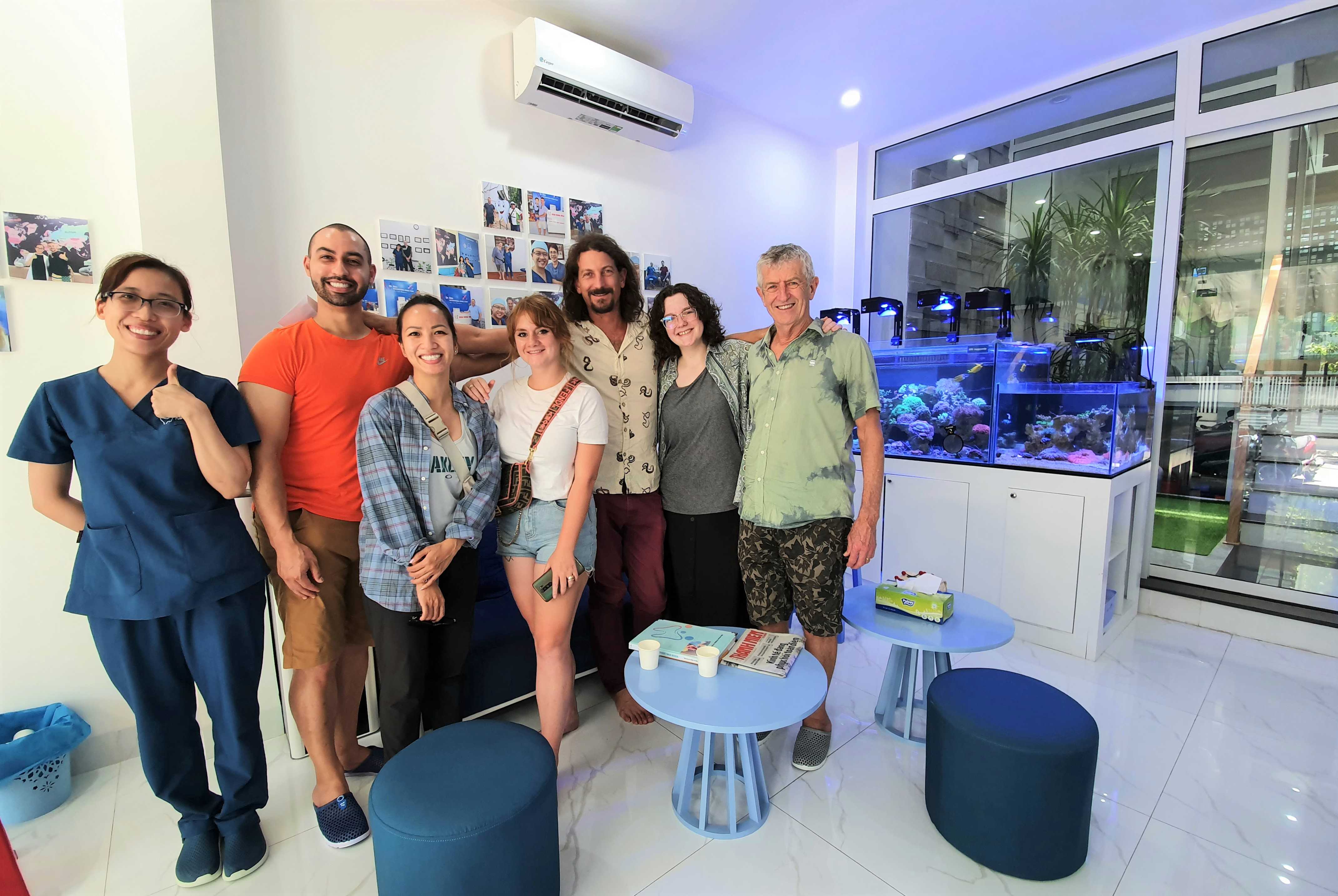
Dr. Bao Dental Clinic
Danang, Vietnam
Da Nang Implant Dental Clinic in Vietnam
Danang, Vietnam
Dr. Care Implant Clinic
Ho Chi Minh, Vietnam
BeDental - Porcelain Veneers & Implants Center
Saigon,Ho Chi Minh, Vietnam
Transformative Dentistry Experiences: Dive into Procedure Insights
Discover the power of Dentistry through compelling patient experiences. Uncover detailed insights into procedures, recovery journeys, and life-changing results.


Price starting from $4,920
All-on-6 Dental Implants in Vietnam
- All on 6 Dental Implants, Dentistry
Vietnam

.jpg)
Price starting from $4,100
All-on-4 Dental Implants in Vietnam
- All on 4 Dental Implants, Dentistry
Vietnam
Explore Dentistry: Stories, Testimonials, and Procedures
Watch in-depth videos covering everything from Dentistry success stories to detailed procedure explanations. Learn what to expect and hear from real patients.
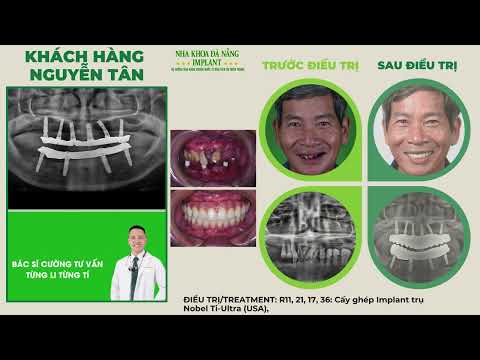
Vietnam Dental Implants 101: The Complete Procedure & Travel Guide
Dentistry
Da Nang Implant Dental Clinic in Vietnam
Vietnam
International Smiles: Real Patient Reviews from Around the World
Dentistry
Da Nang Implant Dental Clinic in Vietnam
Vietnam

Da Nang’s Best Dental Implants: International Standards, Local Warmth
Dentistry
Da Nang Implant Dental Clinic in Vietnam
Vietnam
Learn More with These Dentistry Articles
Take a look at these interesting articles, stories and research that will help you learn more about Dentistry.
.jpg)
.jpg)
Step-by-Step Guide for Australians Planning All-on-4 Dental Implant Trips to Vietnam
PlacidWay Vietnam
- Dentistry
Vietnam
.png)
Dental Implants in Vietnam: High-Quality, Affordable Solutions for Australian Patients
PlacidWay Medical Tourism
- Dentistry
Vietnam

The 'Hanoi Glow': Why 2026 Trends Prioritize Anatomic Veneers Over Traditional Teeth Whitening
PlacidWay Medical Tourism
- Dentistry
Vietnam







