


Get Veneers in Vietnam in Just a Few Days

For many patients considering cosmetic dentistry, understanding the time commitment is just as important as understanding the procedure itself. When traveling abroad for care, managing your schedule efficiently is crucial. The process of getting dental veneers involves careful planning, precise tooth preparation, laboratory fabrication, and final placement. Because you are combining treatment with travel, knowing how many days to allocate can help you organize a safe, stress-free trip.
Key Takeaways
- Standard Timeline: The average duration for traditional porcelain veneers is 5 to 7 days.
- Required Visits: Most patients require 2 to 3 visits: consultation/preparation, fitting, and final placement.
- Material Differences: Composite veneers can often be completed in a single day, whereas porcelain requires laboratory time.
- Buffer Days: Always plan for 1 to 2 extra days before your departure flight to accommodate any necessary bite adjustments.
- Individual Variance: Existing dental issues, such as gum inflammation, must be treated first and can extend the overall timeline.
What is the step-by-step timeline for getting veneers in Vietnam?
Understanding the daily breakdown can help you plan your itinerary. During your first appointment, the dentist will evaluate your oral health to ensure you are a suitable candidate. If approved, they will prepare your teeth by removing a very thin layer of enamel—usually less than a millimeter. This step ensures the final veneers will sit flush with your natural teeth without looking bulky. Impressions or digital 3D scans are then taken and sent to the dental laboratory.
While your permanent veneers are being fabricated over the next few days, you will typically be fitted with temporary veneers to protect your prepared teeth and reduce sensitivity. Once the permanent porcelain shells are ready, you will return to the clinic for a fitting. The dentist will temporarily place them on your teeth to check the color, shape, and fit. Once you and the dentist are satisfied, they are permanently bonded using a special dental cement.
Temporary veneers are more fragile than permanent ones. During your waiting period, you may need to adjust your diet to avoid hard, crunchy, or sticky foods that could dislodge them.
Can I get veneers in a single day in Vietnam?
For patients on a very tight schedule, some facilities offer same-day solutions. Composite veneers involve applying a tooth-colored resin directly to the surface of your teeth, which the dentist then sculpts and hardens with a special light. Because this bypasses the laboratory entirely, it can be completed in just one visit.
Alternatively, if you prefer ceramic or porcelain, a clinic equipped with CAD/CAM technology (such as CEREC) can design and mill the veneers in-house within hours. While this drastically reduces the wait time, it is important to note that same-day porcelain veneers may not offer the same highly customized, hand-layered translucency that a master ceramist can achieve in a dedicated laboratory over several days.
Does the type of veneer material affect the treatment time?
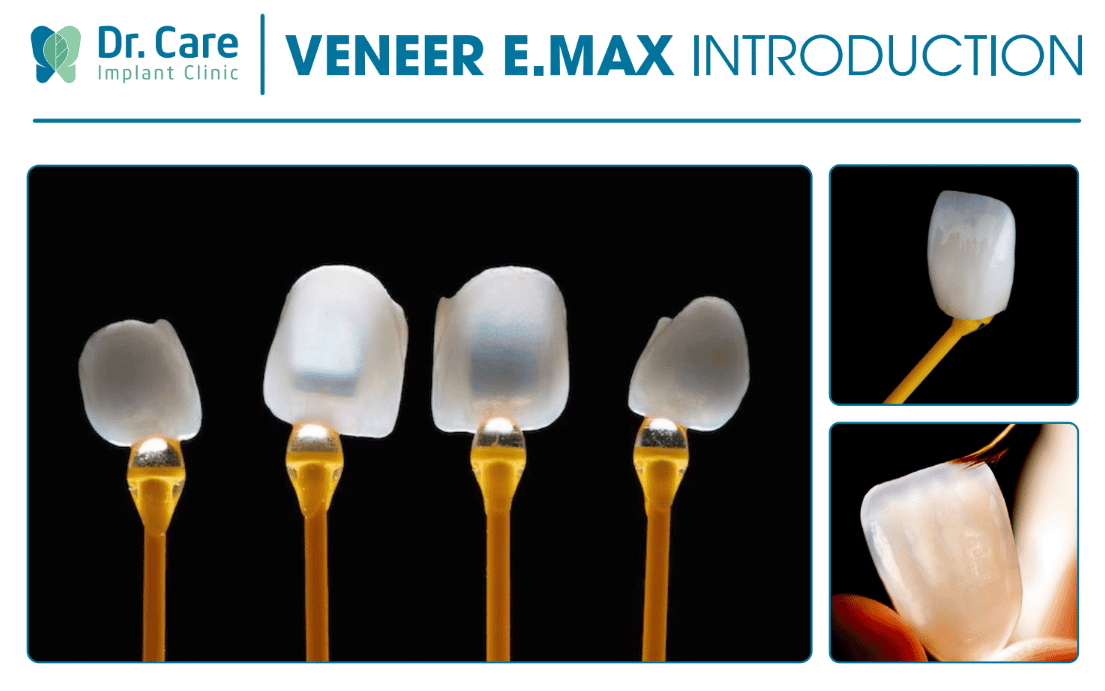
When discussing options with a veneers clinic in Vietnam, you will usually choose between two main materials: porcelain (or ceramic) and composite resin. Porcelain is highly regarded for its durability and its ability to closely mimic the light-reflecting properties of natural teeth. Because creating porcelain veneers is an intricate process requiring high-temperature kilns and artistic layering, it naturally demands a longer timeframe.
Composite resin, while faster and often more cost-effective, is generally less durable and more prone to staining over time compared to porcelain. The decision between the two should be based on a consultation with a qualified dentist regarding your long-term aesthetic goals, budget, and travel schedule, rather than just the speed of the procedure.
How many clinic visits are required during the trip?
- Visit 1 (Preparation): This is usually the longest appointment. It involves a thorough examination, X-rays, treatment planning, tooth preparation, impressions, and the placement of temporary veneers.
- Visit 2 (Try-in and Bonding): Once the final veneers are ready, you will return. The dentist checks the fit and aesthetics. If everything is satisfactory, they are permanently cemented into place.
- Visit 3 (Follow-up/Adjustment): Scheduled a day or two after placement, this brief visit allows the dentist to check your bite and ensure the gum tissue is responding well to the new restorations.
Should I plan extra days in Vietnam for recovery and adjustments?
While getting veneers is minimally invasive and recovery is generally swift, the way your teeth fit together (your occlusion) changes slightly with new restorations. It often takes a day or two of eating and speaking normally to notice if a specific veneer feels slightly too high or causes mild interference when you chew.
By building a buffer into your travel plans, you give your dentist the opportunity to make minor polishing adjustments. Leaving the country immediately after placement removes this safety net. Addressing a high bite promptly is important because prolonged imbalance can lead to jaw discomfort or potential chipping of the new veneer.
What factors can delay the veneer placement process?
Veneers can only be successfully applied to healthy teeth and gums. If your initial consultation reveals gingivitis or periodontitis, your dentist will require you to undergo periodontal treatment first. Inflamed gums can bleed during the impression and bonding process, compromising the strength of the dental cement and leading to future failure of the veneer.
Similarly, if a tooth has deep decay, it may require a filling or even root canal therapy. These preliminary treatments require their own healing periods. To minimize surprises, many patients opt to have a comprehensive dental check-up and necessary X-rays taken by their local dentist at home before finalizing their travel plans.
Some patients may find out they are not suitable candidates for veneers at all, particularly if they have severe bruxism (teeth grinding) or insufficient enamel. In these cases, alternative treatments like dental crowns may be recommended.
How much do veneers cost in Vietnam compared to other countries?
Many patients look into cross-border care to manage expenses. While exact prices vary widely depending on the clinic's location, the technology used, and the specific brand of materials (such as E-max or Lumineers), the financial aspect remains a strong motivator. However, patients should approach cost comparisons thoughtfully.
It is vital not to base your medical decisions solely on finding the lowest price. When reviewing treatment estimates, clarify what is included in the quote. Ask whether consultation fees, X-rays, temporary veneers, and local anesthetics are factored into the total price. A transparent clinic will provide a comprehensive breakdown so you can accurately budget your trip.
Is it safe to combine a vacation with getting veneers in Vietnam?
Vietnam is a popular destination offering rich cultural experiences, but medical travelers should plan carefully. Since you will be wearing temporary veneers for a few days, you might experience mild tooth sensitivity to hot and cold temperatures. This might slightly limit your ability to enjoy certain local cuisines or very cold beverages.
Furthermore, your schedule needs to remain flexible. Dental appointments can occasionally run long, or an extra visit might be required. It is usually best to schedule major sightseeing, long tours, or trips to remote areas before the dental work begins, keeping the days between appointments relatively relaxed and staying close to your clinic.
How should I prepare before traveling for dental veneers?
Proper planning minimizes clinical and logistical risks. Start by visiting your home dentist for a cleaning and an honest assessment of your enamel health and bite alignment. You can request a copy of your dental records and recent X-rays. Many international clinics offer initial digital consultations where they review these images and provide an estimated treatment plan before you book your flight.
When evaluating potential clinics, prioritize verifiable credentials. Look for dentists who are registered with recognized dental associations or who have completed international training. Inquire about the clinic's sterilization protocols and whether they utilize external ISO-certified dental laboratories.
What happens if I need adjustments after returning home?
While a well-executed veneer procedure has a high success rate, dental restorations are not immune to issues. A veneer might debond, chip, or crack due to accidental trauma or nighttime teeth grinding. Because returning to the original destination for a minor repair is usually impractical, post-treatment continuity of care is essential.
Before traveling, speak with your local dentist to ensure they are comfortable providing follow-up care and routine professional cleanings for your new restorations. Maintaining excellent oral hygiene, flossing daily, and wearing a protective night guard (if recommended) are the best ways to protect your investment and avoid complications.
Why Choose PlacidWay for Medical Tourism?
PlacidWay is an international medical tourism platform dedicated to connecting patients with healthcare facilities worldwide. For those considering dental care abroad, the platform provides tools to research and evaluate options.
Extensive Global Network
Access a wide registry of healthcare providers and dental clinics across numerous international destinations, allowing for broad comparison.
Educational Resources
Utilize articles, patient guides, and procedure overviews designed to help you understand what various medical treatments entail.
Transparent Information
Review facility profiles, available treatments, and estimated pricing ranges to assist in your initial research and budgeting phases.
Direct Communication
The platform facilitates initial contact between you and the chosen clinics so you can ask specific questions about your individual needs.
Patient-Focused Approach
PlacidWay emphasizes empowering patients to gather necessary facts and estimates to make their own informed healthcare decisions.
Frequently Asked Questions
Are temporary veneers provided while waiting for the final ones in Vietnam?
Yes, dentists typically place temporary veneers over your prepared teeth to protect them and reduce sensitivity while your permanent veneers are being crafted in the dental laboratory.
Does getting veneers hurt?
The procedure is usually performed under local anesthesia, meaning you should not feel pain during the tooth preparation. Some patients experience mild soreness or tooth sensitivity for a few days after the procedure.
How long do porcelain veneers typically last?
With proper care, good oral hygiene, and regular dental check-ups, porcelain veneers can often last between 10 to 15 years, though this varies based on individual habits such as teeth grinding or diet.
Can I fly immediately after my veneers are placed?
Yes, it is generally safe to fly after receiving veneers, as the procedure does not typically involve major surgery or pressure-sensitive changes in the mouth. However, it is highly recommended to wait 24 to 48 hours to ensure your bite feels comfortable before leaving the country.
Are dental clinics in Vietnam equipped with modern technology?
Many dental facilities catering to international patients invest in modern technology, such as 3D scanners, CAD/CAM systems, and digital X-rays. However, equipment varies by clinic, so it is important to research the specific facility beforehand.
Can I eat normally with temporary veneers?
You should avoid hard, sticky, or particularly crunchy foods while wearing temporary veneers, as they are not bonded as strongly as the final restorations and can become dislodged or damaged.
Will language be a barrier at a dental clinic in Vietnam?
Many facilities that frequently treat international patients have English-speaking dentists or provide dedicated medical interpreters. It is advisable to confirm language support when booking your consultation.
Is composite resin faster to apply than porcelain?
Yes, composite veneers are often applied in a single visit because the resin is sculpted directly onto the tooth, eliminating the need for an external dental laboratory to manufacture the shells.
What happens if a veneer cracks after I leave Vietnam?
If a complication occurs after you return home, you will likely need to visit a local dentist for repair or replacement. This underscores the importance of having a local dental care plan in place before traveling abroad.
Do I need to replace all my teeth with veneers?
No, veneers are typically only placed on the visible front teeth. Depending on your aesthetic goals and bite, your dentist may recommend anywhere from a single veneer to correct a specific tooth, up to six or eight veneers for a balanced smile.
Ready to Explore Your Dental Options?
Compare international treatment options, review clinic details, and gather the information you need to make an informed decision about your dental care.
Request Treatment InformationReferences
- American Dental Association (ADA) – Oral Health Topics: Veneers
- Centers for Disease Control and Prevention (CDC) – Travelers' Health: Medical Tourism
- FDI World Dental Federation – Global Oral Health Guidelines
- Mayo Clinic – Dental Veneers Overview and Patient Considerations
- World Health Organization (WHO) – Oral Health Fact Sheet
- Organization for Safety, Asepsis and Prevention (OSAP) – Dental Infection Control Guidelines




.png)

.png)



.jpg)
.png)













Share this listing