
The Ultimate Guide to Dental Crowns in Vietnam
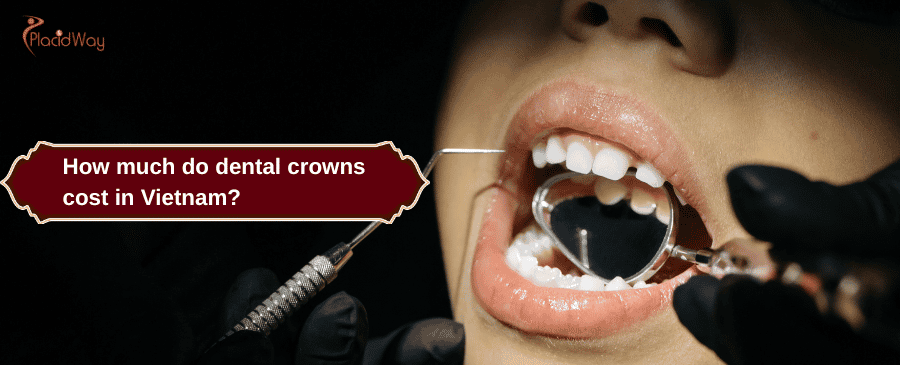
Restoring a damaged or decayed tooth can be a significant financial investment, prompting many patients to explore international options. Getting dental crowns in Vietnam has become a popular choice for individuals seeking restorative care at a more accessible price point. While the primary draw is often the reduced expense, planning a trip for dental work requires a careful understanding of the materials available, the expected timeline, and the medical considerations involved.
This guide explores the factors that influence treatment expenses, what you can expect during the procedure, and how to navigate the medical and practical aspects of traveling abroad for dental care.
Key Takeaways
- Estimated prices per tooth range broadly depending on whether you choose metal-ceramic or high-end zirconia materials.
- Treatment typically requires a stay of 4 to 7 days to allow time for laboratory fabrication and proper fitting.
- Not all patients are immediate candidates; underlying issues like gum disease or root infections must be treated first.
- Establishing a relationship with a local dentist in your home country is crucial for long-term maintenance and managing potential complications.
- Careful research into facility standards is essential when planning treatment abroad.
What factors influence the cost of dental crowns in Vietnam?
When calculating your potential expenses, the type of crown material plays the largest role. Basic porcelain-fused-to-metal (PFM) options cost significantly less than advanced materials like all-ceramic or solid zirconia. The technology used to create the crown also impacts the price; facilities offering CAD/CAM (Computer-Aided Design and Computer-Aided Manufacturing) for same-day crowns may charge a premium for the convenience.
Location within the country is another significant variable. A dental clinic in Vietnam situated in major urban centers like Ho Chi Minh City or Hanoi might have slightly higher fees due to elevated operating costs, though they often feature modern equipment and English-speaking staff. Additionally, your overall bill will increase if you require preceding treatments such as a root canal, core buildup, or post insertion to stabilize the tooth before the crown can be placed.
What types of dental crown materials are available?
Understanding the available materials helps you make an informed decision based on which tooth needs restoring and your aesthetic preferences:
- Porcelain-Fused-to-Metal (PFM): These offer a solid balance of strength and affordability. They consist of a metal shell covered by a porcelain veneer. While durable, the underlying metal can sometimes show as a dark line at the gum margin over time.
- Full Porcelain: Often chosen for front teeth, these provide a highly natural color match. However, they are generally less durable than PFM or zirconia and are more prone to chipping under heavy biting forces.
- Zirconia: Known for exceptional strength, zirconia crowns are highly resistant to cracking and chipping. They are frequently used for molars that endure significant chewing pressure. Modern zirconia can also be layered with porcelain for improved aesthetics.
- E-max (Lithium Disilicate): This is a premium glass-ceramic material highly regarded for its translucent, lifelike appearance. It is often recommended for visible front teeth where aesthetics are the highest priority.
How much do different types of dental crowns cost?
To help you compare the estimated financial commitment, the table below outlines typical price ranges you might encounter. Keep in mind that these estimates do not include the cost of consultations, X-rays, or necessary preparatory work.
| Crown Material | Estimated Cost per Tooth (USD) | Best Suited For |
|---|---|---|
| Porcelain-Fused-to-Metal (PFM) | $80 - $150 | Back molars, budget-conscious patients |
| Full Porcelain | $150 - $250 | Front teeth requiring moderate aesthetics |
| Zirconia | $200 - $350 | Patients needing high durability and strength |
| E-max | $250 - $400 | Highly visible front teeth requiring top aesthetics |
Are dental facilities in Vietnam safe and well-equipped?
The safety and quality of your care depend entirely on the facility you select. Facilities that regularly treat international patients often strive to meet global hygiene and operational standards. They frequently invest in advanced technologies, such as cone-beam computed tomography (CBCT) scanners and in-house milling machines for precise restorations.
Despite these advancements, the regulatory environment for healthcare varies. It is crucial to verify the credentials of the treating dentist, ask about their experience with restorative procedures, and inquire about the facility's infection control protocols. Independent verification and reading comprehensive patient reviews can help you gauge the reliability of a provider before you travel.
How long does the dental crown procedure take when traveling abroad?
When planning your trip, you must allocate sufficient time for the clinical steps. During your first visit, the dentist will examine the tooth, take X-rays, reshape the enamel to accommodate the crown, and take impressions. You will usually leave this appointment wearing a temporary resin crown.
The impressions are sent to a dental laboratory, which usually takes a few days to custom-craft the permanent restoration. Once ready, you return for the second visit, where the temporary crown is removed, and the new one is checked for fit, bite, and color before being permanently cemented. Even if a facility offers same-day crowns via CAD/CAM technology, planning a slightly longer stay is prudent to accommodate any necessary bite adjustments.
What are the medical risks associated with getting a dental crown?
While generally considered a safe and routine procedure, restorative dental work is not without potential complications. After the enamel is removed, the tooth may become sensitive to hot or cold temperatures. If the preparation process irritates the tooth's inner pulp, or if the tooth was severely decayed, the nerve may eventually die, necessitating a root canal later on.
Mechanical failures can also occur. A crown may chip, particularly if it is made of full porcelain and you have a habit of grinding your teeth (bruxism). The dental cement holding the crown in place can sometimes wash out from underneath, allowing bacteria to enter and cause decay in the remaining natural tooth structure. Discussing your medical history and dental habits with the provider can help mitigate these risks.
Am I a suitable candidate for a dental crown?
A dental crown is primarily used to protect and strengthen a compromised tooth. You may be evaluated for this procedure if you have recently undergone a root canal, have a tooth that is cracked but still intact, or have a large cavity that a standard filling cannot support. They are also used to cover dental implants.
However, an individualized assessment by a qualified healthcare professional is necessary. If a tooth is decayed below the gum line or if active periodontal (gum) disease is present, these issues must be treated before a restoration can be placed. In cases where the tooth is too severely damaged to be saved, extraction followed by a bridge or implant may be recommended as an alternative.
What should I expect during the recovery period?
Immediately after the procedure, the area may remain numb for a few hours. You should avoid eating hot foods or chewing forcefully until the local anesthesia has completely worn off to prevent accidentally biting your cheek or tongue. Some inflammation around the gum line where the crown meets the tooth is normal and typically subsides within a week.
If your bite feels uneven or "high" when you close your mouth, it is important to contact your dentist promptly for an adjustment. Ignoring a high bite can lead to jaw pain or damage to the new crown. Maintaining rigorous oral hygiene by brushing and flossing around the new crown is vital to prevent future decay at the margin.
How do I handle dental complications after returning home?
One of the primary challenges of receiving care abroad is managing post-treatment follow-up. If a crown becomes loose, chips, or causes persistent pain after you have flown back, returning to the original provider is rarely practical. Therefore, it is strongly advised to have an established relationship with a dentist in your home country who is willing to take over your routine care and handle potential emergencies.
Before you are discharged, request a complete summary of the work performed, including the specific materials used, the brand of any associated hardware, and copies of pre- and post-operative X-rays. Providing this information to your local dentist ensures continuity of care and helps them properly diagnose any late-developing complications.
How do I combine medical tourism in Vietnam with my dental treatment?
Many patients choose to explore cultural sites, enjoy local cuisine, or visit coastal areas while visiting the country for healthcare. When planning your itinerary, factor in the logistics of your dental appointments. You will likely need to stay near the clinic during the days between your first and final fitting in case an urgent adjustment to your temporary crown is needed.
Consider arranging physically demanding excursions, like extensive hiking or long tours, before the restorative work begins. Once the permanent crown is placed, you may experience mild discomfort that could detract from travel experiences. Always follow the dietary guidelines provided by your dentist when exploring local food options to protect your temporary or newly placed permanent restorations.
Why Choose PlacidWay for Medical Tourism?
PlacidWay assists patients in researching and connecting with international healthcare providers. Here is how the platform supports individuals exploring care abroad:
- Provider Connections: Facilitates introductions between patients and a network of international healthcare facilities and specialists.
- Information Access: Shares available details regarding facility accreditations, certifications, and infrastructure.
- Cost Comparisons: Provides platforms and resources that allow patients to compare estimated procedural expenses across different regions.
- Initial Consultations: Helps arrange preliminary digital consultations or inquiries so patients can discuss their needs before traveling.
- Patient Education: Offers articles, guides, and resources to help patients understand various procedures and destination considerations.
Frequently Asked Questions
Do I need a visa to visit Vietnam for dental treatment?
Visa requirements depend on your nationality. Citizens of certain countries enjoy visa exemptions for short stays, while others must apply for an e-visa or visa on arrival before traveling to Vietnam.
Can I get a dental crown on the same day in Vietnam?
Some dental facilities equipped with CAD/CAM technology may offer same-day crowns. However, traditional crowns or complex cases usually require multiple visits over several days while a dental laboratory fabricates the restoration.
How long do dental crowns usually last?
With proper oral hygiene and regular dental check-ups, dental crowns typically last between 5 and 15 years. Their lifespan depends heavily on the material used, your chewing habits, and how well you maintain them.
Will a dental crown look exactly like my natural teeth?
Materials like all-porcelain or zirconia can be color-matched closely to your surrounding teeth, offering a highly natural appearance. However, the final aesthetic depends on the skill of the technician and the specific material chosen.
Does getting a dental crown hurt?
The tooth preparation process is typically performed under local anesthesia to minimize discomfort. You may experience some mild sensitivity or soreness in the gums for a few days after the procedure as your mouth adjusts.
Can I eat normally with a temporary crown?
While wearing a temporary crown, you should avoid sticky, chewy, or very hard foods, as these can dislodge or break the temporary restoration. It is best to chew on the opposite side of your mouth until the permanent crown is placed.
What happens if my crown breaks after I leave Vietnam?
If a complication occurs after returning home, you will need to consult a local dentist for repair or replacement. This is why it is highly recommended to obtain all your dental records and X-rays before leaving the country.
Do Vietnamese dental clinics speak English?
Many facilities that cater to international patients have English-speaking dentists and support staff. However, proficiency levels vary, so it is helpful to confirm communication options during your initial inquiry.
Is a root canal always necessary before a crown?
No, a root canal is not always required. It is only necessary if the inner pulp of the tooth is infected, damaged, or inflamed. A thorough examination and X-rays will determine if root canal therapy is needed.
How should I care for my new dental crown?
Care for your crown just as you would a natural tooth. Brush twice daily with fluoride toothpaste, floss regularly, avoid using your teeth to open packages, and schedule routine professional cleanings with your dentist.
Ready to Explore Your Dental Options?
Discover more about the estimated dental crowns cost in Vietnam and review educational resources to help you plan your care abroad safely.
Request Treatment InformationReferences
- Dental Crowns – American Dental Association (MouthHealthy)
- Dental Crowns: Purpose, Procedure, Complications, Care – Cleveland Clinic
- Traveler's Health: Vietnam – Centers for Disease Control and Prevention (CDC)
- Root canal (and subsequent restorative crowns) – Mayo Clinic
- Dental treatments (Crowns) – National Health Service (NHS)
- Oral health Fact Sheet – World Health Organization (WHO)



-2-(5).png)
-2-(7).png)
.jpg)

.png)



.jpg)












Share this listing