
Explore the Best Dental Clinics in Vietnam

When searching for the right facility for your oral health needs, knowing how to evaluate a dental clinic in Vietnam is essential. Rather than simply looking for a specific name, patients should focus on the underlying standards that define high-quality care. From verifying dentist credentials to understanding infection control protocols, making an informed decision requires careful research and realistic expectations.
Key Takeaways
- Evaluate clinics based on international certifications, sterilization protocols, and specialist credentials rather than just marketing claims.
- Clear communication in your native language is critical for understanding treatment plans, risks, and post-operative instructions.
- Cost savings can be significant, but you must factor in flights, accommodation, and the potential need for multiple trips.
- Thoroughly discuss and arrange a follow-up plan with a local dentist in your home country before traveling.
- Medical outcomes are never guaranteed, and individual suitability for procedures like implants depends heavily on your unique health profile.
Why do international patients seek dental care in Vietnam?
The growth of medical tourism in Vietnam has been driven largely by the difference in operating costs between Southeast Asia and Western countries like the United States, Australia, or the UK. Because the cost of living, administrative overhead, and facility maintenance are comparatively lower in Vietnam, established clinics can often offer procedures at a reduced price.
However, the appeal extends beyond simple cost differences. Major cities such as Ho Chi Minh City and Hanoi have developed healthcare sectors that cater specifically to international visitors. Many of these established centers invest in digital dentistry tools and employ professionals who have pursued specialized post-graduate training abroad. Despite these advantages, prospective patients must understand that standards are not uniform across the country, making thorough individual research absolutely necessary before committing to care.
What treatments do established dental clinics in Vietnam usually offer?
When looking into dental treatment in Vietnam, you will find that facilities equipped for international patients usually offer services that mirror those available in Western dental offices. The suitability of any procedure depends entirely on a thorough in-person examination, medical history review, and diagnostic imaging.
Common procedures evaluated by international patients include:
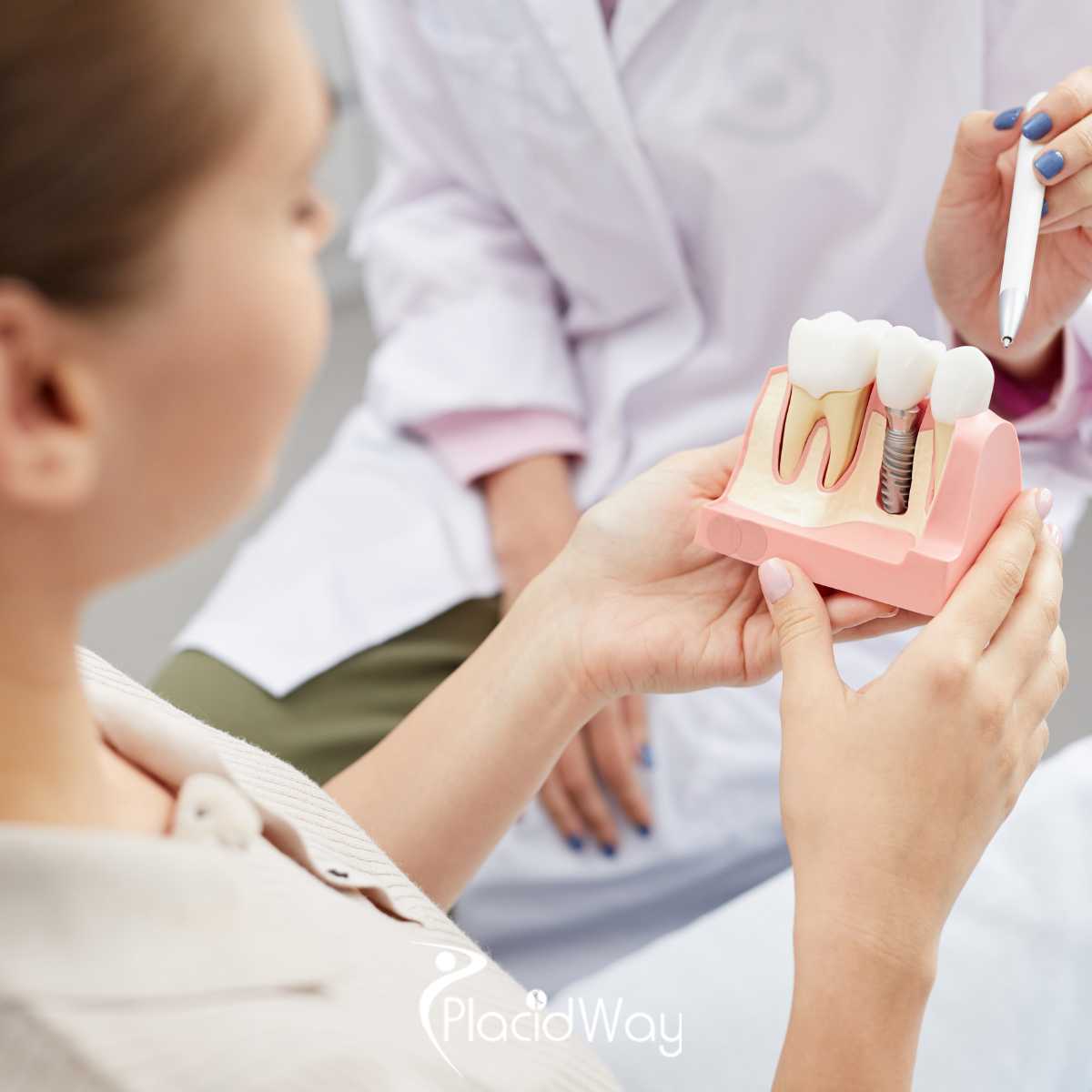
- Implantology: Single implants, implant-supported bridges, and full-arch restorations (often requiring adequate bone density or bone grafting).
- Restorative Dentistry: Root canal therapy, traditional bridges, and custom crowns made from materials like zirconia or porcelain.
- Cosmetic Procedures: Custom veneers and professional teeth whitening.
- Oral Surgery: Complex extractions, including impacted wisdom teeth.
How much does dental work usually cost in Vietnam?
Estimating prices requires an understanding that every mouth is different. A patient arriving for a single crown may find the process straightforward, while someone seeking an implant might discover they require sinus lifts or bone grafting, which immediately alters the total cost. Furthermore, the type of materials used—such as standard titanium versus specialized alloys for implants, or standard porcelain versus premium zirconia for crowns—will shift the price.
When budgeting for care, it is vital to remember that the clinic's fee is only one part of the equation. You must also account for round-trip flights, multiple weeks of accommodation, travel insurance, and local transportation. Obtaining a detailed, itemized estimate from a clinic before traveling can help you understand the potential financial commitment, though you should expect that estimates may change once a physical examination is performed.
How can I verify the quality and safety of a clinic?
Because you cannot rely solely on marketing materials, independent verification is necessary. Look for clinics that hold accreditations from respected organizations, such as the Joint Commission International (JCI) or the International Organization for Standardization (ISO). These certifications suggest that a facility has undergone third-party auditing regarding their safety, hygiene, and management protocols.
Do not hesitate to ask a clinic directly about their infection control measures. A reputable facility should be able to clearly explain their use of autoclaves for sterilizing instruments, their policies on single-use items, and how they handle biohazardous waste. If a clinic is reluctant to answer these questions or provides vague responses, it is a sign to continue your search elsewhere.
Are dentists in Vietnam properly trained and certified?
While basic dental education in Vietnam provides a solid foundation, specialized procedures like complex oral surgery, orthodontics, or implantology often require advanced study. Many specialists choose to complete fellowships, master's degrees, or specialized training programs in the United States, Europe, or Australia.
When evaluating a potential provider, ask for the resume or professional biography of the specific dentist who will perform your procedure. Verify their membership in recognized professional bodies, such as the International Congress of Oral Implantologists (ICOI) or local dental associations. Keep in mind that a certificate of attendance at a weekend seminar is vastly different from a multi-year specialized degree.
What technology should I expect at a modern Vietnamese dental clinic?
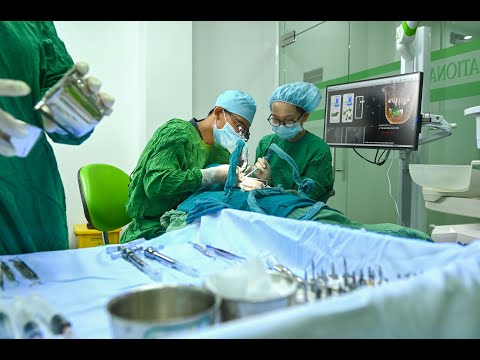
The integration of digital technology has significantly changed how complex dental work is planned. A 3D CBCT scanner, for example, is highly beneficial for implant placement. It allows the dentist to view the jawbone in three dimensions, helping them assess bone density, locate nerve pathways, and plan the exact angle of the implant to minimize surgical risks.
Additionally, CAD/CAM (Computer-Aided Design and Computer-Aided Manufacturing) technology allows some clinics to design and mill crowns or veneers on-site. While this can sometimes expedite the treatment process, the speed of the procedure should never compromise the quality of the fit or the healing time required by your body.
How long should I plan to stay in Vietnam for my dental procedure?
One of the most common mistakes patients make when traveling for medical care is underestimating the time needed for safe treatment and recovery. Rushing medical procedures increases the risk of complications and poor outcomes.
| Procedure Type | Typical Estimated Timeframe | Travel Requirements |
|---|---|---|
| Routine Care (Cleanings, Fillings) | 1 - 3 days | Single trip |
| Crowns / Veneers | 5 - 10 days | Single trip |
| Standard Dental Implants | Stage 1: 7-10 days Stage 2: 7-14 days |
Usually two trips (separated by 3-6 months for healing) |
Always build extra days into your itinerary. Delays can happen due to unforeseen dental issues found during the exam, the need for laboratory adjustments to prosthetics, or simply to allow your dentist to monitor your initial healing before you fly.
What are the potential risks of having dental treatment abroad?
All medical and dental procedures carry inherent risks, including infection, adverse reactions to anesthesia, excessive bleeding, or implant rejection. When you undergo treatment in a foreign country, these standard risks are compounded by logistical challenges.
If you experience a miscommunication regarding your treatment expectations or medical history due to language barriers, the results can be detrimental to your health. Furthermore, if a procedure fails or results in a severe complication, pursuing legal action or obtaining a refund across international borders is often difficult, time-consuming, and expensive. Understanding these factors is vital when weighing the benefits of traveling for care.
How do I manage follow-up care after returning home?
Post-operative care is a critical component of any dental procedure. Implants need periodic checking, crowns may require minor adjustments, and professional cleanings must be maintained. You cannot rely on a clinic thousands of miles away for routine maintenance or sudden emergencies.
Before leaving the clinic in Vietnam, request copies of all your dental records, including pre- and post-operative X-rays, 3D scans, and detailed notes of the materials used (such as the specific brand and size of any implants). Having these documents translated into English will help your local dentist provide the safest and most accurate continuing care possible.
Why Choose PlacidWay for Medical Tourism in Vietnam?
PlacidWay provides resources to help patients research international healthcare options carefully.
- Global Directory: Provides access to a broad database of healthcare facilities and clinics across Vietnam and globally.
- Facility Information: Allows patients to review the listed accreditations, technologies, and services offered by various centers.
- Educational Resources: Offers informative articles and guides regarding dental procedures and general medical travel considerations.
- Direct Communication: Facilitates initial contact, allowing you to ask questions directly to the clinics you are interested in.
- Patient Accessibility: Provides free access to platform tools to help you gather the information needed to discuss options with your local physician.
Frequently Asked Questions
Is it safe to get dental implants in Vietnam?
Getting dental implants in Vietnam can be safe if you select a clinic that follows international hygiene standards and employs experienced, credentialed specialists. However, all surgical procedures carry inherent risks, such as infection or implant failure, regardless of location.
Do Vietnamese dentists usually speak English?
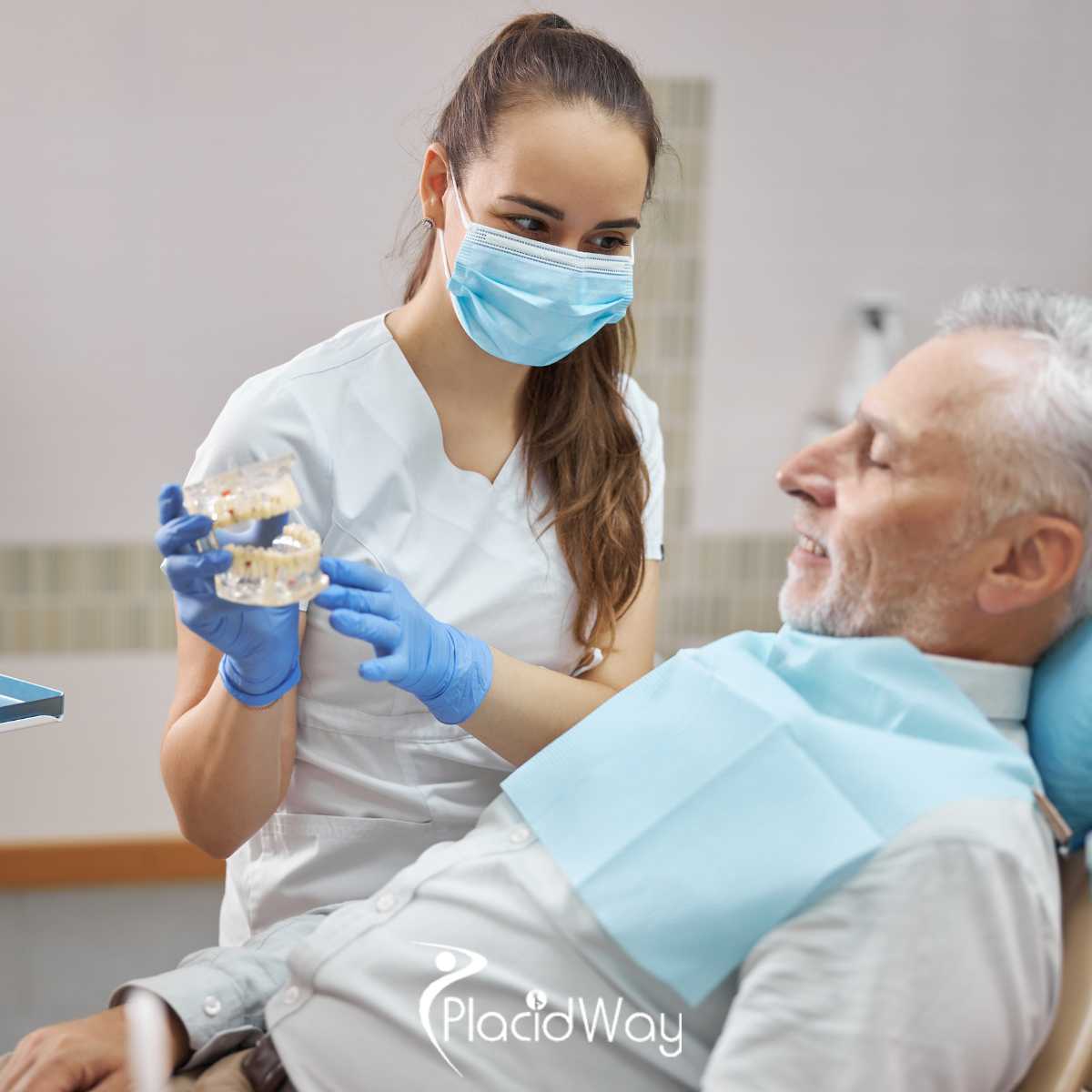
Many dentists and support staff at facilities catering to international patients speak English. It is always wise to confirm this during your initial consultation to ensure clear communication about your medical history and treatment plan.
Can I combine my dental treatment with a vacation in Vietnam?
While many people do combine treatment with travel, you should prioritize your medical care. Extensive procedures may require rest, dietary restrictions, and multiple clinic visits, which can limit your ability to participate in typical vacation activities.
What materials are typically used for dental crowns in Vietnam?
Established clinics in Vietnam generally use the same globally recognized materials found in Western countries, including porcelain-fused-to-metal, full porcelain, and zirconia. The choice depends on your specific dental needs and budget.
How do I pay for dental treatment in Vietnam?
Most international clinics accept major credit cards, bank transfers, and cash. It is important to ask about payment schedules and any potential foreign transaction fees before beginning your treatment.
Will my home dental insurance cover procedures in Vietnam?
Coverage varies widely by provider. Some dental insurance plans may reimburse a portion of out-of-network overseas care, while others strictly exclude international treatments. You must contact your insurance provider directly to check your specific policy.
What happens if a complication occurs after I leave Vietnam?
If complications arise after you return home, you will likely need to see a local dentist for immediate care. This is why it is crucial to establish a relationship with a local provider before traveling and to obtain all your medical records from the treating clinic.
Are sterilization standards in Vietnam comparable to Western countries?
Clinics that hold international accreditations generally adhere to strict sterilization and cross-infection protocols similar to those in Western countries. However, standards can vary widely between facilities, making thorough research essential.
Do I need a visa to travel to Vietnam for dental work?
Visa requirements depend on your nationality and the length of your stay. Many visitors require a tourist or medical visa. You should check with the Vietnamese embassy or consulate in your home country well in advance of your trip.
How soon after tooth extractions can I fly?
Airlines and dental professionals generally recommend waiting at least 24 to 48 hours after a simple extraction before flying. For complex surgical extractions, you may need to wait several days to reduce the risk of bleeding, swelling, and sinus pressure changes.
Compare Treatment Options
Gather the information you need to make an informed decision about your dental care.
Request Treatment InformationReferences
- Medical Tourism - Centers for Disease Control and Prevention (CDC)
- Dental Implants - American Dental Association (ADA)
- Patient Safety Fact Sheet - World Health Organization (WHO)
- Accreditation Standards - Joint Commission International (JCI)
- Infection Prevention and Control in Dental Practice - FDI World Dental Federation
- Quality in Health Care - International Society for Quality in Health Care (ISQua)




















Share this listing