
The Ultimate Guide to Smile Makeover Times in Vietnam

If you are considering traveling abroad for extensive dental work, understanding the timeline is one of the most vital steps in your planning process. A smile makeover in Vietnam is not a single procedure, but rather a customized combination of treatments designed to improve the function and appearance of your teeth. Because every patient requires a unique approach, the amount of time you need to spend in the country can vary significantly based on your oral health needs.
For those simply looking to cover chips or discoloration with porcelain veneers, the process is relatively swift. However, patients requiring extractions, root canals, or structural replacements like dental implants need a much more complex schedule. Below, we explore the typical timeframes, necessary travel arrangements, and what you can expect during each phase of your dental journey in Southeast Asia.
Key Takeaways
- Cosmetic procedures like veneers and crowns typically require a single 5 to 14-day trip.
- Treatments involving dental implants require two trips separated by 3 to 6 months.
- Initial consultations and diagnostics are usually completed on your first day in the clinic.
- You should plan for 1 to 2 days of rest immediately following surgical procedures.
- Unexpected factors like the need for root canals or additional lab adjustments can extend your stay.
What factors determine the timeline of a smile makeover?
A smile makeover is a highly individualized treatment plan. When your dentist evaluates your oral health, they look at the condition of your gums, the health of your tooth roots, and your bite alignment. If you only need surface-level cosmetic adjustments, the timeline is dictated mostly by how fast the dental laboratory can create your custom prosthetics.
Conversely, if you have active gum disease or underlying infections, those issues must be addressed before any cosmetic work begins. Healing from periodontal treatments or root canals adds mandatory waiting periods. Furthermore, finding a well-equipped smile makeover clinic in Vietnam that utilizes in-house digital scanning and milling technology can sometimes shorten the waiting time between tooth preparation and the final fitting.
| Procedure Type | Typical Duration in Vietnam | Trips Required |
|---|---|---|
| Professional Whitening | 1 to 2 days | 1 Trip |
| Porcelain Veneers / Crowns | 5 to 14 days | 1 Trip |
| Standard Dental Implants | Total of 3 to 4 weeks (split) | 2 Trips |
How many trips to Vietnam are necessary for treatment?
For many international patients, limiting travel expenses and time away from work is a major priority. If your makeover plan consists of placing crowns, bridges, or veneers over existing healthy teeth, you can complete the entire process in a single visit. This makes scheduling flights and accommodation straightforward.
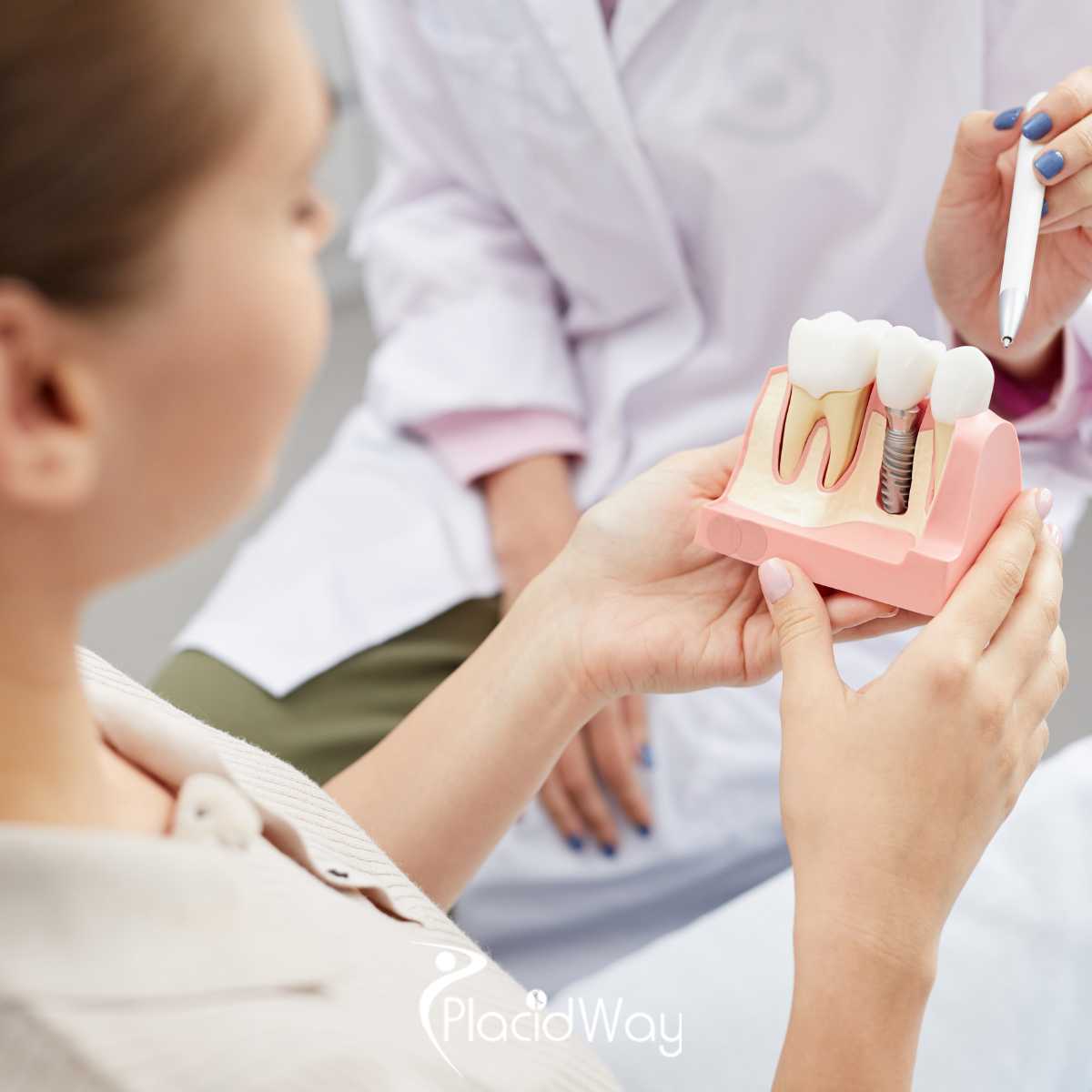
If you require dental implants to replace missing teeth, the biological process of osseointegration cannot be safely rushed. The dentist must place the titanium post in your jaw and then wait several months for the bone to fuse with the implant. During this waiting period, you return home. Once healing is verified, you take your second trip to Vietnam to have the permanent crowns attached to the implants.
Can I complete a veneer-based makeover in a single visit?
- Initial Visit: On your first day, the dentist evaluates your teeth, takes X-rays, and discusses your aesthetic goals.
- Preparation: The dentist carefully removes a thin layer of enamel from your teeth to make room for the veneers. Impressions or 3D scans are taken.
- Temporary Placement: You are fitted with temporary veneers while the laboratory manufactures your permanent set.
- Lab Time: Fabrication typically takes 3 to 5 days, depending on the complexity of the shade matching and the number of teeth involved.
- Final Fitting: The permanent veneers are bonded to your teeth. The dentist adjusts your bite and polishes the restorations before you travel home.
How much time is added if my treatment includes dental implants?
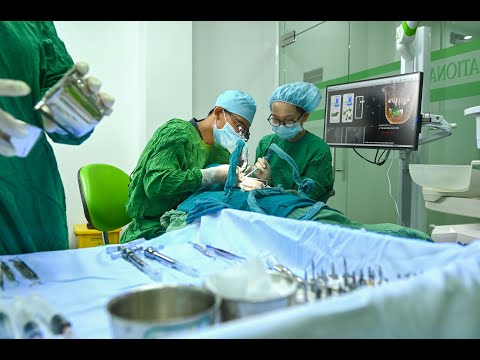
Implants require patience to ensure long-term stability. During your first trip, which typically lasts 7 to 10 days, any necessary extractions are performed, and the implant posts are surgically placed into your jawbone. After the surgery, the dentist will place protective caps or a temporary prosthetic over the site.
The subsequent waiting period happens back in your home country. This 3 to 6-month gap allows your jawbone to firmly lock the implant in place. If bone grafting or a sinus lift is required before placing the implants, you might even need a third trip, or an extended healing period of up to 9 months. Your second trip, which involves exposing the implants and placing the final abutments and crowns, usually takes another 7 to 14 days.
Do I need to stay in Vietnam during the implant healing phase?
Most international patients opt to fly home after the surgical placement of the implants. Staying abroad for half a year simply to wait for bone integration is unnecessary for the vast majority of people. Before you leave, your local provider will give you specific aftercare instructions and may provide antibiotics or pain management recommendations.
It is important, however, that you inform your regular dentist at home about the procedure you underwent. While complications during the healing phase are uncommon, having a local dental professional available to take an X-ray or check on your gums can provide peace of mind while you wait for your final trip.
What does the day-to-day schedule look like during treatment?
A typical dental itinerary is heavily front-loaded. Your first 48 hours will involve comprehensive exams, panoramic X-rays, treatment discussions, and the preparation of your teeth. Once the impressions are sent to the lab, you will generally have 3 to 5 days where you do not need to visit the clinic.
During this downtime, you wear temporary teeth. While you should stick to softer foods and avoid rigorous physical exertion immediately after any surgical procedures, this waiting period allows you to relax. Toward the end of your scheduled stay, you will return to the clinic for the fitting of your permanent restorations, followed by brief follow-up visits to refine your bite and ensure optimal comfort.
How many days should I remain in the country after the final fitting?
- Bite Alignment: Sometimes, local anesthesia alters how you bite down during the fitting. A follow-up visit a day later ensures your bite is perfectly aligned when the numbness is gone.
- Sensitivity Checks: A short observation period allows you to report any unusual pain or sensitivity to hot and cold liquids.
- Minor Adjustments: The dentist can easily smooth out any rough edges or high spots on your new restorations.
- Travel Comfort: Taking a couple of days to rest before boarding a long international flight reduces stress and minimizes the risk of travel-related discomfort.
Can I combine dental recovery with medical tourism in Vietnam?
Exploring medical tourism in Vietnam is part of the appeal for many international patients. During the days when your restorations are being fabricated in the lab, you can safely enjoy museums, city tours, and local markets. However, your itinerary should be adjusted based on the invasiveness of your procedure.
If you underwent implant placement, extractions, or gum contouring, you need to avoid strenuous activities, swimming in public pools, or exposing yourself to extreme heat that could exacerbate swelling. You will also need to be mindful of your diet while wearing temporary veneers or crowns. Avoid hard, crunchy, or heavily pigmented foods, and opt for softer meals to protect your provisional teeth.
How does the timeline compare to getting treatment at home?
When receiving complex dental work in countries like the United States, Australia, or the UK, treatment is typically spread out over several weeks or months. You might have an initial consultation in January, tooth preparation in February, and the final fitting weeks later, largely because you have to schedule appointments around your normal work routine and the clinic’s local patient load.
For international patients, the schedule is highly condensed. Because you dedicate a specific block of time solely to your dental care, and because clinics accustomed to international visitors expedite laboratory work, procedures that would take weeks back home are often finalized in just 10 to 14 days. However, you should still evaluate the smile makeover cost in Vietnam against the logistical reality of taking a two-week continuous break from work.
What unexpected factors could extend my stay in Vietnam?
While dentists strive to provide accurate timelines during virtual consultations, physical examinations occasionally reveal underlying issues that X-rays miss. For example, if the dentist discovers decay close to the nerve when preparing a tooth for a crown, you may suddenly require a root canal. This adds treatment time and necessitates an additional healing period before the crown can be placed.
Furthermore, cosmetic dentistry relies heavily on precision. If the final veneers arrive from the laboratory and the shade does not perfectly match your surrounding teeth, or if the fit is slightly off, the dentist may send them back for adjustments. Building a buffer of 2 to 4 extra days into your travel itinerary is a wise precaution that prevents you from having to change flights at the last minute.
Why Choose PlacidWay for Medical Tourism in Vietnam
Organizing dental care in another country requires access to reliable information. PlacidWay assists international patients by offering tools to research and connect with healthcare providers globally.
- Provides a directory of healthcare facilities and dental clinics worldwide for patient review.
- Allows individuals to compare provider profiles, credentials, and listed services.
- Offers educational resources regarding various dental procedures and potential international destinations.
- Facilitates direct communication pathways between patients and international medical teams.
- Provides access to preliminary cost estimates to help patients plan their healthcare budgets.
Frequently Asked Questions
Does a smile makeover clinic in Vietnam offer expedited services?
Some facilities have in-house dental laboratories equipped with CAD/CAM technology, which may allow them to mill crowns or veneers much faster than traditional off-site labs. However, rushing treatment is not always medically advisable, especially if your gums need time to heal.
What is the typical smile makeover cost in Vietnam compared to the US?
While costs vary based on individual needs and materials, patients often find that the smile makeover cost in Vietnam is lower than in the United States or Australia. This difference is largely due to lower local operational overhead and regional economic factors.
Will I need bone grafting, and how does it change the timeline?
If you lack sufficient jawbone density for implants, bone grafting may be required. This procedure typically adds 3 to 6 months to your overall timeline, as the graft must fuse with your natural bone before an implant can be safely placed.
Are temporary teeth provided while waiting for permanent restorations?
Yes, dentists typically provide temporary crowns or veneers to protect your prepared teeth and maintain your appearance while the permanent restorations are being fabricated in the dental laboratory.
How soon after tooth extractions can my makeover begin?
It depends on the treatment plan. If you are getting immediate-load implants, they might be placed the same day. However, for standard implants or bridges, dentists often wait 2 to 3 months for the extraction site to heal completely.
How long do dental veneers take to manufacture in a Vietnamese dental lab?
Depending on the clinic and lab setup, fabricating a set of custom porcelain veneers usually takes between 3 and 7 days. Intricate cases involving color matching and multiple adjustments may require the full week.
Do I need to take time off work when returning home?
Most patients can return to work immediately after flying home. If you underwent extensive oral surgery, you might want to schedule an extra day or two to recover from jet lag and mild post-operative swelling.
How long will the final results of a smile makeover last?
The longevity of your dental work depends on the materials used and your oral hygiene. Veneers and crowns can last 10 to 15 years or more, while dental implants can often last for decades with proper professional maintenance and home care.
What happens if I have an emergency after leaving Vietnam?
You should always establish a relationship with a local dentist in your home country for routine care and potential emergencies. If a complication arises, your local dentist can evaluate the issue and provide necessary immediate treatment.
How long before my trip should I book my initial consultation?
It is generally recommended to initiate contact with international clinics 2 to 3 months before your desired travel dates. This allows ample time for preliminary online consultations, reviewing your dental records, and securing travel arrangements.
Compare Treatment Options
Request treatment information, explore available destinations, and gather the details you need to make an informed decision regarding your dental care abroad.
Request Treatment InformationReferences
- Veneers – American Dental Association (ADA)
- Dental Implant Surgery – Mayo Clinic
- Medical Tourism – Centers for Disease Control and Prevention (CDC) Yellow Book
- Smile Makeover: What It Is, Procedures & Costs – Cleveland Clinic
- Global Oral Health Information – FDI World Dental Federation
- Dental Crowns: Purpose, Procedure, Complications, Care – WebMD
Medical Disclaimer: The information provided in this article is for educational purposes only and does not constitute medical advice. A smile makeover encompasses various cosmetic and restorative procedures, and individual results, risks, and recovery times will vary based on personal oral health. Always consult with a qualified local or international healthcare professional to determine your eligibility for dental treatments and to discuss the specific risks and benefits associated with your case.

























Share this listing