
Dental Implants in Vietnam: Your Guide to Quality, Safety, and Affordability

Dealing with missing teeth can affect your confidence, speech, and ability to eat comfortably. Because restorative dental work in countries like the United States, Australia, and the UK can be highly expensive, many people look for alternative options abroad. In recent years, getting dental implants in Vietnam has become a popular choice for international patients seeking more affordable solutions.
While traveling for healthcare presents unique opportunities to save money and explore a new country, it also requires diligent research. Dental surgery involves real medical risks, and standards of care can vary from one location to another. Navigating the world of medical travel means balancing estimated costs against safety, hygiene, and the long-term success of your oral health.
Key Takeaways
- Estimated treatment costs are often significantly lower than those in many Western countries.
- The full implant procedure typically requires two separate trips spaced three to six months apart.
- International implant brands (e.g., Straumann, Nobel Biocare) are widely available but depend on the specific facility.
- Finding a reputable facility requires verifying local credentials, hygiene protocols, and international certifications.
- Not everyone is a suitable candidate; sufficient jawbone density and good overall health are required for successful healing.
1. Why Do Patients Choose Vietnam for Restorative Dentistry?
The rise of medical tourism in Vietnam is driven largely by economics. Dental professionals in major urban centers like Ho Chi Minh City and Hanoi have invested heavily in modern dental technology, including 3D CBCT scanners and CAD/CAM milling machines. This allows them to offer treatments similar to what you would find in your home country.
Beyond the technology, the lower cost of living and reduced operational overhead mean that facilities can pass those savings on to patients. Furthermore, the country's rich culture, renowned cuisine, and scenic landscapes make it an appealing destination for those who wish to recover in a vacation setting. However, travelers should balance their sightseeing desires with the physical realities of recovering from oral surgery.
2. How Much Do Dental Implants Cost in Vietnam?
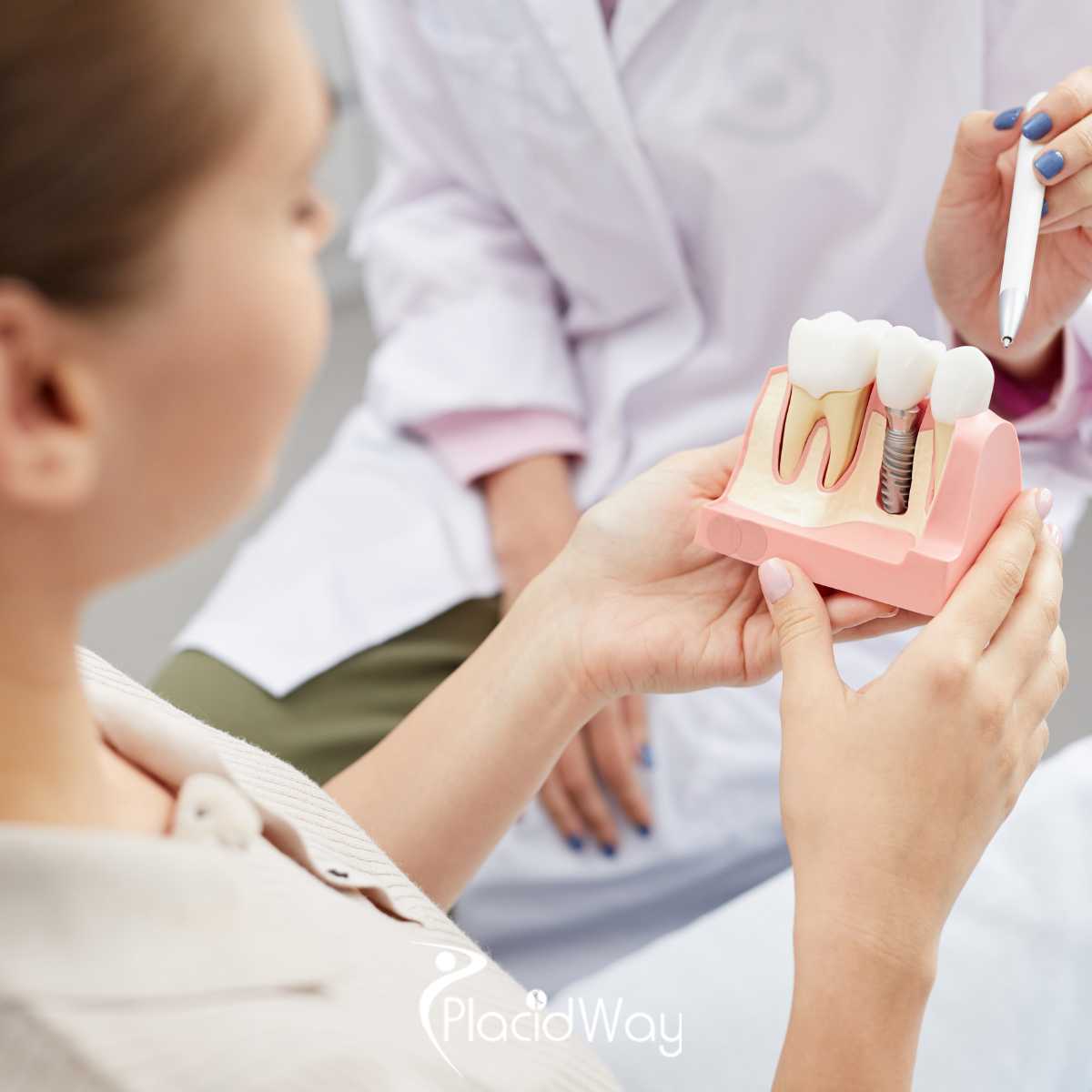
Pricing is highly variable and depends on individual patient needs. The baseline estimate often includes the titanium post, the abutment, and a standard crown. If you choose a globally recognized premium brand over a regional brand, the price will naturally be higher. Additionally, if you need preparatory work, your total expenses will increase.
| Procedure Component | Estimated Cost Range (USD) |
|---|---|
| Standard Single Implant (Post, Abutment, Crown) | $800 - $1,500 |
| Premium Single Implant (e.g., Straumann) | $1,200 - $2,000 |
| Bone Grafting (per site) | $200 - $500 |
| Sinus Lift | $500 - $1,000 |
Note: The prices above are estimates based on regional averages and do not include travel, accommodation, or unforeseen medical complications.
3. How Do I Find a Reputable Dental Clinic?
Because healthcare regulations differ internationally, you must take an active role in vetting your provider. Look for facilities that cater specifically to international patients, as they frequently adhere to strict global standards for sterilization, such as those recommended by the CDC or ISO certifications.
When communicating with a prospective facility, ask clear questions about their equipment. Do they use modern autoclaves for instrument sterilization? Are their dentists members of international organizations like the International Congress of Oral Implantologists (ICOI)? Taking the time to verify these credentials helps mitigate risks associated with traveling for medical care.
4. What Implant Brands and Materials Are Typically Used?
Most well-established facilities offer a variety of implant systems. Common brands include Nobel Biocare, Straumann, Osstem, and Dentium. Choosing a major international brand is highly recommended for patients traveling from abroad. If you require an adjustment or replacement part after returning home, your local dentist is much more likely to have the right tools to service a global brand.
Regarding materials, the standard posts are made of biocompatible titanium, which effectively integrates with the jawbone. Some facilities also offer zirconia implants for patients with specific metal allergies or aesthetic preferences, though titanium remains the industry standard with a long history of clinical success.
5. How Long Does the Dental Implant Process Take?
Dental implantation is a multi-step process that cannot usually be rushed. During your first visit, the dentist places the titanium post into your jawbone. You will need a few days of observation before flying home. After this, a biological process called osseointegration occurs, where the bone fuses to the implant.
This healing phase takes roughly three to six months. Once the implant is securely fused, you return for your second trip to have the abutment and custom crown attached. If you require bone grafting or a sinus lift prior to implant placement, the timeline will be extended, potentially adding several months to the overall healing process.
6. Am I a Good Candidate for Dental Implants Abroad?
Implants are not universally appropriate for everyone. Before booking any travel, it is wise to consult a local dentist for an initial evaluation. Conditions such as uncontrolled diabetes, severe gum disease (periodontitis), or autoimmune disorders can significantly slow healing and increase the risk of implant failure.
Lifestyle habits also play a major role. Heavy smoking restricts blood flow to the gums, drastically increasing the chances of post-surgical complications. If you lack sufficient bone in your jaw, you may still be a candidate, but you will need additional grafting procedures first, which complicates the logistics of traveling for care.
7. Are Dental Facilities in Vietnam Safe and Regulated?
The Ministry of Health in Vietnam oversees medical practices, but enforcement and standards can vary widely between a luxury facility catering to tourists and a smaller local establishment. To ensure safety, international patients should look for practices that operate transparently.
A reputable facility will gladly answer questions about their infection control practices. They should use single-use items wherever possible and properly sterilize non-disposable instruments. Do not hesitate to ask for details about their emergency protocols and whether they employ dedicated anesthesiologists for complex cases.
8. What Are the Risks of Traveling for Dental Surgery?
All surgical procedures carry inherent medical risks. Potential complications of implant surgery include infection at the site, injury to surrounding teeth or blood vessels, nerve damage causing tingling in the lips or chin, and sinus problems if implants in the upper jaw protrude into sinus cavities.
Traveling adds a layer of complexity to these risks. If a complication arises weeks after you return home, your original treating dentist cannot easily intervene. You will need to seek help from a local professional, which can result in unexpected out-of-pocket expenses. Establishing a clear contingency plan is vital for anyone traveling for medical reasons.
9. How Should I Prepare and Plan for Aftercare?
Immediately after surgery, you can expect some swelling, bruising, and minor bleeding. Your dentist will likely prescribe pain relievers and antibiotics. It is crucial that you follow their dietary restrictions, sticking to soft foods like yogurt, soup, and mashed potatoes while the surgical site begins to heal.
Long-term maintenance is just as important. Implants require the same daily care as natural teeth, including brushing twice a day, flossing, and using an antibacterial mouthwash. Even though the implant itself cannot decay, the surrounding gums remain susceptible to infection (peri-implantitis). You must commit to regular check-ups with a local dentist in your home country to monitor the health of your new teeth.
Why Choose PlacidWay for Medical Tourism in Vietnam?
Navigating international healthcare options can be overwhelming. PlacidWay acts as an educational and connecting resource for patients looking into medical treatments abroad. Here is how PlacidWay helps individuals exploring dental options:
- Facilitates Connections: PlacidWay links patients with healthcare providers and facilities worldwide.
- Educational Resources: The platform offers articles and guides to help patients understand different medical procedures.
- Transparent Profiles: Users can view provider credentials, facility details, and available treatments in one place.
- Cost Comparisons: PlacidWay allows you to request information to compare estimated costs across different regions.
- International Options: The network covers a wide array of destinations, helping you research the locations that fit your needs.
Frequently Asked Questions
Can I get a full mouth of implants in Vietnam?
Yes, many dental facilities offer full-arch restorations like All-on-4 or All-on-6. However, your eligibility depends on having adequate jawbone density and overall oral health, which requires an in-person assessment and a 3D CBCT scan.
Is the dental implant procedure painful?
The surgery itself is typically performed under local anesthesia, so you should not feel pain during the placement. After the anesthesia wears off, some discomfort, swelling, and mild pain are normal for a few days, which can usually be managed with prescribed pain relievers.
Do dentists in Vietnam speak English?
Many dentists and staff working in major cities like Ho Chi Minh City and Hanoi speak English, especially at facilities that frequently treat international patients. Some places also provide translation services if needed.
What happens if an implant fails after I return home?
If complications arise once you return home, you will need to see a local dentist. This is why it helps to choose widely recognized international implant brands, so your home dentist has the tools to assist you. Discuss warranty terms with your chosen facility before proceeding.
Will I need a bone graft before getting implants?
You may need a bone graft if your jawbone is too thin or soft to support an implant securely. A dentist will evaluate your bone mass using imaging tests to determine if grafting is necessary, which will extend your overall treatment timeline.
How soon can I fly after dental implant surgery?
Most dentists recommend waiting at least 2 to 3 days before flying. If your procedure involved a sinus lift, you may need to wait longer—sometimes up to two weeks—due to the risks associated with cabin pressure changes.
Are zirconia implants available in Vietnam?
Yes, many modern dental facilities in the country offer both traditional titanium implants and metal-free zirconia implants. Availability varies by location, so inquire beforehand if you have a specific material preference.
Can I use my home dental insurance in Vietnam?
Standard dental insurance policies from the US, UK, or Australia typically do not cover care abroad. Some plans offer out-of-network reimbursement for certain procedures, but you must check directly with your provider and be prepared to pay out-of-pocket upfront.
Do I need a visa for dental treatment in Vietnam?
This depends on your nationality. Many travelers can enter on a standard tourist visa or an e-visa, which usually covers the time needed for dental procedures. Always verify the latest entry requirements with official government resources before booking travel.
How long do dental implants last?
While dental implants can last many years, they are not guaranteed to last a lifetime. Their longevity heavily depends on your daily oral hygiene, lifestyle habits like smoking, and routine dental check-ups.
Compare Treatment Options Worldwide
Gather the facts, review available facilities, and understand estimated costs before making your dental care decision.
Request Treatment InformationReferences
- Dental implant surgery - Mayo Clinic
- Dental Implants: What You Should Know - U.S. Food and Drug Administration (FDA)
- Medical Tourism - Centers for Disease Control and Prevention (CDC)
- What Are Dental Implants? - American Academy of Implant Dentistry
- Dental Implants - Cleveland Clinic
- Oral Health Information - National Institute of Dental and Craniofacial Research (NIDCR)



















Share this listing